
How to Treat Dandruff on a Dog: Effective Solutions and Care Tips
If your dog has visible flakes on their coat or dry, itchy skin, dandruff is often the culprit. Treating dandruff on a dog involves regular bathing with moisturizing shampoos, improving their diet, and addressing any underlying skin issues or allergies promptly. By tackling dandruff early, you can help restore your dog's skin health and comfort.
Dandruff in dogs usually results from dry skin, poor grooming, or environmental factors such as low humidity or frequent exposure to allergens. Left untreated, it can cause irritation, itching, and sometimes infections due to excessive scratching. Recognizing dandruff early makes treatment easier and prevents escalation.
This article will cover the most effective methods to treat dandruff on a dog, including selecting proper shampoos, dietary recommendations, grooming techniques, and when to see a veterinarian. We'll also compare products and home remedies so you can make an informed decision about your dog's skin care.
Understanding the Causes of Dog Dandruff
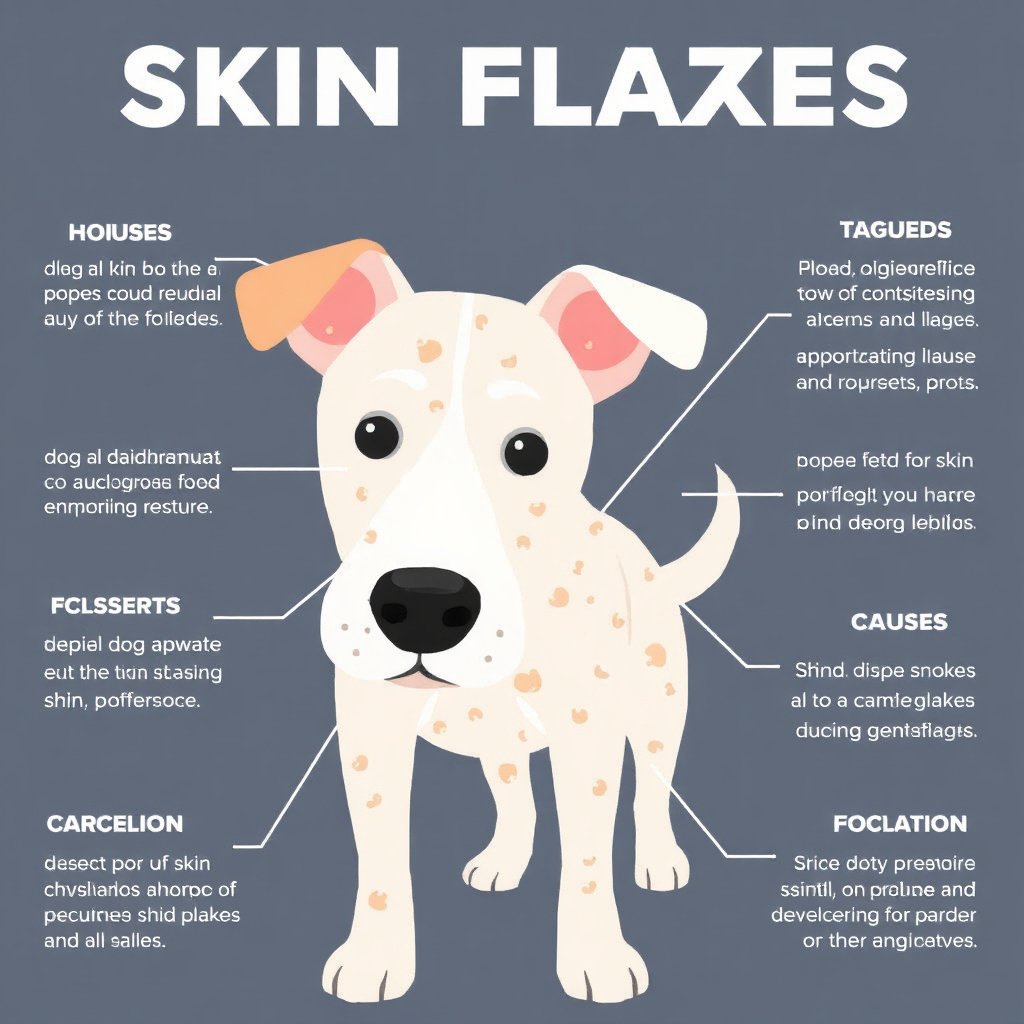
Common Environmental and Dietary Factors
Dandruff in dogs often stems from dry skin caused by cold, dry weather or low humidity indoors. Poor-quality diets lacking essential fatty acids or vitamins can also contribute to flaky skin. Overbathing with harsh shampoos strips natural oils, worsening dryness.
Environmental irritants like dust, pollen, or household chemicals can trigger mild allergic reactions leading to dandruff. Identifying these factors helps prevent recurrence, as moisture balance and a nutritious diet are key to healthy skin.
Underlying Health Conditions Leading to Dandruff
Certain medical issues such as seborrhea, fungal infections, or parasites like mites can cause dandruff in dogs. Hypothyroidism and hormonal imbalances may also affect skin health, resulting in flaking and irritation.
When dandruff persists despite basic care, a veterinary exam is important to rule out or treat these underlying problems with medications, medicated shampoos, or topical solutions.
Bathing and Shampoo Options for Treating Dog Dandruff
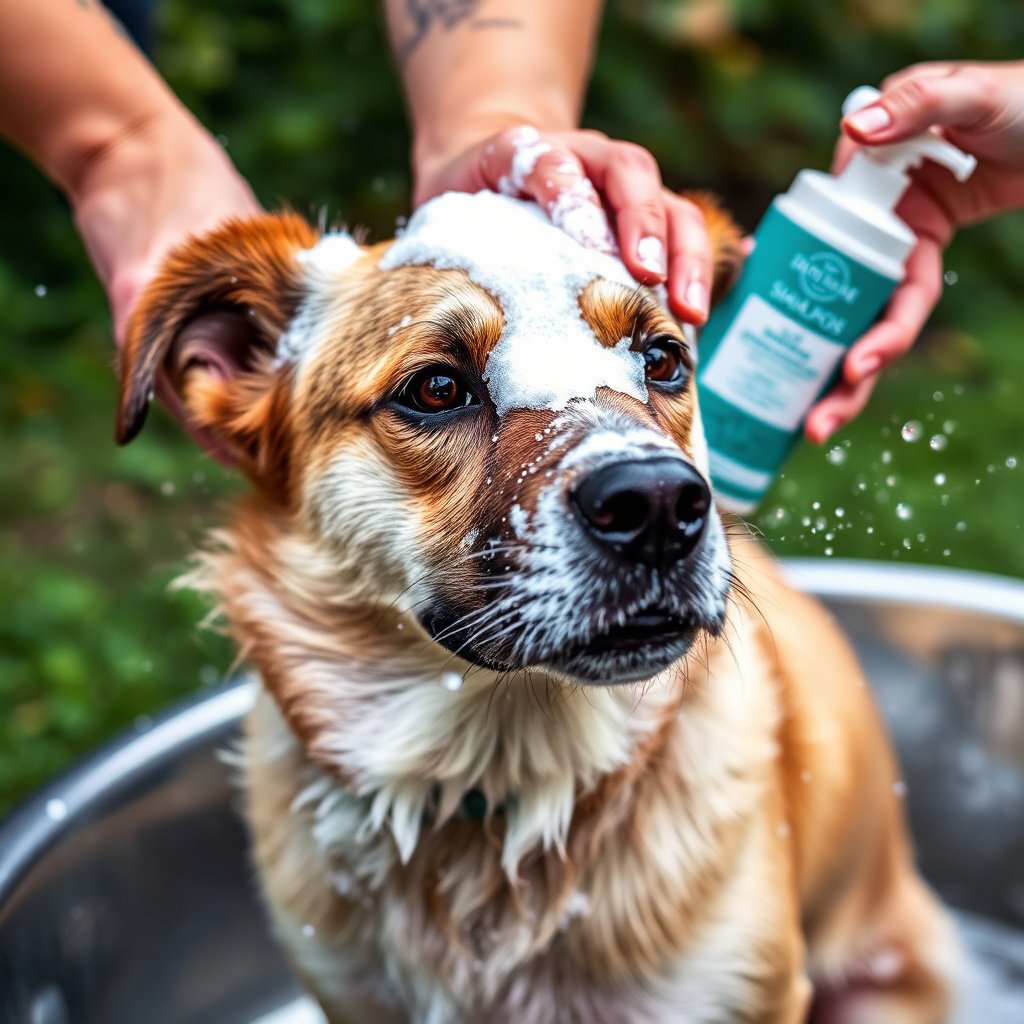
Choosing the Right Shampoo to Moisturize and Soothe
Shampoos with moisturizing ingredients like oatmeal, aloe vera, or coconut oil help replenish the skin’s natural oils and calm irritation. Avoid formulas with harsh detergents or artificial fragrances that can exacerbate dryness.
Medicated shampoos containing selenium sulfide, sulfur, or salicylic acid treat dandruff caused by fungal or bacterial infections. Use these only under veterinary guidance as overuse can dry the skin further.
- Oatmeal-based shampoos for gentle moisturizing
- Medicated shampoos for infection-related dandruff
- Avoid human shampoos or harsh chemicals
Bathing Frequency and Technique
Bathing your dog once every 2-4 weeks with appropriate shampoo maintains skin hydration without stripping natural oils. Use lukewarm water and thoroughly rinse shampoo residues to prevent irritation.
After bathing, gently towel dry or use low-heat blow drying to avoid further drying. Brushing immediately after can remove dead flakes and distribute oils naturally.
- Bath every 2-4 weeks for dandruff-prone dogs
- Use lukewarm water and gentle massage
- Thorough rinsing and gentle drying
Diet and Nutrition for Dandruff Prevention
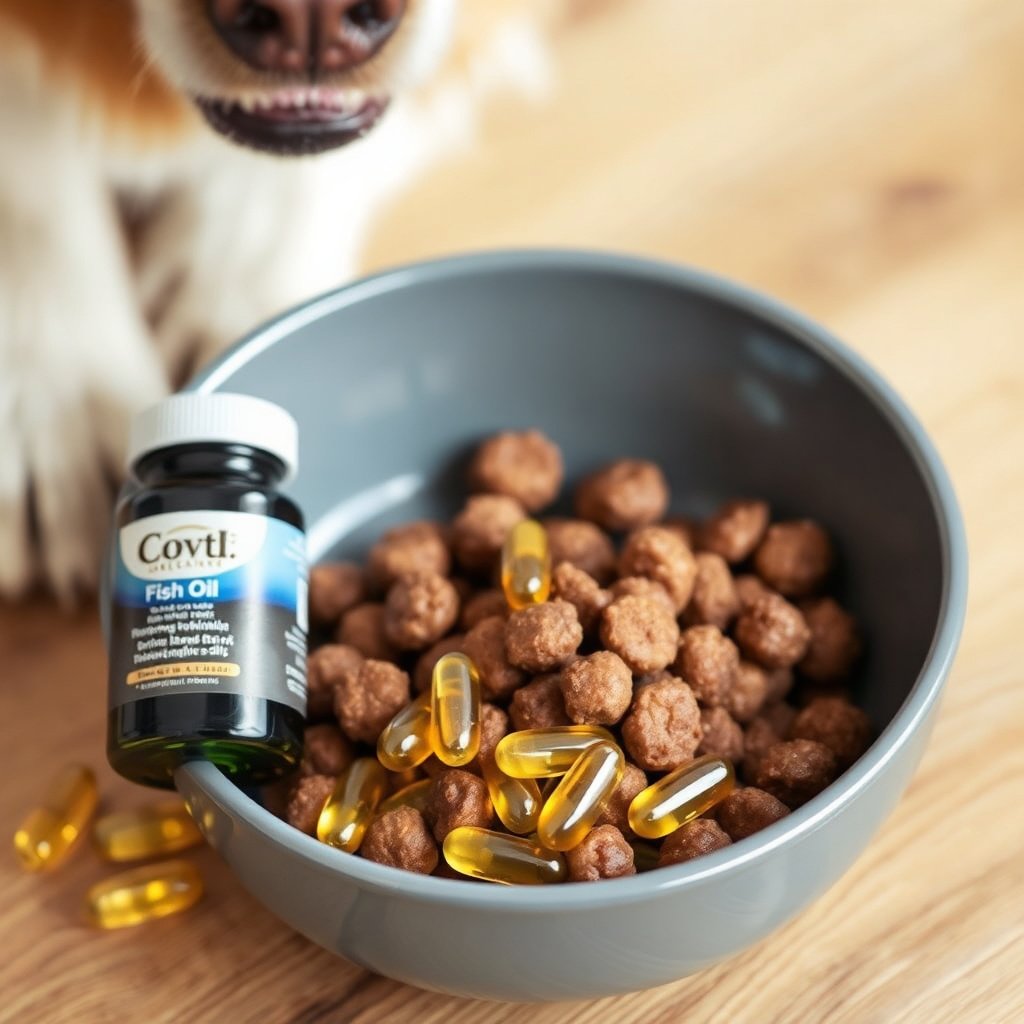
Essential Nutrients That Promote Healthy Skin
Incorporate omega-3 and omega-6 fatty acids into your dog's diet to support skin hydration and reduce inflammation. Vitamins A, E, and biotin also contribute to a healthy coat and barrier function.
High-quality protein sources improve skin repair and coat quality. Avoid low-grade fillers or excessive carbohydrates that offer little nutritional benefit and may worsen skin health.
- Omega-3 and Omega-6 fatty acids
- Vitamins A, E, and biotin
- High-quality proteins
For more on this, see our related guide: What Is Dog Dandruff: Causes, Treatments, and Prevention That Work.
Supplements and Hydration Tips
Adding fish oil or flaxseed oil supplements can increase essential fatty acids. Provide fresh water at all times since hydration directly affects skin moisture levels.
Regularly monitor your dog's weight, as both obesity and being underweight impact skin condition. Consult your vet before starting any supplement to ensure safe dosing.
- Fish oil or flaxseed oil supplements
- Plenty of fresh water
- Regular vet check-ins for nutrition
Grooming Practices to Reduce Dandruff on Dogs
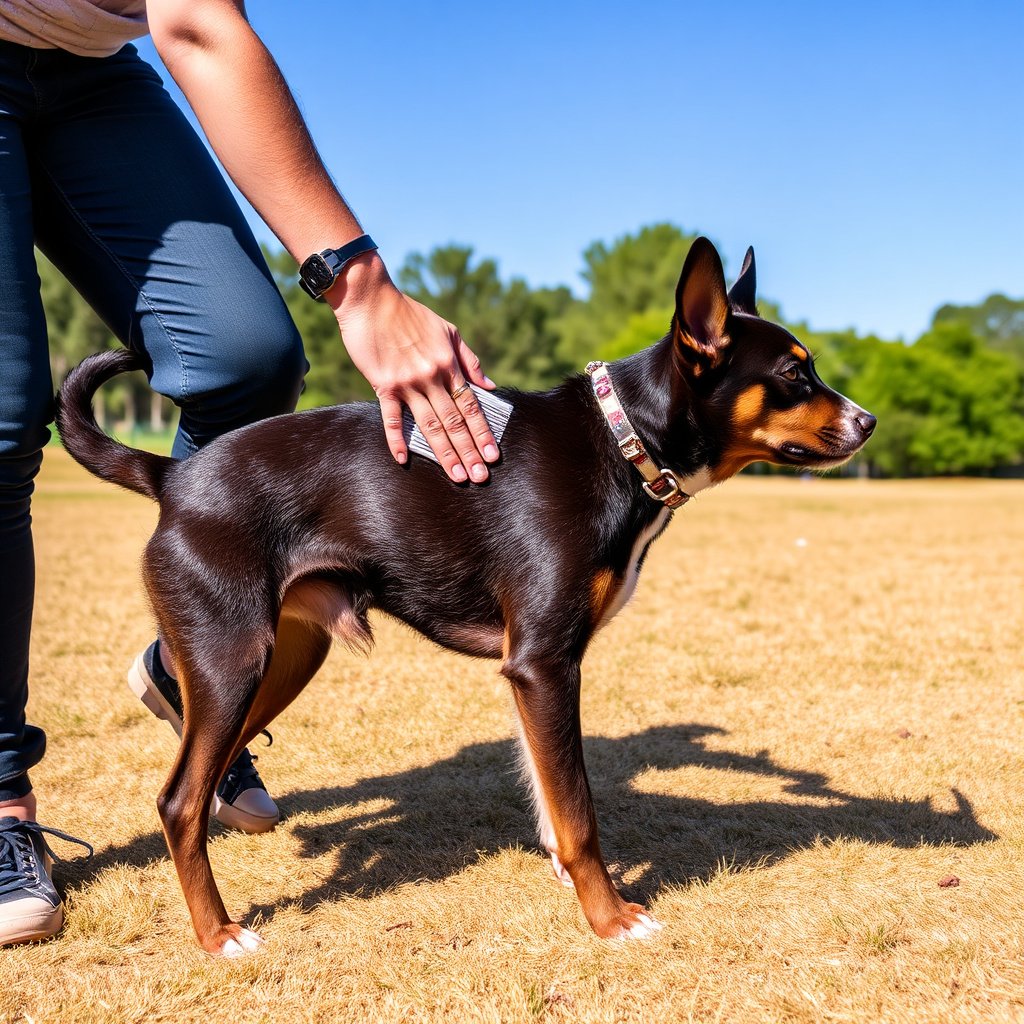
Regular Brushing to Remove Flakes
Brushing your dog's coat daily removes loose flakes and evenly distributes natural oils across the skin. It also stimulates circulation, promoting healthier skin renewal.
Choose grooming tools suitable for your dog's coat type such as slicker brushes for long fur or rubber mitts for short-haired breeds. Avoid harsh scraping which can irritate skin further.
- Daily brushing sessions
- Choose appropriate brushes for coat type
Bathing and Grooming Tools Hygiene
Clean your grooming brushes and combs regularly to prevent buildup of dirt, oils, and pathogens that could worsen dandruff or cause infections.
Disinfect grooming areas frequently and dry tools completely after cleaning to maintain a hygienic environment for your dog’s skin care.
- Wash grooming tools weekly
- Disinfect and dry brushes after use
When to Consult a Veterinarian for Dog Dandruff
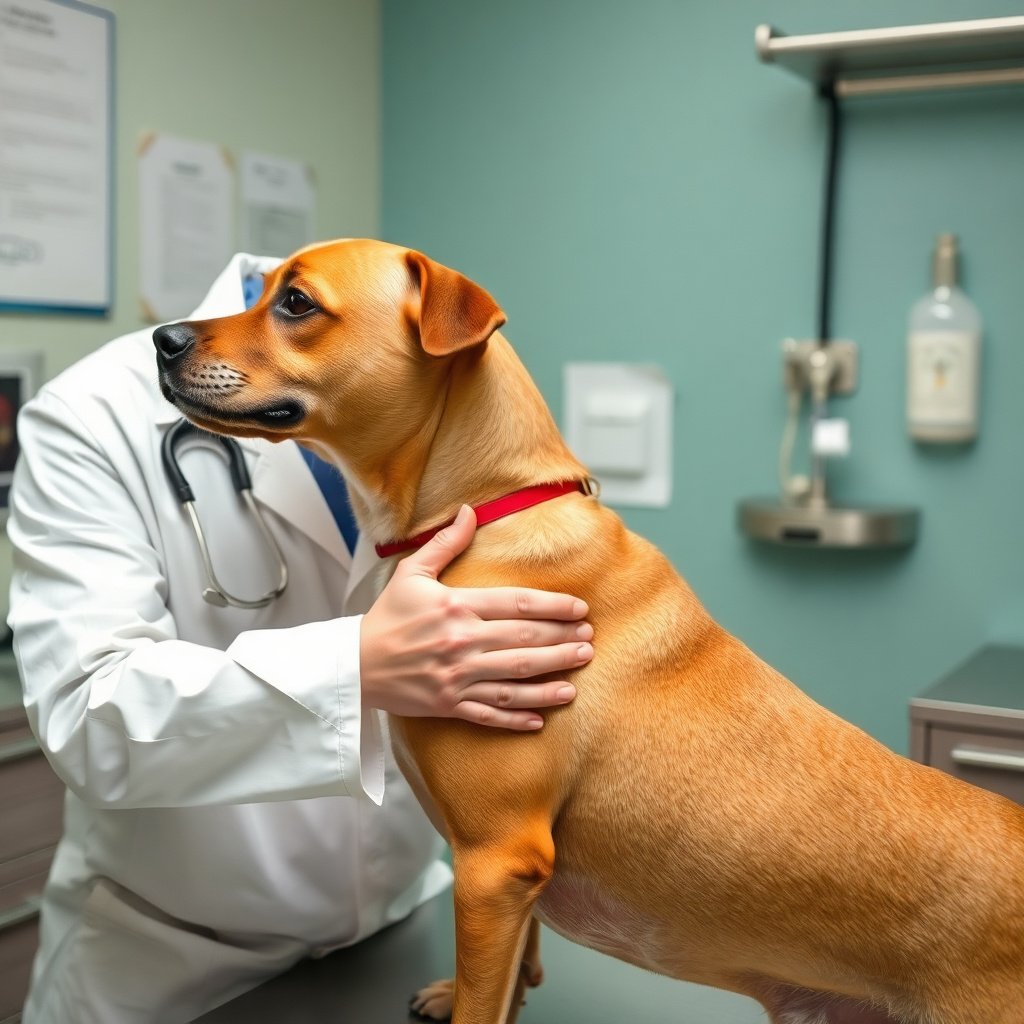
Detecting Signs of Serious Skin Problems
If your dog’s dandruff is accompanied by redness, hair loss, sores, or a foul odor, professional evaluation is necessary. Persistent itching and discomfort despite home care also indicate a deeper issue.
Vets can perform skin scrapings, allergy tests, or fungal cultures to diagnose causes accurately, ensuring proper treatment.
For more on this, see our related guide: Why Does My Dog Have Dandruff? Causes, Treatments & Prevention Tips.
Medical Treatments and Follow-ups
Based on diagnosis, veterinarians may prescribe medicated shampoos, oral antifungals, antibiotics, or anti-inflammatory medications. Follow-up appointments monitor progress and adjust treatment as needed for resolution.
Timely vet involvement prevents complications like bacterial infections or chronic skin disorders that can be harder to treat.
Home Remedies to Soothe Dog Dandruff
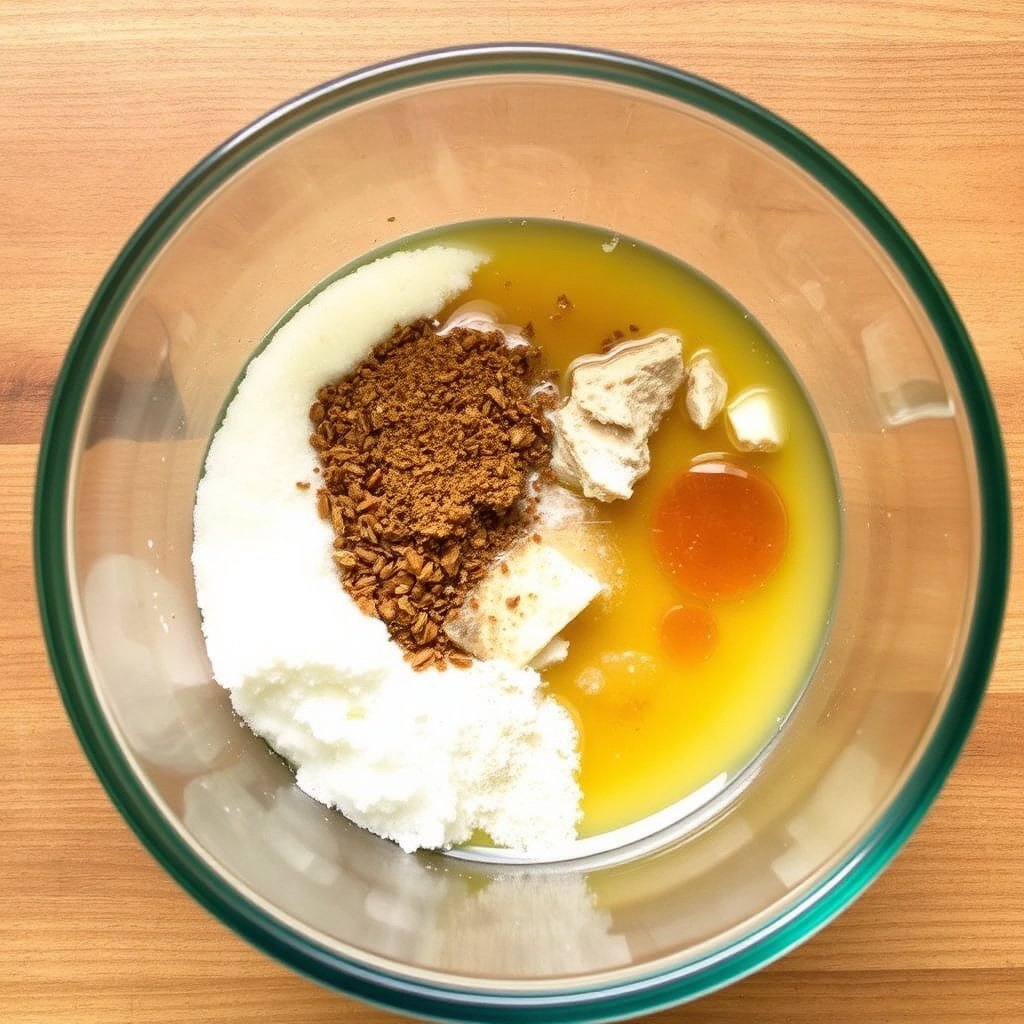
Natural Moisturizers and Treatments
Applying coconut oil or aloe vera gel to dry patches can moisturize and calm irritated skin. These natural remedies help reduce flaky buildup and itching without harsh chemicals.
Oatmeal baths are another safe way to soothe the skin and decrease dandruff. Use finely ground colloidal oatmeal mixed in warm water during baths.
- Coconut oil applications
- Aloe vera gel for soothing
- Oatmeal baths for irritation relief
For more detailed information on causes and treatments, see the comprehensive guide on dandruff in dogs at PetMD. Dandruff in dogs on PetMD.
Precautions and When to Avoid Home Remedies
Always patch-test natural products first to check for sensitivity or allergic reactions in your dog. Avoid essential oils or unapproved substances as they can be toxic to pets.
If dandruff worsens or persists, discontinue home remedies and seek veterinary advice to prevent harm or delay needed treatment.
Dog Dandruff Treatment Category Comparison
This table compares several common dog dandruff treatments based on cost, effectiveness, and ease of use.
| Treatment Type | Cost | Effectiveness | Ease of Use |
|---|---|---|---|
| Oatmeal Shampoos | $10-$20 | Moderate | Easy |
| Medicated Shampoos | $20-$40 | High (for infections) | Moderate |
| Dietary Supplements | $15-$30/month | Moderate to High | Easy |
| Home Remedies (e.g., coconut oil) | Low | Variable | Easy |
| Veterinary Treatments | $50-$200+ | High | Requires Vet Visits |
Frequently Asked Questions
Can dry skin alone cause dandruff in dogs?
Yes, dry skin is a common cause of dandruff in dogs, often due to environmental dryness or inadequate moisture in the skin.
How often should I bathe my dog to prevent dandruff?
Bathing every 2 to 4 weeks with a dog-friendly moisturizing shampoo is typically sufficient to prevent dandruff without over-drying.
Are human dandruff shampoos safe for dogs?
No, human dandruff shampoos can be too harsh and contain ingredients toxic to dogs; always use products formulated for canine skin.
What diet changes can help reduce dog dandruff?
Increasing omega-3 fatty acids and feeding high-quality protein while ensuring good hydration supports healthier skin and lowers dandruff.
When should I see a vet for my dog’s dandruff?
Vet consultation is needed if dandruff worsens, is accompanied by redness, sores, intense itching, or does not improve after home care.
Key Takeaways
- Regular moisturizing baths and proper grooming reduce dog dandruff effectively.
- A diet rich in omega fatty acids supports healthy skin and coat.
- Persistent dandruff may signal underlying health conditions needing vet care.
- Natural remedies can soothe but should be used cautiously with professional input.
Conclusion
Effectively treating dandruff on a dog requires identifying the root cause, whether environmental, dietary, or medical, and then applying appropriate care routines. Moisturizing shampoos and proper grooming can often manage mild dandruff, but attention to nutrition and hydration strengthens the skin’s resilience. Timely veterinary assessment ensures that infections or disorders are treated promptly, preventing discomfort and further skin damage.
For dog owners prioritizing routine prevention, choosing an oatmeal-based shampoo combined with daily brushing provides a balanced approach to controlling flakes. Dogs with persistent or severe dandruff might benefit from medicated shampoos prescribed by vets, particularly when infections are involved. Dietary supplements rich in omega fatty acids complement skin care by reducing inflammation and dryness. Home remedies like coconut oil may offer additional comfort but should not replace professional treatments.
If your dog shows signs of dandruff, start with gentle moisturizing baths and improve nutrition, then observe response over several weeks. Should flakes persist or worsen, make an appointment with your veterinarian to diagnose possible infections or allergies. Early intervention leads to better outcomes and a happier, more comfortable companion.


