What Is Dog Dandruff: Causes, Treatments, and Prevention That Work
Dog dandruff refers to the small, dry flakes of dead skin that appear on your dog’s coat and can cause itching or discomfort. It occurs when the natural shedding of skin cells is accelerated or disrupted, often due to dryness, allergies, or underlying health issues. Understanding what is dog dandruff helps you identify its causes and manage your dog’s skin health effectively.
This information is for dog owners who want to spot dandruff symptoms, learn effective treatments, and prevent future flaky skin problems in their pets. You will find clear explanations of causes, treatment options from home care to veterinary support, and practical advice on grooming and nutrition to keep your dog’s skin healthy.
Key Takeaways
- Use medicated shampoos that sit on your dog’s skin for at least 10 minutes to effectively treat dandruff.
- Bath your dog every 4 to 6 weeks to maintain skin moisture and prevent dry flakes.
- Feed a prescription hypoallergenic diet alone for 6-12 weeks to identify food-related dandruff causes.
- Incorporate omega-3 fatty acid supplements upon your vet’s advice to improve skin health and reduce flakes.
- Apply topical treatments by rubbing into your dog’s coat and washing off after 30 minutes for targeted relief.
- Regular grooming and brushing can reduce dead skin buildup and minimize visible dandruff.
What Is Dog Dandruff and How Does It Occur?

Dog dandruff refers to the small, white flakes you see falling from your dog’s fur. These flakes are actually bits of dead skin that have shed from the surface of your dog’s coat. Normally, skin cells renew and shed quietly without notice. However, dandruff appears when this process speeds up or the balance of skin moisture is disrupted, causing more dead skin to build up and become visible.
The biological process behind dandruff starts in the outermost layer of the skin, called the epidermis. Skin cells naturally grow, then die and slough off. When your dog’s skin becomes dry or oily, this cycle can accelerate, producing more dead skin flakes than usual. Factors such as dry air, dehydration, improper grooming, or underlying health issues can cause this imbalance. As a result, dead skin accumulates faster than it can wash away, leading to the flaky appearance known as dandruff.
In some cases, dandruff forms because the skin’s protective barrier is compromised. This barrier normally keeps moisture in and irritants out. When it breaks down, skin can become flaky from irritation, inflammation, or infections caused by bacteria or fungi. These infections often encourage the skin to produce extra cells, which then die and shed as dandruff.
Dogs with certain skin allergies or parasite infestations, like mites, may also develop dandruff. These conditions increase skin cell turnover as the body reacts to irritants. Some metabolic diseases like hypothyroidism or Cushing’s disease can disrupt normal skin health, triggering dandruff as a secondary symptom. This explains why the flakes sometimes appear alongside other health problems.
Good grooming and regular brushing help remove loose skin flakes before they accumulate and become noticeable. Choosing the right shampoo designed for your dog’s skin type supports skin hydration and reduces excessive flaking. Overbathing, however, can strip natural oils from the skin, resulting in dryness and more dandruff.
Since nutrition directly impacts skin and coat health, evaluating your dog’s diet is important if dandruff appears. Ensuring your dog drinks enough water also keeps skin cells healthy and less prone to flaking. Skin that is well-moisturized from the inside and outside tends to retain flakes less and shed dead cells smoothly.
In summary, dog dandruff forms when the balance of skin cell production and shedding is disturbed. This disruption leads to dead skin flakes collecting on the coat instead of shedding quietly. Managing your dog’s skin environment and health maintains this balance to reduce or prevent dandruff from forming.
Typical Causes of Dandruff in Dogs and Their Impact

Dandruff in dogs usually points to an underlying cause, not just dry skin alone. Common causes include dry skin, allergies, parasites, infections, nutritional deficiencies, and medical conditions like idiopathic seborrhea or hormonal disorders. Understanding these factors helps you decide how to address your dog’s flaky coat safely and effectively.
Dry skin often results from environmental factors such as low humidity in winter or frequent bathing with harsh shampoos. Allergies contribute significantly by triggering inflammation and skin irritation, which leads to flaking. Dogs can be allergic to foods, environmental elements like pollen, or fleas. Flea allergy dermatitis, for example, causes itchiness that damages the skin, worsening dandruff.
Parasites like mites cause dandruff by irritating the skin and creating flaky debris. Cheyletiella mites, often called walking dandruff, burrow under the flaky skin, causing itchiness and inflammation. These tiny parasites require prompt veterinary treatment, which usually involves medicated shampoos and topical or oral medications to eliminate them.
Infections caused by bacteria or yeast can also produce flaky skin. These infections often emerge secondarily, due to scratching or immune system responses linked to allergies or other skin issues. Hormonal disorders like hypothyroidism or Cushing’s disease can disrupt skin health, making it dry and flaky as well.
Idiopathic seborrhea is a genetic or unexplained disorder that affects skin cell turnover. It leads to excessive scaling and greasy or dry dandruff. This condition usually requires veterinary diagnosis and management through specialized shampoos and sometimes systemic therapies.
Diet plays an important role, too. Poor nutrition or nutrient deficiencies damage skin quality, prolong healing, and increase dandruff. You can improve your dog’s skin health by providing a balanced diet rich in essential fatty acids and vitamins. A clear approach to identifying causes involves:
- Checking for external parasites like fleas or mites with a vet’s help
- Reviewing diet quality and considering supplements recommended by your vet
- Examining the environment and reducing irritants like dry air or allergens
- Using medicated shampoos suited for infections or seborrhea
- Testing for hormonal imbalances through veterinary blood work
- Observing your dog’s scratching, odor, or skin lesions that indicate infections
Persistent dandruff with itching or redness should prompt a veterinary visit to rule out serious infections or systemic disorders before starting any treatments.
Dog dandruff signals that skin issues are affecting your pet’s comfort and health. Timely detection and treatment of the root cause help prevent worsening of symptoms and support smoother, healthier skin over time.
Symptoms and Signs to Watch in Your Dog’s Dandruff
Dog dandruff usually shows up as small white flakes on your dog’s fur, often most visible along the back, neck, and near the tail. You will likely notice your dog scratching more than usual, trying to relieve itchiness caused by dry, irritated skin. In mild cases, dandruff may be the only sign, but if you see redness, swelling, or scaly patches along with flakes, your dog could be experiencing something more serious such as an allergy, infection, or underlying skin condition.
Itching and scratching accompanied by hair loss or patches where the fur is thinning or missing indicate that the dandruff has progressed beyond a simple cosmetic issue. Sometimes the skin looks thickened or develops scabs, and an unpleasant odor might be noticeable. These signs suggest that you should schedule a veterinary visit promptly to diagnose and treat the root cause properly. The vet may need to run tests and suggest treatments ranging from medicated shampoos to allergy management depending on the diagnosis.
Some dog breeds tend to have dandruff because of their genetics or the kind of coat they have. Labrador Retrievers, West Highland White Terriers, and Doberman Pinschers often show signs of flaky skin. Dogs with thick double-layered coats or dense fur may have more apparent dry skin flakes. Owners of these breeds should check for dandruff regularly and keep up with grooming by brushing multiple times a week and using mild, moisturizing dog shampoos during baths.
To tell if your dog’s dandruff is a normal minor skin condition or something worse, look for accompanying symptoms. A few flakes on healthy skin might not require urgent treatment, but dandruff combined with redness, itching that causes discomfort, hair thinning or loss, sores, or foul smells means you need veterinary advice. This combination could point to allergies, parasites, fungal or bacterial infections, or hormonal imbalances. A vet visit typically costs between $50 and $150, though costs vary based on location and the tests required. Early diagnosis helps avoid more extensive treatment or prolonged discomfort for your dog.
Regularly checking your dog’s coat for flakes and skin changes is a simple way to catch issues early. Run your hand gently over the back and tail area and examine the skin closely if you see flakes fall onto your clothes or furniture. Note any swelling, scabbing, or bald spots. Monitor your dog’s scratching frequency and behavior for signs of irritation. This approach helps you know when to continue home care and when professional help is necessary to keep your dog’s skin and coat healthy.
How to Treat Dog Dandruff: From Home Care to Vet Options
Treating dog dandruff involves proper bathing habits, the right shampoos, supplements like omega-3 fatty acids, and sometimes veterinary care for more serious cases. Bathing should be done as needed, usually every 3 to 4 weeks, with shampoos made for dogs to avoid irritation. Supplements can improve skin health over time. When dandruff persists or gets worse, medicated shampoos or treatments your vet prescribes might become necessary.
Choosing the Right Shampoo for Your Dog
Select a shampoo specifically formulated for dogs, as their skin pH differs from humans. Avoid human dandruff shampoos because they can irritate your dog’s skin and strip natural oils, which worsens dandruff. Look for ingredients like oatmeal, aloe, or moisturizing agents to soothe and hydrate flaky skin. Use the shampoo according to the label or your vet’s advice, usually bathing every 3 to 4 weeks unless otherwise directed.
Over-bathing can dry out your dog’s skin, making dandruff worse, so stick to a balanced schedule. After shampooing, rinse thoroughly to remove all residues, which helps prevent irritation and buildup.
Using omega-3 and omega-6 Supplements Effectively
Omega-3 and omega-6 fatty acid supplements support skin health and reduce dryness, often leading to less dandruff over time. These supplements typically come in liquid or capsule form and can be added to your dog’s diet. Dosage depends on your dog’s size, so follow product instructions or your veterinarian’s recommendations closely.
Consistency matters; noticeable results might take several weeks. Supplements are generally safe but can cause mild digestive upset in some dogs. Watch for any unusual reactions and consult your vet if problems arise.
Safe Home Remedies and How to Apply Them
Several natural home remedies can help manage mild dandruff without harsh chemicals. Moisturizing your dog’s skin using gentle oils like coconut oil or applying a humidifier in dry environments can improve skin hydration. Regular brushing removes flakes and distributes natural oils, supporting a healthy coat.
Use these remedies cautiously, testing small amounts first to avoid allergic reactions. Avoid using any home treatments that contain essential oils or other substances toxic to dogs. Should dandruff fail to improve or worsen, promptly seek advice from your veterinarian.
- Brush your dog’s coat at least twice a week to remove loose flakes and stimulate skin oils.
- Apply a small amount of coconut oil to dry patches once or twice weekly, avoiding licking areas immediately after.
- Use a humidifier in your home to maintain indoor humidity around 40-50% during dry seasons.
- Ensure your dog stays hydrated and receives a balanced diet to support skin health.
- Monitor for any signs of irritation or allergic reaction following home treatments.
- Adjust or discontinue home remedies if your dog’s skin condition worsens.
- Consult your veterinarian if no improvement is seen after 2 to 3 weeks.
When Medicated Shampoos Are Necessary
Medicated shampoos are often recommended by veterinarians when dandruff results from underlying skin conditions such as infections, allergies, or oil imbalances. These shampoos might contain antifungal, antibacterial, or keratolytic agents tailored to the cause. Your vet will provide instructions on how often to bathe your dog with these medicated products, which can be more frequent than regular bathing.
Keep in mind medicated shampoos can sometimes cause side effects like skin dryness or irritation. Use only under veterinary supervision, and never substitute with human dandruff shampoos. Your veterinarian should be contacted if your dog develops redness, scratches excessively, or seems uncomfortable during treatment.
Feeding and Nutrition’s Role in Managing Dog Dandruff
Feeding your dog a balanced diet rich in key nutrients plays a direct role in managing and preventing dandruff by maintaining healthy skin and coat. Essential fatty acids like omega-3 and omega-6 help keep the skin moisturized and elastic, reducing dryness and flaking. Implementing the right supplements and ensuring sufficient nutrient intake supports your dog’s skin barrier and overall well-being.
Key Nutrients Important for Skin Health
Several nutrients are essential for keeping a dog’s skin healthy and reducing dandruff. Vitamin A is critical for skin repair and growth, helping to maintain a strong, resilient skin barrier. Omega-3 fatty acids are known for their anti-inflammatory properties, which reduce skin dryness and irritation, often linked to dandruff. Zinc supports collagen formation, which aids in wound healing and keeps the skin and coat in good condition.
Omega-6 fatty acids also play a role by supporting the skin’s ability to retain moisture and maintain elasticity. Ensuring your dog’s diet contains these fatty acids along with vitamins and minerals fosters a healthy skin environment that resists dryness and flaking. Many dog food formulas include these nutrients, but supplementation may be necessary in some cases.
| Nutrient | Function | Deficiency Effects on Skin/Coat Health |
|---|---|---|
| Vitamin A | Skin repair and growth | Dry, flaky skin, increased dandruff |
| Omega-3 Fatty Acids | Anti-inflammatory effects | Dry, itchy skin, poor coat condition |
| Zinc | Collagen formation | Hair loss, scaling, and slow wound healing |
| Omega-6 Fatty Acids | Skin moisture retention | Dry, flaky skin, loss of elasticity |
Checking your dog’s food label or consulting with a vet can help identify if your pet’s diet contains adequate amounts of these nutrients to support healthy skin.
Signs of Nutritional Deficiencies
Visible signs often indicate when your dog isn’t getting enough skin-supporting nutrients. Dry, flaky skin and increased dandruff are among the most common symptoms. You may also notice itching, redness, or an overly dull coat. Hair loss and slow healing of skin wounds can be a signal of zinc deficiency or other micronutrient imbalances.
Observing biting or excessive scratching might not only be linked to allergens but also to nutrient gaps. Regular grooming combined with evaluation of coat condition can help catch these signs early. If untreated, poor nutrition can worsen skin problems, leading to discomfort and secondary infections.
Recommended Supplements and Dosages
Omega-3 fatty acid supplements, commonly derived from fish oil, are often recommended to improve skin and coat health. Typical dosages range from 50 to 100 mg of combined EPA and DHA per 10 pounds of body weight daily, but it’s best to follow product instructions or vet guidance. Omega-6 fatty acids are usually sufficient in balanced commercial diets but may be supplemented under supervision.
Supplements like biotin and zinc can also benefit dogs with skin issues. Biotin doses of 5 to 10 mg daily support keratin and hair growth, while zinc supplements should be given carefully as high levels can be toxic. Discussing supplements with a vet ensures safe use and correct dosages based on your dog’s specific needs.
Introduce new supplements gradually and monitor your dog’s skin response, stopping if irritation worsens or side effects appear.
Grooming and Environmental Changes to Control Flaky Skin
Managing your dog’s dandruff requires a balance of regular grooming, controlling the home’s humidity, and avoiding practices that dry out or irritate your dog’s skin. Over-bathing or dry indoor air can worsen flakes, while consistent brushing and moist surroundings help keep skin healthy.
Ideal Grooming Routine Timing and Methods
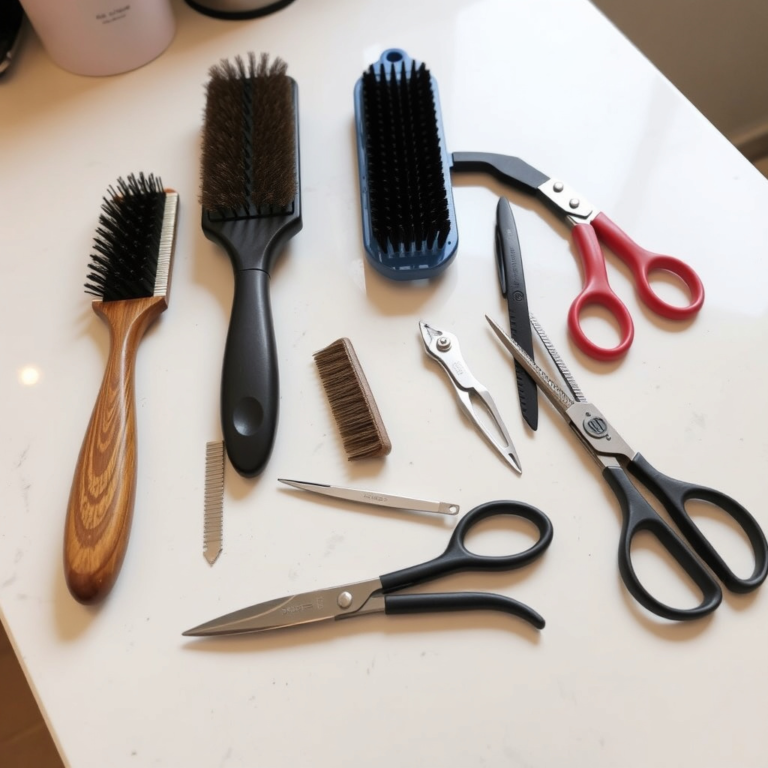
Brushing your dog regularly distributes natural oils, removes dead skin cells, and improves coat health. A general recommendation is to groom your dog two to three times per week, adjusting based on breed and coat type. Dogs with thicker or longer fur might need more frequent brushing to prevent buildup of dead skin and dandruff.
Bathing should be limited to avoid stripping the skin’s oils. For most dogs, bathing once a month is sufficient unless directed otherwise by a vet. Use a gentle, moisturizing dog shampoo formulated for dry or sensitive skin to avoid irritation. Here is a step-by-step grooming process to help manage and reduce dandruff:
- Choose an appropriate brush: slicker or bristle brushes work well for most breeds.
- Brush your dog gently twice or thrice weekly, taking time to cover the entire coat and reach the skin.
- Use a moisturizing dog shampoo for monthly baths tailored to dogs with dry skin.
- Rinse thoroughly to remove all shampoo residue, which can irritate skin.
- Dry your dog completely with a towel or low-heat blow dryer to prevent skin dampness.
- Check the skin after grooming for flaky patches or irritation and adjust frequency accordingly.
Adjusting Home Humidity to Reduce Dry Skin
Low humidity, especially in colder months when indoor heaters run, often dries out your dog’s skin, causing or worsening dandruff. Maintaining indoor humidity at 30-50% can help keep your dog’s skin moist and healthier.
Using a humidifier in your dog’s primary living or sleeping area can be a simple and effective solution. This environment improvement reduces flaking and itching by keeping the skin hydrated. Monitor humidity with an inexpensive hygrometer to ensure optimal levels without over-humidifying, which might encourage mold growth or respiratory issues.
Avoiding Common Grooming Mistakes That Worsen Dandruff
Over-bathing is a frequent cause of skin dryness leading to dandruff because it washes away essential oils that protect your dog’s skin. Bathing more than once a week should be avoided unless a vet advises otherwise. Harsh shampoos with detergents and fragrances can irritate skin and increase flakiness.
Inadequate drying after baths can leave your dog’s skin moist, increasing irritation and dandruff risk. Stress-related grooming behaviors like excessive licking or scratching also damage skin and worsen flakes, so calming your dog during grooming is important. To prevent worsening dandruff through grooming missteps:
- Limit baths to once a month using a gentle, dog-specific moisturizing shampoo.
- Dry your dog fully after bathing using towels or a blow dryer set to low heat.
- Avoid shampoos with harsh chemicals or strong scents that irritate skin.
- Maintain a calm grooming environment to reduce stress-induced licking or scratching.
- Adjust bathing and brushing schedules based on your dog’s skin response and vet recommendations.
When to See a Vet: Signs Your Dog Needs Professional Care
Take your dog to the vet if the dandruff is heavy, persistent, or accompanied by constant scratching, redness, hair loss, or sores. These signs may indicate an underlying health issue like allergies, hormonal imbalances, or infections that need professional care. Also, if you’ve tried home remedies for several weeks without improvement, veterinary attention can help identify causes that are not obvious.
To diagnose the source of your dog’s dandruff, the vet will start with a physical exam and ask about your pet’s history, including diet, grooming habits, and environment. They may perform skin scrapings or tape tests to look for parasites or fungal infections under a microscope. Blood tests and allergy screenings help detect hormonal disorders such as Cushing’s disease or diabetes, which can affect skin health. In some cases, the vet might suggest a food elimination trial, feeding a prescription hypoallergenic diet exclusively for 6 to 12 weeks to rule out food allergies.
Treatment depends on the diagnosis. For simple environmental causes, changing shampoos or grooming habits may suffice. When underlying conditions are involved, medications like antifungals, antibiotics, or hormone therapy might be required. Healing times vary widely: minor irritations may clear within a few weeks, while hormonal or immune-related issues can take months of ongoing treatment. Your vet will design a tailored plan, monitoring your dog’s progress with follow-up visits.
Costs for diagnosing and treating dandruff range based on the complexity of the case and geographic location. A basic vet visit with skin scraping might cost around $50 to $150. Blood tests and allergy panels could add $100 to $300 or more. Prescription diets and medications also vary in price. More complicated diseases that need long-term management will raise expenses proportionally.
Here’s a simple checklist to decide when to see your vet: dandruff with severe itching or discomfort; flakes linked to hair loss or skin wounds; no improvement after two to four weeks of home care; and changes in your dog’s overall health like lethargy or weight loss. Startup diagnostics are designed to catch common causes quickly, but expect some cases to require multiple visits or trial treatments.
Common Mistakes and How to Fix Them When Treating Dog Dandruff
One common mistake dog owners make is over-bathing their pets. Bathing too often strips the skin of natural oils, which normally keep the skin hydrated and healthy. Most vets recommend bathing your dog no more than once every 3 to 4 weeks unless your dog has a specific skin condition. For breeds with sensitive skin, even less frequent bathing may be necessary. Using gentle, dog-specific shampoos, such as oatmeal or moisturizing formulas, helps restore skin moisture without causing irritation.
Using the wrong shampoo can also worsen dandruff. Human shampoos or harsh detergents dry out or irritate a dog’s skin because their pH balance differs from dogs. Always choose shampoos labeled for dogs with dry or flaky skin, or those prescribed by your vet for medicated treatment. Avoid shampoos with strong fragrances or sulfates, which can cause allergic reactions or further dryness.
- Consult your vet before starting any dandruff treatment to rule out underlying conditions
- Limit bathing to once every 3 to 4 weeks, or as advised by your vet
- Use dog-specific, moisturizing or medicated shampoos designed for flaky skin
- Improve your dog’s diet with foods rich in omega-3 and omega-6 fatty acids to support skin health
- Avoid human shampoos, dish soap, or harsh cleansing products on your dog’s coat
- Watch for signs like itching, redness, or sores, which may indicate a more serious problem
- Control environmental factors such as dry indoor air by using humidifiers in winter months
Diet plays a key role in preventing dandruff. Poor nutrition often leads to dry skin, making flakes more visible. Adding omega fatty acids, found in fish oils or supplements, can improve coat condition within weeks. Check with your vet about the appropriate supplements and doses. Dry air at home, especially during colder months, dries out your dog’s skin and increases dandruff, so using a humidifier can help maintain moisture.
Ignoring underlying medical conditions can cause persistent dandruff that won’t improve with home care. Parasites like mites require veterinary diagnosis and specific treatments. Allergies or hormonal imbalances present differently and need tailored approaches. Keep a log of when the dandruff started, changes in diet or environment, and any additional symptoms like scratching or lethargy to share with your vet. Prompt diagnosis avoids prolonged discomfort and prevents complications.
Always seek veterinary advice before using medicated shampoos or supplements to ensure safety and proper treatment tailored to your dog’s needs.
Step-by-Step Action Plan to Manage Your Dog’s Dandruff
Follow these steps to start improving your dog’s flaky skin today. Track progress by noting reduced flakes and softer skin.
- Day 1: Switch to a gentle, moisturizing dog shampoo formulated for dry skin. Check for immediate improvement in skin feel and shedding of flakes after the bath.
- Week 1: Add omega-3 fatty acid supplements to your dog’s diet as recommended on the package or by your vet. Look for shinier coat and less dry skin after seven days.
- Week 2: Increase grooming frequency using a soft brush to remove dead skin. Your dog’s coat should look cleaner without irritation or redness.
- Week 3: Monitor your dog’s environment for dust, allergens, and dry air. Use a humidifier if the air feels dry. Improvement includes fewer skin flakes noticed on bedding and furniture.
- Week 4: Evaluate changes in diet or products used. If dandruff persists or worsens, schedule a veterinary visit to rule out underlying conditions.
Frequently Asked Questions
What Exactly Is Dog Dandruff?
Dog dandruff is the shedding of dead skin flakes from your dog’s coat. It signals dry skin or an underlying health issue that causes skin irritation or inflammation.
Can Dog Dandruff Be Contagious to Other Pets?
Dog dandruff itself is not contagious, but underlying infections causing it might be. It’s best to keep affected dogs separate until treated.
Does Dog Dandruff Mean My Dog Has Allergies?
Dog dandruff can be a sign of allergies, but it can also stem from infections, parasites, or hormonal imbalances. A vet can identify the exact reason.
Is Dog Dandruff the Same as Dry Skin?
Dandruff results from dry skin but also from other causes like infections, nutritional deficiencies, and hormonal disorders. Identifying the cause matters for treatment.
How Often Should I Bathe My Dog to Prevent Dandruff?
Bathing every 3 to 4 weeks with a dog-specific shampoo helps maintain skin moisture and reduce dandruff. Overbathing can worsen dryness and flakes.
Can Supplements Help Reduce My Dog’s Dandruff?
Supplements like omega-3 fatty acids may improve skin health and reduce dandruff. Consult your vet before adding supplements to your dog’s diet.
Key Points to Remember
Dog dandruff results from a combination of skin dryness, diet, grooming, and environment. Taking small, consistent steps can reduce flakes and improve your dog’s skin health. Start by changing to a moisturizing shampoo today to see if your dog’s skin feels softer and less flaky within a few days.