How to Groom a Dog at Home: A Practical Guide for Every Pet Owner
Grooming a dog at home is entirely doable with the right tools, techniques, and a little patience. It involves brushing, bathing, trimming nails, cleaning ears, and sometimes clipping fur to keep your dog comfortable and healthy.
Regular home grooming not only keeps your dog’s coat shiny and clean but also helps spot any skin issues or parasites early. It’s a cost-effective way to maintain your pet’s hygiene without frequent vet or professional groomer visits.
This guide will cover essential steps and tips for grooming a dog at home, including choosing the right tools, how to bathe and brush your dog, nail care, ear cleaning, and trimming fur safely. Whether you have a fluffy Pomeranian or short-haired Labrador, you’ll find useful advice here.
Essential Tools for How to Groom a Dog at Home
Brushes and Combs for Different Coat Types
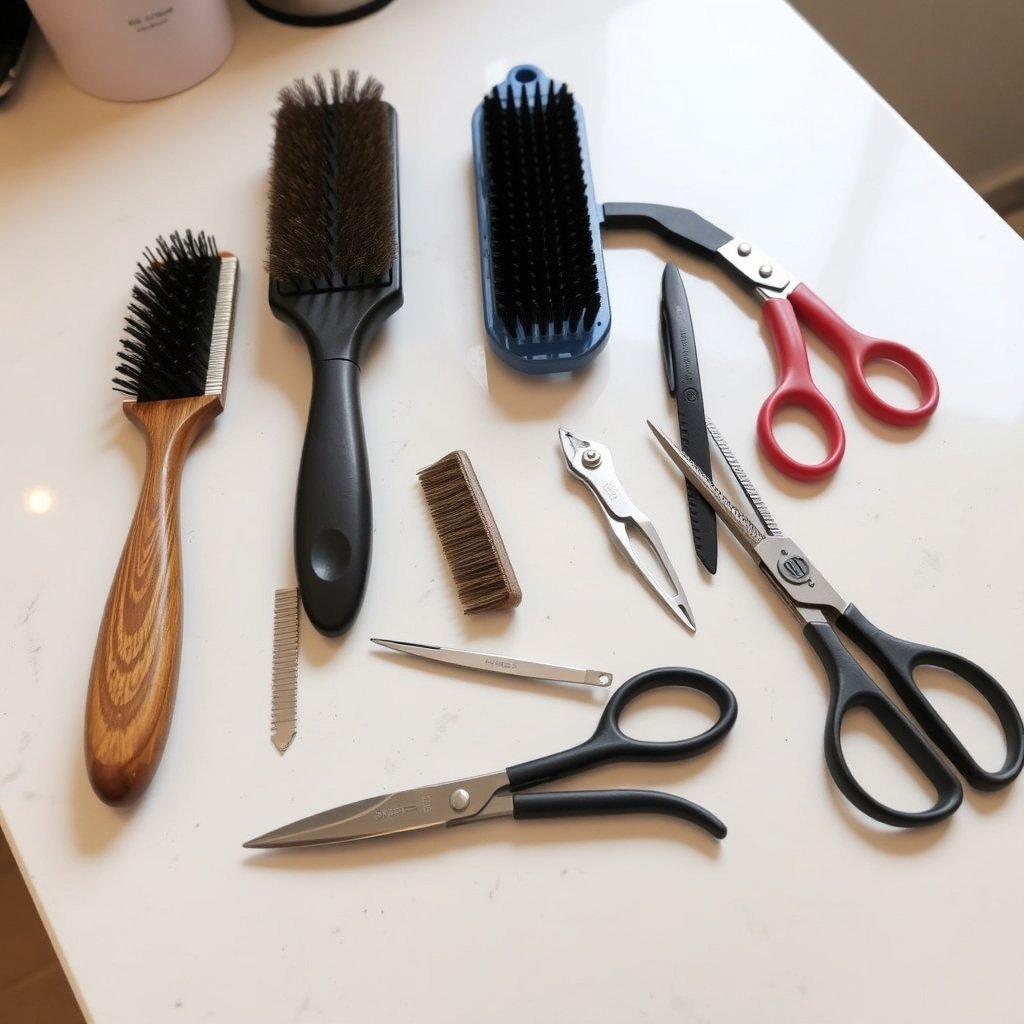
Choosing the right brush depends on your dog’s coat type—slicker brushes for curly or long hair, bristle brushes for short coats, and undercoat rakes for shedding breeds help keep their fur detangled and clean.
Brushing regularly removes loose hairs, prevents mats, distributes natural oils, and stimulates skin health. For dogs with double coats, alternating between different brush types is highly effective.
- Slicker brush for thick or curly coats
- Bristle brush for short-haired dogs
- Undercoat rake for shedding breeds
Nail Clippers, Scissors, and Other Grooming Essentials
Nail trimming is vital to avoid overgrown nails that cause discomfort or injury. Use guillotine or scissor-style clippers suitable for your dog’s nail size and strength.
Additional tools include grooming scissors for trimming fur, ear cleaners, and pet-friendly shampoos. These create a safe, stress-free grooming experience when used correctly.
- Guillotine or scissor-style nail clippers
- Rounded-tip grooming scissors
- Ear cleaning solution and cotton balls
Bathing Your Dog at Home
Preparing Your Dog for a Bath
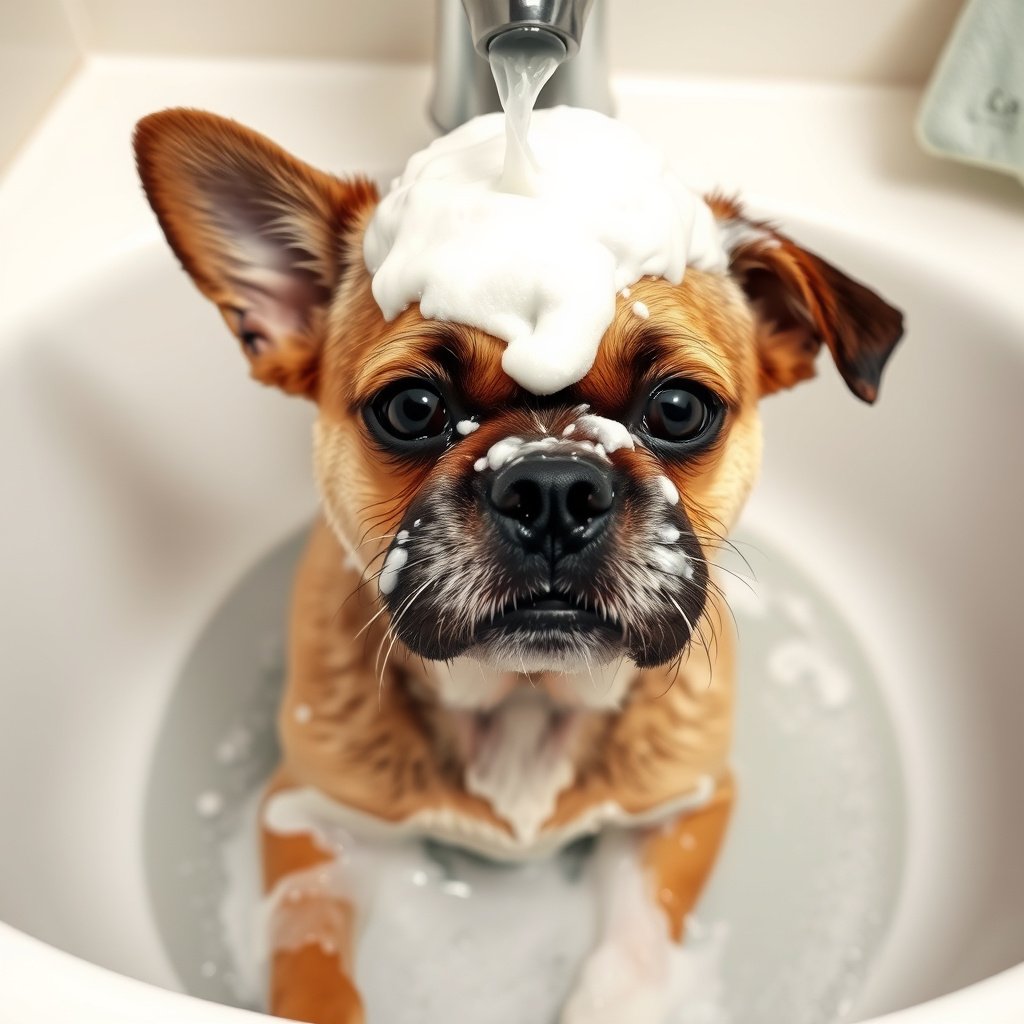
Before bathing, thoroughly brush your dog to remove tangles and loose hair. Choose a warm water temperature and a non-irritating, dog-specific shampoo. Set up your bathing area with towels and non-slip mats.
Calm your dog by speaking softly and offering treats to reduce anxiety, especially if bathing is new to them. Ensuring they are dry-brushed beforehand minimizes mats forming during the bath.
Bathing Technique and Aftercare
Wet your dog from neck to tail, avoiding ears and eyes. Gently massage the shampoo into their coat, then rinse thoroughly to prevent residue that can cause itching. Use a conditioner if your dog has a long or dry coat.
Dry your dog with towels and, if tolerated, a pet-safe blow dryer on a low setting. Finish with a brush-through to prevent tangles as their coat dries.
Proper Brushing and De-matting Techniques
How to Brush Without Hurting Your Dog
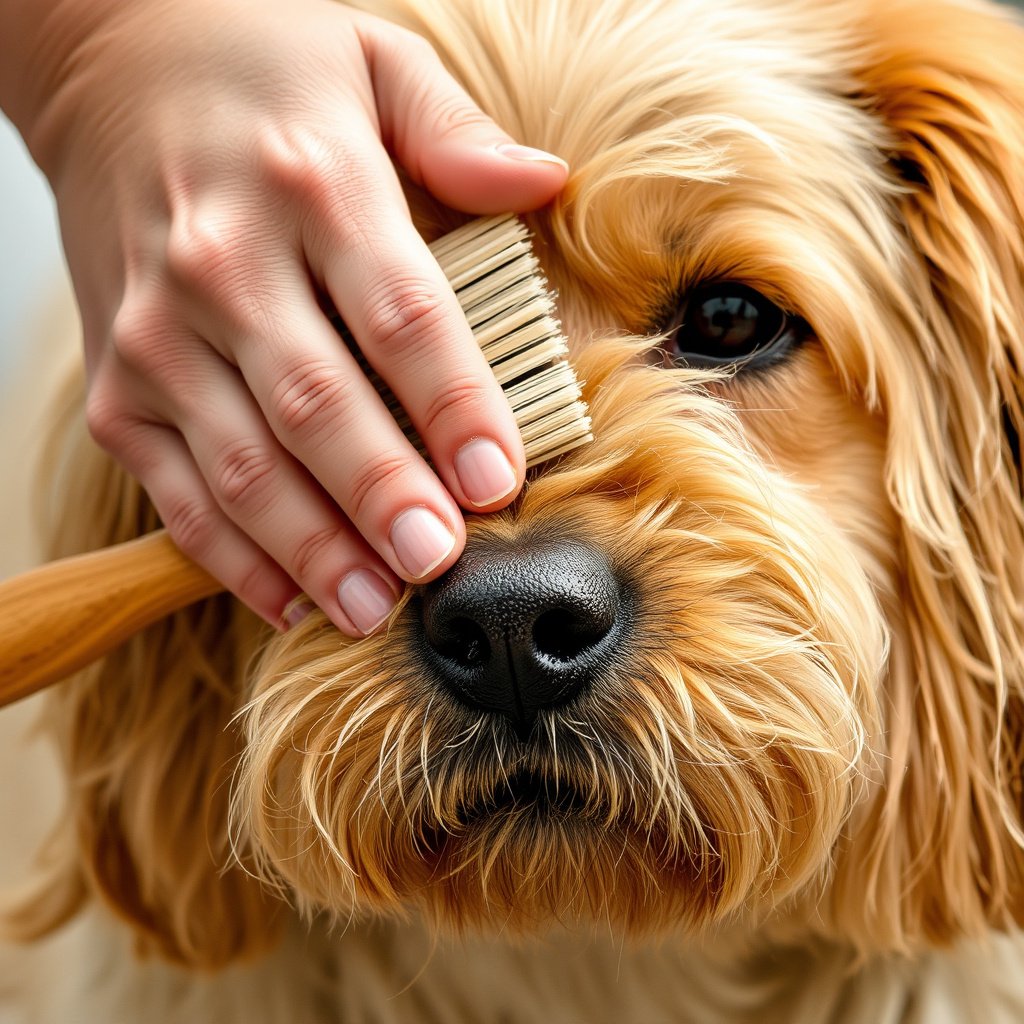
Use gentle strokes starting from the skin outward to remove dirt and loose fur. For sensitive areas like the belly, use a soft brush and short strokes. Frequent brushing prevents painful mats and skin irritation.
If mats are found, apply a detangling spray to soften the fur and use a dematting comb or scissors carefully to cut through tangles, avoiding the skin.
- Brush small sections at a time
- Use detangling sprays for mats
- Avoid pulling or tugging harshly
Tools for Removing Mats and Tangles
Dematting combs with sharp teeth are designed to break apart tough mats without damaging the coat. Slicker brushes also help with minor tangles and removing loose hair.
Always keep your dog calm by pausing to give treats and praise. Persistent mats on difficult areas might require professional grooming assistance.
- Dematting comb for dense mats
- Slicker brush for light tangles
- Conditioning sprays to soften hair
Nail and Paw Care at Home
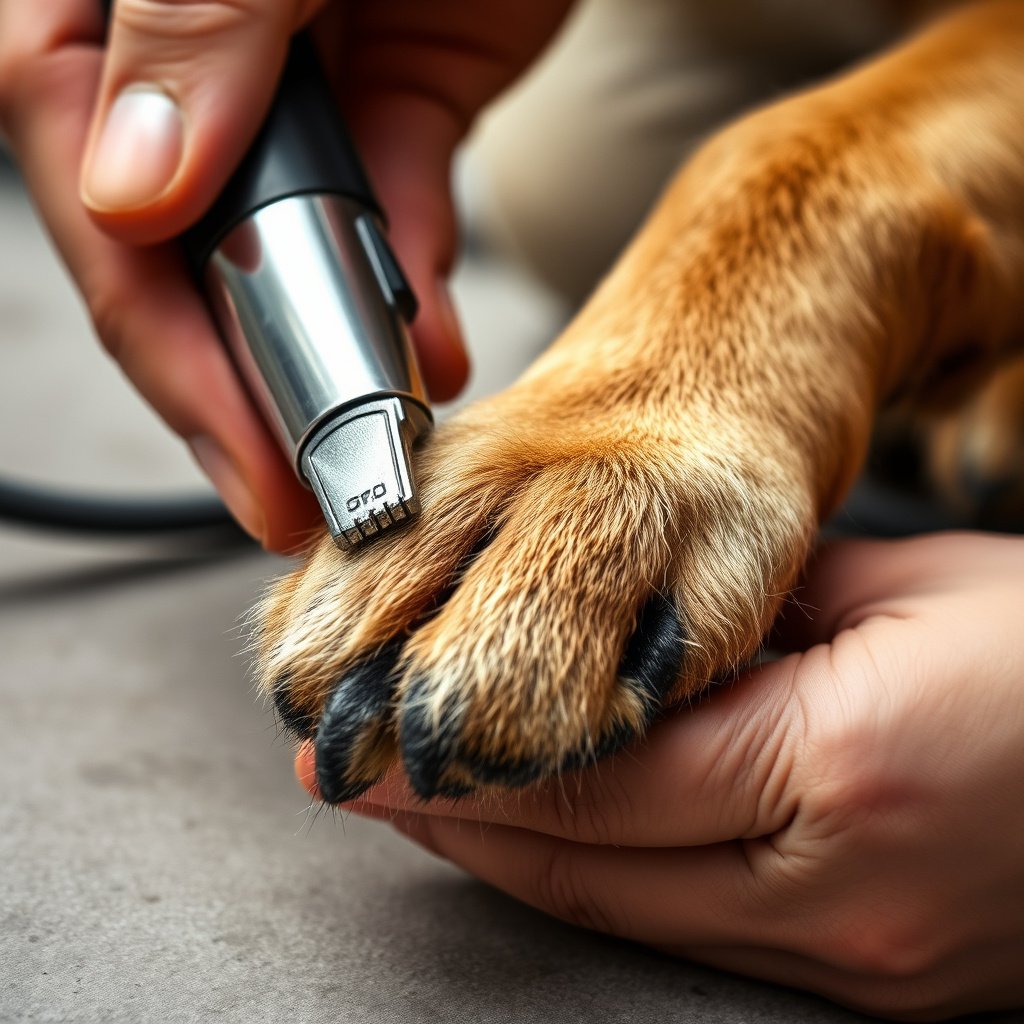
How to Safely Trim Your Dog’s Nails
Take steady, short clips avoiding the quick—the blood vessel inside the nail—to prevent pain and bleeding. If unsure, trim a small amount frequently rather than cutting large chunks.
If you accidentally cut the quick, use styptic powder to stop bleeding. Regular nail trimming avoids paw discomfort and helps your dog walk more comfortably.
- Use sharp, suitable nail clippers
- Trim small amounts regularly
- Use styptic powder for bleeding
Paw Pad Maintenance and Inspection
Check paw pads for cracks, cuts, or foreign debris after walks. Apply pet-safe balms to dry or cracked pads to support healing and prevent infections. Keep hair trimmed around pads to avoid slipping.
Regular inspection can catch injuries early and maintain paw comfort during various weather conditions.
- Inspect paws regularly
- Use balms for dry pads
- Trim hair around pads
Ear Cleaning and Dental Care at Home
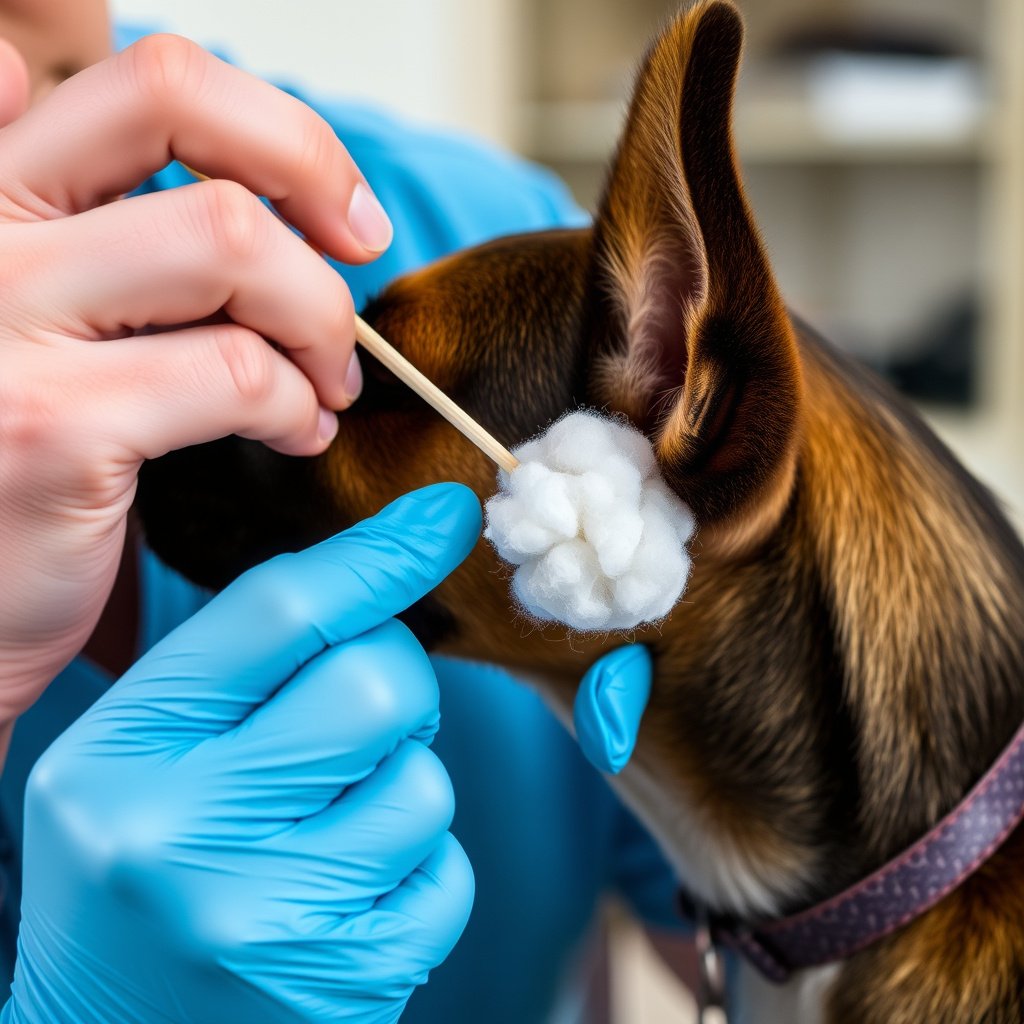
Effective Ear Cleaning Methods
Use a dog-specific ear cleaner applied to a cotton ball; gently wipe the outer ear and avoid inserting anything deep into the canal. Clean ears help prevent infections common in floppy-eared or active dogs.
Regular checks reveal redness, odor, or discharge that may require veterinary attention.
Basics of At-Home Dog Dental Care
Brushing your dog’s teeth with pet-safe toothpaste at least two to three times a week prevents plaque buildup and gum disease. Start slowly to acclimate your dog, offering praise and treats as rewards.
Supplement brushing with dental chews and regular vet dental exams to keep your dog’s mouth healthy and breath fresh.
Fur Trimming and Styling Tips for Home Grooming
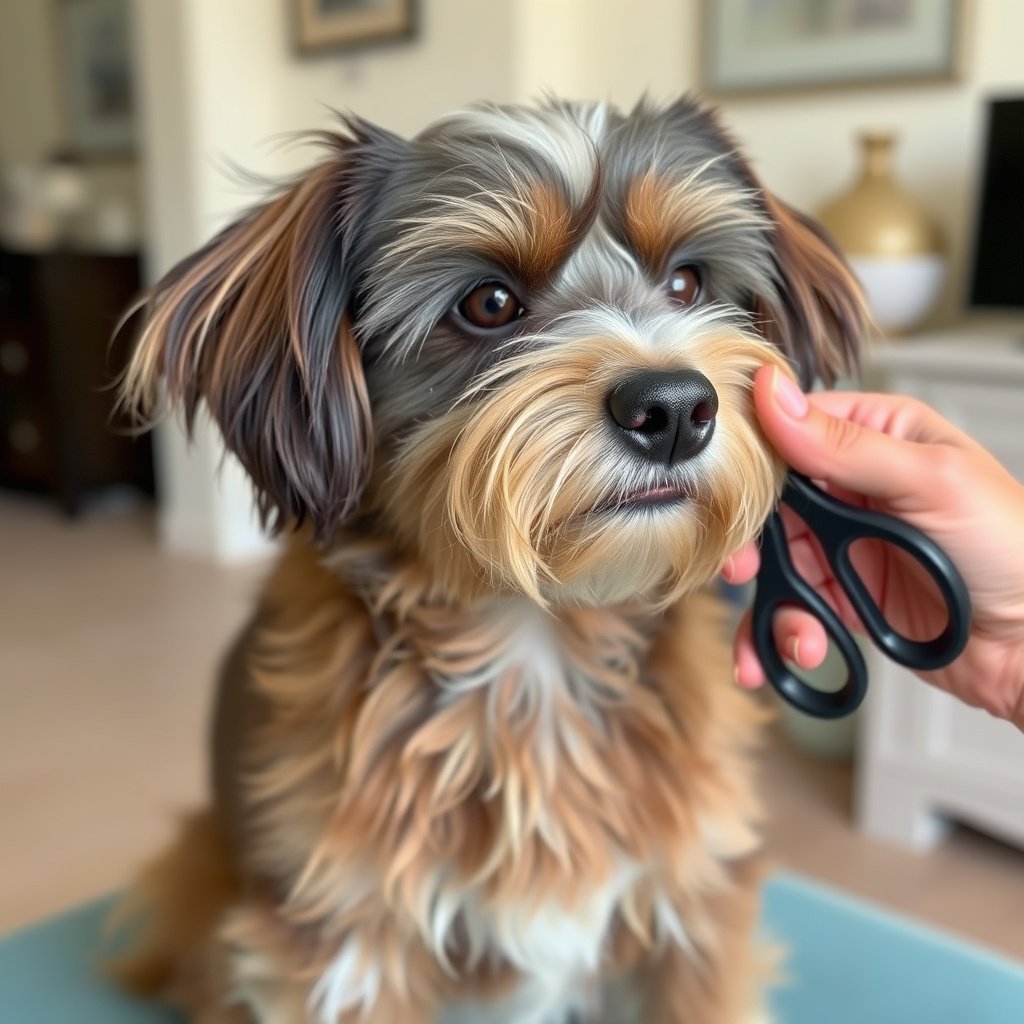
When and How to Trim Your Dog’s Fur
Trim your dog’s fur when mats develop or during seasonal shedding to keep them comfortable. Use rounded-tip scissors for safety and work slowly in small sections to avoid uneven cuts.
Focus on sensitive areas like around the eyes, paws, and sanitary regions. If unsure, follow breed-specific grooming guides online for length and style standards.
- Trim small sections carefully
- Use safety scissors
- Follow breed-specific styles
For more detailed insight into grooming techniques and breed-specific needs, refer to dog grooming basics on Wikipedia. Dog grooming basics on Wikipedia.
DIY Styling and Finishing Touches
After trimming, comb through fur and use pet-friendly sprays to freshen the coat. Styles can be simple trims or shaped cuts depending on your comfort level and your dog’s coat type.
Avoid cutting into the undercoat deeply to keep natural insulation, and schedule professional grooming for complex trims if needed.
- Use grooming sprays for shine
- Keep cuts shallow on undercoat
- Seek professionals for complex styles
Comparison of Dog Grooming Methods at Home
Here is a comparison of different grooming methods you can perform at home, highlighting their benefits and best use cases.
| Grooming Method | Ease of Use | Tools Needed | Best For | Frequency |
|---|---|---|---|---|
| Brushing | Easy | Brush or comb | All coat types | Daily to weekly |
| Bathing | Moderate | Shampoo, towels | All dogs | Monthly to bi-monthly |
| Nail Trimming | Moderate | Nail clippers | All dogs | Every 2-4 weeks |
| Ear Cleaning | Easy | Ear cleaner, cotton | Floppy or active ears | Monthly |
| Fur Trimming | Challenging | Scissors, clippers | Long or thick coats | Every 1-3 months |
Frequently Asked Questions
How often should I groom my dog at home?
Frequency depends on your dog's breed and coat type. Most dogs benefit from weekly brushing, with baths every 4-6 weeks, and nail trims every few weeks to maintain hygiene and comfort.
Can I use human shampoo on my dog?
No, human shampoos are not pH balanced for dogs and can irritate their skin. Use a dog-specific shampoo to protect their coat and skin health.
What if my dog is scared or uncooperative during grooming?
Stay calm and patient. Offer treats and praise, make sessions short, and gradually build trust. If difficulties persist, consider consulting a professional groomer.
How can I prevent mats from forming in my dog's coat?
Regular brushing, especially after walks or play, and trimming areas prone to tangles helps prevent mats. Use detangling sprays and address minor mats promptly before they worsen.
Is it safe to trim my dog’s fur at home?
Yes, with the right tools and caution. Use rounded-tip scissors and trim small sections carefully to avoid injury. For complex styles or nervous dogs, professional grooming is recommended.
Key Takeaways
- Gather the right tools tailored to your dog's coat and size for effective home grooming.
- Regular brushing and nail maintenance improve your dog's comfort and health.
- Gentle bathing and careful drying keep your dog clean without skin irritation.
- Ear cleaning and dental care are important components of overall home grooming.
Conclusion
Grooming your dog at home involves straightforward practices that, when done correctly, keep your pet healthy, comfortable, and looking their best. Understanding the right tools and techniques tailored to your dog's breed and coat type makes the experience more effective and enjoyable for both of you. Observing your dog’s reactions and maintaining a calm environment during grooming sessions also builds trust and eases potential anxieties.
For dogs with short coats or less sensitive skin, regular brushing and occasional trimming suffice to maintain good hygiene. Breeds with longer or thicker fur benefit from more frequent brushing, de-matting, and careful fur trims. If you find nail trimming or fur trimming challenging, nail clippers designed for your dog's size or scheduling periodic professional grooming can help preserve health without stress. Bathe your dog monthly or as needed, especially after outdoor activities, to prevent dirt buildup and odors.
Begin by assembling basic grooming tools and practicing brushing daily. Introduce bathing, nail trims, and ear cleanings gradually while offering positive reinforcement. Over time, grooming your dog at home becomes a routine part of pet care that strengthens your bond and supports your dog’s overall well-being. For detailed breed information or specific concerns, consulting trusted veterinary or grooming sources can enhance your approach.