
How to Treat Dry Skin on a Dog: Effective Solutions and Care Tips
Dry skin on a dog can cause discomfort, itching, and even lead to infections if untreated. Treating it effectively involves identifying the cause, moisturizing the skin, and sometimes changing diet or grooming routines. Immediate care reduces irritation and helps restore your dog’s natural skin barrier.
Dogs can develop dry skin due to environmental factors like low humidity, frequent baths, allergies, or nutritional deficiencies. Recognizing the root cause is essential for effective treatment because topical remedies alone may not resolve underlying problems. Consistent care helps maintain healthy, hydrated skin over time.
This article covers common causes of dry skin in dogs, practical home remedies, appropriate grooming practices, dietary advice, and when to seek veterinary care. We also compare types of dog skin care products and offer answers to frequently asked questions about dog skin health.
Identifying Causes of Dry Skin in Dogs
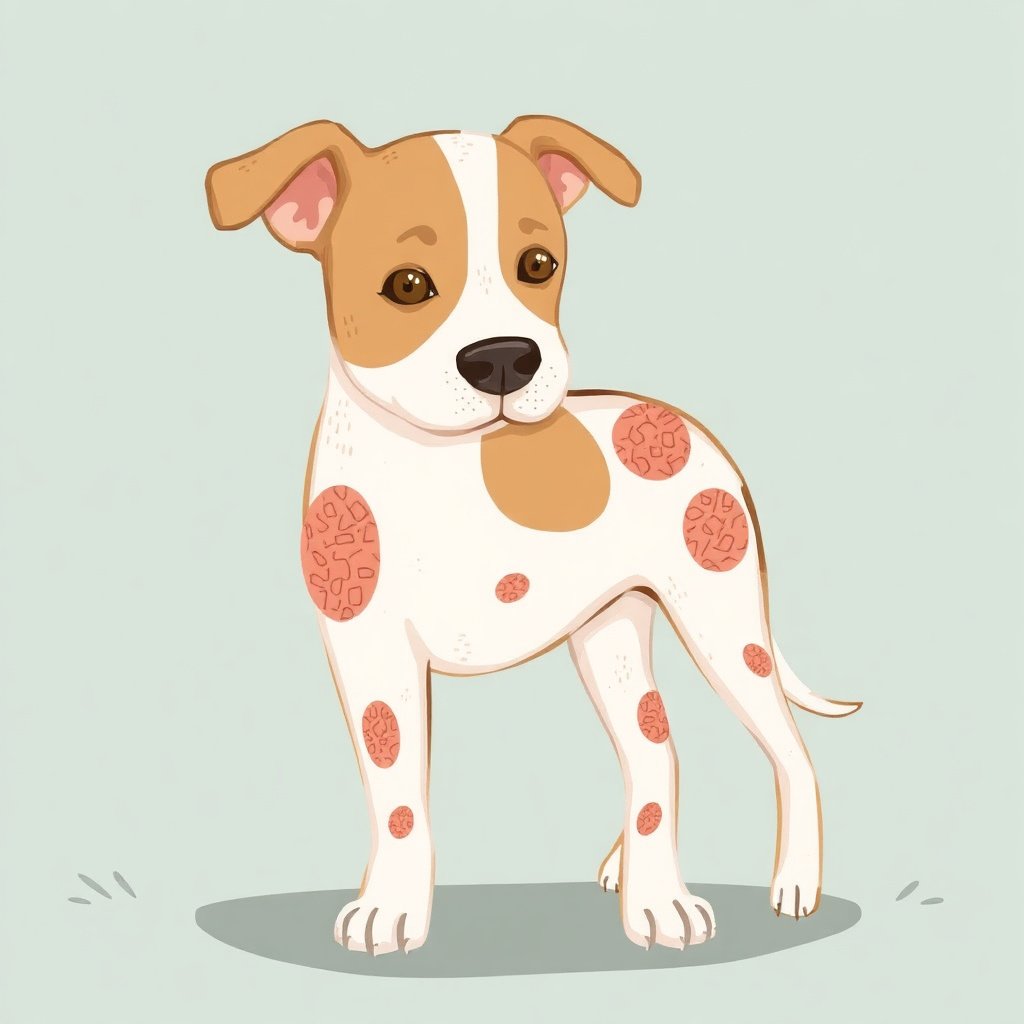
Environmental Factors Contributing to Dry Skin
Low humidity during winter months or living in dry climates can strip your dog’s skin of natural oils, leading to dryness and flakiness. Excessive exposure to heating systems indoors worsens the condition by reducing moisture in the air, making skin more brittle.
Other environmental contributors include frequent swimming in chlorinated water or exposure to irritants such as harsh shampoos or chemicals. Monitoring and moderating these exposures helps prevent further skin barrier damage.
Underlying Health and Nutritional Causes
Certain medical conditions, like hypothyroidism, allergies, or parasitic infections, can manifest through dry, itchy skin. Additionally, nutritional deficiencies in omega fatty acids or vitamins exacerbate dryness and make the skin more prone to inflammation.
Veterinary diagnosis is important to address these issues properly. Feeding a balanced diet rich in skin-supportive nutrients also plays a crucial role in reversing dryness from the inside out.
Home Remedies and Moisturizing Treatment for Dry Skin on a Dog
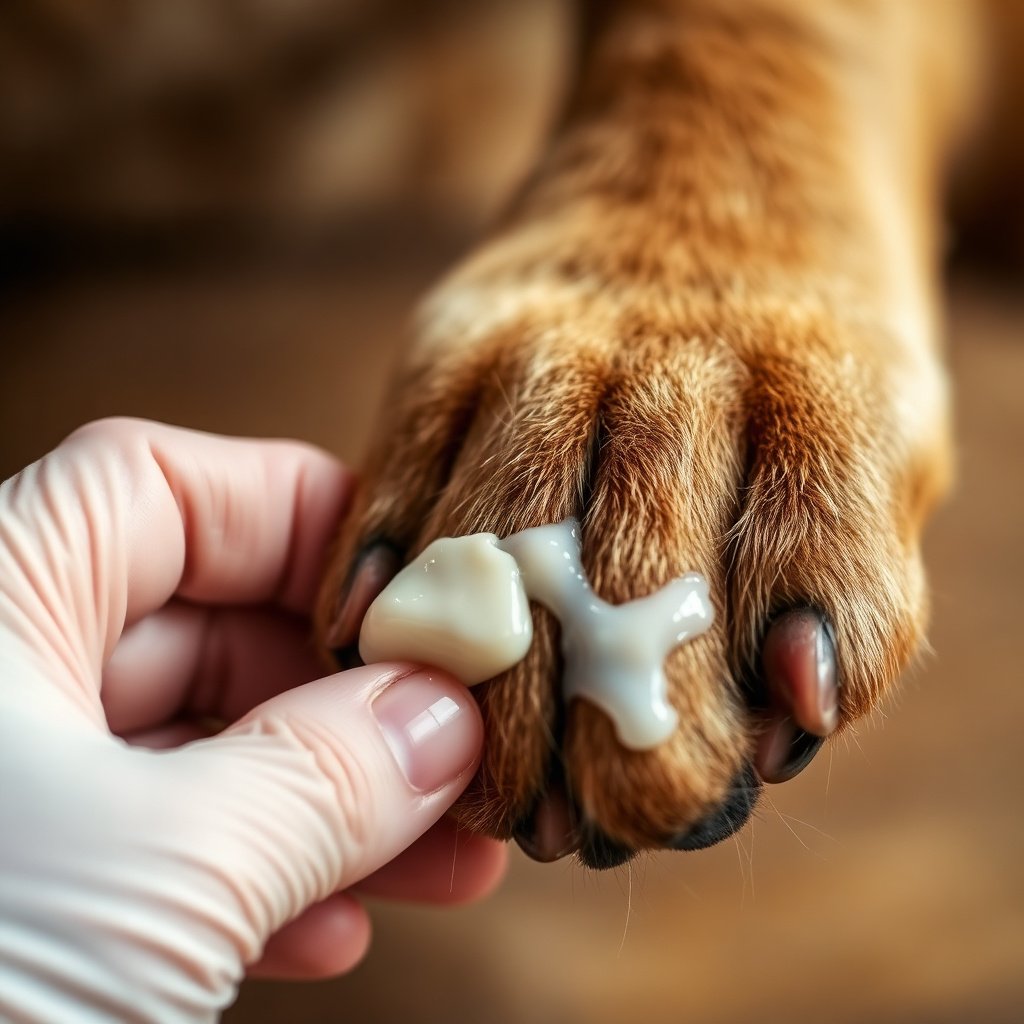
Safe Natural Oils and Moisturizers to Use
Applying natural oils such as coconut oil or olive oil in small amounts can soothe dry patches and replenish moisture. These oils contain fatty acids that restore the skin’s barrier and reduce itching when used appropriately.
It’s important to introduce any topical treatment gradually and observe for allergies. Avoid products with added fragrances or chemicals, as they may irritate sensitive skin further.
- Coconut oil for hydration and antibacterial properties
- Olive oil for gentle moisturizing
- Aloe vera gel to calm inflammation and itchiness
For more on this, see our related guide: Why Does My Dog Shake After a Bath? 8 Key Reasons and Solutions.
Proper Bathing and Skin Care Routine
Limit bathing frequency to prevent stripping natural oils; often, every 4 to 6 weeks is sufficient unless your dog gets especially dirty. Use mild, dog-specific shampoos formulated for sensitive skin or ones that contain oatmeal to soothe dryness.
After bathing, towel dry thoroughly and consider gentle brushing to help distribute oils. Maintaining proper hydration internally by providing fresh water regularly supports skin health as well.
Dietary Adjustments and Supplements for Dog Skin Health
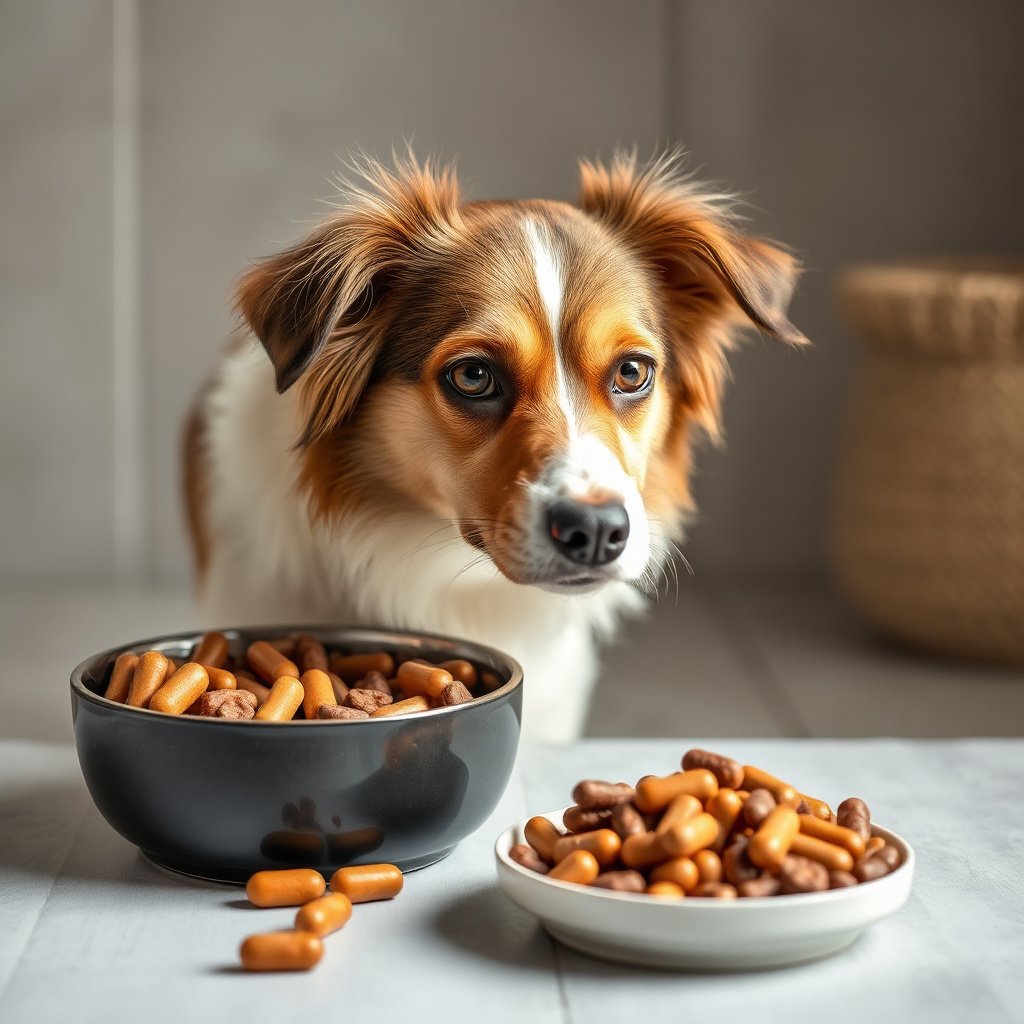
Omega Fatty Acids and Their Role in Skin Hydration
Supplements rich in omega-3 and omega-6 fatty acids help reduce inflammation and replenish the skin’s natural oils. These nutrients improve coat sheen, elasticity, and overall moisture balance when included regularly in your dog’s diet.
Fish oil is a popular source, but plant-based options like flaxseed oil may also be effective. Consult your veterinarian for correct dosing and product recommendations.
- Fish oil capsules
- Flaxseed oil supplements
- Dietary sources like salmon or sardines
Choosing the Best Dog Skin Care Products
Some commercial dog foods and treats are formulated specifically to support skin health, enriched with vitamins like E and biotin. Using these alongside targeted supplements can accelerate recovery from dry skin.
Look for products labeled for sensitive skin or dryness relief. Reading ingredient lists and checking for customer reviews helps ensure quality and effectiveness.
- Hypoallergenic dog shampoos
- Skin soothing sprays and conditioners
- Nutrient-fortified dry kibble
When to Consult a Veterinarian for Dry Skin Issues
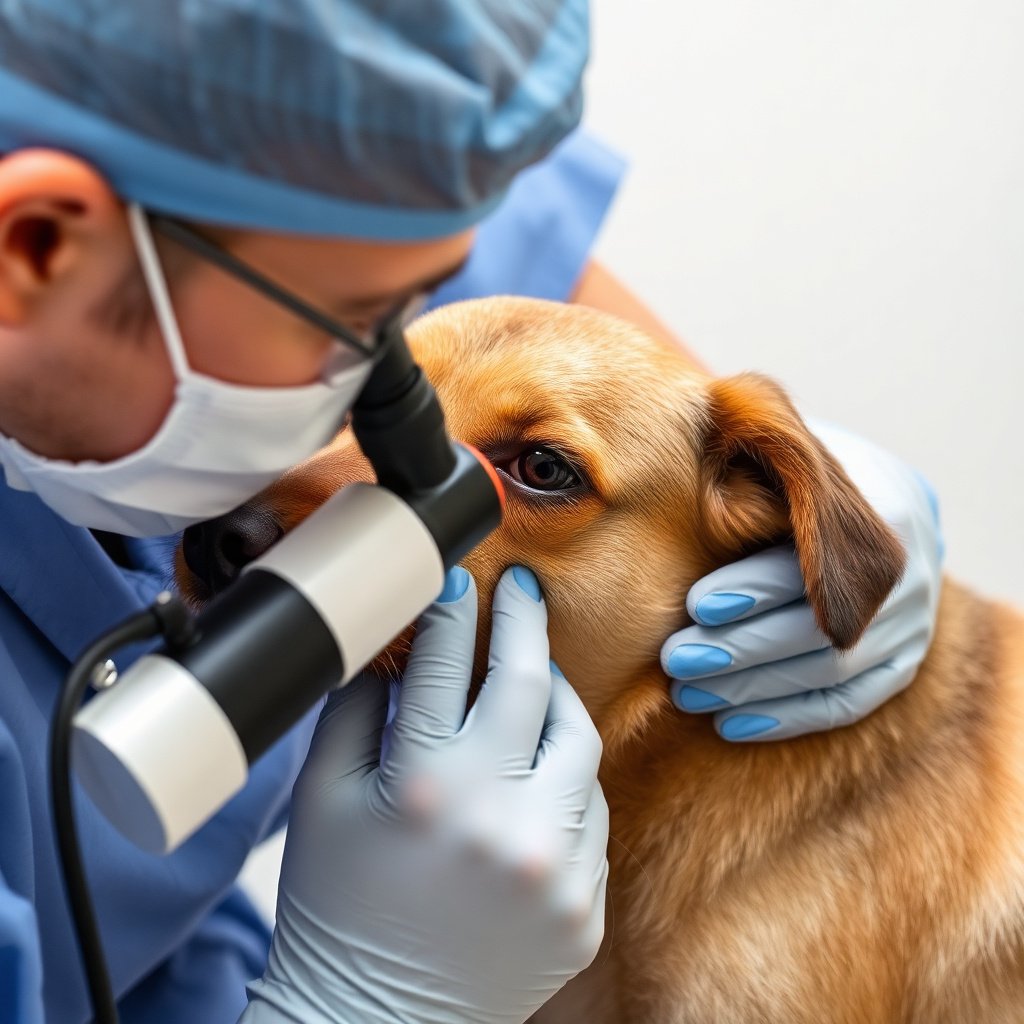
Signs That Require Professional Evaluation
If your dog’s dry skin is accompanied by persistent redness, swelling, oozing, or the dog is excessively scratching and biting at the skin, consult a veterinarian promptly. These symptoms suggest infections or allergic reactions needing medical treatment.
Rapid worsening or spreading of dry patches also indicates that home care may not be sufficient. A thorough physical exam and skin testing might be necessary to find the underlying cause.
For more on this, see our related guide: What Is the Best Dog Grooming Table: Complete Guide to Choose Your Ideal Model.
Veterinary Treatments for Persistent Dry Skin
Vets may prescribe medicated shampoos, antibiotics, antihistamines, or corticosteroids depending on diagnosis. Allergy testing and parasite control are common steps for chronic cases.
In some instances, dietary changes guided by your vet or prescription supplements will form part of the treatment plan. Close follow-up ensures your dog’s skin improves without complications.
Preventive Measures to Maintain Healthy Dog Skin

Regular Grooming and Environmental Controls
Regular brushing removes dead skin and fur, stimulates natural oils, and distributes them along the hair shaft. This keeps the coat smooth and skin hydrated. Avoid over-bathing or harsh grooming tools.
Controlling humidity using humidifiers in dry climates and avoiding exposure to irritants, such as harsh chemicals or dusty environments, also protects sensitive skin.
- Weekly brushing with appropriate brushes
- Using a humidifier during dry seasons
- Keeping bedding clean and dry
For more detailed information on dry skin conditions common in dogs, see this comprehensive resource on dry skin in dogs. dry skin in dogs.
Balanced Nutrition and Hydration Habits
Providing a diet balanced in essential fatty acids, vitamins, and minerals underpins skin integrity. Fresh clean water must always be available to prevent dehydration, which also can cause skin dryness.
Supplementing with vet-approved oils or vitamins and avoiding allergens in food maintains skin health over the long term. Regular health checks help monitor ongoing skin condition.
Comparison of Dog Skin Care Product Categories
The table below compares different categories of dog skin care products based on effectiveness, safety, and ease of use to help you choose suitable options.
| Product Category | Effectiveness on Dry Skin | Safety for Sensitive Skin | Ease of Application |
|---|---|---|---|
| Natural Oils (e.g., coconut, olive) | High | Generally Safe | Easy |
| Medicated Shampoos | Very High | Moderate (may irritate some dogs) | Moderate |
| Topical Sprays and Conditioners | Moderate | Safe with vet approval | Very Easy |
| Dietary Supplements (Omega Fatty Acids) | High | Safe when dosed properly | Easy |
| Prescription Medications | Very High | Safe under supervision | Varies |
Frequently Asked Questions
Can dry skin on my dog heal on its own?
Minor dry skin may improve with reduced bathing and better hydration, but persistent dryness usually requires treatment or vet evaluation to prevent complications.
Is coconut oil safe for all dogs to treat dry skin?
Coconut oil is safe for most dogs when applied topically in small amounts, but always test for allergic reactions and consult your vet before use.
How often should I bathe my dog with dry skin?
Bathing a dog with dry skin should generally be limited to every 4 to 6 weeks using hypoallergenic or moisturizing shampoos to avoid further stripping oils.
What dietary changes help improve my dog’s dry skin?
Incorporating omega-3 and omega-6 fatty acid-rich foods or supplements supports skin hydration and reduces inflammation, improving dry skin symptoms.
When should I see a vet about my dog's dry skin?
If dry skin causes persistent itching, redness, swelling, or infection signs, or if it worsens despite home care, it’s important to consult a veterinarian.
Key Takeaways
- Dry skin in dogs often results from environmental, health, or nutritional causes.
- Moisturizing with natural oils and using appropriate shampoos aid skin recovery.
- Omega fatty acid supplements and balanced nutrition promote lasting skin health.
- Vet consultation is critical for persistent, severe, or complicated dry skin conditions.
Conclusion
Understanding how to treat dry skin on a dog involves recognizing the multifactorial causes that contribute to the condition. Environmental dryness, underlying medical issues, and dietary gaps all influence skin health differently. Approaching the problem with a combination of topical care, dietary improvements, and attentive grooming creates a comprehensive path to relief for your dog. Observing your dog’s reaction to treatments and maintaining skin-friendly routines are essential parts of this ongoing care process.
For mild cases of dryness, natural oils like coconut or olive oil combined with gentle, moisturizing shampoos typically bring noticeable improvement. Dogs benefiting from dietary adjustments may require omega fatty acid supplements or skin-supportive foods. When symptoms persist or worsen, especially with signs of infection or intense itching, seeking veterinary diagnosis and treatment becomes necessary to address underlying causes effectively. Products and treatments best suited to your dog’s specific skin condition will support long-term comfort and skin resilience.
Starting with simple home remedies and making healthier diet choices are practical first steps in managing dry skin. If these efforts fail to relieve dryness or if more severe symptoms appear, consulting a veterinarian will guide you to specialized treatments. Ultimately, consistent care and early intervention preserve your dog’s skin health and promote a shiny, comfortable coat, ensuring your furry companion’s quality of life remains high.


