How to Prevent Dog from Itching: Effective Strategies and Tips
If your dog is constantly itching, preventing this discomfort involves identifying the cause and using targeted treatments like medicated shampoos, dietary changes, or allergy management. Addressing the root causes such as fleas, dry skin, or allergies is essential for relief.
Itching can be more than just a minor nuisance; prolonged scratching often leads to skin damage, infections, and stress for your pet. Understanding what leads to itching makes preventing it simpler and safer for your dog’s well-being.
This article explores the main reasons dogs itch, prevention strategies using natural and medical approaches, dietary recommendations, and treatment options. You’ll find detailed advice on how to reduce or eliminate your dog’s discomfort.
Common Causes of Dog Itching

Fleas and Parasites
Fleas are a leading cause of itching in dogs. Their bites cause allergic reactions in many dogs, leading to intense scratching and sometimes secondary infections from bacteria entering broken skin.
Besides fleas, mites and ticks also trigger itching. A proper flea and parasite prevention program is vital, including topical treatments or oral medications that veterinarians recommend depending on infestation level.
- Flea collars
- Topical spot-on treatments
- Oral preventatives
- Regular grooming and inspection
Allergies and Environmental Factors
Dogs can develop allergies to pollen, dust, mold, or certain foods. These allergies cause skin irritation and persistent itching, especially in warmer months when allergens are abundant.
Contact dermatitis caused by irritants like certain shampoos or lawn chemicals also leads to itching. Identifying and eliminating exposure to these allergens helps prevent symptoms and improves skin condition.
- Seasonal pollen allergies
- Food allergens
- Irritants in cleaning products
Skin Care Routines to Prevent Itching
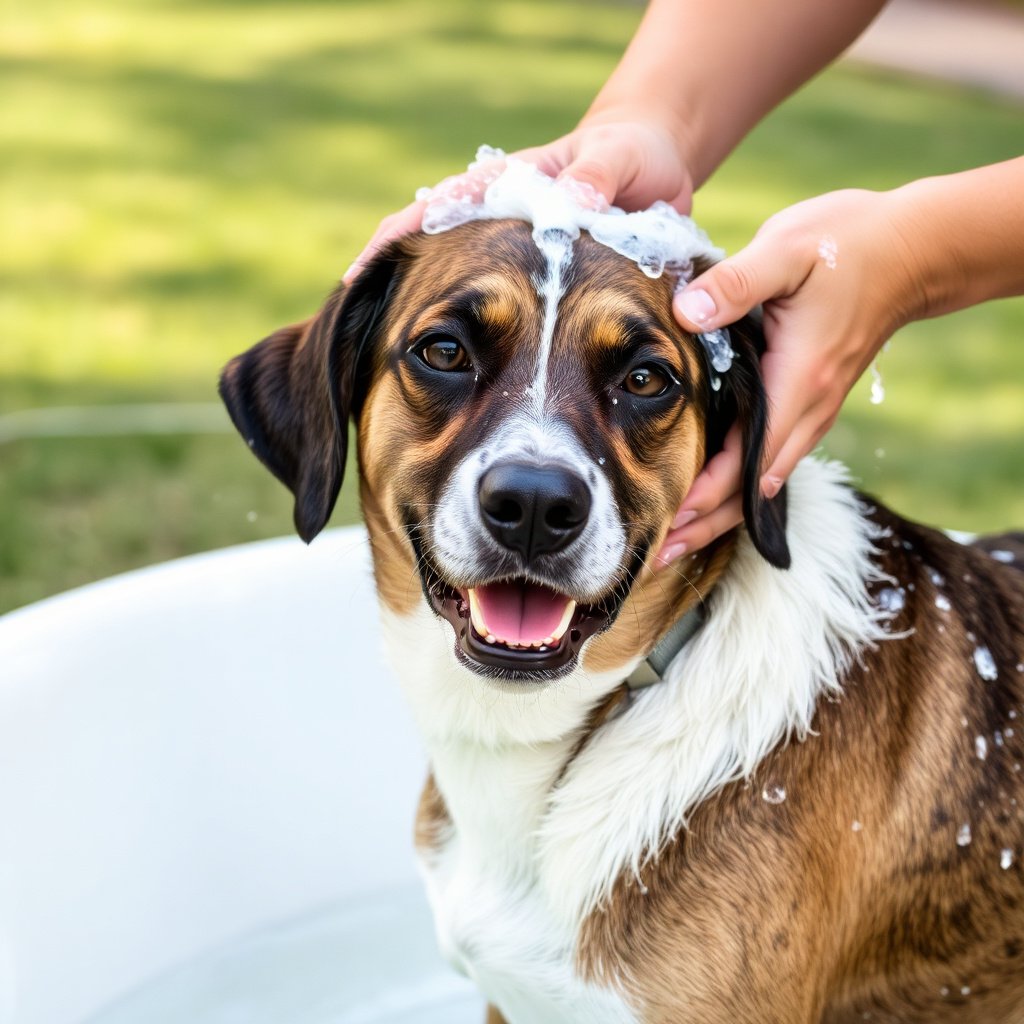
Choosing the Right Shampoo
Using hypoallergenic or medicated shampoos designed for dogs sensitive to itching can soothe skin and reduce inflammation. Ingredients like oatmeal and aloe vera are effective at calming irritated skin.
Avoid harsh detergents or frequent baths which strip natural oils from the skin, causing dryness and exacerbating itching. A balanced bathing schedule with proper shampoos maintains skin moisture and hygiene.
- Oatmeal-based shampoos for soothing
- Medicated shampoos for infection
- Avoid human shampoos
- Bath once every 2-4 weeks
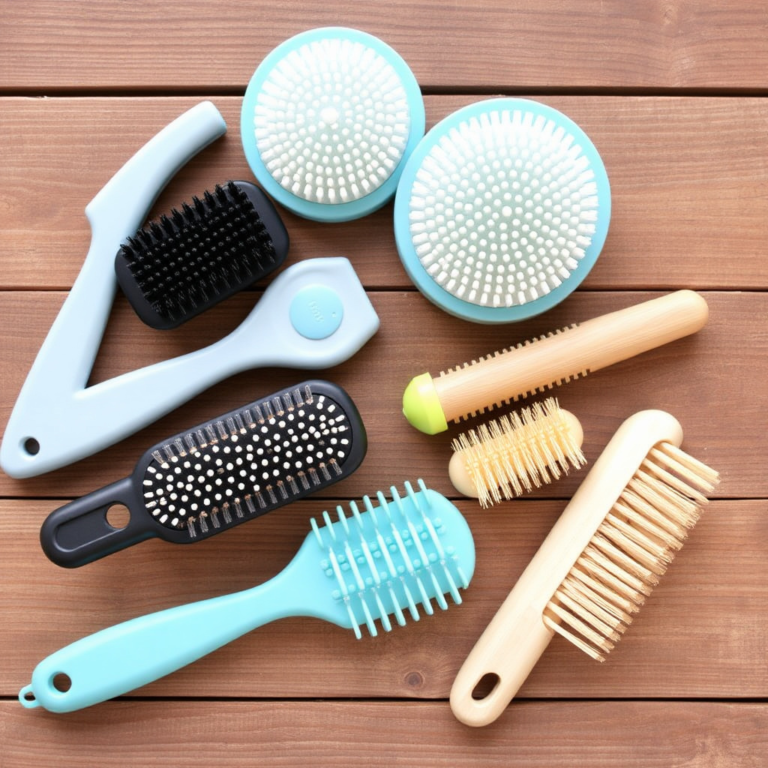
Regular Brushing and Grooming
Grooming helps remove loose fur, dirt, and potential allergens trapped in the coat. It improves circulation and distributes natural oils that protect the skin from dryness and irritation.
Frequent brushing also allows you to spot fleas, ticks, or skin abnormalities early, so treatment can start before itching worsens. Grooming tools should match the dog's coat type for best results.
- Daily brushing for long-haired breeds
- Weekly for short-haired dogs
- Check skin during grooming
- Use flea combs regularly
Diet and Nutrition for Healthy Skin

Balanced Diet with Essential Fatty Acids
Omega-3 and omega-6 fatty acids strengthen the skin barrier, reduce inflammation, and help prevent dryness and itching. Including fish oils or special supplements supports healthier, itch-free skin.
High-quality dog foods that contain balanced nutrients contribute to a robust immune system, which can lower the chance of allergic skin reactions that trigger scratching.
- Fish oil supplements
- Foods rich in omega fatty acids
- Veterinary-recommended diets
- Avoid fillers and artificial additives
For more on this, see our related guide: Why Does My Dog Shake After a Bath? 8 Key Reasons and Solutions.
Recognizing and Managing Food Allergies
Food allergies sometimes manifest as chronic itching. Common allergens include beef, chicken, dairy, or grains. Elimination diets guided by a vet help identify specific triggers.
Once identified, switching to hypoallergenic or limited-ingredient diets reduces immune reactions, easing itching and improving the dog’s overall skin health.
- Consult vet for elimination diet
- Use novel protein sources
- Read ingredient labels carefully
- Avoid treats with allergens
Treatment Options to Stop Dog Itching
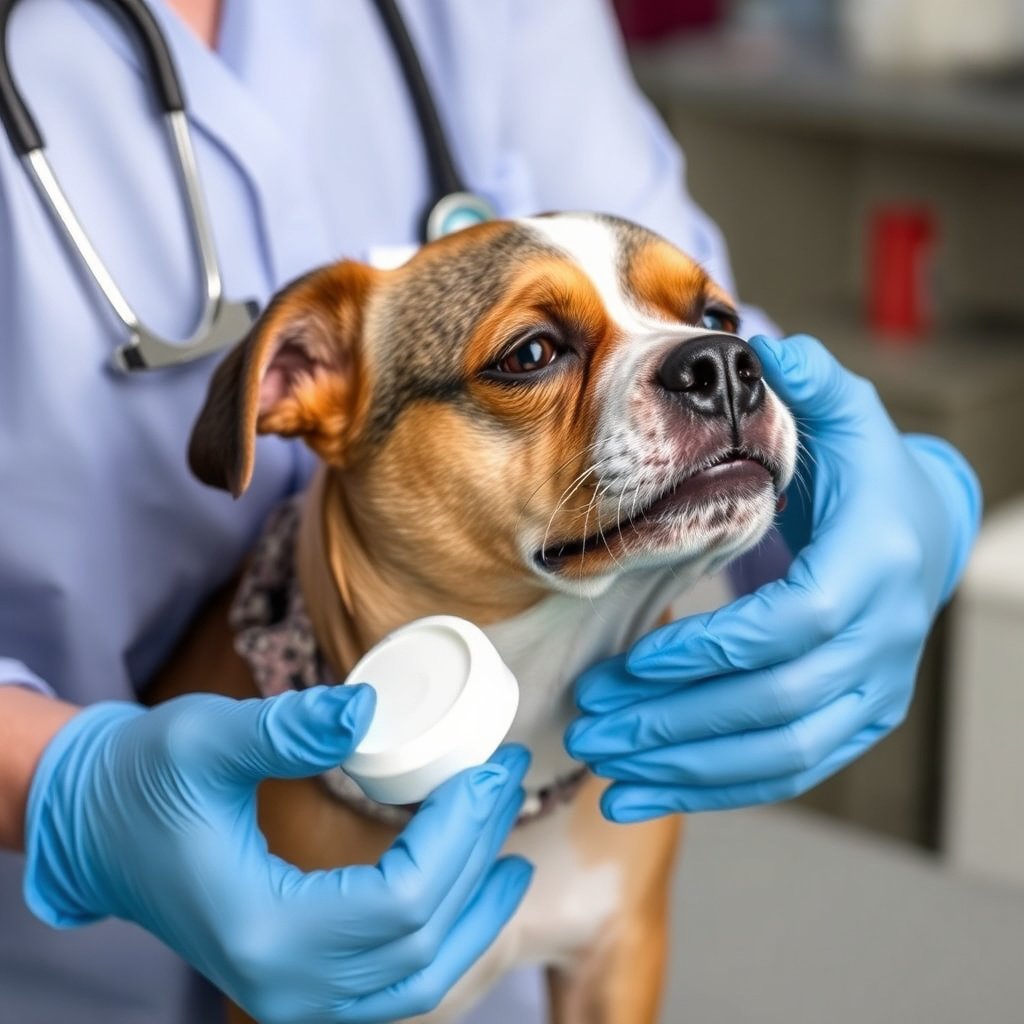
Topical Treatments and Medications
Medicated creams, sprays, and shampoos containing corticosteroids or antihistamines reduce itching and inflammation on affected areas. These should only be used under veterinary guidance to avoid side effects.
For flea control, regular application of flea treatments disrupts the flea lifecycle, preventing further irritation and subsequent infections caused by scratching.
- Topical steroid creams
- Antihistamine sprays
- Spot-on flea treatments
- Antibiotics for secondary infections
Veterinary Interventions and Allergy Shots
In severe cases, veterinarians may prescribe oral medications, immunotherapy (allergy shots), or special shampoos to manage chronic itching. These treatments target underlying causes rather than just symptoms.
Regular follow-ups are necessary to monitor response and adjust treatments. Early intervention often reduces the need for long-term medication and prevents skin damage.
- Oral corticosteroids
- Immunotherapy for allergies
- Antibiotics when infected
- Routine veterinary skin checks
Environmental Management to Reduce Itching

Maintaining Clean Living Areas
Regular cleaning of your dog’s bedding, toys, and living spaces removes dust mites, mold, and allergens that trigger itching. Washing beddings weekly in hot water kills allergens effectively.
Vacuuming carpets and furniture with pet-safe products reduces allergen build-up. Keeping environments dry and mold-free also protects sensitive skin from irritation.
- Weekly washing of dog bedding
- Use HEPA vacuum cleaners
- Control indoor humidity levels
- Avoid chemical sprays near pets
For more on this, see our related guide: How to Clean a Dogs Wrinkles: A Complete Guide with Proven Steps.
Using Air Filters and Humidifiers
Air purifiers with HEPA filters capture airborne allergens like pollen and dust, which can cause skin irritation in dogs. Keeping air quality high reduces allergic reactions leading to itching.
Humidifiers help prevent skin dryness, especially in winter months when indoor heating causes moisture loss. Balanced humidity maintains skin hydration and comfort for your dog.
- HEPA air purifiers for allergens
- Use humidifiers in dry seasons
- Regular filter replacement
- Place devices away from pet sleeping areas
Behavioral and Comfort Measures for Itching Dogs

Using Protective Gear Like E-Collars
Elizabethan collars (or E-collars) prevent dogs from further scratching or biting irritated spots, which can worsen wounds or cause infections. They provide a physical barrier during recovery.
Alternative soft or inflatable collars offer more comfort but should be chosen based on the dog's behavior and injury location to ensure effectiveness.
- Traditional plastic E-collars
- Soft inflatable collars
- Proper sizing for comfort
- Monitor dog’s response regularly
For more detailed insights on skin allergies that often cause itching in dogs, visit this authoritative resource. Dog skin allergies information.
Distraction and Enrichment Techniques
Providing toys, exercise, and playtime reduces boredom-driven scratching behavior. Mental enrichment stimulates your dog’s attention away from itching sensations.
Training sessions and interactive games can positively redirect focus, while calming supplements or pheromone sprays help anxious dogs prone to stress-related itching.
- Interactive treat puzzles
- Regular exercise routines
- Calming pheromone diffusers
- Positive reinforcement training
Dog Itching Prevention Methods Comparison
This table compares common prevention strategies for dog itching, highlighting their strengths and best use cases.
| Method | Effectiveness | Cost | Ease of Use | Best For |
|---|---|---|---|---|
| Flea Control Treatments | High | Moderate | Easy | Flea-related itching |
| Hypoallergenic Shampoos | Moderate | Low | Moderate | Sensitive skin care |
| Dietary Changes | High | Varies | Moderate | Food allergies and skin health |
| Veterinary Medications | High | High | Depends | Severe itching and infections |
| Environmental Controls | Moderate | Low to Moderate | Easy | Allergy-related itching |
| Protective Gear & Distraction | Moderate | Low | Easy | Behavior-related scratching |
Frequently Asked Questions
What’s the quickest way to stop my dog from itching?
The fastest relief often comes from medicated shampoos or topical treatments prescribed by a vet, combined with effective flea control to address the root cause of itching.
Can dry skin cause my dog to itch all the time?
Yes, dry skin can lead to persistent itching; maintaining regular grooming and moisturizing shampoos helps restore skin oils and decreases discomfort.
Are food allergies common causes of dog itching?
Food allergies can cause itching, especially if the dog reacts to common proteins like beef or chicken; elimination diets can help identify these allergens.
How often should I bathe my dog to prevent itching?
Bathing every 2 to 4 weeks using appropriate dog shampoos helps prevent itching without drying out the skin or stripping natural oils.
Is it okay to use human anti-itch creams on dogs?
It’s best to avoid human anti-itch creams unless recommended by a vet, as some ingredients can be toxic or harmful to dogs.
Key Takeaways
- Addressing fleas and parasites is crucial for preventing itching.
- A balanced diet with fatty acids supports healthy skin.
- Appropriate grooming and hypoallergenic shampoos soothe irritated skin.
- Environmental hygiene and protective gear reduce further irritation.
Conclusion
Preventing your dog from itching involves a combination of identifying causes, maintaining a clean environment, and providing proper skin care. Understanding whether fleas, allergies, diet, or behavioral factors are at play allows targeted steps. By addressing these issues thoughtfully, you can significantly reduce your dog's discomfort and improve their quality of life.
For dogs experiencing flea-related itching, consistent use of flea control treatments paired with regular grooming and hypoallergenic shampoos offer relief. Dogs with food allergies benefit from elimination diets and veterinary guidance to pinpoint the source. Environmental management like washing bedding and air purification helps dogs sensitive to allergens. For persistent or severe cases, veterinary interventions like medication or immunotherapy may be necessary.
Start by monitoring your dog’s symptoms closely and consulting your veterinarian for accurate diagnosis. Implementing a tailored routine that includes appropriate diet, grooming, and environmental care can help minimize itching episodes. Once you establish what works best for your dog, maintaining these practices will keep them comfortable and healthy in the long term.