
How to Choose the Best Dog Fish Oil for Coat Health
The best dog fish oil for coat health is one that delivers a high concentration of EPA and DHA Omega-3 fatty acids, sourced from pure, sustainably harvested fish oils. These oils support a shiny, soft coat and reduce inflammation-related skin issues, making them essential for dogs with dry, dull, or itchy fur.
Maintaining your dog's coat quality isn't just about appearances; a healthy skin barrier prevents infections and discomfort. Fish oil supplements have become a popular natural remedy because of their proven benefits on skin hydration and coat texture, which improves your dog’s overall well-being.
This article will guide you through the key qualities to look for when selecting dog fish oil, explore different types of formulations, highlight safety considerations, and compare popular options so you can choose the best fish oil to keep your dog’s coat vibrant and healthy.
Understanding Dog Fish Oil for Coat Health

What Makes Fish Oil Beneficial for Dogs’ Coats?
Fish oil is rich in Omega-3 fatty acids, especially EPA and DHA, which play a crucial role in reducing skin inflammation and supporting cell regeneration. Regular supplementation can lead to softer fur and less shedding.
These fatty acids also improve blood circulation and hydration to the skin, which results in a natural shine and prevents dryness or flakiness. Dogs with allergies or skin sensitivities respond particularly well to fish oil.
Why Coat Health Matters for Your Dog’s Overall Well-Being
A healthy coat reflects a dog’s internal health; issues like dull fur, excessive shedding, or hot spots often signal nutritional deficiencies or underlying conditions. Using fish oil helps address these visibly and contributes to the dog’s comfort.
In addition, a glossy coat reduces tangling and matting, which can cause discomfort and skin damage if neglected. Well-maintained skin and fur lessen the likelihood of costly vet visits related to skin infections.
Key Nutritional Components in Dog Fish Oil
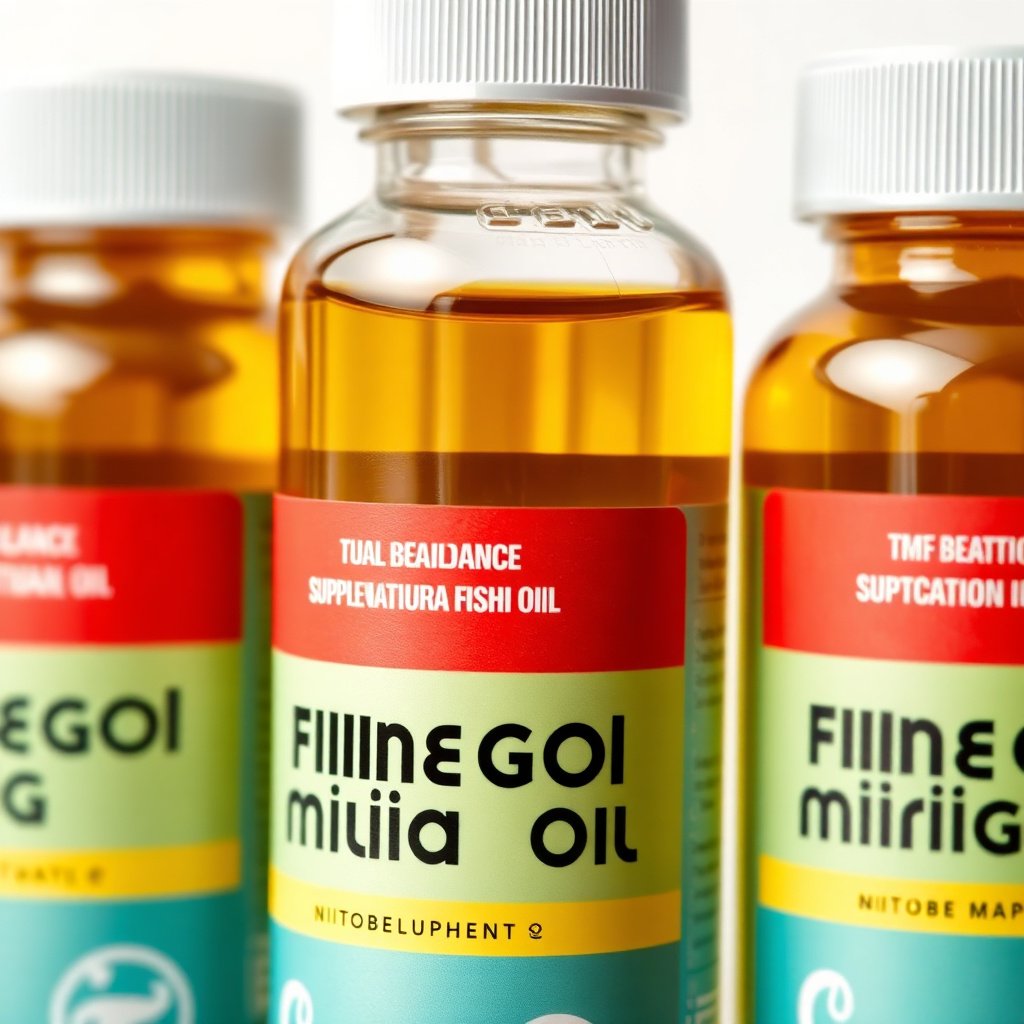
EPA and DHA Concentrations
When choosing a fish oil supplement, check for the EPA and DHA content per serving, as these determine the oil’s potency and effectiveness for coat health. Products with higher concentrations will deliver more benefits in smaller doses.
Typical doses range from 250 mg to 1000 mg of combined EPA and DHA daily depending on your dog's size, so picking a concentrated formula ensures easier administration and better value.
- EPA (Eicosapentaenoic acid)
- DHA (Docosahexaenoic acid)
Purity and Source of Fish Oil
Opt for fish oils sourced from cold-water fish like anchovies, sardines, or mackerel, as these provide cleaner oil with lower levels of contaminants. Look for third-party testing or certification labels indicating purity and freshness.
Freshness is critical because oxidized fish oil loses effectiveness and may cause digestive upset. Products with added antioxidants like vitamin E help preserve oil integrity.
- Look for Molecularly Distilled Oil
- Cold-Water Fish Source
Different Types of Fish Oil Supplements
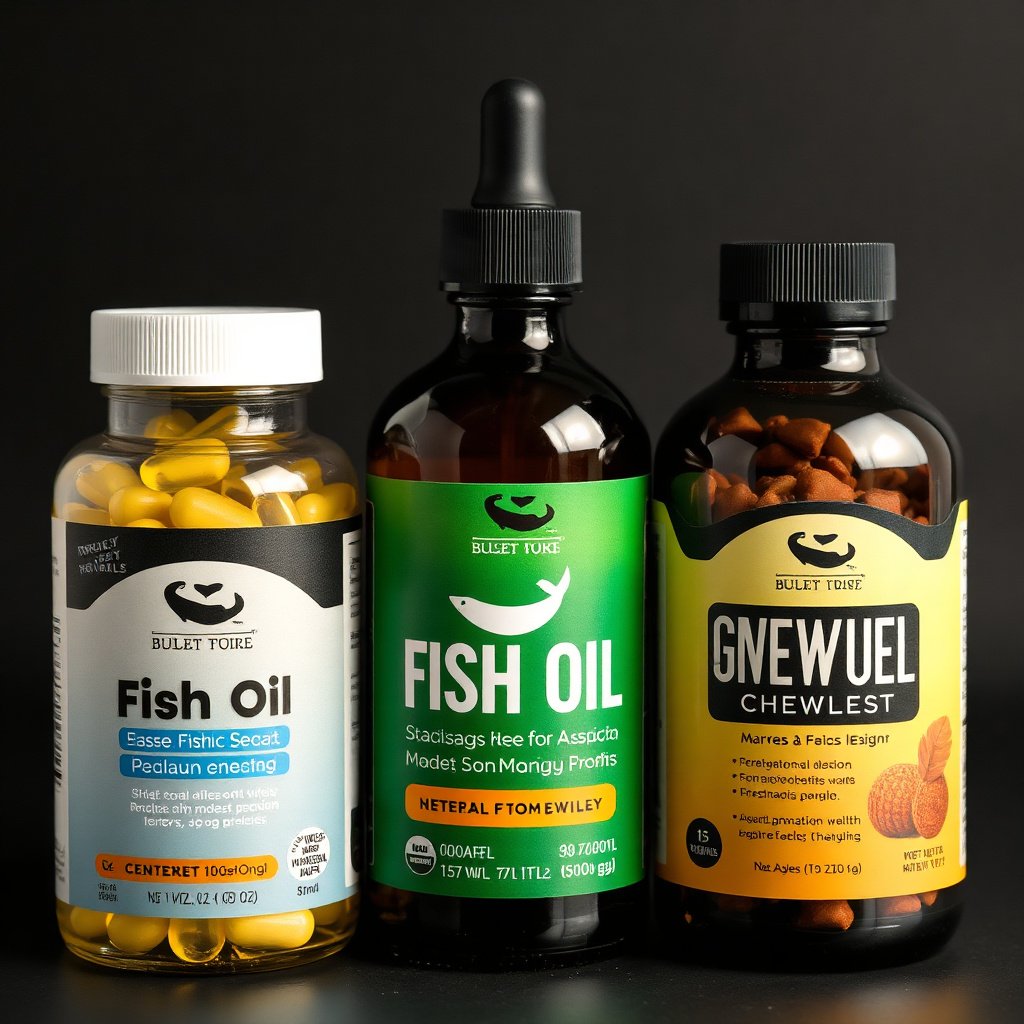
Liquid Fish Oil vs. Softgel Capsules
Liquid fish oil allows for easy portion adjustments and can be mixed with food, making it ideal for picky eaters. However, it can have a stronger odor and require refrigeration after opening.
Softgel capsules provide convenience and longer shelf life, but some dogs may resist swallowing them. They are pre-measured doses, reducing the chance of over- or under-dosing.
- Liquid is flexible but may spoil faster
- Capsules are convenient but less adjustable
For more on this, see our related guide: How to Clean a Dogs Wrinkles: A Complete Guide with Proven Steps.
Chewables and Flavored Options
Chewable fish oil supplements combine the benefits of Omega-3s with palatable flavors like chicken or beef, appealing to dogs who dislike plain oil or capsules. These snacks also add nutritional value beyond just fish oil.
Check ingredient lists to avoid additives or fillers that could harm sensitive dogs. Flavored options can be pricier but improve compliance over time.
How to Safely Introduce Fish Oil to Your Dog
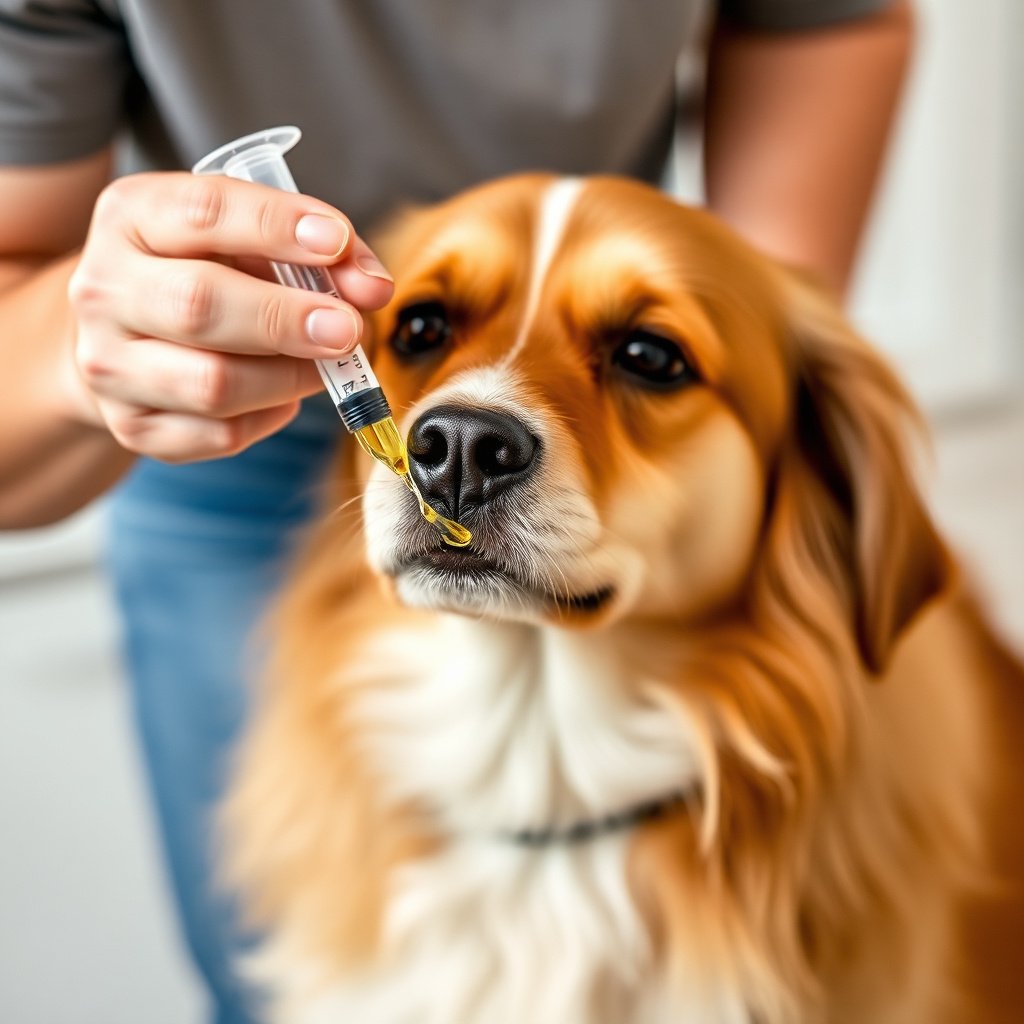
Recommended Dosage Guidelines Based on Weight
Dosage should be based on your dog’s weight and health status. A general guideline is 20-55 mg of combined EPA and DHA per pound of body weight daily.
Starting with a lower dose and gradually increasing allows your dog’s system to adapt and reduces the chance of digestive upset like diarrhea or vomiting.
- Small dogs under 25 lbs: 250-500 mg
- Medium dogs 25-50 lbs: 500-1000 mg
- Large dogs over 50 lbs: 1000+ mg
Monitoring for Side Effects or Allergic Reactions
Although rare, some dogs may develop mild gastrointestinal symptoms or allergies when first starting fish oil. Monitor your pet closely for vomiting, loose stools, or itching.
Consult your veterinarian if adverse effects persist or if your dog is on blood-thinning medications, as fish oil can affect clotting.
Comparing Popular Dog Fish Oil Brands
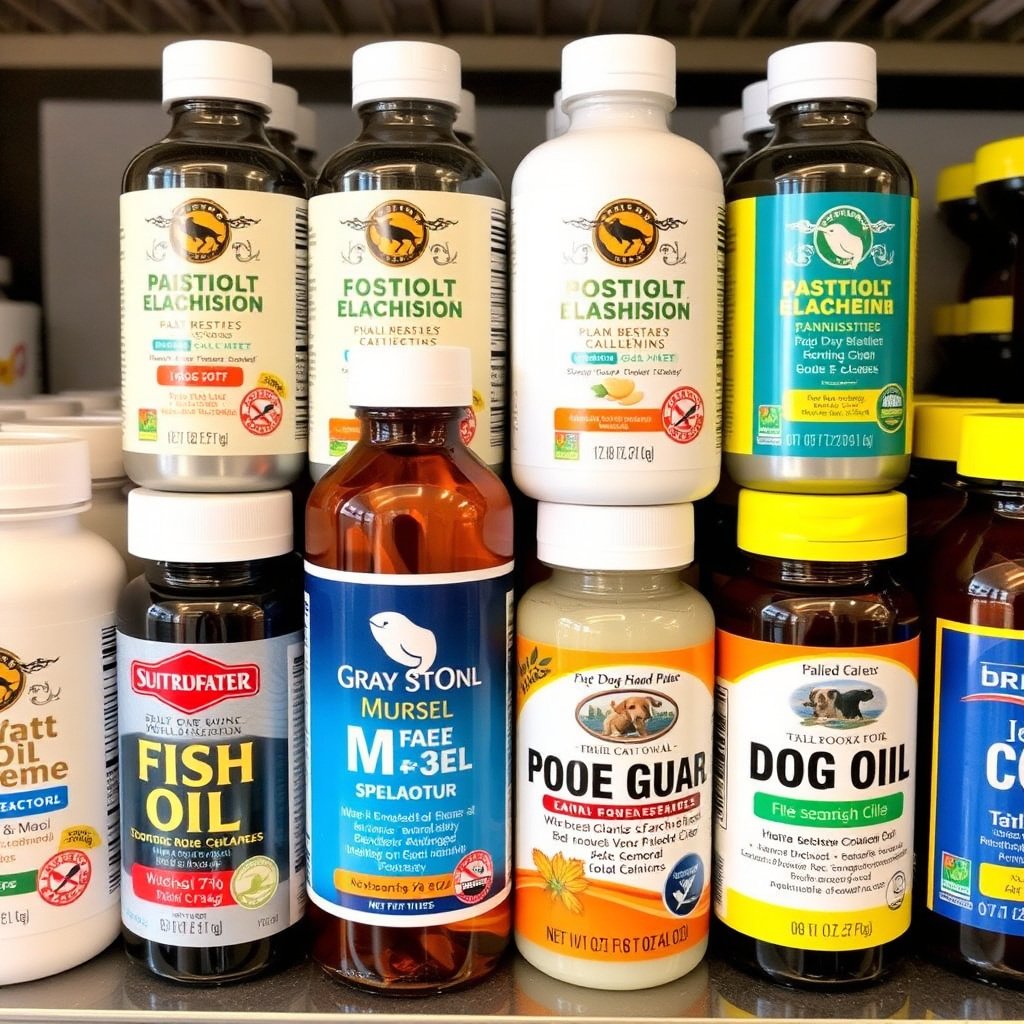
Brand Reputation and Testing Standards
Select brands that provide transparent ingredient sourcing, third-party purity testing, and have good customer reviews. Companies that perform molecular distillation and test for heavy metals and PCBs assure safer products.
Look for certifications like the National Animal Supplement Council (NASC) or the International Fish Oil Standards Program (IFOS). These indicate product quality above industry norms.
For more on this, see our related guide: Why Does My Dogs Coat Feel Rough? 8 Proven Causes and Fixes.
Pricing vs. Quality: Finding Good Value
Higher-quality fish oil products may cost more upfront but prevent waste from spoilage and deliver better coat health results more quickly. Cheaper oils often contain fillers or oxidized fat.
When comparing products, calculate cost per mg of EPA/DHA and factor in product freshness and ease of administration to find the best value.
Incorporating Omega-3 Supplements for Dogs into a Balanced Diet
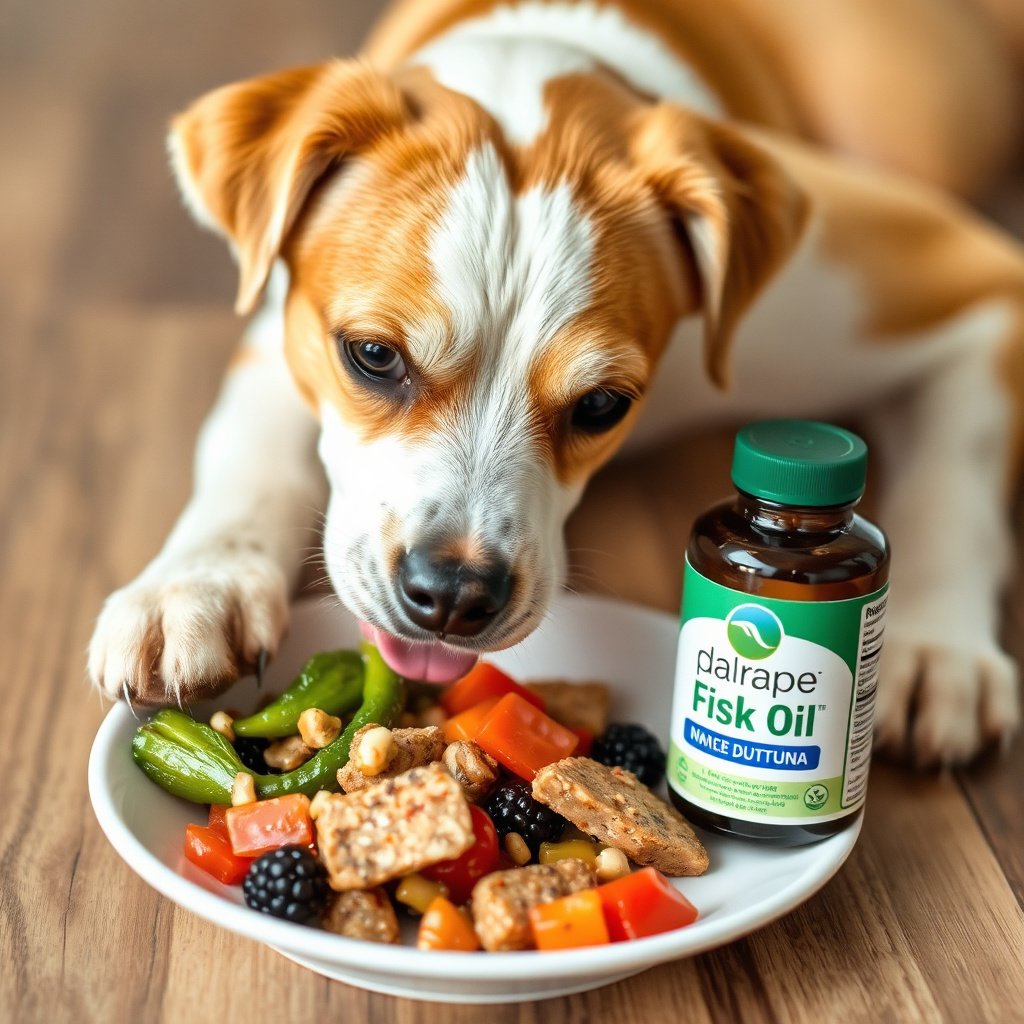
Balancing Fish Oil with Other Nutrients for Coat Health
Fish oil should complement, not replace, a complete diet rich in vitamins A, E, zinc, and biotin that support skin and fur. Combining supplements with quality protein and fats sustains coat vitality.
Discuss with your vet or pet nutritionist about adjusting your dog’s overall diet when adding Omega-3 supplements to avoid nutrient imbalances.
For more detailed information on fish oil benefits for dogs, you can visit this well-sourced page. Fish oil benefits for dogs.
Alternative Omega-3 Sources Beyond Fish Oil
Some dogs may benefit from omega-3s from plant-based sources like flaxseed or chia seeds, though these provide ALA, which must convert to EPA/DHA less efficiently.
Marine algae oils are a vegan alternative containing EPA and DHA directly but tend to be pricier. These options can suit dogs with fish allergies or sensitivities.
Best Dog Fish Oil Types Comparison
Here’s a comparison of common fish oil formats highlighting their benefits and considerations for your dog’s coat health.
| Type | EPA/DHA Concentration | Ease of Use | Shelf Life | Ideal For |
|---|---|---|---|---|
| Liquid Oil | High, adjustable dose | Mixes with food, strong smell | Shorter, needs refrigeration | Picky eaters, dose flexibility |
| Softgel Capsules | Moderate to high | Pre-measured, swallow whole | Longer, stable at room temp | Dogs that accept pills |
| Chewables | Moderate | Tasty, easy to feed | Varies, generally longer | Dogs needing flavor appeal |
| Algal Oil | High EPA/DHA, plant-based | Capsules or liquid | Stable, varied | Fish allergies, vegans |
Frequently Asked Questions
Can fish oil really improve my dog's coat?
Yes. Fish oil rich in EPA and DHA directly supports skin hydration and reduces inflammation, often resulting in a visibly shinier, healthier coat.
How much fish oil should I give my dog daily?
Dosage depends on weight; typically, 20-55 mg of combined EPA and DHA per pound is recommended. Start low and increase gradually.
Are there any risks when giving fish oil to dogs?
Fish oil is generally safe, but excessive doses can cause digestive upset or interfere with blood clotting. Always follow dosage guidelines and consult your vet.
Is liquid fish oil better than capsules for dogs?
Both forms are effective. Liquid fish oil allows for dose adjustment and food mixing, while capsules are convenient and less smelly.
Can I use plant-based Omega-3 like flaxseed oil instead of fish oil?
Plant oils provide ALA, a precursor to EPA and DHA but in small amounts. For direct benefits to coat health, fish oil’s EPA/DHA is more effective.
Key Takeaways
- Choose fish oil with high EPA and DHA for the best coat results.
- Select products from cold-water, sustainably sourced fish with purity testing.
- Liquid, capsules, and chewables all have pros and cons for administration.
- Monitor dosage carefully to avoid side effects and consult your vet as needed.
Conclusion
Selecting the best dog fish oil for coat health requires understanding both your dog’s specific needs and the qualities of the supplement. Look for high concentrations of EPA and DHA from clean sources, consider your dog’s preferences for liquid or capsule form, and always monitor dosage carefully. The right fish oil will help restore your dog’s coat to a shiny, soft condition over time while supporting underlying skin health.
For dogs with dry, dull coats or those prone to skin irritation, liquid fish oil from sustainably harvested anchovies or sardines provides flexibility in dosing and quick absorption. Alternatively, high-quality softgel capsules or flavored chewables suit dogs that dislike oils. If fish sensitivities are a concern, marine algae oil offers a plant-based source of EPA and DHA to safely promote coat vitality.
After choosing a suitable fish oil supplement, introduce it gradually alongside a balanced diet enriched with supporting nutrients like vitamin E and biotin. Consistency is key for noticeable coat improvements. Consult your veterinarian to tailor the supplement plan and ensure your dog’s overall skin and fur health thrives in the long term.
