How to Treat Yeast Infection on Dog Paws: A Practical Guide
Yeast infections on dog paws are a common issue caused by excessive growth of the fungus Malassezia, leading to itching, redness, and discomfort. Treating a yeast infection on dog paws involves thorough cleaning, antifungal medications, and sometimes dietary adjustments to reduce the underlying causes.
This matters because untreated yeast infections can worsen, causing pain and potentially spreading to other areas. Understanding the signs early and using appropriate treatment can help your dog regain comfort quickly and prevent recurring infections.
This article will cover how to identify yeast infections on dog paws, explore both home remedies and veterinary treatments, discuss prevention strategies, and outline when to seek professional help for your pet.
Recognizing Yeast Infection Symptoms on Dog Paws
Common Signs of Yeast Infections
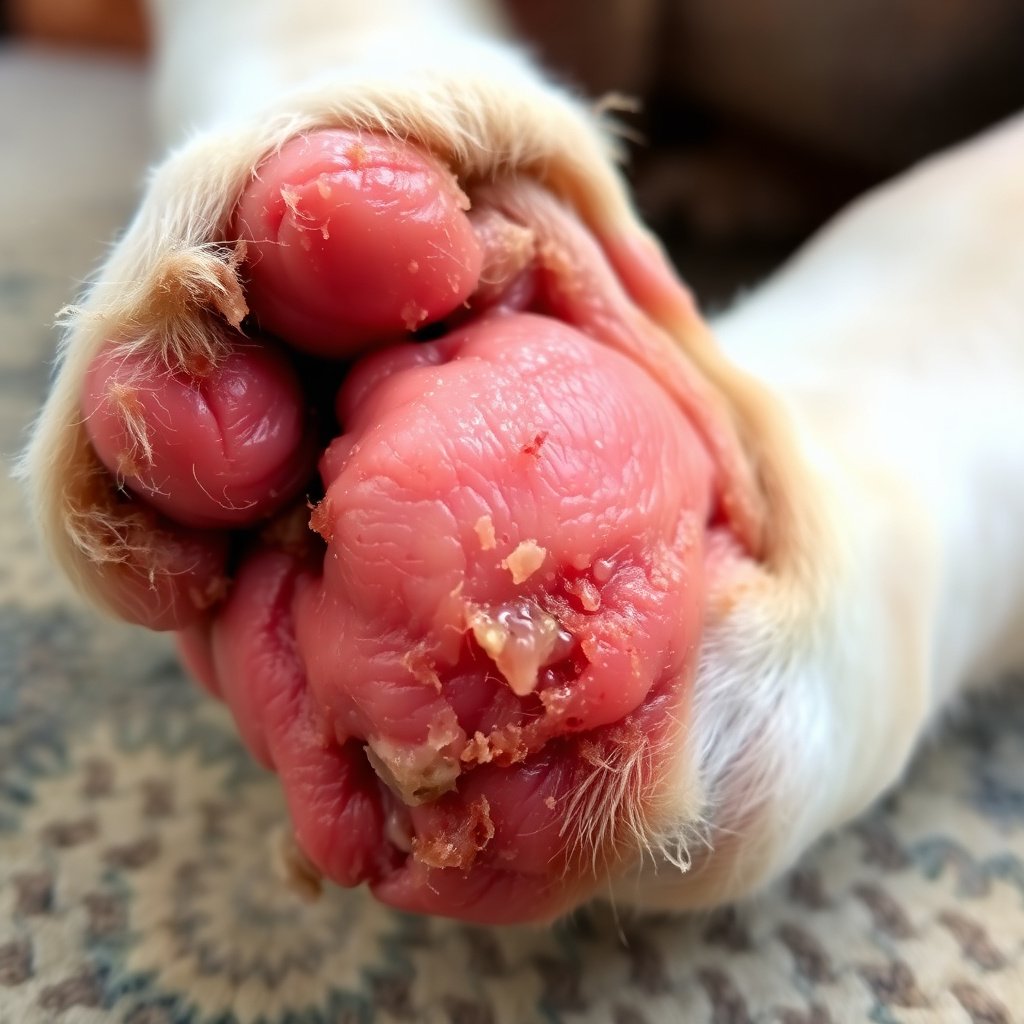
Dogs with yeast infections on their paws often show symptoms like persistent licking, redness between the toes, and thickened, flaky skin. The affected area may emit a distinct yeasty or musty smell that is different from everyday dog odors.
Identifying these signs early helps prevent the infection from worsening or spreading. Owners should regularly check their dog's paws, especially if the dog frequently licks or chews its feet, which can be a sign of irritation caused by infection.
How Yeast Thrives on Dog Paws
Yeast naturally exists on a dog’s skin but can rapidly multiply when the environment becomes warm, moist, or irritated. Paws are particularly vulnerable due to contact with water, dirt, and allergens from the outside environment.
Factors such as allergies, immune system issues, or frequent wet conditions can create a perfect setting for yeast overgrowth. Understanding this helps in effectively addressing the root causes during treatment.
Home Remedies for Treating Yeast Infection on Dog Paws
Cleaning and Drying the Paws
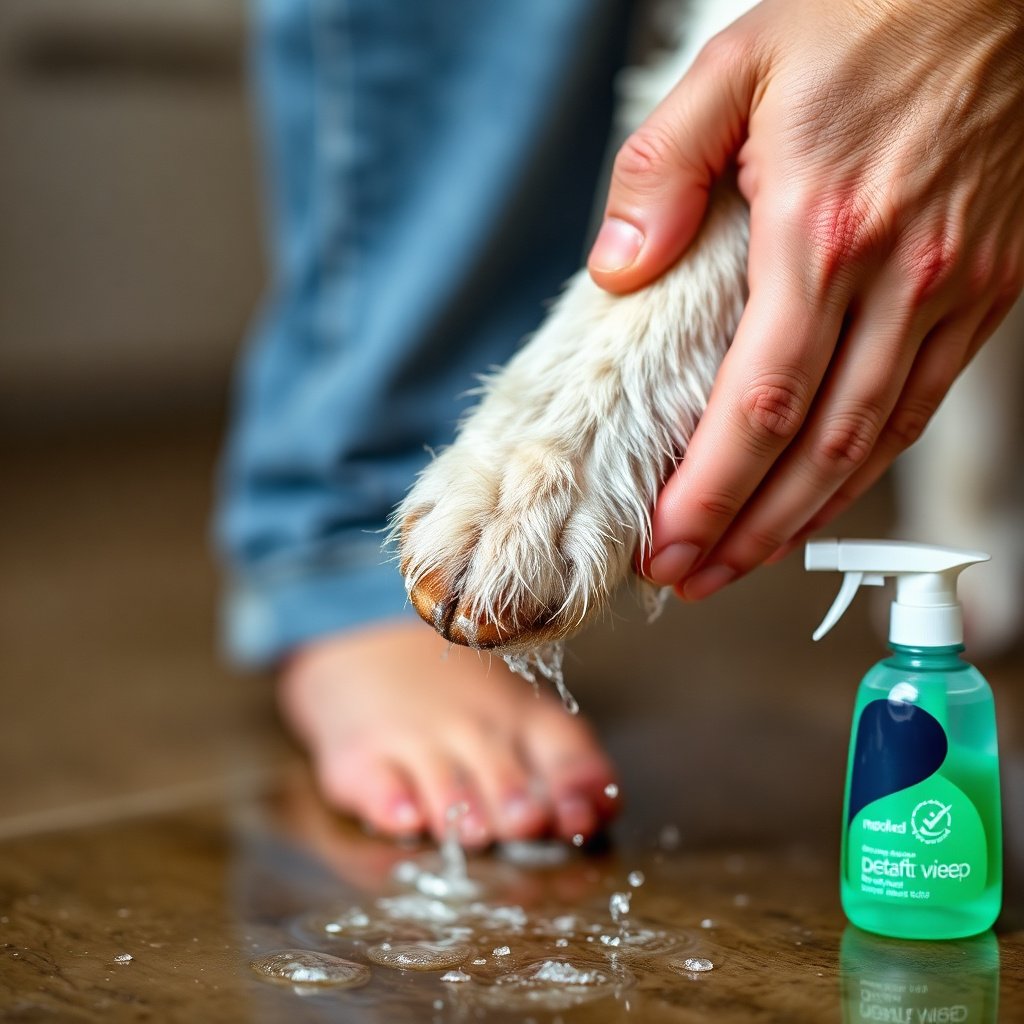
Regular cleaning with a gentle antifungal shampoo, such as those containing chlorhexidine or ketoconazole, helps reduce yeast levels. After washing, thoroughly drying the paws is vital since moisture promotes fungal growth.
Cleaning should be done twice a week during infection treatment, and adding drying powders or wipes with antifungal properties can assist in keeping the area dry and inhospitable to yeast.
- Use lukewarm water for washing
- Avoid harsh soaps that damage skin
- Pat the paws dry instead of rubbing
For more on this, see our related guide: Why Does My Dog Scratch Its Ears? Causes, Care & When to Act.
Using Natural Antifungal Solutions
Some owners use natural options like diluted apple cider vinegar or coconut oil for their antifungal and soothing effects. Apple cider vinegar, when diluted, can help restore pH balance but should never be applied on broken skin.
Coconut oil contains lauric acid, which has mild antifungal properties and soothes irritated skin. However, these methods are best as supportive treatments and not standalone cures for serious infections.
- Dilute apple cider vinegar with water (50/50 ratio)
- Apply coconut oil as a thin layer after cleaning
Veterinary Treatments for Dog Yeast Infections
Topical and Oral Antifungal Medications
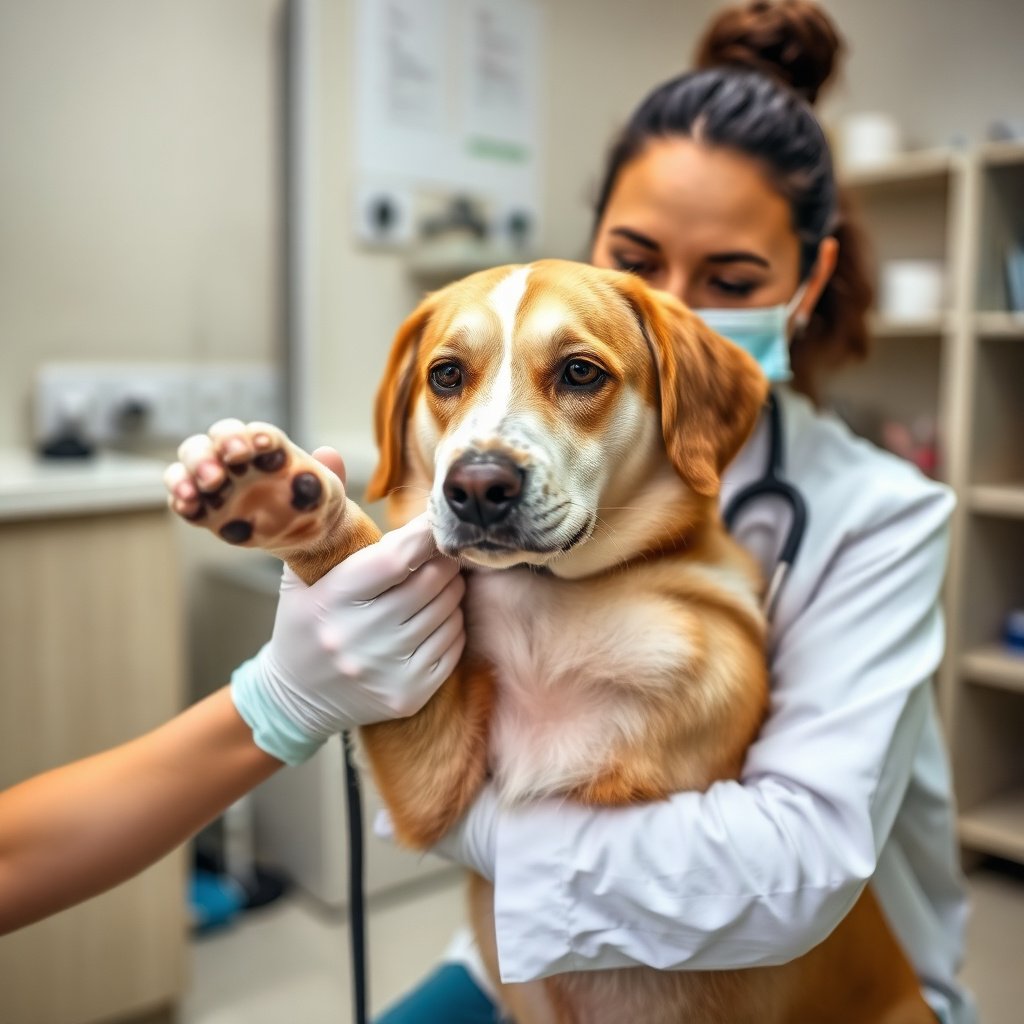
Veterinarians often prescribe antifungal creams, sprays, or medicated wipes containing miconazole, clotrimazole, or ketoconazole to apply directly to infected paws. In severe cases, oral medications like fluconazole may be necessary to fully clear the infection.
Medication duration typically ranges from two to four weeks, depending on the infection’s severity and response to treatment. Follow veterinary instructions carefully to prevent resistance or recurrence.
Addressing Underlying Causes
If allergies or immune disorders are the root cause of yeast overgrowth, veterinarians may recommend allergy testing or special diets to control inflammation. Controlling these factors helps reduce the chance of repeat infections.
Sometimes, secondary bacterial infections accompany yeast infections requiring simultaneous antibiotic treatment. Monitoring your dog’s response enables effective adjustment of therapies.
Preventing Yeast Infection on Dog Paws
Maintaining Clean and Dry Paws
Preventing moisture buildup after walks or playtime is key to stopping yeast infections. Rinsing and drying your dog’s paws, especially after exposure to water or muddy terrain, eliminates the damp environment yeast thrives in.
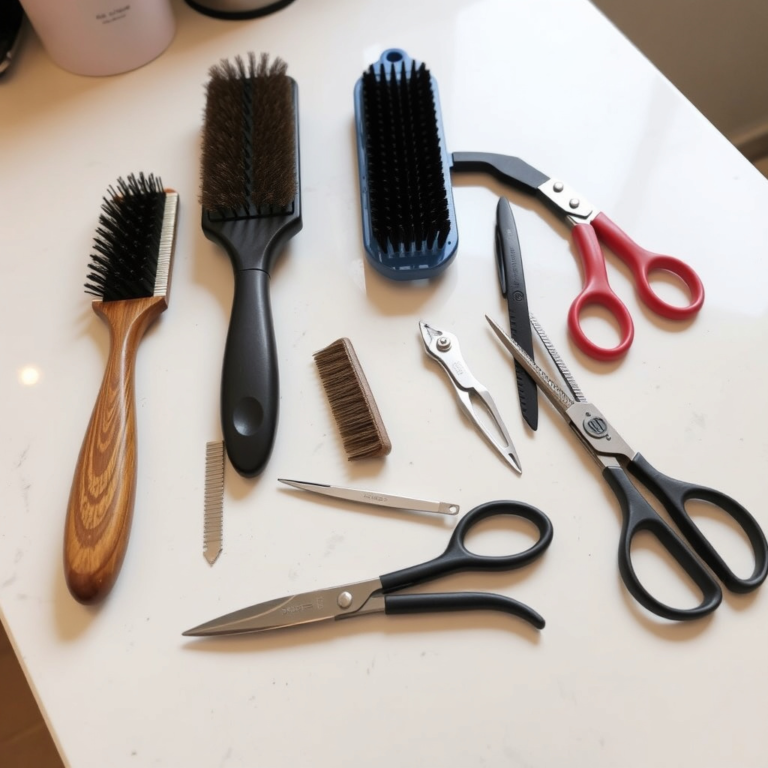
Regularly trimming hair around the paws also improves airflow and reduces dirt accumulation, helping maintain a clean habitat less prone to fungal overgrowth.
- Dry paws thoroughly after baths or walks
- Trim fur between paw pads
- Avoid prolonged wet conditions
For more on this, see our related guide: Why Does My Dog Have Brown Paws? A Complete Guide with Proven Solutions.
Balanced Diet and Immune Support
A healthy immune system reduces yeast infection risk. Feeding a balanced diet rich in omega fatty acids, antioxidants, and probiotics supports skin health and immune function.
Supplements recommended by your vet can help if dietary adjustments are insufficient. Keeping your dog hydrated and stress-free also contributes to overall wellbeing and resilience.
When to See a Veterinarian for Dog Paw Yeast Infection
Signs Infection Needs Professional Care
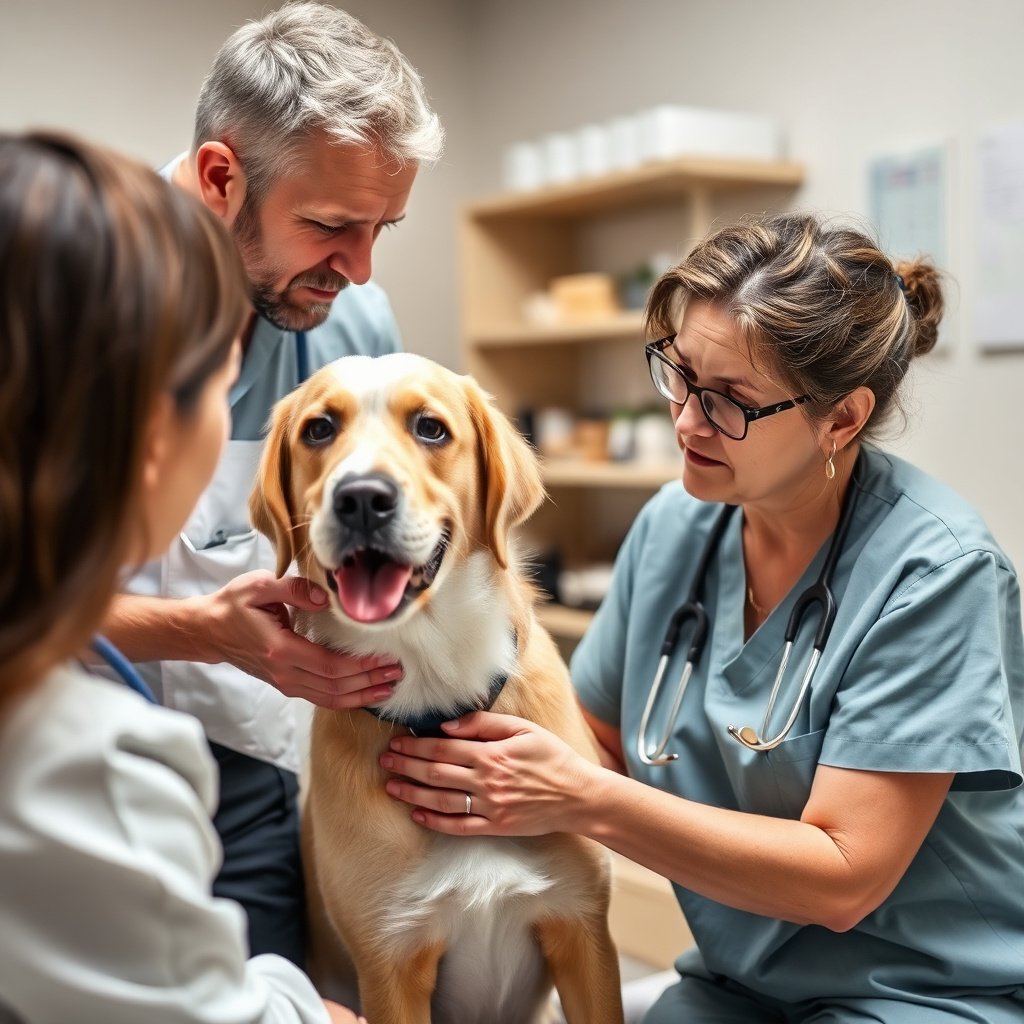
If your dog’s paws remain red, swollen, or have persistent odor after home treatment, it indicates a need for veterinary evaluation. Open sores, bleeding, or signs of pain also warrant urgent professional attention.
Extended infections can lead to complications like secondary bacterial infections or spreading to other body parts, increasing treatment difficulty.
For further detailed information on Malassezia yeast infections in dogs, the American Veterinary Medical Association offers helpful resources. Malassezia yeast infections in dogs.
Diagnostic Tools Used by Veterinarians
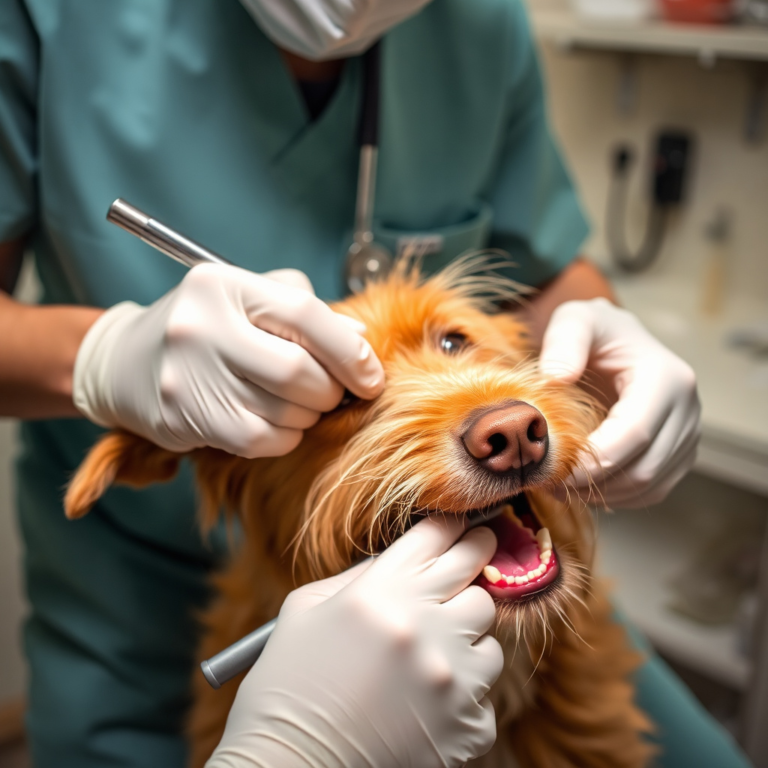
Veterinarians may perform skin scrapings, cytology tests, or fungal cultures to confirm yeast infection and rule out other conditions. These diagnostics guide specific and effective treatment plans.
Sometimes allergy testing or blood work is necessary to identify underlying causes contributing to recurrent infections.
Comparison of Dog Paw Yeast Infection Treatment Options
Here’s a summary comparing common treatment methods based on effectiveness, ease of use, and when to apply them.
| Treatment Type | Effectiveness | Ease of Use | Best For |
|---|---|---|---|
| Topical Antifungal Creams/Sprays | High | Moderate | Mild to Moderate Infections |
| Oral Antifungal Medications | Very High | Requires Vet Prescription | Severe or Resistant Infections |
| Home Remedies (Apple Cider Vinegar, Coconut Oil) | Low to Moderate | Easy | Mild Cases or Supportive Care |
| Routine Paw Cleaning and Drying | Preventative | Easy | Ongoing Maintenance |
| Dietary Adjustments and Supplements | Supportive | Requires Commitment | Underlying Causes/Prevention |
Frequently Asked Questions
Can I treat a yeast infection on my dog's paws at home?
Mild yeast infections can sometimes be managed with proper cleaning, drying, and home remedies. However, if symptoms persist or worsen, a veterinarian’s evaluation is necessary.
How long does it take to cure a yeast infection on dog paws?
Treatment duration varies but typically takes two to four weeks of consistent care with antifungal medications to clear the infection completely.
Are yeast infections on dog paws contagious to humans?
Yeast infections caused by Malassezia are generally not contagious to humans, as this fungus tends to affect dogs specifically.
What causes yeast infections to recur on dog paws?
Recurring infections often stem from untreated allergies, wet environments, or weak immune systems. Addressing these underlying issues helps prevent future flare-ups.
Is it safe to use essential oils on infected dog paws?
Many essential oils can irritate a dog's skin and worsen infections. Always consult your veterinarian before applying any such products.
Key Takeaways
- Yeast infections on dog paws often cause itching, redness, and a musty odor.
- Effective treatment includes cleaning, antifungal medications, and addressing underlying causes.
- Prevent infections by keeping paws dry, trimming fur, and maintaining a balanced diet.
- Consult a veterinarian if symptoms persist or worsen despite home care.
Conclusion
Deciding how to treat yeast infection on dog paws involves careful observation of symptoms and determining the severity of the infection. Mild cases may respond well to cleaning routines and home-based remedies while persistent or severe infections usually require veterinary antifungal treatments to fully resolve the condition. Balancing immediate relief with addressing any underlying issues such as allergies or immune deficits provides the best long-term outcomes for your pet’s comfort and paw health.
If your dog suffers frequent yeast infections on its paws, consider different treatment options such as medicated shampoos or prescribed antifungal creams combined with dietary changes to bolster skin health. For dogs in active or wet environments, prioritizing paw hygiene by drying and trimming fur regularly is especially important. In scenarios where an infection is accompanied by noticeable pain or bleeding, prompt vet intervention is essential to prevent complications and ensure targeted medication is used effectively.
A practical first step is to monitor your dog's paws for early signs like redness or licking and start gentle cleaning with approved antifungal products. Should symptoms not improve within a week or two, scheduling a veterinary visit is advisable. Through consistent care and attention to preventive measures, you can help your dog avoid uncomfortable yeast infections and maintain healthy, happy paws.