How to Brush a Cat’s Teeth Safely and Effectively
Brushing a cat's teeth requires patience, the right tools, and a gentle approach to keep their dental health in check. Begin by selecting a cat-specific toothbrush and toothpaste, as human products can be harmful. Introduce the process gradually, allowing your cat to get used to the sensation before attempting a full brushing.
Maintaining your cat’s oral hygiene is vital because dental disease is common and can lead to pain, difficulty eating, and infections that impact their overall health. Unlike dogs, cats rarely tolerate aggressive dental care, so understanding how to brush a cat’s teeth properly can prevent stress and injury for both of you.
This article walks through preparing your cat and environment, the proper brushing technique, recommended products, common challenges, and alternative dental care methods, so you can feel confident protecting your cat’s smile.
Preparing to Brush a Cat's Teeth
Choosing the Right Dental Tools
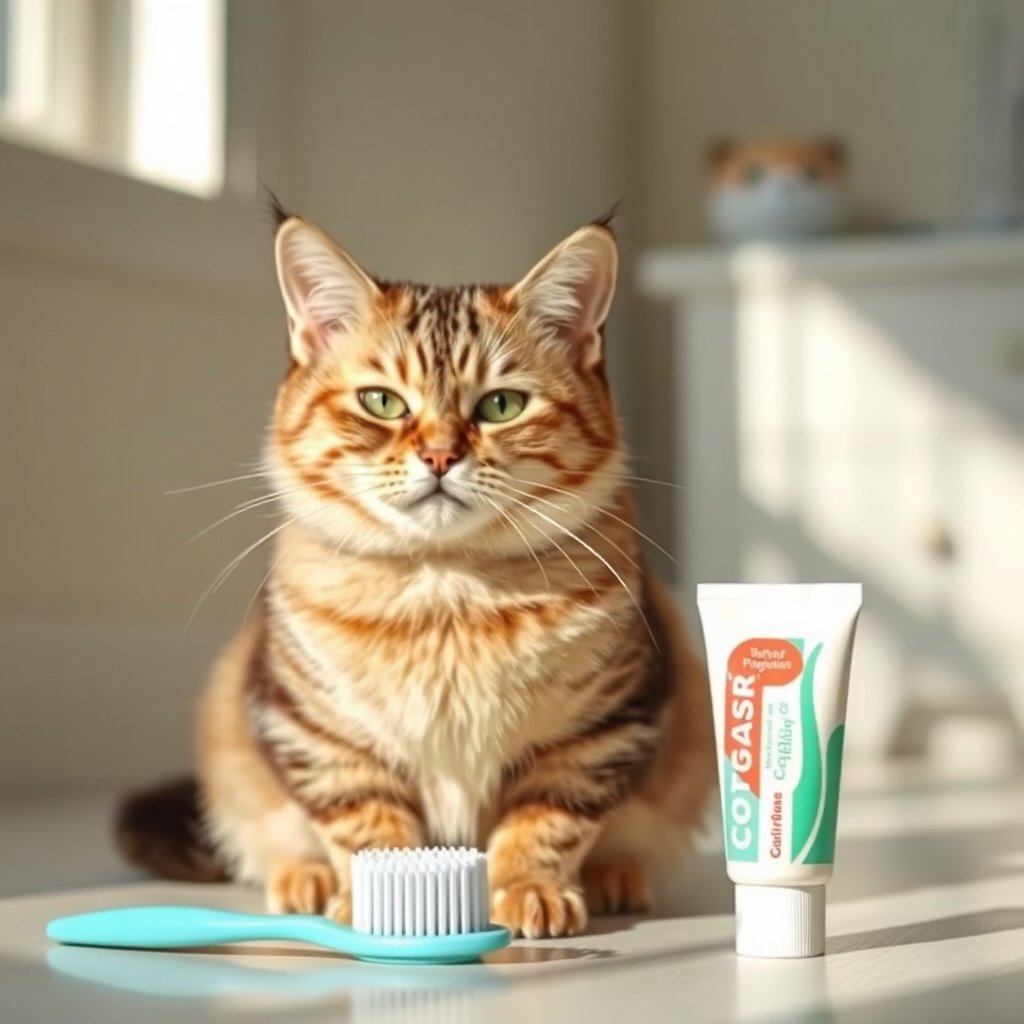
Using a toothbrush and toothpaste designed for cats is essential, as their tastes and dental structure differ from humans. Cat toothbrushes are typically smaller and softer to gently clean without hurting their gums.
Avoid human toothpaste altogether, which contains fluoride and foaming agents harmful to cats. Instead, opt for enzymatic toothpaste flavors attractive to cats, like poultry or fish.
- Finger brushes provide better control for cautious cats
- Gentle, small-headed toothbrushes reduce discomfort
- Enzymatic cat toothpastes improve plaque breakdown
Creating a Calm Environment
Choose a quiet space where your cat feels relaxed, such as a familiar room with soft lighting. Avoid loud noises or distractions that might stress your cat.
Handle your cat gently but firmly; maintain a relaxed posture and speak in a soothing tone. Short, consistent sessions work best to build your cat’s comfort with tooth brushing.
- Brush after meals for routine consistency
- Use treats or affection as positive reinforcement
- Limit sessions to a few minutes initially
Step-by-Step Technique for Brushing a Cat's Teeth
Introducing Your Cat to Toothpaste and Touch
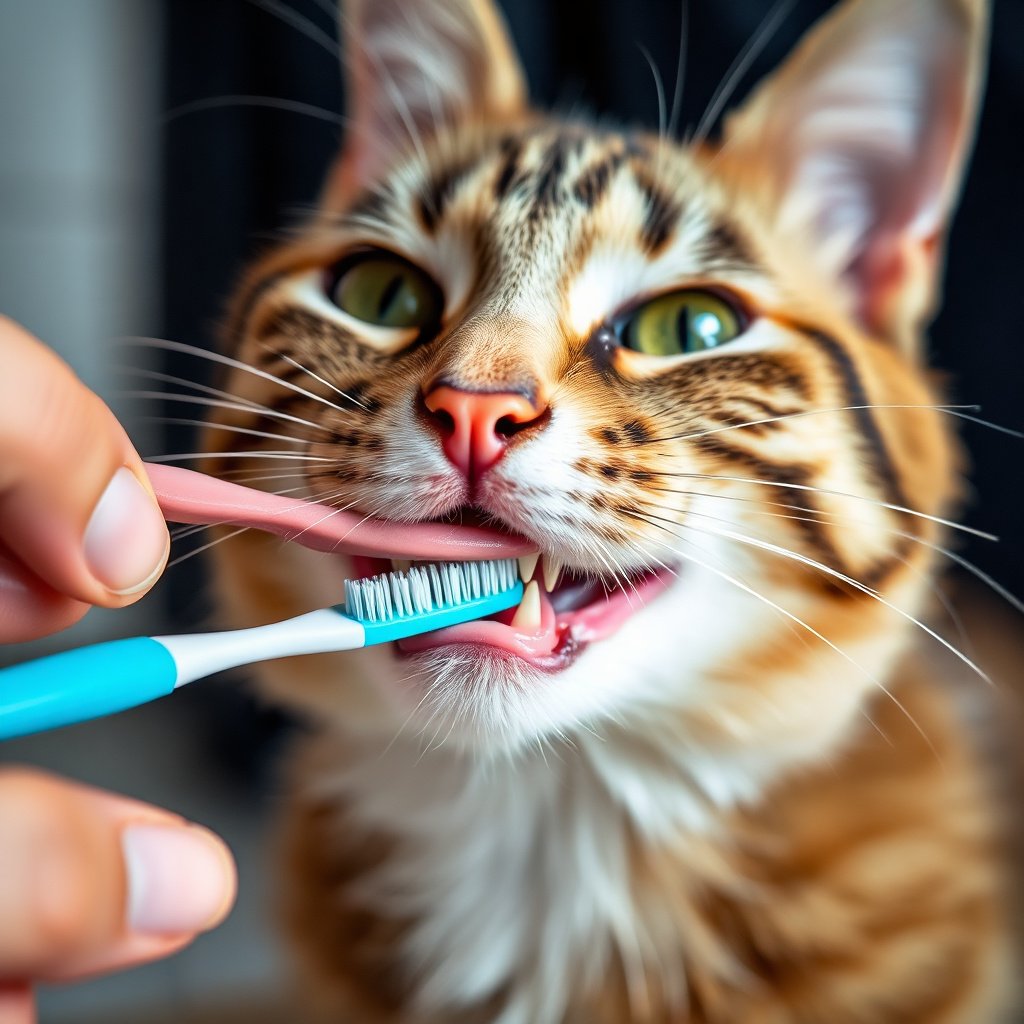
Before using the toothbrush, let your cat taste a small amount of cat toothpaste from your finger to build familiarity. Gradually start touching their lips and teeth gently with your finger, rewarding calm behavior.
This desensitization phase may take several days or weeks depending on your cat’s temperament, but it reduces resistance during brushing and helps your cat associate oral care with comfort.
For more on this, see our related guide: How to Groom a Cat at Home: Simple Steps for Safe, Effective Care.
Brushing the Teeth Properly
Start brushing the outer surfaces of the back teeth, where plaque accumulates most. Use small circular motions with light pressure, focusing on the gum line to remove buildup effectively without causing irritation.
Brush for about 30 seconds per side and gradually increase time as your cat acclimates. Avoid forcing the mouth open; instead, gently lift the lip to access teeth.
- Use only a pea-sized amount of cat toothpaste
- Brush 2-3 times per week for maintenance
- Observe your cat’s reaction and stop if stressed
Understanding Common Challenges and How to Overcome Them
Dealing with Resistance and Discomfort
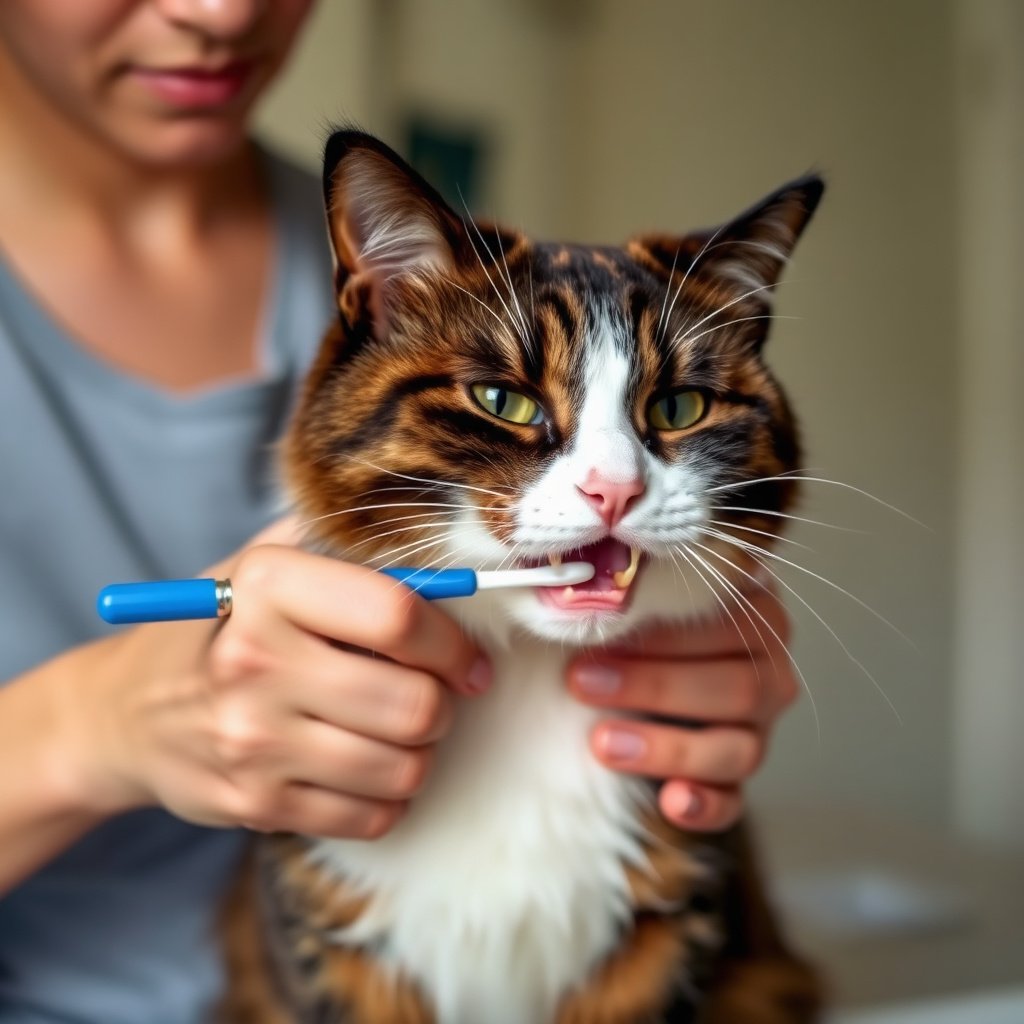
Cats may resist due to discomfort, unfamiliarity, or fear. Instead of forcing brushing, try calming techniques such as petting, gentle massage, or using calming pheromone sprays before starting the session.
Adjust your timing to when your cat is relaxed or sleepy. Gradually increase interaction time so the brushing routine becomes a non-threatening part of daily life.
- Keep sessions short and positive
- Use treats after brushing for reward
- Consult a vet for anxiety or pain issues
When Brushing Is Not Possible
If brushing proves impossible despite efforts, explore alternative dental care options. Dental wipes, water additives, and special dental diets can help reduce plaque and inflammation.
Regular professional dental cleanings by a veterinarian are especially important in these cases to prevent periodontal disease progression.
- Dental water additives to reduce bacteria
- Oral gels or wipes for plaque control
- Routine vet check-ups to monitor oral health
Additional Dental Care Practices for Cats

Dental Diets and Chews
Specially formulated dental diets have kibble designed to reduce tartar buildup by mechanical cleaning. Dental treats and chews help scrub teeth surfaces and promote saliva production to control oral bacteria.
Incorporate these as supplements rather than replacements for brushing or professional cleanings. Always check ingredient quality and consult your vet before starting dental products.
- Kibble with abrasive texture for plaque removal
- Chews containing enzymes to break down tartar
- Limited use to prevent excessive caloric intake
For more on this, see our related guide: How Often Should You Groom a Long Haired Cat? Simple Steps for Healthy Fur.
Regular Veterinary Dental Evaluations
Veterinarians can diagnose early signs of dental disease and provide deep cleanings under anesthesia if needed. Regular check-ups allow prompt treatment of issues like gingivitis or tooth resorption common in cats.
Your vet might recommend tailored home care routines or prescription dental products for your cat’s specific needs.
- Annual or bi-annual oral exams
- Professional dental cleaning procedures
- Follow vet advice for ongoing maintenance
Safety Tips and Signs of Dental Problems
Safety Guidelines While Brushing
Gently restrain your cat to prevent sudden movements that could cause injury. Always use tools intended for cats to avoid damaging gums or teeth.
Stop immediately if your cat shows signs of pain or stress such as hissing, biting, or excessive pawing at the mouth.
- Avoid using excessive force
- Keep nails trimmed to reduce accidental scratches
- Do not brush if oral abnormalities are severe without vet consult
For a detailed understanding of dental diseases and their prevention in cats, see this comprehensive feline dental health overview. Feline dental health overview.
Identifying Dental Disease Symptoms
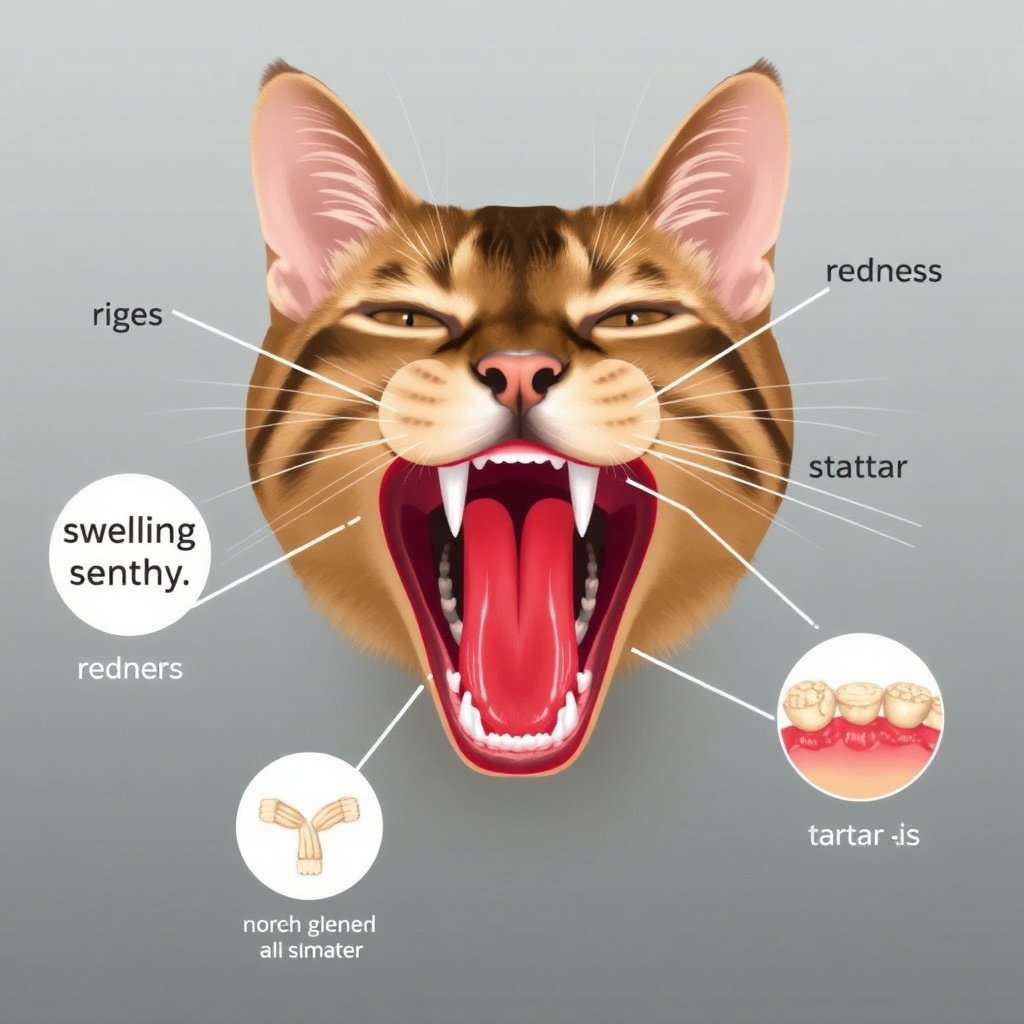
Common signs include bad breath, red or bleeding gums, difficulty eating, drooling, and pawing at the face. Early diagnosis improves treatment success and animal comfort.
If you notice these symptoms or reluctance to brushing, seek veterinary advice promptly.
- Persistent bad breath
- Visible tartar and gum inflammation
- Changes in eating behavior
Cat Dental Care Method Comparison
This table compares various cat dental care methods based on ease of use, effectiveness, and suitability for different cats.
| Method | Ease of Use | Effectiveness | Suitability |
|---|---|---|---|
| Brushing with Toothbrush & Toothpaste | Moderate | High | Most cats with patience |
| Dental Wipes | Easy | Moderate | Cats intolerant of brushing |
| Dental Water Additives | Very Easy | Low to Moderate | Supplementary use only |
| Dental Chews and Diets | Easy | Moderate | Cats that chew well |
| Professional Veterinary Cleanings | N/A | Very High | Severe dental cases |
Frequently Asked Questions
How often should I brush my cat’s teeth?
Aim to brush your cat’s teeth two to three times per week. Daily brushing is ideal but less frequent sessions can still significantly reduce plaque buildup.
Can I use human toothpaste to brush my cat’s teeth?
No. Human toothpaste contains ingredients harmful to cats, like fluoride and foaming agents. Only use toothpaste specifically formulated for cats.
What if my cat won’t let me brush their teeth?
Try slow desensitization by introducing toothpaste on your finger, gentle lip massages, and using dental wipes or water additives. If resistance continues, consult your veterinarian.
Are dental chews enough for cat dental care?
Dental chews complement brushing but cannot replace it. They help reduce tartar but don't clean as thoroughly as brushing or professional cleanings.
When should I take my cat for a professional dental cleaning?
If your cat shows signs of dental disease like bad breath, bleeding gums, or difficulty eating, schedule a veterinary dental exam to determine if professional cleaning is necessary.
Key Takeaways
- Use cat-specific toothbrushes and enzymatic toothpaste for safe brushing
- Introduce brushing gently with patience and positive reinforcement
- Combine brushing with dental diets, chews, and vet visits for best results
- Stop brushing if your cat is in pain and consult a vet for persistent issues
Conclusion
Determining how to brush a cat's teeth safely involves patience, proper tools, and a calm approach. The key to success lies in gradual introduction and tailoring the routine to your cat’s temperament. Consistent dental care helps prevent painful diseases and contributes to your cat’s overall wellbeing.
For cats that tolerate tooth brushing, using a soft cat toothbrush and enzymatic toothpaste two to three times per week provides excellent plaque control. If brushing isn’t feasible, supplement with dental wipes, water additives, and specialty diets while maintaining regular vet dental exams. Professional cleanings remain the gold standard when oral disease advances.
Start by familiarizing your cat with the toothbrush and toothpaste through gentle, short sessions and positive rewards. If resistance remains, focus on alternative methods and veterinary guidance to preserve your cat’s oral health. A thoughtful approach will keep your feline companion’s smile healthy for years.