How to Treat Clipper Burn on a Dog: Effective Remedies and Prevention
Clipper burn on a dog happens when the skin gets irritated, red, or raw due to dull blades, excessive heat, or improper grooming technique. To treat clipper burn, begin by cleaning the affected area gently with a mild antiseptic solution to prevent infection. Applying a soothing ointment such as aloe vera gel or a veterinarian-recommended barrier cream can help reduce inflammation and speed healing. Keep the dog from licking or scratching the site by using an Elizabethan collar if necessary.
Treating clipper burn promptly is important because the damaged skin can become painful and may lead to infection if left unattended. Dogs with sensitive or thin coats are more prone to this kind of irritation after grooming, especially if they haven’t been properly prepped or if the grooming tools are not maintained well. Understanding clipper burn and its care helps pet owners maintain their dog's comfort and skin health while grooming at home or professionally.
This article covers the causes of clipper burn, signs to watch for, step-by-step treatment methods, preventive grooming practices, and when to seek veterinary advice. By following these guidelines, pet owners can handle minor clipper burns effectively and avoid more serious skin problems.
Understanding Clipper Burn on Dogs
What Causes Clipper Burn?
Clipper burn occurs when the clipper blades generate excessive heat during grooming, causing friction against the dog's delicate skin. Common triggers include using dull or unlubricated blades, going too slowly over the skin, or applying too much pressure. Additionally, shaving a dog with sensitive skin or coils can heighten the risk of irritation. Recognizing these causes helps groomers adjust their technique to protect the dog's skin.
Aside from equipment issues, insufficient preparation like clipping over dirty or matted fur can also cause clipper blades to tug the coat unevenly, leading to skin abrasion. Environmental humidity and the dog’s coat thickness also play a role. The irritation may appear immediately or develop hours after the grooming session.
Signs and Symptoms of Clipper Burn
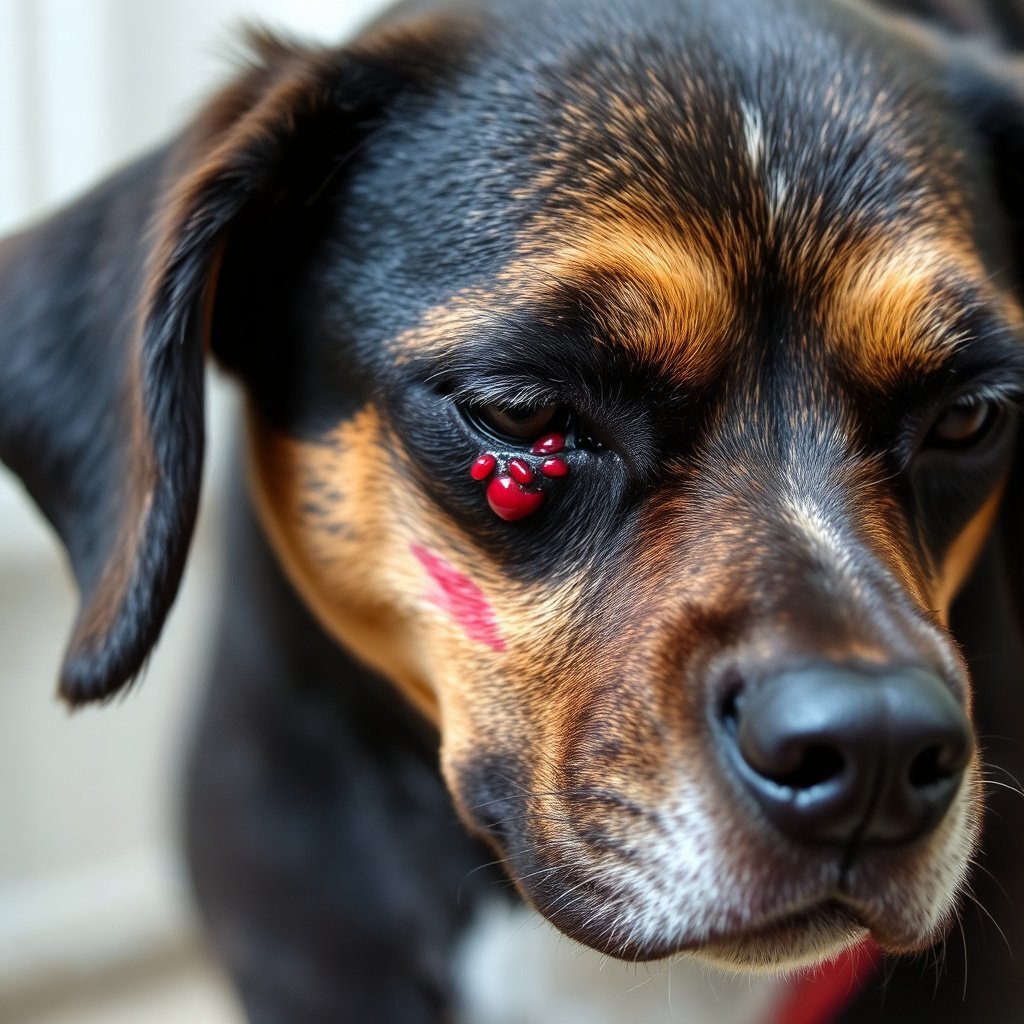
After grooming, clipper burn is usually characterized by redness, warmth, and rawness of the skin at the clipping site. The dog may show signs of discomfort such as increased licking, scratching, or restlessness. In severe cases, there may be swelling, scabbing, or even blister formation on the skin’s surface.
It is important to differentiate clipper burn from other skin conditions like allergic reactions or insect bites. Typically, clipper burn presents shortly after clipping and is localized along the clipped area, whereas other conditions might show broader distribution or different lesion types.
Immediate Care and Treatment for Clipper Burn
Cleaning and Soothing the Skin
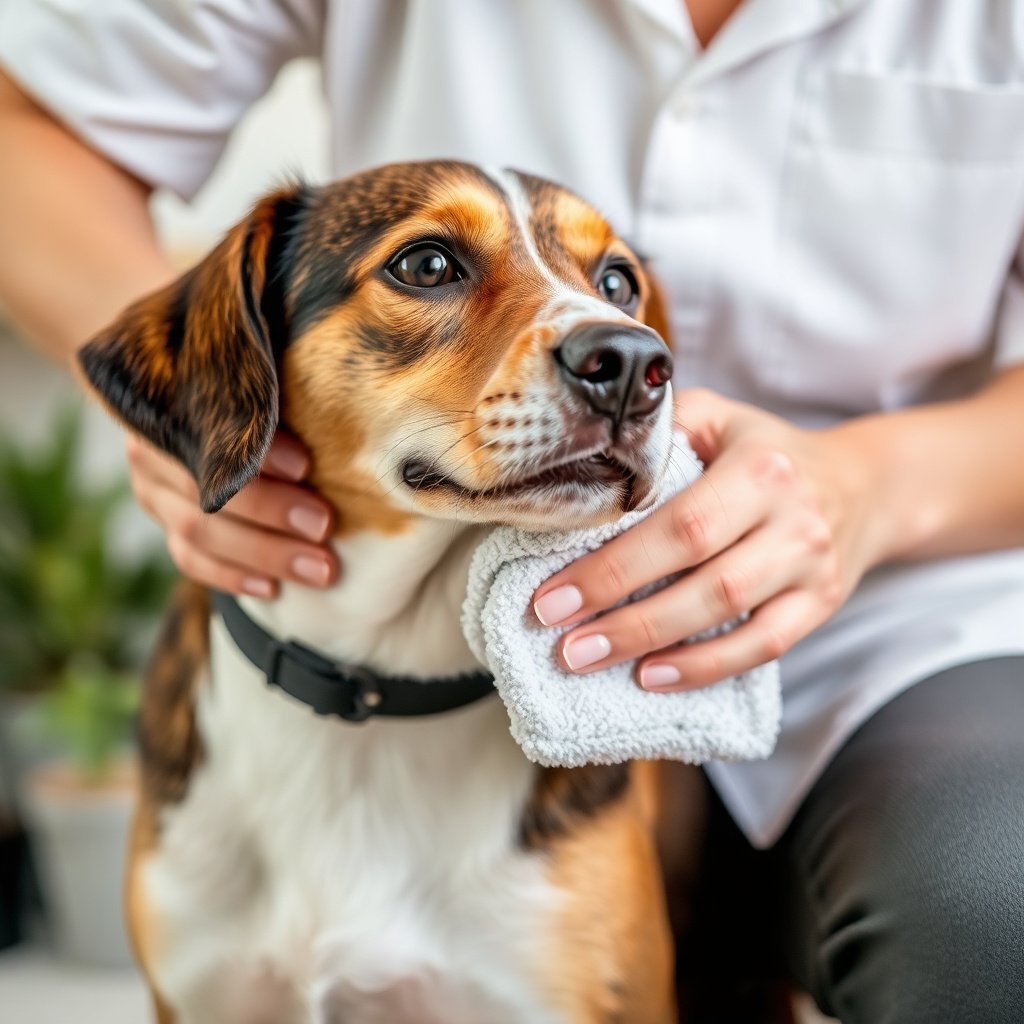
Begin treatment by washing the clipper burn area with lukewarm water and a gentle, pet-safe antiseptic cleanser to remove any debris and reduce bacterial load. Avoid harsh soaps or human antiseptics, as they may worsen irritation. Gently pat the area dry with a clean towel without rubbing to avoid further trauma.
After cleaning, apply a calming topical agent such as pure aloe vera gel or an antibiotic ointment recommended by your veterinarian. These products help reduce redness and promote skin repair while minimizing the risk of infection.
For more on this, see our related guide: How Do Dog Groomers Trim Nails? A Complete Guide with Expert Tips.
Preventing Licking and Further Injury
Dogs tend to lick wounds, which can introduce bacteria and slow healing. Using an Elizabethan collar (cone) or a soft recovery collar helps prevent self-trauma. Monitor your dog closely especially during rest times.
Regularly check the healing progress over the following days. If the area appears worsened, swollen, or has discharge, seek veterinary care immediately, as antibiotics or other interventions might be necessary.
Chronic and Severe Cases of Clipper Burn
When to See a Veterinarian
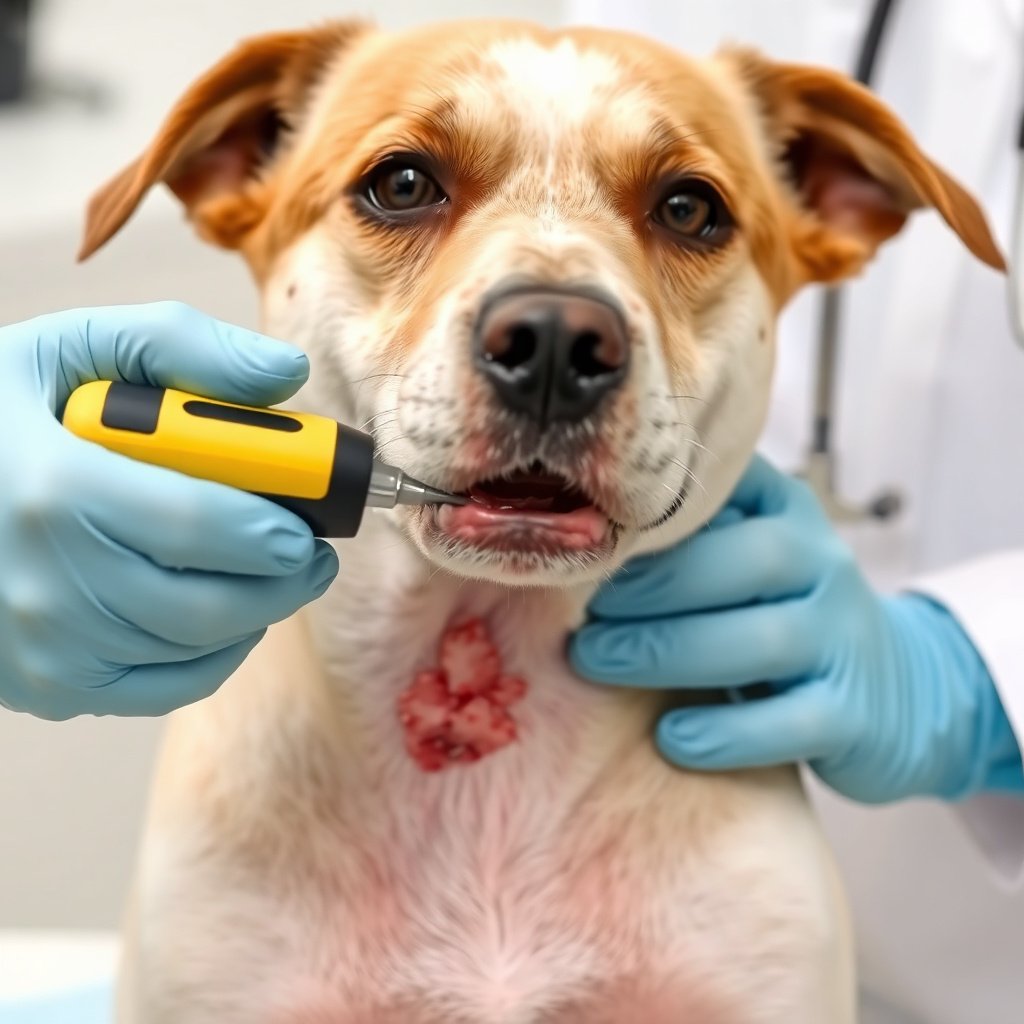
Seek veterinary attention if clipper burn becomes infected, shows persistent swelling, or if your dog’s discomfort increases despite first aid. Deep skin wounds or secondary infections require professional treatment with antibiotics or medicated creams.
Also consult your vet if your dog develops systemic symptoms like fever or lethargy, which can signal spreading infection or other complications.
Medical Treatments and Medications
A veterinarian might prescribe topical or oral antibiotics to control infection. In cases where inflammation is severe, a short course of anti-inflammatory medication or corticosteroids could be recommended to reduce swelling and pain.
Additionally, medicated shampoos or sprays tailored for sensitive skin can support recovery while preventing further irritation or itching during healing.
Preventing Clipper Burn with Proper Grooming Techniques
Maintaining Clipper Blades and Equipment
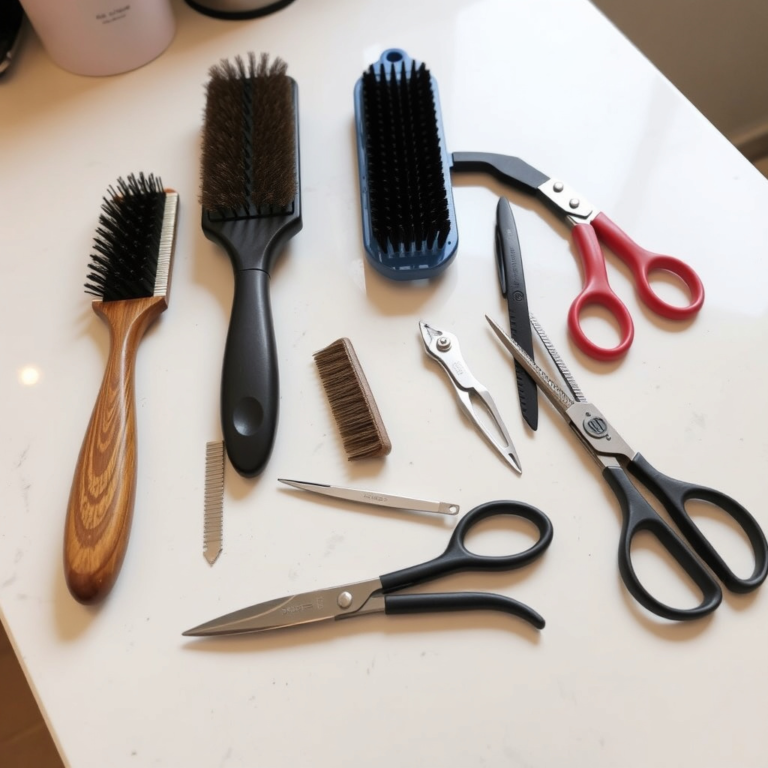
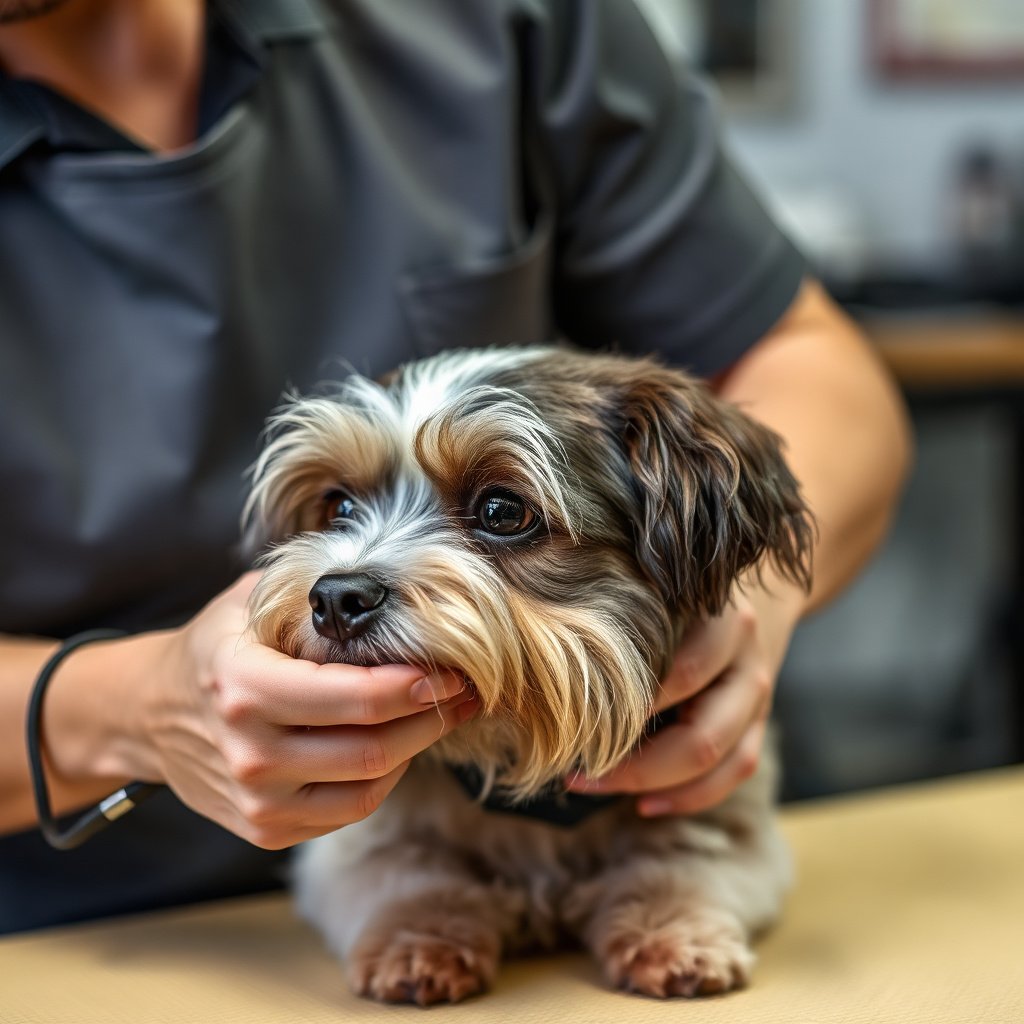
Sharp blades are key for smooth and quick cuts that avoid friction and heat buildup. Regularly clean, oil, and sharpen your clipper blades to maintain optimal performance. Avoid using dull blades which increase the chance of clipping injury.
Inspect grooming tools before every session, and replace worn-out blades promptly. Investing in quality clippers with reliable cooling systems can also reduce the risk of clipper burn.
- Regular blade lubrication
- Scheduled sharpening or blade replacement
- Use of cooling sprays or gel on clippers
For more on this, see our related guide: How to Remove Tar from a Dog’s Paws: Safe Steps and Proven Tips.
Grooming Strategies to Protect Your Dog’s Skin
Trim mats and debris before clipping to reduce pulling and blade resistance. Use moderate speed and gentle pressure to minimize heat against the skin. Monitor the clipper’s temperature by frequently touching the blades and allowing breaks to cool down if they become hot.
Consider clipping when the dog is dry rather than wet, and use a guard comb to prevent too-close skin contact on fragile areas. The dog’s coat type and skin sensitivity should guide your grooming technique.
- Brushing out mats before clipping
- Pausing for blade cooling
- Using guard combs on sensitive spots
Additional Care Tips for Dogs with Sensitive Skin
Choosing Skin-Friendly Grooming Products
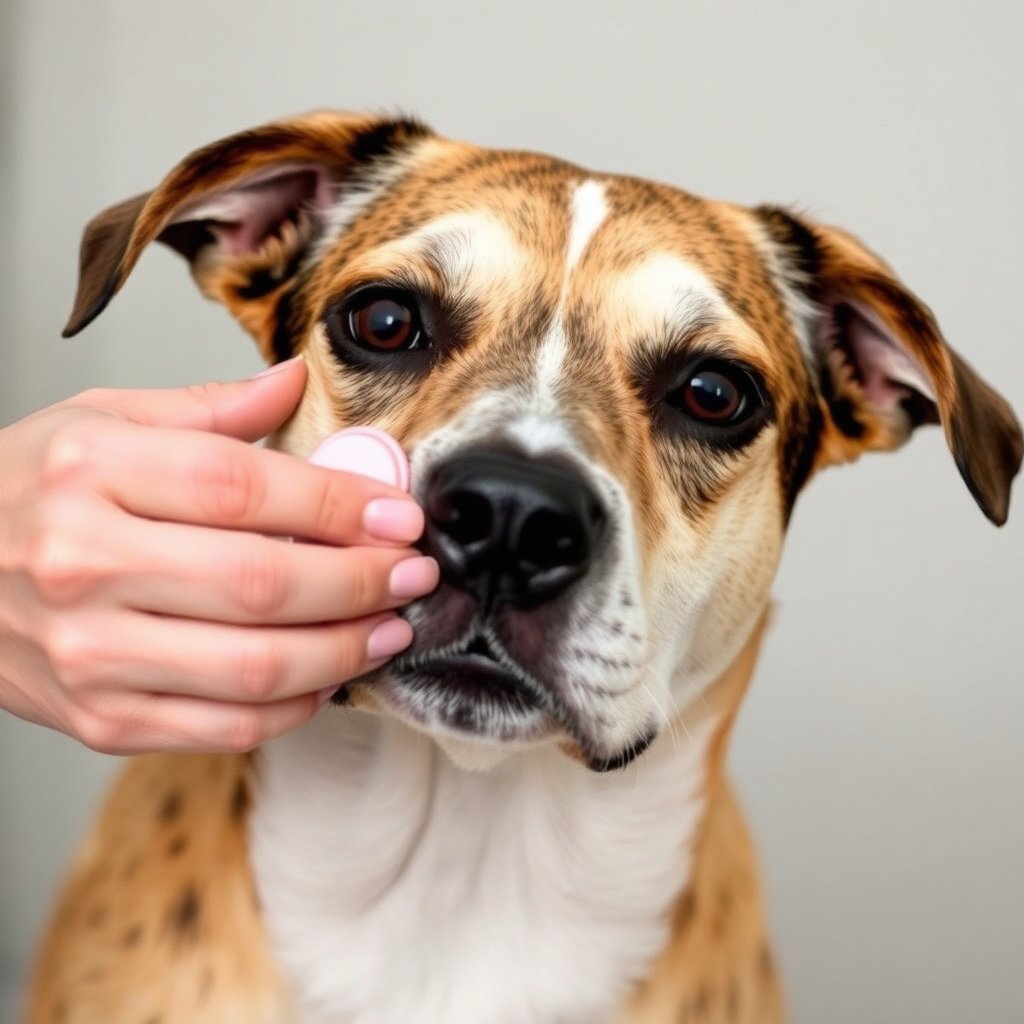
Opt for hypoallergenic and fragrance-free shampoos and grooming sprays that support skin barrier health. Avoid harsh chemicals or products containing alcohol, as they can worsen irritation and dryness.
Using moisturizing conditioners or leave-in treatments designed for sensitive dogs can help keep the skin supple and less prone to irritation during and after clipping.
For broader understanding of grooming tools and skin care, the Dog Grooming Wikipedia page offers valuable insights. Clipper burn information on Dog Grooming.
Regular Skin Monitoring and Care
Examine your dog’s skin often, especially after grooming sessions, to catch signs of irritation early. Keep the coat well-maintained to avoid the need for aggressive clipping.
Implement gentle brushing routines to improve skin circulation and health. If your dog is prone to allergies or skin conditions, discuss routine care plans with your vet to reduce flare-ups that increase clipper burn risk.
Comparison of Common Clipper Burn Treatments
Here is a comparison of popular treatment options for clipper burn on dogs, highlighting their benefits and considerations.
| Treatment | Ease of Use | Effectiveness | Recommended For |
|---|---|---|---|
| Aloe Vera Gel | Very easy | High soothing and healing | Mild to moderate burns |
| Antibiotic Ointment | Moderate | Prevents infection effectively | Infected or raw wounds |
| Hydrocortisone Cream | Moderate | Reduces inflammation | Severe redness and itching |
| Elizabethan Collar | Requires fitting | Prevents self-injury | Dogs that lick or scratch |
| Veterinary Medication | Requires prescription | Best for severe cases | Infected or chronic burns |
Frequently Asked Questions
Can clipper burn heal on its own without treatment?
Mild clipper burn can sometimes heal without treatment within a few days, but cleaning the area and applying soothing agents helps prevent infection and speeds recovery.
How long does clipper burn usually take to heal?
Healing depends on severity but typically mild clipper burn improves within 3 to 7 days with proper care and rest.
Is clipper burn the same as a cut or razor burn?
Clipper burn is skin irritation from heat and friction, whereas cuts are open wounds caused by blades. Both need care but differ in cause and treatment.
Can I use human antiseptic ointments on clipper burn?
It’s best to avoid human antiseptics unless advised by a vet, as some ingredients may irritate dog skin. Use pet-specific products instead.
How can I prevent clipper burn during home grooming?
Keep clippers sharp and cool, use guard combs, prep the coat well, and clip gently to avoid heat buildup or excessive friction.
Key Takeaways
- Clipper burn results from clipper-induced skin irritation due to heat or dull blades.
- Immediate cleaning and soothing ointments help reduce inflammation and speed healing.
- Prevent clipper burn by maintaining grooming tools and using careful techniques.
- Seek veterinary care if clipper burn worsens, becomes infected, or causes severe pain.
Conclusion
When managing clipper burn on a dog, focusing on appropriate first aid and prevention strategies provides the best results. Careful cleaning, application of mild topical treatments, and limiting the dog's ability to lick the area are essential initial steps. Knowing the causes of clipper burn allows owners and groomers to adjust their actions to avoid this painful condition and ensure comfortable grooming experiences.
For mild to moderate clipper burn, treatments such as aloe vera gel or antibiotic ointments usually suffice and help tissues heal efficiently. Dogs with severe irritation or secondary infections benefit from veterinary attention, where prescription medications can support recovery. Preventive measures like sharp blades, cooling clips, and prepping the coat fit different grooming scenarios, making them essential for any dog owner practicing dog grooming safety tips.
If you notice signs of clipper burn during or after grooming, act quickly to protect your pet’s skin. Regularly inspect the dog's coat and skin health, maintain grooming equipment well, and never hesitate to contact your veterinarian when in doubt. Taking these steps helps maintain your dog’s wellbeing and ensures grooming stays an enjoyable routine.