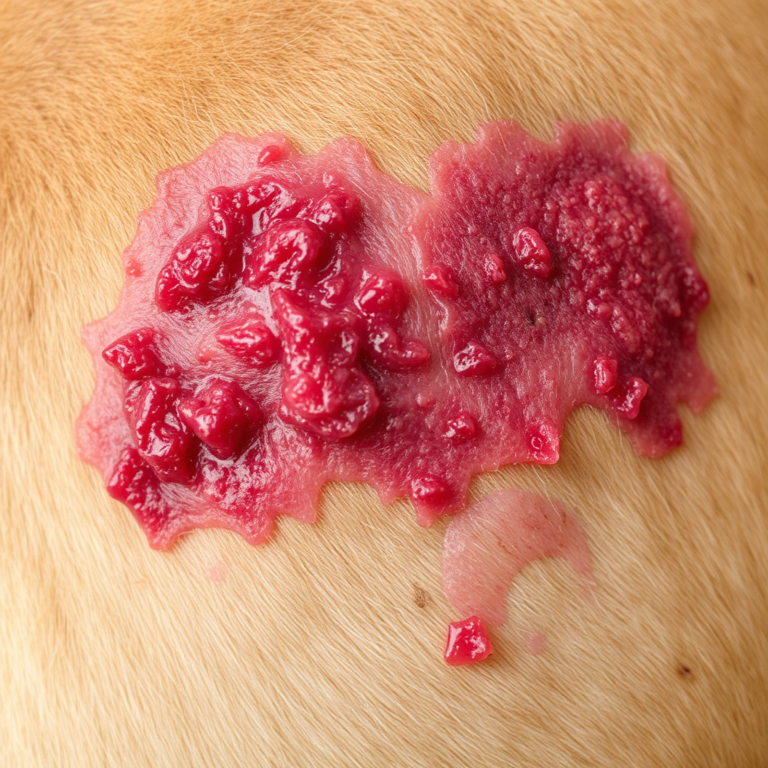
How to Bathe a Husky: A Practical Guide for a Clean and Happy Dog
Bathing a Husky requires patience and the right technique to keep their thick double coat clean without causing stress or skin irritation. Begin by gathering all supplies, including dog-specific shampoo, towels, and a brush. Use lukewarm water and gently wet your Husky’s coat from neck to tail, avoiding the face initially. Apply shampoo evenly and massage it through the fur before rinsing thoroughly to prevent residue build-up.
Huskies have dense undercoats that trap dirt and odors, so regular baths enhance their grooming routine, particularly during heavy shedding seasons. Overbathing can strip their natural oils, so spacing baths every few months or after notable dirt exposure is ideal. Proper bathing supports healthy skin and coat, reducing matting and keeping your Husky comfortable.
This guide outlines preparation tips, step-by-step bathing instructions, coat care advice, and safety considerations to help you bathe your Husky confidently. You will also find recommendations on shampoo selection, drying techniques, and how to handle common challenges that Husky owners face during bath time.
Preparing for a Husky Bath
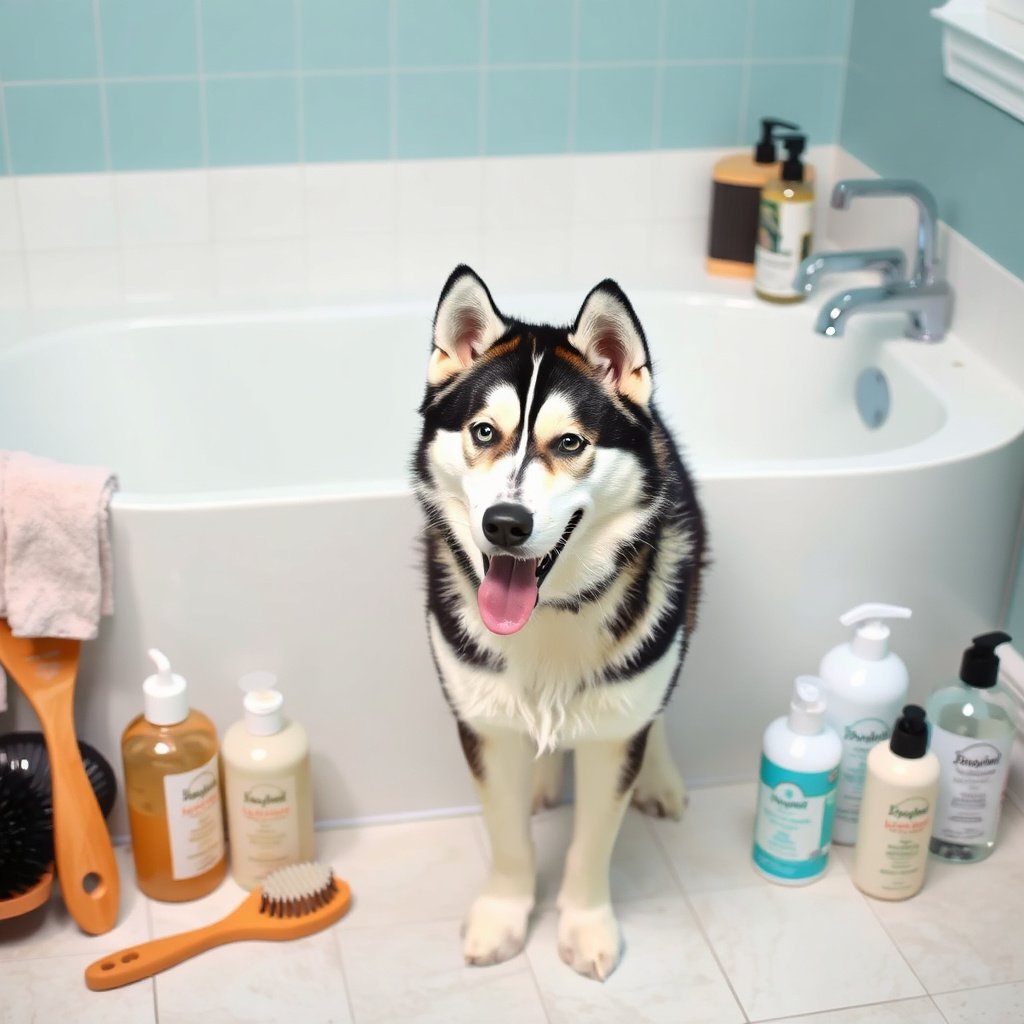
Gathering Essential Bath Supplies
Ensure you have all necessary items ready before bringing your Husky to the bathing area. This includes a dog-appropriate shampoo, which is gentle on sensitive skin and suited for thick double coats, as well as a large brush, towels, and non-slip mat for safety.
Choosing the best shampoo for Huskies is vital since their fur requires formulas that cleanse without drying out the skin. Additionally, having treats handy can make the experience more pleasant by rewarding calm behavior.
- Dog shampoo formulated for sensitive skin
- Brush suitable for double coats
- Non-slip bath mat
- Plenty of towels
- Treats for positive reinforcement
Preparing Your Bathing Space
Select a bathing area that comfortably fits your Husky, such as a bathtub or a large basin outside if weather permits. Lukewarm water is essential because water too hot or cold causes discomfort and agitation.
Place a non-slip mat inside to prevent slipping during the bath. Make sure the surrounding environment is calm with minimal distractions to keep your Husky relaxed throughout the process.
Step-by-Step Husky Bathing Process
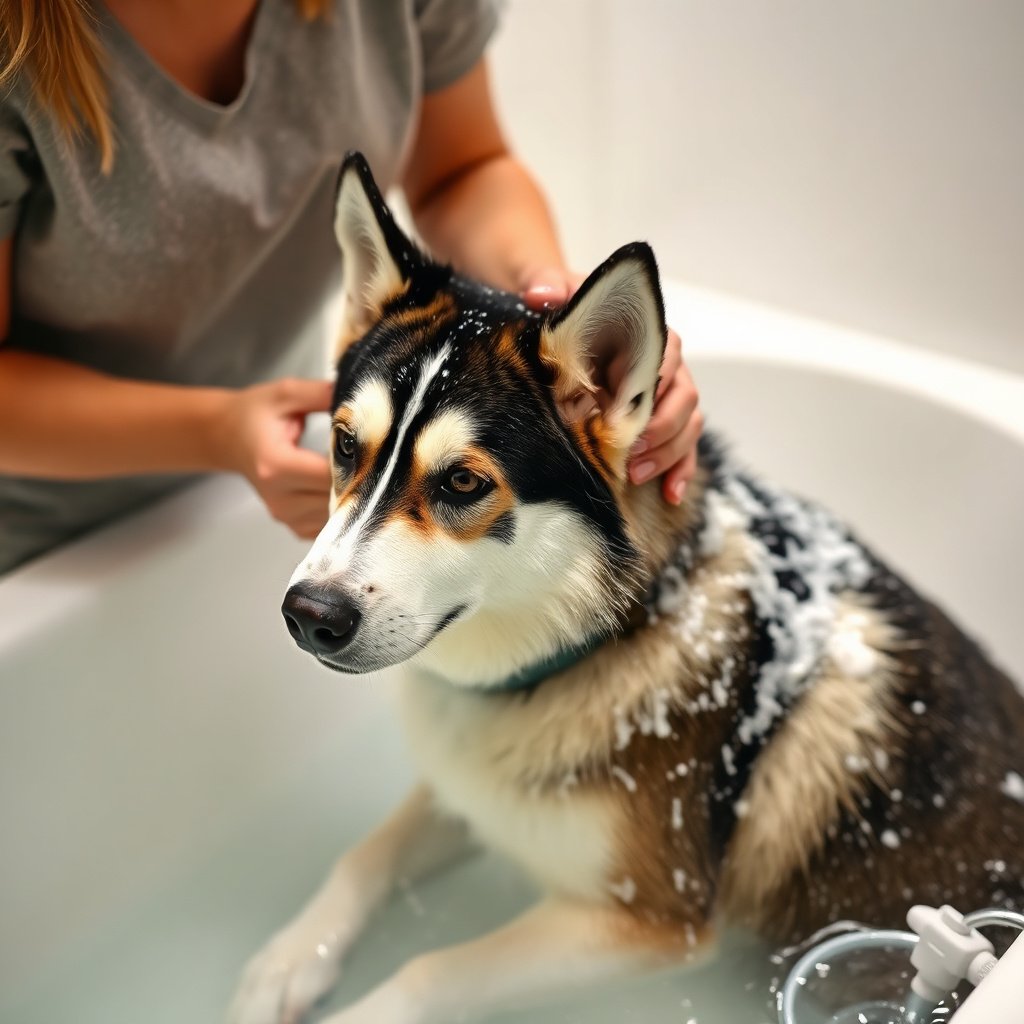
Wetting and Shampooing Your Husky
Start by wetting your Husky’s coat thoroughly using a handheld sprayer or a cup. Begin from the neck and work downwards, avoiding the eyes and ears to prevent irritation. Use smooth, gentle motions to soak the thick fur evenly.
Apply a moderate amount of shampoo and work it into a lather, focusing on areas that accumulate the most dirt like paws, underbelly, and tail. Use your fingers to massage the shampoo into the undercoat carefully without causing tangles.
- Avoid shampoo contact with eyes and ears
- Massage shampoo thoroughly into thick fur
- Prioritize dirt-prone areas like paws and belly
For more on this, see our related guide: Can You Bathe a Dog Too Much? What Actually Happens and How Often to Bathe.
Rinsing and Drying Techniques
Rinse your Husky’s coat carefully with lukewarm water until all shampoo is removed, ensuring no residue remains which can cause skin irritation. Pay special attention to thick undercoats where shampoo tends to hide.
After rinsing, pat your Husky dry with absorbent towels. Huskies take longer to dry due to their dense fur, so avoid vigorous rubbing that could cause discomfort or tangles. Using a high-velocity dryer designed for dogs helps speed drying but keep it on a low heat setting.
- Rinse thoroughly to remove shampoo residue
- Pat dry with absorbent towels
- Use low-heat pet dryer if available
Maintaining Your Husky’s Coat Between Baths
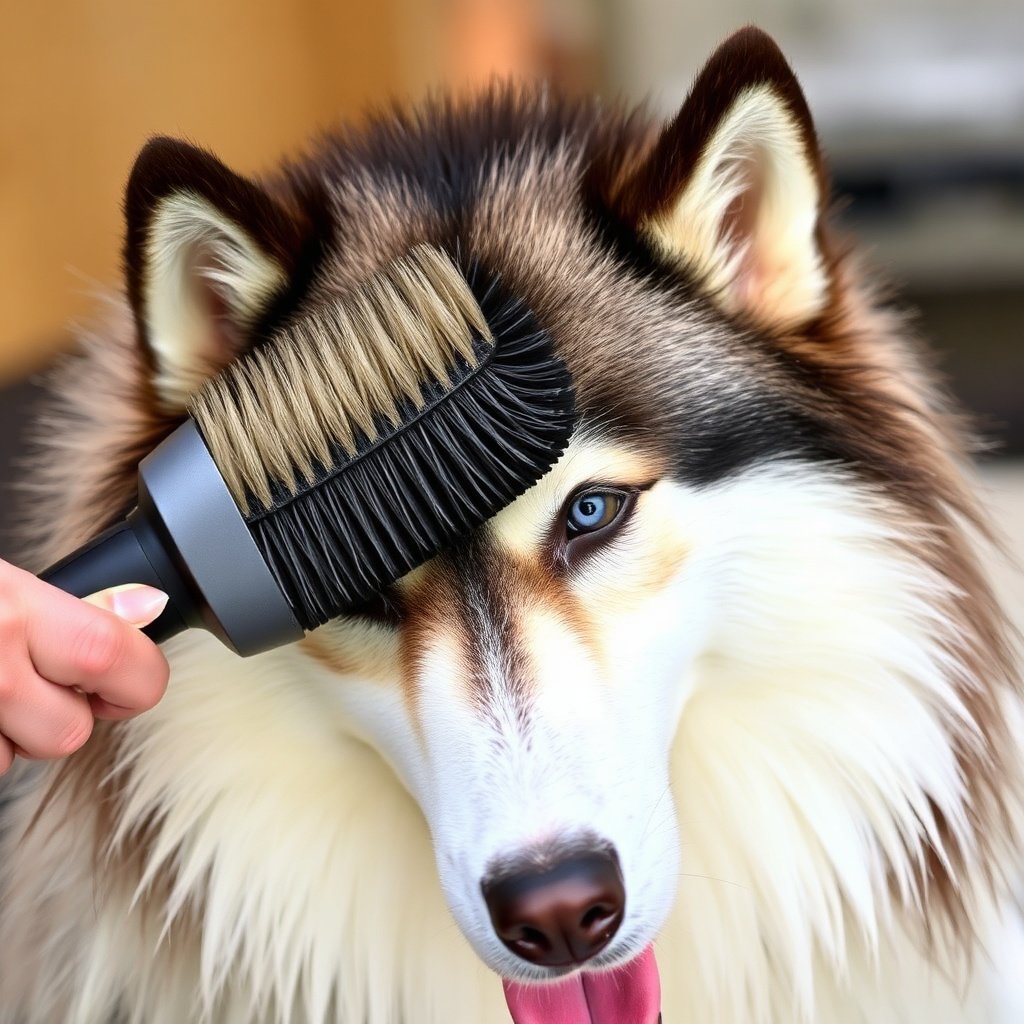
Regular Brushing and Shedding Control
Brushing your Husky several times a week reduces loose fur and prevents matting. A slicker brush or an undercoat rake is effective for reaching through the dense undercoat. Regular grooming decreases the frequency of baths needed.
During shedding seasons, increased brushing sessions help manage the heavy loss of fur. This maintenance keeps your Husky comfortable and your home cleaner by reducing hair buildup.
- Brush 2-3 times weekly for regular maintenance
- Use undercoat rakes during shedding season
- Focus on common matting spots like behind ears
Spot Cleaning and Paw Care
For minor dirt spots between baths, spot cleaning with a damp cloth or dog-specific wipes maintains cleanliness without overbathing. Clean paws after outdoor walks to remove mud and debris that could irritate skin.
Inspect paws for injuries or trapped debris regularly and trim nails to avoid discomfort.
- Use dog wipes for spot cleaning
- Clean paws after outdoor activities
- Check nails and skin regularly
Health and Safety Considerations When Bathing Huskies
Avoiding Common Bathing Pitfalls
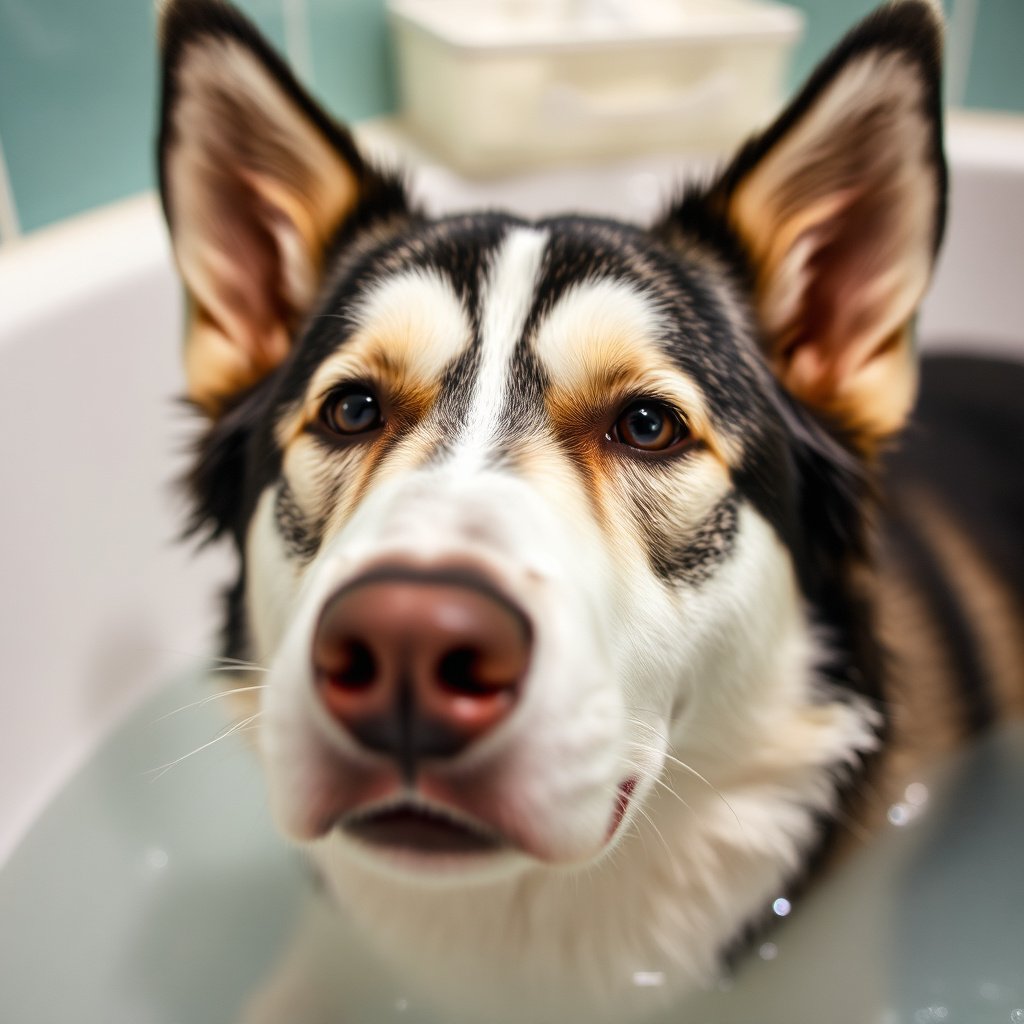
Never use human shampoo on Huskies as this can disrupt their skin’s pH balance leading to dryness or itching. Avoid bathing too frequently; once every 6-8 weeks is generally sufficient unless your dog gets especially dirty.
Make sure water temperature is comfortable. Too cold or hot water can distress your Husky and make future baths difficult.
- Always use dog-specific shampoo
- Bath every 6-8 weeks typically
- Maintain lukewarm water temperature
For more on this, see our related guide: How Often Should You Bathe a Dog? A Complete Guide That Answers All Your Questions.
Ear and Eye Protection During Baths
To prevent infections, avoid getting water and shampoo inside your Husky’s ears. Use cotton balls gently placed in the ear canal or pet-safe ear covers during bathing. Clean around eyes carefully with a damp cloth without soap.
Dry ears well after the bath to prevent moisture buildup that can lead to ear infections.
- Protect ears with cotton balls or covers
- Avoid soap contact with eyes
- Dry ears thoroughly post-bath
Choosing the Best Shampoo for Your Husky
Key Ingredients to Look For
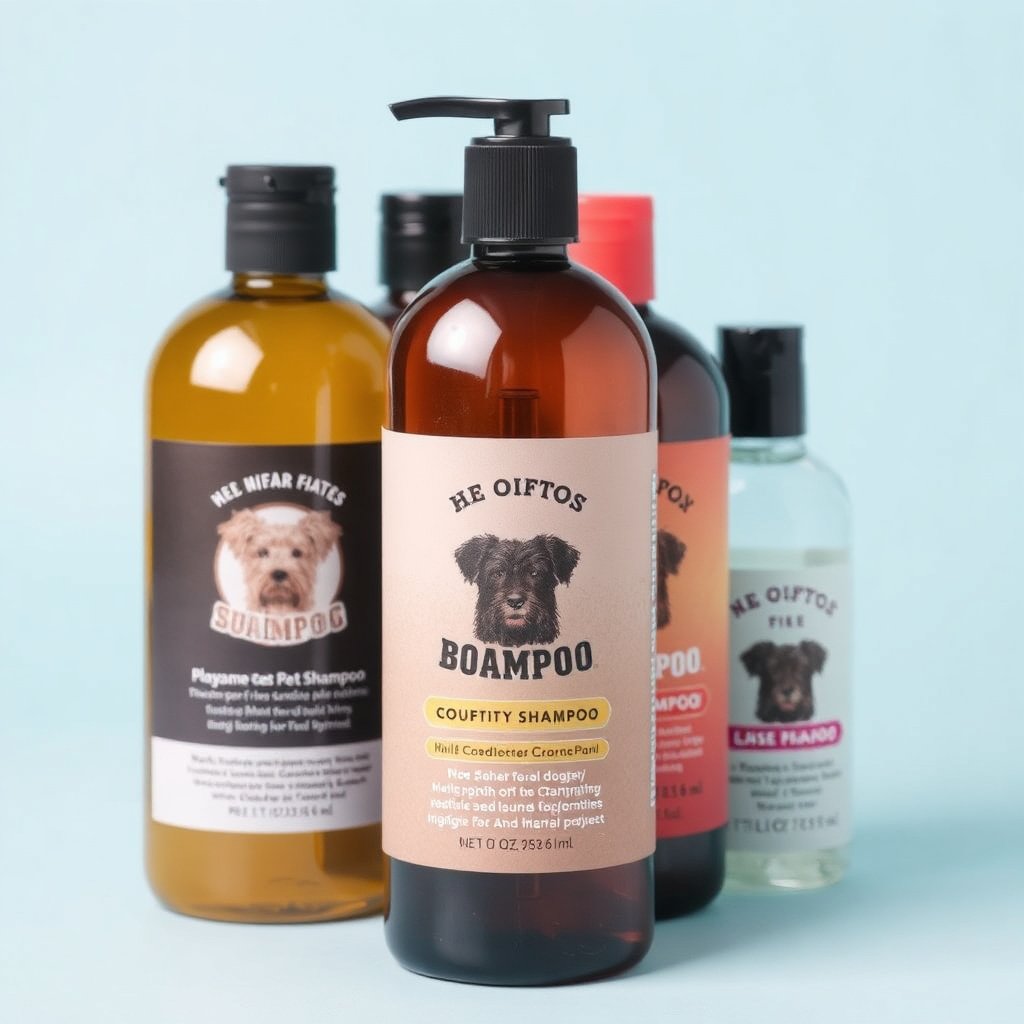
Shampoos containing oatmeal, aloe vera, and essential fatty acids offer soothing benefits ideal for Huskies’ thick coats and sometimes sensitive skin. Avoid products with harsh detergents or artificial fragrances to reduce risk of skin irritation.
Hypoallergenic and moisturizing formulas help maintain your Husky’s skin barrier and coat softness, especially in dry climates or after exposure to saltwater or snow.
- Oatmeal for soothing skin
- Aloe vera for moisture
- Free from harsh chemicals and fragrances
For more detailed information on grooming practices, you can visit the Siberian Husky grooming overview. Siberian Husky grooming overview.
Brands Recommended for Huskies
Some top dog shampoo brands recommended by veterinarians for Huskies include Earthbath, Burt's Bees, and 4-Legger. These products specialize in formulas that clean deeply yet preserve the natural oils needed for the double coat’s health.
Choosing reputable brands helps avoid adverse reactions and supports your Husky’s comfort during and after baths.
- Earthbath
- Burt's Bees
- 4-Legger
Comparison of Popular Husky Shampoo Types
This table compares key features of different shampoo types recommended for Huskies to help you select the best fit for your dog's coat and skin type.
| Shampoo Type | Main Benefit | Best For | Price Range |
|---|---|---|---|
| Oatmeal Shampoo | Soothing dry skin | Sensitive skin Huskies | Medium |
| Hypoallergenic Shampoo | Reduces irritation risks | Allergy-prone dogs | High |
| Moisturizing Shampoo | Maintains coat softness | Dry climates and winter months | Medium |
| Deodorizing Shampoo | Neutralizes odors | Active Huskies after exercise | Low to Medium |
| Medicated Shampoo | Treats specific skin conditions | Dogs with diagnosed skin issues | Varies |
Frequently Asked Questions
How often should I bathe my Husky?
Bathing every 6 to 8 weeks is generally enough for Huskies unless they get unusually dirty or smelly. Overbathing can strip essential oils from their coat, causing dryness.
Can I use human shampoo for my Husky?
No, human shampoo is too harsh for Husky skin and can disrupt their skin’s natural balance, leading to irritation. Always use dog-specific shampoo designed for thick double coats.
How can I prevent my Husky from being anxious during baths?
Use a calm, quiet environment, gentle handling, and positive reinforcement with treats. Gradually introduce water and grooming tools to build comfort over time.
Is it necessary to dry my Husky with a blow dryer?
Though not required, a high-velocity dryer on a low heat setting helps speed up drying and prevent dampness that can cause skin issues, especially due to Huskies’ thick fur.
What is the best way to handle shedding during bath time?
Regular brushing before and after baths removes loose fur, making shedding easier to manage. Bathing during peak shedding seasons aids in loosening dead undercoat hair.
Key Takeaways
- Use lukewarm water and dog-specific shampoos suitable for Huskies
- Avoid overbathing to protect natural skin oils
- Brush regularly to manage shedding and matting
- Protect ears and eyes carefully during baths
Conclusion
Bathing a Husky calls for a gentle, systematic approach that respects the unique nature of their thick, double-layered coat. A successful bath involves preparation of appropriate supplies, maintaining a calm environment, and using the right products tailored to their skin sensitivity. Balancing bathing frequency is crucial to keep the coat clean without stripping the skin’s protective oils, which can cause discomfort or dryness. Understanding your Husky’s individual grooming needs and habits helps streamline this care routine and maintains their well-being effectively.
If your Husky has sensitive skin or tends to shed heavily, using a moisturizing or hypoallergenic shampoo can ease irritation and enhance coat texture. For active Huskies prone to getting dirty frequently, deodorizing shampoos offer an excellent way to control odors without causing dryness. In every case, complementing baths with routine brushing reduces fur buildup and minimizes tangles. Limit bathing to about every two months or as needed based on activity level and environmental exposure to keep your pet comfortable and healthy.
Begin by assembling premium grooming products like those from Earthbath or Burt's Bees and set up a secure bathing area with non-slip surfaces. Approach each bath calmly, rewarding good behavior with treats to reinforce positive associations. After drying thoroughly—ideally with towels and optionally a gentle blower—regularly monitor your Husky’s skin for signs of irritation. With patience and consistent care following the outlined steps, bathing your Husky becomes a manageable task that benefits both pet and owner alike.