How to Bathe a Large Dog: A Step-by-Step Guide for Easy Grooming
Bathing a large dog requires preparation, patience, and the right technique to keep your pet clean without stress or mess. The key is to choose a suitable bathing area, use appropriate grooming products like a dog-specific shampoo, and handle your dog calmly to ensure a smooth process.
Large dogs pose unique challenges due to their size and sometimes thick coats, making bathing more physically demanding than smaller breeds. Proper bathing promotes healthy skin and fur, helps remove dirt, and can reduce odor while preventing skin infections. Regular cleaning can also prevent matting in breeds with longer fur.
This article will guide you through setting up the best bathing environment for your large dog, choosing the right grooming products, the bathing process step-by-step, drying techniques, and tips on handling common challenges during baths. With these insights, bathing your big dog will become more manageable and comfortable.
Preparing to Bathe Your Large Dog
Choosing the Right Location
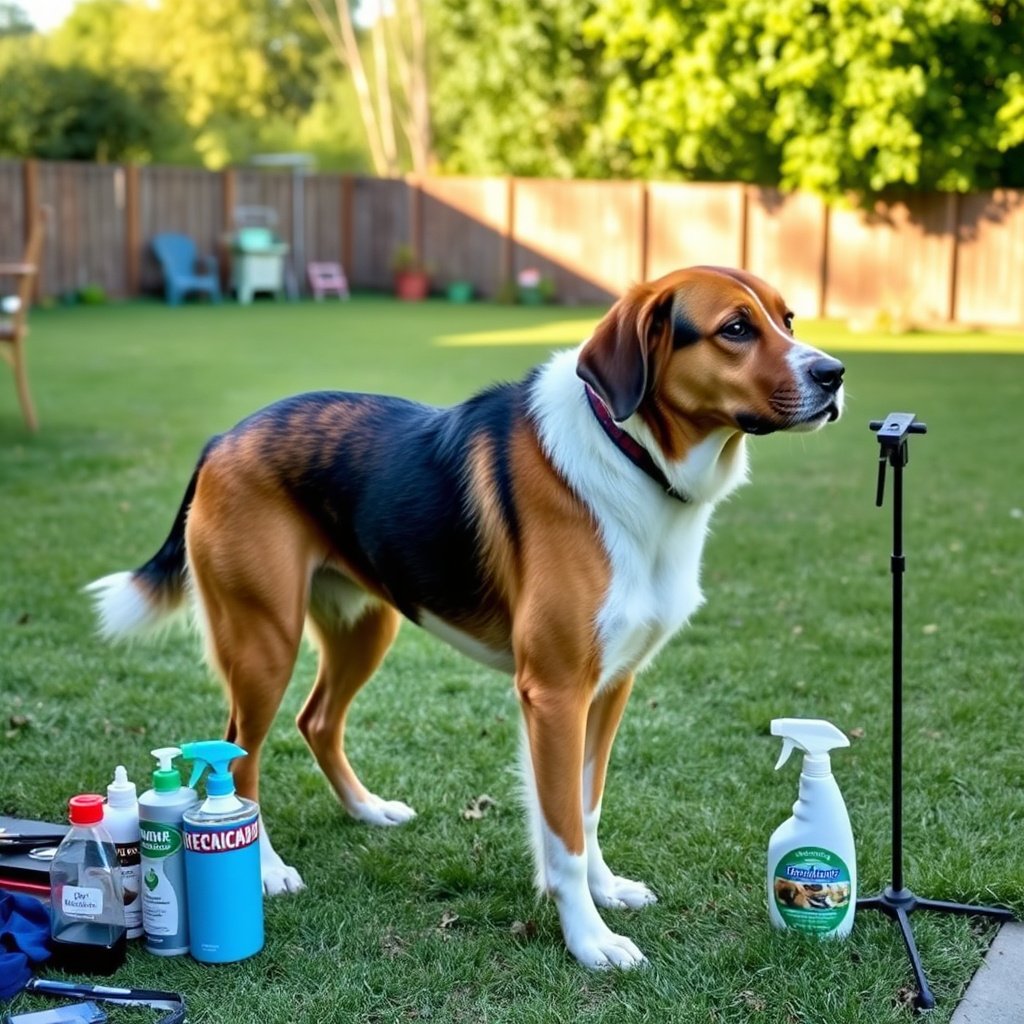
Selecting an ideal place for bathing a large dog depends on convenience and space. Options include a large bathtub, a walk-in shower, a backyard hose area, or a pet grooming station. Consider accessibility and drainage to minimize cleanup hassles.
Outdoor baths work well in warm weather, offering plenty of space for the dog to move. Indoors, use nonslip mats and ensure you have space for water drainage to keep your area safe and comfortable for your dog.
- Bathtub with detachable showerhead
- Backyard hose with spray nozzle
- Walk-in shower with floor drain
- Nonslip mats for footing
Gathering Supplies and Equipment
Before starting, gather all necessary supplies to keep the bath flowing smoothly. Essentials include dog shampoo formulated for large breeds, towels, a brush, a nozzle or sprayer for water, and treats to encourage cooperation.
Having everything on hand reduces stress for both you and your dog, preventing interruptions. Consider a grooming apron and gloves to handle water and soap efficiently, especially with dogs that love to splash.
- Dog shampoo – best shampoo for large dogs recommended
- Brush or comb
- Large towels
- Spray nozzle or detachable showerhead
- Dog treats for positive reinforcement
Bathing Technique for Large Dogs
Wetting and Applying Shampoo
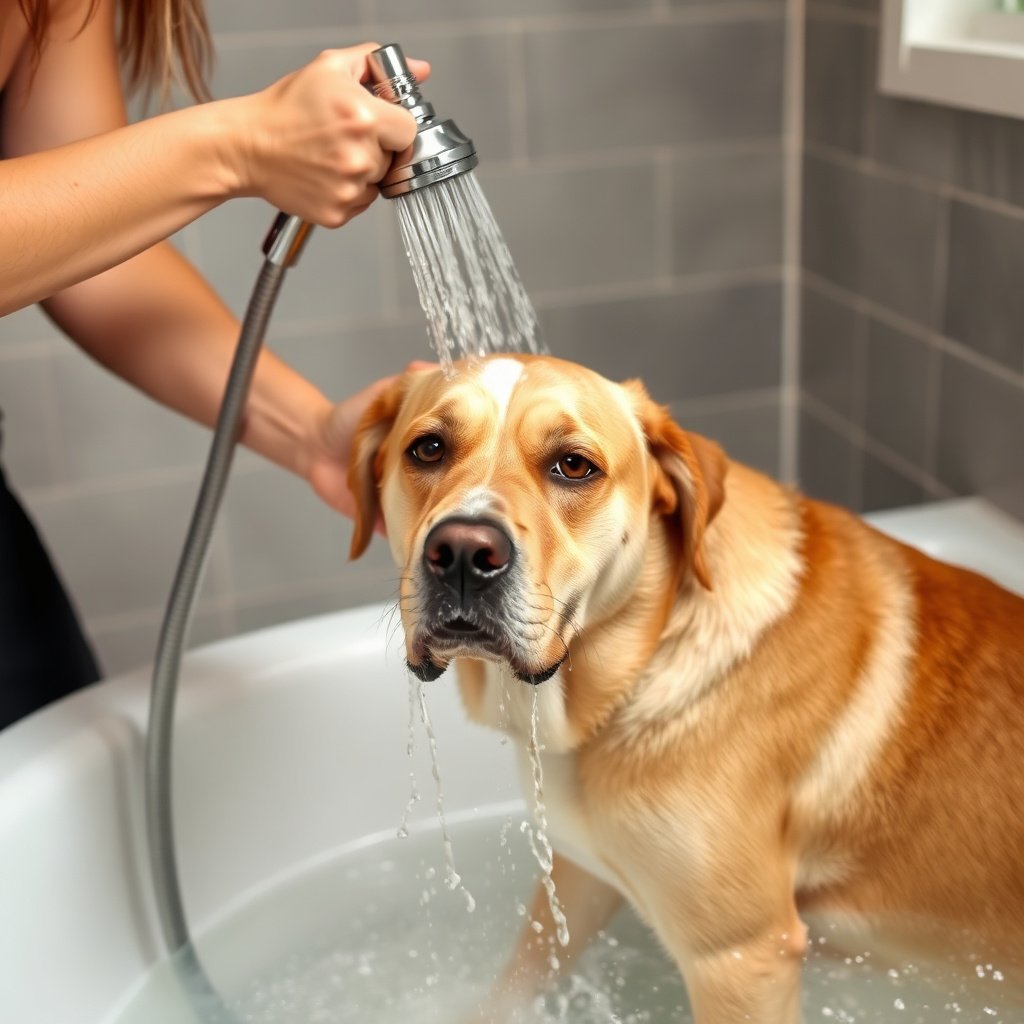
Begin by thoroughly wetting your dog’s coat with lukewarm water, avoiding the eyes and inside the ears to prevent irritation. Use a gentle spray or a cup to evenly saturate the fur, ensuring water reaches the skin in thick coats.
Apply dog shampoo sparingly in sections to control suds and ensure deep cleansing. Massage the shampoo into the fur and skin gently but thoroughly, paying attention to areas prone to odor such as under the legs and near the collar.
- Wet coat evenly with lukewarm water
- Use dog-safe shampoo specific for large breeds
- Massage shampoo across entire body carefully
- Avoid sensitive areas like eyes and ears
For more on this, see our related guide: Why Does My Dog Shake After a Bath? 8 Key Reasons and Solutions.
Rinsing and Handling Sensitive Areas
Rinse your dog slowly and completely to remove all shampoo residue, which can cause irritation if left behind. Use a gentle stream of water with controlled pressure to avoid startling your dog.
Be cautious around the face by using a damp cloth for cleaning, preventing water or shampoo from entering eyes, ears, or nose. Ear canals should remain dry, so avoid spraying water directly into the ears.
- Rinse thoroughly until water runs clear
- Use a damp washcloth for the face
- Keep ears dry by blocking water entry
- Calm your dog with soothing strokes
Drying Your Large Dog After the Bath
Towel Drying Techniques
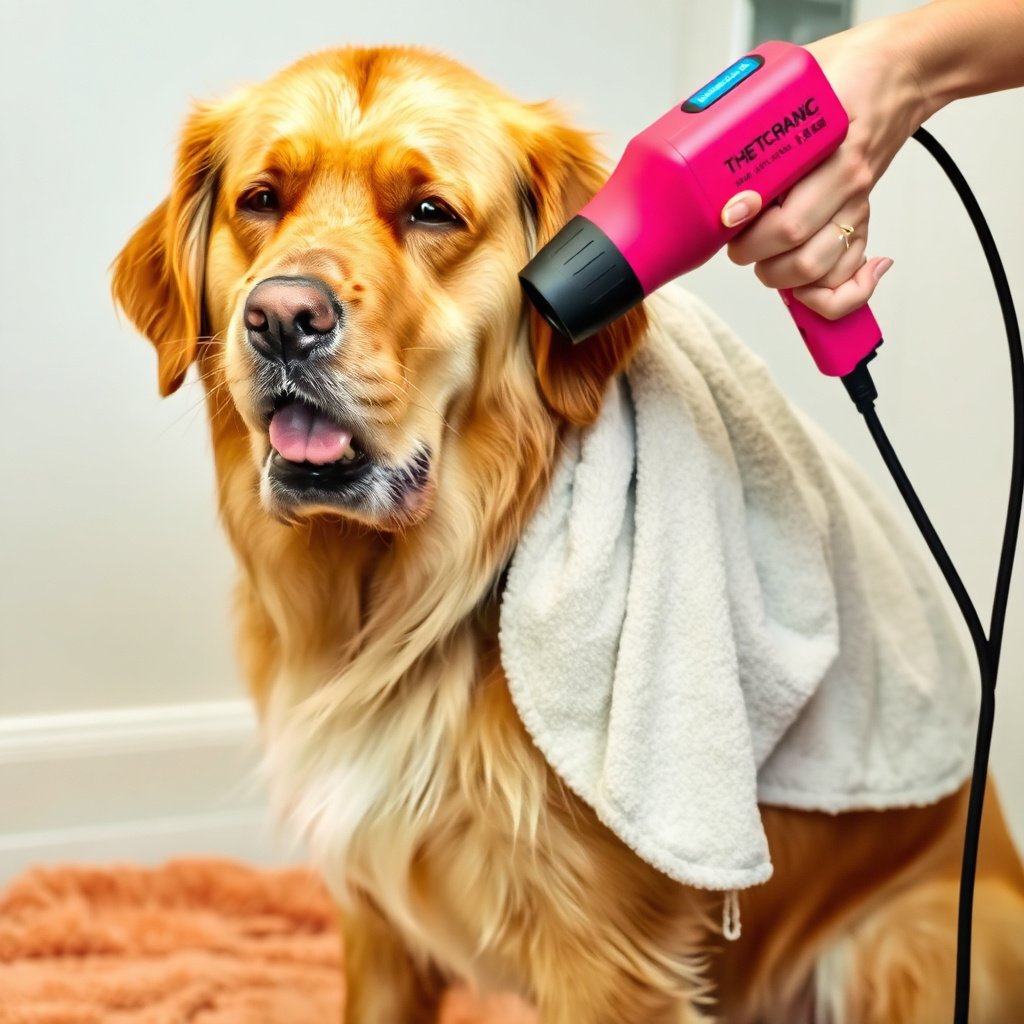
After the bath, immediately begin drying your large dog with absorbent towels. Focus on blotting excess water rather than rubbing, which can cause tangling in longer coats. Multiple towels may be necessary depending on the dog’s size and thickness of fur.
Pay particular attention to drying the ears and paws thoroughly to reduce the risk of infections. If your dog tolerates it, gently squeeze moisture from the fur with the towel to speed up drying.
- Use thick, absorbent towels
- Blot fur instead of rubbing
- Dry ears thoroughly but gently
- Repeat with fresh towels if needed
Blow Drying and Additional Tips
For dogs with dense or long coats, a blow dryer on a low, cool setting helps finish drying more quickly, reducing the chance of dampness-related skin issues. Keep the dryer moving and avoid close contact to prevent burns.
If your dog is nervous about blow dryers, start with short bursts and use treats to create positive associations. Air drying is an option but can take hours and may leave a damp odor.
- Use low heat and airflow settings
- Keep dryer moving to avoid hot spots
- Introduce blower gradually with treats
- Consider air drying when weather is warm
Maintaining Grooming Between Baths
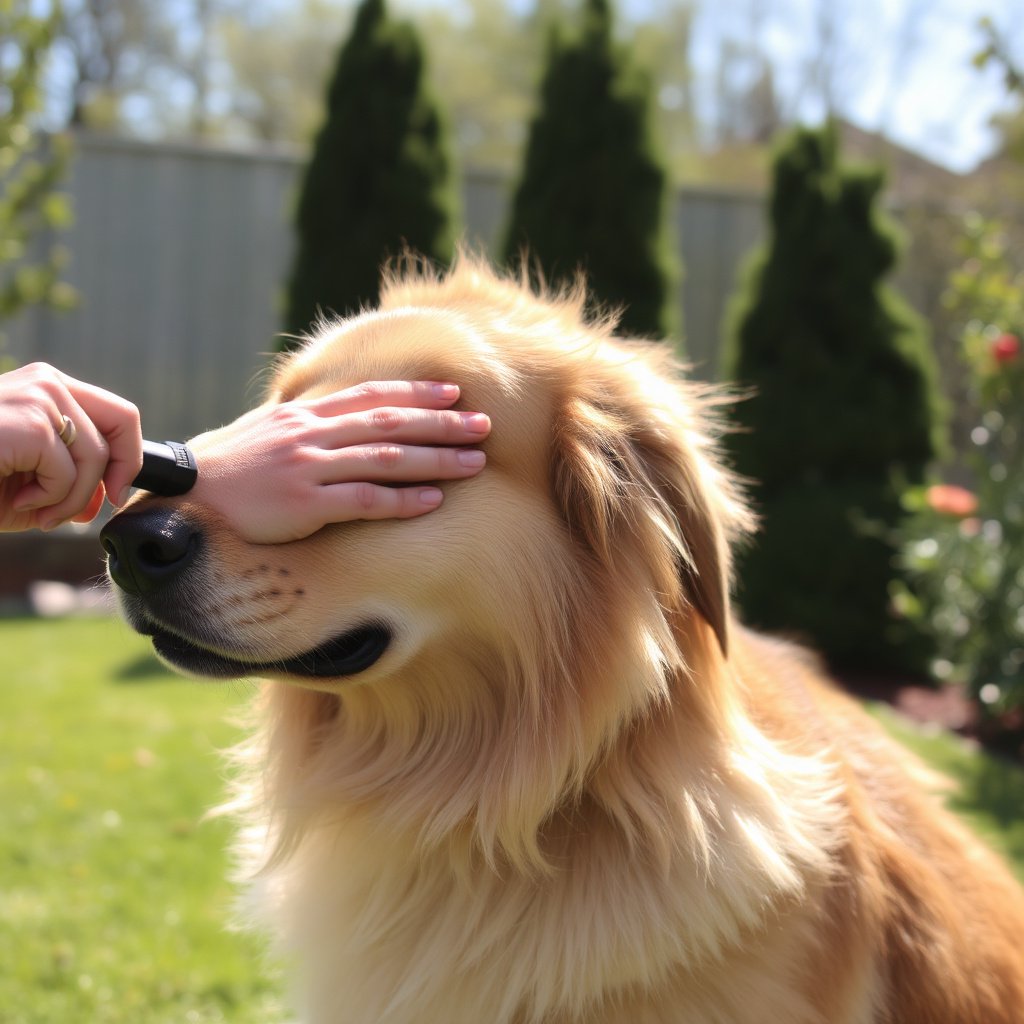
Regular Brushing for Coat Health
Brushing your large dog regularly helps remove loose hair and dirt, preventing matting and reducing the frequency of baths. Use brushes suited to your dog’s coat type—slicker brushes for thick fur and bristle brushes for shorter coats.
Brushing stimulates natural oils, promoting a glossy coat and healthy skin. Aim for at least weekly brushing sessions, increasing frequency during heavy shedding seasons.
- Select brush type matching coat
- Brush before and after baths
- Increase brushing during shedding periods
- Use gentle strokes to avoid skin irritation
For more on this, see our related guide: How Do You Know If a Dog Has Mites? Clear Signs and Treatment Tips.
Spot Cleaning and Odor Control
Between full baths, spot cleaning with pet-safe wipes or damp cloths can keep your dog fresh. Areas prone to dirt like paws, face, and under the tail benefit from regular attention.
Using deodorizing sprays designed for dogs or waterless shampoos can also help control odor without the need for frequent washing, which can dry out the skin.
- Use pet-safe wet wipes for spot cleaning
- Apply odor-neutralizing sprays cautiously
- Avoid overuse of waterless shampoos
- Keep paws and ears clean regularly
Handling Common Challenges When Bathing Large Dogs
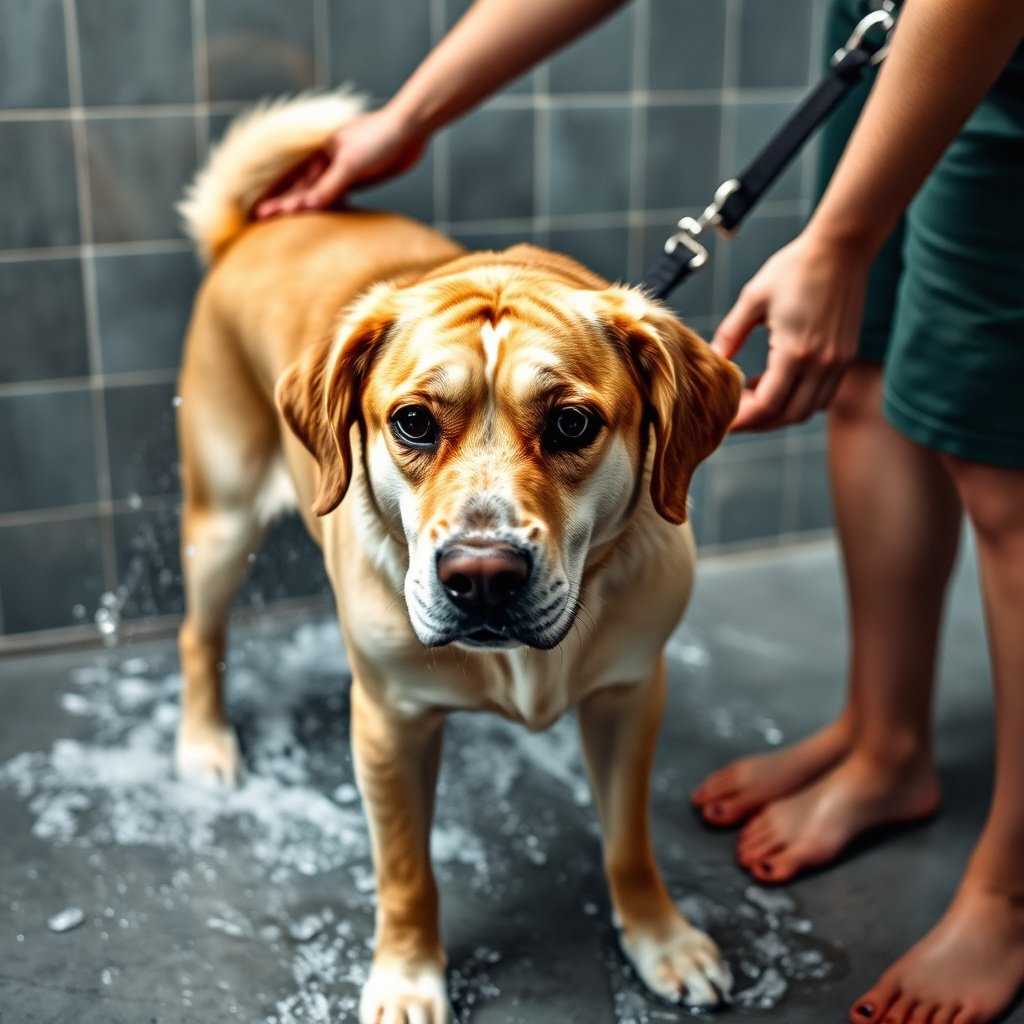
Dealing with Anxiety and Resistance
Many large dogs may feel uneasy about baths due to unfamiliar sensations or slippery surfaces. Approach the bath with calm confidence and offer treats frequently to create positive associations.
Use nonslip mats and ensure warm water to keep the experience comfortable. Consider having a second person assist if your dog tends to be very large or strong to maintain safety.
- Use treats and praise throughout
- Maintain steady, calm tone
- Provide nonslip surfaces
- Have an assistant if necessary
For additional information on grooming techniques that complement bathing large dogs, see this detailed guide on dog grooming basics. dog grooming basics.
Managing Shedding and Thick Coats
Large dogs with thick or double coats shed heavily and require extra care during bathing to remove dead hair and dirt embedded in undercoats. Pre-bath brushing helps reduce shedding during the wash.
Use warm water and proper shampoo formulas to penetrate dense fur and rinse thoroughly. Consider professional grooming if matting is severe or the coat is too thick to manage alone.
- Brush extensively before bathing
- Select shampoo for thick coats
- Rinse with warm water thoroughly
- Schedule professional grooming as needed
Comparison of Bathing Options for Large Dogs
This table compares popular bathing methods for large dogs, detailing suitability, space requirements, and ease of use.
| Bathing Method | Space Needed | Ease of Access | Best For | Common Drawbacks |
|---|---|---|---|---|
| Bathtub with Showerhead | Medium | Good | Indoor bathing in small spaces | Slippery surface, size limits larger dogs |
| Backyard Hose Area | Large | Excellent | Outdoor bathing in warm weather | Weather-dependent, less temperature control |
| Walk-in Shower | Medium-Large | Good | Indoor bathing, easier draining | May not accommodate very large breeds |
| Professional Grooming Station | Varies | Excellent | Large and heavy-coated dogs | Costly and requires appointment |
| Portable Pet Bath Tub | Small | Moderate | Travel or temporary setups | Limited size, less stable for very large dogs |
Frequently Asked Questions
How often should I bathe my large dog?
Large dogs typically need a bath every 4 to 8 weeks, depending on their activity level and coat type. Over-bathing can strip natural oils, so adjust frequency based on how dirty or smelly your dog becomes.
Can I use human shampoo on my large dog?
No, human shampoos have different pH levels and can irritate a dog's skin. Always use a shampoo formulated specifically for dogs, preferably one recommended as the best shampoo for large dogs to accommodate their coat and skin needs.
How do I keep my large dog calm during baths?
Use a calm voice, gentle handling, and offer treats frequently. Nonslip mats and lukewarm water help your dog feel secure. If anxiety persists, take breaks during the bath or enlist another person to assist.
Is blow drying necessary after bathing a large dog?
Blow drying is beneficial, especially for thick or long coats, to prevent dampness that can lead to skin irritation. Use a low-heat setting and keep the dryer moving to avoid burns. However, air drying is acceptable in warm weather with good ventilation.
What should I do if my dog's ears get wet during the bath?
Dry your dog's ears immediately with a soft towel and avoid sticking anything deep into the ear canal. If you notice redness, odor, or shaking of the head after bathing, consult your vet as it may indicate an ear infection.
Key Takeaways
- Prepare a spacious, safe area for bathing large dogs with all supplies ready.
- Use dog-specific shampoo, especially the best shampoo for large dogs, to protect skin and coat.
- Rinse thoroughly and dry carefully to prevent skin issues and discomfort.
- Regular brushing and spot cleaning reduce the need for frequent full baths.
Conclusion
Knowing how to bathe a large dog well means balancing proper technique with patience and the right tools. The process starts with choosing a suitable bathing space and assembling appropriate grooming products such as a quality dog shampoo tailored for large breeds. Using calm, gentle handling throughout ensures your dog feels more comfortable, making the experience less stressful for both of you. Thorough rinsing and drying complete the grooming, helping maintain your dog’s coat health and reduce odors effectively.
Depending on your dog’s coat type and size, some bathing methods suit better than others. Backyard hose setups work excellently in warm months for dogs who enjoy being outdoors, while bathtubs or walk-in showers provide privacy and control during colder weather. Professional grooming is an option for especially thick-coated or anxious dogs. Incorporating regular brushing sessions between baths, alongside spot cleaning, helps minimize shedding and keeps your dog's coat fresh in between full washes.
Start by selecting the bathing method that fits your space and your dog’s temperament best. Stick with dog-safe products and take your time during baths to make the process as positive as possible. Whether you bathe your large dog weekly or monthly, creating a calm, well-prepared routine will improve your pet’s hygiene and strengthen your bond over time.