

Why Does My Dogs Fur Smell? 8 Clear Causes and How to Fix It
Your dog’s fur may smell because of natural oils, dirt, moisture, or health issues like infections and anal gland problems. Regular grooming and cleaning can control odors, while persistent smells often signal a medical condition. Understanding these causes can help you keep your dog fresh and healthy.
This information is meant for dog owners noticing unpleasant smells in their pet’s coat. You’ll find clear reasons and practical steps to identify and fix the problem effectively, improving your dog’s comfort and cleanliness.
Key Takeaways
- Check your dog’s grooming routine; bathing every 2-3 weeks helps control natural odors and dirt buildup.
- Dry your dog’s coat completely after outdoor activities to prevent musty smells caused by trapped moisture.
- Watch for signs of ear infections like itching or yeasty smell, as they can worsen overall odor.
- Schedule anal gland expression every 3 months if your dog has a persistent fishy smell around the rear.
- Use grooming products suited to your dog’s coat type to reduce odor and maintain skin health.
- Monitor your dog’s diet and dental health, since poor teeth or certain foods can contribute to bad smells.
1. Why Does My Dog’s Fur Smell Bad? Common Causes Explained

Your dog’s fur can smell bad for several reasons that fall into natural, environmental, and health-related categories. A common cause of that distinct “wet dog smell” is the release of volatile organic compounds (VOCs) from the bacteria and yeast that naturally live on your dog’s skin and coat. When these microbes are dampened by water, they emit odors that become more noticeable, which explains why your dog especially smells stronger after getting wet.
Some dogs naturally produce more odor than others based on their breed, coat type, and individual skin chemistry. Dogs with thicker or longer fur tend to trap moisture longer, increasing the chance of a musty smell if the fur is not dried properly. After a bath, if your dog’s coat stays damp for too long, the trapped moisture lets bacteria and yeast multiply, making the smell worse rather than better. Using a good-quality dog dryer or towel drying your dog thoroughly within 30 minutes after bathing can reduce this effect.
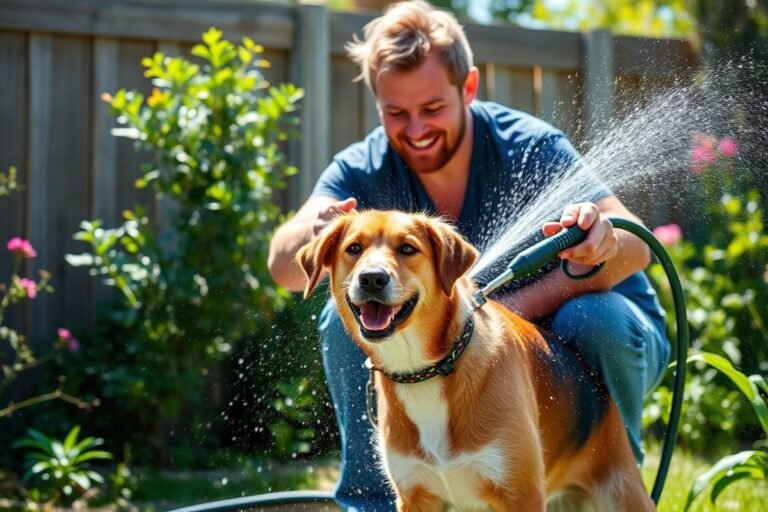
Environmental factors also contribute to your dog’s smell. Outdoors, your dog’s coat can pick up odors from wet grass, mud, pond water, or other substances. These external smells cling to the fur, especially if your pet rolls in or brushes against sources of strong odors. Regular grooming and cleaning can help minimize this transfer. Rinsing your dog with clean water after exposure to mud or stagnant water followed by prompt drying helps neutralize these smells.
Health issues are a significant reason your dog may emit unpleasant odors, sometimes even after a bath. Common causes include skin infections caused by bacteria or yeast, which may develop due to allergies, humidity, or poor grooming. If yeast or bacterial infections have set in, the smell can be sour, musty, or even fishy. Infections increase rapidly if fur remains wet or skin stays irritated. Though bathing with medicated shampoos can help, ongoing odors after a bath often require veterinary diagnosis and treatment.
Improper ear hygiene also plays a role in fur odor since outer ear infections can leak or cause a bad smell that sticks to nearby fur. Since your dog’s coat can trap oils, dirt, and secretions from the skin and glands, natural body oils can accumulate and contribute to the odor if not regularly cleaned and brushed out. Maintaining a consistent grooming routine tailored to your dog’s coat type and using shampoos formulated for dogs can help reduce oils and maintain skin health.
Finally, diet and overall health indirectly impact your dog’s smell. Certain foods can alter body odor, and dental disease may cause bad breath that you might notice close to their fur. Monitoring your dog’s health and hygiene regularly and consulting a veterinarian at any sign of persistent odor helps address underlying medical issues before they worsen.
2. How Ear Infections and Allergies Can Worsen Dog Odor

Bacterial or yeast overgrowth in your dog’s ears can cause a strong, unpleasant smell that usually signals an infection. Dogs with floppy ears or those that swim often are more prone to ear infections because moisture gets trapped, creating an ideal environment for bacteria and yeast to multiply. This overgrowth disrupts the ear’s natural balance, leading to a musty or sour odor. You might notice your dog scratching or shaking their head frequently, along with visible redness or discharge inside the ear canal. If you detect a strong smell coming from your dog’s ears, along with these symptoms, an ear infection is likely and requires cleaning and treatment to prevent it from worsening.
Allergies also contribute to unpleasant dog odors by causing skin irritation and infections. Dogs can suffer from seasonal, environmental, or food allergies that trigger itching, redness, and inflammation. This itchiness often leads to excessive scratching or licking, which damages the skin and fur. The resulting wounds or skin folds can harbor yeast or bacteria, resulting in a fishy or corn chip, like smell, especially around the paws, ears, face, and genital areas. When your dog’s skin is infected, the odor tends to be stronger and accompanied by visible signs such as scabs, fur loss, or greasy fur caused by seborrhea. Allergies create a cycle where irritation leads to infection, worsening the odor until the underlying allergies and infections are treated.
To handle such odors effectively, inspect your dog’s ears and skin regularly. Look for redness, swelling, dark or waxy discharge in the ears, along with signs of itching or discomfort. Check for odor and skin changes in moist areas like paws and skin folds, especially during wet seasons or after swimming. Cleaning your dog’s ears with a vet-approved ear cleaner once or twice a week can help remove wax and debris that fuel infections. For skin affected by allergies or yeast, medicated shampoos prescribed by your vet can reduce irritation and overgrowth of bacteria or yeast. Address allergies by identifying and minimizing exposure to triggers, which may include changes in diet or environment, often under veterinary guidance.
Persistent or severe ear infections and allergic reactions typically require veterinary care. Untreated infections can cause permanent ear damage, hearing loss, or spread to other parts of the body. For allergic dogs, managing symptoms may involve long-term strategies such as antihistamines or immunotherapy, improving your dog’s comfort and reducing odor by keeping infections under control.
Regularly cleaning your dog’s ears and monitoring for scratching or unpleasant smells is essential, early detection and treatment prevent painful infections and the spread of odor-causing bacteria or yeast.
3. Anal Gland Issues: A Hidden Source of Foul Smells
Impacted or infected anal glands can cause a strong fishy odor that lingers despite regular baths. These glands, located near your dog’s rectum, sometimes get blocked or inflamed, releasing a distinct foul smell. Managing this issue often involves expressing the glands, which can be done at home with care or by a professional groomer or vet.
Signs Your Dog Might Have Anal Gland Issues
Dogs with anal gland problems often show noticeable signs beyond the unpleasant fishy odor. You might see your dog scooting their rear along the floor or licking the area more than usual. A swollen or red area around the anus can also indicate these glands are full or infected.
Sometimes your dog might strain during bowel movements or show discomfort when you touch near the tail. These symptoms suggest the glands are impacted or possibly infected, requiring attention. Recognizing these signs early helps prevent more serious complications like abscesses.
How to Express Anal Glands Safely and Hygienically
Expressing your dog’s anal glands at home can reduce the fishy smell and prevent blockages. You should proceed carefully and follow hygiene steps to avoid injury or infection. Use disposable gloves and have paper towels or cloths on hand to clean up the secretion, which smells very strong and unpleasant. Follow these steps for safe anal gland expression:
- Put on disposable gloves to protect your hands from germs and odors.
- Have your dog stand or lie on their side in a comfortable position.
- Lift your dog’s tail gently to locate the anal glands, positioned around 4 and 8 o’clock near the anus.
- Place a paper towel over the gland area to catch any discharge.
- Using your thumb and forefinger, apply gentle but firm pressure toward the anus to squeeze the gland and release fluid.
- Wipe away the fluid promptly, disposing of soiled materials properly.
- Clean the area afterward with a mild antiseptic wipe safe for dogs to reduce infection risk.
- Wash your hands thoroughly after removing gloves.
Some dogs may need their glands expressed every 3 to 4 months. Don’t force expression if your dog resists strongly or if you detect severe swelling or bleeding, as this could mean infection needing veterinary care.
When to Seek Professional Help for Anal Gland Problems
It’s wise to consult a veterinarian or professional groomer if your dog’s fishy odor persists despite regular expression or if you notice swelling, redness, pain, or bleeding around the anal glands. These signs indicate infection or impaction that may require antibiotics or medical drainage.
Professionals can also check for abscesses or tumors that block normal gland function. Groomers often express anal glands during routine grooming, which can help with maintenance. Veterinary visits typically cost between $20 and $50 for anal gland expression, depending on location.
Prompt treatment prevents more serious complications and discomfort for your dog. Always follow your vet’s advice on how often to have the glands expressed and when medical treatment is necessary.
4. Managing Dog Fur Odor from Dirt, Moisture, and Outdoor Environments
Rain, mud, grass, and other outdoor elements can make your dog’s fur smell stronger because they trap moisture, dirt, and oils. When your dog gets wet, those natural and environmental scents become more noticeable. Water acts like a scent amplifier by releasing odors from dirt or skin oils as it evaporates, especially in dogs with thick or oily coats such as Labradors or Golden Retrievers. Rats secrete oils, and damp fur can hold in grime, which makes the smell linger longer. Your dog spending time in wet grass or muddy places can leave residues on their fur that simple drying won’t remove, causing lingering odors.
To prevent outdoor odors from sticking around, start by checking your dog’s coat right after playtime. Dogs with thick fur or long hair need extra attention, as their coats stay damp longer and trap more dirt. Excess fur around the paw pads often holds moisture and debris, which adds to the smell. Allowing their coat to dry fully in the air helps reduce the “wet dog” odor, but drying alone usually doesn’t remove residues from mud or grass. Frequently cleaning your dog’s bedding is also important because odors from dirty bedding can transfer back to their fur.
- After light contact with rain or damp grass, let your dog dry completely before brushing.
- For walks through ponds, lakes, or muddy paths, rinse your dog’s coat with clean water to wash off visible dirt.
- Use a dog-formulated shampoo if the mud or grime won’t come out with rinsing only.
- Dry your dog with a towel and then allow air drying in a warm, ventilated space to prevent moisture buildup.
- Trim excess fur around paws to reduce trapped dirt and moisture.
- Regularly wash or replace your dog’s bedding to avoid odor recontamination.
Using a bath with a shampoo made for dogs costs about $10 to $20 per bottle and works best when dealing with stubborn odors after muddy outings. Avoid human shampoos, as these can disrupt your dog’s skin balance and cause irritation. For simple outdoor smells, a rinse and thorough drying often suffice without a full bath. Check your dog’s fur after drying; the coat should smell clean and fresh without an oily or musty scent. An ongoing unpleasant smell on your dog could point to deeper dirt or a skin problem that needs a vet’s attention.
5. Diet and Dental Health: Surprising Causes of Doggy Odor
Your dog’s diet impacts the smell of their fur and breath more than you might think. Feeding a balanced, high-quality diet rich in essential nutrients supports healthy skin and coat, which helps reduce unpleasant odors. Proper hydration also plays a role, as it aids digestion and helps flush out toxins that may cause body odor. Dogs with digestive problems or food sensitivities often develop an unpleasant odor in their fur as a result. Consulting a veterinarian and trying an elimination diet can pinpoint problematic ingredients and improve both odor and overall health.
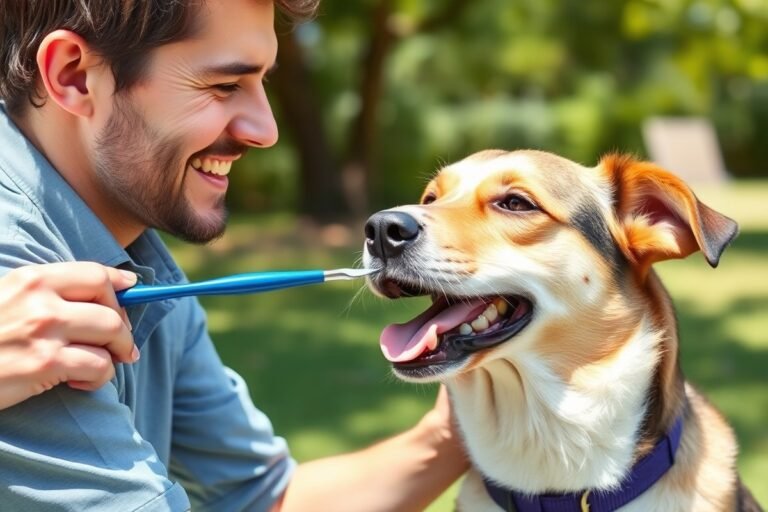
Dental care plays a key role in your dog’s breath and can affect how their fur smells. Bad breath caused by poor oral hygiene can transfer odor to your dog’s coat during self-grooming. Using a toothpaste and toothbrush made for dogs helps reduce plaque and tartar. Adding dental chews such as Greenies Original Dental Treats can support oral health between vet cleanings. These treats have Veterinary Oral Health Council (VOHC) approval for combating plaque and tartar. Brushing a few times a week is helpful, but doing it more frequently improves results.
Certain foods and treats help reduce dog odor by supporting skin, coat, and oral health. A nutrient-rich diet with omega-3 fatty acids promotes a shiny, less smelly coat. Avoid fish-based food and supplements if fishy breath is a concern, since that scent can linger and affect overall odor. Healthy dog treats formulated for dental care contribute to fresher breath and reduced plaque. Consistency matters: improvements in breath and coat odor usually appear after weeks of feeding appropriate food and maintaining good oral hygiene.
Neglecting diet or dental care risks persistent unpleasant smells despite regular bathing. Digestive problems triggered by unsuitable food can cause gas and body odor. Dental infections not only cause bad breath but also can lead to more serious health problems. Your dog’s age and health status may affect their sensitivity to diet changes and dental issues, so regular vet checkups are important to rule out underlying causes of foul odor. Combining dietary adjustments with daily or weekly tooth brushing and dental treats optimizes your dog’s scent and well-being.
Start a weekly tooth brushing routine with dog toothpaste and add dental chews to reduce bad breath and keep your dog’s fur smelling fresh.
6. Choosing the Right Grooming Products and Routines to Reduce Odor
Choosing the right grooming products and routines helps keep your dog’s fur smelling fresh while protecting their skin and coat. Use shampoos made for dogs and find a bathing frequency based on your dog’s specific coat type. Regular brushing and proper drying between baths make a big difference in controlling odor.
Types of Dog Shampoos and Their Uses
Dog shampoos come in different types designed to address specific needs. Hypoallergenic shampoos suit dogs with sensitive skin to avoid irritation and dryness. Odor-control shampoos include ingredients that neutralize smells without stripping natural oils. Some shampoos specialize in removing strong odors like skunk smell by breaking down oils.
Conditioners help keep the coat soft and reduce tangles, which trap dirt and odors. Avoid human shampoos as their ingredients and pH are not right for dogs, potentially causing skin problems. Ask your vet or groomer for recommended products, especially if your dog has allergies or skin issues. Here is a comparison of common dog shampoo types and when to use them:
| Shampoo Type | Purpose | Use Case | Price Range |
|---|---|---|---|
| Hypoallergenic | Gentle cleansing for sensitive skin | Dogs with allergies or dry skin | $10 to $20 per bottle |
| Odor Control | Neutralizes bad smells | Dogs with regular strong odors | $12 to $25 per bottle |
| Medicated | Treats skin conditions | Vet prescribed for infections or irritation | $15 to $30 per bottle |
| Skunk Odor Remover | Breaks down skunk oils | Post skunk spray incidents | $10 to $20 per bottle |
| Conditioner | Softens coat, detangles fur | Post shampooing, to reduce odors and mats | $8 to $15 per bottle |
Use conditioners after shampooing to lock in moisture and keep your dog’s coat easier to manage and less smelly. Mixing vinegar or tomato sauce at home can help with heavy odors but test small areas first and avoid contact with the eyes.
Recommended Bathing Frequency by Coat Type
Bathing your dog too often can dry out their skin, causing flakes and odor, while too infrequent baths keep dirt and oils trapped. A typical recommendation is about once a month for most dogs, but this varies by coat type and activity level. Dogs with short, smooth coats usually need fewer baths than breeds with thick, double, or long coats.
Dogs who swim, roll in dirt, or have skin allergies may require more frequent baths, sometimes weekly, but always use gentle shampoos to avoid damaging the skin. Drying time also affects odor: thick or double coats take longer to dry and require thorough towel drying or a pet-safe dryer.
| Coat Type | Bathing Frequency | Notes |
|---|---|---|
| Short, smooth | Every 4 to 6 weeks | Less prone to trapping dirt |
| Long, silky or curly | Every 3 to 4 weeks | Brush often to prevent mats |
| Thick, double coat | Every 4 to 6 weeks | Dry thoroughly to avoid wet-dog smell |
| Hypoallergenic breeds | Every 3 to 4 weeks | May need special products |
Consult your veterinarian for dogs with skin conditions or special needs to tailor a bathing schedule. Notice if odor persists after the coat dries, as this indicates grooming alone may not solve the problem.
Daily Grooming Steps to Reduce Odor
Regular brushing removes loose fur, dirt, and dander that can cause odor. Use a brush suitable for your dog’s coat type and schedule brushing at least a few times per week, ideally daily for long or thick coats. Brushing also distributes natural oils evenly, which supports skin health and reduces dryness.
Between baths, keep your dog’s fur dry by towel drying after exposure to rain or swimming. Avoid leaving the coat damp, which can cause a musty “wet dog” smell. Using pet-safe wipes or dry shampoos can refresh the coat without full baths.
Trim nails and clean ears regularly, as these areas can harbor bacteria and contribute to odor. Professional grooming salons offer full service care if you prefer trained hands for nail trimming, ear cleaning, and coat shaping. Establish a weekly grooming schedule that fits your dog’s needs and lifestyle for the best results.
7. How to Clean and Care for Your Dog’s Ears, Teeth, and Bedding
Keeping your dog’s ears, teeth, and bedding clean plays a key role in cutting down unpleasant fur odors. Regular care prevents the buildup of wax, bacteria, and debris that cause bad smells and infections. Establishing consistent routines for ear cleaning, dental brushing, and washing bedding will keep your dog fresher and your home smelling better.
Ear Cleaning: Products and Technique
Cleaning your dog’s ears once a week helps reduce wax and moisture buildup, lowering the risk of infections that contribute to strong odors. Use a vet-approved ear cleaning solution designed specifically for dogs to avoid irritation. Dogs with floppy ears or breeds prone to infections, such as Basset Hounds or Cocker Spaniels, may require extra attention. Follow these steps to clean your dog’s ears safely:
- Choose a gentle, vet-recommended ear cleaner.
- Hold your dog securely and lift the ear flap to expose the ear canal.
- Apply a few drops of the solution into the ear canal, avoiding the tip of the bottle touching the ear.
- Massage the base of the ear for 20 to 30 seconds to loosen wax and debris.
- Allow your dog to shake its head to expel excess fluid and loosened material.
- Use a clean cotton ball or soft cloth to gently wipe out debris from the ear opening, never insert anything deep into the canal.
- Reward your dog with praise or treat to create a positive association.
Signs of successful cleaning include ears that look dry without visible wax buildup and no strong, yeasty odor. Avoid cleaning more than once a week unless advised by a vet, as over-cleaning can cause irritation or damage.
Dental Care Schedule for Dogs
Regular brushing is essential since dental disease affects up to two-thirds of dogs over age three, and can cause foul mouth odors that impact overall fur smell. Most dogs benefit from daily brushing, but three to four times a week can still significantly reduce plaque and tartar buildup.
Use a toothbrush and toothpaste specifically formulated for dogs, never human products. Gradually introduce brushing over several sessions to help your dog get comfortable. Here’s a recommended dental care routine:
- Brush your dog’s teeth 3 to 7 times per week using dog-safe toothpaste.
- Focus gently on the gum line and hard-to-reach back teeth.
- Offer dental chews or toys on days you don’t brush to help reduce plaque.
- Schedule professional dental cleanings with your vet at least once a year.
- Monitor your dog for bad breath, visible tartar, or red gums, which may need veterinary attention.
Consistent brushing reduces the risk of dental diseases that cause mouth odors transferring to the fur. Avoid hard or overly aggressive brushing that could hurt your dog’s gums.
Washing and Maintaining Dog Bedding
Dirty bedding traps fur, dander, and moisture, fueling odors in your dog’s fur and in your home. Washing bedding every one to two weeks is important for odor control, especially if your dog spends a lot of time indoors or on the bed.
Use hot water, between 130°F and 140°F, to kill bacteria and remove oils effectively. Select fragrance-free, pet-safe detergents to prevent skin irritation. Dry bedding completely before reuse to avoid dampness that promotes mildew. Follow this simple bedding care routine:
- Remove loose hair by shaking or vacuuming the bedding before washing.
- Wash bedding in hot water (130°F to 140°F) with an appropriate detergent.
- Rinse thoroughly to remove all soap residue.
- Dry bedding in a machine on a high heat setting or outdoors in direct sunlight until fully dry.
- Wash or replace additional items like blankets, immunized toys, or mats regularly.
Consistently clean bedding helps keep your dog’s fur fresher by limiting contact with trapped oils and odor-causing microbes. Bedding that smells musty or damp after washing may need longer drying or a detergent change.
8. When to See a Veterinarian for Persistent or Unusual Dog Smell
Recognizing when your dog’s bad odor signals a health issue requires close attention to accompanying signs. Persistent smell that doesn’t improve with regular grooming could indicate an infection or medical condition. Look for skin symptoms like excessive scratching, licking, redness, flaking, rash, or hair thinning. When these symptoms occur along with the odor, a veterinary consultation becomes necessary to identify and treat possible infections or allergies.
A useful rule to decide whether to see your veterinarian is to track how long the odor lasts and what other signs develop. The smell lasting for more than a few days despite regular cleaning, or your dog showing signs of discomfort such as constant scratching or restlessness, calls for professional advice. Unusual smells like rancid, musty, or cheesy odors often relate to yeast or bacterial infections that require veterinary treatment.
Some odors come from specific areas like the paws, which may develop yeast infections often called “frito feet.” If you notice your dog repeatedly licking paws combined with a distinct smell, especially in warm or damp environments, this suggests a medical issue. Skin injuries causing dryness, bleeding, or scabbing can also produce bad smells and increase infection risk. Vets can prescribe antifungal or antibacterial medications that stop odors and address the root problem.
Urgent symptoms alongside smell include swelling, open wounds, fever, or behavioral changes like lethargy or loss of appetite. These signs suggest a serious infection or systemic illness requiring prompt veterinary care. Avoid using repeated baths or over-the-counter treatments without guidance, as this can aggravate the problem or mask symptoms.
Expect a veterinary visit to involve a physical exam, skin scraping or culture tests, and possibly allergy screening. Costs vary widely by location and required tests but typically start around $50 to $150 for a basic exam plus diagnostics. Treatment improves dog comfort and prevents odor from worsening, often within a week of starting medication. Ignoring persistent or unusual smells allows infections to progress, potentially causing pain and complicating recovery.
Track your dog’s odor daily; persistent or worsening smell combined with redness or itching means it’s time to visit the vet without further delay.
Step-by-Step Action Plan to Reduce Your Dog’s Fur Odor
Follow this plan to tackle your dog’s smelly fur and notice improvements within weeks.
- Day 1: Inspect your dog’s fur, ears, and anal area for dirt, signs of infection, or discharge. This helps identify obvious odor sources.
- Day 2: Give your dog a thorough bath with a mild, dog-specific shampoo. Check if the fur smells fresher after drying.
- Week 1: Clean your dog’s ears carefully using a vet-recommended solution twice this week. No redness or foul smell means success.
- Week 2: Brush your dog’s teeth daily using canine toothpaste. Notice reduction in bad breath, which can affect overall odor.
- Week 3: Replace or wash your dog’s bedding and keep it dry. The smell should begin to fade from their resting areas.
- Week 4: Adjust your dog’s diet if needed by consulting your vet, aiming for better digestion and less odor-producing bacteria.
- Ongoing: Schedule regular grooming and anal gland checks with your vet or groomer to maintain a clean and comfortable dog.
Frequently Asked Questions
How Can I Get Rid of the Smell from My Dog’s Fur?
Bath your dog with a shampoo made for their coat type and dry them thoroughly to prevent moisture that causes odor. Regular grooming and cleaning their bedding also helps reduce smells.
Why Does My Dog’s Fur Smell Bad?
Dogs with thick or wet fur trap bacteria and yeast that produce odor, especially if not dried well after getting wet. Skin conditions and health issues can also cause bad smells.
What Do Pet Groomers Use to Make Dogs Smell so Good?
Groomers often use specialty shampoos and conditioners formulated for specific coat types and scents. They also thoroughly dry and brush your dog to remove dirt and loose fur that cause smells.
How to Get Rid of Smelly Dog Coat?
Use quality grooming products suited for your dog’s fur and bathe them regularly without overdoing it. Dry your dog completely after baths and walks to prevent microbial growth.
Can Poor Dental Hygiene Make My Dog’s Fur Smell Bad?
Yes, dental problems can cause bad breath and a general foul smell that clings to your dog’s fur. Regular teeth cleaning is key.
Does My Dog’s Diet Affect How Their Fur Smells?
Diet influences your dog’s skin and coat health; poor nutrition can lead to greasy or smelly fur. Feeding high-quality food supports a fresher coat.
Before You Go
Bad odor in your dog’s fur often has clear causes like dirt, infections, or diet that you can manage at home. Addressing these issues early helps your dog stay comfortable and smell better. Start by checking their fur and ears carefully, and maintain a steady grooming routine for the best results.



3 Comments