

Why Does My Dog Shed so Much? Proven Causes and Practical Solutions
Your dog’s excessive shedding is usually due to natural breed traits, seasonal coat changes, health issues, diet, or stress. Knowing these causes helps you manage shedding effectively and keeps your dog comfortable and healthy.
This information is for dog owners who want clear reasons behind shedding and practical ways to reduce it. You’ll find key causes explained and straightforward solutions for controlling loose hair on your dog and around your home.
Key Takeaways
- Routine brushing for 5-10 minutes, 2-3 times weekly, significantly reduces loose hair on shedding dogs.
- Seasonal shedding lasts 6 to 10 weeks as your dog’s coat adapts to temperature changes each year.
- Feeding a diet rich in protein, omega-3s, and vitamins A and E improves coat health over 6 to 8 weeks.
- Long-haired breeds benefit from professional grooming every 4 to 6 weeks to manage shedding and matting.
- Stress and anxiety can increase shedding, so maintain a calm, consistent environment for your dog.
- Using marine-based omega-3 supplements, like fish oil, supports coat health better than plant-based alternatives.
Why Does My Dog Shed so Much? Key Causes Explained

Dogs naturally shed their hair as part of their normal hair growth cycle. This process helps them get rid of old, damaged, or dead fur to make way for new growth. Most dogs shed throughout the year, which is why you might find hair around your home regularly. Shedding varies widely depending on breed. For example, dogs with double coats, like Huskies or German Shepherds, shed heavily because they have two layers of fur that both go through a shedding cycle. Conversely, breeds like Poodles or Maltese shed much less since their coats grow continuously and require regular grooming to maintain.
Sudden or excessive shedding can result from several factors beyond this natural process. Health issues such as thyroid disorders, particularly hypothyroidism in middle-aged dogs, can cause significant hair loss. Poor diet also plays a important role. Dogs lacking essential nutrients may shed profusely without hair regrowth, leading to patchy coats. Feeding a balanced diet rich in protein, omega fatty acids, vitamins, and minerals supports coat health and limits shedding. Parasites such as mites, fungal infections, and allergies might cause localized hair loss accompanied by itching or dandruff, which differs from regular shedding.
The environment and lifestyle changes influence how much your dog sheds too. Stress, sudden temperature changes, or moving to a new home can disrupt your dog’s normal shedding cycle. Breeds adapted to colder climates tend to shed more when warmer weather arrives. In moderate climates, a steady low level of shedding happens throughout the year. Managing shedding starts with understanding your dog’s breed characteristics and health. For example, owners of heavy-shedding breeds should plan to groom their dogs several times a week using a shedding tool that removes loose undercoat fur effectively before it falls out. This grooming step usually takes 10 to 20 minutes but can vary based on how thick the coat is. Lightweight or less-shedding breeds need less frequent attention but still benefit from regular brushing to keep the coat healthy.
Maintaining your dog’s skin and coat by providing a nutritious diet, keeping up with regular grooming, and watching for signs of illness makes a big difference. On average, quality dog food with labeled protein content of around 18% to 25% and omega fatty acids like fish oil can improve coat shine and reduce excess shedding. Using a shampoo formulated to control shedding, which might include ingredients such as oatmeal, aloe, or lemongrass, also helps keep the coat cleaner and less prone to shedding. Cost-wise, a quality shedding shampoo typically ranges from $10 to $25 per bottle, lasting several baths depending on your dog’s size. Monitoring changes in shedding frequency or volume, especially sudden increases, signals when it’s time to consult a veterinarian for proper diagnosis and treatment.
How Seasonal Changes Affect Your Dog’s Shedding Cycle

Dogs shed more noticeably in spring and fall due to natural changes in daylight and temperature affecting their coat growth cycles. This seasonal shedding helps them adjust for warmer summers and colder winters by replacing their coats appropriately. Expect heavier fur loss during these transitional months, especially with double-coated breeds.
Why Seasonal Shedding Occurs in Spring and Fall
Dogs, particularly breeds with double coats like Golden Retrievers and Huskies, shed seasonally to regulate their body temperature. In spring, they lose their thick winter undercoat to prevent overheating in warmer weather. In fall, they shed some of their lighter summer coat to grow a denser winter cover for insulation. The shift in shedding is triggered by decreasing or increasing daylight hours, which signals the body to prepare for a new season.
Melatonin, a hormone that is sensitive to light exposure, plays a key role in this process. As daylight hours change with the seasons, melatonin production fluctuates, initiating the shedding and regrowth of the coat. Lower melatonin levels in spring stimulate shedding to help discard the winter coat, while rising levels in fall trigger growth of a thicker, warmer coat.
Timeline of Shedding Throughout the Year
Typically, early spring (March to May) and early fall (September to November) are the months when shedding peaks for many dogs. For example, during spring, shedding ramps up as the dog transitions out of its winter coat, usually starting around March and continuing into April or May depending on climate. Fall shedding begins as early as September and lasts through November as the winter coat grows in.
Outside these peak seasons, dogs can shed lightly all year long. An increase in shedding outside those months may indicate other factors such as stress, diet issues, or skin problems. During peak shedding, plan on daily brushing to remove loose hairs efficiently and consider bath frequency adjustments to once every two to four weeks to aid skin health and shedding control.
How to Manage Seasonal Shedding Effectively
Increasing grooming efforts during spring and fall helps manage the heavier shedding. Aim to brush your dog daily during these months to catch loose undercoat and prevent matting. Using shedding-specific brushes or grooming tools designed for your dog’s coat type can improve the amount of hair removed before it sheds around the house. For double-coated dogs, using a powerful dog dryer after baths can help blow out loose hairs aligned with the shedding cycle.
Bathing should be scheduled about once a month in non-shedding periods, but every two to four weeks during spring and fall. Regular baths remove dead hair and skin cells, supporting a healthy coat transition. Be sure to use shampoos formulated for dogs and follow label instructions. Avoid over-bathing, which can dry out skin and worsen shedding or irritation.
Variations by Breed and Environment
Shedding patterns can differ widely between breeds and individual dogs. Breeds with double coats tend to have pronounced seasonal shedding twice a year, while single-coated breeds may have more consistent, less seasonal shedding. Indoor heating and artificial lighting can sometimes disrupt natural light cues, causing irregular shedding cycles for dogs living primarily indoors.
Environmental factors like temperature swings can increase stress on your dog’s coat, triggering more shedding than usual. For dogs in very warm or very cold climates, shedding timelines might shift slightly to match local weather conditions rather than calendar months. Monitoring your dog’s fur density and adjusting grooming accordingly will help you stay ahead of shedding changes.
Increase brushing frequency and bath intervals during early spring and fall to keep your dog’s shedding under control and support healthy coat renewal.
Common Health Problems That Cause Excessive Shedding
Excessive shedding in dogs may signal health problems beyond normal coat changes. Common causes include illnesses, hormonal imbalances, parasites, allergies, and infections, each with specific signs to watch for. Identifying these symptoms early can help you decide when to seek veterinary care.
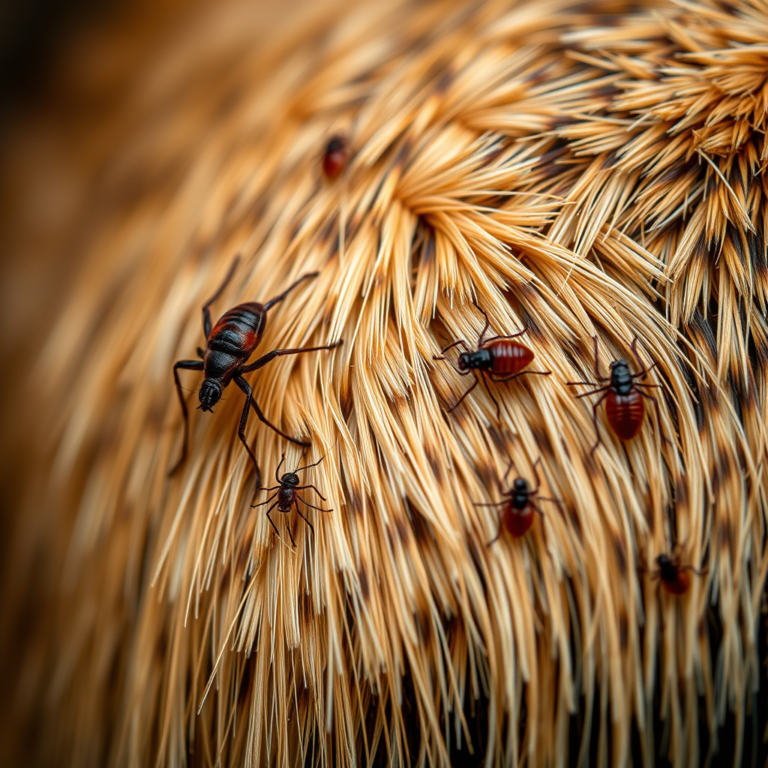
Frequent bald patches or uneven hair loss might indicate a skin infection, parasite infestation, or a hormonal issue like hypothyroidism. Infections often cause red, scabbed, or odorous skin areas. These conditions irritate the skin, leading your dog to scratch or lick excessively, which worsens hair loss. Parasites such as fleas or mites cause itching and hair loss due to skin irritation. Look for intense scratching and sudden bald spots as clues.
Allergies are another key factor in heavy shedding. Environmental allergens like pollen, grass, and dander commonly cause itching and licking, often resulting in patchy hair loss. Food allergies can trigger similar reactions. If your dog frequently scratches or licks, particularly alongside shedding, allergies are likely involved. Switching to allergy-friendly dog food or minimizing allergen exposure can reduce symptoms, but consult your vet before making changes.
A hormonal imbalance may cause increased shedding accompanied by other symptoms. For example, if your dog shows weight gain or lethargy along with hair loss, hypothyroidism or Cushing’s disease might be at fault. These conditions affect hormone levels that regulate the hair growth cycle, disrupting normal shedding patterns. A veterinary exam with blood tests is necessary to confirm these diagnoses and start appropriate treatment, which can stabilize shedding once hormone levels normalize.
A sudden spike in shedding without seasonal cause also suggests an underlying problem. Nutritional deficiencies, especially of protein, omega-3 fatty acids, or zinc, cause dull, brittle coats prone to excessive hair loss. Diet improvements guided by your vet can support coat health and reduce shedding. Persistent or worsening symptoms require veterinary evaluation to rule out infections or other illnesses.
To decide when to consult your veterinarian, use this rule: if shedding goes beyond usual amounts, comes with skin abnormalities like redness or odor, involves bald patches, or shows up with weight changes or lethargy, professional assessment is needed. Expect your vet to perform a thorough physical exam, skin scrapings, blood work, or allergy testing to determine cause. Treatment varies from topical therapies and parasite control to dietary adjustments or hormone replacement, depending on diagnosis. Early intervention improves outcomes and can prevent permanent coat damage.
How Diet and Nutrition Influence Your Dog’s Coat and Shedding
Your dog’s diet directly affects the health of their skin and coat, playing a big role in how much they shed. Essential nutrients like omega-3 fatty acids, vitamins A and E, and protein help maintain healthy hair and reduce shedding. Omega-3s, often found in fish oil supplements, improve skin moisture and coat shine while reducing inflammation that can cause itching and hair loss. Feeding your dog a high-quality food rich in these nutrients supports hair growth and minimizes dry, brittle fur that sheds easily.
Food allergies may also increase hair loss by irritating the skin. Allergens in certain proteins or ingredients can cause itching, redness, and scratching, which pull out hair and worsen shedding. When your dog suddenly sheds more and shows itching or redness on the skin, allergy testing or a switch to a hypoallergenic diet might be necessary. Avoid common allergens like wheat, soy, or artificial additives until you identify the cause.
The time it takes for dietary improvements to affect shedding varies but usually takes at least 4 to 6 weeks for new hair growth to appear because the hair growth cycle needs time. You should expect to see gradual improvements in your dog’s coat condition after this period. Consistency matters: feed a balanced diet daily, and add supplements only as directed by your veterinarian. Some supplements cost around $15 to $30 per month, depending on the brand and dose needed for your dog’s size.
To help your dog’s coat and reduce shedding through diet, check this list: first, use a dog food labeled as complete and balanced that includes omega-3 fatty acids from fish oil or flaxseed. Second, ensure it contains high-quality animal protein sources to support hair structure. Third, consider supplements like fish oil capsules if recommended by your vet. Fourth, monitor for any signs of allergies or digestive upset that could affect nutrient absorption. Finally, keep your dog well-hydrated and groomed regularly to remove dead hair and distribute natural oils.
Dogs with specific needs or health conditions may require tailored adjustments. For example, older dogs or those with skin conditions might benefit from additional vitamin E or biotin, but only after consulting a vet. Relying solely on diet won’t fix severe shedding related to illness, so watch for other symptoms like skin lesions or sudden weight changes. A nutrient-rich diet improves coat quality, which reduces shedding and helps you maintain your dog’s fur healthy and manageable throughout the year.
The Best Grooming Tools and Techniques to Control Shedding
Controlling your dog’s shedding starts with using the right tools and brushing techniques tailored to your dog’s coat type. Regular grooming sessions, whether at home or with a professional, significantly reduce loose hair and keep your dog comfortable. Choosing proper brushes and maintaining a consistent grooming schedule play primary roles in managing shedding effectively.
Types of Shedding Brushes
Different coat types need different grooming tools to remove loose fur efficiently. Short-haired dogs benefit most from rubber curry brushes or grooming gloves that lift loose hairs without irritating the skin. Dogs with medium to long hair require slicker brushes or undercoat rakes, which help untangle mats and pull out dead undercoat fur.
| Coat Type | Recommended Tool | Why It Works |
|---|---|---|
| Short Hair | Rubber curry brush or grooming mitt | Loosens and collects dead hair without scratching skin |
| Medium Hair | Slicker brush or pin brush | Removes loose hair and prevents mats effectively |
| Long Hair | Undercoat rake or de-shedding tool (like FURminator) | Reaches dense undercoat to pull out dead fur gently |
| Double Coat | Undercoat rake and slicker brush combo | Blows out undercoat hairs while smoothing the outer coat |
Among shedding tools, stainless steel tined brushes are particularly effective at pulling up extra undercoat fur before it falls out. These tools help reduce the amount of hair your dog sheds around the house.
Grooming Frequency Recommendations
Brushing your dog at least once a week is essential, but dogs that shed heavily or have thick double coats may require brushing two to three times a week or even daily. Frequent brushing removes loose hairs before they fall out naturally, preventing clumps of shedding fur from spreading in your home.
Bathing can also play a supporting role but should be done carefully. Bathing your dog with a dog-specific shampoo every 4 to 6 weeks helps wash away dead hairs and dirt, reducing shedding. Overbathing can dry out skin, leading to more shedding and irritation, so stick to recommended intervals based on your dog’s breed and skin type.
Use gentle strokes and avoid pressing too hard when brushing to prevent damaging your dog’s skin or coat.
- Brush short-haired dogs once or twice a week using a grooming mitt.
- Use slicker brushes on medium-haired dogs two to three times weekly.
- Brush long or double-coated dogs daily during heavy shedding seasons.
- Schedule baths every 4 to 6 weeks with dog-safe shampoo.
- Check your dog’s skin for signs of irritation during grooming.
- Brush in the direction of hair growth to minimize discomfort.
- Use shedding tools with stainless steel pins on thick coats.
Professional Grooming: What to Expect
Professional groomers offer specialized services that often include blowouts using high-velocity dryers to remove loose undercoat hair deeply embedded in dense coats. Their experience with a variety of brushes and tools tailored to specific breeds can make a noticeable difference in shedding control.
Expect a grooming appointment that lasts anywhere from 30 minutes to a couple of hours, depending on coat thickness and your dog’s size. The price generally ranges from $40 to $90, influenced by the service location and your dog’s needs. Regular appointments every 6 to 8 weeks help maintain coat health, especially for breeds prone to heavy shedding.
Consulting a professional groomer or your veterinarian about the best grooming tools and schedule for your dog’s specific coat type can improve shedding management. Professionals can also identify skin issues or abnormal shedding early, connecting you with further veterinary advice if needed.
How Stress, Anxiety, and Environment Impact Your Dog’s Shedding
Stress and anxiety can cause your dog to shed more than usual. This happens because emotional stress triggers physiological changes that affect the hair growth cycle. When a dog is stressed, poor circulation to the skin can reduce the supply of oxygen and nutrients to hair follicles. This deprives the follicles and leads to increased hair loss. For example, moving to a new home, loud noises like fireworks, or changes in the household routine can all raise your dog’s stress levels and prompt more shedding.
Identifying stress-induced shedding involves looking for patterns beyond typical seasonal shedding. Unlike normal shedding, stress-related hair loss may show uneven patches or thinner fur without following the usual fur growth cycle. Your dog might also show other signs of anxiety such as pacing, whining, or changes in appetite and energy. Stress is likely a factor when shedding follows a major change in your dog’s environment or routine and no bald spots appear during regular shedding periods.
Environmental factors can worsen shedding in several ways. Sudden temperature shifts, such as moving from cold to warm climates, cause your dog’s coat to adjust by shedding old hair faster. A noisy, crowded, or otherwise chaotic living space can increase anxiety and stress hormones that speed up fur loss. Dry air or poor humidity control also affects skin health, leading to flakes and hair breakage that mimics shedding. Keeping your dog’s environment calm, predictable, and comfortable reduces these influences.
To manage shedding caused by stress or environment, start by minimizing anxiety triggers. Maintaining a daily routine helps your dog feel secure; feed, walk, and rest your pet at consistent times. Creating a quiet resting spot with soft bedding away from household activity zones provides a refuge. Environmental comforts include using a humidifier in dry homes to keep skin hydrated and avoiding sudden temperature extremes either indoors or outside. For example, keep your home temperature stable around 68, 72°F and protect your dog from drafts.
Regular grooming plays a role in reducing the impact of stress shedding. Brushing your dog 3 to 4 times a week with a tool suited to their coat type removes loose hair before it falls out, which helps prevent matting and skin irritation that might worsen shedding. Grooming sessions must be calm and positive for highly anxious dogs, avoiding fur pulling or brushing too hard. Some dog owners find that short, frequent grooming reduces stress during these times more than long sessions once a week.
Stress shedding can improve when you address its causes, but that process takes time. You may see less shedding after a few weeks of consistent routine and calming measures. Persistent shedding or bald patches could indicate an underlying health issue. A veterinarian can rule out conditions like allergies or hormonal imbalances that can also contribute to hair loss. Shedding should return to normal when you reduce stress and improve your dog’s environment without needing extra treatment.
Safe Bathing and Skin Care Practices to Reduce Shedding
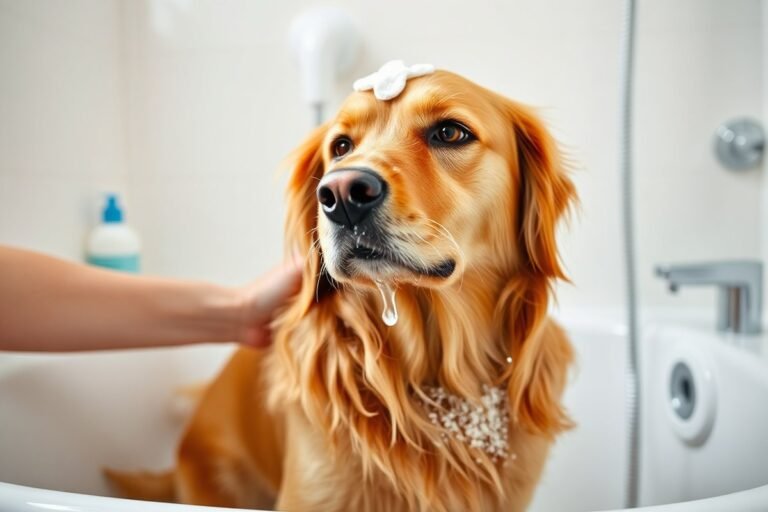
You should bathe your dog every four to six weeks to help reduce shedding without harming the skin’s natural oils. Bathing too often strips these oils, leading to dry, irritated skin that can cause more shedding. Use a gentle, dog-specific shampoo designed to nourish the skin and coat, avoiding human shampoos which can disrupt your dog’s skin balance. Specialized shedding shampoos and conditioners often contain ingredients that help loosen dead fur and reduce shedding by supporting skin health.
Start by thoroughly brushing your dog to remove loose hair before the bath. Use lukewarm water, as water that is too hot or cold can stress your dog’s skin. Apply the dog-friendly shampoo evenly, working it into a soft lather but avoiding excessive scrubbing that can dry or irritate the skin. Let the shampoo sit for a few minutes to allow ingredients to work, then rinse well to remove all residue. Follow with a conditioner if your dog’s coat tends to be dry, then rinse thoroughly again.
Maintaining a healthy skin barrier is essential to minimize shedding. After the bath, dry your dog gently with a towel and, if needed, use a hairdryer on a low, cool setting. Regular moisturizing can also help, especially in dry climates or for dogs with naturally dry skin. You can use sprays or leave-in conditioners designed for dogs to keep the skin hydrated. Avoid home remedies like human lotions that can clog pores or cause allergies.
Cost-wise, expect to spend around $10 to $20 for a quality dog shampoo that reduces shedding, with some specialized formulas costing up to $30. Conditioner sprays may add $10 to $15. Towels and brushes you might already have at home. Bathing your dog at home saves money compared to professional grooming, but it takes about 30 to 45 minutes depending on your dog’s size and tolerance. A well-maintained coat looks shiny and smooth with less loose fur falling out after each bath.
If your dog’s skin shows signs of irritation, redness, or excessive flaking despite careful bathing, reduce the frequency and consult a veterinarian. Overbathing or using harsh products can worsen shedding by damaging the skin barrier. Combine bathing with other care like a balanced diet rich in omega-3 fatty acids from sources like salmon or olive oil to reduce inflammation and support skin health. Proper bathing routines paired with nutrition help keep shedding under control by promoting a strong, healthy coat.
When to See a Veterinarian About Excessive Dog Shedding
Excessive shedding can sometimes be a normal part of your dog’s coat cycle, but it can also signal serious health issues. You should see a veterinarian if the shedding is sudden, severe, or coupled with other warning signs that suggest an underlying problem. Acting promptly helps ensure your dog receives the right care before symptoms worsen.
Signs That Require Immediate Vet Attention
Watch for sudden, heavy shedding that stands out from your dog’s usual pattern, especially if it happens outside their normal shedding season. Also, if you notice bald patches, red or inflamed skin, sores, or excessive scratching, these symptoms mean your dog may be suffering from a skin infection, parasites, allergies, or other illnesses. Changes in behavior, such as lethargy, loss of appetite, or signs of pain, combined with increased shedding require urgent veterinary evaluation.
Excessive shedding alongside irritated or inflamed skin is often a red flag signaling infection or allergic reactions. Since these conditions can worsen quickly, the sooner you seek help, the better your dog’s chance of recovery. Severe itching that leads to self-inflicted wounds also demands prompt attention to prevent secondary infections.
Preparing Your Dog’s Medical History and Symptoms
Before your visit, keep a detailed record of shedding patterns, noting when the excessive hair loss started and any changes in your dog’s environment or routine. Include any additional symptoms like itching, bald spots, or changes in appetite and behavior. Gather information about their diet, grooming habits, and any recent stressors such as travel, new pets, or loud noises that might contribute to shedding.
Write down answers to questions your vet may ask, such as whether your dog has been exposed to fleas or other parasites, how often they are bathed or brushed, and any medications or supplements they are taking. This preparation can speed up diagnosis and ensure you don’t forget important details during the appointment.
Note the timing and severity of your dog’s shedding daily for at least a week before visiting the vet to provide a clear picture of the problem.
Possible Vet Diagnoses and Treatments
A vet will begin with a thorough physical exam and may run skin scrapings, allergy tests, or blood work to identify causes like parasites, infections, hormonal imbalances, or underlying diseases such as hypothyroidism. The exact diagnosis will determine the treatment plan, which may include medicated shampoos, antibiotics, antifungal treatments, antiparasitic medications, or dietary changes.
Some dogs respond well to treatments that reduce inflammation and soothe irritated skin, while others might need hormone therapy or supplements to improve coat health. Follow-up visits allow the vet to monitor progress and adjust treatment if shedding persists or worsens. While veterinary care can be expensive, early intervention often reduces long-term costs by preventing complications.
Step-by-Step Action Plan to Manage Your Dog’s Shedding
Follow these simple steps to reduce your dog’s shedding and keep their coat healthy. Monitor your dog’s fur over the weeks to see improvements.
- Day 1: Brush your dog thoroughly using a slicker brush or deshedding tool. Notice how much hair comes off, this helps remove loose fur before it sheds around your home.
- Week 1: Switch to a high-quality diet rich in omega-3 and omega-6 fatty acids. Watch for shinier coat and less dry skin after two weeks.
- Week 2: Bathe your dog with a gentle, moisturizing shampoo designed for dogs to soothe the skin and loosen fur. Check for less flaky skin by the third week.
- Week 3: Set a regular grooming schedule, brushing at least 3 times a week to catch shedding fur early.
- Month 1: Evaluate your dog’s environment, reduce stressors like loud noises or crowded spaces. Watch for calmer behavior and less stress-related shedding.
- Month 2: If shedding remains excessive or you notice skin irritation, schedule a veterinary visit to rule out health issues.
- Ongoing: Maintain consistent grooming, a balanced diet, and stress management to keep shedding under control.
Frequently Asked Questions
Which Month Do Dogs Shed the Most?
Dogs typically shed the most in early spring and early fall when they lose their winter or summer coats. This seasonal shedding helps them adjust their fur thickness for changing temperatures.
What Are the Worst Dog Breeds for Shedding?
Breeds with double coats like Border Collies and German Shepherds shed a lot, especially during shedding seasons. Dogs such as the Indian Pariah Dog shed less compared to these heavy shedders.
What Can I Give My Dog to Stop Shedding so Much?
No product can completely stop shedding, but feeding a balanced diet rich in omega fatty acids can improve coat health. Specialized shedding control shampoos can also help reduce loose hair on your dog.
Do Dogs Shed More When Happy?
Dogs do not shed more when happy; shedding is linked to seasons, health, and stress, not emotions. Regular grooming can help manage shedding regardless of your dog’s mood.
Can Indoor Dogs Shed Less Than Outdoor Dogs?
Indoor dogs might shed less due to stable temperature and less exposure to seasonal changes. Consistent indoor climates reduce the trigger for heavy seasonal shedding.
Does Neutering Affect a Dog’s Shedding?
Neutering usually does not change shedding patterns significantly; shedding depends more on breed, health, and environment than reproductive status.
Key Points to Remember
Excessive shedding has many causes but you can take practical steps like proper grooming, nutrition, and stress reduction to manage it safely. Start by improving your dog’s diet and grooming routine this week to see a healthier coat. Reach out to your vet if shedding continues despite your efforts or if you notice signs of skin problems.




2 Comments