Why Does My Dog Growl When I Groom It? Understanding Canine Grooming Behavior
If your dog growls when you groom it, it's usually a sign that your pet is feeling uncomfortable, threatened, or stressed during the grooming process. This vocalization is a way for your dog to communicate that something about the handling or environment is upsetting them.
Dogs may growl during grooming for a variety of reasons such as pain, fear of the tools, past negative experiences, or sensitivity to touch. Understanding the root cause can help you reduce your dog's anxiety and create a more positive grooming routine.
This article will explain common reasons dogs growl during grooming, signs to watch for, and practical dog grooming tips to minimize stress and keep both you and your dog comfortable throughout grooming sessions.
Understanding Why Dogs Growl During Grooming
Fear and Anxiety Triggers
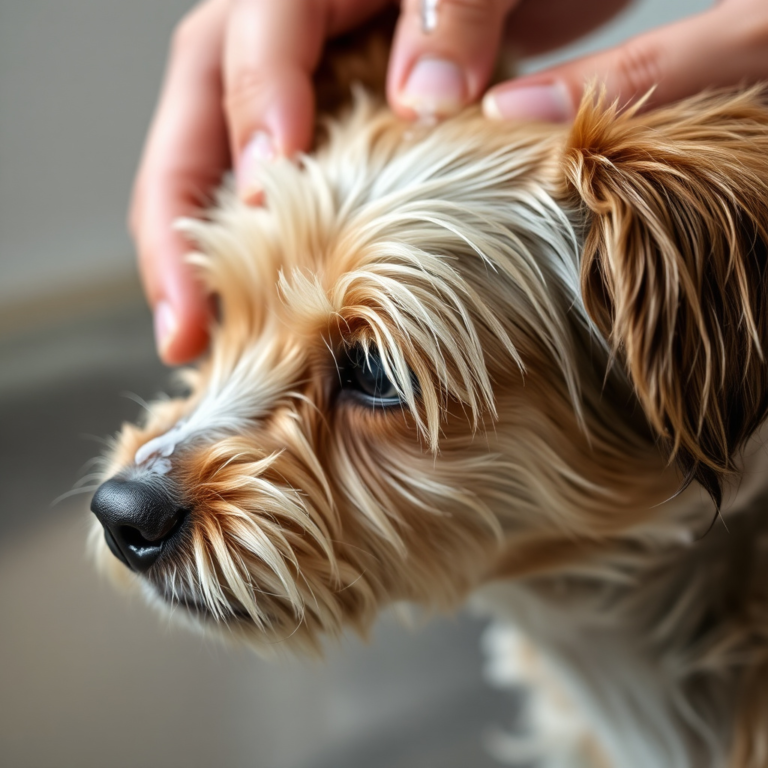
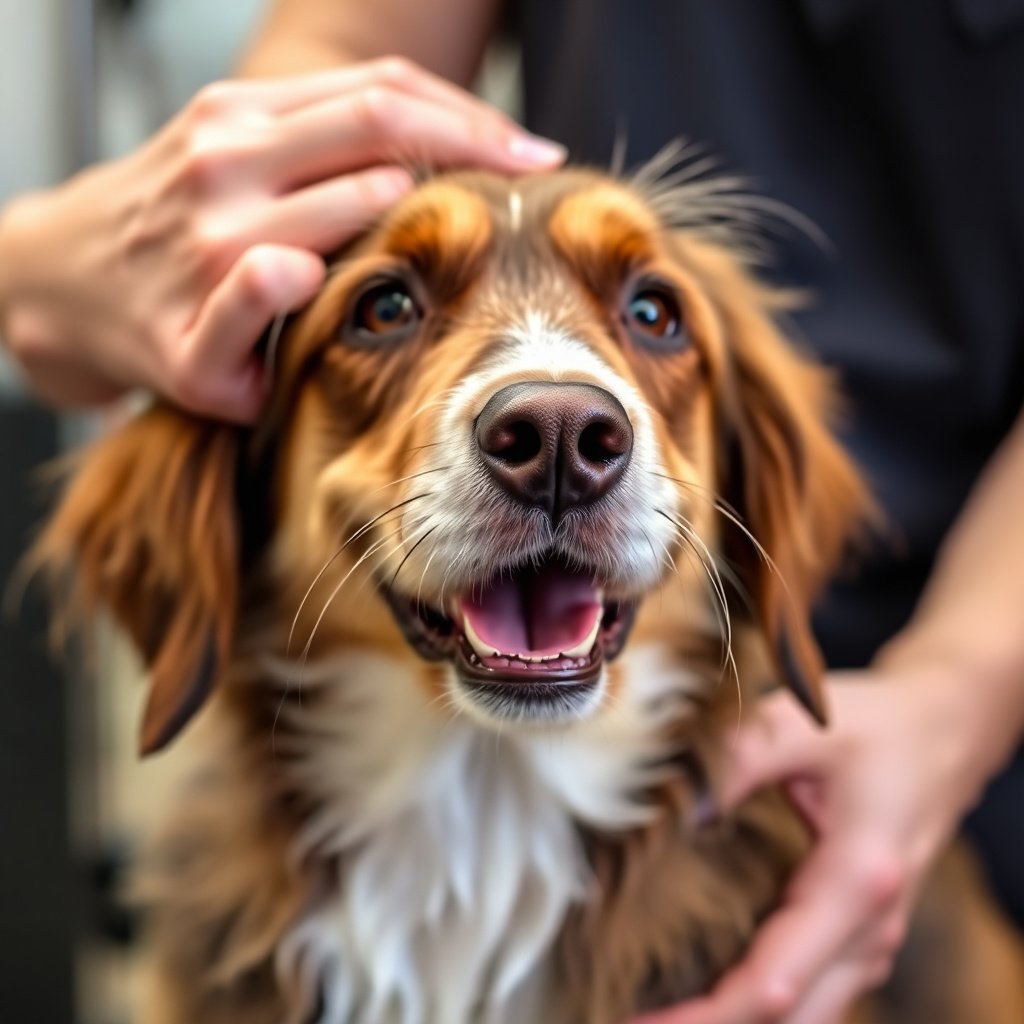
Many dogs associate grooming tools like clippers and brushes with unpleasant sensations, which can trigger fear and anxiety. Sounds from grooming equipment can be intimidating, and new experiences or environments add to this stress.
This fear might cause a dog to growl as a warning to back off. Dogs with previous negative grooming experiences often feel particularly vulnerable and defensive during these times.
- Noise of clippers or dryers
- Unfamiliar handling
- Smells of grooming products
Pain or Discomfort During Grooming
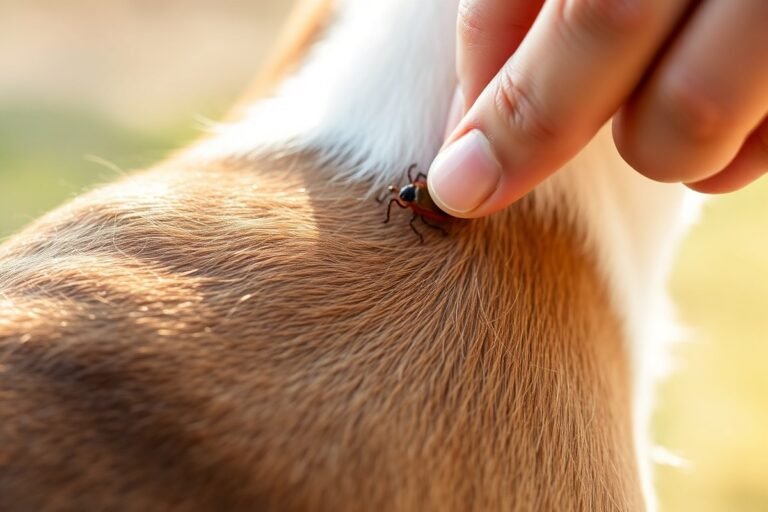
If grooming involves pulling tangles, trimming close to the skin, or touching sensitive areas, your dog may growl because it's in pain or discomfort. Even small skin irritations or hidden injuries can cause unexpected pain.
Regularly checking your dog’s skin condition prior to grooming helps detect any sores or sensitive spots that could provoke growling during grooming sessions.
- Matt removal causing pulling
- Clippers near skin issues
- Nail trimming sensitivity
Recognizing Signs and Body Language in Your Dog
Body Language That Accompanies Growling
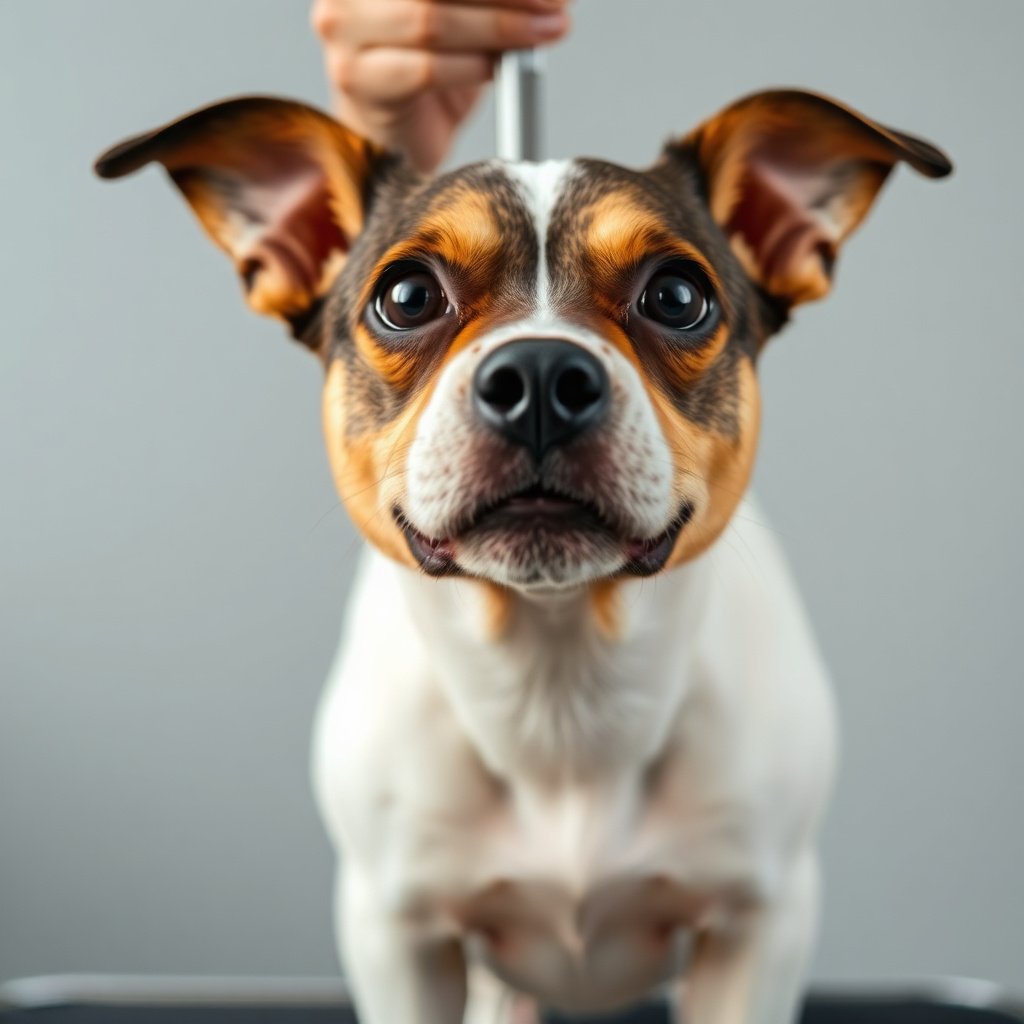
Growling is just one part of canine communication during grooming. Watch for flattened ears, tense muscles, lip licking, yawning, or avoidance behaviors that indicate stress or discomfort.
If your dog is showing these signs along with growling, it's essential to slow down and modify your approach to prevent escalation into biting or more aggressive behaviors.
- Flattened or pinned-back ears
- Tense body posture
- Lip licking or yawning
- Avoiding eye contact
Different Growls, Different Messages
Not all growls are the same. A low, rumbling growl may mean irritation, while a higher-pitched growl coupled with whining can indicate fear or insecurity. Learning to distinguish these will help you respond appropriately.
Observing your dog’s overall behavior along with growling helps interpret their feelings accurately, making grooming less stressful and safer.
Techniques to Reduce Growling During Grooming
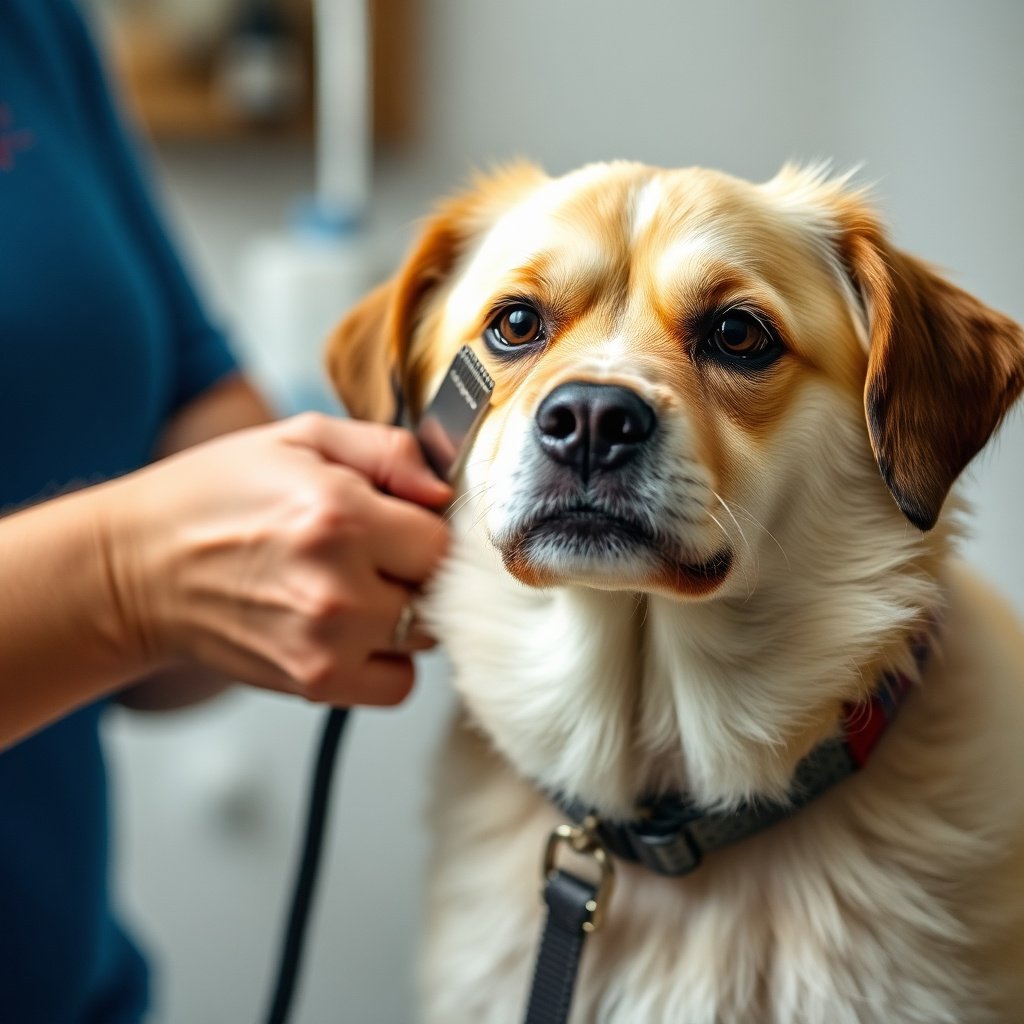
Using Positive Reinforcement
Offering treats and praise during grooming builds positive associations. Start with short grooming sessions paired with rewards to slowly build tolerance and trust.
The goal is to help your dog associate grooming with positive experiences rather than fear or discomfort.
- Give treats during brushing
- Praise calm behavior
- Gradually extend session time
For more on this, see our related guide: How to Make a Dog Like Baths: 8 Proven Steps to a Stress-Free Bath Time.
Routine and Environment Adjustments
Establishing a consistent grooming routine in a quiet, comfortable space reduces anxiety. Avoid sudden movements and loud noises during grooming.
Using grooming tools your dog tolerates well and adjusting your handling technique can minimize distress and reduce growling.
- Quiet room with familiar surroundings
- Gentle handling and slow movements
- Use of desensitization techniques
When to Seek Professional Help for Grooming Issues
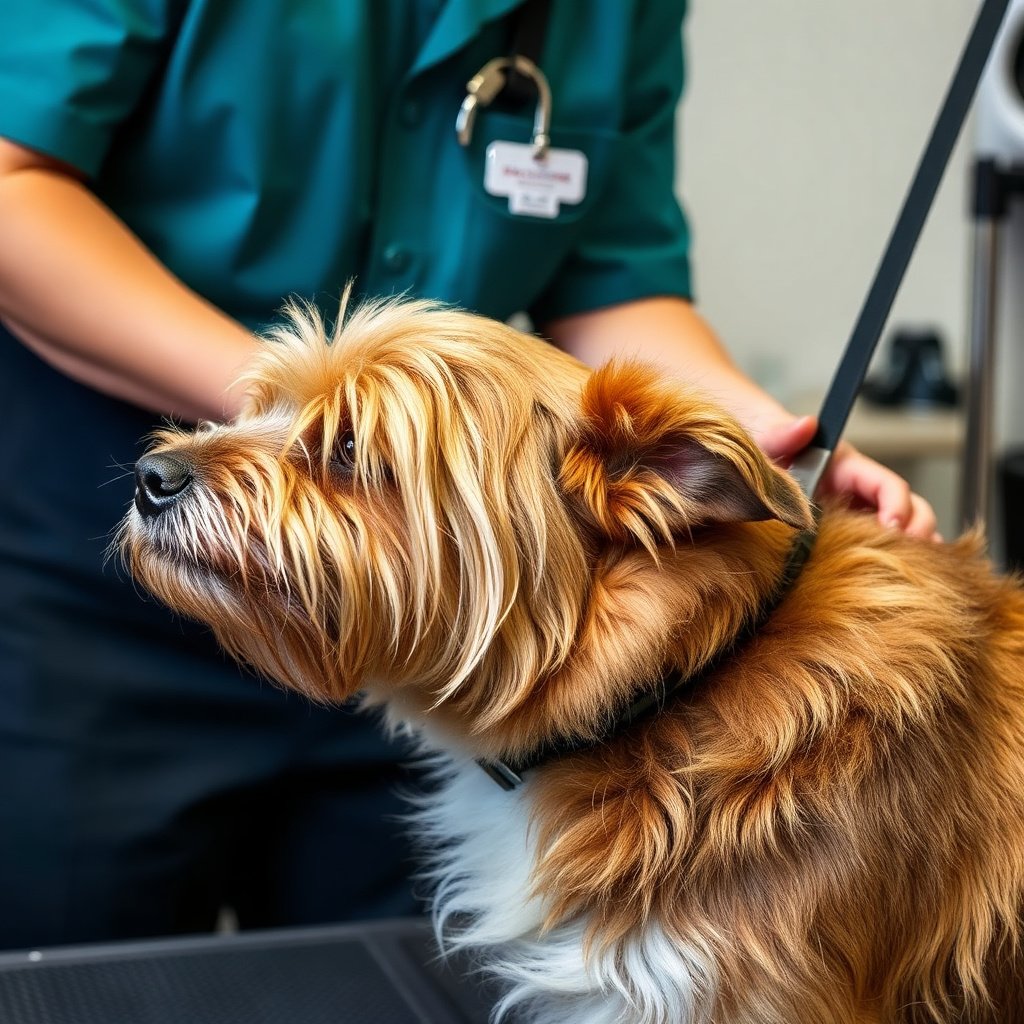
Challenges Beyond Home Grooming
If your dog's growling escalates to snapping or biting, or if grooming consistently causes high stress, a professional groomer or veterinarian behaviorist can assist.
They have the experience and tools to safely groom anxious or resistant dogs and can offer tailored behavior modification plans.
Medical Evaluation for Pain-Related Growling
Persistent growling triggered by touch may indicate an underlying medical condition requiring a veterinarian's examination. Pain from arthritis, skin infections, or injuries should be diagnosed and treated.
Addressing medical issues often greatly improves your dog's comfort and reduces negative reactions during grooming.
- Veterinary skin and joint check
- Pain management options
- Use of calming medication if needed
Tools and Products That Can Help Calm Your Dog
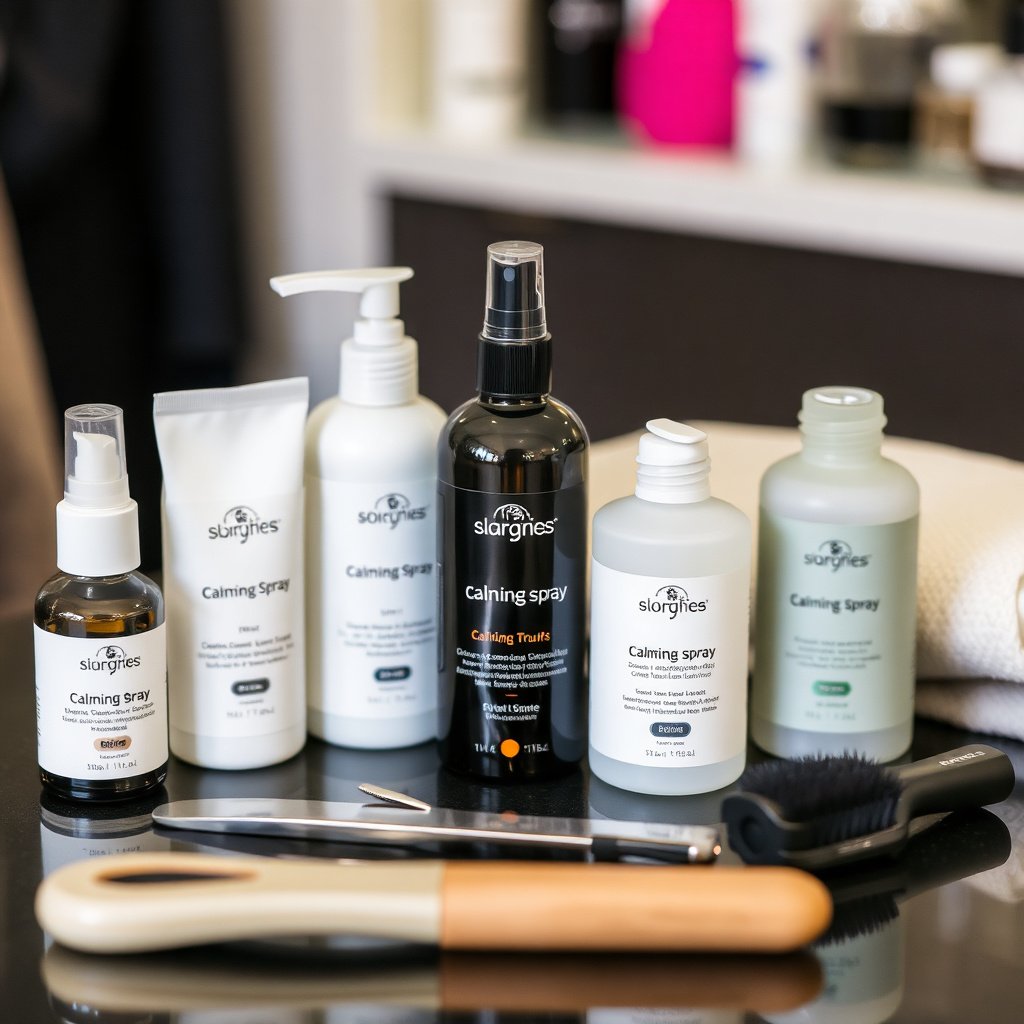
Calming Aids for Grooming
Aromatherapy sprays, calming wraps, and pheromone diffusers can reduce anxiety levels during grooming. These aids create a more relaxed atmosphere, lowering the chance of growling.
Selecting products made specifically for dogs and testing them in short sessions helps confirm their effectiveness without added stress.
- Dog-appeasing pheromone sprays
- Weighted calming vests
- Lavender or chamomile sprays
For more on this, see our related guide: How to Brush a Matted Dog Safely: 8 Steps for Fast, Gentle Results.
Choosing the Right Grooming Tools
Tools such as gentle brushes, quiet clippers, and soft nail files improve the grooming experience. High-quality tools reduce pulling and irritation that might cause growling.
Keeping grooming equipment clean and well-maintained also prevents accidental discomfort.
- Soft-bristle brushes
- Quiet, low-vibration clippers
- Rounded nail clippers or files
Building a Positive Grooming Habit Over Time
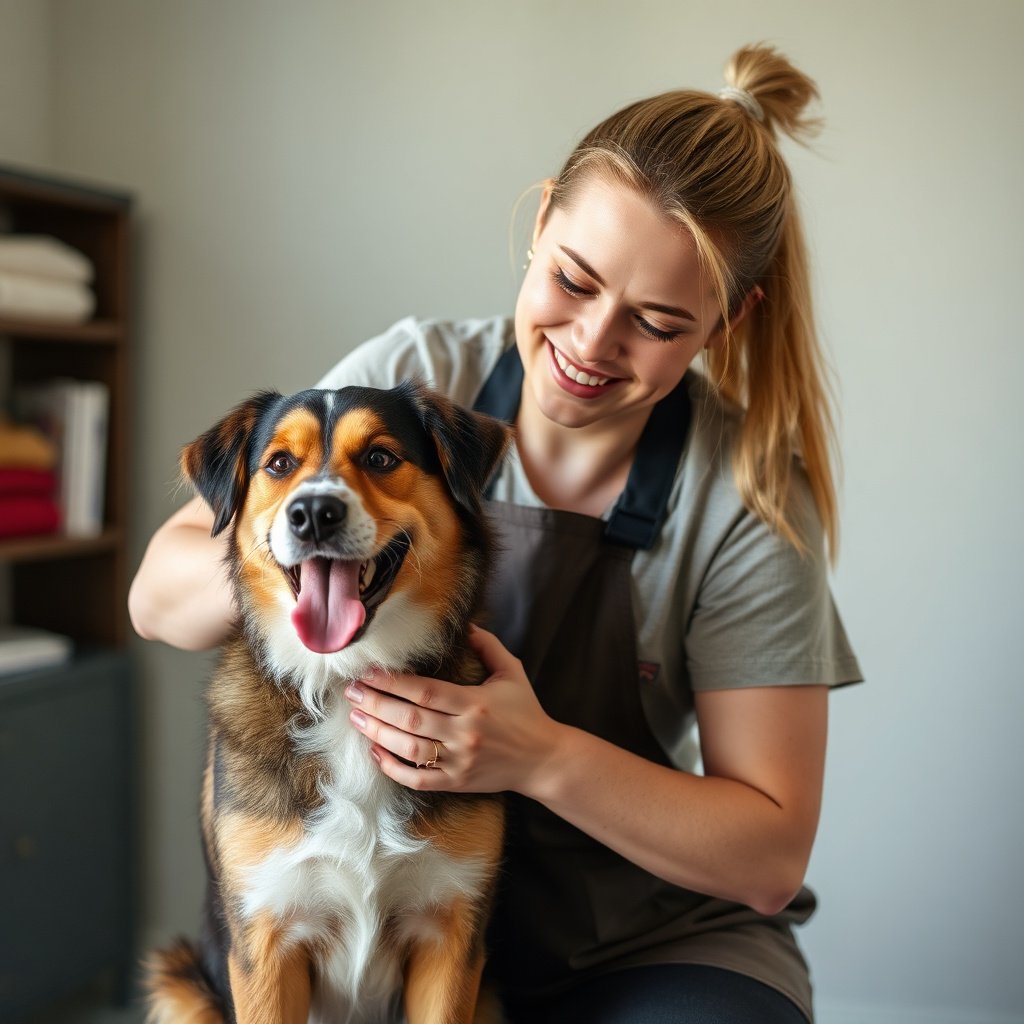
Consistency in Training
Regular, gentle grooming helps your dog become familiar and comfortable with the process, which reduces growling. Consistency in routine and approach builds trust over time.
Short daily brushing or handling exercises between full grooming sessions can normalize touch and handling.
- Brief daily handling practice
- Increase exposure to grooming tools gradually
- Patience and calm demeanor from owner
For a comprehensive overview of dog grooming and behavior, the Canine grooming behavior on Wikipedia offers detailed information. Canine grooming behavior on Wikipedia.
Reward Calm and Cooperative Behavior
Always reward and praise your dog when it behaves calmly during grooming, even if the session is brief. This reinforces that grooming is safe and rewarding.
Avoid punishment for growling, as it can increase fear and damage trust.
- Immediate treats for calmness
- Soft voice praise
- Avoid negative reactions to growling
Comparison of Common Dog Grooming Approaches
Here's a comparison of popular grooming methods to help you choose the best approach for your dog's comfort and behavior.
| Grooming Approach | Stress Level for Dog | Owner Skill Required | Best For |
|---|---|---|---|
| Home Grooming with Basic Tools | Moderate | Medium | Dogs comfortable with handling |
| Professional Grooming Salons | Low to High (depends on dog) | Low | Dogs that need expert handling |
| Mobile Grooming Services | Moderate | Low | Busy owners and anxious dogs |
| Veterinarian-led Grooming | Low | High | Dogs with medical conditions or severe anxiety |
| Desensitization & Behavioral Training | Low | High | Dogs with grooming fear or aggression |
Frequently Asked Questions
Is growling during grooming always a sign of aggression?
Growling during grooming is not always aggression; it often signals discomfort, fear, or pain. Understanding the context and accompanying body language helps determine if it’s a warning to stop or something more serious.
How can I safely groom a dog that growls?
Use calm, slow movements and positive reinforcement like treats. Take breaks, avoid sensitive areas initially, and gradually increase exposure. If growling persists, consult a professional groomer or trainer.
Can medical issues cause a dog to growl when groomed?
Yes, underlying pain from injuries, skin conditions, or arthritis can cause growling. A veterinary exam can identify issues to treat, making grooming more comfortable.
What grooming tools are best for nervous dogs?
Soft brushes, quiet clippers, and nail files with smooth edges are ideal for nervous dogs. These tools minimize discomfort and noise, reducing stress during grooming.
How do pheromone sprays help during grooming?
Pheromone sprays mimic calming scents that reduce anxiety in dogs. Using them in the grooming area can create a more relaxed environment and lessen growling.
Key Takeaways
- Growling during grooming often signals discomfort, fear, or pain, not aggression.
- Positive reinforcement and routine reduce stress and improve grooming experiences.
- Choosing gentle tools and calming aids can help soothe anxious dogs.
- Professional help is beneficial for persistent or severe grooming-related growling.
Conclusion
Recognizing the reasons behind your dog’s growling during grooming is the cornerstone of addressing this behavior effectively. Whether the cause is fear, pain, or unfamiliarity with grooming tools, focusing on your dog’s comfort and communication cues helps build a more cooperative and calm grooming routine. Taking time to observe body language and adjusting your approach accordingly can transform grooming from a stressful event to a manageable, even pleasant, bonding experience.
For dogs that growl due to fear or anxiety, introducing positive reinforcement and creating a consistent grooming routine are key strategies. Using well-selected grooming instruments and calming products can further ease the process. In cases where medical issues are responsible for discomfort, a veterinary evaluation is essential to address pain sources. Situations involving aggressive behavior or extreme resistance to grooming might require professional groomers or behaviorists with specialized knowledge to ensure safety and progress.
Starting with short, calm sessions is a practical first step for owners tackling growling during grooming. Rewarding calmness and avoiding forcing the process prevents negative associations. Patience and gentle handling paired with tailored grooming techniques help foster trust over time. When in doubt, consulting professionals and verifying your dog’s health status offers reassurance and guidance towards peaceful grooming habits.