
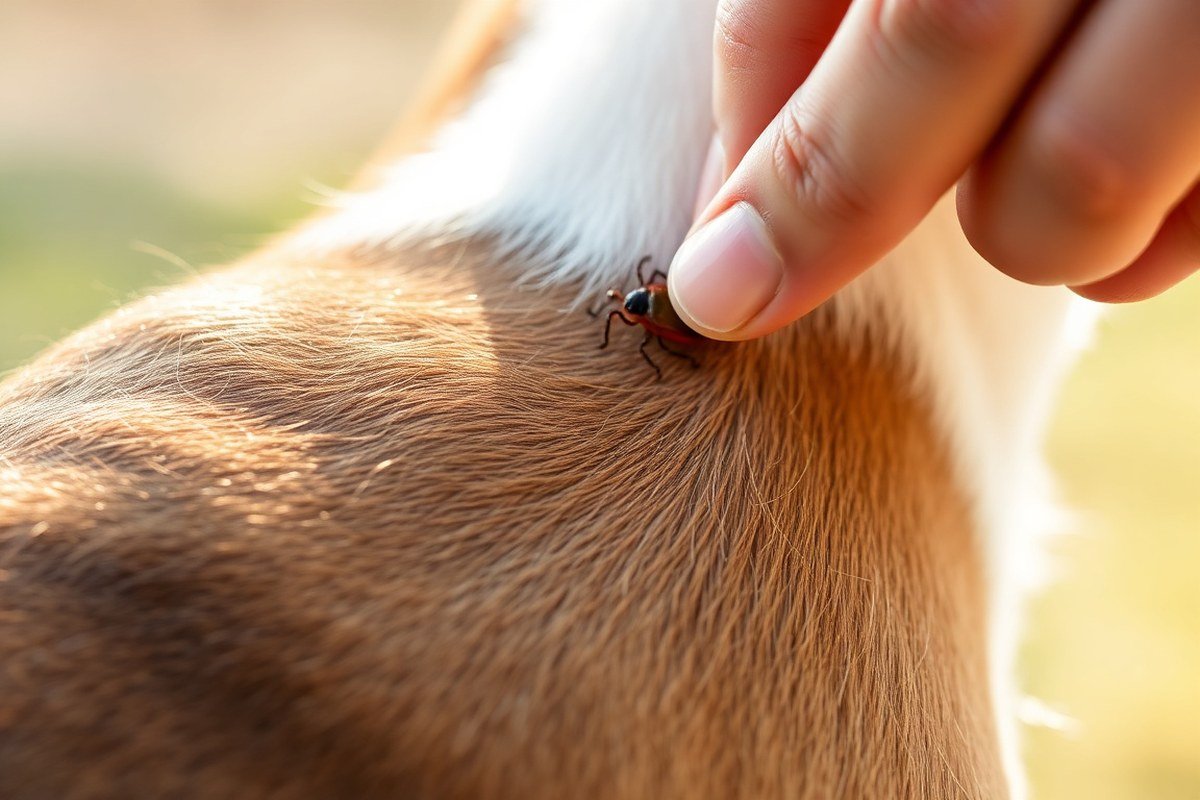
How to Get Rid of Dog Ticks Safely: 8 Proven Methods That Work
To get rid of dog ticks safely, use proper removal tools to pull the tick out without squeezing it and apply effective tick prevention products. Immediate action helps prevent disease transmission, which can start within 24 hours. This advice is for dog owners concerned about tick-borne illnesses and wanting reliable methods to protect their pets.
You will learn how to identify ticks, safely remove them, prevent new infestations, and recognize when veterinary care is needed. Following these steps reduces the risk of tick-borne diseases and keeps your dog comfortable and healthy year-round.
Key Takeaways
- Use fine-tipped tweezers or a tick removal tool to grasp the tick close to your dog’s skin and pull it straight out.
- Apply tick prevention collars like Seresto for 6-8 months of protection with slow-release active ingredients.
- Inspect your dog daily, especially after outdoor walks, focusing on ears, neck, and between toes where ticks hide.
- Spray your dog with vet-approved tick treatments and monitor them for 15 minutes to prevent licking off the product.
- Maintain a dry yard and trim tall grass to reduce tick habitats, as ticks thrive in humid, dense vegetation.
- Ticks can transmit diseases within 24 hours of attachment, so remove ticks promptly to reduce infection risk.
1. How to Safely Remove Ticks from Your Dog

Removing ticks from your dog quickly and correctly is important to reduce the risk of disease transmission. Ticks, once attached, can transmit infections within 24 to 48 hours, so acting promptly matters most. Use fine-tipped tweezers or a specialized tick removal tool for the safest and most effective removal. Avoid old folk remedies such as applying rubbing alcohol, dish soap, or essential oils directly to ticks, as these can irritate your dog’s skin or cause the tick to burrow deeper.
Keep your dog calm and lying down before starting. Proper lighting and steady hands help prevent tearing the tick and leaving mouthparts embedded in the skin, which can lead to infection.
- Gather your tools. Use fine-tipped tweezers or a tick key. Avoid using your bare fingers unless necessary. Wearing disposable gloves can help prevent exposure to tick-borne pathogens.
- Hold your dog steady. Have your dog lie comfortably and reassure them. Sudden movements can make removing the tick difficult and increase the chance of leaving parts behind.
- Locate the tick and grasp it close to the skin. Position your tweezers or tick tool as close as possible to the dog’s skin without pinching their flesh. This prevents squeezing the tick’s body and pushing infected fluids into your dog.
- Pull upward with steady, even pressure. Do not twist, jerk, or crush the tick. Pulling straight up reduces the chance of the mouthparts detaching and remaining in the skin.
- Check that the entire tick, including mouthparts, is removed. If any parts remain embedded, contact your veterinarian for removal to avoid infection or inflammation.
- Disinfect the bite area and your hands. Clean your dog’s skin with soap and water, then use an antiseptic. Wash your hands thoroughly, even if you wore gloves.
- Dispose of the tick safely. Place it in a sealed container, flush it down the toilet, or submerge it in rubbing alcohol to ensure it doesn’t reattach to your pet or others.
- Monitor your dog after removal. Look for signs like redness, swelling, lethargy, or fever over the next few weeks. Contact your veterinarian if symptoms develop or if you’re unsure about the removal process.
2. Recognizing Ticks and High-Risk Areas on Your Dog

Spotting ticks on your dog requires careful inspection, especially since ticks start out very small, about the size of poppy seeds. They are most often found in hidden, hard-to-see spots where your dog’s skin is thinner or fur is less dense. The earliest-stage ticks, called larvae, are tiny and can be nearly invisible without closely parting the fur. Larger ticks, such as nymphs and adults, range from roughly 1/16 inch to over 1/8 inch in size and can be easier to spot once attached.
Ticks commonly attach to specific areas on your dog’s body. These high-risk spots provide warmth and easy access to skin for feeding. Focus your attention on the head, ears, and neck, where the fur is thinner and skin is more exposed. Also check between the toes, inside the ears, under collars, along the eyelids, the groin area, and the pads of the paws. Ticks can hide well in these zones, making thorough parting and close observation essential.
Getting into the habit of inspecting these target areas after outdoor activities is key. After walks in grassy or wooded locations, spend 5 to 10 minutes running your hands slowly and deliberately over your dog’s body. Part the fur piece by piece and use natural light or a flashlight to catch any small ticks clinging to the skin. Even a single tick poses a risk because disease transmission can begin within 24 hours of attachment.
- Check the ears, lift flaps and look inside carefully.
- Inspect around the neck, especially under or behind collars.
- Look between the toes and paw pads.
- Examine the groin and underbelly areas where fur is sparse.
- Scan the eyelids and face for small, dark dots that don’t move.
- Run fingers along the tail base and underside of the dog.
Always use fine-point tweezers or a specialized tick removal tool and avoid squeezing the tick’s body to reduce infection risk.
Identifying ticks of different sizes helps you catch them early. Larvae can fit easily between your fingers but may require magnification to see. Nymphs and adult ticks are often easier to feel as small bumps, so normal touch combined with visual checks works well. Confirm suspicious spots are ticks and not skin tags by noting if they are attached by their mouthparts embedded in the skin. Daily checks in seasons and areas with high tick activity can prevent an infestation and help protect your dog from serious tick-borne illnesses.
3. How Quickly Ticks Can Transmit Diseases to Dogs
Ticks usually need to be attached to your dog for at least 12 to 24 hours before they start transmitting diseases like Lyme disease. The Centers for Disease Control and Prevention notes that Lyme disease transmission typically requires the tick to be attached for more than 24 hours. Rocky Mountain spotted fever and other infections may have similar or slightly shorter timelines, but the key point is that prompt removal greatly reduces your dog’s risk of getting sick.
Because it takes time for a tick to transmit pathogens, removing ticks as soon as you spot them on your dog is critical. The longer a tick stays attached, the higher the chance of disease transmission. You should check your dog thoroughly after every outdoor activity, especially in areas with known tick populations. When you find a tick, remove it carefully and promptly using fine-tipped tweezers, grasping the tick as close to your dog’s skin as possible and pulling upward steadily without twisting. This reduces the risk of leaving tick parts behind or squeezing the tick’s body, which can increase infection risk.
After removing a tick, make a note of when you found it and its appearance. This information helps your veterinarian if your dog later shows symptoms of tick-borne diseases. Watch for signs like fever, lethargy, loss of appetite, lameness, swelling in joints, or unusual behavior, which can appear days to weeks after the tick bite. Contact your veterinarian promptly when any symptoms emerge or if the tick was attached for more than 24 hours. Early detection and treatment are important to prevent serious complications.
The decision rule for checking and removing ticks is straightforward: immediately perform a complete inspection on your dog after potential exposure to ticks, especially after time spent in grassy, wooded, or brushy areas. Remove any tick you find immediately rather than waiting to see if symptoms develop. This simple step can prevent many tick-borne diseases and reduce the costs and risks of treatment down the line. Prompt removal, followed by careful monitoring, is usually enough to protect your dog without additional intervention.
Infections caused by ticks can lead to anemia, skin infections, or more serious tick-borne diseases like ehrlichiosis and anaplasmosis, in addition to Lyme disease and Rocky Mountain spotted fever. The severity of illness varies, but many dogs require veterinary care, which can be expensive. Preventing disease transmission by quick tick removal is more effective and less costly than managing the illnesses ticks cause.
4. The Most Effective Tick Prevention Methods for Dogs
Medicated collars, topical spot-on treatments, and oral medications are the most effective ways to prevent ticks on your dog. Each option targets ticks differently and suits various dog lifestyles and needs. Choosing the right one depends on your dog’s age, size, activities, and your schedule for application or replacement.
Medicated Collars and How They Work
Medicated collars release active ingredients slowly across your dog’s skin and fur to repel and kill ticks and fleas. Products like the Seresto® collar offer 6 to 8 months of continuous protection without needing monthly reapplication. This makes them convenient for dogs that don’t swim often or for owners who prefer longer-lasting options.
These collars are best for dogs that tolerate wearing collars and are less likely to get the collar wet frequently. If the collar does get wet, some effectiveness may reduce, so limiting water exposure is important. Medicated collars tend to be cost-effective over time compared to monthly treatments, costing around $50 to $70 for an 8-month supply.
Topical Spot-On Treatments Explained
Spot-on treatments are liquid products applied directly to the dog’s skin, usually at the back of the neck. These monthly treatments, such as K9 Advantix II or Frontline Plus, kill ticks and fleas on contact and can also repel some mosquitoes. Applying these products once every 30 days maintains protection against tick infestations.
Spot-on treatments work well for most dogs, especially those that swim or bathe occasionally, as frequent bathing can reduce their effectiveness. They require regular monthly application, which demands owner consistency but allows quick adjustments if your dog’s weight or health status changes. Spot-ons cost about $15 to $30 per monthly dose depending on the size of the dog and the brand chosen.
Oral Medications: Pros and Cons
Oral medications provide systemic protection by killing ticks when they bite your dog. These treatments are usually given monthly and can work faster in killing ticks compared to topical options. Brands like Capstar™ offer rapid action for flea control, but similar oral products also address tick prevention.
Oral meds suit dogs with sensitive skin or those that find collars or spot-ons uncomfortable. The downside is that oral medicines don’t repel ticks; they work only after ticks latch on, so there’s a slightly higher chance of bites. Also, cost varies but typically ranges from $20 to $40 per dose monthly. Always follow dosage instructions closely, as incorrect use can reduce effectiveness or increase risks.
Age and Weight Considerations for Prevention Products
Prevention products are chosen based on your dog’s weight range and age to ensure safety and effectiveness. For example, Seresto collars come in versions for small dogs under 18 lbs and larger dogs, while spot-on treatments like K9 Advantix II have different formulations for small, medium, and large dogs. Oral medications also specify safe weight categories, with some approved for puppies as young as 8 weeks.
Always read product labels carefully to confirm the minimum age and weight before use. Puppies often require milder formulas or special products made just for their size and developing bodies. Using an adult dose on a small or young dog can be unsafe, while underdosing reduces protection. Your veterinarian can recommend the best product for your dog’s specific age and weight. Below is a comparison table including key types of flea and tick prevention products:
| Product Type | Kills Ticks | Kills Fleas | Other Pests | Best For |
|---|---|---|---|---|
| Spot-on Treatments | ✓ | ✓ | Some mosquitoes | Most dogs |
| Oral Medications | ✓ | ✓ | Varies by brand | Treat-motivated dogs |
| Medicated Collars | ✓ | ✓ | Limited | Dogs that don’t swim often |
This table shows that spot-on treatments offer broad pest control and suit most dogs, while oral meds are ideal for dogs less willing to wear collars or tolerate topical applications. Collars provide a simpler, longer-term solution but work best where water exposure is limited. Keeping your dog on a consistent schedule with the chosen product and regularly checking for ticks improves results and reduces risks of tick-borne diseases.
5. Do Natural and Home Remedies Work to Get Rid of Ticks?
Natural remedies for dog ticks offer some support, but they vary widely in safety and effectiveness. Remedies like apple cider vinegar and coconut oil may help repel ticks or soothe your dog’s skin, but they don’t reliably kill ticks already attached. For example, apple cider vinegar can balance your dog’s skin pH, creating an environment that may repel unattached ticks. To try this, mix four cups of water with six cups of apple cider vinegar and apply it to your dog’s coat or add it to their bath water. Coconut oil can be spread generously on your dog’s fur to help repel ticks and soothe irritation, but it won’t remove ticks once they have latched on.
Essential oils such as eucalyptus or peppermint, when diluted with a carrier oil (one drop per tablespoon), might repel ticks but won’t kill ticks already feeding. Some remedies should be avoided because they are unsafe or ineffective. Burning or smothering a tick can increase the risk of disease transmission. Garlic supplements are toxic to dogs and must not be used for tick control. Nail polish and petroleum jelly method are also risky and ineffective strategies.
| Remedy | Vet Verdict |
|---|---|
| Manual removal | ✅ Best option |
| Tick comb | ✅ Helpful |
| Coconut oil | ⚠️ Limited use |
| Apple cider vinegar | ⚠️ Diluted only |
| Lemon spray | ⚠️ Environmental use |
| Essential oils | ❌ Unsafe |
| Burning/smothering ticks | ❌ Dangerous |
| Garlic supplements | ❌ Toxic |
Use manual tick removal as your first step to get rid of ticks on dogs. If you want to support prevention, dilute apple cider vinegar with water before application and avoid pure or undiluted forms that could irritate your dog’s skin. Coconut oil can be applied as a repellent and skin soother, but don’t rely on it to remove ticks. Lemon spray may help reduce ticks in your yard but isn’t recommended for direct use on dogs. Stay away from essential oils directly on dogs or home remedies like burning, smothering, or using garlic supplements because of the health risks and lack of proven results.
Never try to suffocate ticks with ointments or burns; this can increase your dog’s risk of infection and make removal more difficult.
6. How to Inspect Your Dog Regularly for Ticks
Check your dog for ticks every day during peak tick activity seasons, especially after outdoor activities. Ticks are most active in spring and fall when temperatures range broadly but calms in extreme cold or heat. Regular inspections help catch ticks early, reducing the risk of disease transmission.
Daily Tick Check Routine
Daily tick checks should become part of your dog’s grooming routine in spring and fall. Focus on high-risk spots where ticks tend to latch on and hide. After any outdoor time, especially hiking or playing in tall grass, carefully inspect your dog before they enter your home.
Check these areas thoroughly, feeling for bumps or small attachments. Early detection means you can remove ticks before they grow and transmit diseases. Don’t rush the inspection; a full check might take 10 to 15 minutes depending on your dog’s size and coat thickness.
- Around ears and inside ear flaps
- Under collar and around neck
- Between toes and paw pads
- Under front legs and armpits
- Along the belly and groin
- Base of the tail and around the anus
- Between folds of skin and behind knees
Perform checks both visually and by running your fingers through your dog’s fur to feel for small bumps or ticks firmly attached to the skin.
Seasonal Inspection Tips
Ticks thrive in mild, humid weather, typically when temperatures are between 45°F and 85°F with humidity above 75%. Spring and fall are your highest risk times. In hot midsummer or freezing winter, ticks become less active but can survive indoors. Climate controls inside your home generally kill off ticks within a few days without a host.
During peak tick seasons, check your dog daily if they spend lots of time outside. In colder months or dry seasons, inspections can be less frequent but should still cover any time your dog has been in wooded or grassy areas. Be extra alert after activities like hiking, hunting, or visits to dog parks where tick exposure is common.
Tools to Help Find Hidden Ticks
A fine-toothed comb or a specialized tick comb can help detect small ticks hidden in dense fur. After a thorough visual check, comb through your dog’s coat methodically, especially in longer-haired breeds where ticks can be harder to spot. Gloves protect your hands when removing ticks.
Using a good light source improves visibility, especially in shady or dark areas of your dog’s coat. Some pet owners find magnifying glasses helpful for spotting tiny ticks before they attach fully. Keep tick removal tools, like tweezers or tick hooks, on hand to act fast once you find a tick.
7. Controlling Ticks in Your Home and Yard
Ticks can survive indoors, especially the brown dog tick, which can establish infestations inside homes. These ticks do not require a host to live for several months, so controlling ticks inside your house is essential. Regular home cleaning helps by eliminating potential hiding spots like old boxes, newspapers, and stored firewood, which can harbor ticks. Vacuuming floors, carpets, and pet bedding frequently also removes ticks and their eggs.
Outside, managing your yard is important to reducing tick populations and preventing your dog from bringing ticks indoors. Ticks thrive in shaded, moist areas with tall grass, weeds, and leaf litter. Keeping grass mowed below 3 inches and clearing areas of leaf litter and dense brush denies ticks a favorable environment. Removing debris and clutter in your yard also eliminates their hiding places. The table below outlines key yard and home maintenance tasks to control ticks effectively:
| Task | Why It Matters | How to Do It | Expected Results | Common Mistakes |
|---|---|---|---|---|
| Mowing Lawns | Reduces tick habitat by decreasing shade and moisture | Mow grass regularly to keep it below 3 inches | Fewer ticks in open areas | Infrequent mowing allows tick numbers to increase |
| Removing Leaf Litter and Weeds | Eliminates tick hiding places | Rake and dispose of leaves; clear overgrown weeds | Lower tick population near your home | Ignoring leaf piles near play areas or dog spaces |
| Clearing Debris | Stops ticks from nesting under clutter | Remove old boxes, newspapers, and stacked firewood | Reduces indoor and outdoor tick infestations | Leaving clutter close to home or pet resting areas |
| Vacuuming and Cleaning Indoors | Removes ticks and eggs from indoor environments | Vacuum carpets, furniture, and pet bedding weekly | Prevents tick infestations inside your home | Neglecting pet bedding or not disposing vacuum bags properly |
In addition to these maintenance chores, consider consulting with a veterinarian or pest control expert. They can advise on yard treatments like acaricides that are safe for your dog and effective against ticks. Combining these environmental controls with proper dog care creates a stronger defense against tick infestations and tick-borne diseases.
8. When and Why to See a Veterinarian for Tick Issues
Visit a veterinarian within 24 hours if you find ticks on your dog, especially multiple ticks or engorged ones that have been attached for a while. A timely vet visit is important to prevent or address tick-borne diseases, which can develop days or weeks after tick exposure. Your vet can identify the tick species, assess your dog’s health, and recommend appropriate tests or treatments.
Warning Signs of Tick-Borne Diseases
Observe your dog closely for symptoms such as lethargy, fever, loss of appetite, swollen joints, or unusual limping. These signs may appear from a few days up to several weeks after a tick bite and could indicate diseases like Lyme disease, ehrlichiosis, or anaplasmosis. Watch for pale gums, vomiting, or difficulty breathing, which may signal more serious complications requiring immediate veterinary care.
Keep in mind that subtle changes in behavior, such as increased sleeping or reluctance to move, can be early indicators of illness. Since some symptoms mimic other health problems, prompt veterinary evaluation helps ensure a correct diagnosis and treatment plan.
Preparing for Your Vet Visit
Before heading to the vet, place any removed ticks in a sealed container and bring them with you. Identification of the tick species can guide your veterinarian’s diagnostic approach and treatment choices. Note exactly when and where you found the ticks on your dog, as this information helps assess exposure risk.
Also, prepare a brief history of your dog’s symptoms, including when you first noticed illness signs and any changes in appetite or behavior. It’s helpful to write down questions or concerns about tick prevention methods so you can discuss them with your veterinarian. Routine visits usually range from $75 to $150, while more extensive diagnostics or treatments can cost several hundred to thousands of dollars depending on severity.
Potential Vet Treatments and Tests
Your veterinarian may perform blood tests to detect tick-borne infections or inflammation markers if illness is suspected. In some cases, imaging tests might be necessary to evaluate organ function or joint involvement. Treatment often includes antibiotics administered over several weeks, especially for bacterial diseases like Lyme disease.
Symptomatic care, such as pain relief or fluid therapy, could be recommended if your dog is severely ill. Your vet will also advise on effective tick prevention products tailored to your dog’s health, lifestyle, and local tick risks. Avoid starting any new treatments without professional guidance to ensure safety and effectiveness.
Keep removed ticks in a sealed container until after your vet visit to help identify the species and improve diagnosis if your dog becomes sick.
Step-by-Step Action Plan to Get Rid of Dog Ticks
Follow these steps to remove ticks safely and prevent future infestations on your dog.
- Before going outside: Apply a veterinarian-recommended tick prevention treatment to your dog and check the label for how long it remains effective.
- After every outdoor activity: Conduct a thorough tick inspection by running your hands over your dog’s entire body, focusing on common tick spots like ears, between toes, and under the collar.
- After spotting a tick: Use fine-tipped tweezers or a tick removal tool to hold the tick near your dog’s skin and pull straight up without twisting.
- Immediately after removal: Clean the bite area and your hands with rubbing alcohol or soap and water to reduce infection risk.
- During the first two days: Watch your dog closely for symptoms like tiredness or decreased appetite, and reach out to your vet if these signs develop.
- Weekly: Treat or reapply tick prevention as directed on the product label and continue yard maintenance by mowing grass and removing leaf litter to reduce tick habitat.
- Every month: Deep clean your home’s carpets and pet bedding to remove any ticks that may have wandered indoors; consider regular vacuuming in tick-prone seasons.
- As needed: Schedule a veterinary checkup if you notice multiple ticks, if your dog has health symptoms, or if you want professional advice on tick control products.
Frequently Asked Questions
Can Ticks Survive Underwater While on a Dog?
Ticks can survive brief immersion but usually drown after several hours underwater, so regular baths may help reduce ticks on your dog.
What Is the Chance of a Tick Reattaching After Removal?
A removed tick is unlikely to reattach, but regular checks are essential because new ticks can latch on anytime your dog is outdoors.
How Long Do Ticks Live Off a Dog in the Environment?
Ticks can survive off dogs for several weeks, especially in shaded, moist areas, making yard maintenance important to break their life cycle.
Can Tick Collars Alone Protect My Dog from Ticks?
Tick collars can reduce tick infestations but work best when combined with topical or oral preventatives and environmental control.
Are Certain Dog Breeds More Prone to Tick Infestations?
No breed is immune, but dogs with thick fur or outdoor lifestyles face higher tick risks, so more frequent inspections may be needed.
Does Cold Weather Kill Ticks on Dogs?
Cold weather can reduce tick activity but does not kill all ticks; preventive measures remain necessary year-round in many areas.
Key Points to Remember
Protecting your dog from ticks requires consistent effort in checking for and removing them promptly, plus using reliable prevention methods. Start by treating your dog with an approved tick control product today and keep up with regular inspections. This simple step can significantly reduce your dog’s risk of tick-borne diseases and keep your pet comfortable and healthy.


One Comment