How to Brush a Matted Dog Safely: 8 Steps for Fast, Gentle Results
Brushing a matted dog safely means working gently to avoid pulling on the skin and causing pain. Use the right tools, keep your dog calm, and start detangling small mats before they grow. This approach helps you remove mats effectively without stress for you or your dog.
This advice suits dog owners dealing with tangled or matted coats, especially beginners or those with dogs that have longer or curlier fur. You’ll get clear steps to brush out mats carefully, plus tips on preventing mats in the future.
Key Takeaways
- Keep your dog calm and relaxed before brushing to prevent stress and discomfort.
- Use a comb or slicker brush to tackle small mats gently without pulling skin.
- Place your hand between the brush and your dog’s skin to protect against brush burn.
- Start brushing at the edges of mats to gently loosen tangles before moving inward.
- Regular trims every 6, 8 weeks can reduce mat formation in curly or non-shedding coats.
- Bath your dog with dog-specific shampoo and conditioner every 4, 6 weeks to maintain coat health.
1. How to Brush a Matted Dog Without Causing Pain

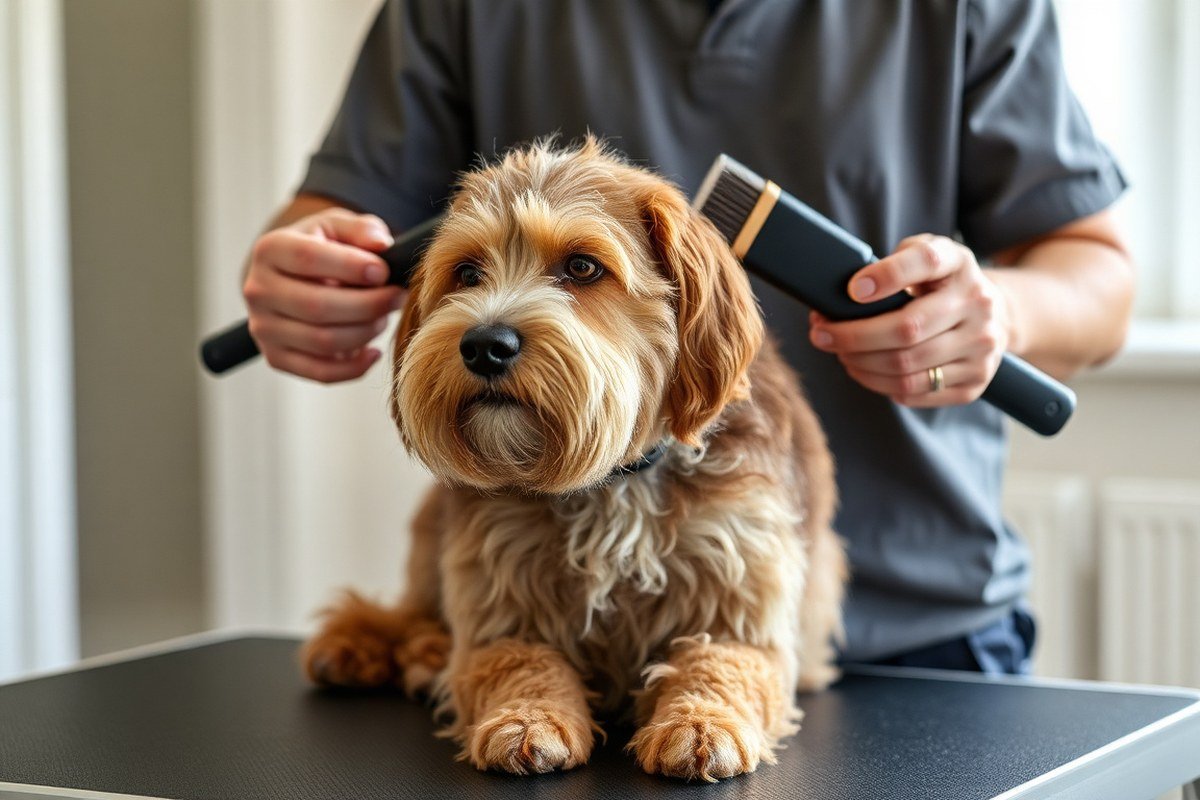
Brushing a matted dog requires gentle handling to avoid causing pain or distress. Matted fur pulls tightly on your dog’s skin, which can hurt when brushed improperly. To protect your dog, hold the skin around the matted area firmly but gently to prevent it from stretching or pulling. Using the right tools, like a slicker brush or a metal comb designed for matted coats, helps work through tangles carefully without damaging the skin underneath.
Before brushing, make sure your dog is calm and comfortable to reduce stress. Working slowly and patiently lets you detangle mats without pulling harshly. If the brush or comb catches repeatedly on stubborn mats, stop and try a detangling spray or warm coconut oil applied to the coat first. These can soften the mats and make brushing easier. Avoid brushing when the fur is wet, as matted fur is more fragile and can cause more discomfort when damp.
- Hold the skin firmly near the mat: Use one hand to gently pinch and lift the skin under the matted fur. This helps prevent pulling directly on the skin and reduces pain while working the brush through the coat.
- Select the right tool: Use a slicker brush with extra-long tips, such as the Safari Curved Dog Slicker Brush, or a metal comb. These are designed to glide through matted fur without digging into the skin.
- Start brushing close to the skin: Begin at the base of the mat near the skin and brush outward. Work in small sections to avoid pulling large clumps of hair at once.
- Use gentle, short strokes: Brush slowly and softly to minimize discomfort. Avoid fast or harsh brushing that can tear the skin or frighten your dog.
- Apply detangler or natural softeners: Spray a detangling product or rub in a small amount of warm coconut oil or aloe vera on stubborn mats. Let it sit for a few minutes to loosen knots.
- Work through mats one section at a time: Focus on one small tangle before moving to the next. This method reduces pulling and keeps the grooming session manageable for your dog.
- Take breaks as needed: If your dog shows signs of pain or stress, pause and soothe them. Brief breaks help keep the experience less painful and more positive.
Brushing matted fur can cause discomfort if done roughly, but using gentle techniques and supportive handling of the skin makes it safer. Severe mats may require professional grooming to avoid injury or pain, especially if shaving is necessary. Always watch your dog’s reactions during brushing and adjust your approach to keep them as comfortable as possible.
2. Essential Tools and Products for Removing Matted Fur

Removing mats from your dog’s coat requires specific tools and products to prevent pain or injury and make the process more effective. Key items include various brushes and combs designed to handle tough tangles and sprays that loosen knots. Using the wrong tools like household scissors risks cutting your dog’s skin, so choose purpose-built grooming tools instead.
Start with a Wide-tooth comb to locate mats without pulling the hair or hurting your dog. This comb helps gently separate fur clumps. Next, a Slicker brush smooths out loose hair and smaller tangles around the mats. For the densest knots, a Dematting comb or tool works best to carefully break up matted sections without cutting. These tools usually cost between $10 and $20 each and can be found online or in pet stores.
Using a detangling spray before brushing can make loosening mats easier and reduce tugging discomfort. Look for sprays formulated for pets, such as Burt’s Bees Dog Spray, which helps keep the coat clean and smooth while softening fur. Avoid human hair products, as they may irritate your dog’s skin. You can spray the detangler directly onto the matted area and let it sit for 5 to 10 minutes before brushing.
| Tool/Product | Purpose | How to Use | Approximate Cost |
|---|---|---|---|
| Wide-Tooth Comb | Find and start loosening mats | Comb gently through coat to locate mats | $10-$15 |
| Slicker Brush | Smooth loose hair and small tangles | Brush hair outward from mats to remove loose fur | $10-$20 |
| Dematting Comb/Tool | Break up tight knots safely | Work carefully through mats in sections without cutting | $15-$20 |
| Detangling Spray | Loosen fur and reduce pulling | Apply spray on mats, wait 5-10 minutes before brushing | $8-$15 |
| Blunt-Tipped Scissors | Careful cutting of tough mats (if necessary) | Use only on small, unmanageable mats with caution | $10-$20 |
Household products sometimes help when mats are combined with substances like candle wax. For example, applying vegetable oil can soften wax before removing it gently. However, most household sprays are not suitable for detangling dog fur, so rely on sprays specifically made for dogs.
Good results come from using these tools patiently and combining brushes with a quality spray to loosen mats incrementally. Avoid forcing the brush through tangled hair, as that causes pain and damage. If mats resist these efforts or cover large areas, a professional groomer or vet should help to prevent skin injuries and stress.
Only use blunt-tipped scissors or specialized dematting tools to cut mats and never try to cut matted fur with household scissors to avoid injuring your dog’s skin.
3. Preparing Your Dog and Environment for a Stress-Free Grooming
Preparing your dog mentally and physically before brushing a matted coat helps reduce stress and resistance. Establishing a calm environment, using a gentle handling approach, and breaking grooming into short sessions contribute to a more positive experience. These steps make detangling safer and easier for both you and your dog.
Creating a Calm Grooming Space
Start by setting up a quiet, comfortable area free from distractions. Use a non-slip rubber mat on the floor or grooming table to help your dog feel secure and steady. The room temperature should be comfortable, around 68 to 72 degrees Fahrenheit, to prevent your dog from getting too hot or cold during grooming.
Keep treats, brushes, and other grooming tools within easy reach. Soft, natural lighting or a dimmer light setting can help lower your dog’s anxiety. Playing gentle background music or leaving a white noise machine on low volume may also soothe your pet.
Step-by-Step Calming Talk and Handling Script
Use a calm, soft voice throughout grooming to relax your dog. Begin by petting your dog gently and speaking soothingly, for example: “Good dog, we’re just going to brush now, nice and easy.” Pause frequently to praise and offer small treats as positive reinforcement. A sample script might go:
- “I’m going to start by petting you to get you comfortable.”
- “Now let’s brush a little bit, gentle and slow.”
- “Good job, you’re doing so well, here’s a little treat.”
- “We’ll take a short break if you want.”
- “Almost done, just a few more strokes.”
- “All finished, you were great!”
Keep your hands gentle but firm, avoiding sudden movements. If the dog shows signs of stress such as trembling or trying to escape, pause and comfort them before continuing.
Timing and Frequency: Short Sessions and Breaks
Working with matted coats, especially if the mats are large or the dog is older, means grooming should happen in short sessions, 5 to 15 minutes each. Multiple sessions over several days reduce fatigue and anxiety. Aim to brush your dog every 2 to 3 days during the detangling process to gradually loosen mats without overwhelming your dog.
Frequent breaks allow your dog to stretch, relieve stress, and receive treats. These pauses improve cooperation and help you avoid skin irritation caused by prolonged pulling. For puppies or dogs new to grooming, shorter initial sessions around 5 minutes might be best, gradually increasing as they get more comfortable.
4. Step-by-Step Methods to Detangle Mats Without Cutting
Gently detangling mats without cutting requires a slow, careful process using fingers, detangling sprays, and specialized tools. Most mats can come apart if you soften the hair and patiently work from the outside inward. Severe mats that stay tight against the skin after gentle effort should be handled by a professional to avoid pain or injury.
Soften and Loosen the Mat First
Start by softening the matted fur to reduce tension. Use a dog-safe detangling spray or a light coating of coconut oil on the mats to help break down stiffness and ease combing. Avoid using products not made for pets, as some ingredients can irritate your dog’s skin.
Next, use your fingers to carefully tease apart the outer layers of hair around the mat. Work slowly to separate strands without pulling the skin. When the mat is too stiff to handle by hand, let the softening spray sit for a few minutes before you continue.
Work from the Outer Edges Inward Gently
Once the hair is softened and the outer edges begin to loosen, focus on gradually expanding this area. Always start at the perimeter of the mat where hairs are least tangled, then gently pull strands away from the denser core. Don’t force or tug; instead, use slow, repeated motions to encourage natural separation.
Applying this technique reduces stress on your dog and lowers the chance of causing pain or skin damage. Using your fingers during this stage helps feel for heat or discomfort, signaling when to stop before causing harm.
Use a Dematting Tool to Finish the Core
After loosening as much as possible by hand, carefully work the core of the mat with a dematting comb or rake. These tools have rounded blades designed to cut through tangles without scratching the skin. Move the tool gently from the outer edges inward, cutting and separating small sections bit by bit.
Switch to a slicker brush once the mat begins to break apart. This will smooth the fur and help catch smaller knots hidden underneath. When the mat stays tight on the skin or your dog reacts with pain after several detangling attempts, pause and reach out to a professional groomer.
Using the right tools and method can make the process less painful and more effective. However, extremely matted areas sometimes require shaving to prevent injury, especially around sensitive spots like the belly or behind the ears.
- Apply a gentle dog detangling spray or light coconut oil to the matted area and wait 5, 10 minutes.
- Use your fingers to carefully pull apart and loosen the hair on the mat’s outer edges.
- Gradually work from the outside toward the center, gently separating tangled hairs without yanking.
- Once loose enough, use a dematting comb with rounded blades to work through the tighter central parts.
- Run a slicker brush over the area to smooth the coat and find remaining small knots.
- Repeat softening and combing as needed, stopping if your dog shows discomfort or the mat stays tight.
- Stop and seek professional grooming if the mat resists gentle detangling or is very close to the skin.
5. How Long Does It Take to Brush Out Mats?
Brushing out mats on a dog can take anywhere from 10 minutes to over 10 hours, depending on how severe the matting is. Light tangles often take 10 to 30 minutes to remove, making it possible to complete grooming in a single short session. Moderate mats stretch the time needed up to around two hours and usually require breaks to keep your dog comfortable. Severe mats are a different challenge and can demand 6 to 10 hours or more, often spread across multiple sessions to avoid stressing your dog or damaging their skin.
Managing session length is key for good results. Shorter, frequent sessions prevent your dog from getting too anxious or restless. For light or moderate mats, you might brush for 15 to 30 minutes every other day until the mats are gone. Severe mats usually cannot be tackled all at once; work in 30-minute sessions with breaks in between, or schedule grooming appointments every few days. This approach limits discomfort and keeps your dog calm, reducing the chance of skin tears.
One of the main reasons to control how long you brush is that working too long nonstop can cause pain or agitation, especially with tight mats. Your dog may try to pull away, which makes detangling harder and risks skin injury. Make sure to watch your dog’s body language and stop brushing if they show signs of distress. This also lets you plan sessions around your dog’s tolerance, which can improve cooperation during grooming.
For severe mats, professional help is often the best solution. Groomers can safely shave out mats that are too tight or painful to brush through, and they have tools designed to handle long or stubborn hair. When brushing severe mats at home, keep your dog’s coat dry and avoid oils or conditioners that could complicate clipping beneath mats. Using the right brush with rounded pins and an ergonomic handle also makes sessions easier on both you and your dog.
The frequency of brushing also influences how long it takes to remove mats. Brushing your dog weekly helps prevent mats, cutting down the risk of severe matting that requires hours of work. In breeds prone to mats, a regular trimming schedule every 6 to 8 weeks can prevent mats from forming. This maintenance saves time in the long run and keeps your dog feeling comfortable.
Break longer brushing sessions into 20- to 30-minute intervals and give your dog a break to lower stress and avoid skin damage.
6. Common Mistakes to Avoid When Brushing Matted Dog Hair
Pulling harshly on matted dog hair can cause significant pain and distress, leading to fear or resistance to grooming. Instead of yanking, gently work through tangles in small sections using a slicker brush designed for sensitive coats. Taking your time helps prevent tearing the hair or irritating the skin beneath. Rushing the process increases the risk of pulling and makes the dog nervous, so plan sessions to last in manageable intervals, allowing breaks and positive reinforcement.
Cutting mats blindly with scissors poses serious risks. It’s easy to accidentally cut your dog’s skin, especially in areas where the skin is loose, folded, or sore. Also, scissors can damage the coat if used incorrectly. Experts recommend avoiding cutting severely matted hair whenever possible. If you must trim, always cut only in the direction of hair growth and keep your dog calm and secure with proper lighting to see the tangled areas clearly. Safer alternatives include using dematting tools to gently loosen knots or consulting a professional groomer for help. Some common mistakes with simple fixes include:
- Yanking on mats, instead, gently loosen tangles gradually with a slicker brush.
- Cutting mats without seeing skin, only trim if absolutely necessary and always cut with hair growth direction.
- Bathing before detangling very matted fur, avoid this to prevent tightening mats further.
- Rushing brushing sessions, break grooming into short, calm intervals to keep your dog comfortable.
- Using the wrong tools, select groomers’ dematting combs or slicker brushes rather than regular brushes.
- Ignoring regular grooming, frequent brushing prevents mats from forming and saves time and discomfort later.
Handling matted fur with force can worsen the condition, causing more knots and damaging your dog’s coat. Matted hair traps dirt, debris, and parasites, increasing the risk of skin irritation and infections, so gentle, consistent care is important. For some dogs with severe mats, grooming experts who have specialized tools and experience provide the safest option to address the problem without harm.
7. When to Seek Professional Grooming Help for Matted Fur
Mats that are large, tight against the skin, or causing your dog pain are clear signs to stop brushing yourself and seek professional grooming help. When your dog shows signs like swelling, redness, or reacts aggressively, growling, snapping, or flinching, during grooming, these are indicators that the mats may be hurting or damaging the skin. Continuing to brush or try cutting mats without experience risks skin tears, burns, or increased fear of grooming. You might notice feces or urine stuck in mats close to your dog’s skin, which can lead to irritation or infection and means a trip to the vet is necessary.
A simple decision rule to follow: if mats are painful to the touch, cover skin underneath tightly, or won’t loosen after gentle brushing, stop and find a professional groomer or vet. Matted fur is often more than a cosmetic problem, it can cause discomfort and skin issues that need skilled intervention. Professional groomers have specialized tools and techniques to safely remove mats without hurting the dog. Costs vary by location and mat severity, but expect $50 to $150 or more for a thorough grooming session focusing on mats. Professional grooming also reduces the stress on your dog and lowers the chance of injury.
Trying to cut mats at home is risky unless you are trained. Using scissors or clippers without professional experience can easily cause cuts or skin wounds, especially since mats pull tightly against the skin. You should only use rounded-tip scissors for cutting mats, cutting small sections at a time, and keep the blade flat against the fur instead of the skin. It is safer to use electric clippers designed for pet grooming set to a higher guard length to avoid cutting skin. However, these methods should be a last resort when gentle brushing fails and you cannot get professional help promptly.
Preparing your dog for a professional grooming appointment means making the experience as stress-free as possible. Avoid trying to remove mats aggressively before the visit. Keep your dog clean by bathing as recommended by your vet or groomer, usually every 4 to 6 weeks depending on breed and activity, to prevent mats from worsening. Transport your dog calmly and bring any medical history relevant to skin or coat condition. Professional groomers may require a vet’s clearance if your dog’s skin is extremely sensitive or if mats cover sensitive areas.
8. Maintenance and Prevention Strategies for Matted Coats
Establishing a consistent grooming routine with regular brushing, proper bathing and drying, and timely trims keeps your dog’s coat mat-free and comfortable. How often you brush and groom depends largely on your dog’s coat type. Consistency prevents mats, reduces discomfort, and keeps the skin healthy.
Brushing Frequency for Different Coats
For dogs with curly or silky coats, such as poodles or poodle mixes, daily brushing is best to stop mats from forming. Double-coated breeds like Huskies or Shelties shed undercoat fur that can easily tangle, so brushing several times a week is necessary. Dogs with shorter or single coats typically require brushing two to three times weekly.
Short, consistent sessions work better than infrequent, long ones. Spend 10 to 15 minutes brushing to cover the whole coat, focusing on behind the ears, under the legs, and around the collar, areas prone to matting. Regular brushing removes loose fur and prevents tangled hair from bonding into mats.
Bathing and Drying Techniques That Help
Bathing your dog every 4 to 6 weeks balances skin health with keeping the coat clean without stripping natural oils. After bathing or swimming, dry your dog thoroughly with a towel, then use a hand blow dryer on a low, cool setting. Brush the coat gently while drying to avoid mats formed by damp fur clumping.
Never let the coat air-dry on its own since moisture encourages tangles and hot spots. Drying completely before any outdoor activity or rest helps maintain fluff and prevents fur from knotting deeply.
Always brush and dry your dog’s coat fully after wetting to prevent painful mats and skin infections.
Scheduling Professional Grooming and Trims
Breeds prone to matting benefit from professional grooming every 4 to 6 weeks. A groomer can trim hard-to-reach mats and maintain coat length to reduce future tangles. Regular trims also support healthier growth and skin condition.
If you’re managing your dog’s coat at home, set reminders to check for mats weekly and schedule trims before mats become severe. Keeping nails trimmed and coat edges even adds to a clean mat-free appearance.
- Brush daily for curly or silky coats, several times weekly for double coats, and two to three times weekly for shorter coats
- After every bath or swim, towel dry then use a low heat blow dryer with brushing to completely dry the coat
- Schedule professional grooming every 4 to 6 weeks for breeds with high matting risk
- Check areas prone to mats, behind ears, under legs, around the collar, at least once a week
- Use detangling sprays during brushing if your dog’s coat is prone to clumping
- Trim fur around problematic spots to minimize mat formation
- Establish a quiet, calm grooming environment to reduce your dog’s stress and resistance
Step-by-Step Action Plan for Brushing a Matted Dog
Follow these clear steps to detangle your dog’s mats safely and reduce discomfort. This plan helps you keep your dog calm and your grooming effective.
- Before You Start: Gather all grooming tools and find a quiet, well-lit spot. Your dog should be calm to reduce stress during brushing.
- First 10 Minutes: Gently examine your dog’s coat to identify the worst mats. This helps you plan which areas to address first and avoid causing pain.
- Next 20 Minutes: Apply a detangling spray or conditioner to the matted sections. Wait a few minutes so it loosens the fur making brushing easier.
- Following 30 Minutes: Start brushing gently from the edges of the mats with a wide-tooth comb or mat splitter. Stop once you feel resistance to prevent pulling.
- After 1 Hour: Use a slicker brush to smooth out any remaining tangles in the detangled areas. Check your dog’s reaction for any signs of discomfort.
- After 2 Hours: Take short breaks to let your dog relax and offer treats for good behavior. This keeps the grooming session positive and less stressful.
- Next Day: Reassess mats that remain stubborn. Consider gently trimming if safe or plan a visit to a professional groomer for help.
- Ongoing Weekly: Brush your dog regularly to prevent new mats. Staying consistent reduces the effort needed for future grooming.
Frequently Asked Questions
What Are the Best Techniques to Avoid Hurting My Dog While Brushing Mats?
Start gently near the skin with a slicker brush or metal comb, working outward slowly. Patience helps prevent pulling, which can cause pain and stress to your dog during grooming.
Can Bathing a Dog with Mats Help Loosen the Tangles?
Bathing a dog with mats does not help and may worsen them by tightening the fur. Always brush mats out when the coat is dry to avoid pulling and skin irritation.
How Can I Tell If the Mats Are Too Severe to Detangle Myself?
Mats that are painful, packed, or widespread usually require a professional groomer. Severe matting often causes skin issues and discomfort that you should not try to fix alone.
What Is the Risk of Using the Wrong Brush on Matted Dog Hair?
Using a standard brush can fail to remove mats and may irritate your dog’s skin. A slicker brush or metal comb designed for mats helps prevent damage and makes grooming safer.
Is There a Specific Order to Brushing a Matted Dog’s Fur?
Yes, start brushing as close to the skin as possible and work outward gently. This method loosens mats gradually and protects your dog’s skin from pulling and irritation.
How Often Should I Brush a Dog Prone to Matting to Prevent Issues?
Brush your dog 2-3 times weekly depending on coat type. Regular grooming and drying after baths help keep mats from forming.
Final Thoughts
Brushing a matted dog takes patience and the right approach to avoid pain and frustration. Focus on gentle detangling with proper tools and breaks to keep your dog comfortable. Start your grooming with small, slow steps and reward your dog often for cooperation. Your next move could be gathering the tools mentioned earlier and setting up a calm spot to begin your first detangling session today.