How to Get Rid of Cat Shedding: Practical Tips to Minimize Fur Around the House
To get rid of cat shedding, regular grooming combined with environmental controls must be part of your routine. Brushing your cat daily with appropriate tools helps remove loose fur before it scatters around your home. Additionally, maintaining a healthy diet and keeping your home clean can drastically reduce the amount of shedding you see.
Managing cat shedding matters because excessive fur can cause hygiene problems, trigger allergies, and create constant cleaning challenges. Cats naturally shed to remove old hair, but lifestyle and seasonal changes can escalate this process. Understanding these factors helps control how much fur your cat loses and improves both your comfort and your pet’s well-being.
This article will cover the best grooming strategies, the types of brushes that work well for shedding, dietary tips to support healthy fur, cleaning tricks for fur removal in the home, and when to consult a veterinarian about shedding that seems abnormal.
Understanding Cat Shedding and Its Causes
Seasonal Shedding Cycles
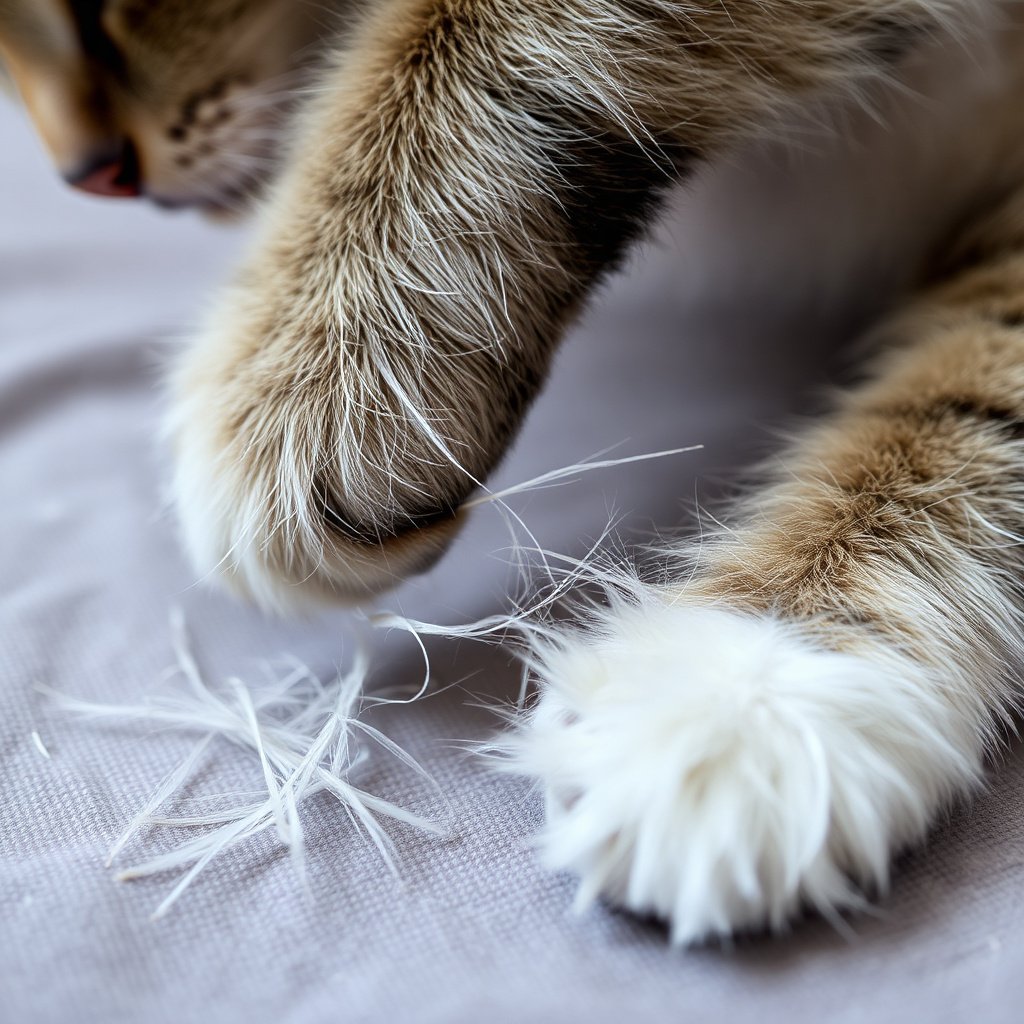
Cats typically shed more heavily during spring and fall when they lose their winter or summer coats. This natural cycle helps them adapt to temperature changes by swapping denser or lighter fur layers.
Recognizing these seasonal patterns allows cat owners to increase grooming frequency during these peak shedding times to control fur buildup and minimize loose hair in the house.
Health and Environmental Factors That Affect Shedding
Poor nutrition, stress, illness, and parasites can also increase shedding beyond normal amounts. Hair loss due to health issues often appears patchy or accompanied by skin irritation.
Environmental factors like low humidity or exposure to harsh cleaning chemicals affect the skin’s condition and fur quality, prompting more shedding as the body reacts defensively.
Effective Grooming Techniques to Reduce Shedding
Selecting the Best Cat Brushes for Shedding
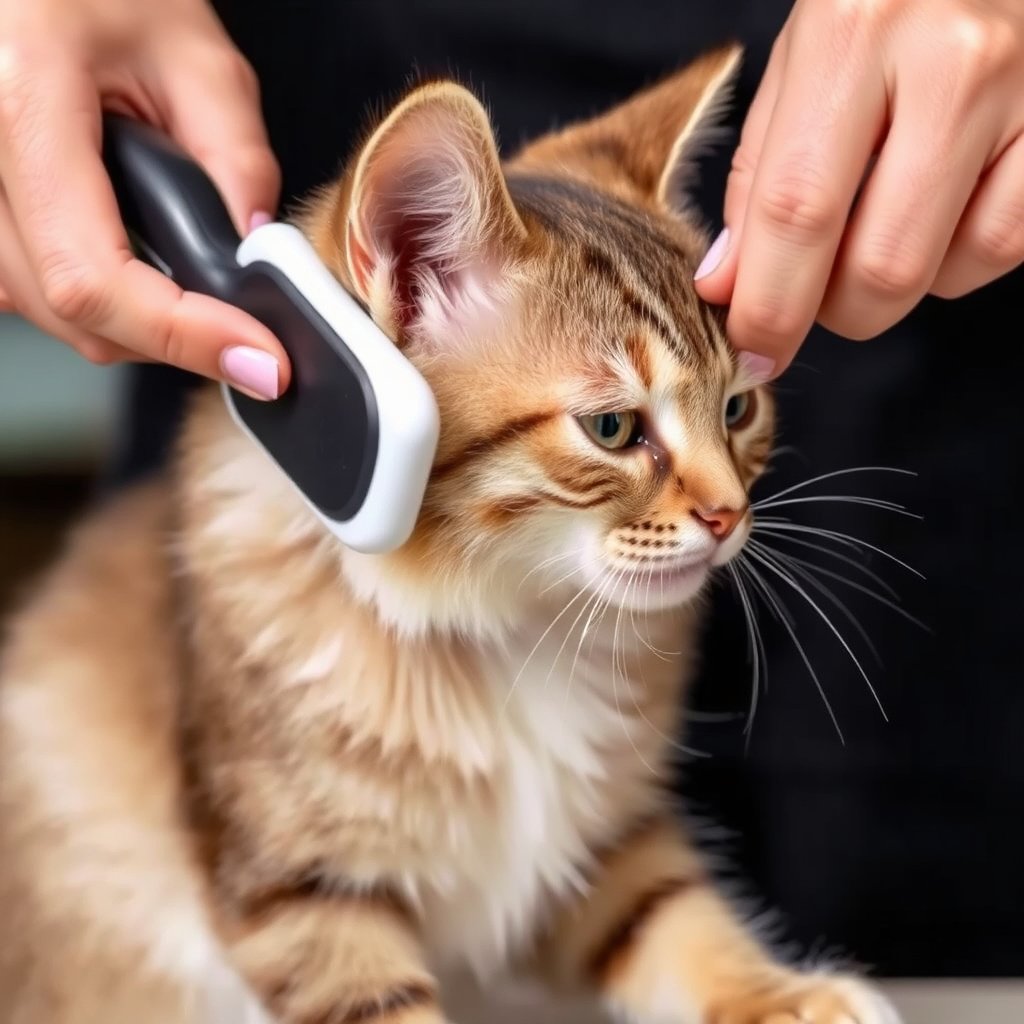
Choosing the right brush is essential for trapping fur before it ends up on furniture or clothes. Slicker brushes and de-shedding tools with fine teeth reach down to the undercoat, removing loose hairs effectively.
For long-haired cats, grooming combs help detangle matted areas and aid in fur removal. Regular brushing keeps the coat healthy by distributing natural oils and preventing fur clumps.
- Slicker brush for general fur removal
- Undercoat rake for thick coats
- Rubber grooming mitt for sensitive cats
- Pin brush for detangling long fur
For more on this, see our related guide: How to Get Rid of Dog Hair in a Washing Machine: 8 Effective Steps That Work.
Brushing Frequency and Best Practices
Daily brushing is ideal during heavy shedding seasons to capture the maximum amount of loose fur. Short-haired cats may require brushing a few times per week, while long-haired breeds usually need daily sessions.
Start brushing gently to avoid stressing your cat and use rewarding treats to create a positive grooming experience. Gradual sessions rather than lengthy brushing also help maintain cooperation.
Diet and Hydration's Role in Managing Shedding
Nutritional Needs for Healthy Fur
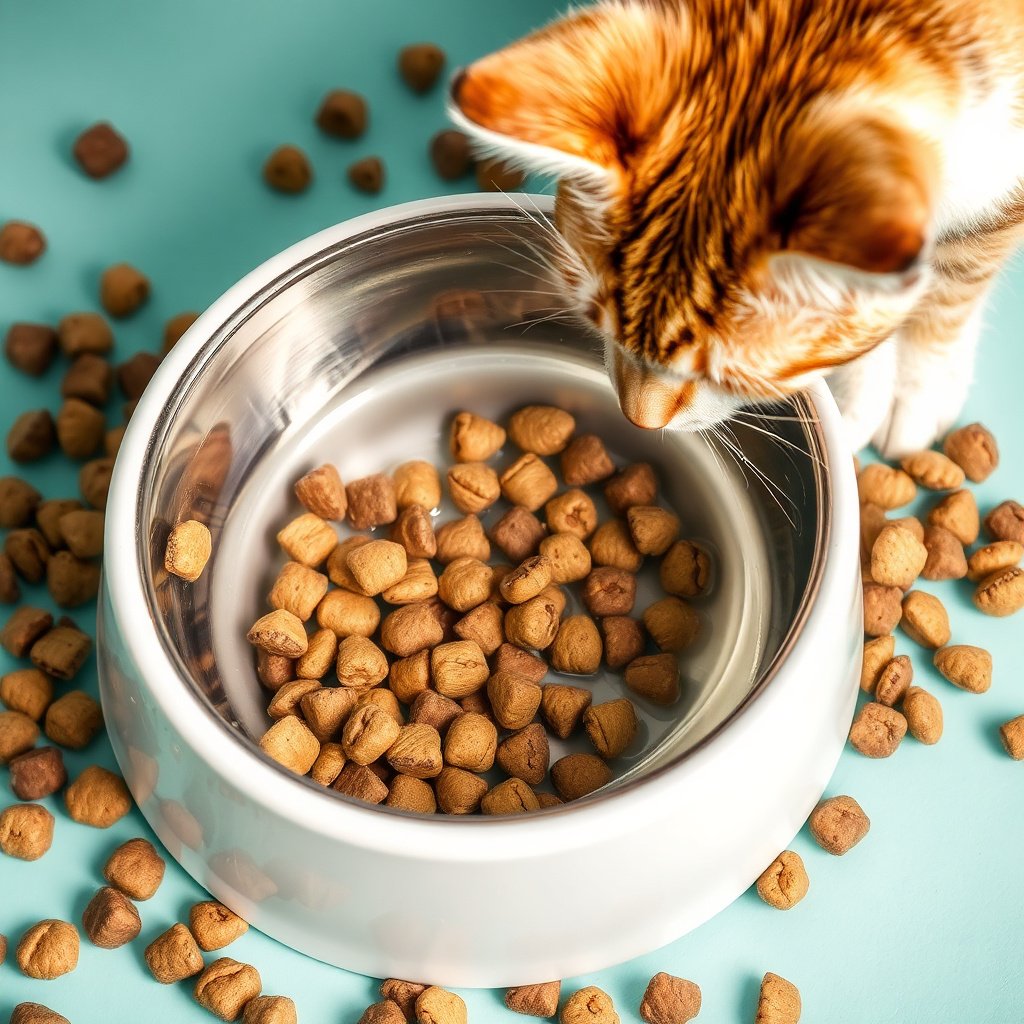
A balanced diet rich in omega-3 and omega-6 fatty acids promotes skin and coat health, minimizing excessive shedding. Foods high in protein support strong hair follicles and reduce breakage.
Supplementing with fatty acids or consulting your vet for a specialized diet can benefit cats prone to shedding caused by nutritional deficiencies.
- Look for cat food with added fish oil or flaxseed
- Avoid fillers that lack nutritional value
- Consider supplements after veterinary advice
Importance of Adequate Hydration
Proper hydration keeps the skin lubricated and resilient. Dehydration thickens skin and makes fur dry and brittle, leading to more shedding.
Encourage water intake by providing fresh water sources or wet cat food options, especially if your cat primarily eats dry kibble.
Cleaning and Managing Cat Hair in the Home
Best Tools for Removing Cat Hair Indoors
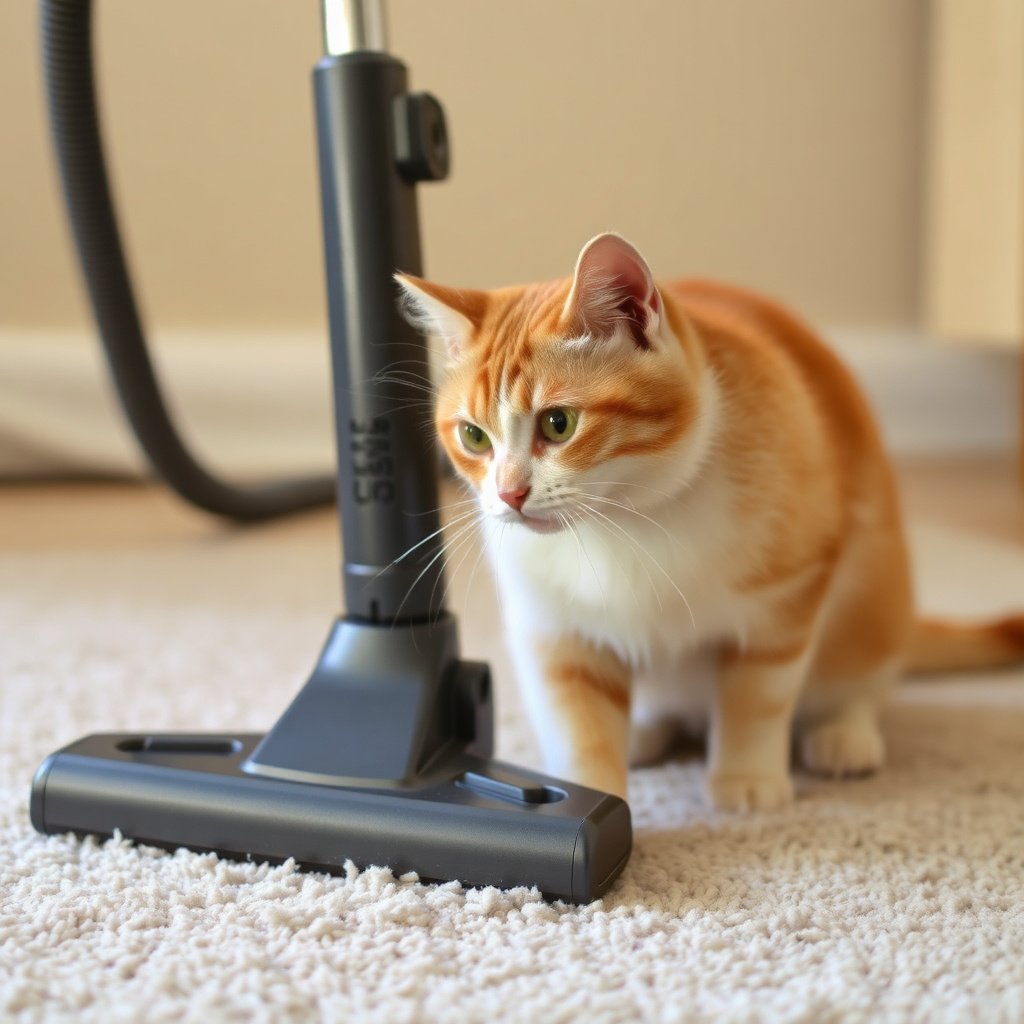
Vacuum cleaners with pet hair attachments effectively pull fur from carpets, upholstery, and hard floors. Lint rollers and rubber gloves can also pick up stray hairs from clothing and furniture surfaces.
Using washable microfiber cloths for dusting traps fine hairs without scattering them around, keeping living spaces cleaner.
- Vacuum cleaner with HEPA filter
- Sticky lint rollers or reusable silicone brushes
- Rubber gloves for wiping surfaces
- Microfiber cloths for dust and fur
For more on this, see our related guide: What Is Dog Shedding? A Complete Guide to Causes, Care & Control.
Routine Cleaning Habits to Minimize Fur Buildup
Establish a cleaning schedule that includes vacuuming high-traffic areas at least twice a week during shedding seasons. Frequently wash pet bedding and cushions where fur tends to collect.
Regular air circulation and the use of HEPA air purifiers can further reduce airborne pet hair and dander, improving indoor air quality.
When to Seek Veterinary Advice for Excessive Shedding
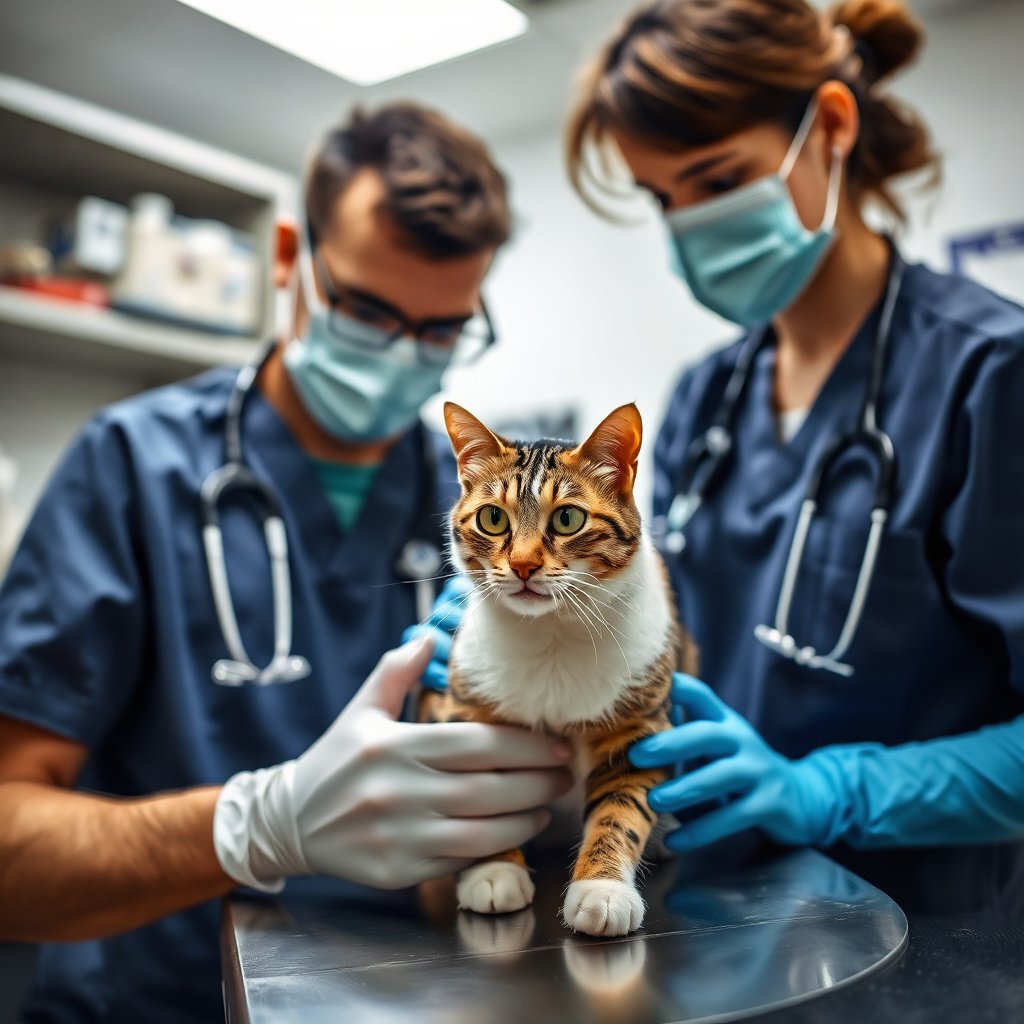
Recognizing Abnormal Shedding Patterns
If your cat sheds excessively without seasonal triggers or shows patches of hair loss accompanied by itching, redness, or sores, it may indicate underlying medical issues.
Such symptoms warrant prompt consultation to diagnose problems like parasites, allergies, fungal infections, or hormonal imbalances.
For more details on grooming practices and cat coat care, see the cat grooming overview on Wikipedia. cat grooming on Wikipedia.
Veterinary Diagnostics and Treatment Options
A veterinary exam might include skin scrapings, blood work, or allergy testing based on symptoms. Treatment could involve medicated shampoos, dietary changes, or prescription medications tailored to the cause.
Early intervention can prevent worsening of skin conditions and reduce abnormal shedding over time.
Cat Brush Types for Shedding Control: A Comparison
This table summarizes popular cat brush types and their best use cases for managing shedding effectively.
| Brush Type | Best Fur Type | Advantages | Limitations |
|---|---|---|---|
| Slicker Brush | Short & Medium | Removes loose fur efficiently; good for tangles | Can be harsh if used forcefully |
| Undercoat Rake | Thick & Long | Targets dense undercoat, reduces heavy shedding | May be uncomfortable for sensitive skin |
| Rubber Grooming Mitt | All Types | Gentle massage with moderate fur removal | Less effective on thick undercoat |
| Pin Brush | Long Hair | Detangles hair without pulling | Less effective for shedding reduction |
Frequently Asked Questions
How often should I brush my cat to reduce shedding?
During heavy shedding seasons, daily brushing is best to manage loose fur. For other times, brushing two to three times a week generally keeps shedding under control.
Can diet really affect how much my cat sheds?
Yes, a well-balanced diet rich in essential fatty acids strengthens the coat and skin, reducing excessive fur loss caused by nutritional deficiencies.
Is excessive shedding a sign of illness in cats?
Unusual or patchy shedding, especially with skin irritation, can indicate health problems and should be evaluated by a veterinarian.
What household tools help clean up cat fur effectively?
Vacuum cleaners with pet attachments, sticky lint rollers, rubber gloves, and microfiber cloths are effective at removing cat hair from floors, furniture, and clothing.
Are certain cat breeds more prone to shedding?
Yes, breeds with thick undercoats like Maine Coons and Persians typically shed more than short-haired breeds, requiring more grooming attention.
Key Takeaways
- Regular grooming with proper brushes reduces cat shedding significantly.
- Diet rich in omega fatty acids supports healthy, less shear-prone fur.
- Cleaning tools like vacuums and lint rollers manage shed fur indoors.
- Consult a vet if shedding is excessive or accompanied by skin issues.
Conclusion
Finding a balance between grooming, diet, and home maintenance creates the best environment to minimize cat shedding. Understanding why and when cats shed allows owners to adjust care routines accordingly for smoother fur management. Paying attention to seasonal changes and skin health helps owners act before shedding becomes overwhelming.
For cats with dense or long coats, investment in undercoat rakes and slicker brushes offers the most practical grooming results during peak shedding. Short-haired cats benefit from regular brushing with slicker brushes and mitts. Maintaining hydration and a high-quality diet improves coat condition, indirectly reducing the volume of loose fur your cat sheds. Meanwhile, consistent use of pet-specific vacuum attachments and lint removal tools ensures your living spaces stay clean and fur-free.
Start by observing your pet’s shedding pattern and build a grooming habit tailored to their coat type and lifestyle. Combine this with monitoring their diet and skin condition for long-term shedding control. If shedding seems unusual or excessive, consult your veterinarian to check for underlying problems. Taking these steps will help maintain both your cat’s comfort and a cleaner home.