Why Does My Dog Tremble at the Groomer? Understanding Canine Anxiety and Physical Reasons
Dogs trembling at the groomer can signal a variety of causes, ranging from nervousness to physical discomfort. When a dog shakes or shivers during grooming, it often reflects stress, fear, or an unfamiliar environment rather than illness. Understanding this trembling can help you take steps to make grooming a safer, more comfortable experience for your pet.
Many dogs experience stress in venues like groomers, which is an unusual setting full of strange sounds, smells, and handling by strangers. Trembling is a natural, involuntary response to that stress or mild fear. But sometimes trembling can also stem from cold, pain, or underlying health issues, which can be exacerbated if the dog's fur is cut short or if the tools used cause discomfort.
In this article, we'll explain the most common reasons why dogs tremble at the groomer, how to distinguish anxiety from medical causes, and share practical ways to reduce trembling through preparation and proper grooming techniques.
Understanding Canine Anxiety at the Groomer
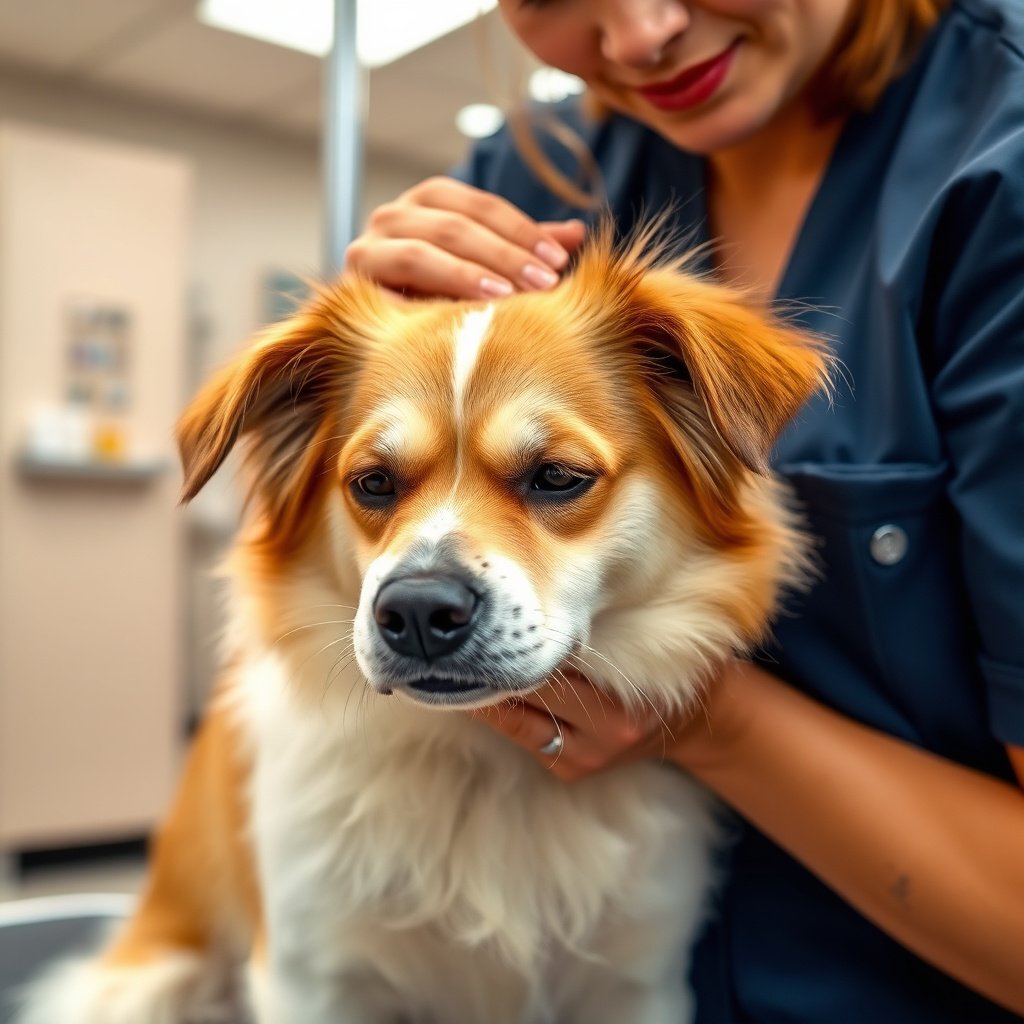
Signs of Anxiety in Dogs During Grooming
Dogs often exhibit signs such as trembling, panting, whining, or attempts to escape when anxious. Trembling at the groomer is a typical sign of emotional discomfort due to the unfamiliar environment, noises like clippers, or handling by strangers.
Anxiety can be intensified in dogs who are not used to grooming or have had a negative experience. Recognizing these symptoms early helps owners and groomers address the root cause before it escalates.
- Trembling or shaking
- Excessive panting
- Whining or barking
- Avoidance or restlessness
Causes of Grooming-Related Anxiety
Grooming often involves handling vulnerable areas such as paws and ears, which can trigger fear or discomfort. The loud noises from dryers or clippers can also stress sensitive dogs. Additionally, the disruption of routine and separation from owners contribute to anxiety.
Some dogs may associate grooming with past pain or harsh treatment, reinforcing fearful reactions. Age, breed traits, and socialization history also influence how a dog reacts during grooming sessions.
Physical Reasons Behind Trembling at the Groomer
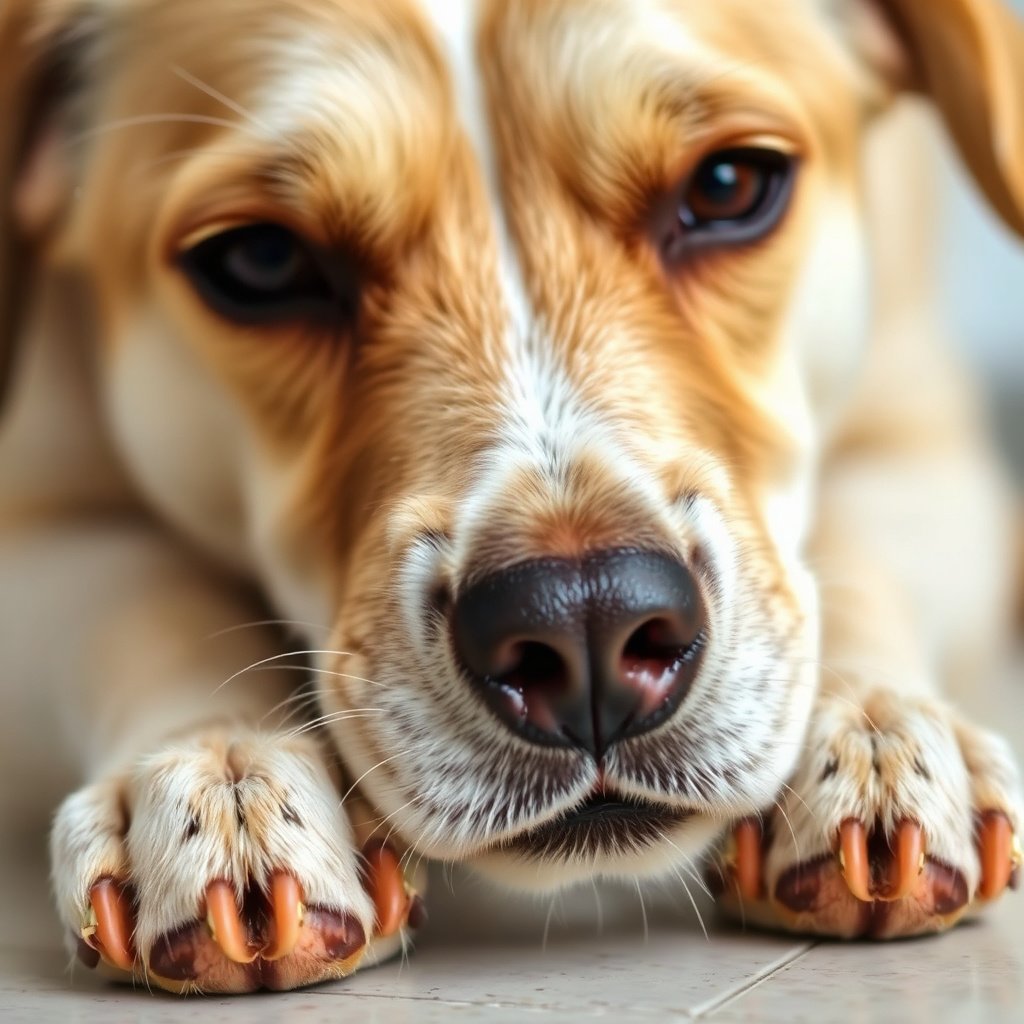
Cold and Sensory Stimuli During Grooming
Dogs may tremble if they feel cold during grooming, especially after having their fur trimmed short. The grooming salon's air conditioning or wet fur can cause a chill that triggers shivering.
Certain tools, like clippers vibrating against the skin, may cause discomfort or sensitivity that makes the dog tremble reflexively. Handling sensitive body parts can also provoke nervous shaking.
- Low grooming salon temperature
- Wet fur after bathing
- Vibrations from clippers
- Handling sensitive areas
Medical Conditions that May Cause Trembling
Underlying health issues such as pain from arthritis, muscle weakness, or neurological conditions can cause trembling that becomes more noticeable during grooming due to handling or stress.
Some dogs develop tremors related to age or breed-specific conditions. If trembling persists outside of grooming or worsens, a veterinary evaluation is recommended to rule out physical causes.
How to Prepare Your Dog to Reduce Trembling at the Groomer
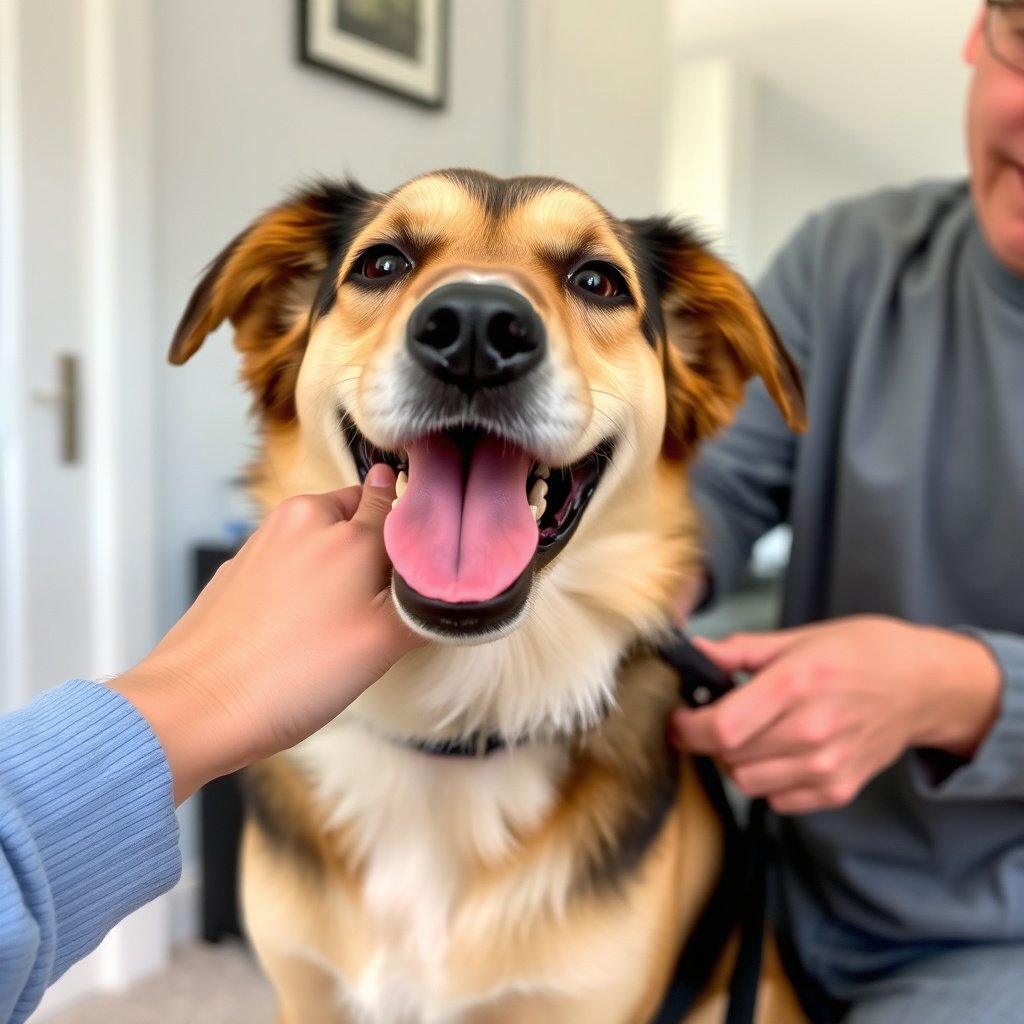
At-Home Conditioning Before Grooming Visits
Acclimating your dog to grooming tools like brushes and clippers at home can reduce fear during appointments. Positive reinforcement with treats and praise during these practices builds comfort and trust.
Regularly handling paws, ears, and other sensitive areas gently while rewarding calm behavior helps your dog accept grooming as a normal activity rather than a stressful event.
- Introduce grooming tools gradually
- Use treats as positive reinforcement
- Handle sensitive areas gently
- Practice short sessions consistently
For more on this, see our related guide: How to Make a Dog Like Baths: 8 Proven Steps to a Stress-Free Bath Time.
Choosing the Right Grooming Environment
Selecting a calm, experienced groomer who understands dog anxiety can make a huge difference in your pet’s comfort. Some groomers offer quiet hour appointments or use low-stress handling methods.
Consider the salon’s temperature and noise level, which affect trembling. Bringing familiar items like a favorite toy or blanket can also provide reassurance.
- Research groomer experience with anxious dogs
- Look for quiet grooming salons
- Schedule less busy appointment times
- Bring comforting items from home
Techniques Groomers Use to Soothe Trembling Dogs
Low-Stress Handling and Communication
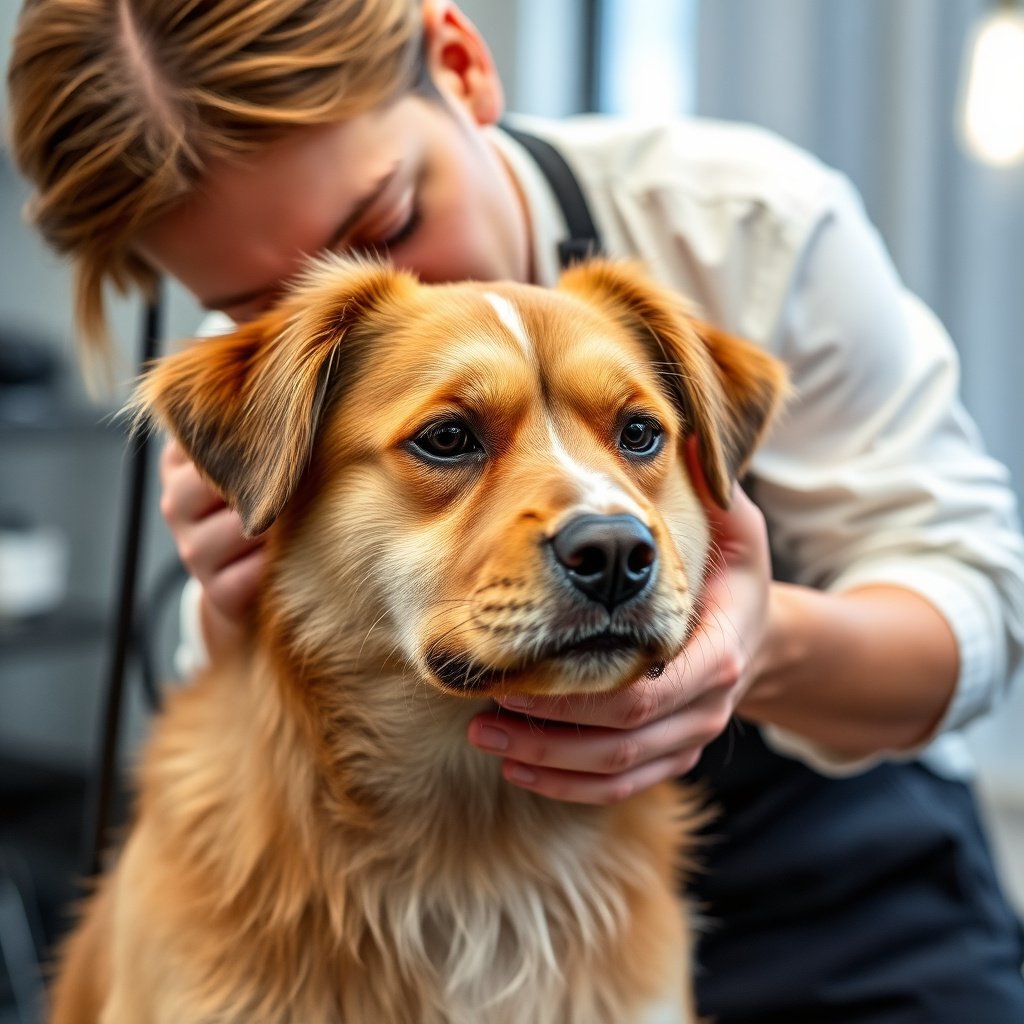
Experienced groomers use calm voices, gentle touch, and pauses if the dog seems anxious or trembling. Allowing the dog breaks and speaking soothingly builds trust between the handler and the pet.
Some groomers incorporate massage or slow strokes before grooming to relax muscles and ease nervousness, which helps reduce trembling caused by stress.
- Gentle, slow movements
- Soothing voice tone
- Frequent breaks to calm the dog
- Relaxing massages pre-grooming
Environmental Adjustments by Groomers
To reduce shaking, groomers may lower noise levels by turning off clippers when not in use or using quieter equipment. They regulate room temperature to avoid chills, especially when dogs are wet or newly shaved.
Using non-slip mats and keeping familiar scents or soft music can also create a comfortable atmosphere that lessens trembling.
- Use quieter tools
- Maintain a warm grooming area
- Provide non-slip mats
- Play calming music or maintain familiar scents
When to Consult a Veterinarian About Your Dog’s Trembling
Recognizing Concerning Trembling Patterns
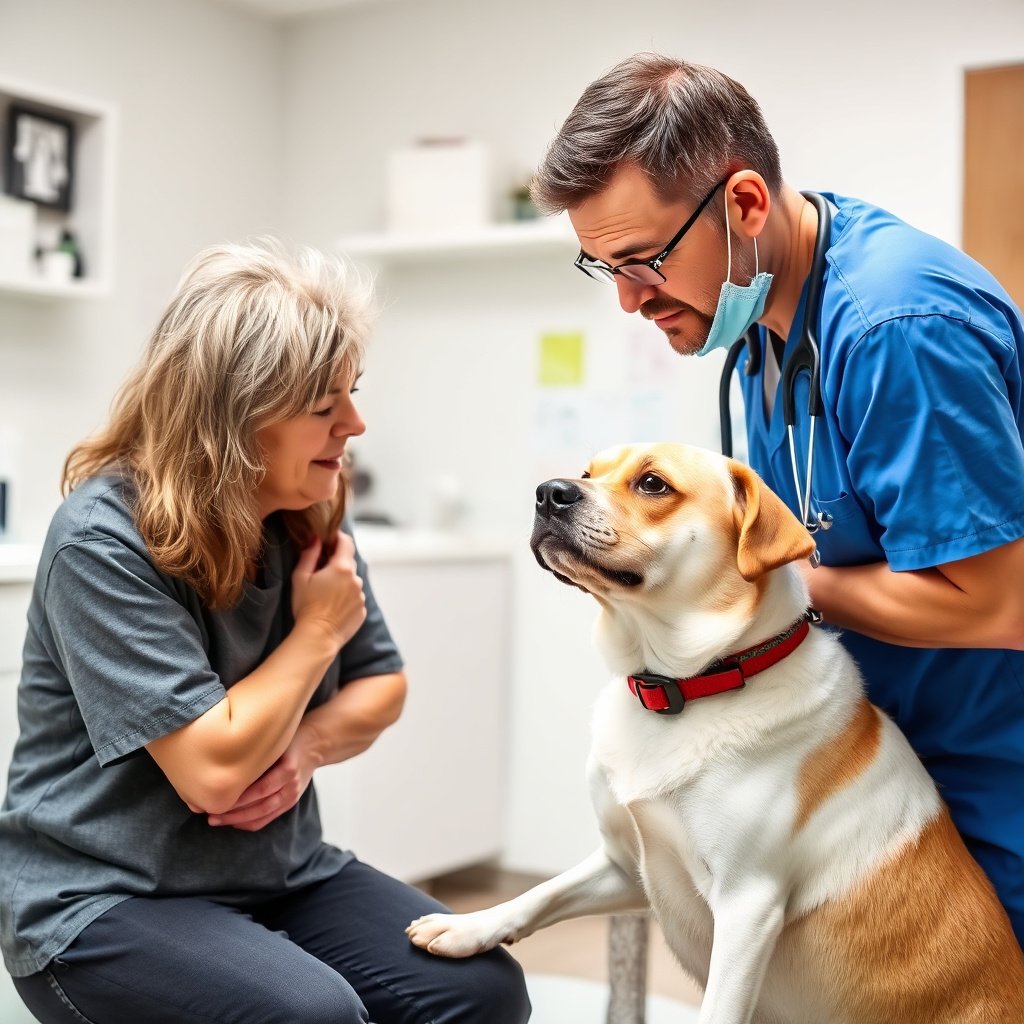
If trembling occurs outside grooming, becomes more intense, or is accompanied by other symptoms like weakness or pain, professional veterinary evaluation is needed. Such signs may indicate medical problems requiring treatment.
Sudden onset of severe shaking or tremors can signal serious conditions like poisoning, neurological disease, or metabolic disorders that require urgent care.
- Trembling persisting beyond grooming
- Signs of pain or distress
- Sudden intense shaking
- Other neurological symptoms
For more on this, see our related guide: Why Does My Dog Hate the Groomer? 8 Ways to Calm and Help Them.
Veterinary Approaches to Trembling
Veterinarians perform physical exams and diagnostic tests to identify causes of tremors, which might include arthritis or neurological diseases. They can recommend appropriate medication or pain management plans.
In cases linked to anxiety, vets might suggest behavioral interventions or anti-anxiety medications to complement efforts by groomers and owners.
Helping Your Dog After Grooming to Reduce Residual Trembling
Post-Grooming Comfort Measures
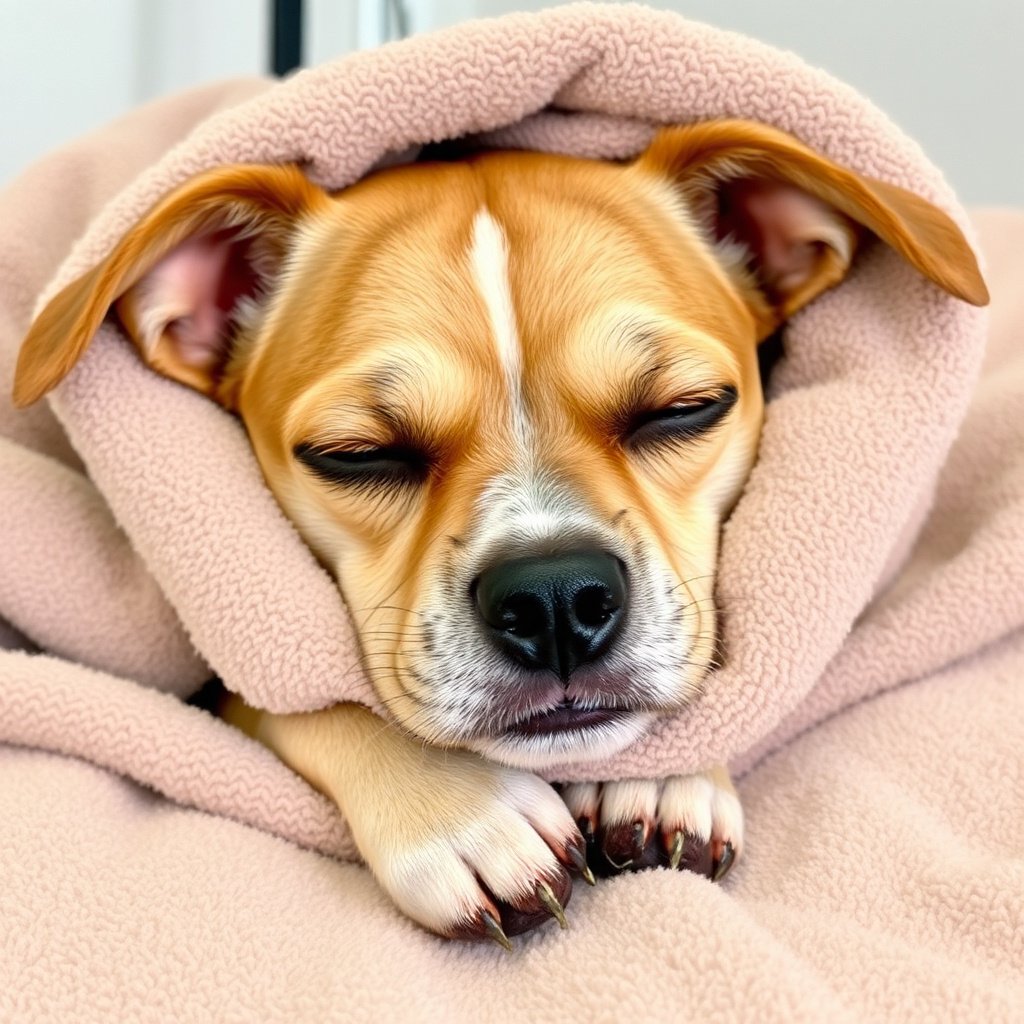
Immediately after grooming, wrapping your dog in a warm towel or blanket helps alleviate chills. Gentle petting and calm voices soothe lingering anxiety causing trembles.
Offering a quiet space for rest and some treats reinforces positive grooming associations and helps your dog relax fully after the session.
- Warm wrapping with towel or blanket
- Gentle petting and calm reassurance
- Providing treats and quiet space
- Avoid overstimulation post-grooming
For more detailed insights on dog grooming anxiety symptoms and management, the ASPCA offers a helpful resource on behavioral issues. dog grooming anxiety on ASPCA.
Long-Term Strategies for Reduced Grooming Anxiety
Consistently rewarding calm behavior during and after grooming appointments fosters positive memories. Gradually increasing grooming frequency also reduces fear, as the dog learns to expect and accept the routine.
Keeping grooming sessions short and stress-free promotes overall well-being and prevents trembling linked to anxious buildup over time.
- Positive reinforcement at each session
- Regular, short grooming appointments
- Reducing stressful triggers gradually
- Building a consistent grooming routine
Common Causes of Dog Trembling at the Groomer Compared
The following table outlines key characteristics of different causes behind trembling during grooming sessions to help identify the source.
| Cause | Symptoms | Onset Timing | Typical Duration | Intervention |
|---|---|---|---|---|
| Anxiety | Trembling, panting, restlessness | Occurs upon arrival or during grooming | Stops after calming or grooming ends | Soothing, acclimation, positive reinforcement |
| Cold/Shivering | Visible shivering, cold ears or paws | After bath or hair cutting | Until dry and warmed | Provide warmth, drying towels |
| Pain-Related Trembling | Localized tremors, flinching or guarding | Triggered by handling sensitive areas | Persists if untreated | Veterinary diagnosis, pain management |
| Neurological Conditions | Continuous shaking, possible disorientation | Occurs anytime, may worsen | Chronic or episodic | Veterinary treatment required |
| Excitement or Anticipation | Mild trembling, wagging tail | Before or during grooming start | Brief and resolves quickly | Positive distraction, calm environment |
Frequently Asked Questions
Is trembling at the groomer always a sign of fear?
Trembling often indicates fear but can also result from cold, excitement, or physical discomfort. Observing your dog's overall behavior helps determine if the cause is anxiety or something else.
How can I tell if my dog’s trembling is due to cold after grooming?
If trembling happens mostly after bathing or clipping and your dog feels cold to the touch, shivering likely stems from chilliness. Providing warmth typically stops the shaking quickly.
What should I do if my dog trembles excessively during grooming?
Try to keep your dog calm by using gentle reassurance and taking breaks. If trembling is severe or paired with distress, consider consulting a groomer who specializes in anxious dogs or a veterinarian.
Can grooming frequency affect my dog’s trembling at the groomer?
Yes, dogs less familiar with grooming might shake more due to fear. Regular, gentle grooming sessions can build positive experiences and reduce trembling over time.
Are there any breeds more prone to trembling during grooming?
Some small breeds and breeds prone to anxiety, like Chihuahuas or Toy Poodles, may tremble more. Individual temperament plays a strong role regardless of breed.
Key Takeaways
- Trembling at the groomer is often caused by anxiety or fear related to unfamiliar handling and environment.
- Physical reasons like cold or sensitivity to grooming tools can also trigger shaking during sessions.
- Preparing your dog with positive acclimation and choosing a calm grooming environment helps minimize trembling.
- Consulting a veterinarian is recommended if trembling persists or is accompanied by other symptoms.
Conclusion
When your dog trembles at the groomer, it's usually a signal of nervousness or sensitivity to a new environment and handling. Recognizing whether trembling comes from anxiety, physical discomfort, or a medical issue is key to addressing it effectively. Observing your dog’s overall behavior and their reactions before, during, and after grooming provides valuable clues to their experience, allowing you to take thoughtful actions that improve their comfort and well-being during these routine but sometimes stressful visits.
Dogs with mild anxiety tend to benefit from gradual exposure to grooming tools and environments, combined with positive rewards, calm grooming techniques, and familiarizing visits to a patient groomer. For dogs sensitive to cold or sensitive areas, using warm towels and gentle handling reduces trembling. In cases tied to pain or medical conditions, seeking veterinary advice ensures proper diagnosis and treatment. Whether your dog needs frequent grooming for health or appearance, tailoring approaches based on your dog’s individual needs reduces stress and trembling significantly.
Your next step should be to closely monitor your dog's reactions during grooming attempts and to communicate openly with your groomer about any observed trembling or distress. Try some at-home conditioning practices and evaluate the grooming environment for comfort factors. If trembling continues despite these efforts, scheduling a veterinary consultation will help rule out medical causes and identify targeted treatments. A well-informed, patient approach can transform grooming into a more pleasant experience for both you and your dog.