
How to Get Pet Hair Off Carpet: Effective Cleaning Tips and Tools
Removing pet hair from carpet can be straightforward with the right approach. To get pet hair off carpet effectively, you can use tools like rubber gloves, vacuum cleaners with specialized attachments, or even damp sponges. These methods loosen and collect hair embedded in carpet fibers for easy removal.
Pet hair accumulation can make your living space look messy and worsen allergies if not addressed regularly. Carpets trap hair deeply, so choosing a method that lifts hair without damaging fibers or leaving residue is key. Quick, frequent cleaning prevents buildup and keeps your carpet looking fresh.
This article explains various techniques, from handy DIY solutions to recommended commercial tools. It also covers how carpet material affects hair removal, maintenance tips to prevent buildup, and comparisons of popular pet hair removers. You'll learn what works best for different carpet types and levels of shedding.
Understanding Carpet Types and Pet Hair Challenges
How Carpet Fibers Affect Pet Hair Removal
Certain carpet fibers, like nylon and polyester, repel pet hair more than natural fibers such as wool. Synthetic fibers are smoother, making hair less likely to cling tightly, while looped carpets trap hair deeper, complicating removal. Understanding your carpet’s fiber type helps in selecting the right cleaning methods.
Cut pile carpets tend to release pet hair more easily with agitation, whereas loop pile carpets hold hair in their loops. Using tools that reach deep into the fibers or methods that create static can improve hair pickup significantly.
Common Pet Hair Removal Issues by Carpet Type
Thick, plush carpets trap pet hair in the dense pile, requiring more intense vacuuming or manual removal. Low-pile carpets generally make hair removal simpler but may clog vacuum filters quickly when pet hair is abundant.
Some carpets are more delicate and can fray if scrubbed aggressively. Choosing gentle but effective tools like rubber brushes or microfiber cloths helps protect carpet integrity while still removing hair.
Manual Pet Hair Removal Techniques
Using Rubber Gloves for Effective Hair Collection
Wearing slightly dampened rubber gloves and running your hands over the carpet creates static electricity, pulling hair up from carpet fibers. This method works well on short to medium pile carpets and is affordable with common household items.
The hair sticks to the glove surface and can be gathered into clumps for easy disposal. This technique is especially useful for spot cleaning and hard-to-reach areas where vacuuming isn’t convenient.
- Dampen gloves slightly with water
- Rub in one direction to lift hair
- Repeat as needed until hair is removed
Using Damp Sponges or Microfiber Cloths
Dampening a kitchen sponge or microfiber cloth and rubbing it over carpet picks up loose hair by trapping it on the surface. This technique is suited for smaller areas and complements vacuuming by capturing hair that vacuums may miss.
It is important to keep the cloth just moist enough so it doesn’t soak the carpet but still creates adhesion. Regularly rinsing the cloth during use maintains its effectiveness.
- Use a slightly damp cloth
- Rub over carpet in sections
- Rinse cloth as it collects hair
Mechanical Tools to Remove Pet Hair from Carpet
Vacuum Cleaners with Pet Hair Attachments
Vacuum cleaners designed for pet owners come equipped with specialized brushes and high suction power to lift embedded hair efficiently. Attachments like motorized pet brushes or rubber nozzles help loosen hair before suction removes it.
Regular vacuuming with these tools prevents hair buildup and maintains carpet appearance. Filters designed for pet dander also improve air quality during cleaning.
- Use motorized pet hair tool attachments
- Empty vacuum frequently to prevent clogging
- Vacuum in multiple directions for deep cleaning
For more on this, see our related guide: How to Get Dog Urine Smell Out of Carpet: Effective Cleaning Solutions.
Manual Carpet Sweepers and Lint Rollers
Manual carpet sweepers use brushes that rotate to gather hair into an internal compartment, which works well for light shedding. Lint rollers are also effective for quick removal in smaller areas or spot cleaning.
While less powerful than vacuum cleaners, manual tools offer quieter operation and no electricity dependence, beneficial for quick pet hair cleanup tasks.
- Best for light to medium shedding
- Quick spot cleaning with lint rollers
- Empty compartments regularly
Commercial Products Designed for Pet Hair Removal
Pet Hair Removal Brushes and Grooming Tools
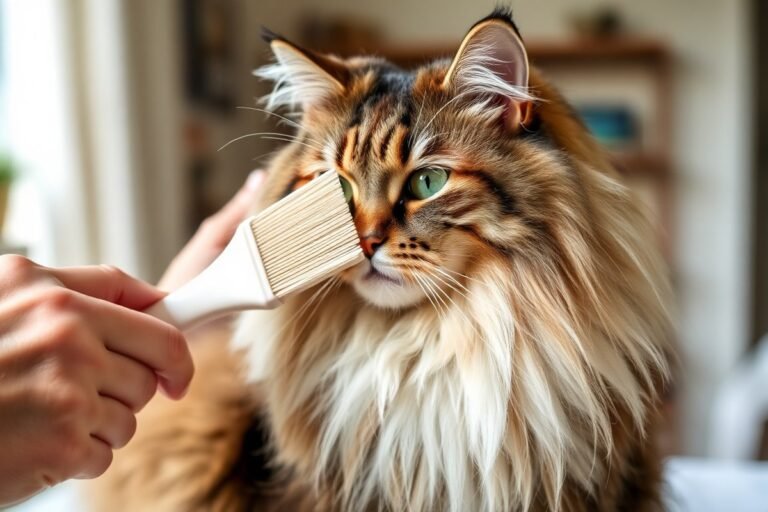
Brushes with rubber bristles or silicone teeth designed specifically for carpets can loosen hair fibers effectively. Grooming your pet regularly with similar brushes also reduces shedding, helping prevent excessive hair on carpets.
These brushes are easy to clean, reusable, and affordable. Using them in combination with other cleaning techniques maximizes pet hair removal.
- Rubber bristle brushes
- Silicone grooming gloves
- Pet hair removal combs
Specialized Cleaning Sprays and Solutions
Some commercial sprays reduce static cling on carpets and loosen hair fibers, making vacuuming or brushing more successful. These products can also be safe for pets and leave carpets smelling fresh.
Apply sprays as directed and combine with physical removal tools for best results. Test on a small carpet area first to avoid discoloration.
- Anti-static carpet sprays
- Pet-safe deodorizers
- Hair loosening formulas
Preventive Measures to Minimize Pet Hair on Carpet
Regular Pet Grooming Practices
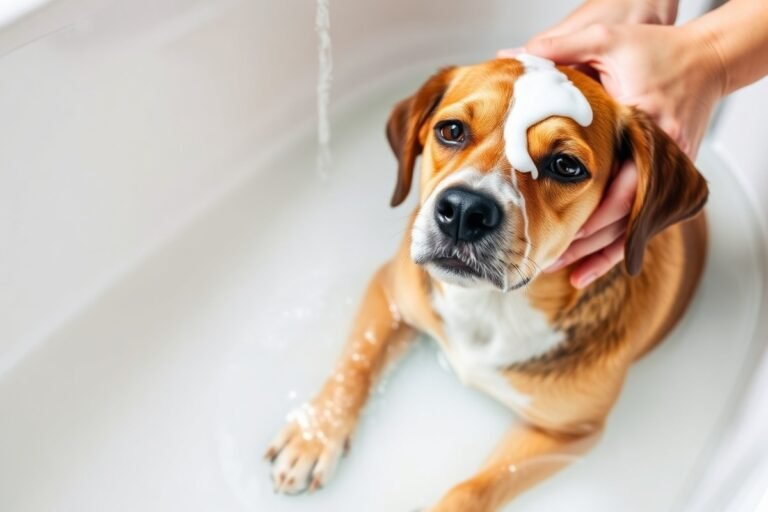
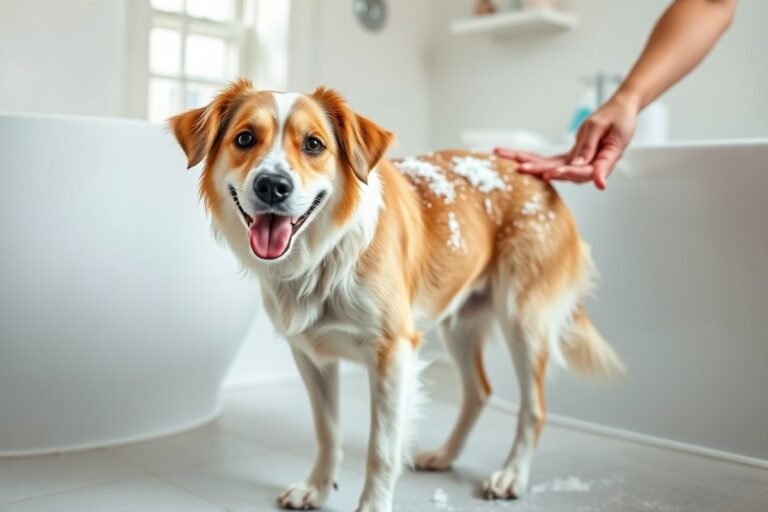
Regularly brushing and bathing your pet reduces loose hair at the source. Shedding control shampoos and supplements may further minimize hair loss. Grooming helps keep carpets cleaner by preventing hair accumulation before it reaches the floor.
Establish a grooming routine suited to your pet’s breed and coat type to significantly lower the volume of hair that falls onto carpets daily.
- Brush pets daily during shedding seasons
- Use deshedding tools like Furminators
- Schedule professional grooming when needed
For more on this, see our related guide: How to Get Rid of Fleas on Cats: Effective Treatments and Prevention Tips.
Using Mats and Covers in High-Shed Areas
Placing washable mats or rugs in spots where pets sleep or lounge traps hair in an easier-to-clean surface. These covers can be shaken out or machine washed regularly, protecting your main carpet.
Furniture protectors and slipcovers also reduce hair spread and simplify cleaning, helping maintain overall cleanliness throughout your home.
- Use washable pet beds and mats
- Add couch covers to catch fur
- Clean these regularly to prevent buildup
Integrating Different Methods for Best Results
Combining Manual and Mechanical Techniques
Starting with rubber gloves or damp cloths to lift surface hair, followed by vacuuming with pet hair attachments, efficiently removes both loose and embedded hair. This layered approach saves time and achieves a thorough clean.
Manual methods help dislodge hair trapped in carpet fibers, making vacuum suction more effective and reducing clogging.
- Manual hair lifting then vacuuming
- Use brushes before vacuum for stubborn hairs
- Repeat regularly for maintenance
For more detailed information about pet hair characteristics and management, visit this Pet Hair Removal overview. Pet Hair Removal.
Maintaining a Regular Cleaning Schedule
Consistent cleaning prevents excessive hair build-up on carpet. Weekly vacuuming with pet-specific tools combined with quick manual cleanups between sessions keeps carpets fresh and reduces allergens.
Regular grooming and use of mats complement cleaning efforts, creating a pet hair management system rather than relying on occasional deep cleaning.
- Schedule weekly carpet cleaning
- Incorporate quick daily spot treatments
- Regularly groom and bathe pets
Comparison of Popular Pet Hair Removal Methods for Carpets
Here’s a look at how different pet hair removal methods stack up based on effectiveness, cost, and ease of use.
| Method | Effectiveness | Cost | Ease of Use | Best For |
|---|---|---|---|---|
| Rubber Gloves | High for surface hair | Very low | Easy | Small areas, spot cleaning |
| Vacuum with Pet Attachment | Very high | Moderate to high | Moderate | Whole room, deep cleaning |
| Damp Sponge or Cloth | Medium | Very low | Easy | Small spills of hair |
| Manual Carpet Sweeper | Medium | Low to moderate | Easy | Light shedding, quiet use |
| Commercial Brushes | High | Low | Easy | Frequent grooming and carpet care |
| Specialized Sprays | Medium | Moderate | Moderate | Enhanced vacuuming and brushing |
Frequently Asked Questions
Can I use a lint roller on carpet for pet hair?
Lint rollers work best on smooth surfaces and low-pile carpets. They can pick up loose pet hair but might struggle with hair embedded deep in thick carpets.
How often should I vacuum to keep pet hair under control?
Vacuuming at least twice a week with a pet hair attachment helps manage shedding and prevents hair buildup on carpets.
Are there household items that can help remove pet hair from carpets?
Yes, damp rubber gloves and microfiber cloths are effective DIY options to collect pet hair without special equipment.
Do carpet sprays damage my carpet or affect my pets?
Most pet-safe carpet sprays are designed to be gentle and non-toxic; always check product labels and test a small area first to avoid discoloration.
What’s the best way to prevent pet hair from accumulating on carpets?
Frequent pet grooming combined with placing washable mats in high-traffic pet areas reduces the amount of hair that reaches carpets significantly.
Key Takeaways
- Different carpet fibers react uniquely to pet hair removal efforts.
- Rubber gloves and vacuum attachments are highly effective tools for pet hair removal.
- Regular grooming and using washable mats help reduce carpet hair buildup.
- Combining manual and mechanical methods yields the best cleaning results.
Conclusion
Figuring out how to get pet hair off carpet hinges on understanding your carpet type and selecting the right combination of tools. Fiber composition and carpet pile affect how hair clings, so knowing these details guides your cleaning strategy. Integrating manual tactics like rubber gloves with mechanical methods such as specialized vacuum attachments allows for thorough removal. This layered approach not only clears existing hair but also helps maintain carpet appearance and hygiene over time.
For homes with heavier shedding pets, investing in a quality vacuum equipped with pet hair attachments and grooming your pets regularly can greatly reduce hair accumulation. In smaller living spaces or for light shedding, rubber gloves or damp cloths present cost-effective, convenient alternatives. Additionally, using washable mats in pet lounging areas localizes hair and simplifies cleanup. Commercial brushes and safe deodorizing sprays can enhance these methods, bringing added ease and freshness to your carpet maintenance routine.
Ultimately, the best path forward involves testing what works effectively with your carpet and pet situation, then incorporating those methods into a consistent schedule. Start by removing surface hair manually to prevent vacuum clogging, follow with a vacuum suited for pet hair, and groom pets often to minimize loose hairs. By combining these steps, you’ll create a cleaner, more comfortable environment for both your family and furry friends.

One Comment