How to Keep a Dog Clean in the Winter: Essential Tips for Pet Hygiene
Keeping a dog clean in the winter requires regular grooming, timely baths with lukewarm water, and attention to drying off wet fur and paws after outdoor walks. Winter weather brings mud, snow, and salt that can cling to your dog's coat and skin. Managing these elements quickly reduces dirt buildup, skin irritation, and unpleasant odors.
Winter dryness and cold can cause your dog's skin to become flaky or irritated, so hygiene isn’t just about appearance but also preventing discomfort or infections. Maintaining cleanliness also helps control shedding and keeps your home cleaner, protecting furniture and floors from winter grime carried indoors.
This article outlines step-by-step methods for bathing, brushing, paw care, and coat management adapted for cold weather. It also discusses tools, products, and seasonal grooming routines that promote healthy skin and a clean dog throughout the winter months.
Winter Bathing Techniques for Dogs
Choosing the Right Water Temperature
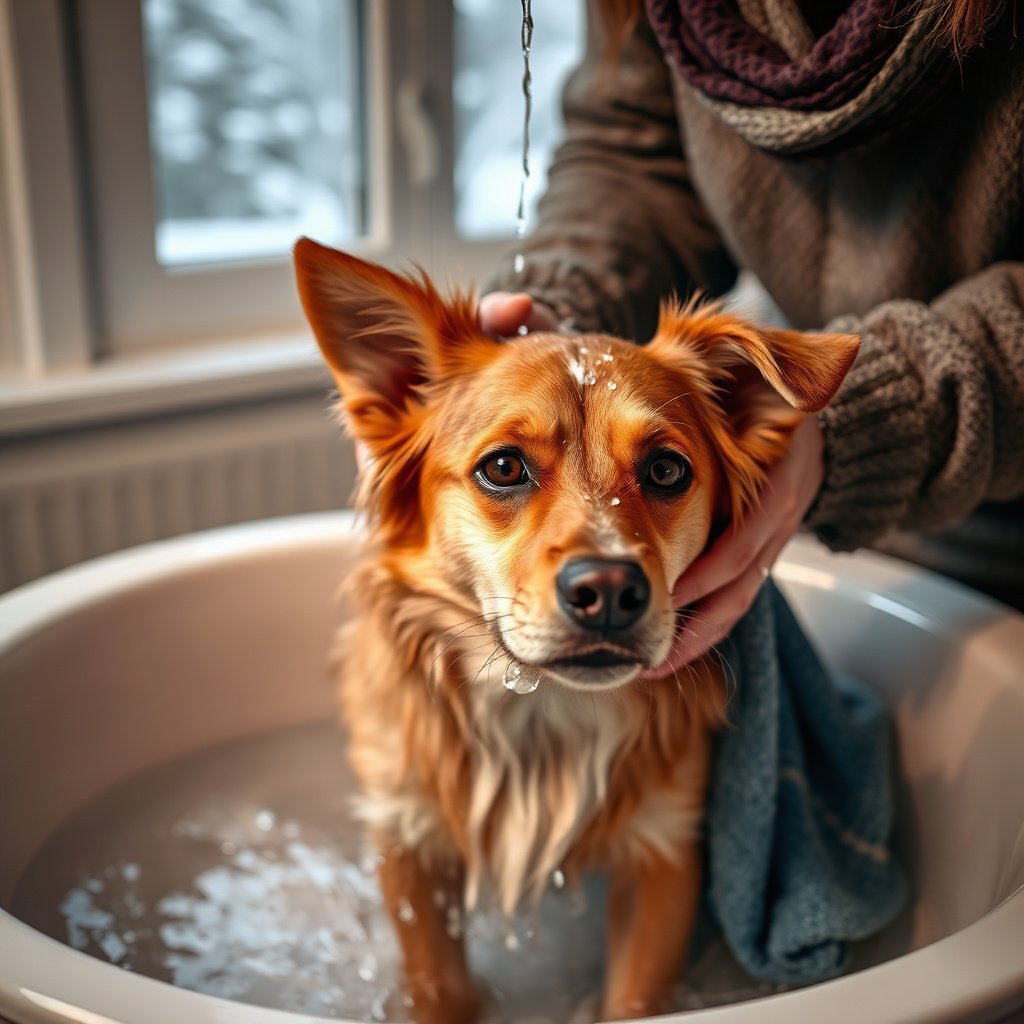
Using lukewarm water is crucial when bathing dogs in winter to avoid chilling their skin. Water that's too cold shocks their system, while overly hot water can strip natural oils causing dryness. Aim for a comfortable warmth around 85-90°F (29-32°C) for a gentle, safe wash.
Ensure the bathing area is draft-free and warm, preventing your dog from catching a chill post-bath. This controlled temperature environment helps retain moisture and supports skin health during the drying process.
- Avoid cold water even if your dog enjoys swimming
- Use a thermometer or test by hand to check warmth
- Keep bath duration brief to minimize chill risk
Selecting Winter-Friendly Shampoos
Opt for moisturizing and gentle shampoos formulated for sensitive skin in colder months. These often contain oatmeal, aloe, or coconut oil to soothe dryness and prevent irritation. Avoid harsh detergents or frequent washing that could worsen winter skin issues.
Regular shampooing frequency can be reduced to once every 3-4 weeks unless the dog gets especially dirty outdoors. Using conditioners after shampooing helps restore the coat's moisture barrier against winter elements.
- Look for shampoos with hydrating ingredients
- Avoid products with strong fragrances or chemicals
- Use leave-in conditioners to lock in moisture
Daily Grooming Practices to Maintain Cleanliness
Brushing to Remove Dirt and Matted Fur
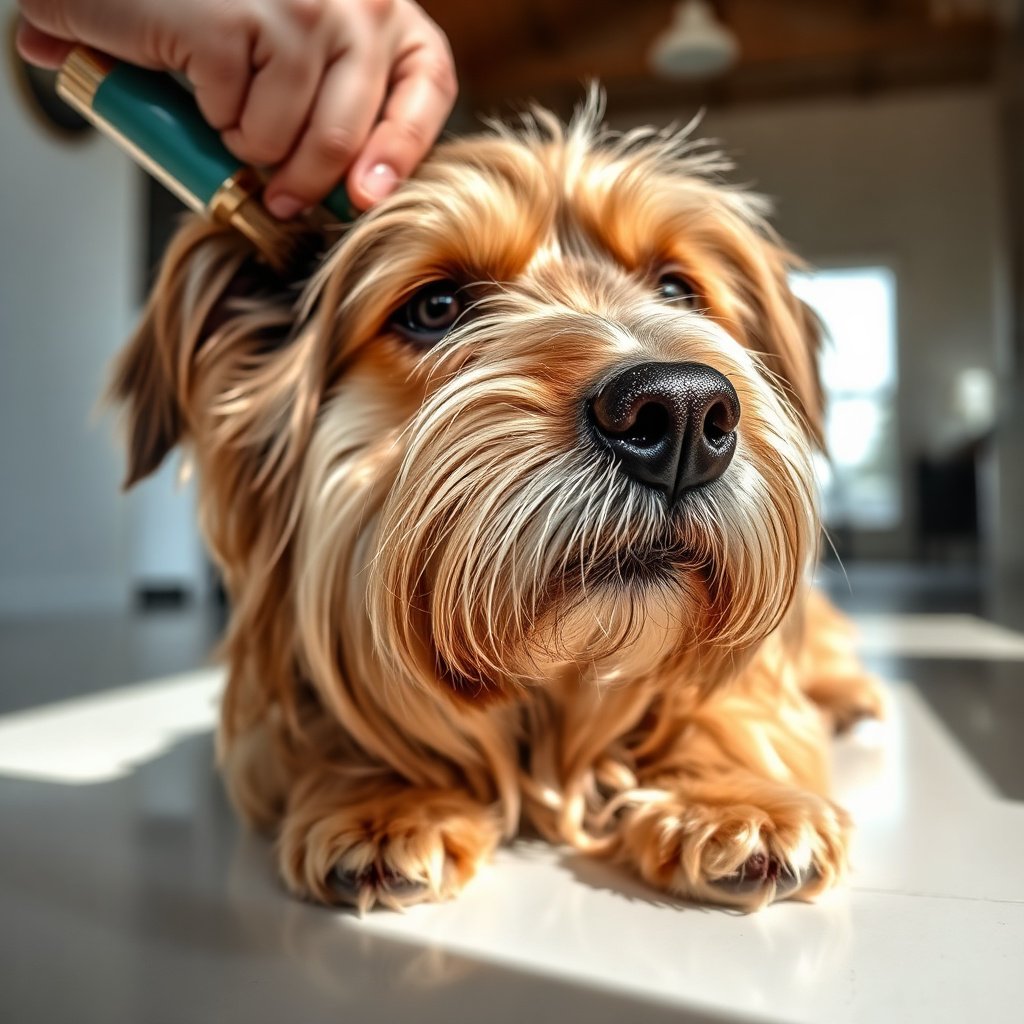
Daily brushing helps remove dirt, snow debris, and dead hair trapped in the coat, which is especially important in winter when dogs shed less but still accumulate grime. Use a slicker brush or comb suitable for your dog’s coat type to prevent mats and tangles.
Brushing distributes natural oils from the skin along the hair shaft, keeping fur shiny and healthy during dry winter months. This also helps you monitor skin for redness, dryness, or parasites hiding beneath thicker winter coats.
- Brush after every outdoor walk during snowy weather
- Choose tools based on coat type: slicker, pin, or bristle brushes
- Gently detangle mats without pulling painfully
For more on this, see our related guide: Why Does My Dog Have Brown Paws? A Complete Guide with Proven Solutions.
Cleaning Paws and Preventing Salt Exposure
Road salt and chemicals accumulate on paw pads, causing irritation and dryness. Wiping paws after every walk with a damp cloth or a paw-specific wipe helps clear harmful residues. Applying a protective balm creates a barrier against cold and salt.
Trim fur between paw pads to prevent snowballs forming that trap dirt and ice. Short nails also reduce slipping and damage during icy walks, contributing to overall paw health throughout the winter season.
- Use pet-safe paw wipes or warm water damp cloths
- Apply paw balm before and after walks in salted areas
- Regularly trim fur and nails for better paw hygiene
Winter Coat Care and Protection
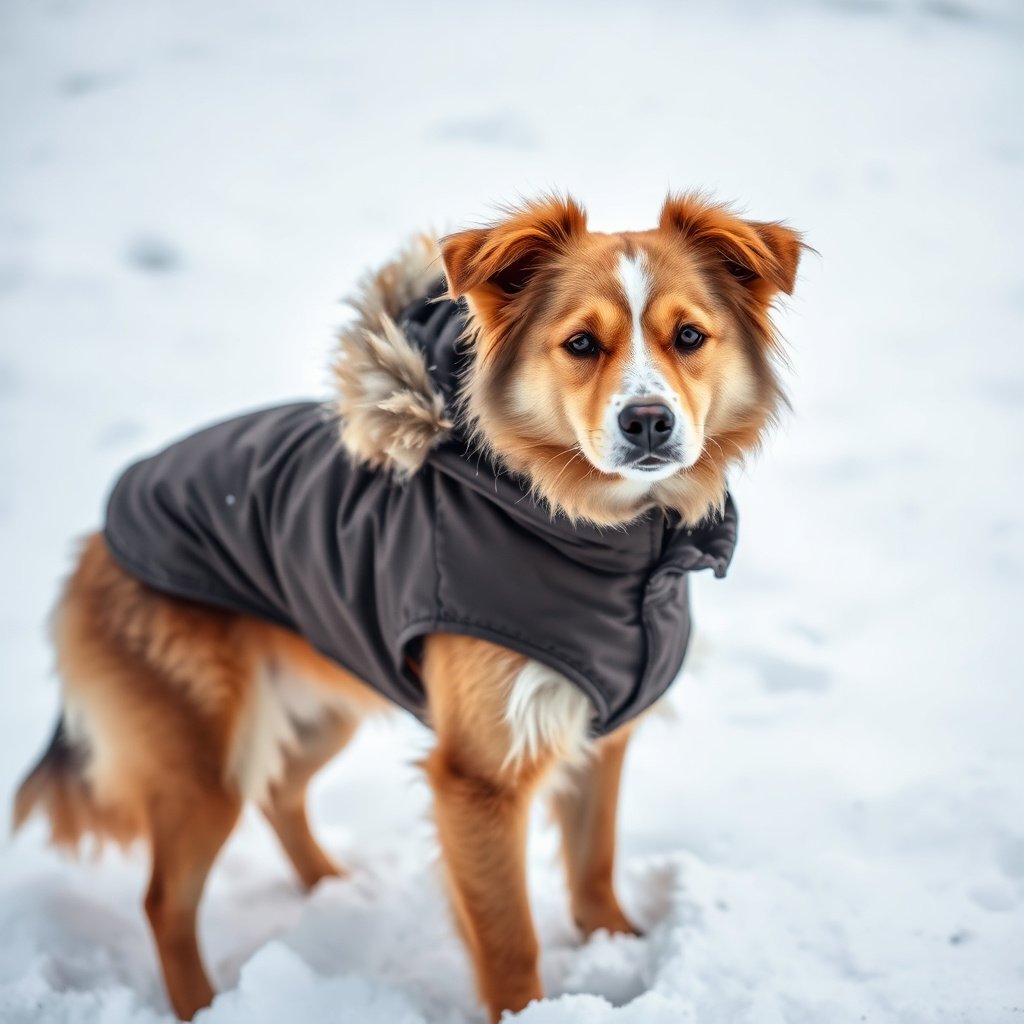
Choosing Appropriate Winter Dog Apparel
For short-haired or small breeds, dog coats or sweaters add a layer of warmth and protect the fur from snow and dirt accumulation. Select materials that breathe yet repel moisture, avoiding thick fabrics that can trap wetness against the skin.
Properly fitted apparel prevents chafing and allows freedom of movement. This gear also minimizes the frequency of baths by shielding the coat from outdoor elements, simplifying winter hygiene routines.
- Opt for waterproof or water-resistant jackets
- Use fleece-lined sweaters for indoor warmth
- Ensure apparel fits without restricting movement
Maintaining the Coat’s Natural Oils
Winter dry air often strips natural skin oils, resulting in brittle fur and dry patches. Gentle brushing combined with avoiding excessive washing helps preserve this protective oil layer. Using supplements rich in omega fatty acids can support coat health from within.
Regularly check for flaky or irritated skin signs that indicate imbalance. Spot treatments with mild oils like coconut or almond can soothe conditions without overwhelming the coat's natural protection.
- Incorporate omega-3 or omega-6 supplements after vet approval
- Limit use of drying shampoos in winter
- Apply spot moisturizers for dry skin areas
Indoor Care Tips for Winter Cleanliness
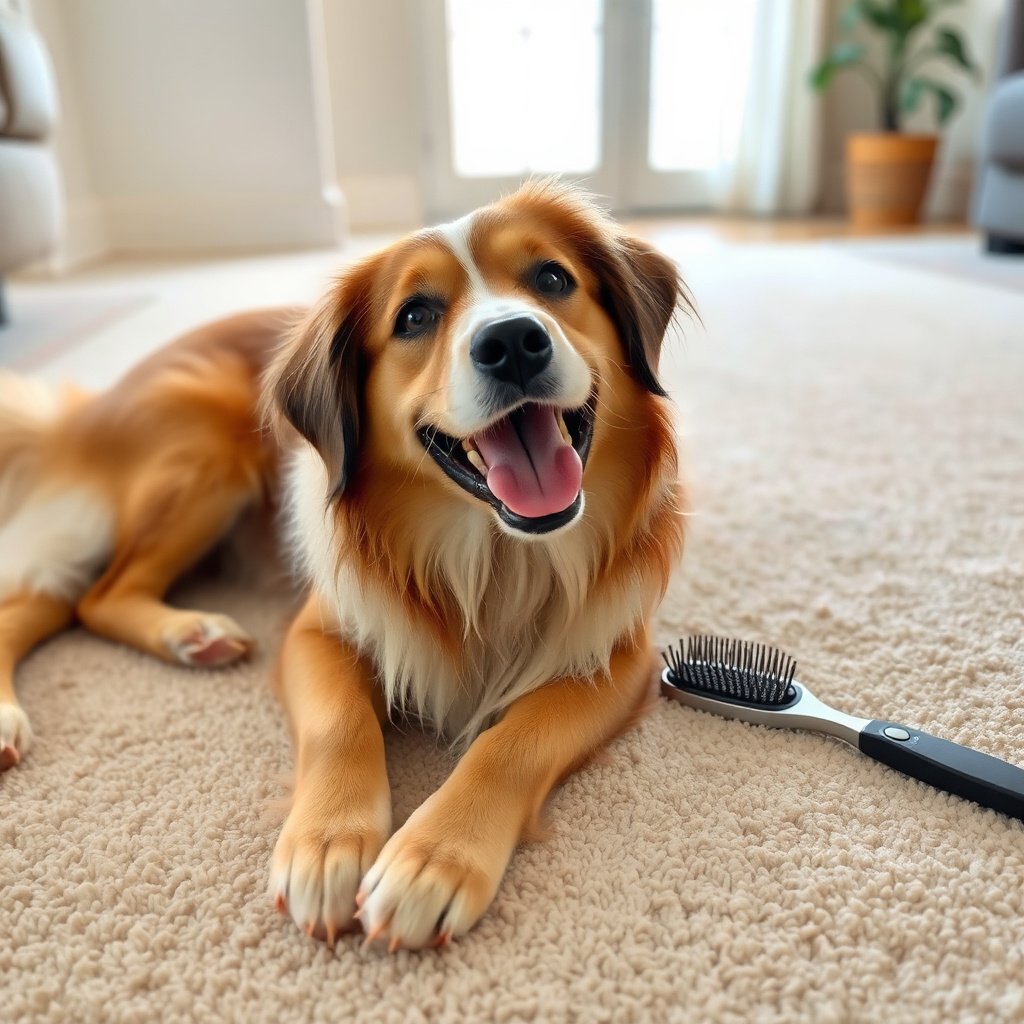
Regular Cleaning of Dog Bedding and Toys
Winter mud and outdoor pollutants tracked inside require frequent washing of dog bedding, blankets, and soft toys. Use mild detergents and hot water cycles to remove dirt and potential allergens to maintain a fresh sleeping environment.
Maintain rotation of toys, cleaning hard plastic or rubber toys with pet-safe disinfectants to limit bacteria buildup during cold months when outdoor playtime is reduced.
- Wash bedding weekly or more if soaked with snow or dirt
- Clean toys biweekly with proper pet-safe cleaners
- Dry items thoroughly before reuse to prevent mold
For more on this, see our related guide: How Many Baths Does a Dog Need? A Complete Guide to Bathing Frequency.
Using Dry Shampoo and Waterless Cleaning Options
Dry shampoos and waterless sprays offer convenient interim cleaning solutions on days between baths or after brief outdoor messes. These products absorb oils and remove surface dirt without water, preventing skin dryness in winter.
Choose gentle, fragrance-free formulas designed specifically for dogs, and follow instructions closely. Combined with brushing, waterless cleaning methods keep your pet fresh and comfortable indoors.
- Use dry shampoos sparingly to avoid coat buildup
- Apply waterless sprays to damp areas or odorous spots
- Brush coat after waterless treatment for best results
Health Considerations Impacting Winter Cleanliness
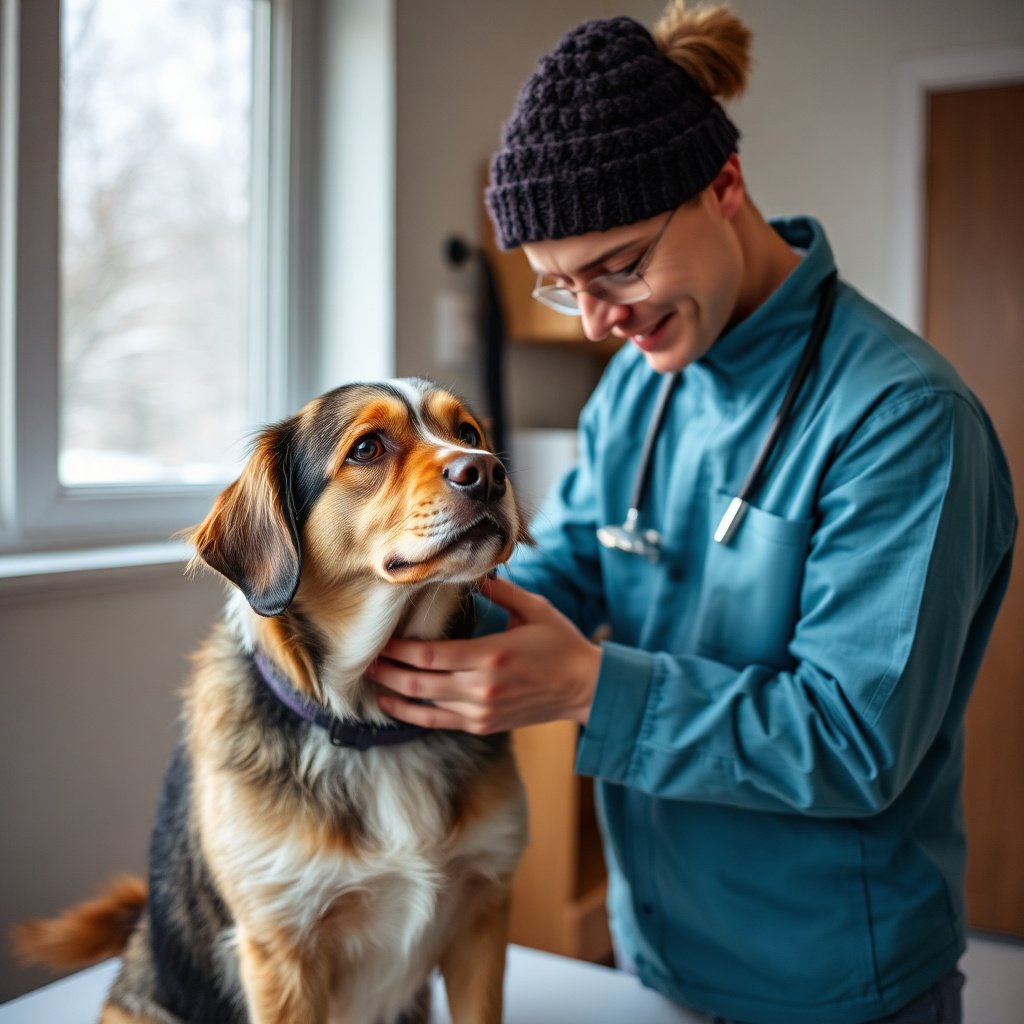
Monitoring for Winter-Related Skin Conditions
Cold air and indoor heating can cause dry, flaky skin or exacerbate conditions like eczema or fungal infections. Regular observation of the coat and skin allows early detection and better response to these issues before they worsen.
Consult your vet for specialized shampoos, topical treatments, or dietary changes if your dog’s skin appears red, itchy, or patchy during winter. Prompt care supports quick recovery and sustained hygiene.
- Look for scaling, redness, or constant scratching
- Adjust grooming products if irritation occurs
- Veterinary check-ups recommended for persistent issues
For more in-depth advice on winter care for dogs, the American Veterinary Medical Association offers valuable resources. winter care for dogs.
Diet and Hydration’s Role in Coat Health
A balanced winter diet with proper hydration impacts coat cleanliness and skin resilience. Dry indoor air can dehydrate both pets and their skin, contributing to itchiness or dull fur. Adding omega fatty acids or supplements can improve coat shine and barrier function.
Ensure fresh water availability at all times to prevent dehydration. Adjust food types seasonally based on activity changes and vet advice to maintain a healthy weight and coat condition.
- Incorporate fish oils or flaxseed in diet after vet confirmation
- Encourage regular water intake, even during cold weather
- Monitor body condition and adjust feeding as needed
Winter Dog Cleanliness Methods Comparison
Compare popular winter dog grooming methods based on effectiveness, ease of use, and skin health benefits to find the best approach for your pet.
| Method | Effectiveness | Ease of Use | Skin Health Impact |
|---|---|---|---|
| Regular Lukewarm Baths | High | Moderate | Supports skin but risks dryness if overdone |
| Daily Brushing | Moderate | Easy | Excellent for oil distribution and mat prevention |
| Paw Cleaning & Balm | High | Easy | Prevents irritation and salt damage |
| Winter Apparel | Moderate | Easy | Protects coat but not direct skin health |
| Dry Shampoo Use | Moderate | Very Easy | Gentle but can build up if overused |
Frequently Asked Questions
How often should I bathe my dog during winter?
Bathing every 3-4 weeks is sufficient unless your dog gets particularly dirty. Over-bathing can dry out the skin, so balance baths with regular brushing.
Can I use human shampoo on my dog in winter?
Human shampoos often contain ingredients that can irritate a dog’s skin, especially in winter. Always use shampoos specially formulated for dogs with moisturizing properties.
What should I do if my dog’s paws are cracked from the cold?
Apply a pet-safe paw balm regularly and wipe paws after walks to remove salt and dirt. If cracking worsens, consult a veterinarian for possible treatment.
Is it necessary to use dog coats during winter?
Short-haired or small breeds benefit from coats in cold weather for warmth and cleanliness, but dogs with thick fur usually manage fine without them.
How can I keep my dog’s coat healthy indoors during winter?
Regular brushing, maintaining diet with omega fatty acids, and avoiding harsh shampoos help maintain coat health despite indoor heating and dry air.
Key Takeaways
- Use lukewarm water and moisturizing shampoos for winter baths
- Daily brushing and paw care prevent dirt build-up and irritation
- Winter dog apparel protects fur and reduces washing frequency
- Proper diet and hydration support skin and coat health in cold months
Conclusion
Keeping a dog clean in the winter involves more than just occasional baths; it requires a balanced approach combining grooming, paw care, and protecting the coat from harsh weather. Regular brushing supports natural oil distribution, while paw cleaning shields against irritants like salt. Selecting the right shampoo temperature and formula can maintain skin moisture without stripping away essential oils. Paying attention to these details helps prevent winter dryness, itching, and discomfort, ultimately promoting a happier, healthier dog during colder months.
For dogs with short fur or sensitive skin, incorporating winter dog grooming tips such as protective apparel and moisturizing paw balms is especially helpful to maintain cleanliness and warmth simultaneously. Dogs that spend a lot of time outdoors benefit from paw wipes and quick dry shampoos, while those with thicker coats may require fewer baths but more frequent brushing. Adjusting diet with omega fatty acid supplements further supports skin resilience and coat shine. Tailor your winter care routine to your dog's specific breed, lifestyle, and environment for best results.
As the next step, gather the recommended grooming tools—like a slicker brush, gentle moisturizing shampoo, and paw balm—and set a regular schedule for bathing and brushing based on your dog's activity level. Monitor their skin and coat condition closely and consider vet advice if dryness or irritation occurs. Adopting these practices will make winter hygiene manageable, keeping your dog clean, comfortable, and ready to enjoy the season.