Why Does My Dog Lick Me So Much? Understanding Canine Licking Behavior
Dogs lick their owners frequently because it is a natural form of communication and affection. When your dog licks you, they are often expressing love, seeking attention, or exploring their environment through taste and scent. This behavior can also serve as a way for dogs to bond and show submission or respect.
This licking habit matters because it reflects your dog's emotional state and their way of interacting with you. Dogs that lick excessively might be experiencing stress, anxiety, or simply trying to soothe themselves. Understanding why dogs lick can help you better respond to their needs and maintain a healthy relationship.
This article will explore the common reasons behind why dogs lick their owners so much, including biological instincts, emotional motivations, and social behaviors. You’ll also learn when licking signals health issues, how to manage excessive licking, and what it indicates about your bond with your dog.
The Biological Reasons Behind Why Dogs Lick You So Much
Instinctual Behavior and Taste Exploration
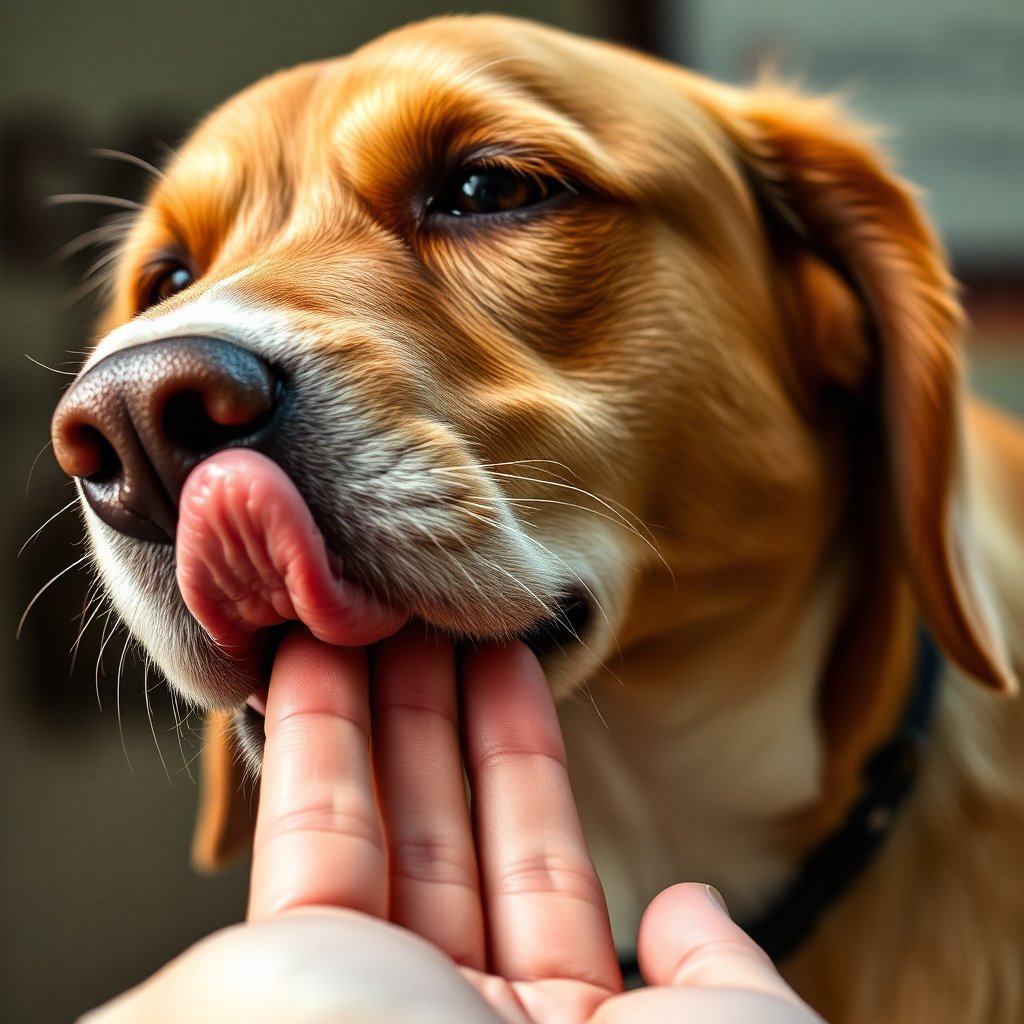
Dogs use licking as a way to explore their surroundings since their sense of taste and smell are closely linked. Puppies lick their mothers to encourage nursing, and adult dogs continue this behavior by licking humans to gather sensory information about their environment and people.
The salty taste of human skin, especially after sweating, can also encourage licking. This instinctual behavior extends from their wild ancestors who used licking to clean wounds or show care within their pack.
Communication and Social Bonding Through Licking
Licking serves as a form of social communication. Dogs lick to signal submission, affection, or to initiate social interactions. This licking behavior helps strengthen pack bonds and often translates into their relationships with humans.
Owners often interpret licking as a positive sign of trust and attachment, as it indicates your dog feels comfortable and connected to you.
Emotional Motivations for Dogs Licking You
Expressing Affection and Seeking Comfort
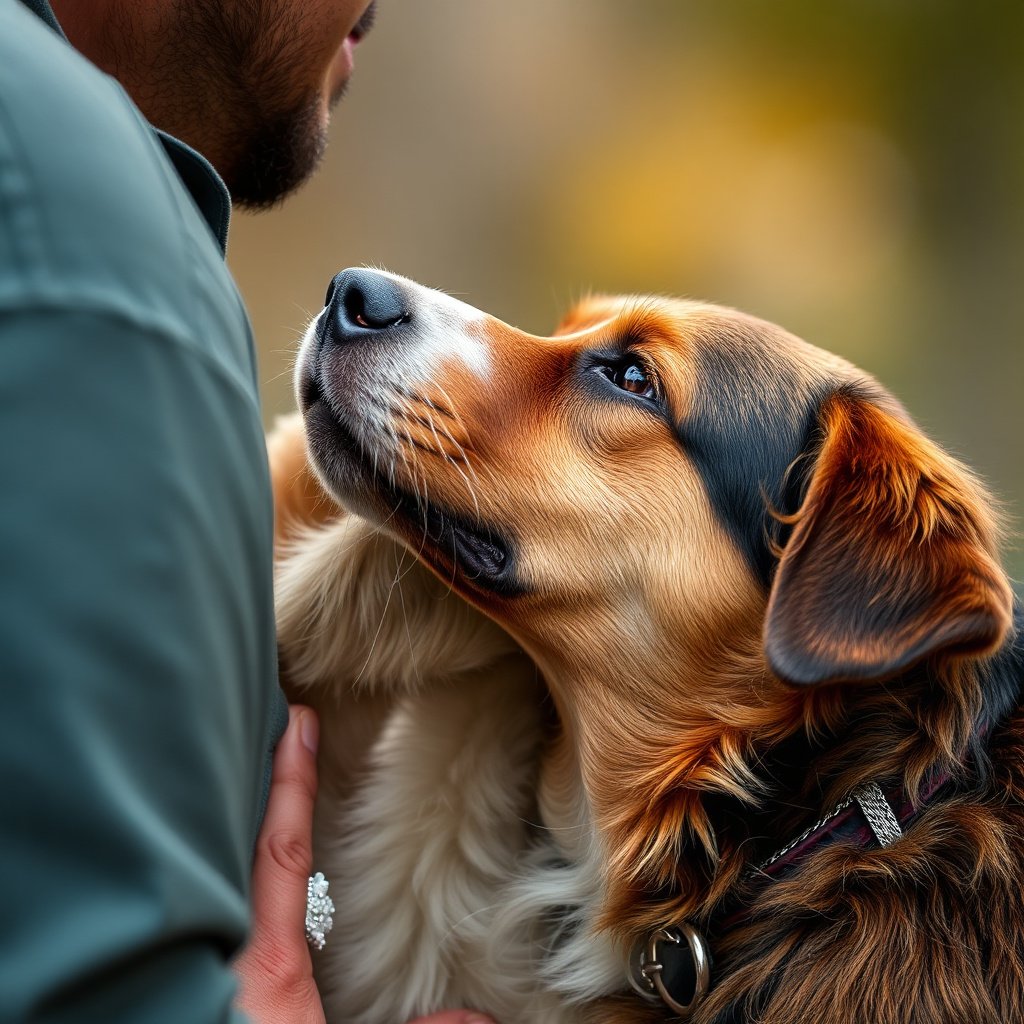
Dogs lick their owners to express affection and to seek comfort when they feel anxious or stressed. This behavior is similar to how puppies lick their mothers and littermates to feel secure and reassured.
If your dog licks you during moments of distress or excitement, it may be a way of asking for reassurance or calming themselves.
For more on this, see our related guide: Why Does My Dog Shake After a Bath? 8 Key Reasons and Solutions.
Attention-Seeking and Habitual Licking
Many dogs learn that licking gets their owner’s attention, so they repeat the behavior as a way to engage with you. It can develop into a habit, especially if the licking results in positive interactions or rewards.
This habitual licking might sometimes become excessive and require gentle behavior modification if it interferes with daily life.
When Should You Be Concerned About Excessive Licking?
Signs of Anxiety or Stress-Related Licking
Excessive licking can be a sign your dog is experiencing anxiety, stress, or boredom. This behavior might become a coping mechanism similar to nail-biting in humans.
If the licking seems compulsive or directed at unusual targets like themselves or furniture, it might indicate an emotional or behavioral issue needing veterinary advice.
- Frequently licking themselves
- Licking when left alone
- Licking walls or floors
Medical Causes Behind Persistent Licking
Persistent licking can sometimes point to an underlying health concern, such as allergies, skin infections, or pain. Dogs often lick irritated or painful areas to soothe discomfort.
If licking is accompanied by redness, swelling, or hair loss, a vet should evaluate the issue to rule out medical causes.
- Skin allergies
- Infections
- Pain or discomfort
Managing and Redirecting Dog Licking Behavior
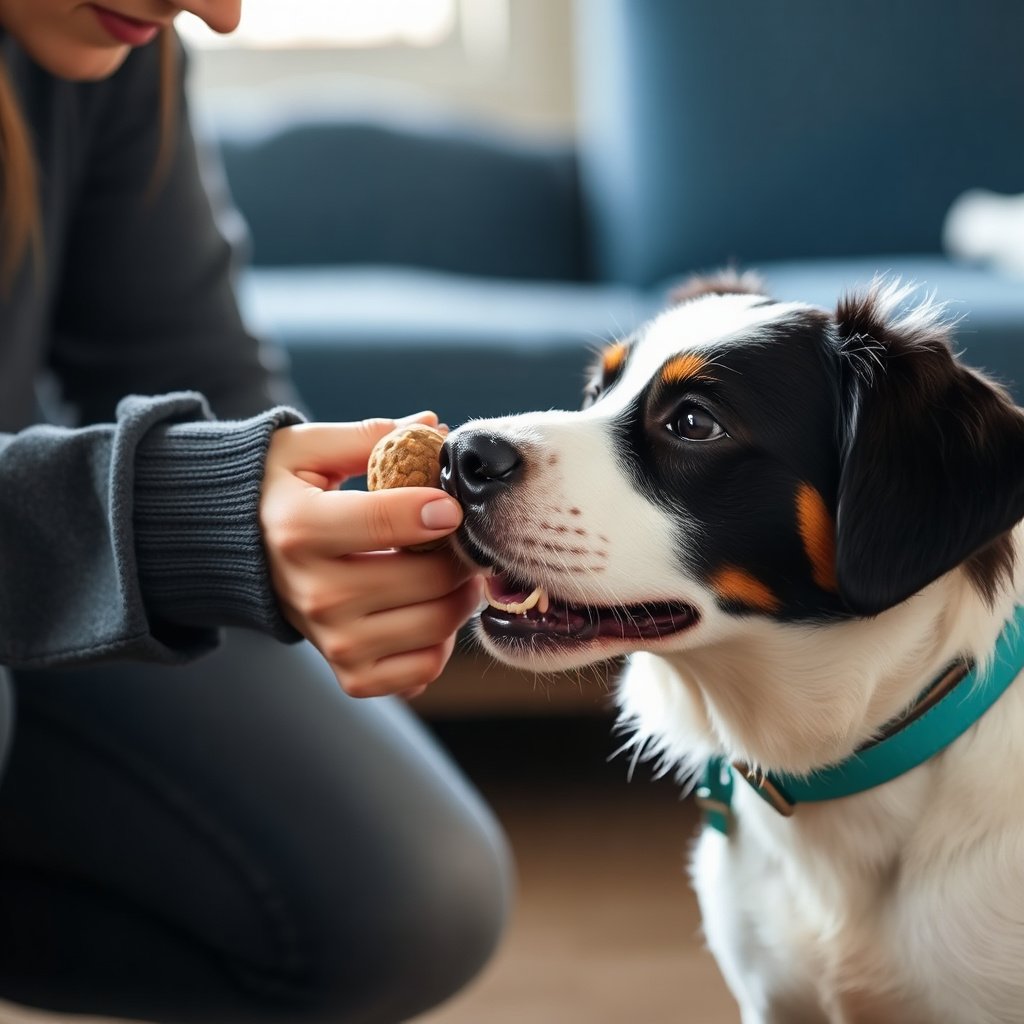
Training Techniques to Control Excessive Licking
Consistent training can help reduce excessive licking by teaching your dog alternative behaviors. Commands like 'leave it' or distraction with toys can effectively interrupt licking episodes.
Rewarding calm behavior without licking encourages your dog to find other ways to interact, helping to form new habits.
- Use clear commands
- Redirect attention
- Positive reinforcement
For more on this, see our related guide: How Many Baths Does a Dog Need? A Complete Guide to Bathing Frequency.
Providing Mental and Physical Stimulation
Increasing your dog’s physical exercise and mental engagement can reduce licking caused by boredom or anxiety. Puzzle toys, walks, and playtime are excellent methods to channel your dog's energy.
Regular stimulation helps minimize stress-related licking and keeps your dog mentally balanced and content.
- Daily walks
- Interactive toys
- Training games
Understanding What Your Dog’s Licking Means for Your Relationship

Licking as a Sign of Trust and Affection
When your dog licks you, it’s often a sign of deep trust and love. This behavior communicates friendliness and a desire to strengthen social bonds between you and your pet.
Recognizing this behavior can help you appreciate the emotional connection that licking represents in your relationship.
To learn more about dog communication behaviors like licking and their meanings, visit this detailed Wikipedia article. dog communication behaviors.
Balancing Affection and Boundaries
While licking is affectionate, it’s reasonable to establish boundaries if it becomes excessive or uncomfortable. Teaching your dog limits while rewarding positive interactions helps maintain harmony.
Respecting these boundaries reinforces clear communication and mutual respect between you and your dog.
Comparison of Common Dog Licking Behaviors
This table compares common types of dog licking behaviors and their typical reasons.
| Licking Type | Common Causes | Typical Duration | Owner Response |
|---|---|---|---|
| Affectionate Licking | Love, Trust, Social Bonding | Short, occasional | Encourage gently |
| Attention-Seeking Licking | Seeking Interaction, Habit | Frequent, persistent | Redirect with toys or commands |
| Anxiety-Related Licking | Stress, Boredom | Repeated, compulsive | Increase exercise, consult vet |
| Medical Licking | Injury, Allergies, Pain | Persistent, localized | Veterinary evaluation needed |
Frequently Asked Questions
Is it normal for dogs to lick faces so much?
Yes, face licking is a common way dogs show affection and submission. However, excessive face licking can be disruptive and should be managed with gentle training.
Can licking be a sign of health problems in dogs?
Persistent licking, especially when focused on a specific area, may indicate health issues such as allergies or injuries. It’s best to consult a veterinarian if you notice this behavior.
How can I stop my dog from licking me constantly?
You can reduce licking by redirecting your dog's attention, using training commands like 'leave it', and providing plenty of exercise and mental stimulation.
Does licking always mean a dog is happy?
Not always. While licking can show happiness and affection, it may also signal anxiety, stress, or a request for attention depending on the context.
Why do some dogs lick more than others?
Licking frequency varies due to breed tendencies, individual personality, past experiences, and the dog's environment or emotional state.
Key Takeaways
- Dogs lick to communicate affection, submission, and to explore their environment.
- Excessive licking can indicate stress, anxiety, or health issues.
- Training and mental stimulation help manage unwanted licking behaviors.
- Understanding licking strengthens the bond between you and your dog.
Conclusion
Deciding how to interpret and respond to your dog's licking involves recognizing the different reasons behind this behavior. Whether your dog licks out of love, anxiety, habit, or health discomfort, understanding the motivation behind the licking is essential for addressing it appropriately. Observing context, intensity, and frequency helps you differentiate affectionate licking from signs of discomfort or stress, allowing you to nurture a healthier and more comfortable relationship with your pet.
If your dog licks moderately as a form of affection and bonding, simple encouragement and appreciation often suffice. However, for dogs that lick excessively due to anxiety or as a habitual attention-seeking behavior, structured training, mental enrichment, and physical exercise can reduce the licking. In cases where licking suggests medical issues like allergies or pain, prompt veterinary care is important. Using this insight helps you match your approach to your dog’s specific needs and personality.
Taking steps to observe and understand why your dog licks you so much can improve communication and deepen your connection. Start by monitoring patterns in licking and gently guiding your dog toward alternative behaviors when necessary. If you ever worry about excessive licking, consulting a veterinarian or professional trainer can provide personalized guidance. Remember, your dog’s licking is a window into their emotions and health; paying attention to it offers valuable chances to support their wellbeing and strengthen your bond.