How to Bathe a Dog in a Bucket: A Simple Step-by-Step Guide
Bathing a dog in a bucket is a convenient method particularly suited for small to medium-sized dogs or when outdoor space and traditional tubs aren’t available. The key is to select a bucket size that comfortably fits your dog, ensuring they feel secure and not cramped. Use lukewarm water, gentle dog shampoo, and avoid submerging your dog’s head to protect their ears and eyes. This approach allows you to efficiently clean your pet with minimal mess and stress.
Many dog owners find bucket bathing practical during cold weather or when space is limited. It reduces water usage and cleanup time while still delivering a thorough wash. Plus, dogs less familiar with baths often respond better to the confined and controlled space of a bucket rather than a large tub or open shower area. It matters because a positive bath experience can improve your dog’s grooming routine.
This article explores the supplies needed, preparation steps, detailed bathing techniques inside a bucket, drying methods, and troubleshooting tips to handle common dog bathing challenges. Whether you have a small breed or want a quick wash after a walk, you'll find practical advice for bucket bathing your dog successfully.
Choosing the Right Bucket for Bathing Your Dog
Bucket Size and Material
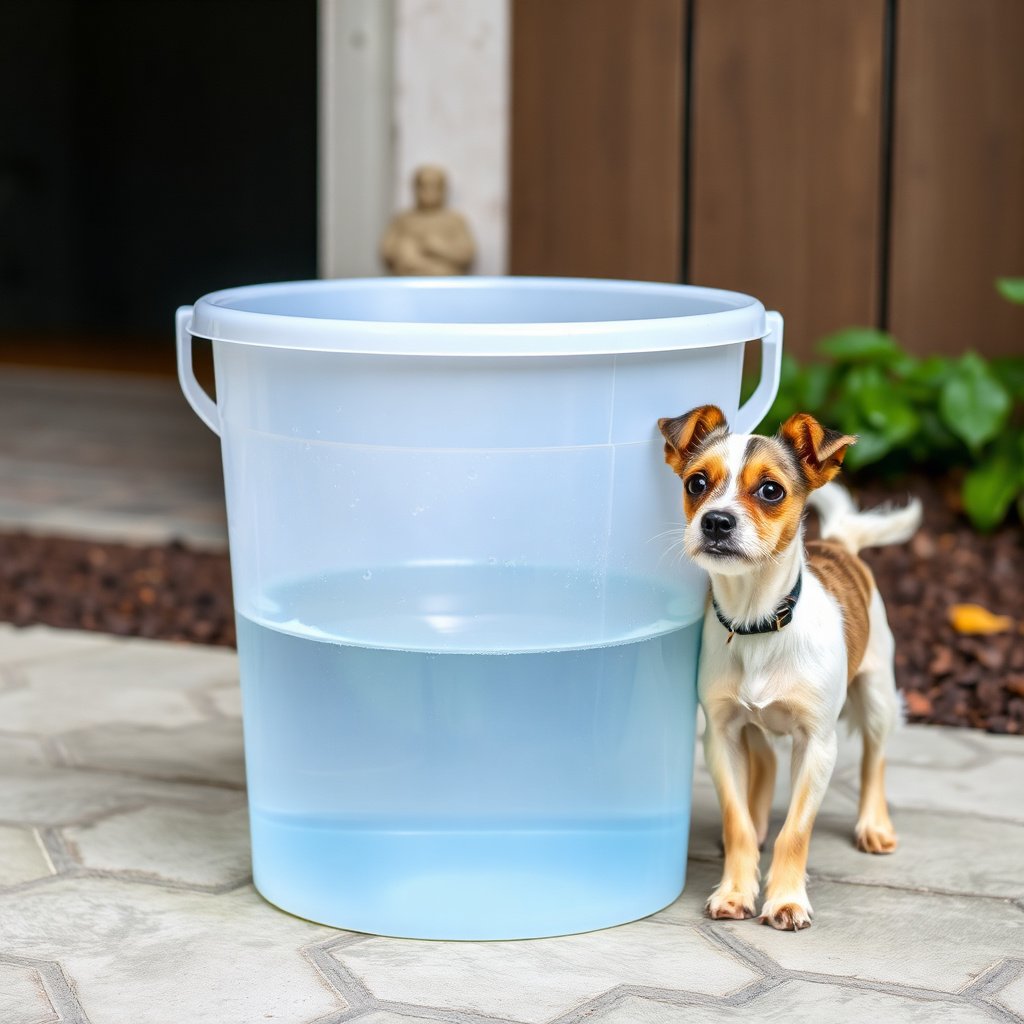
Pick a bucket that is large enough for your dog to stand or sit comfortably without cramped legs or back. Plastic buckets are generally best as they are lightweight and easy to clean. Avoid metal buckets since they can be slippery and cold, which may frighten your dog.
Ensure the bucket is deep enough to hold sufficient water for washing but not so deep that your dog is submerged beyond chest height. A depth of about 6 to 8 inches (15 to 20 cm) usually works well for small to medium dogs.
- Choose sturdy plastic
- Avoid slippery surfaces
- Ensure size fits your dog's body
Water Temperature and Preparation
Use lukewarm water, ideally between 37-39°C (98.6-102.2°F), to keep your dog comfortable. Too cold water can shock your pet, and hot water risks burning sensitive skin. Always test the temperature with your wrist before starting.
Fill the bucket near the right level and have dog shampoo and towels ready to avoid delays during the bath. Prepare a non-slip mat if the bucket is slick to help your dog maintain footing and reduce anxiety.
- Lukewarm water temperature
- Keep washing supplies nearby
- Use non-slip mat inside bucket
Step-by-Step Dog Bathing Process in a Bucket
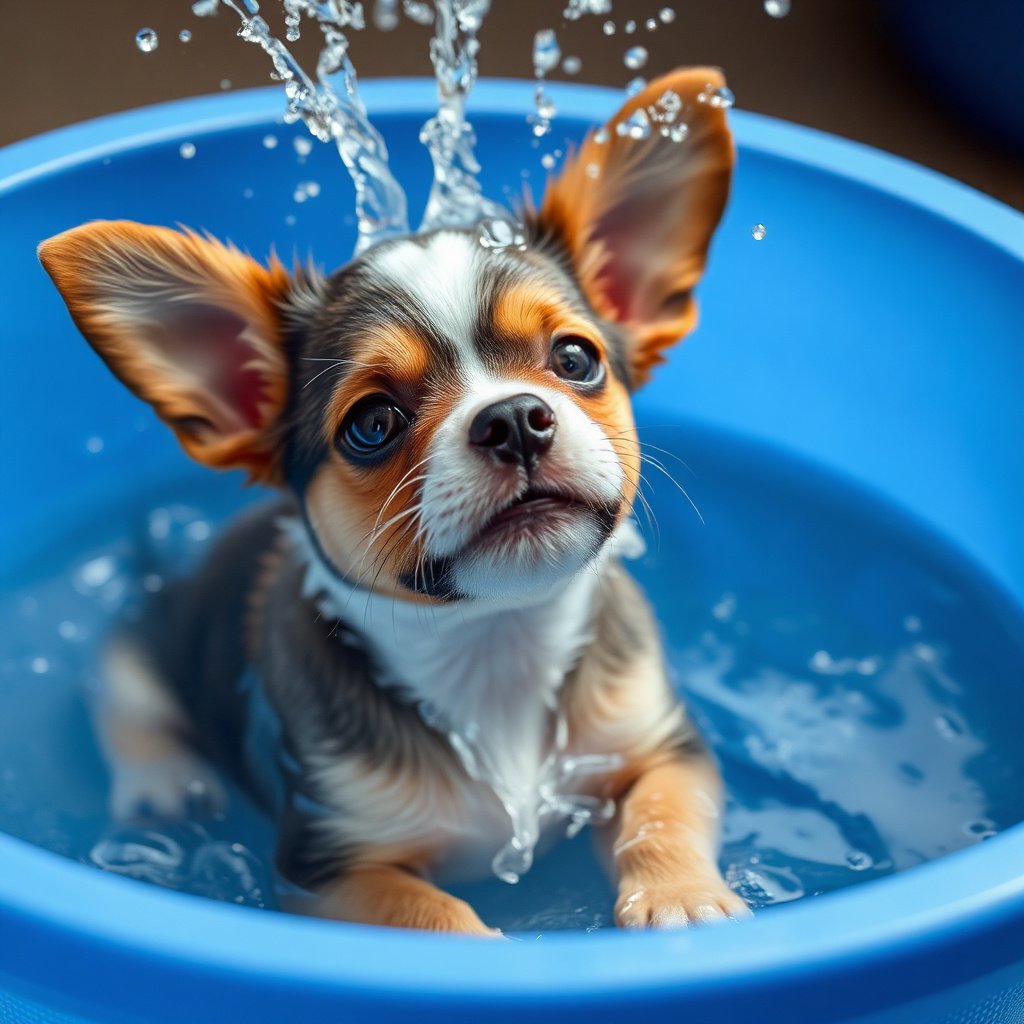
Initial Wetting and Shampoo Application
Gently place your dog inside the bucket, speaking calmly to reassure them. Use a cup or small container to pour lukewarm water over your dog, starting from the neck downwards. Avoid the head area to protect ears and eyes.
Apply a small amount of dog-safe shampoo, massaging it thoroughly into the fur and skin. Pay extra attention to areas prone to dirt such as paws, belly, and tail base. Massage for a few minutes to break down dirt and oils.
- Pour water gently from neck down
- Avoid splashing near ears and eyes
- Massage shampoo evenly into coat
Rinsing and Ensuring All Shampoo Is Removed
Use the cup to rinse the shampoo out thoroughly, again from neck downwards. It’s important to remove all residue to prevent skin irritation later. Check common trouble spots like under legs and stomach for leftover suds.
If necessary, perform a second rinse. Pat your dog dry with a towel before lifting them out to prevent slipping or sudden movements.
- Rinse shampoo completely
- Focus on tricky spots
- Dry dog before removal from bucket
Drying Your Dog After a Bucket Bath
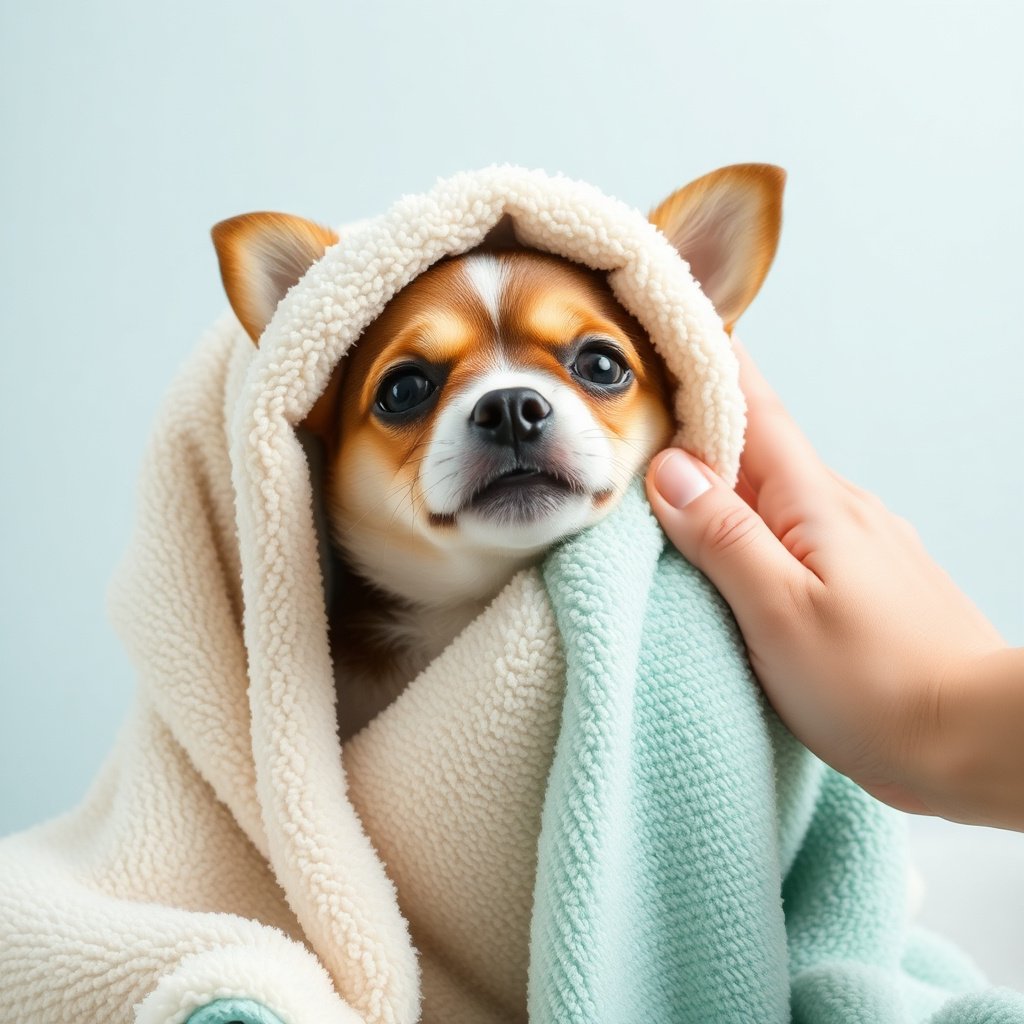
Towel Drying Techniques
Use an absorbent towel to blot as much moisture from your dog’s coat as possible. Focus on areas like the belly, paws, and tail where water gathers most. Avoid rubbing vigorously to prevent tangling fur or causing discomfort.
Keep your dog warm post-bath to avoid chills. If the environment is cool, consider wrapping your dog in a dry bathrobe or blanket.
- Blot, don’t rub coat
- Keep dog warm after towel drying
- Use multiple towels if needed
For more on this, see our related guide: How to Make a Dog Like Baths: 8 Proven Steps to a Stress-Free Bath Time.
Using a Blow Dryer Safely
If your dog tolerates it, use a blow dryer on a low heat and speed setting to finish drying. Keep the nozzle moving constantly to avoid overheating any spot. Hold the dryer several inches away from the skin.
Make sure the room is warm and draft-free while drying. Never use the dryer near the dog’s face or ears to prevent injury.
- Low heat, low speed dryer setting
- Keep nozzle moving continuously
- Avoid drying near ears and face
Safety and Comfort Tips for Bathing a Dog in a Bucket
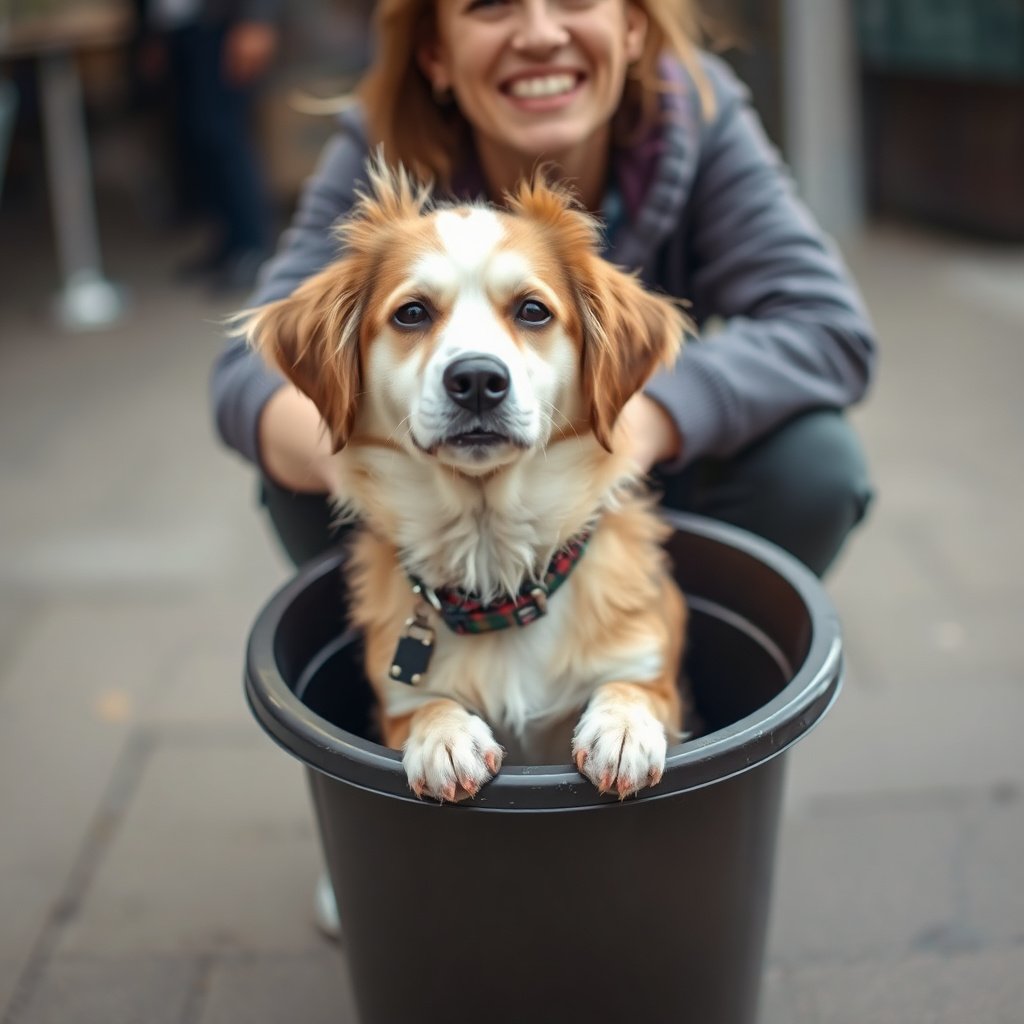
Calming Your Dog During the Bath
Stay calm and speak softly throughout the bath to soothe your dog. Using treats or gentle petting before and after the bath can create positive associations with the experience. Avoid sudden movements or loud noises that may frighten your dog.
If your dog shows signs of stress, pause briefly and reassure them. For highly anxious dogs, consider having a helper or breaking the bath into shorter steps.
- Use calm voice and gentle touch
- Give treats to reward cooperation
- Pause if dog appears stressed
Preventing Water Ingress in Sensitive Areas
Avoid getting water into your dog's ears and eyes to prevent infections or discomfort. Use a damp cloth to gently clean the face rather than pouring water over it. For ears, placing cotton balls gently can reduce water entry but remember to remove them afterward.
Keeping the head above water level and tilting the dog's body away when rinsing lowers the chance of water ingress.
- Clean face with damp cloth
- Use cotton balls in ears carefully
- Keep head elevated during rinsing
Common Challenges When Bathing a Dog in a Bucket
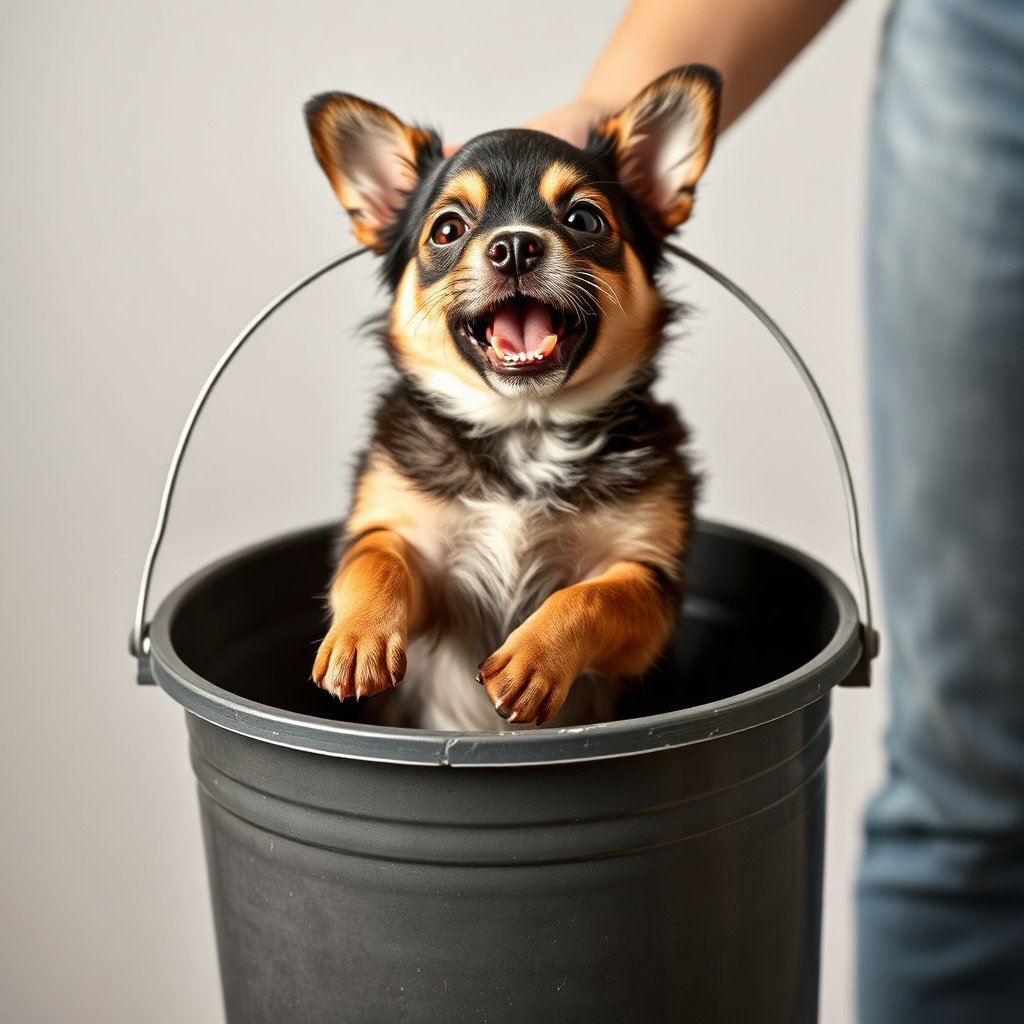
Handling a Squirmy or Nervous Dog
Some dogs may try to jump out or become restless during bucket baths. Use a non-slip mat to improve footing and keep your hold gentle but secure. Talking calmly and offering treats can redirect distracted or nervous behavior.
If needed, split the bath into smaller segments with breaks. Doing so helps your dog adjust gradually to the process.
- Place non-slip mat inside bucket
- Use calm tones and treats
- Divide bath into shorter sessions
For more on this, see our related guide: How to Bathe a Dog Outside: Simple Steps for a Stress-Free Clean.
Managing Limited Space and Water Usage
Buckets limit the amount of water available, which means efficient shampoo application and rinsing are essential. Use concentrated pet shampoos requiring less water and pour water slowly to avoid overflowing.
Clean your dog’s dirtiest parts first to avoid contaminating the water rapidly, then proceed to cleaner areas for a more effective wash.
- Use concentrated dog shampoo
- Pour water gently to avoid spills
- Wash dirtier areas before cleaner ones
Maintaining Your Dog’s Coat and Skin Health
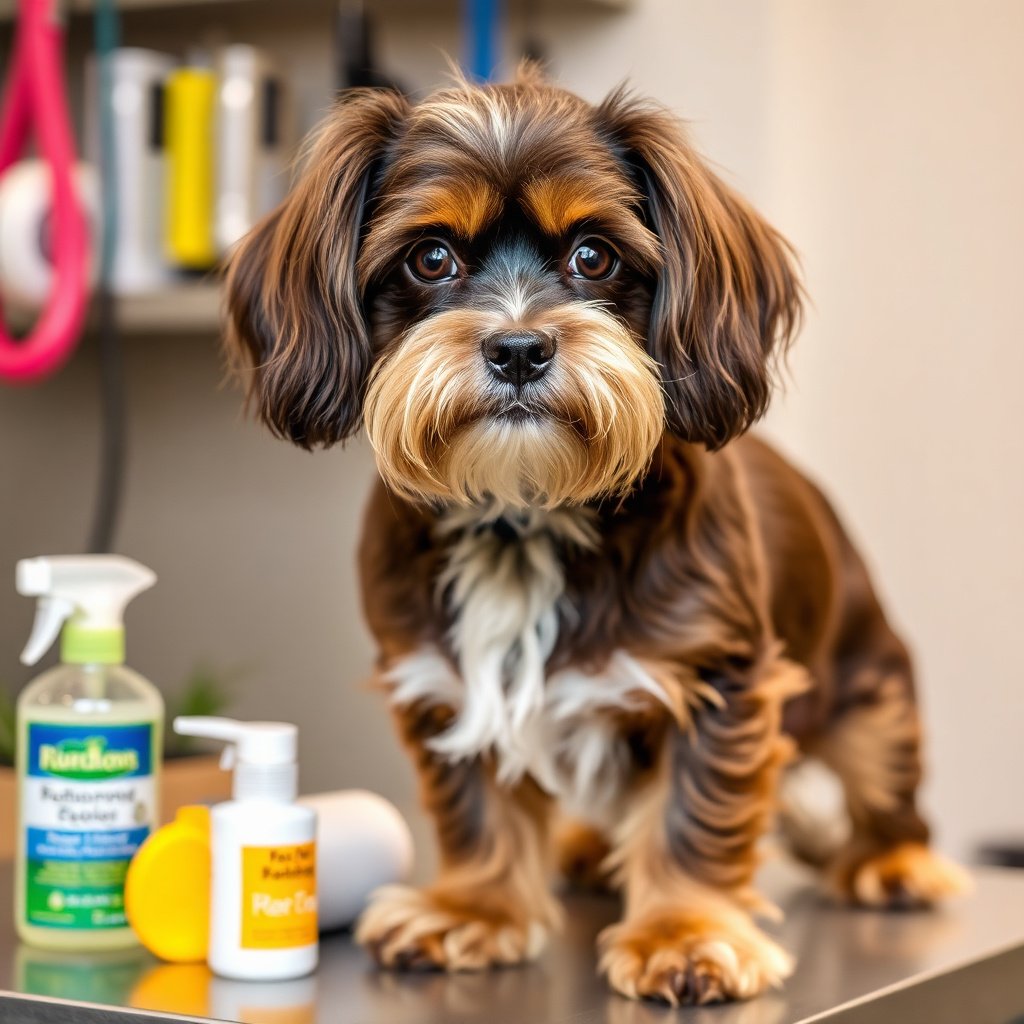
Choosing Suitable Shampoo and Conditioners
Select shampoos formulated specifically for dogs, avoiding human products that can irritate their skin. Depending on coat type, consider moisturizing or hypoallergenic options. Conditioners can help keep fur soft and tangle-free, especially for long-haired breeds.
Check ingredient lists to avoid harsh chemicals or allergens. For skin issues, medicated shampoos prescribed by a vet may be necessary.
- Use dog-specific shampoo
- Consider conditioner for long coats
- Avoid harsh chemicals
For official advice on dog bathing and general pet care, you can consult these dog bathing guidelines from the American Veterinary Medical Association. dog bathing guidelines.
Regular Grooming Beyond Bathing
Frequent brushing helps remove dirt and loose hair, reducing the frequency needed for bucket baths. Grooming also distributes natural oils that keep the skin healthy. Trim nails, clean ears, and check for parasites regularly.
Combine regular grooming with occasional bucket baths to keep your dog clean and comfortable without over-washing, which can dry the skin.
- Brush coat regularly
- Trim nails and clean ears
- Monitor for parasites
Dog Bathing Methods Compared
Here is a comparison of common dog bathing methods highlighting ease, water use, and suitable dog sizes.
| Method | Best For | Water Usage | Ease of Cleanup | Control over Dog |
|---|---|---|---|---|
| Bucket Bath | Small/Medium Dogs | Low | Easy | High |
| Bathtub | Medium/Large Dogs | Moderate | Moderate | Medium |
| Garden Hose | Outdoor Dogs | High | Easy | Low |
| Professional Grooming | All Dogs | Varies | Handled by Service | High |
Frequently Asked Questions
Can I bathe a large dog in a bucket?
Bathing a large dog in a bucket is generally impractical due to size constraints. Large dogs need more space and water to be cleaned properly, so a bathtub or outdoor wash area is more suitable.
How often should I bathe my dog in a bucket?
Frequency depends on your dog's breed, activity, and skin condition. For most dogs, a bath every 4 to 6 weeks suffices. Over-bathing can strip essential oils and dry the skin.
What if my dog hates getting water poured over them?
If your dog shows distress, start by using a damp cloth to clean them gradually. Positive reinforcement with treats and calm petting can help ease fear during the bucket bath over time.
Is it safe to use human shampoo for my dog's bucket bath?
No. Human shampoos have pH levels and ingredients unsuitable for dogs and can cause skin irritation. Always use shampoos specifically made for dogs.
How do I keep my dog from slipping inside the bucket?
Place a non-slip mat or textured rubber pad at the bottom of the bucket to provide stable footing and reduce anxiety caused by slipping.
Key Takeaways
- Select a bucket size that fits your dog comfortably to reduce stress during the bath.
- Use lukewarm water and dog-specific shampoo for skin safety and comfort.
- Avoid water in the dog's ears and eyes by pouring water carefully or using a damp cloth.
- Dry your dog thoroughly after the bath using towels or a low-heat dryer setting.
Conclusion
Deciding how to bathe a dog in a bucket involves balancing your dog's size, temperament, and your available space. The bucket method works well for small to medium dogs, providing a controlled, water-efficient way to keep your pet clean without needing a full bathtub or outdoor hose setup. Observing your dog’s reactions and making adjustments for comfort and safety will make bathing a smoother experience for both of you.
For calm, small breeds, a plastic bucket sized to allow them to stand comfortably makes an ideal bath container. For dogs uneasy about water, applying shampoo and water gradually while giving treats can transform bucket bathing into a less stressful event. Larger dogs generally call for larger tubs or professional grooming, but the principles of gentle handling, proper shampoo, and thorough rinsing remain consistent across methods.
Start by gathering all necessary supplies and ensuring warm but not hot water. Use the bucket bath method to maintain hygiene between full groomings or after outdoor activities. If your dog resists, take breaks or reduce water exposure gradually. With patience and care, bucket bathing can be a practical and successful part of your dog’s grooming routine.