How to Keep a Dog Calm During Grooming: Effective Strategies for Stress-Free Sessions
Keeping a dog calm during grooming requires a mix of preparation, patience, and positive reinforcement. The key is to create a calm environment and establish a trusting relationship with your dog before and during grooming sessions to reduce anxiety and prevent reactive behavior.
Many dogs find grooming stressful because unfamiliar handling, noise, and sensations can make them uneasy. Managing this stress is essential not only for the pet's comfort but also for the groomer's safety and the overall quality of the grooming work. A calm dog is easier to groom thoroughly, which ensures a healthier coat and skin.
This article will explore practical approaches to maintain calmness in dogs during grooming. From setting up the right grooming space to using calming tools and techniques, we’ll cover everything you need to keep your dog relaxed. Additionally, advice on recognizing signs of distress and managing anxious pets will be included.
Creating a Calm Grooming Environment
Setting Up a Comfortable Space
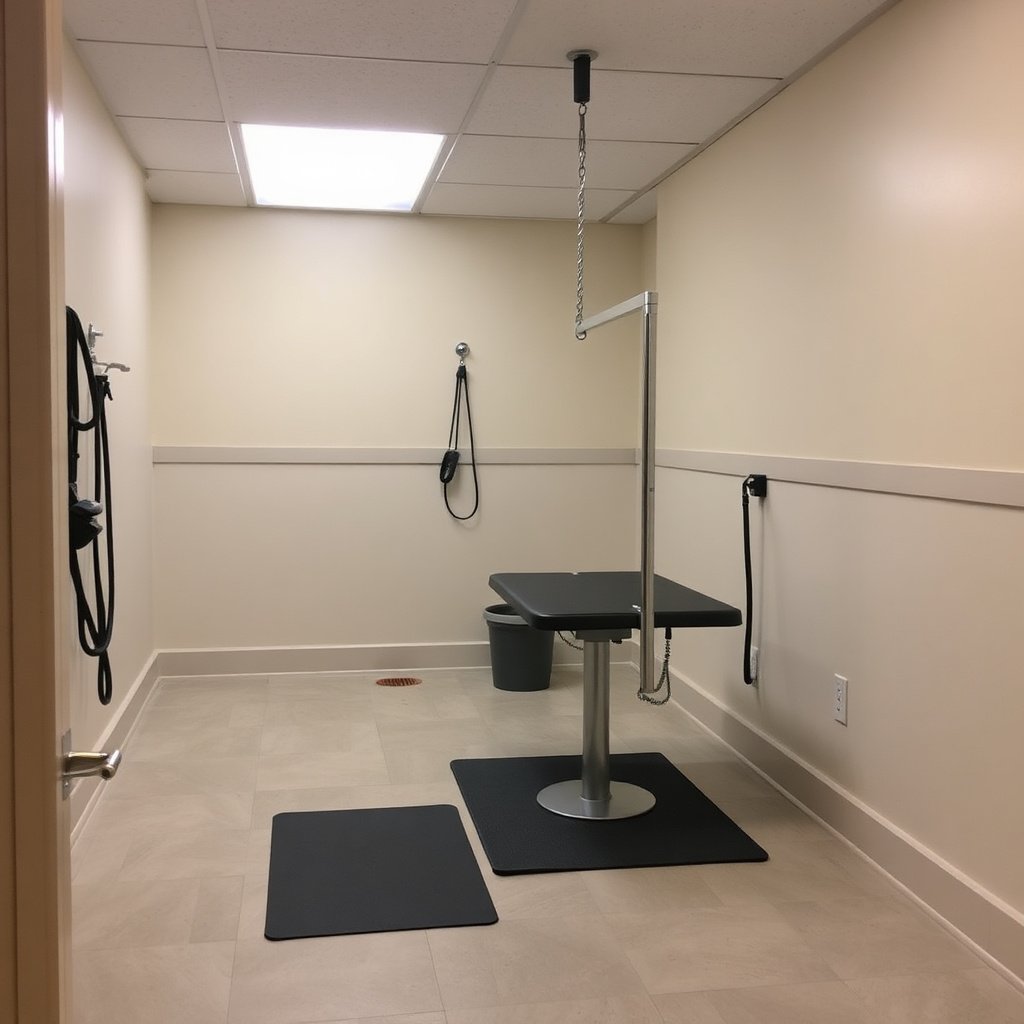
A grooming area free from loud noises and distractions helps minimize stress. Choose a quiet room with good lighting and use non-slip mats to help your dog feel secure. Avoid strong smells from cleaning products that may irritate sensitive noses.
Using soft colors and natural lighting can contribute to a soothing atmosphere. Make sure grooming tools are organized and within reach to avoid sudden movements that may startle your dog.
- Quiet, dedicated grooming space
- Soft, non-slip flooring
- Natural or warm lighting
- Minimal clutter
Using Calming Aids and Tools
Certain products can help reduce anxiety during grooming. Calming sprays infused with pheromones mimic dog-friendly scents that signal safety. Pressure wraps or anxiety vests apply gentle pressure, which has a soothing effect.
Background music with calming frequencies or white noise machines can also ease some dogs. These aids should be introduced gradually and monitored for effectiveness during grooming.
- Pheromone sprays
- Calming pressure wraps
- Soothing background music
- Aromatherapy diffusers with dog-safe scents
Training Techniques to Keep a Dog Calm During Grooming
Positive Reinforcement and Desensitization
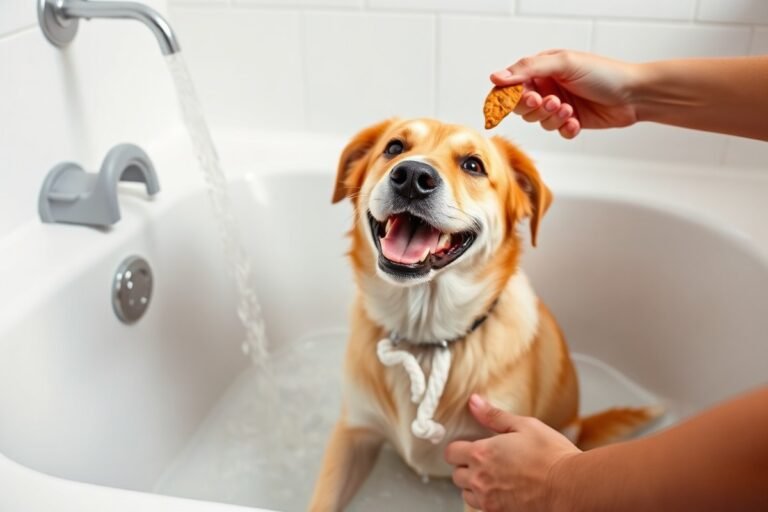
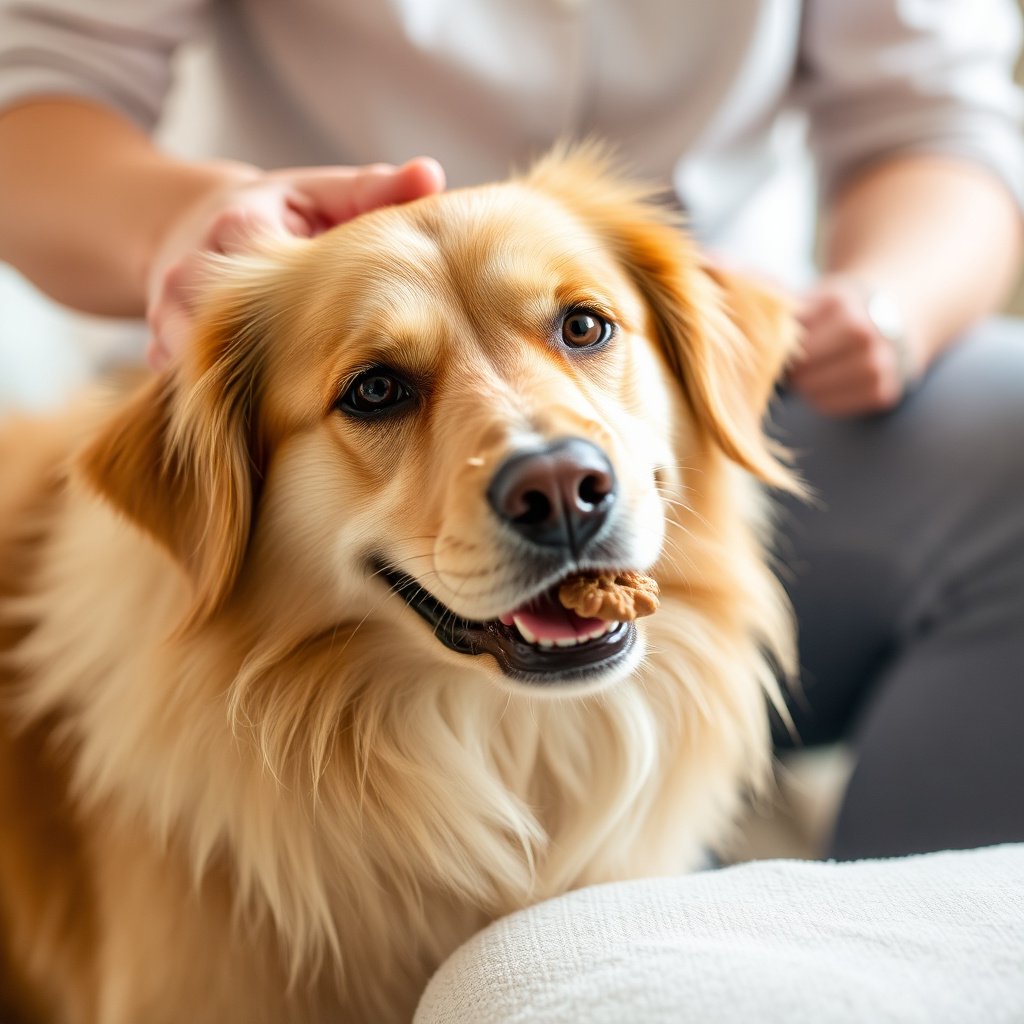
Use treats and praise to reward calm behavior during grooming steps. Gradually introducing grooming tools and procedures helps dogs become accustomed without overwhelming them. Start with short sessions, slowly increasing duration.
Repeated exposure paired with rewards is key to desensitization. For example, allowing your dog to sniff clippers before use can reduce fear. Consistency and patience build trust and lower anxiety.
- Offer treats during grooming
- Introduce tools gradually
- Praise and gentle encouragement
- Short, frequent sessions
For more on this, see our related guide: Why Does My Dog Shake After a Bath? 8 Key Reasons and Solutions.
Teaching Basic Commands and Handling
Commands like “stay,” “sit,” and “gentle” prepare your dog to cooperate during grooming. Training your dog to accept gentle handling of paws, ears, and tail beforehand reduces resistance during these vulnerable moments.
Regular practice of handling in a gentle manner, even outside grooming sessions, helps the dog associate touch with positive experiences, making grooming less stressful.
- Train commands with positive methods
- Practice gentle handling daily
- Use calm, consistent voice tones
- Avoid forcing to prevent fear
Recognizing and Managing Stress Signals
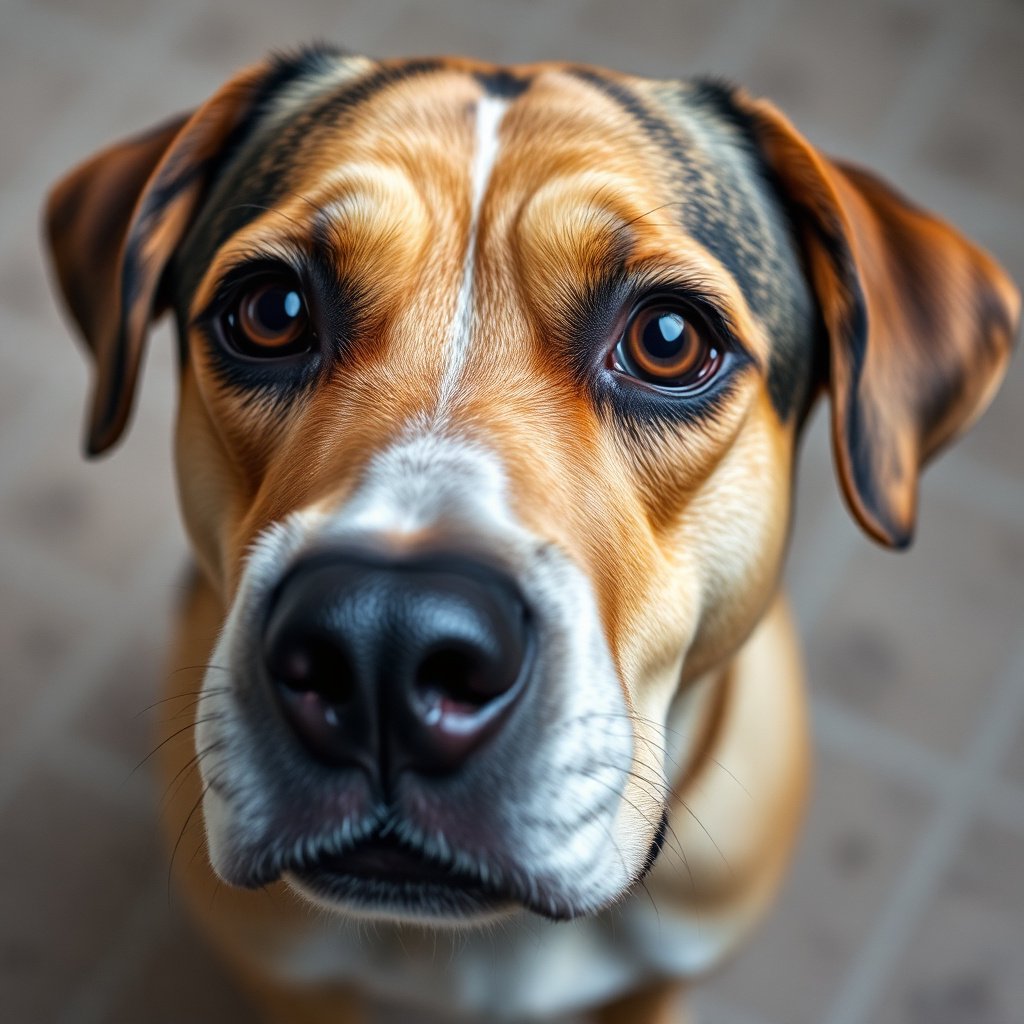
Signs Your Dog Is Stressed During Grooming
Recognizing stress signs such as yawning, lip licking, pacing, trembling, or growling is critical. These behaviors indicate discomfort before more intense reactions like snapping or withdrawal occur.
Early detection allows you to pause and address the dog's emotional state with calming approaches or breaks, preventing escalation.
- Yawning and lip licking
- Avoiding eye contact
- Trembling or shaking
- Growling or whining
What to Do When Your Dog Becomes Anxious
If a dog shows significant anxiety, stop grooming briefly and offer reassurance through gentle petting or treats. Perform deep calming breaths, and speak softly to soothe the dog. Avoid forcing actions which could worsen fear.
Allow breaks and shorten sessions if needed. In some cases, professional guidance from a behaviorist or veterinarian may be necessary to manage anxiety illnesses.
- Pause and reassure calmly
- Use treats to distract and reward
- Keep sessions short when anxious
- Seek professional advice if needed
Tools and Equipment to Promote Calm Grooming
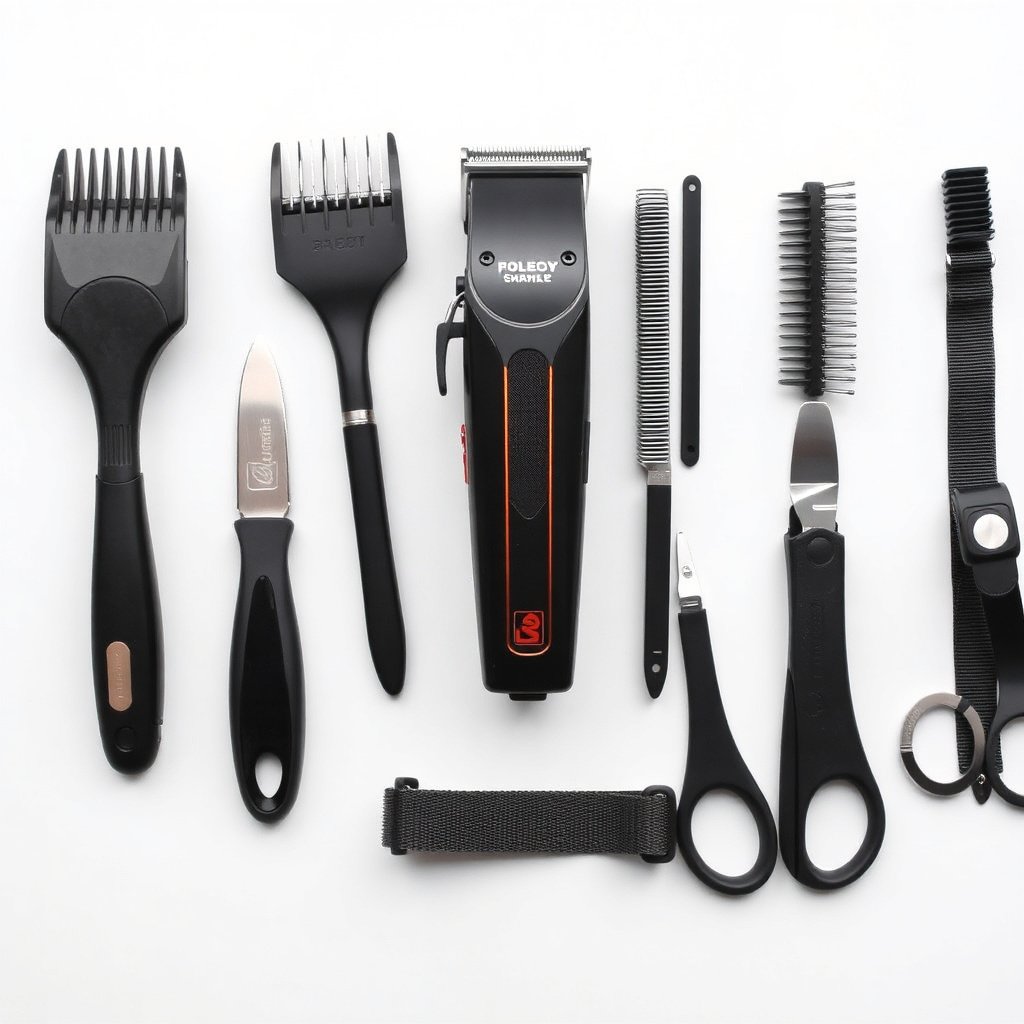
Choosing the Right Grooming Tools
Using quiet, low-vibration clippers reduces noise-induced anxiety. Soft-bristle brushes and gentle deshedding tools are less irritating to sensitive skin and help maintain comfort during grooming.
Selecting ergonomic tools for yourself also allows better control, minimizing abrupt movements that might trigger stress in your dog.
- Quiet, low-vibration clippers
- Soft, gentle brushes
- Ergonomic handles
- Non-slip grips
For more on this, see our related guide: What Is the Best Dog Grooming Table: Complete Guide to Choose Your Ideal Model.
Calming Collars and Wraps
Calming collars infused with pheromones continuously release comforting scents throughout grooming. Pressure wraps provide gentle compression, mimicking the feeling of being hugged, which many dogs find reassuring during stressful tasks.
These products work best when introduced before grooming and worn consistently during sessions to provide a sense of security.
- Pheromone-infused collars
- Pressure wraps or anxiety vests
- Use prior to grooming
- Combine with positive reinforcement
Professional Grooming vs. Home Grooming: Which Is Better for a Calm Dog?
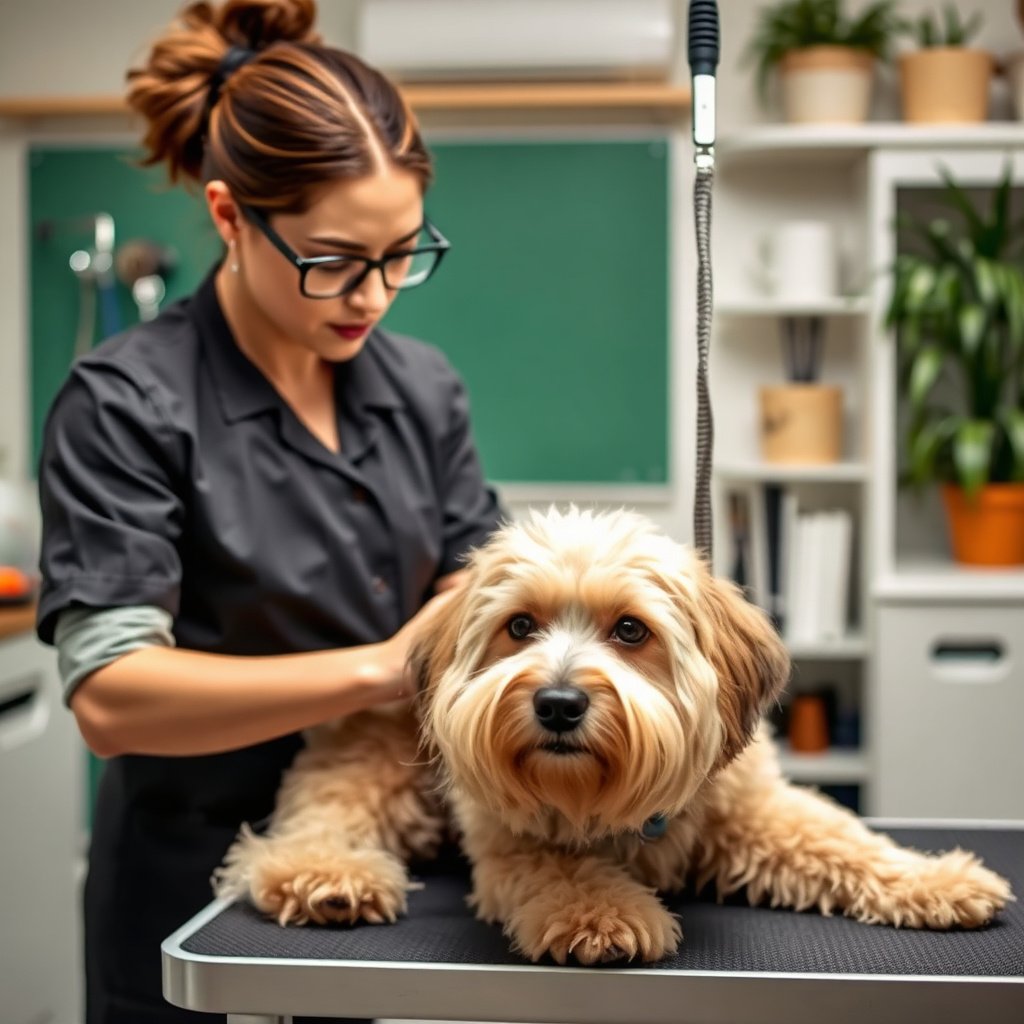
Benefits of Professional Grooming
Professional groomers are trained to handle dogs carefully and spot signs of stress early. Grooming salons often have calming products and tools not readily available to owners, which can improve the dog’s comfort and safety.
However, the unfamiliar environment and strangers can provoke anxiety, especially in dogs not used to being groomed outside the home.
- Expert handling
- Access to specialized calming aids
- Regular grooming schedule possible
- Unfamiliar environment
For an in-depth overview of grooming practices, you can visit the dog grooming Wikipedia page. dog grooming Wikipedia page.
Advantages of Home Grooming
Home grooming in a familiar place can make anxious dogs feel more secure. Owners can take their time, pause as needed, and use known calming techniques. This approach fosters bonding and allows direct oversight on comfort.
Yet, lack of experience or improper technique may lengthen sessions and increase stress if the dog resists.
- Familiar, controlled setting
- Personalized calming methods
- Flexible timing
- Potential skill limitations
Comparison of Grooming Approaches for Calm Dogs
This table compares key attributes of professional and home grooming to help decide the best approach for keeping your dog calm.
| Approach | Environment | Handling Skill | Stress Factors | Calming Aids Availability |
|---|---|---|---|---|
| Professional Grooming | Unfamiliar, specialized salon | High – trained groomers | Potential anxiety from strangers and new place | Broad selection of calming tools |
| Home Grooming | Familiar, controlled environment | Variable – owner’s experience | Less environmental stress, but possible skill stress | Limited to owner’s tools and knowledge |
Frequently Asked Questions
How early should I start grooming my dog to keep them calm?
Begin grooming sessions when your dog is a puppy to build positive associations early. Short, gentle sessions paired with treats and praise help dogs accept grooming more calmly as they age.
Can calming music really help during dog grooming?
Yes, playing calming music specifically designed for dogs can reduce anxiety levels. It masks stressful sounds and promotes relaxation, making grooming a less overwhelming experience.
What should I do if my dog becomes aggressive during grooming?
Stop immediately and give your dog space to calm down. Avoid forcing any actions. Consider consulting a professional trainer or behaviorist to address underlying anxiety or aggression safely.
Are pheromone sprays safe for all dogs?
Pheromone sprays are generally safe for most dogs, but it’s wise to test a small amount first. Avoid use if your dog shows signs of irritation or allergic reactions and consult your vet for persistent issues.
How long should a grooming session last for a nervous dog?
Keep sessions short—around 5 to 10 minutes—to prevent overwhelming your dog. Multiple brief sessions spread over several days are more effective than one long, stressful grooming session.
Key Takeaways
- A calm grooming environment reduces dog anxiety significantly
- Positive reinforcement and gradual training improve cooperation
- Recognizing stress signs early helps prevent negative reactions
- Choosing the right tools and approach depends on your dog’s needs
Conclusion
Keeping a dog calm during grooming revolves around understanding your pet’s behavior, setting up a soothing environment, and using patient training methods. By combining a quiet space, gentle handling, and positive reinforcement, grooming can become an experience your dog tolerates or even enjoys. Paying attention to the dog’s stress signals and responding with breaks or comforting aids prevents escalation and creates a sense of safety that encourages calmness.
If your dog is particularly anxious, professional grooming salons often provide specialized calming products and expert handling techniques, which can be highly beneficial. For dogs comfortable at home and owners willing to invest time in training, home grooming presents a familiar setting that reduces environmental stress. Using pheromone sprays, calming wraps, and quiet tools complements these approaches, while practicing positive reinforcement and desensitization strengthens your dog’s trust and willingness to cooperate over time.
Start by evaluating your dog’s temperament and how they react to grooming stimuli. Experiment with short sessions and calming aids to find what works best. Whether grooming at home or with a professional, fostering a calm atmosphere and reinforcing good behavior will help keep your dog relaxed during grooming. If challenges persist, consulting a veterinarian or behavior specialist is a practical next step to enhance your dog’s grooming experience.