
Best Way to Keep a Dog Clean: A Practical Guide for Pet Owners
The best way to keep a dog clean involves a combination of regular bathing, brushing, dental care, and attention to ears and paws. These practices maintain your dog's hygiene, minimize odors, and reduce shedding. Not every breed requires the same routine, so tailoring these methods to your dog's specific needs is essential.
Keeping your dog clean affects more than appearance; it helps prevent skin infections, parasites, and discomfort caused by dirt or matted fur. Clean dogs are also more pleasant to be around, reducing allergens in your home and promoting overall pet health.
This article covers the main aspects of dog hygiene including bathing frequency, brushing techniques, dental cleaning, ear and paw care, and how diet influences cleanliness. You’ll learn practical tips to develop an effective grooming routine tailored to your dog’s breed and lifestyle.
Bathing Your Dog: Frequency and Techniques
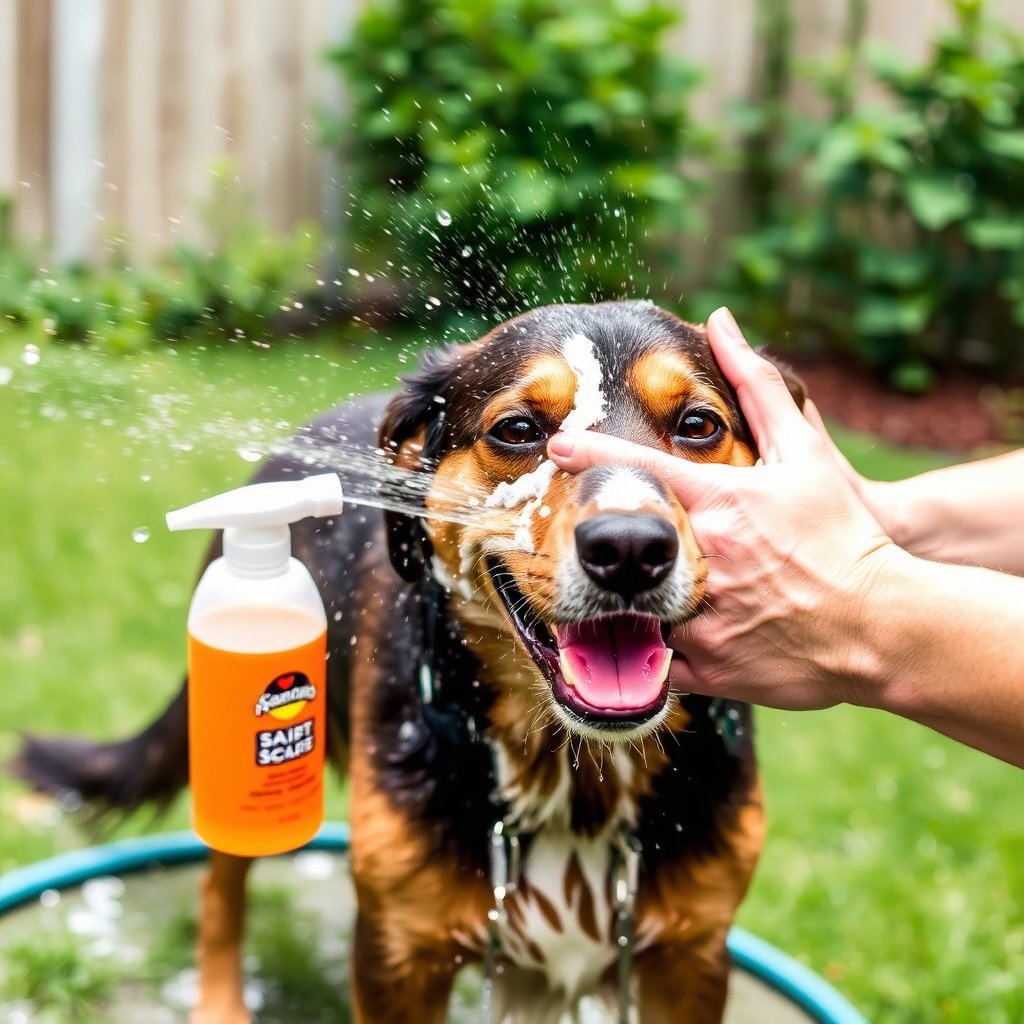
How Often Should You Bathe Your Dog?
The frequency of bathing largely depends on your dog’s breed, coat type, activity level, and skin condition. Most dogs benefit from a bath every 4 to 6 weeks, but dogs with oily coats or those who spend a lot of time outdoors might need more frequent washing. Overbathing can strip natural oils and cause dry skin.
If your dog frequently gets muddy or smelly due to outdoor activities, spot cleaning with water and a damp cloth between baths can help maintain cleanliness without overdoing shampoo use. Consulting your veterinarian can help tailor a bath schedule appropriate for your dog.
Choosing the Right Shampoo and Bathing Tips
Using a dog-specific shampoo is important as human shampoos can upset your dog’s pH balance and cause irritation. Select formulas that suit your dog’s skin type such as moisturizing shampoos for dry coats or medicated versions for skin allergies.
When bathing, use lukewarm water and thoroughly wet your dog’s coat. Apply shampoo evenly, avoiding eyes and ears, then rinse completely to remove all residue. Dry your dog well to prevent fungal infections, especially in breeds with thick undercoats.
- Use hypoallergenic or sensitive formula for allergic dogs
- Avoid hot water to prevent skin drying
- Thorough rinsing is crucial to remove shampoo residue
- Dry ears carefully to prevent infections
Brushing Your Dog to Maintain Cleanliness

Benefits of Regular Brushing
Brushing removes loose hairs, dirt, and debris trapped in your dog’s fur, reducing shedding and matting. It also stimulates natural oil production, promoting a healthy and shiny coat. Regular brushing can improve blood circulation and help you spot skin issues early.
The frequency and type of brush depend on your dog’s coat. Long-haired breeds may need daily brushing, while short-haired dogs can be brushed weekly. Consistency helps keep your dog comfortable and cleaner between baths.
For more on this, see our related guide: Why Does My Dog Shake After a Bath? 8 Key Reasons and Solutions.
Choosing the Appropriate Brush for Your Dog
Different coat types require various brushes: slicker brushes work well for removing tangles in long-haired dogs; bristle brushes suit short coats; and rubber curry brushes are good for massaging and removing dirt from all coat types.
Using the right brush ensures effective grooming without discomfort. For double-coated breeds, a de-shedding tool helps remove dead undercoat efficiently, minimizing hair buildup around your home.
- Slicker brush for tangles and mats
- Bristle brush for short, smooth coats
- Curry brush to loosen dirt and stimulate skin
- De-shedding tool for heavy shedders
Dental Care and Oral Hygiene

Importance of Regular Teeth Cleaning
Maintaining your dog’s oral hygiene is pivotal for overall health. Plaque and tartar can build up leading to bad breath, gum disease, and tooth loss. Regular brushing helps prevent these problems and can reduce risk of systemic diseases connected to oral bacteria.
Daily brushing with dog-specific toothpaste is ideal, but even a few times a week makes a big difference. Dental chews and specialized diets can complement brushing by mechanically reducing plaque.
Tools and Techniques for Effective Oral Care
Using a soft-bristled toothbrush or finger brush designed for dogs makes cleaning easier and more comfortable. Apply a small amount of dog toothpaste and gently brush in circular motions along the gum line.
Avoid human toothpaste as it contains ingredients harmful to dogs. Dental wipes or water additives can help maintain oral hygiene when brushing is not possible.
- Dog-safe toothpaste only
- Brush gums and teeth gently
- Use dental chews for added support
- Regular vet check-ups for oral health
Ear and Paw Hygiene
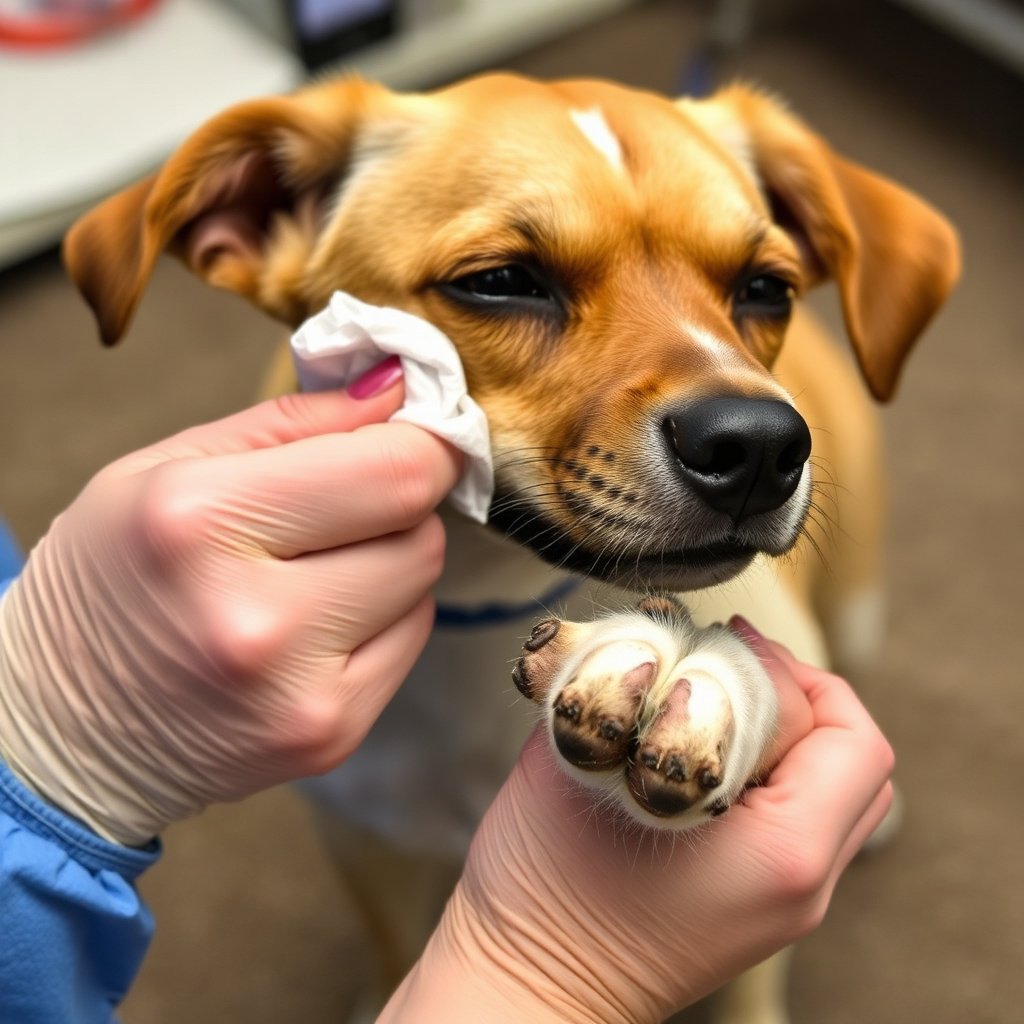
Cleaning Ears to Prevent Infection
Dogs’ ears can accumulate dirt, wax, and moisture leading to bacterial or yeast infections. Checking their ears regularly and gently cleaning with a vet-recommended solution helps prevent these issues.
Use cotton balls or gauze, never insert anything deep inside. If your dog shows signs of discomfort, odor, or excessive scratching, see your vet to rule out infection.
- Use dog-safe ear cleaner
- Clean only the outer ear canal
- Avoid inserting objects deep inside
- Regular inspection for redness or smell
For more on this, see our related guide: What Is the Best Dog Grooming Table: Complete Guide to Choose Your Ideal Model.
Keeping Paws Clean and Healthy
Paws pick up dirt, mud, chemicals, and allergens that can irritate your dog’s skin or be ingested during licking. Wiping paws after walks with a damp cloth removes unwanted residues.
Also trim nails regularly to prevent discomfort or injury. Check paw pads for cracks and apply moisturizer if needed. Protective booties can help during extreme weather or rough terrain exposure.
- Wipe paws after walks
- Regular nail trimming
- Inspect paw pads for damage
- Use booties in harsh conditions
Diet and Its Role in Maintaining Cleanliness
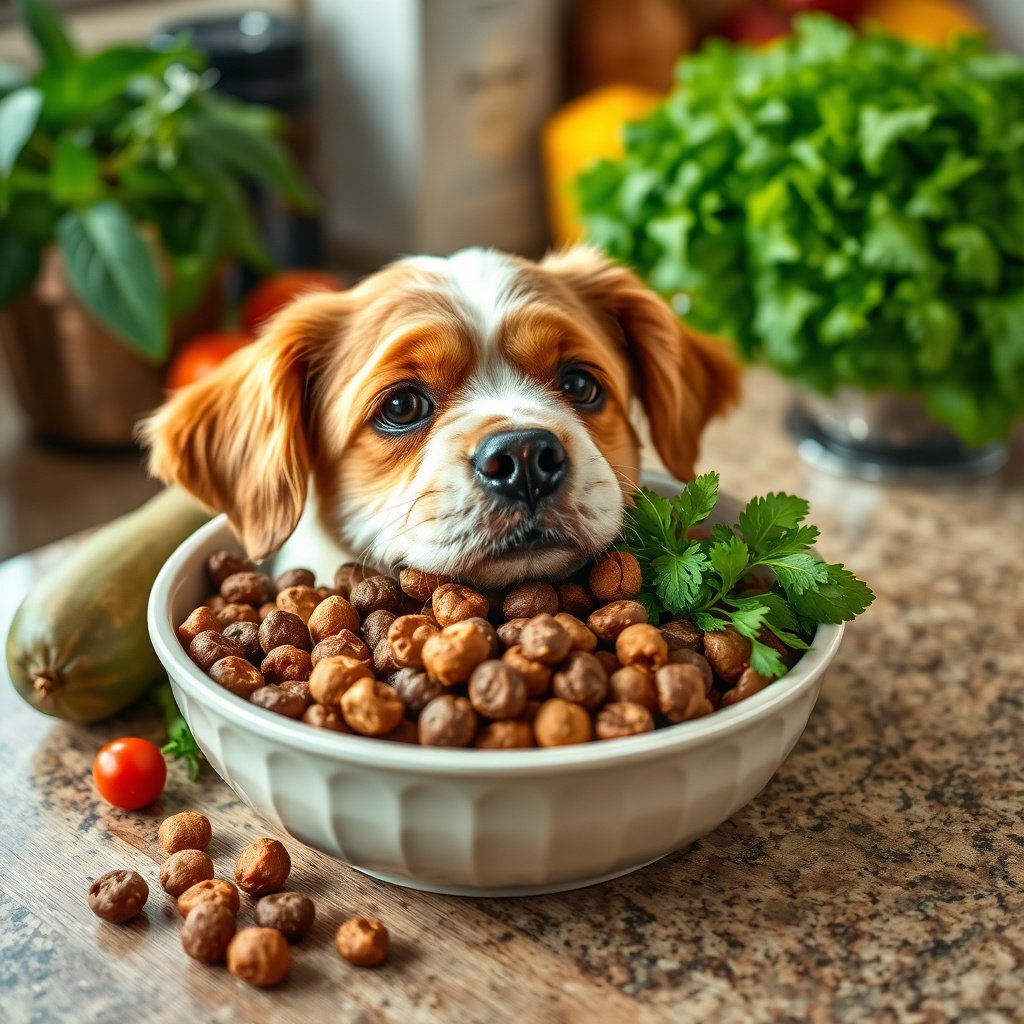
How Nutrition Influences Coat and Skin Health
A balanced diet rich in omega-3 and omega-6 fatty acids supports a shiny coat and healthy skin. Poor nutrition can lead to dry, flaky skin and dull fur, increasing dirt accumulation and discomfort.
Including foods or supplements with essential fatty acids, vitamins, and minerals improves the natural barrier function of skin and guards against allergies that may cause itching and dirt buildup.
For a broader understanding of animal grooming practices, see this detailed Dog grooming overview on Wikipedia. Dog grooming overview on Wikipedia.
Hydration and Its Importance for Cleanliness
Adequate water intake helps flush toxins and maintain skin hydration from within. Dehydrated dogs are prone to dry skin and excessive shedding. Always provide fresh water and encourage drinking, especially after outdoor activity.
Wet foods can contribute to hydration as well as provide nutrients. Hydrated skin is less prone to cracking and dirt adherence, facilitating easier grooming.
Dog Cleaning Methods Comparison
This table compares different cleaning methods to help identify which suits your dog's needs best based on ease, effectiveness, and frequency.
| Method | Frequency | Best for Coat Type | Advantages | Disadvantages |
|---|---|---|---|---|
| Bathing | Every 4-6 weeks | All coat types | Deep cleaning and odor control | Can dry skin if too frequent |
| Brushing | Daily to weekly | Long and short coats | Reduces shedding and mats | Requires time and patience |
| Spot Cleaning | As needed | Active or outdoor dogs | Quick dirt removal | Not a full clean |
| Dental Care | Daily to weekly | All breeds | Prevents oral diseases | Needs appropriate tools |
| Ear Cleaning | Weekly or bi-weekly | Floppy or hairy ears | Prevents infections | Risk if done improperly |
Frequently Asked Questions
How often should I bathe my dog to keep it clean?
Most dogs benefit from a bath every 4 to 6 weeks. However, dogs with oily coats or outdoor routines may need more frequent baths. Avoid overbathing to prevent dry skin.
Can I use human shampoo on my dog?
No, human shampoo can disrupt your dog's skin pH and cause irritation. Use shampoo formulated specifically for dogs to keep their skin healthy.
What is the best way to brush a dog with a thick coat?
Use a slicker or de-shedding brush to remove loose undercoat and prevent matting. Brush gently but thoroughly at least a few times a week.
How do I safely clean my dog's ears?
Use a vet-recommended ear cleaner and cotton balls to wipe the outer ear canal carefully. Avoid inserting anything deep, and watch for signs of infection.
Does diet really affect my dog's cleanliness?
Yes, a nutritious diet with omega fatty acids supports healthy skin and a shiny coat, which helps keep your dog cleaner and less prone to irritations.
Key Takeaways
- Regular bathing and brushing are fundamental to dog cleanliness.
- Use dog-specific grooming products and tools to protect skin and coat.
- Maintain oral, ear, and paw hygiene for overall health.
- A proper diet enhances skin and coat condition, reducing dirt accumulation.
Conclusion
Choosing the best way to keep your dog clean involves balancing bathing, brushing, and attentive care to sensitive areas like ears and paws. Each dog’s coat type and lifestyle influence how often each activity is needed. Regular grooming promotes not only cleanliness but also comfort and health, preventing skin issues and infections.
If your dog is highly active or prone to getting dirty, more frequent spot cleaning and bathing with gentle products may be necessary. For dogs with long or double coats, daily brushing and occasional de-shedding tools help avoid mats and keep fur tidy. Incorporate dental care routines to support overall hygiene and reduce unpleasant odors. Diet plays a supporting role by improving skin hydration and coat quality.
Start with establishing a grooming schedule aligned with your dog's needs. Use appropriate tools and products designed for your dog's coat and health. Consult your veterinarian for personalized advice especially if your dog has sensitive skin or medical conditions. Consistency and attention are the keys to a clean, happy dog that contributes positively to your home environment.


