How to Prevent Fleas on Dogs: Effective Strategies for Flea-Free Pets
To prevent fleas on dogs, the best approach is a combination of regular flea treatments, maintaining a clean environment, and managing your pet’s outdoor activities. Using veterinarian-recommended topical treatments, oral medications, or flea collars that are effective can disrupt the flea life cycle before infestations occur. Regular grooming and inspection also help catch fleas early.
Fleas not only cause discomfort through itching and skin irritation but can also transmit diseases and lead to complications like anemia. Because fleas reproduce quickly, prevention is much easier and less expensive than treating an infestation after it starts. Consistency and understanding how fleas behave are key to protecting your dog.
This article will walk you through the most effective flea prevention strategies, including choosing the right products, maintaining your home and yard, and best practices for grooming your dog. It will also compare popular flea prevention options and tackle common questions, helping you keep your furry friend healthy and flea-free.
Effective Flea Prevention Methods for Dogs

Topical Flea Treatments
Topical flea treatments are applied directly to your dog's skin—usually between the shoulder blades—and provide protection by killing fleas on contact. These products typically contain insecticides that disrupt fleas’ nervous systems, effectively eliminating them within hours.
Many topical treatments also inhibit flea eggs and larvae development, stopping infestations at the root. They require monthly application for continuous protection and should be used according to your veterinarian's recommendations to avoid overdose or improper use.
- Direct flea contact kills adult fleas quickly
- Prevents flea breeding cycle
- Monthly application
- Veterinarian-prescribed options offer safety
Oral Flea Medications
Oral flea medications work systemically; your dog ingests the medicine, which then kills fleas feeding on its blood. These are often available as chewables or tablets and provide protection lasting from one month to three months, depending on the product.
They are convenient for dogs that dislike topical applications and can be especially useful in severe infestations. However, maintaining regular dosing is crucial because missing doses leaves your dog vulnerable to fleas.
- Systemic flea elimination
- Varied duration: monthly to quarterly
- Easy administration via chewables
- Requires consistent dosing
Maintaining a Flea-Free Home Environment
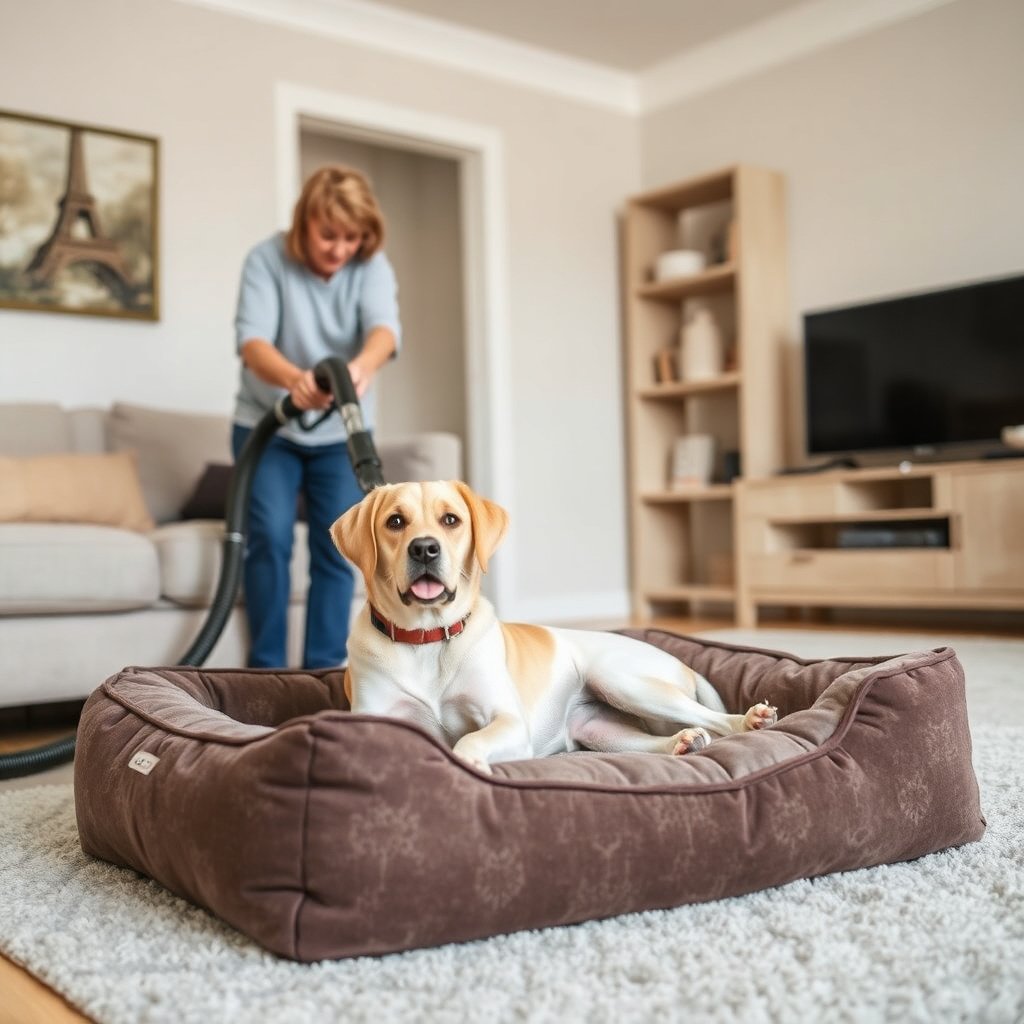
Cleaning and Vacuuming Regularly
Vacuuming carpets, upholstery, and pet bedding removes flea eggs, larvae, and adults hidden in your home's fabrics. Doing this at least twice a week prevents flea populations from establishing indoors.
Dispose of vacuum bags or empty canisters immediately to avoid re-infestation. Steam cleaning carpeted areas periodically can also help eradicate flea stages that survive vacuuming.
- Vacuum frequently – at least twice weekly
- Focus on pet resting areas
- Dispose of vacuum debris properly
- Steam clean carpets occasionally
For more on this, see our related guide: What Is the Best Flea Treatment for Dogs: Complete Guide to Fast & Lasting Control.
Washing Pet Bedding and Household Fabrics
Regularly washing your dog's bedding in hot water kills fleas and their eggs. Fabrics like blankets and cushion covers should also be cleaned weekly, especially if your dog frequents those areas.
Hot water temperatures above 104°F (40°C) are necessary to eliminate flea eggs and larvae. Drying on a hot cycle enhances effectiveness by desiccating surviving stages.
- Wash bedding weekly in hot water
- Include all pet resting fabrics
- Use hot dryer cycles for extra kill
- Prevent flea eggs from developing indoors
Outdoor Flea Prevention Tactics
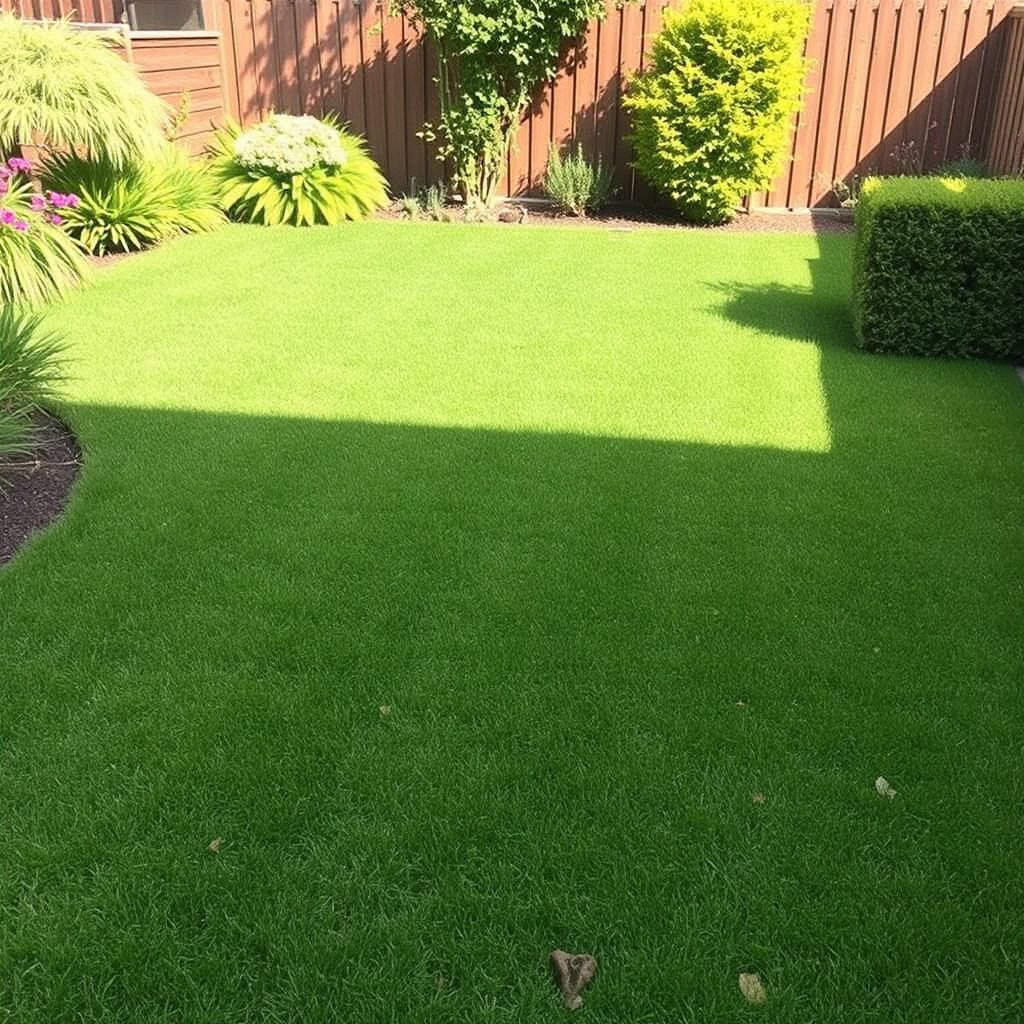
Yard Maintenance and Landscaping
Fleas thrive in shaded, moist, and grassy areas. Keeping your yard well-trimmed and removing leaf litter reduces flea habitat. Avoid overwatering lawns to discourage humidity that fleas prefer.
Applying outdoor flea control treatments can also reduce the flea egg and larva populations in the yard. Consult professionals for products safe for pets, plants, and the environment.
- Keep grass mowed and shrubs trimmed
- Remove debris and leaf litter
- Avoid excessive moisture
- Use pet-safe outdoor flea sprays
Restricting Dog’s Access to Flea-Prone Areas
Limiting your dog’s time spent in places with high flea presence, such as dense woods or areas frequented by wildlife, helps prevent flea exposure. Fleas often hitch a ride from wildlife hosts living in these areas.
Using a leash and staying on clear paths during walks also minimizes contact with potentially flea-infested environments, reducing the risk of your dog bringing fleas back home.
- Avoid dense brush and wooded areas
- Stay on cleared walking paths
- Use flea prevention before outdoor time
- Inspect your dog after walks
Grooming Practices for Flea Prevention
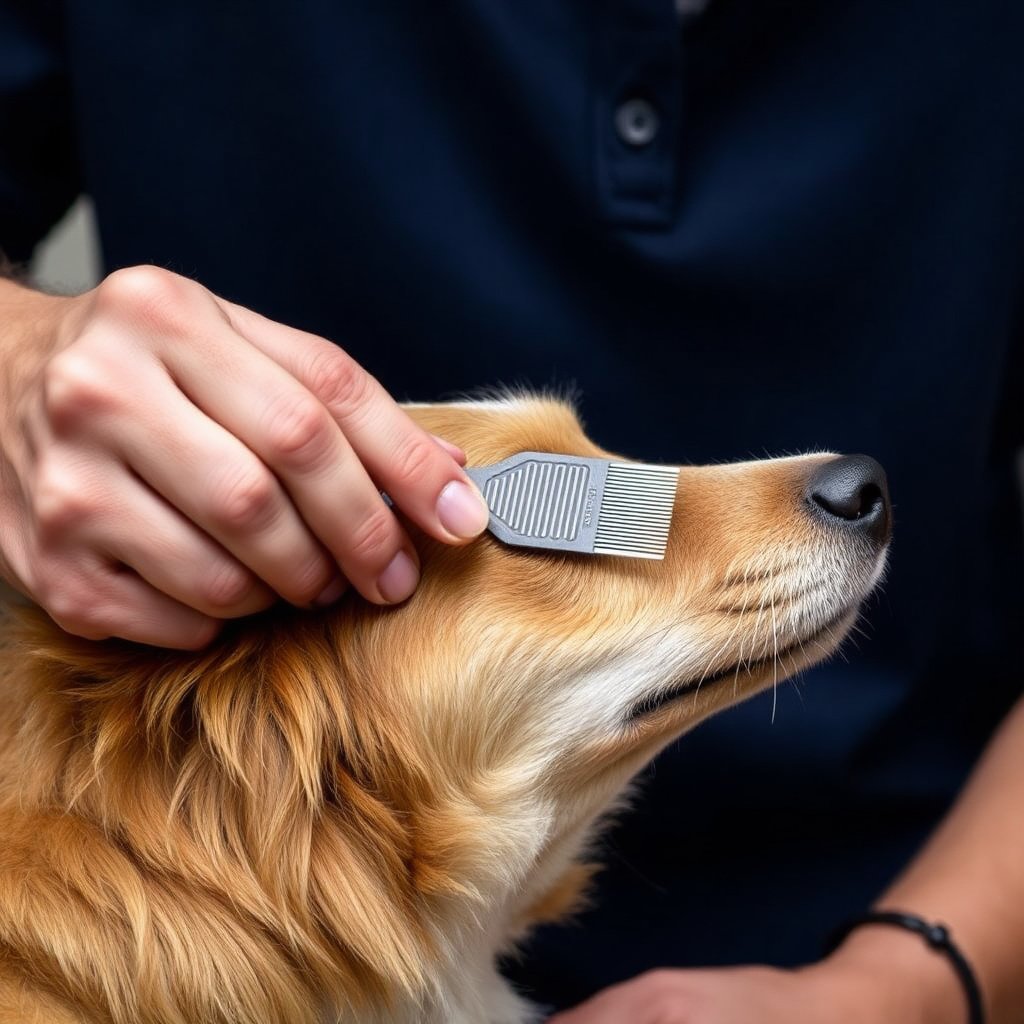
Regular Brushing and Flea Combing
Using a fine-toothed flea comb helps remove adult fleas and flea dirt (flea feces) from your dog’s coat. Regular combing, especially after outdoor activities, makes early flea detection easier and helps prevent infestation.
Comb through the fur carefully, focusing on the neck, tail base, and belly area where fleas commonly hide. Flea combing is a non-chemical control method that complements other flea prevention techniques.
- Comb daily during flea season
- Focus on flea-prone body areas
- Use flea comb with fine teeth
- Check combed-out debris for fleas
For more on this, see our related guide: Why Does My Dogs Coat Feel Rough? 8 Proven Causes and Fixes.
Bathing with Flea-Control Shampoos
Medicated flea shampoos can kill live fleas on your dog and soothe itching skin. Bathing frequency varies but generally should not be excessive to avoid drying out the skin.
After a flea shampoo bath, brushing and combing your dog while the coat is wet can increase flea removal. Always choose shampoos specifically formulated for dogs to avoid irritation.
- Use veterinarian-approved flea shampoos
- Avoid over-bathing to protect skin
- Comb while coat is still wet post-bath
- Treat affected pets gently to reduce stress
Choosing the Best Flea Prevention for Dogs
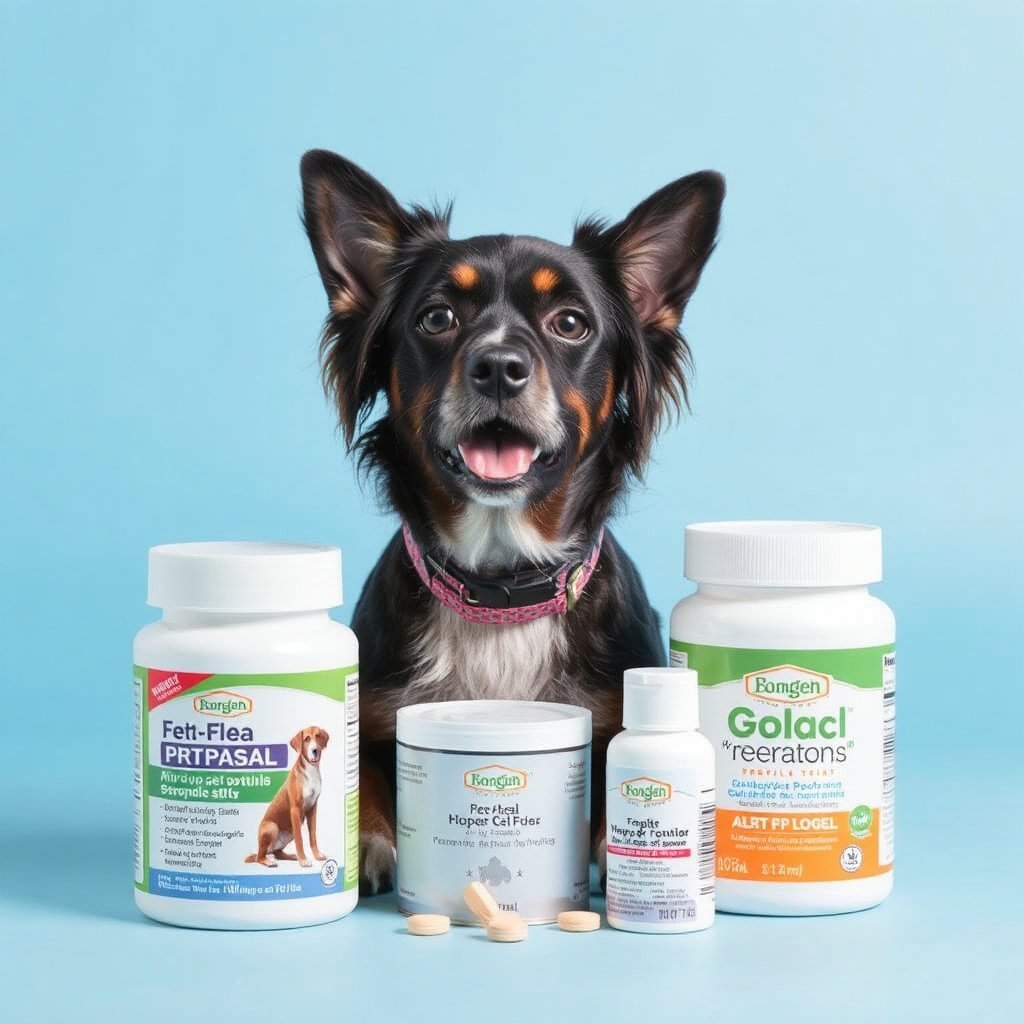
Factors to Consider When Selecting Flea Prevention
Consider your dog’s age, weight, health condition, and lifestyle when choosing a flea prevention product. Puppies, elderly dogs, or pets with medical issues may require specific formulations.
Some products combine flea and tick prevention or include additional parasite controls. Comparing efficacy, duration, and ease of use will help you find the best flea prevention for your dog.
- Dog’s age and weight restrictions
- Compatibility with health conditions
- Duration of protection offered
- Method of application preference
For more detailed guidance on flea and tick prevention, refer to resources provided by the American Veterinary Medical Association. Flea and Tick Prevention by the American Veterinary Medical Association.
Comparing Popular Flea Prevention Categories
Flea collars provide long-lasting prevention, usually from three to eight months, and can be a low-maintenance option. However, they might not be as immediately effective on existing fleas as topical or oral treatments.
Topical and oral medications typically offer quicker action and more comprehensive flea control but require monthly administration. Selecting the right product balances effectiveness, pet tolerance, and convenience.
- Collars: long-duration, passive prevention
- Topicals: fast-acting, monthly application
- Orals: systemic action, chewable ease
- Personal preference and pet response
Flea Prevention Options Comparison
Here’s a comparison of common flea prevention options highlighting effectiveness, application method, and protection duration to guide your choice.
| Category | Application Method | Protection Duration | Speed of Action | Typical Cost |
|---|---|---|---|---|
| Topical Treatments | Applied to skin | 1 month | Hours | Moderate |
| Oral Medications | Chewable tablet | 1 to 3 months | Within 24 hours | Moderate to high |
| Flea Collars | Worn around neck | 3 to 8 months | Days | Low to moderate |
| Flea Shampoos | Bath application | Immediate but short | Minutes | Low |
| Natural Remedies | Varied (sprays, powders) | Unreliable | Varies | Low |
Frequently Asked Questions
How often should I apply flea prevention to my dog?
Most topical and oral flea prevention products require monthly application, but some oral medications offer up to three months of protection. Always follow the product's label and your veterinarian's advice.
Can I use human flea treatments on my dog?
No, human flea treatments often contain chemicals harmful to dogs. Always use products specifically formulated and approved for dogs.
Are flea collars effective for all dogs?
Flea collars can be effective for many dogs, offering long-lasting protection. However, their effectiveness may vary, and they often work best when combined with other methods for severe infestations.
Is it safe to bathe my dog frequently with flea shampoo?
Frequent bathing can dry your dog's skin. Use flea shampoo as directed, usually no more than once a week, and moisturize your dog's skin if needed.
What are signs that my dog has fleas?
Common signs include excessive scratching, red skin, flea dirt (small black specks) in the fur, and visible fleas moving on your dog’s coat.
Key Takeaways
- Combine topical or oral preventatives with home and yard maintenance to control fleas.
- Regular grooming, including flea combing, helps detect and remove fleas early.
- Choose flea prevention products based on your dog’s health, lifestyle, and preference.
- Maintain a clean environment through frequent washing and vacuuming to stop flea life cycles.
Conclusion
Deciding how to prevent fleas on dogs effectively requires a thoughtful balance of preventive treatments, environmental care, and consistent monitoring. Understanding how fleas live and reproduce helps in selecting interventions that interrupt their life cycles. Integrating veterinary-approved topical or oral medications with diligent home cleaning significantly lowers flea infestation risks and ensures your dog’s comfort and health throughout the year.
For many dog owners, monthly topical treatments or oral medications deliver reliable protection with manageable upkeep. In conjunction, routine grooming using flea combs and periodic baths with flea-control shampoos reinforce protection against parasites. Maintaining a tidy yard and household through regular vacuuming and washing extends flea control beyond your pet, reducing the chance of reinfestation from the environment.
Taking proactive steps today can prevent costly and stressful flea infestations tomorrow. Consult your veterinarian to choose the best flea prevention for your dog’s specific needs and start with a regimen that suits your lifestyle. Consistency and vigilance are key — keeping your dog flea-free will promote not only comfort but also overall well-being.