How to Keep a Dog Still While Brushing: Effective Techniques That Work
Keeping a dog still while brushing requires a calm environment, patience, and the right techniques. Use gentle restraint methods such as sitting the dog on your lap or securing them with a leash in a quiet space. Offering treats and positive reinforcement helps your dog associate brushing with a pleasant experience and stay relaxed.
Brushing is an essential part of maintaining your dog's coat and health. If your pet moves too much during grooming, it can lead to ineffective brushing or accidental injuries. Encouraging stillness not only makes the process safer but also reduces stress for both you and your dog, making regular grooming sessions more manageable.
This article explores practical methods to keep your dog still while brushing, including environmental set-up, handling strategies, tools that calm restless dogs, and training tips. Whether you have an energetic puppy or an older dog resistant to grooming, you’ll find guidance to make brushing a smoother routine.
Creating a Calm Environment for Brushing
Choosing the Right Location
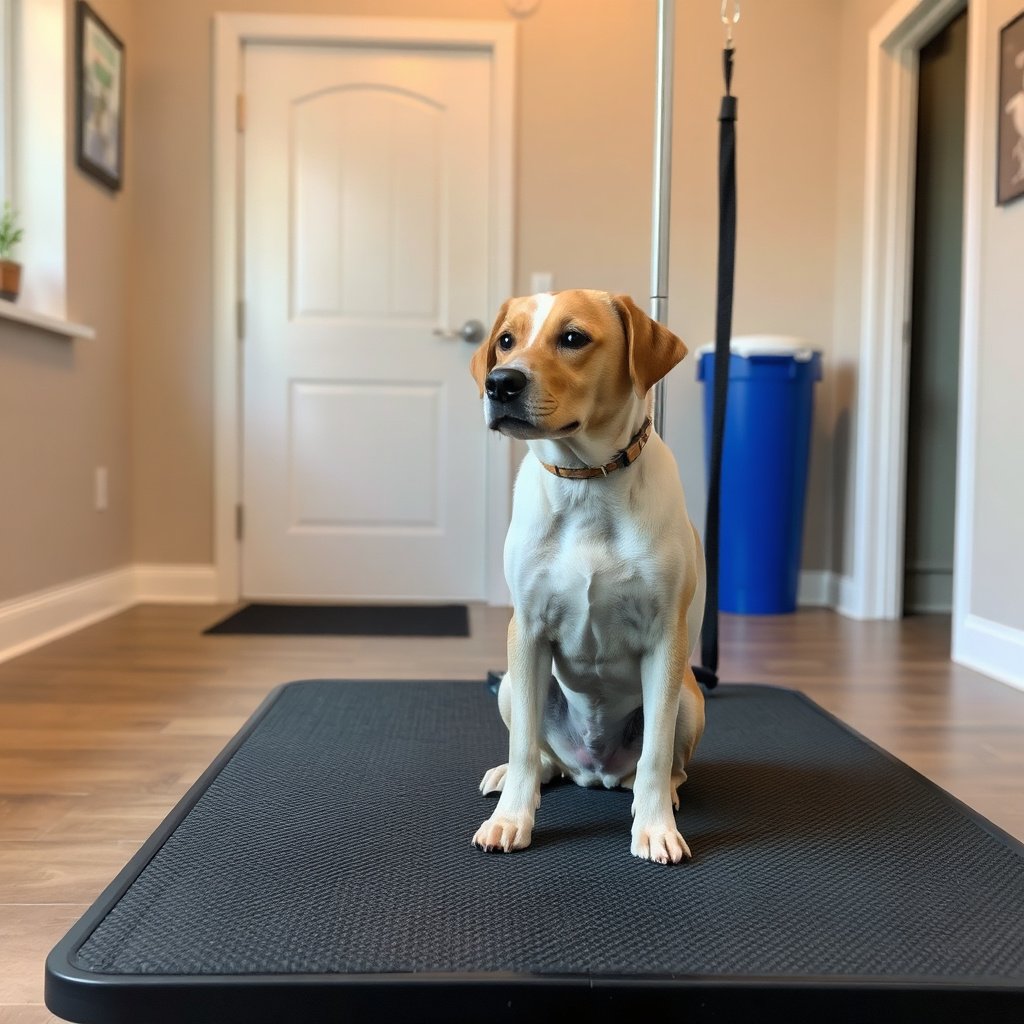
Select a quiet, familiar spot free of distractions for your grooming sessions. Avoid noisy rooms or areas with a lot of foot traffic, which can make your dog anxious and restless during brushing.
A soft surface such as a non-slip mat or carpet helps your dog feel secure. Position yourself where the dog feels comfortable and can maintain balance easily, reducing their urge to move during the process.
- Quiet room away from loud noises
- Non-slip grooming mat for safety
- Comfortable temperature and lighting
Using Soothing Sounds and Scents
Play soft music or calming sounds that your dog responds well to, which can help lower their heart rate and make them more tolerant of brushing. Scents like lavender or chamomile can also have a relaxing effect if safe and used sparingly.
Introduce these elements well before brushing to set a peaceful tone. Avoid sudden noises or strong odors that might startle or distract your dog during grooming.
- Soft instrumental or classical music
- Dog-safe calming sprays or diffusers
- Keep sounds at low volume
Handling and Restraint Techniques to Keep Dogs Still
Gentle Physical Restraint Methods
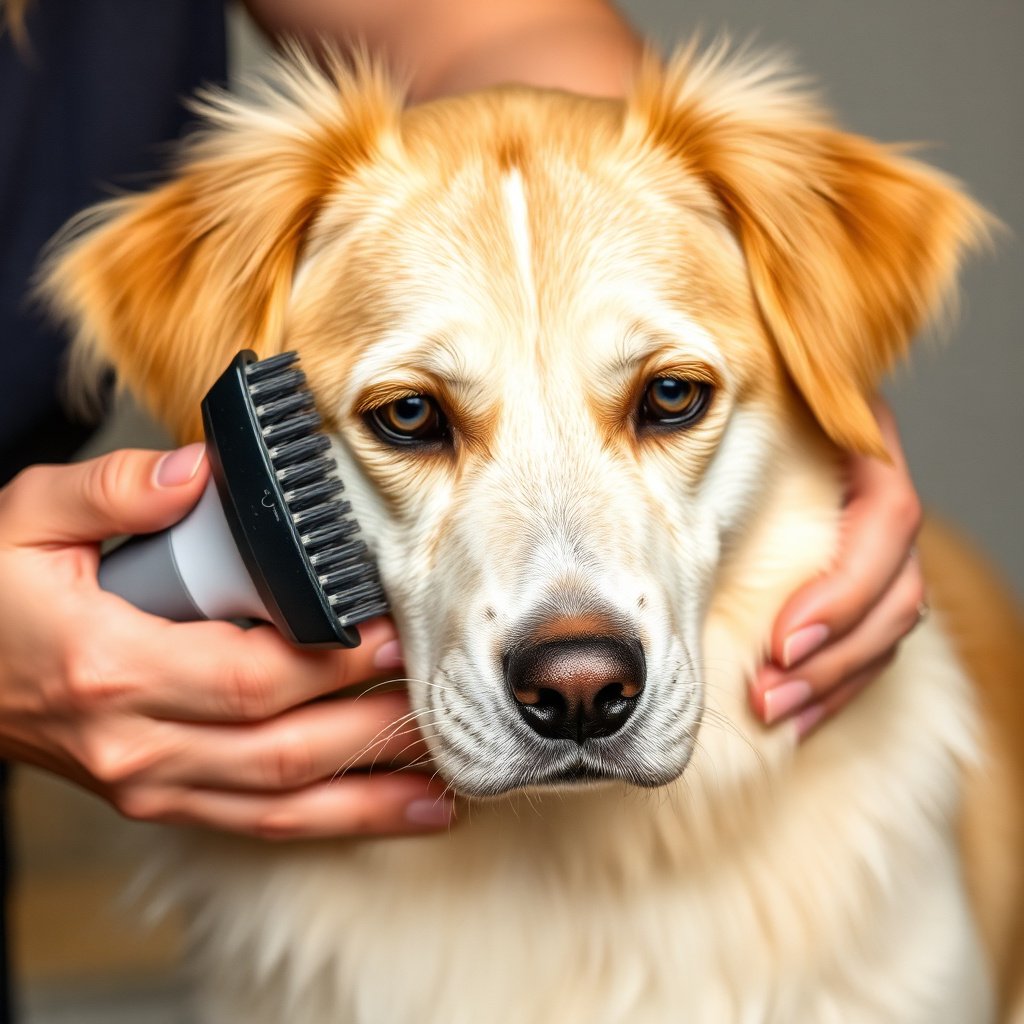
Use gentle but firm holds that make your dog feel secure without causing discomfort. Sitting the dog on your lap or using one arm to cradle and stabilize their chest helps limit movement naturally.
If standing, gently hold the dog’s collar or use a looped grooming leash attached to a stable surface. Avoid tight restraints, as these can increase anxiety and resistance.
- Lap brushing with arm support
- Grooming leash or no-pull collar
- Avoid restraining limbs harshly
Positioning for Control and Comfort
Position your dog so they can lean against a solid surface like a wall or table edge. This helps reduce their ability to shift away and makes brushing more controlled.
For longer sessions, change the dog’s position periodically to avoid discomfort and restlessness. Encourage your dog with soothing talk and brief breaks if needed to maintain cooperation.
- Have the dog lean against a wall
- Use grooming table with adjustable height
- Take short breaks to prevent stress
Tools and Accessories to Encourage Stillness
Choosing the Right Brush for Your Dog’s Coat
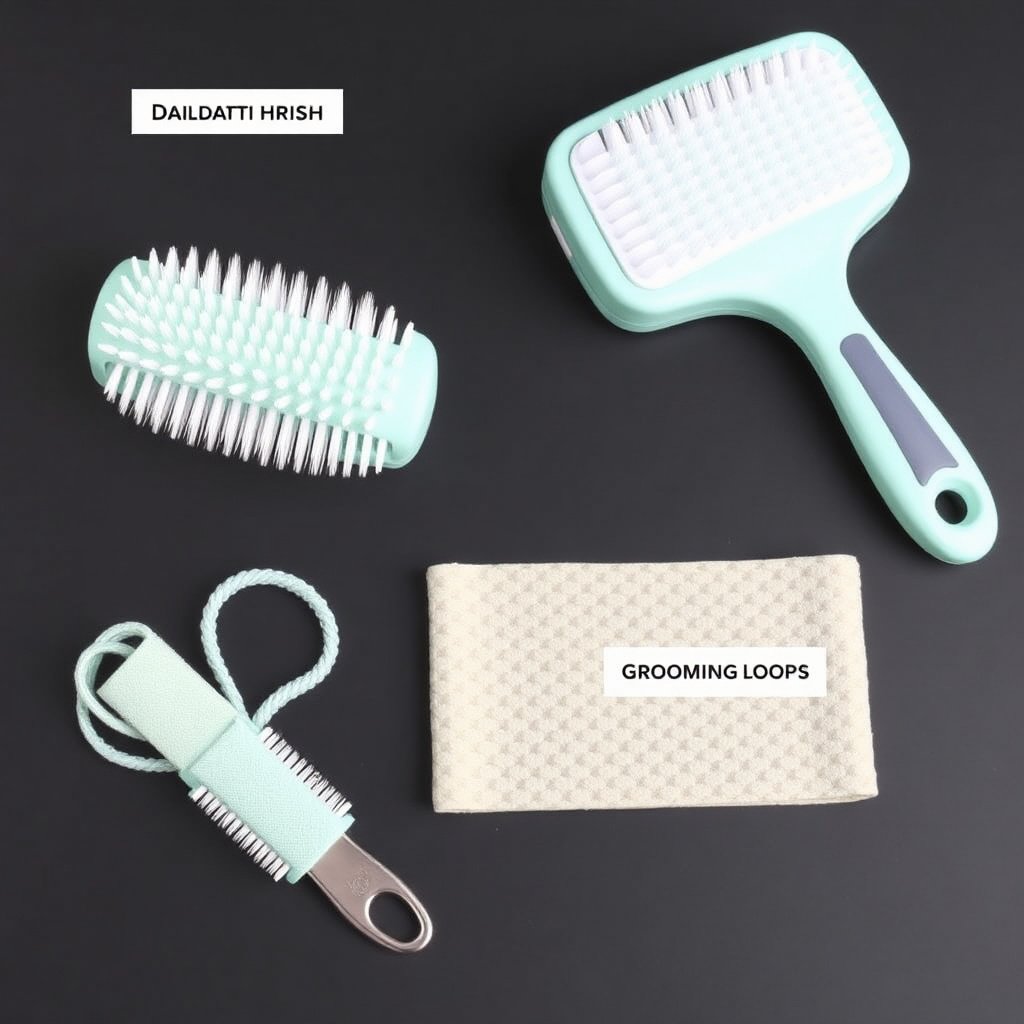
Selecting an appropriate brush can reduce discomfort and resistance. For short-haired dogs, use soft-bristled brushes, while slicker brushes suit medium to long coats. Avoid harsh tools that may tug or irritate sensitive skin.
Using the right tool means your dog will feel less irritation, which helps them stay calmer and still longer during the session.
- Soft bristle brushes for sensitive skin
- Slicker brushes for thick coats
- Avoid metal-toothed combs if dog is anxious
For more on this, see our related guide: How to Clean a Dogs Wrinkles: A Complete Guide with Proven Steps.
Using Calming Accessories
Consider calming wraps or anxiety vests that apply gentle pressure to your dog’s torso, which can soothe restless or nervous dogs. These can be especially helpful for dogs who react with hyperactivity during brushing.
Pair these accessories with treats and gentle talking to enhance your dog’s comfort and willingness to remain still.
- Anxiety wraps like Thundershirts
- Treat-dispensing brushes
- Soft grooming towels for sensory comfort
Training Your Dog to Accept Brushing
Positive Reinforcement Techniques
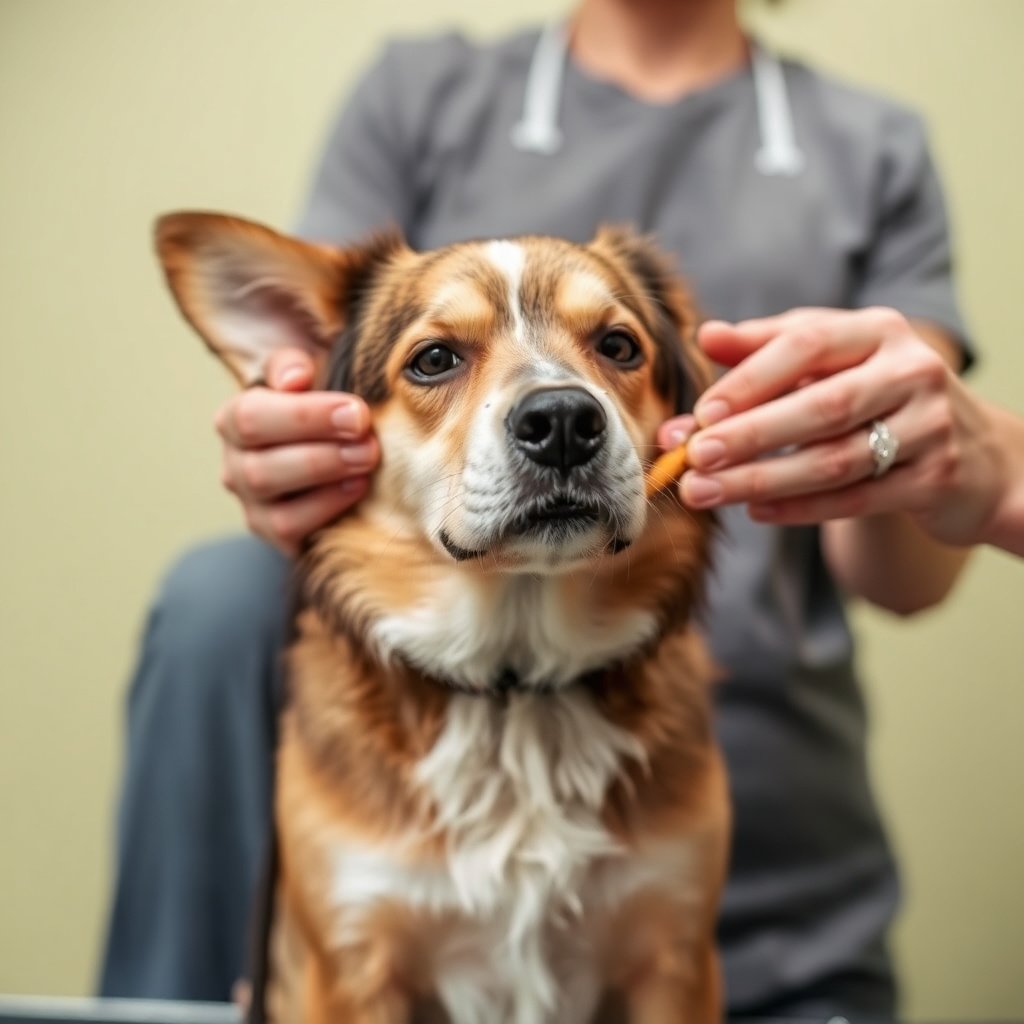
Use treats and praise to create a positive association with brushing. Start with short sessions and reward your dog immediately for calm behavior, gradually increasing duration over time.
Mark desired behaviors with a clicker or verbal cue before giving treats. Rewards help your dog focus and learn that stillness leads to pleasant outcomes.
- Use small, high-value treats
- Give verbal praise and gentle petting
- Progress from few strokes to full sessions
Desensitization and Familiarization
Introduce the brush as a toy or object your dog is curious about before trying to groom them. Allow your dog to smell and lick the brush while rewarding them to reduce fear.
Gradually practice touching your dog with the brush without brushing initially, and increase contact slowly. This method reduces resistance by building comfort over multiple sessions.
- Let the dog inspect the brush first
- Touch gently before brushing
- Increase brushing time progressively
Managing Difficult Behaviors During Brushing
Dealing with Squirming and Flight Attempts
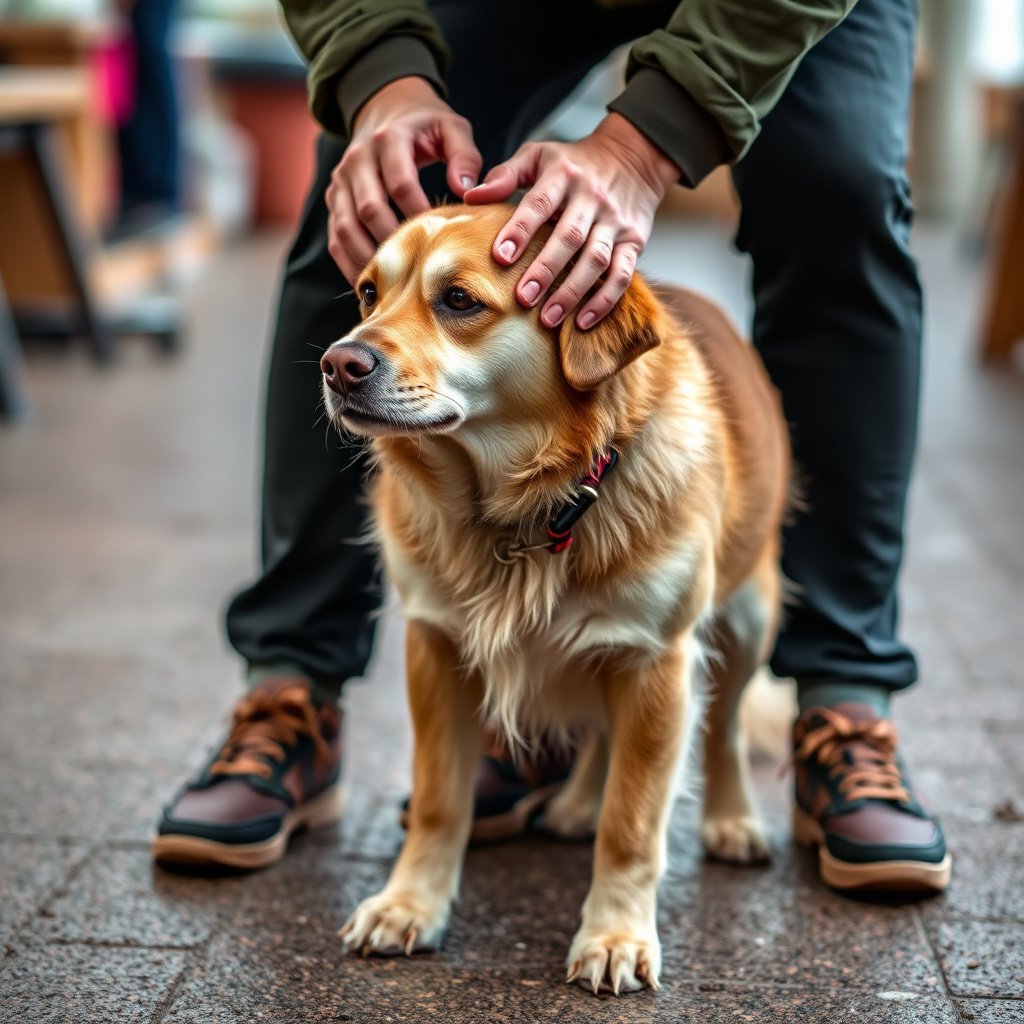
If your dog tries to move away, pause brushing and regain their attention with a treat or soothing voice. Avoid forcing them, as this can heighten their anxiety and struggle.
Practice shorter grooming sessions more frequently to build tolerance and reduce the urge to escape during brushing.
- Pause when dog struggles
- Use treats to focus attention
- Keep sessions brief initially
For more on this, see our related guide: How Do You Know If a Dog Has Mites? Clear Signs and Treatment Tips.
Handling Signs of Discomfort or Pain
Watch for signs of sensitivity such as flinching, growling, or snapping. If noticed, stop and check for mats, skin issues, or injuries that may be causing discomfort.
Schedule professional grooming or veterinary advice if your dog consistently reacts negatively. Proper grooming tools and gentle methods often alleviate pain-related resistance.
- Inspect skin for irritations or mats
- Switch to gentler tools if needed
- Consult vet for persistent issues
Timing and Routine for Consistent Brushing

Best Times to Brush Your Dog
Plan grooming sessions when your dog is naturally calm, such as after exercise or meals. Avoid brushing when your pet is overly energetic or tired, which can increase resistance.
Establishing a routine time daily or weekly helps your dog anticipate and accept brushing as a regular part of their day.
- Brush after walk or playtime
- Avoid brushing right before bedtime
- Keep consistent grooming schedule
To explore more about the importance and methods of dog grooming, consider visiting this detailed article on dog grooming. dog grooming.
Creating a Predictable Routine
Consistent brushing routines reduce anxiety over time. Use a specific place, time, and set of tools to help your dog recognize what to expect.
Combine brushing with other quiet bonding activities, reinforcing calm behavior that encourages stillness during grooming.
- Same location and grooming tools
- Use a calm, friendly voice
- Pair grooming with quiet petting
Methods to Keep a Dog Still While Brushing Comparison
Here’s a quick comparison of popular methods to help your dog stay still during brushing, highlighting their effectiveness and best use cases.
| Method | Best For | Effectiveness | Ease of Use |
|---|---|---|---|
| Gentle Physical Restraint | Calm or medium-energy dogs | High | Moderate |
| Calming Accessories | Anxious or hyper dogs | Moderate to High | Easy |
| Positive Reinforcement Training | All dogs | High with practice | Requires patience |
| Short, Frequent Sessions | Energetic or impatient dogs | Moderate | Moderate |
| Quiet Environment Setup | Sensitive or nervous dogs | High | Easy |
Frequently Asked Questions
How can I keep my dog calm if they hate brushing?
Start with short sessions and use treats to create a positive experience. Gradually increase brushing time and ensure you use gentle tools. Familiarizing your dog with the brush before grooming helps reduce fear.
Is it safe to use a grooming leash during brushing?
Yes, when used correctly, grooming leashes provide gentle restraint to keep your dog steady. Make sure it’s not too tight and allow frequent breaks to prevent discomfort or anxiety.
How often should I brush my dog to keep them still more easily?
Regular, consistent brushing—several times a week or as needed depending on coat type—helps your dog get used to the process and remain calmer during sessions.
What should I do if my dog gets aggressive during brushing?
Stop brushing immediately to avoid escalating aggression. Consult a professional trainer or veterinarian to address underlying pain, fear, or behavioral issues before continuing grooming.
Are there any grooming tools that help keep dogs still?
Tools like soft brushes and calming wraps can reduce discomfort and anxiety during brushing, making dogs more likely to stay still and cooperative.
Key Takeaways
- Create a quiet, comfortable environment to reduce distractions during brushing.
- Use gentle restraint and positioning techniques to stabilize your dog safely.
- Positive reinforcement with treats encourages calm, still behavior.
- Consistent routine and appropriate grooming tools make brushing easier.
Conclusion
Making your dog stay still while brushing depends largely on patience, understanding, and the right approach tailored to your pet’s temperament and coat type. Recognizing your dog’s comfort levels and using gentle, positive methods can transform grooming into a calm bonding time. Keeping the environment peaceful and using gentle restraint methods create a safe and reassuring space for your dog during brushing sessions.
For most dogs, starting with gentle physical restraint combined with soft brushes and positive reinforcement offers a practical solution. Anxious or highly energetic dogs may benefit from calming accessories like Thundershirts or a quiet location free from distractions. Establishing a regular grooming routine after a walk helps your dog remain more relaxed, while short, frequent sessions gradually build tolerance and cooperation.
Ultimately, a consistent, patient strategy that respects the dog’s signals will make brushing more effective and less stressful. Begin slowly, reward stillness generously, and seek professional advice if your dog shows discomfort or aggression. By taking these steps, grooming will become a manageable and even enjoyable routine for both you and your dog.