How to Groom a Double Coated Dog: Step-by-Step Care Guide
Grooming a double coated dog requires a specific approach to maintain both layers of fur healthy and tangle-free. These dogs have a dense undercoat beneath a coarser topcoat, so regular brushing is necessary to remove loose hair and prevent mats, especially during shedding seasons.
Double coated breeds such as Siberian Huskies, Golden Retrievers, and German Shepherds need frequent care because their fur naturally protects them from weather but can trap dirt and moisture without proper maintenance. Ignoring grooming can lead to skin irritations and discomfort for your dog.
This guide will cover the best tools to use, how often to groom, techniques for brushing and bathing, managing shedding effectively, and tips to keep your double coated dog's coat shiny and healthy year-round.
Understanding the Double Coat Structure
The Undercoat and Its Purpose
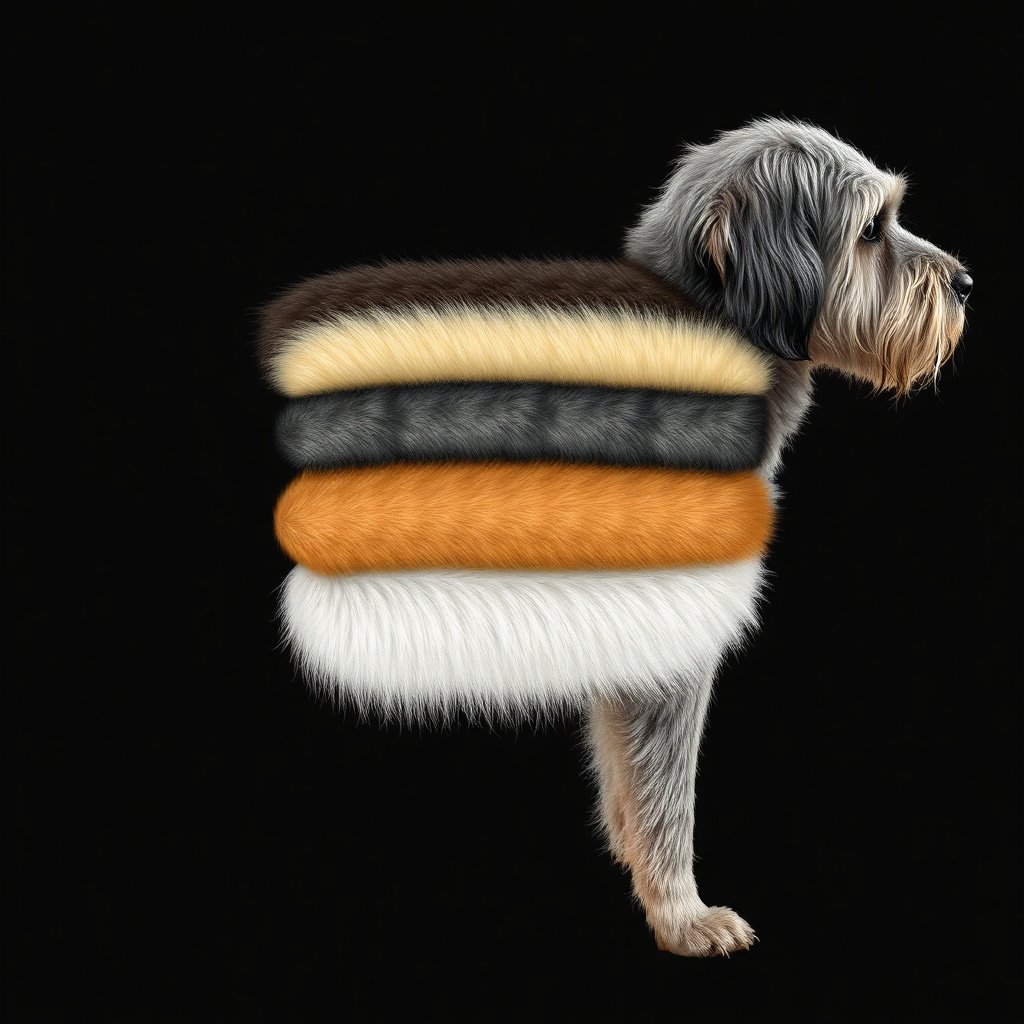
The undercoat is a dense, soft layer of fur close to the dog's skin, designed to provide insulation against both cold and heat. It traps warm air during winter and cools the skin during summer by blocking sunlight and retaining cool air.
Because of its thickness, the undercoat tends to shed heavily twice a year, usually during spring and fall, when dogs blow their coat. Without removing this loose hair, it compromises the insulation properties and can cause discomfort.
The Topcoat: Protection and Shine
The topcoat consists of longer, coarser guard hairs that repel water, dirt, and debris, helping keep the skin dry. These hairs are also less prone to matting, but they protect the softer undercoat beneath.
While this coarser hair is easier to maintain, neglecting the undercoat grooming can lead to tangles and hidden mats, which eventually pull on the skin and cause pain. A thorough grooming routine must address both layers.
Tools Essential for Grooming a Double Coated Dog

Brushes and Rakes for Effective Fur Removal
A slicker brush is ideal for removing loose hair and surface debris from the topcoat, while an undercoat rake targets the dense layer underneath. Using these tools in tandem ensures thorough deshedding without damaging the hair shafts.
Select tools with appropriate blade lengths based on your dog's coat thickness. Regular grooming sessions using these brushes prevent heavy shedding and improve airflow to the skin.
- Slicker brush for surface tangles
- Undercoat rake for dense fur removal
- Comb for finishing
- De-matting tool if needed
Additional Grooming Supplies
Besides brushes, you'll need grooming scissors or thinning shears to trim excessively long fur, especially around the paws and sanitary areas. Quality dog shampoo formulated for double coats supports skin health without stripping natural oils.
A blow dryer with adjustable temperature settings helps dry the dense coat thoroughly after bathing to prevent moisture retention that can cause skin issues or mildew smells.
- Grooming scissors
- Dog-specific shampoo
- Blow dryer with cool/dry settings
- Nail clippers
Step-by-Step Grooming Process for a Double Coated Dog
Brushing Technique and Frequency
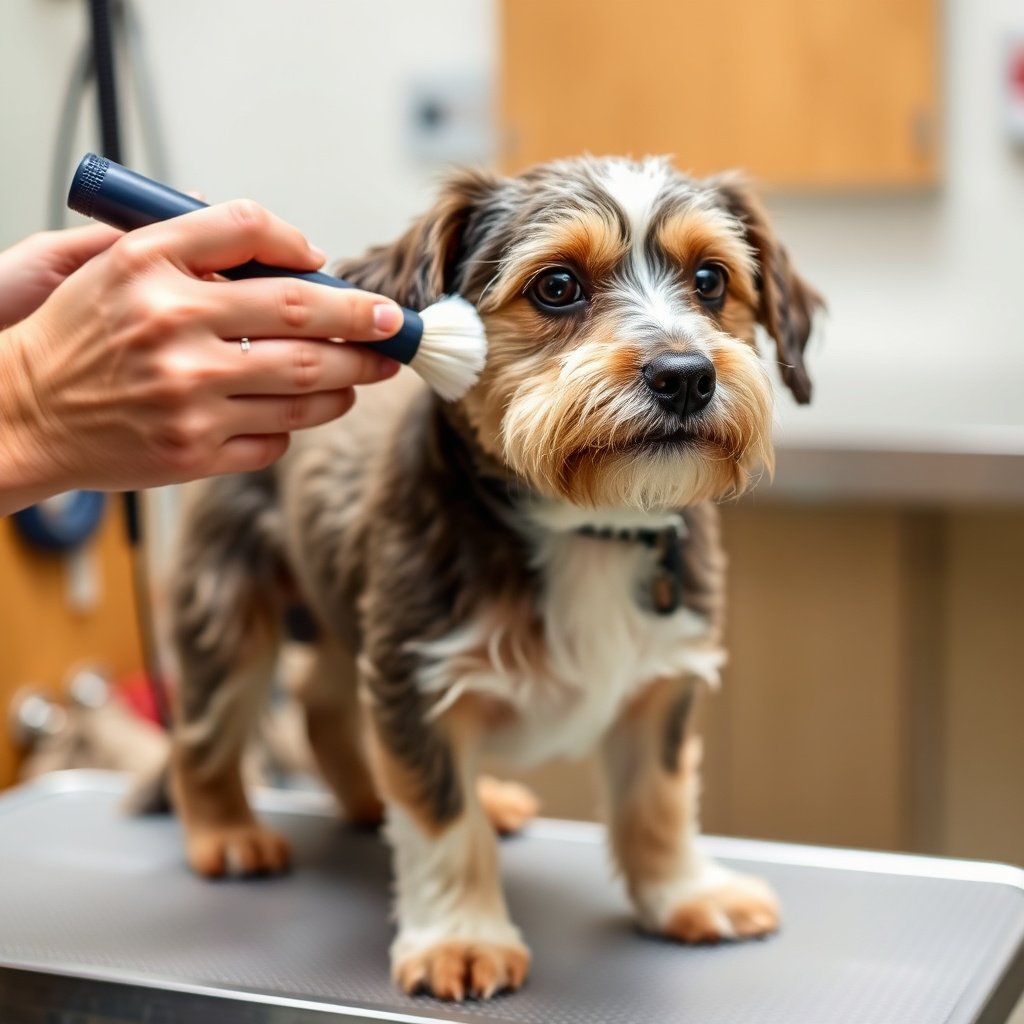
Begin by using the slicker brush to gently remove surface dirt and loose hairs from the topcoat, working in the direction of hair growth. Follow with the undercoat rake to reach down to the dense base but avoid excessive force to prevent skin irritation.
For most double coated dogs, brushing should be done two to three times weekly year-round, increasing daily sessions during shedding seasons to reduce hair accumulation around the house.
- Brush in sections to cover the entire body
- Be gentle around sensitive areas
- Use a comb to finish and locate any remaining mats
For more on this, see our related guide: Why Does My Dog Shake After a Bath? 8 Key Reasons and Solutions.
Bathing and Drying Tips
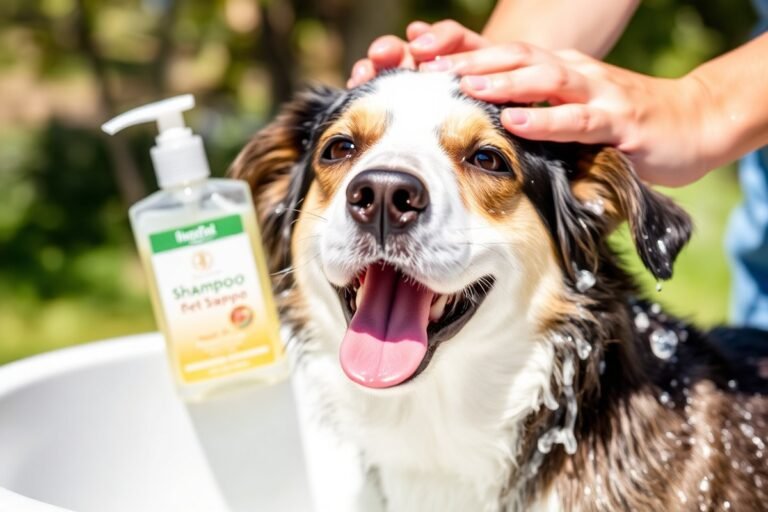
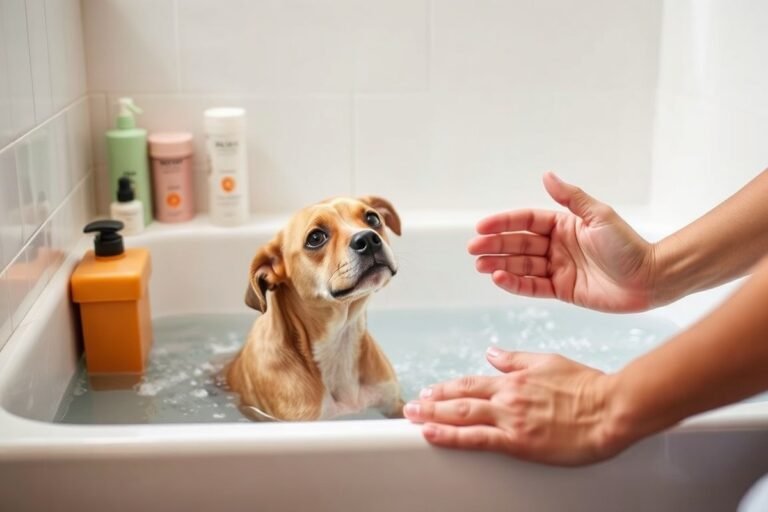
Bath your dog every 6-8 weeks or when visibly dirty, using a moisturizing shampoo suitable for double coats. Avoid over-bathing since it strips protective oils. Rinse thoroughly to prevent residue build-up that causes itching.
Dry the coat completely using a towel first, then a blow dryer on a low heat setting to prevent chilling and skin infections. Brush during drying to keep the fur aligned and speed evaporation.
- Use lukewarm water
- Avoid the eyes and ears
- Dry thoroughly to prevent mildew
Managing Seasonal Shedding and Fur Maintenance
Blowing the Coat During Shedding Season
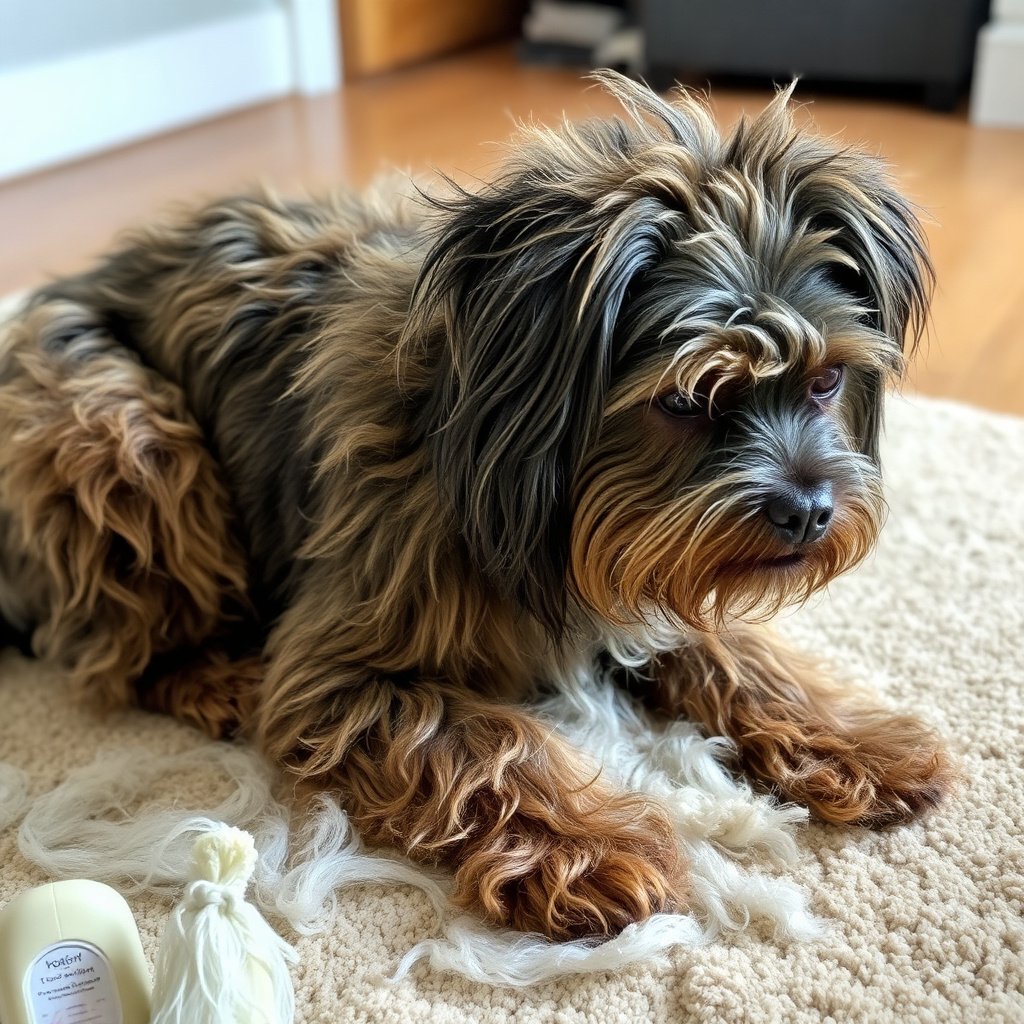
During shedding season, frequent brushing with an undercoat rake helps 'blow' the coat, removing dead undercoat before it loosens and falls out naturally. This reduces hair accumulation inside your home and discomfort from mats.
Shedding can be intense for several weeks; maintaining a consistent grooming routine and possibly supplementing with omega fatty acids supports skin and coat quality during this period.
- Brushing daily or every other day
- Use de-shedding sprays cautiously
- Keep your dog hydrated and healthy
Dealing with Mats and Tangles
Double coated dogs can develop mats, especially behind ears, under legs, and around collars. To remove mats, use a de-matting comb or scissors carefully to avoid cutting the skin. Prompt mat removal prevents skin irritation.
Regular brushing is the best way to prevent mats. For severe mats, professional grooming may be required to safely cut them out and restore the coat’s health.
- Spot check problem areas often
- Do not pull harshly on mats
- Seek pro help if mats are large
Health and Skin Considerations During Grooming
Recognizing Skin Issues Early
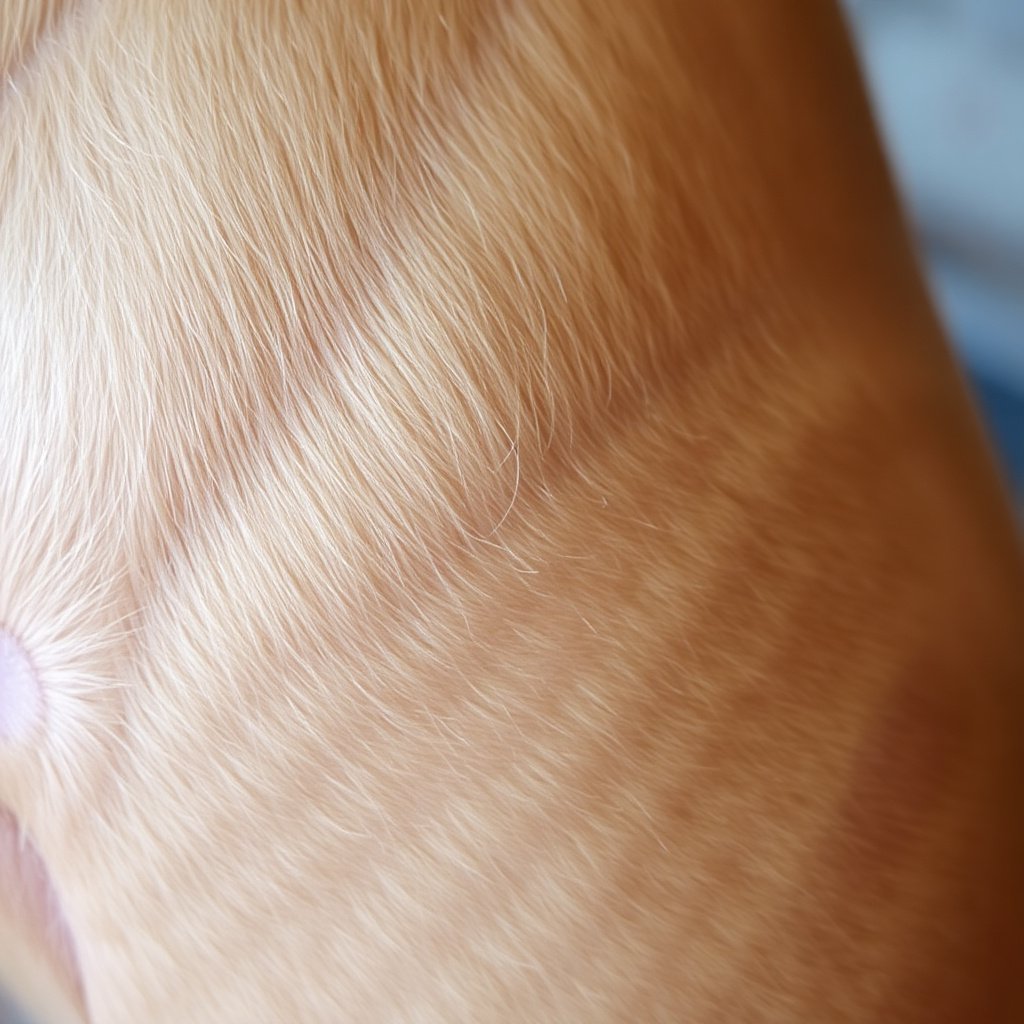
Grooming sessions serve as excellent opportunities to inspect your dog's skin for redness, bumps, infections, or parasites like ticks and fleas. Skin problems often hide under thick double coats until they advance.
Early detection through regular grooming allows faster treatment and prevents worsening conditions. If anything unusual is noticed, consult your veterinarian immediately.
- Check ears, under legs, belly
- Look for scabs, flakes, or odors
- Note any unusual scratching behavior
For more on this, see our related guide: How Many Baths Does a Dog Need? A Complete Guide to Bathing Frequency.
Nutritional Support for Healthy Fur
A well-balanced diet rich in omega-3 and omega-6 fatty acids promotes a glossy, resilient double coat. Supplements like fish oil can improve hydration and reduce shedding severity by supporting skin barrier function.
Nutrition directly impacts coat condition, so working with your vet to optimize your dog’s diet complements physical grooming in keeping that beautiful double coat vibrant.
- Incorporate fatty acid supplements
- Feed high-quality protein
- Maintain hydration
Professional Grooming vs. At-Home Grooming

Benefits of Professional Grooming Services
Professional groomers have specialized knowledge and tools to handle double coated dogs, including effective de-shedding treatments and safe trimming. They can spot problem areas that might go unnoticed at home.
Regular professional grooming every few months complements weekly home grooming by thoroughly detangling and deep cleaning the coat, especially for busy pet owners.
- Advanced tools and expertise
- Access to professional-grade products
- Nail trimming and ear cleaning
For additional scientific background and breed examples, see the detailed double coat dog grooming article on Wikipedia. double coat dog grooming on Wikipedia.
Maintaining the Coat Between Groomer Visits
Even if you schedule professional groomings, maintaining the coat at home with regular brushing and spot cleaning is essential. This minimizes mat formation and keeps shedding controlled until the next appointment.
Consistency is vital for double coated dogs to prevent coat damage and keep your dog comfortable throughout the year.
- Brush two to three times weekly
- Check for mats regularly
- Bathe at home as needed
Double Coated Dog Grooming Tools Comparison
Here is a comparison of popular grooming tools designed specifically for managing double coated dog fur effectively.
| Tool Type | Best For | Ease of Use | Price Range |
|---|---|---|---|
| Slicker Brush | Removing surface loose hairs and tangles | Moderate | $10-$25 |
| Undercoat Rake | Deep undercoat deshedding | Moderate | $15-$40 |
| De-matting Comb | Breaking down stubborn mats | Advanced | $20-$30 |
| Grooming Scissors | Trimming fur around sensitive areas | Easy | $10-$35 |
| Electric Deshedding Tool | Large scale shedding management | Challenging | $50-$120 |
Frequently Asked Questions
How often should I groom my double coated dog?
Typically, brush your double coated dog two to three times a week year-round, increasing to daily sessions during heavy shedding seasons to effectively manage loose fur.
Is it okay to shave my double coated dog?
Shaving double coated dogs is generally discouraged because it disrupts the natural insulation, leading to overheating or sunburn and often resulting in poor coat regrowth.
Can I use human shampoos on my double coated dog?
Human shampoos can irritate dog skin and strip natural oils. Use shampoos specifically formulated for dogs to maintain coat health and moisture balance.
What signs indicate my dog has skin problems under its coat?
Look for redness, itching, flaky skin, unusual odors, or bald patches as early signs of skin issues needing veterinary attention.
How can I reduce heavy shedding in my double coated dog?
Regular brushing with an undercoat rake, balanced nutrition including omega fatty acids, and proper bathing help minimize excessive shedding.
Key Takeaways
- Regular grooming prevents mats and promotes healthy skin in double coated dogs.
- Use both slicker brushes and undercoat rakes to effectively manage the fur layers.
- Avoid shaving as it harms double coats and natural temperature regulation.
- Professional grooming supplements home care for best results year-round.
Conclusion
Choosing how to groom a double coated dog means recognizing the unique nature of their dense undercoat and guard hairs. Maintaining these layers requires a combination of frequency and the correct tools, such as slicker brushes and undercoat rakes, to remove loose fur without damaging the coat. Paying attention during brushing sessions allows you to identify early skin issues and prevent discomfort caused by mats and tangles, ensuring the dog's fur remains protective and beautiful.
For dogs with heavy seasonal shedding, a more intensive grooming routine, including daily brushing with specialized tools, helps control loose hair and keeps your home cleaner. Regular baths with dog-safe shampoos and thorough drying prevent skin problems caused by trapped moisture. If your schedule or skills limit home grooming, professional groomers offer valuable services to thoroughly care for your dog’s coat, addressing mats and trimming where necessary. Combining these efforts guarantees the double coat stays healthy across weather changes.
Start by selecting suitable grooming supplies based on your dog's breed and coat condition, then establish a routine that meets seasonal needs. Begin gently to build your dog’s trust and make grooming a pleasant experience. Watching closely for fur texture and skin changes will help adapt the schedule. Caring patiently and regularly for a double coated dog's fur preserves the coat’s natural function, comfort, and appearance, making grooming a rewarding part of pet parenthood.