
How to Brush a Cat That Hates Brushing: Gentle Tips and Tricks
If your cat resists brushing, start by selecting the right brush and creating a calm environment. Gently introduce grooming sessions in short intervals, rewarding with treats to build trust. Use slow, smooth strokes focusing on less sensitive areas first to help your cat become comfortable over time.
Brushing a cat that dislikes it matters for their health and well-being. Regular grooming prevents matting, reduces shedding, and minimizes hairballs. The challenge is to make the experience positive so your cat doesn’t associate brushing with stress or fear, which may otherwise lead to aggressive behavior or avoidance.
This article explores practical strategies on how to brush a cat that hates it, including choosing appropriate grooming tools, managing your cat's behavior during brushing, step-by-step brushing techniques, and troubleshooting common problems. By applying these tips, you can turn grooming into a bonding time.
Choosing the Right Tools for Brushing a Cat That Hates Brushing
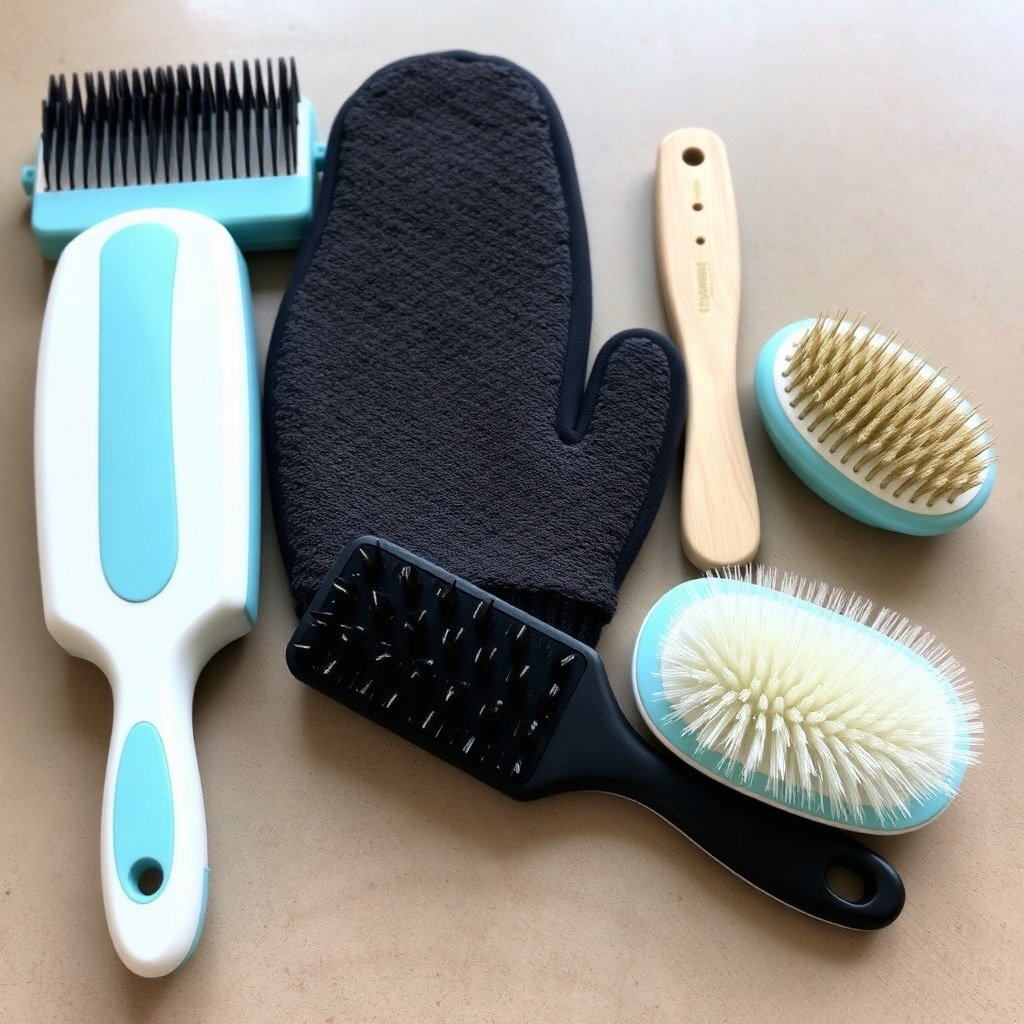
Types of Brushes Suitable for Sensitive Cats
Cats that dislike brushing often respond better to softer tools like rubber grooming mitts or soft bristle brushes, which are less likely to irritate their skin. Slicker brushes can be effective on mats, but only if your cat tolerates them, as their fine wires may cause discomfort.
Consider the type of coat your cat has; short-haired cats typically need less intensive grooming tools than long-haired breeds, which may require combs in addition to brushes. Experimenting with these can help find the best cat brushes for sensitive cats.
- Rubber grooming mitt for gentle massages
- Soft bristle brush for sensitive skin
- Slicker brush for removing mats (used carefully)
- Fine-toothed comb for long-haired cats
Preparing Your Equipment Before Grooming
Before each session, ensure your brush is clean and free of debris to prevent discomfort. Having treats and a towel nearby prepares you for both rewarding good behavior and managing any sudden movements.
Warm the brush slightly by running it through your hands to make it feel more pleasant to your cat. Additionally, brushing in a quiet space reduces distractions that could increase your cat's anxiety.
Understanding Your Cat’s Behavior During Brushing
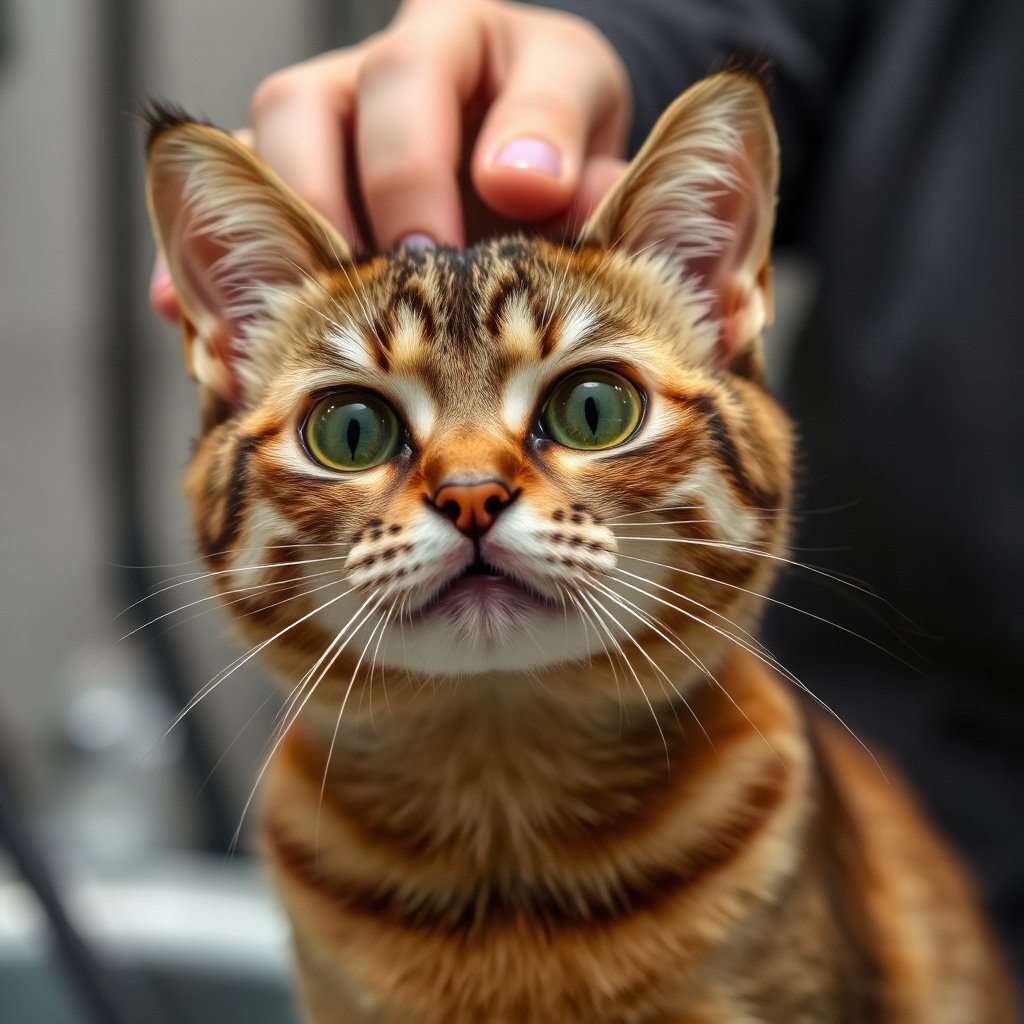
Recognizing Signs of Discomfort or Stress
Cats express discomfort with body language such as flattened ears, tail flicking, vocalizations like hissing, or attempting to escape. Recognizing these early signs lets you pause before the situation escalates, keeping safety in mind.
Awareness of these cues helps you adjust your approach by shortening sessions or switching areas to less sensitive parts, fostering a more positive brushing experience.
- Flattened ears or ears rotating backward
- Hissing or growling sounds
- Trying to squat, run away, or swipe
- Dilated pupils or wide eyes
For more on this, see our related guide: Should You Brush a Dog Before a Bath? Proven Benefits and How-To Guide.
Building Trust Through Gradual Desensitization
Gradual exposure to the brush without direct contact helps your cat become accustomed to its presence. For example, place the brush near their sleeping area and allow them to sniff it.
Pairing the brush with reward-based training, such as giving treats after brief touches, establishes positive associations. Consistent short sessions are more effective than infrequent long ones.
Step-by-Step Techniques on How to Brush a Cat That Hates Brushing
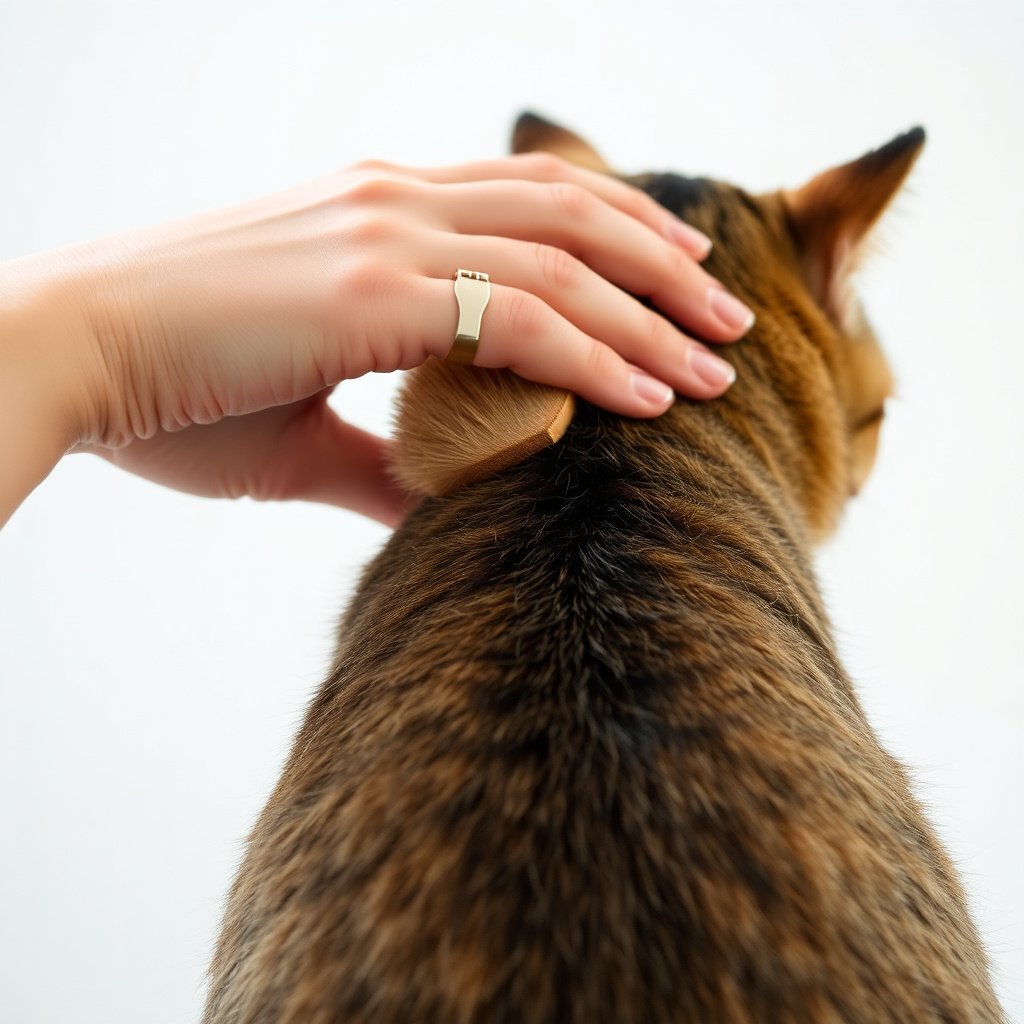
Starting with Calm and Gentle Touch
Begin brushing in areas where the cat generally enjoys touch, often the top of the head or cheeks, using light pressure. Keep strokes slow and in the direction of hair growth to minimize discomfort.
Maintain a gentle tone and offer treats intermittently to reinforce relaxed behavior. Avoid forceful or rapid movements, as these can trigger resistance or fear.
- Use soft, long strokes with light pressure
- Focus initially on less sensitive areas
- Speak softly to soothe your cat
- Offer a treat after a successful brushing moment
Managing Difficult Spots and Mats
When approaching tangled fur or mats, use a detangling spray or a mat splitter to ease the process. Gently tease apart mats with your fingers before using a slicker brush sparingly to avoid pain.
If the cat becomes agitated, pause and switch back to brushing easier sections or stop the session. Avoid pulling or cutting mats yourself unless confident, as improper handling can injure your cat.
- Apply detangling spray for stubborn mats
- Use fingers carefully to loosen knots
- Limit use of slicker brushes on sensitive mats
- Pause if cat shows distress
Creating a Positive Grooming Environment

Choosing the Right Time and Place
Schedule brushing sessions when your cat is naturally relaxed, such as after a nap or meal. Avoid times when your cat is highly playful or anxious.
Select a quiet, comfortable space free of loud noises and distractions. A familiar environment helps the cat feel secure and more willing to tolerate grooming.
For more on this, see our related guide: How to Bathe a Cat at a Pet Wash: Simple Steps for Stress-Free Baths.
Using Rewards and Comfort Items
Pair brushing with your cat’s favorite treats, toys, or gentle petting after sessions to create positive reinforcement. Comfort items like a familiar blanket or pheromone sprays may reduce anxiety during grooming.
Establish a consistent routine so your cat anticipates pleasant outcomes, improving cooperation over time.
- Provide treats intermittently
- Offer playtime or petting after brushing
- Use calming pheromone diffusers
- Maintain a regular grooming schedule
Troubleshooting Common Challenges When Brushing a Resistant Cat
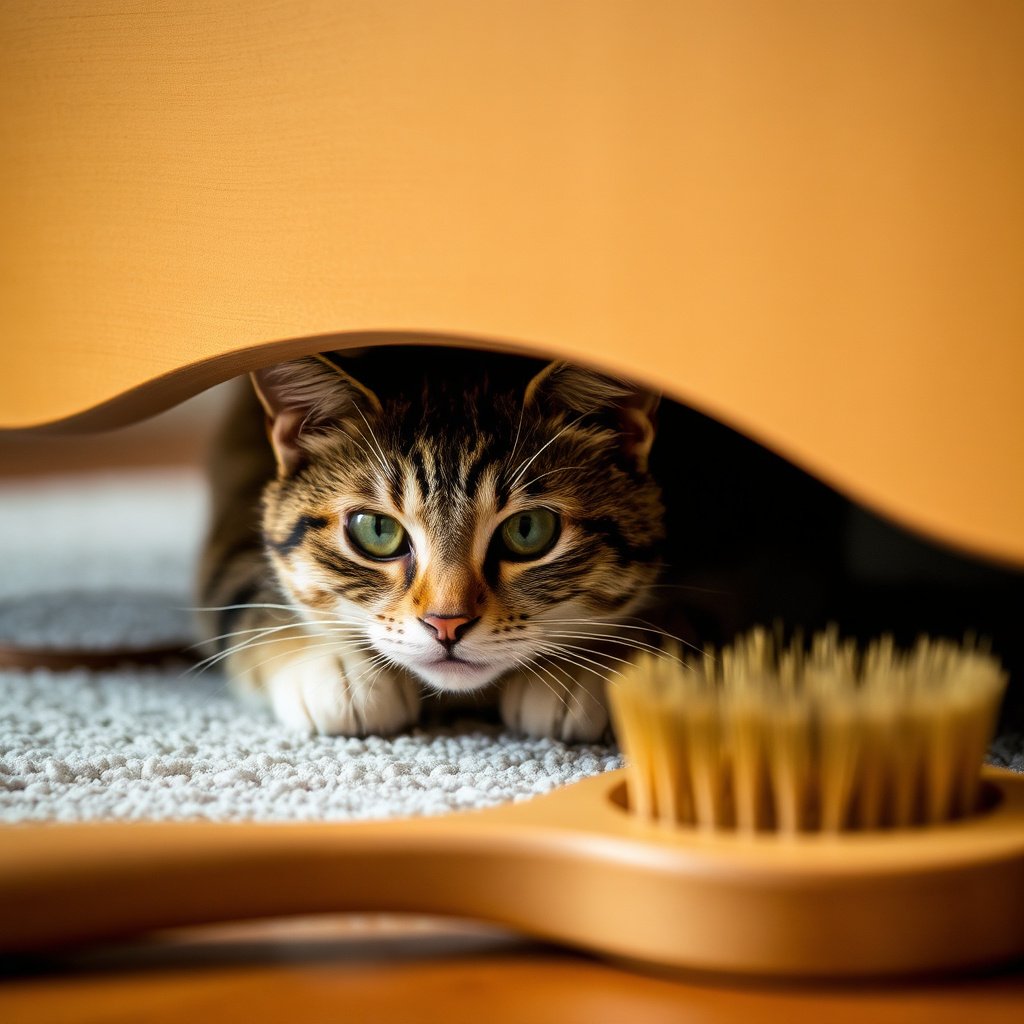
Handling Aggression or Escape Attempts
If your cat tries to bite, scratch, or flee, it’s best to stop the session calmly and avoid punishment. Try shorter sessions with more breaks and use a towel to gently restrain the cat if needed.
Consulting a veterinarian or animal behaviorist can help if aggressive behavior persists during grooming.
- Pause immediately if aggression occurs
- Use calm voice and slow movements
- Shorten sessions with frequent breaks
- Seek professional advice if needed
For more detailed tips on feline grooming, visit the cat grooming advice from the ASPCA. cat grooming advice from the ASPCA.
Dealing with Excessive Shedding or Mats
Regular brushing reduces shedding and prevents mats, but if mats form quickly or shedding is excessive, consider whether diet, health, or seasonal changes might be factors.
Switching to the best cat brushes for sensitive cats can help reduce skin irritation related to frequent grooming.
- Increase grooming frequency during shedding seasons
- Evaluate diet and health with a vet
- Use gentle brushes to prevent skin damage
- Trim mats carefully or seek grooming professionals
Comparison of Cat Brush Types for Sensitive Cats
Here's a quick comparison of common cat brushes suited for cats that dislike grooming, highlighting their features and best use cases.
| Brush Type | Effectiveness for Sensitive Cats | Best Coat Type | Maintenance |
|---|---|---|---|
| Rubber Grooming Mitt | High – gentle and soothing | Short and medium coats | Easy to clean, rinse after use |
| Soft Bristle Brush | Moderate – gentle on skin | Short-haired cats | Brush cleaning needed frequently |
| Slicker Brush | Low to moderate – can irritate | Long-haired cats, mats | Frequent bristle cleaning required |
| Fine-Toothed Comb | Moderate – good for tangles | Long-haired cats | Easy to clean |
| Undercoat Rake | Low – can be harsh | Thick double coats | Needs regular cleaning |
Frequently Asked Questions
How often should I brush a cat that hates brushing?
Start with very short sessions once or twice a week, gradually increasing frequency as your cat becomes more comfortable. Long-haired breeds may require more frequent grooming to avoid mats.
What if my cat bites or scratches during brushing?
Stop immediately to avoid escalating stress. Try gentler tools, shorter sessions, and reward calm behavior. If aggression is persistent, seek advice from a veterinarian or behaviorist.
Can grooming help reduce hairballs in cats?
Yes, regular brushing removes loose hair before your cat ingests it during self-grooming, reducing hairballs and digestive issues.
Are there alternatives to brushing for cats that hate it?
Yes, gentle massage with rubber mitts or professional grooming can be alternatives. Regular veterinary checks ensure skin health if grooming is challenging.
How do I introduce a new brush to a fearful cat?
Allow your cat to sniff and explore the brush without pressure first. Use treats and rewards to associate the brush with positive experiences.
Key Takeaways
- Start grooming with gentle tools like rubber grooming mitts or soft bristle brushes.
- Recognize and respect your cat’s stress signals during grooming.
- Use gradual desensitization paired with treats to build positive associations.
- Choose calm times and quiet spaces for brushing sessions.
Conclusion
Brushing a cat that hates brushing is a process that hinges on patience, understanding, and respect for your cat’s comfort level. The main approach involves using suitable tools and techniques to minimize discomfort while gradually building trust. Recognizing stress signals and pausing before pushing too far maintains the relationship’s foundation, turning grooming into a manageable routine.
Specific strategies like starting with the gentlest brushes — such as rubber grooming mitts or soft bristle brushes — effectively ease sensitive cats into grooming. Managing difficult mats with care and choosing the best cat brushes for sensitive cats can reduce resistance. Combine these with calm settings, reward-based training, and short, consistent sessions for the best results.
Your next step is to apply these methods consistently, adapting based on your cat’s reactions. If challenges persist, consulting a veterinarian or professional groomer offers targeted help. Ultimately, patience and positive reinforcement can transform brushing from a dreaded chore into a shared calming ritual.


