

How to Make a Dog Coat Shiny: 8 Steps to Healthy, Glossy Fur
A shiny dog coat starts with consistent daily care, including regular brushing and bathing every 4 to 6 weeks to maintain natural oils. Providing a balanced diet rich in omega fatty acids and protein also plays a major role in supporting healthy, glossy fur. Proper grooming and nutrition together help remove dirt, prevent matting, and improve your dog’s natural shine.
This advice is for dog owners who want to improve or maintain their pet’s coat health. You’ll learn practical steps to keep your dog’s fur looking its best through simple routines and smart feeding choices.
Key Takeaways
- Brush short-haired dogs 1-2 times weekly and long-haired dogs daily to distribute natural oils and prevent tangles.
- Bathe your dog every 4-6 weeks using a dog-specific shampoo to avoid drying out the skin and coat.
- Feed a high-quality diet meeting AAFCO standards with at least 18% protein plus omega-3 and omega-6 sources.
- Consider omega-3 supplements like fish oil, with vet approval, monitoring coat improvements over 4-8 weeks.
- Limit overbathing to prevent stripping essential oils critical for a shiny, healthy coat.
- Use grooming routines consistently to keep dirt off and stimulate oil production for natural gloss.
1. How to Make a Dog’s Coat Shiny: Essential Daily Actions
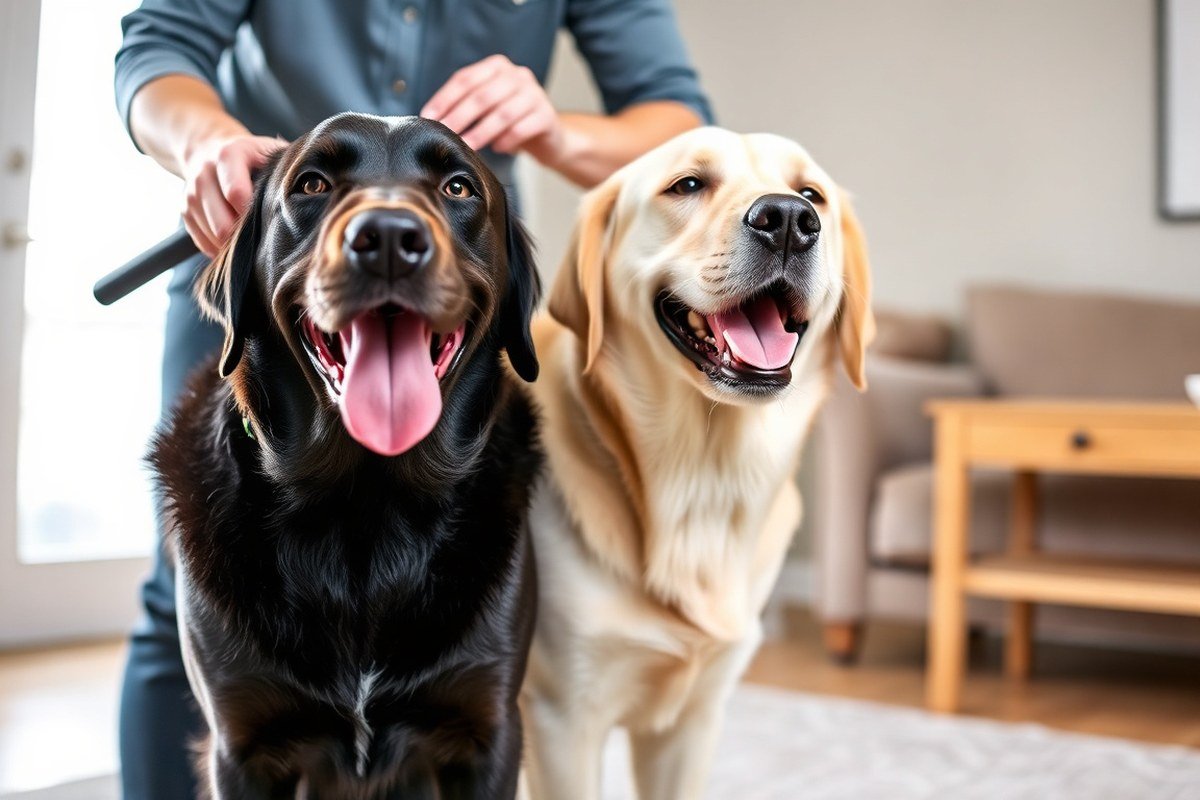
Maintaining a shiny coat on your dog begins with daily and weekly grooming habits that keep the fur clean and healthy. Brushing your dog regularly spreads natural oils from the skin throughout the coat, which improve its gloss and prevents dullness. For short-haired dogs, brushing once or twice a week is usually enough, while long-haired breeds benefit from daily brushing to avoid tangles and maintain shine.
Brushing technique matters; use gentle, firm strokes in the direction of hair growth. This approach reduces skin irritation and helps lift loose hair and debris. Tools like slicker brushes for long hair and bristle brushes for short coats work well to reach the undercoat and surface hairs, distributing oils evenly.
Bathing your dog too frequently can strip these natural oils, causing dryness and dullness. Most dogs only need a bath every 4 to 6 weeks to stay clean and maintain coat health. Use a shampoo formulated specifically for dogs that avoids harsh detergents and added fragrances. Rinse thoroughly to prevent residue buildup, which can also dull the coat. A simple checklist for daily and weekly grooming to promote a shiny coat includes:
- Brush long-haired dogs once daily; brush short-haired dogs 1-2 times weekly
- Check for dirt, mats, or skin issues while brushing
- Use dog-specific shampoo and bathe every 4-6 weeks
- Apply gentle brushing strokes along the hair direction
- Inspect and clean ears and paw pads regularly as part of grooming
- Dry your dog properly after baths to prevent skin irritation
Besides the regular upkeep, immediate grooming actions like lightly brushing your dog before a walk can stimulate the oils for an instant subtle shine. Avoid over-brushing, which may irritate the skin and cause flaking. Watching your dog’s coat texture and color over time helps you spot if changes in routine are needed or if a vet consult is warranted.
2. Diet and Supplements That Boost Coat Shine

Adjusting your dog’s diet by including high-quality proteins and balanced omega-3 and omega-6 fatty acids will boost the health and shine of their coat. These nutrients support skin hydration and reduce shedding, improving fur softness and gloss. Safe supplementation and food choices let you improve coat quality without risks.
Top Protein-Rich Foods for Shine
Proteins are the building blocks for your dog’s skin and hair. Adult dogs need at least 18% protein in their diet, with puppies requiring over 22% for optimal growth. Lean meats like chicken and turkey are excellent sources of digestible protein, contributing to a stronger and shinier coat.
In addition to meats, eggs provide both protein and essential nutrients that promote coat health. Nutrient-dense plant options such as sweet potatoes and blueberries supply antioxidants, which protect skin cells and support fur vitality.
| Food | Protein Content | Additional Benefits |
|---|---|---|
| Chicken | High (approximately 27g per 3 oz) | Lean protein, low fat |
| Turkey | High (about 25g per 3 oz) | Rich in essential amino acids |
| Eggs | Moderate to high (6g per egg) | Contains biotin and vitamins |
| Sweet potatoes | Low to moderate | Rich in antioxidants, vitamins A and C |
| Blueberries | Low | Antioxidants and vitamins |
Prioritize high-quality proteins to support fur structure and shine while ensuring the diet remains balanced with other nutrients.
Essential Fatty Acids Sources and Supplements
Omega-3 and omega-6 fatty acids are essential fats that dogs cannot produce sufficiently on their own. Omega-3s, abundant in fish like salmon and mackerel, contribute to hydrated skin and less dandruff, which improve coat shine. Omega-6 fats, found in poultry fat and sunflower oil, support skin barrier function but must be balanced with omega-3 intake to avoid inflammation.
You can safely introduce fish oil or flaxseed oil supplements to your dog’s meals to increase omega-3 intake. Dosage depends on your dog’s weight and supplement concentration, but typical ranges are about 1000 mg of combined EPA and DHA omega-3 fatty acids per 10 pounds of body weight daily. Always follow the product label and consult a vet before starting supplements, especially if your dog has health issues.
| Omega Fatty Acid Source | Primary Fatty Acid Type | Benefits |
|---|---|---|
| Salmon | Omega-3 | Reduces shedding, moisturizes skin |
| Mackerel | Omega-3 | Promotes skin hydration and shine |
| Poultry fat | Omega-6 | Supports skin barrier, essential for coat maintenance |
| Sunflower oil | Omega-6 | Provides essential fatty acids, balance needed with Omega-3 |
| Fish oil supplement | Omega-3 | Boosts skin and coat health, easy to add to diet |
Maintaining an omega-3 to omega-6 ratio close to 1:5 is ideal for coat health. Excess omega-6 without omega-3 may cause inflammation, dulling the coat.
Do not exceed recommended supplement doses; excess fatty acids can cause digestive upset and other health issues.
Expected Timeline for Coat Improvements from Nutrition
You should expect to see visible improvements in your dog’s coat within 3 to 8 weeks after adjusting their diet or adding supplements. Coat growth cycles and skin turnover rates vary, so patience is essential. Initial changes may include less flakiness and reduced shedding, followed by increased shine and softness.
Consistent feeding of balanced nutrition and supplements is necessary; skipping days or reverting to old foods will delay progress. Dogs with chronic dullness might need longer periods and a vet consultation to rule out underlying health problems. Tracking progress with photos every 2 weeks can help monitor changes and justify dietary adjustments or additional supplements if needed.
3. Choosing the Right Grooming Tools and Techniques
Choosing the right grooming tools and using proper brushing techniques directly affect your dog’s coat shine. Select brushes that match your dog’s coat type to remove tangles, reduce shedding, and spread natural oils effectively. Mastering brushing steps ensures even oil distribution and a tangle-free, radiant coat.
Brush Types for Short, Medium, and Long Coats
Different coat lengths and textures need specific brushes to groom efficiently and improve shine. Short coats usually require brushes that remove loose hair without damaging the skin, while longer or thicker coats benefit from tools that reach deeper layers and detangle mats. Selecting the right brush minimizes irritation and helps keep the coat healthy.
| Brush Type | Best for Coat Type | Key Benefit | Drawback | Approximate Cost |
|---|---|---|---|---|
| Bristle Brush | Short to medium coats | Removes loose hair and spreads oils on surface | Less effective on thick or long coats | $8, $15 |
| Slicker Brush | Medium to long, curly, or wiry coats | Detangles, removes mats, and reduces shedding | May irritate sensitive skin if used roughly | $12, $20 |
| Undercoat Rake | Double-coated breeds (e.g., Golden Retrievers) | Removes loose undercoat, reduces shedding | Not suitable for single coats | $15, $30 |
| Pin Brush | Long, flowing coats | Gentle detangling and oil distribution | Less effective on short hair | $10, $18 |
For breeds with dense or double coats such as German Shepherds or Huskies, the undercoat rake works to reduce shedding and maintain shine by reaching the softer underlayer. Dogs with curly or wiry coats benefit from the slicker brush for mat removal and oil spread. Short-haired dogs often do well with a bristle brush to keep loose fur controlled.
Step-By-Step Brushing for Oil Distribution
Start by using a brush appropriate to your dog’s coat type. Begin at the neck and work backwards in the direction the fur grows. Use gentle strokes to avoid skin irritation and help natural oils move from the skin to the hair shaft. For long or thick coats, divide the coat into sections to reach through all layers.
- Hold the skin gently to avoid pulling.
- Brush in smooth, slow strokes down the coat’s natural direction.
- Use shorter strokes on sensitive areas such as the belly and legs.
- Check for tangles and gently work them out with a slicker or pin brush.
- Finish with a bristle brush to smooth the surface and add shine.
Regular brushing, daily for long or curly coats and at least weekly for shorter coats, spreads oils that keep fur soft and shiny. Avoid harsh brushing on sensitive skin areas to prevent discomfort and skin damage.
Tips to Decrease Shedding and Tangles
To reduce shedding and promote a shiny coat, brush your dog frequently, about 2 to 3 times a week for thick or long fur. Groom before baths to remove loose fur, which otherwise traps dirt and clogs pores. Use an undercoat rake or slicker brush for double-coated breeds to reach the shedding underlayer.
- Work gently on mats to prevent skin irritation; use detangling sprays if needed.
- Keep grooming tools clean to avoid redistributing dirt or oils.
- Establish a routine suited to your breed’s needs, for example, daily brushing for Shih Tzus versus weekly for Boxers.
Consistent grooming prevents mats that block natural oils and dull the coat. Proper tool selection and technique minimize hair breakage and shedding, supporting a glossy, healthy coat appearance.
4. Bathing Your Dog Without Stripping Natural Oils
Bathing your dog correctly is essential to maintain a shiny coat without stripping the natural oils that keep the fur healthy and glossy. Overbathing, especially more frequently than every 4 to 6 weeks, can remove these oils, leading to dryness, dullness, and even skin irritation. Using gentle, specialized shampoos and conditioners designed for dogs helps preserve their skin’s moisture balance while improving coat shine.
Choose shampoos that are hypoallergenic, paraben-free, and formulated with natural ingredients like oatmeal or aloe vera. These ingredients soothe the skin and prevent dryness. Avoid harsh detergents or human shampoos, as they can disrupt your dog’s skin pH and cause the coat to become rough and lackluster. Conditioners made specifically for dogs are recommended to restore moisture and add a smooth finish that reflects light. To bathe your dog without damaging the coat, follow these steps:
- Brush your dog thoroughly before the bath to remove loose hairs and mats.
- Use lukewarm water around 90°F to avoid drying out their skin.
- Apply a small amount of dog-specific shampoo, massaging gently for 3 to 5 minutes.
- Rinse completely to remove all soap residues.
- Apply a dog conditioner if their coat is dry or prone to tangling, then rinse thoroughly.
- Dry your dog gently with a towel and, if possible, with a low-heat dryer to prevent heat damage.
Limit baths to every 4 to 6 weeks unless your veterinarian advises differently, such as in cases of skin conditions or excessive dirtiness. Frequent baths, such as weekly or more, can strip away critical oils, making the coat coarse and dull. If your dog has dry skin, rub a small amount of coconut oil or a vet-recommended moisturizer into their coat post-bath once or twice a week. This helps replenish natural oils and increases shine.
Avoid common mistakes like using hot water, rough scrubbing, or skipping conditioner, all of which contribute to a dull coat. Also, do not leave shampoo or conditioner on the coat too long, as this can irritate the skin and dryness. Spending about 10 to 15 minutes on the entire bathing process is sufficient for most dogs. Proper bathing practices combined with appropriate product selection protect your dog’s natural oils and help maintain their shiny, healthy coat over time.
5. Natural Remedies and Special Treatments for Coat Shine
Natural remedies like coconut oil, oatmeal baths, and apple cider vinegar rinses can safely boost your dog’s coat shine and support healthy skin. These treatments often soothe irritation and restore balance without harmful side effects when used correctly. Professional grooming treatments are an option but starting with gentle home care lets you see what works best for your dog.
Coconut Oil Application Tips
Coconut oil is a well-regarded natural option to improve your dog’s coat shine. It contains medium-chain fatty acids that can moisturize skin and soften fur. Use organic, virgin coconut oil to avoid additives that might irritate your dog’s skin.
Apply coconut oil sparingly to avoid greasy buildup. A general recommendation is about one teaspoon for every 10 pounds of your dog’s body weight, but start with less to check how your dog reacts.
- Take a small amount of coconut oil, roughly a pea-sized amount, and rub it between your hands to soften it.
- Gently massage the oil into your dog’s coat and skin, focusing on dry or dull areas.
- Allow the oil to soak in for 10 to 15 minutes before brushing your dog to spread it evenly and remove loose hair.
- Repeat this treatment 1 to 2 times per week to maintain shine without greasiness.
Tip: Avoid applying coconut oil too often as excess oil can clog pores and lead to skin irritation or matting of the fur.
Benefits of Oatmeal Baths for Skin and Shine
Oatmeal baths provide gentle relief for dry, itchy skin while adding moisture that improves your dog’s coat shine. This treatment is especially helpful for dogs with sensitive or irritated skin and can be used safely on puppies.
Colloidal oatmeal is finely ground oatmeal that dissolves easily in bath water and coats the skin with soothing compounds. It helps reduce inflammation and locks in moisture, promoting a glossy coat over time.
- Fill a tub or basin with warm water, about 85°F to 90°F, ensuring it’s comfortable to the touch.
- Add 1 cup of colloidal oatmeal per 10 gallons of water and mix thoroughly.
- Gently place your dog in the bath and soak for 10 to 15 minutes, avoiding your dog’s eyes and ears.
- Use your hands to rub the solution gently into the coat and skin during the soak.
- Rinse your dog with clean, lukewarm water and towel dry thoroughly.
- Apply a natural conditioner or leave the coat to air dry if it’s healthy and not prone to matting.
Warning: Always ensure the oatmeal is finely ground (colloidal oatmeal) to avoid clogging your drain or leaving residue in the coat.
Using Apple Cider Vinegar Rinses Safely
Apple cider vinegar (ACV) has natural antibacterial and pH-balancing properties that help remove residue buildup and improve coat shine. Diluted correctly, it is safe for most dogs and can be used as a final rinse after bathing.
Maintaining the right dilution is critical to avoid skin irritation. A common mixture is 1 part apple cider vinegar to 3 parts water. Avoid applying ACV to open wounds or sensitive areas such as near the eyes.
- Prepare the rinse by mixing 1 cup of apple cider vinegar with 3 cups of clean, lukewarm water.
- After bathing your dog and rinsing out shampoo, pour the ACV solution evenly over your dog’s coat while avoiding the face.
- Massage gently to help the rinse reach the skin and fur evenly.
- Do not rinse the apple cider vinegar off; let it dry naturally to maximize its benefits.
- Repeat this treatment once every 1 to 2 weeks depending on your dog’s coat condition and preference.
Tip: Always test the ACV solution on a small patch of your dog’s coat first to check for any adverse reaction before full application.
6. Environmental and Lifestyle Factors Impacting Coat Health
Exercise improves your dog’s coat by boosting circulation, which helps nutrients and oxygen reach the skin and hair follicles more effectively. Regular physical activity also supports overall health, including hormone balance, which contributes to healthy fur growth and shine. Aim for at least 30 minutes of activity daily, adjusted for your dog’s age, breed, and health. Walking, running, or play sessions provide both physical and mental stimulation that reduces stress levels.
Environmental factors like pollution, humidity, sun exposure, and parasite presence directly affect your dog’s coat condition. Polluted air and dust settle on the fur, dulling its natural sheen. High humidity can cause the coat to look greasy or limp, while too much sun may lead to dryness and fading of coat color. Parasites like fleas and ticks irritate the skin and cause inflammation, which dulls the fur.
- Keep your dog indoors during peak pollution hours or after heavy traffic days
- Limit sun exposure, especially between 10 a.m. And 4 p.m., using shade or protective clothing
- Manage humidity with air conditioning or dehumidifiers in your living space
- Use veterinarian-recommended parasite prevention year-round
- Regularly clean your dog’s bedding and living area to reduce allergens
- Avoid harsh chemicals or pollutants around your pet’s environment
Hydration is key for maintaining the skin’s elasticity and delivering moisture to hair follicles, promoting a shiny and healthy coat. Dogs should drink about one ounce of water per pound of body weight daily. Keep fresh, clean water available at all times, and encourage drinking by adding ice cubes or a pet-safe broth if needed. Poor hydration can lead to dry, flaky skin and dull fur.
Stress negatively impacts the skin and coat by altering hormone levels and weakening the immune system. Dogs showing anxiety or stress may develop patchy fur loss or dull coats. To foster mental well-being, provide routine exercise, playtime, and consistent positive interactions. Create a calm environment with safe spaces and avoid sudden changes in your dog’s daily routine. Training or puzzle toys can also help reduce anxiety.
7. Common Mistakes That Dull a Dog’s Coat and How to Fix Them
A dull dog coat often results from common mistakes that damage natural oils, cause stress, or fail to provide essential nutrients. Over-bathing is one of the top errors, it strips the coat of protective oils, leaving fur dry and lackluster. To fix this, reduce baths to once every 4 to 6 weeks using a shampoo formulated for dogs. Avoid human shampoos that disrupt pH balance, causing irritation and dullness. Pat the coat dry after baths instead of rubbing vigorously, which can damage hair shafts.
Poor diet lacking high-quality proteins and essential fatty acids also dulls the coat. Dogs need about 18-25% protein in their diet daily to maintain hair health. Switching to a balanced dog food rich in omega-3 and omega-6 fatty acids helps restore shine in about 4 to 8 weeks. Adding supplements like fish oil (1,000 mg per 20 lb of body weight daily) can accelerate improvements, but always consult your vet first.
Incorrect grooming techniques contribute too. Using brushes with harsh bristles or excessive force can break hairs and cause matting. Groom your dog gently, choosing brushes appropriate for their coat type, and detangle mats carefully with your fingers or a special comb. Regular brushing encourages natural oil distribution, smoothing the coat and adding shine.
- Over-bathing: Bathe only every 4-6 weeks with dog-safe shampoo
- Diet deficits: Provide protein-rich, omega fatty acid-enriched food and consider fish oil supplements
- Human shampoos: Use only those formulated for dogs to maintain correct pH
- Rough grooming: Use gentle, coat-specific brushes and detangle carefully
- Ignoring health checks: Address allergies or skin issues promptly after consulting a vet
For example, a dog bathed weekly with detergents might see dull, brittle fur. Cutting back washes and switching to oatmeal-based dog shampoo, combined with brushing every other day using a soft bristle brush, can restore softness and shine within weeks. Similarly, replacing a homemade low-protein diet with a commercial food containing 22% protein and balanced fats improved coat brightness in three months in a typical medium-sized dog. These fixes require patience and consistent care but avoid unnecessary treatments or harsh products that can worsen dullness.
8. When to Consult a Vet for Persistent Dull Coat Issues
A dull coat can sometimes point to health problems beyond regular grooming or diet issues. Watch for symptoms like excessive scratching, hair loss, red or inflamed skin, flaky patches, unusual odors, lethargy, or changes in appetite. These signs often indicate underlying conditions such as allergies, parasites, hormonal imbalances like hypothyroidism, or infections. If your dog’s coat remains dull despite your best grooming efforts and nutritional care, it’s time to consult a vet.
A professional examination helps determine the root cause behind persistent dullness. Your vet will start by asking about your dog’s diet, grooming routine, and environmental factors. They’ll perform a physical exam, focusing on the skin and coat quality. Common diagnostic steps include skin scrapings, blood tests, and allergy screening. Sometimes, fungal or bacterial cultures are necessary to identify infections. This thorough approach helps pinpoint specific issues that could be affecting your dog’s coat health.
Deciding when to see a vet comes down to your dog’s overall appearance and behavior. Here’s a simple checklist to guide your decision: if the dullness lasts more than two to three weeks despite proper care; if you notice any open sores, hair thinning, or scaling; if your dog shows signs of discomfort like frequent scratching or biting at the skin; or if there are additional symptoms such as weight changes, lethargy, or digestive problems. Early diagnosis often reduces treatment costs and improves the chances of restoring your dog’s shiny coat faster.
Vet visits vary in cost depending on the tests required, ranging from basic exams around $50 to more involved diagnostics reaching several hundred dollars. Treatment depends on the diagnosis but can include medicated shampoos, topical therapies, dietary adjustments, or medications to manage infections or hormonal disorders. Successful treatment usually shows improvement in coat texture within a few weeks, though severe cases may take months. Always follow your vet’s advice on grooming and nutrition adjustments during recovery to support the coat renewal process.
Persistent dullness combined with skin irritation or behavioral changes should always prompt a veterinary consultation to rule out serious health problems.
Remember that some dogs with chronic conditions might need regular vet check-ups to maintain coat health long term. Environmental stressors can also worsen skin issues, so your vet may discuss ways to keep your dog’s surroundings calm and comfortable. By recognizing the warning signs and seeking professional help early, you can ensure your dog’s coat returns to a healthy shine that reflects their overall well-being.
Step-by-Step Action Plan to Shine Your Dog’s Coat
Follow this plan over the next few weeks to see noticeable improvements in your dog’s coat shine and health.
- Day 1: Start daily brushing with a suitable brush for your dog’s coat type; you’ll see less loose hair and more natural oils spreading.
- Week 1: Adjust your dog’s diet by introducing omega-3 rich foods or supplements after consulting your vet; a softer, healthier coat should develop within weeks.
- Week 2: Switch to a gentle, moisturizing dog shampoo for baths, limiting them to once every 3-4 weeks; observe if the coat looks less dry and dull after each bath.
- Week 3: Try a natural treatment like a coconut oil rub or a commercially available coat conditioner; the coat should feel smoother and have a subtle shine.
- Week 4: Create a checklist for grooming tools maintenance, such as cleaning brushes and trimming nails regularly; this prevents damage and keeps grooming effective.
- After 1 month: Evaluate environmental factors like humidity and air quality in your dog’s space and make necessary adjustments like using a humidifier; look for a healthier overall coat condition.
- Ongoing: Monitor for any signs of skin problems or persistent dullness, and schedule a vet visit if these appear; timely care prevents long-term issues.
Frequently Asked Questions
How Often Should I Brush My Dog’s Coat for Maximum Shine?
Brush your dog daily to distribute natural oils and remove dirt, promoting a shiny coat. Regular brushing prevents mats and increases blood flow to the skin, which supports hair growth and sheen.
Can Poor Nutrition Cause a Dull Coat in Dogs?
Yes, poor nutrition can lead to a dull coat because the skin lacks essential nutrients. Feeding high-quality protein and fatty acids boosts coat health and shine, reflecting your dog’s overall nutrition.
Should I Use Dog-Specific Shampoo for a Shiny Coat?
Always use dog-specific shampoo as it maintains the coat’s natural oils without irritation. Human shampoos can strip oils, causing dryness and dullness, so choose gentle, formulated products for dogs.
Can Supplements Improve My Dog’s Coat Shine?
Supplements like fish oil rich in Omega-3 fatty acids can improve coat shine by nourishing skin and fur. Consult your vet before starting supplements to avoid overdosing and ensure suitability for your dog’s needs.
Is Regular Bathing Necessary for a Shiny Dog Coat?
Bathing every 4-6 weeks is sufficient to keep your dog clean and shiny without stripping natural oils. Over-bathing can dry out skin and dull the coat, so stick to this schedule unless advised otherwise by a vet.
Does the Dog’s Environment Affect Coat Shine?
Environmental factors like exposure to sun, wind, or pollutants can dull a dog’s coat. Protect your dog from harsh weather and regularly clean their living area to maintain a healthy, shiny coat.
Before You Go
Consistently caring for your dog’s coat with proper grooming, diet, and environment will bring out its natural shine and keep your dog comfortable. Start by choosing a brushing routine that fits your dog’s coat type today. Taking this simple step leads to healthier skin and a visibly shinier coat over time.



One Comment