Why Does My Dog Have Flaky Skin? Causes and Solutions Explained
If your dog has flaky skin, it usually means their skin is dry, irritated, or inflamed due to various possible causes. These include allergies, nutritional deficiencies, parasites like fleas or mites, infections, or environmental factors. Detecting the root cause quickly helps prevent discomfort and more serious health issues.
Flaky skin is a common dog skin problem that affects pets across breeds and ages. It can cause itching, redness, and hair loss if left untreated. Understanding why your dog's skin flakes off lets you provide appropriate care, improve their comfort, and maintain healthy fur and skin.
This article clarifies the main reasons behind flaky skin in dogs, reviews signs to watch for, and suggests practical steps to alleviate your pet's symptoms. You'll also find recommendations for vet visits, treatment options, and preventive care measures to help your dog feel better sooner.
Common Causes of Flaky Skin in Dogs

Allergies and Environmental Factors
Allergies are among the top reasons dogs develop flaky skin. Dogs can react to food ingredients, pollen, dust mites, or chemicals in cleaning products. These allergens trigger skin irritation, dryness, and flakiness. Seasonal allergies may cause symptoms to worsen at certain times of the year.
Environmental factors such as exposure to cold weather, low humidity, or frequent baths with harsh shampoos can dry out a dog’s skin. This dryness leads to peeling skin cells and flakes. Adjusting living conditions and grooming habits often helps reduce skin issues caused by the environment.
Parasites and Infections
External parasites like fleas, ticks, and mites damage the skin by causing inflammation and excessive scratching. This aggravates flaky skin and can lead to secondary infections. Mange, caused by mites, often results in severe scaling and hair loss.
Bacterial or fungal skin infections can develop on already irritated or damaged skin. These infections produce visible flakes, redness, and sometimes odor. Veterinary diagnosis and targeted medications are necessary to clear these infections effectively.
Nutritional and Health-Related Factors

Diet Deficiencies Affecting Skin Health
A poor diet lacking essential fatty acids, vitamins, or minerals can weaken a dog’s skin barrier. Insufficient omega-3 and omega-6 fatty acids commonly cause dry, flaky skin along with dull fur. Balanced nutrition supports skin cell regeneration and hydration.
Some dogs may have food sensitivities contributing to skin problems. Identifying and eliminating trigger ingredients often improves skin condition. Supplementing with fish oil or vitamin E can help restore moisture and reduce flaking.
- Omega-3 and omega-6 fatty acids
- Vitamin A and E content
- High-quality protein sources
- Limited allergens in diet
Underlying Medical Conditions
Certain hormonal disorders, such as hypothyroidism or Cushing’s disease, alter skin texture and cause scaling or flaking. These systemic problems require veterinary tests and specific treatments to correct the imbalance.
Autoimmune diseases and chronic skin conditions like seborrhea induce excessive skin peeling and flaky patches. They often require long-term management involving medicated shampoos and prescription medications.
Signs and Symptoms to Monitor

Visual Skin Changes
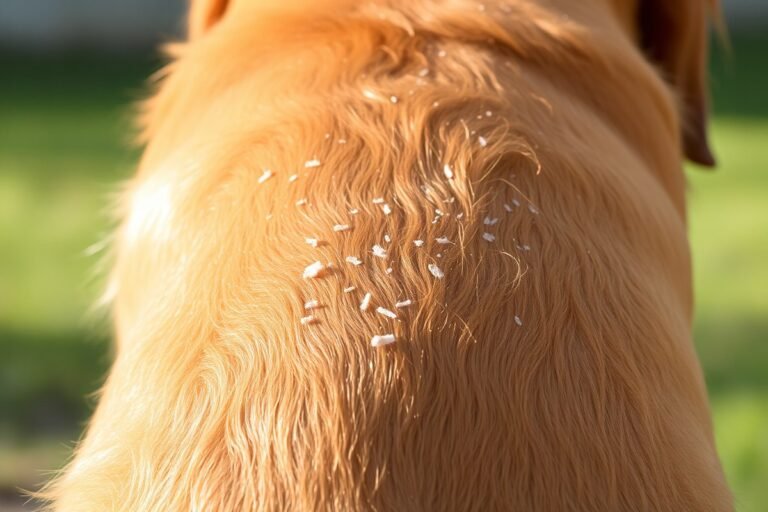
Look for dry, scaly patches of skin with visible flakes resembling dandruff. The affected areas may be red, inflamed, or crusted. Hair thinning or bald patches often accompany flaky skin when the issue persists.
Observe if flakes are isolated or widespread over the body. Some conditions cause concentrated flakes in certain zones such as the back, belly, ears, or tail base. Detecting these patterns helps narrow down the possible causes.
For more on this, see our related guide: Why Does My Dog Scratch Its Ears? Causes, Care & When to Act.
Behavioral Signs
Excessive scratching, biting, or licking are common behaviors indicating skin discomfort. Restlessness and irritability may surface if itching becomes persistent.
Pay special attention to when symptoms worsen—for example, after certain foods, outdoor exposure, or grooming. These behavioral tendencies provide clues about underlying triggers.
Treatment and Home Care Options for Flaky Skin

Shampoos and Topical Treatments
Using specially formulated moisturizing or medicated shampoos can relieve dryness and reduce flaking. Ingredients like oatmeal, aloe vera, or salicylic acid soothe irritated skin and promote healing.
Topical oils and sprays designed for canine skin help restore natural moisture and protect against environmental stressors. Regular grooming enhances product effectiveness and keeps the coat healthy.
- Hypoallergenic shampoos
- Medicated shampoos for infections
- Skin moisturizers and conditioners
- Avoid harsh soaps or human products
Diet and Supplement Adjustments
Switching to a high-quality diet rich in essential fatty acids supports skin repair from the inside. Adding supplements like fish oil or vitamin E often improves coat texture and reduces flakes.
Consult your vet before introducing supplements, especially if your dog has pre-existing conditions. Consistent dietary changes may take weeks to impact skin health visibly.
When to Consult a Veterinarian
Signs Indicating Professional Evaluation Needed
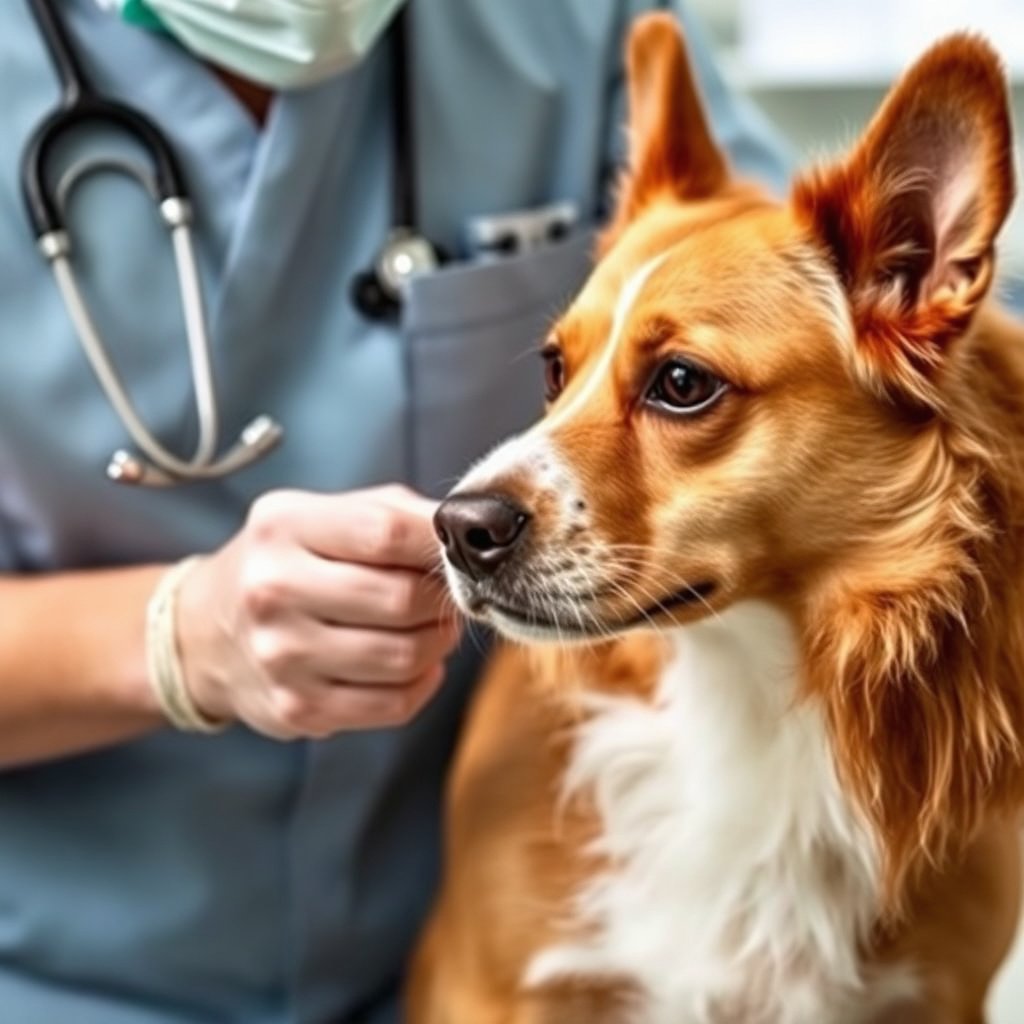
If your dog's flaky skin persists for more than two weeks despite home care, or if there is swelling, bleeding, or open sores, professional evaluation is necessary. Signs of pain or systemic illness like lethargy also warrant a vet visit.
A vet can perform skin scrapings, allergy tests, or blood work to diagnose underlying causes. Early diagnosis often prevents worsening skin conditions and secondary infections.
For more on this, see our related guide: How Many Baths Does a Dog Need? A Complete Guide to Bathing Frequency.
Veterinary Treatments Available
Vets might prescribe antibiotics, antifungals, antiparasitic treatments, or hormone therapy depending on the cause. They may also recommend medicated shampoos and specialized diets tailored for skin health.
Follow-up visits help monitor progress and adjust treatment plans. Appropriate veterinary care combined with home management offers the best chance for clearing flaky skin issues.
Preventing Flaky Skin in Dogs
Regular Grooming and Environmental Care
Brushing your dog regularly removes dead skin and spreads natural oils, which helps keep skin moisturized. Avoid over-bathing and use gentle shampoos formulated for dogs.
Maintain a clean, comfortable living area with controlled humidity. Prevent exposure to harsh chemicals or irritants that could compromise skin health.
For more detailed information on common dog skin issues, refer to this comprehensive dog skin conditions overview by the American Veterinary Medical Association. dog skin conditions overview.
Balanced Diet and Parasite Control
Feed a balanced diet that includes essential fatty acids to promote skin integrity. Routine flea and tick prevention reduces the risk of parasite-related skin problems.
Regular veterinary checkups help identify early signs of skin issues, making prevention more effective and less costly.
Comparison of Common Causes of Dog Flaky Skin
Here's a quick comparison of typical causes of flaky skin in dogs, highlighting symptoms, risks, and typical treatments.
| Cause | Key Symptoms | Treatment Approach | Typical Duration |
|---|---|---|---|
| Allergies | Itchy, red patches; seasonal flaking | Antihistamines, hypoallergenic diet | Chronic, seasonal |
| Parasites | Intense itching, localized scabs and flakes | Flea/tick treatments, medicated shampoos | Weeks to months |
| Nutritional Deficiency | Dry, dull coat with flakes | Dietary supplements, improved nutrition | Weeks |
| Hormonal Disorders | Widespread scaling, hair loss | Hormone therapy, vet management | Long-term |
| Infections | Inflamed, flaky, possible odor | Antibiotics or antifungals | Depends on infection |
Frequently Asked Questions
Can dry skin in dogs cause serious health issues?
While dry skin itself is often not serious, persistent flakiness can lead to infection or discomfort. Treating underlying causes and maintaining good skin care helps prevent complications.
How often should I bathe my dog to prevent flaky skin?
Bathing every 4-6 weeks is usually sufficient. Over-bathing can strip natural oils and worsen dryness. Use a gentle shampoo made for dogs to maintain skin moisture.
Are human dandruff shampoos safe for dogs?
No, these shampoos can be too harsh and disrupt a dog's skin pH. Use only products specifically formulated for canine skin to avoid irritation and dryness.
What home remedies can help reduce dog flaky skin?
Oatmeal baths, coconut oil massage, and improving diet fatty acids can soothe dry skin. However, persistent symptoms need veterinary assessment for potential underlying causes.
Is flaky skin hereditary in certain dog breeds?
Some breeds like West Highland White Terriers and Bulldogs are more prone to skin issues due to genetic factors, but environment and diet also play a major role.
Key Takeaways
- Flaky skin in dogs often signals dryness, allergies, parasites, or medical conditions.
- Proper grooming, balanced diet, and parasite control can reduce skin flaking risks.
- Persistent or severe flaky skin should be evaluated by a veterinarian promptly.
- Medicated shampoos and supplements improve skin health and comfort.
Conclusion
When your dog has flaky skin, identifying the exact cause is essential for effective treatment. Whether it’s allergy-driven irritation, parasite infestation, nutritional gaps, or a medical disorder, each issue requires a targeted approach. Careful observation of symptoms combined with appropriate home care or veterinary assessment ensures your dog’s skin heals properly without prolonged discomfort.
For minor cases caused by dry environments or mild allergies, adjusting grooming routines and diets with dog skin care tips like adding omega fatty acids often makes a big difference. Dogs with parasite issues need timely flea control and medicated baths. Meanwhile, dogs with hormonal or infectious causes benefit from veterinary diagnosis and prescription therapies tailored to their specific condition.
If you notice your dog’s flaky skin worsening or accompanied by behavioral changes like increased scratching or lethargy, seek veterinary support. Taking prompt action offers the best chance for restoring your pet’s healthy, comfortable coat and preventing long-term skin damage.