How to Treat Fleas on a Dog Naturally: Safe and Effective Remedies
Treating fleas on a dog naturally involves using safe, chemical-free methods such as herbal sprays, essential oils like lavender or neem, apple cider vinegar rinses, and diatomaceous earth. These options reduce fleas while being gentle on your dog's skin and avoid harmful toxins.
Natural flea treatments matter because many commercial pesticides can cause adverse reactions in pets and humans. Choosing gentle alternatives helps maintain your dog’s health and prevents environmental contamination. Plus, natural methods often support ongoing flea prevention when used regularly.
This article details the best natural flea treatment options for dogs, how to apply them effectively, and additional steps to clear your home and yard of fleas. By combining safe remedies with hygiene practices, you can control infestations without harsh chemicals.
Understanding Fleas and Their Life Cycle

Flea Biology and Behavior
Fleas are small, wingless insects that feed on the blood of animals, including dogs. Adult fleas lay eggs on the host, which fall off into the environment, developing through larval and pupal stages before becoming adults. Understanding their life cycle helps target treatments effectively.
Their ability to jump long distances and fast reproduction rate makes controlling fleas challenging. Effective treatment should consider all stages to prevent re-infestation and break the cycle.
Why Natural Treatments Matter
Many traditional flea control products contain chemicals that can irritate your dog’s skin or cause toxicity if ingested. Natural flea treatments offer a safer alternative, using plant-based ingredients to repel or kill fleas without harsh side effects.
Additionally, eco-friendly options reduce environmental impact, making natural flea control ideal for sensitive pets and households focused on sustainability.
Top Natural Flea Treatments for Dogs

Herbal Flea Sprays and Rinses
Herbal sprays made from ingredients like rosemary, peppermint, and eucalyptus act as natural flea repellents. These can be sprayed directly onto your dog's coat, avoiding the face, and reapplied weekly to maintain effectiveness.
Apple cider vinegar diluted in water creates a rinse that fleas dislike. Applying this after bathing can help repel fleas without drying out your dog’s skin.
- Rosemary-infused flea spray
- Diluted apple cider vinegar rinse
- Peppermint and eucalyptus blends
Essential Oils and Natural Powders
Essential oils such as lavender, neem, and cedarwood provide insect-repellent properties. These oils should be heavily diluted in carrier oils before use to avoid skin irritation and used sparingly.
Diatomaceous earth, a natural powder made from fossilized algae, physically damages flea exoskeletons, dehydrating and killing them. Applying food-grade diatomaceous earth to your dog's bedding and yard can reduce flea populations.
- Diluted lavender and neem oil applications
- Food-grade diatomaceous earth for environment
Flea Prevention Through Hygiene and Environment Care

Bathing and Grooming Practices
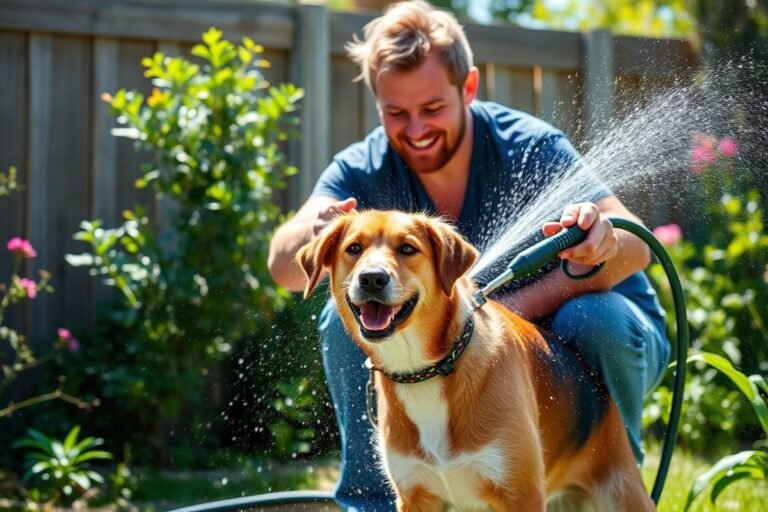
Brushing your dog regularly with a fine-toothed flea comb removes adult fleas and their debris before infestations grow. Giving your dog periodic baths using gentle shampoos or natural flea shampoos helps keep fleas at bay.
Frequent grooming also allows early detection of fleas, enabling timely treatment and preventing spread to the household.
- Use flea combs daily
- Bathe with natural flea shampoo weekly
For more on this, see our related guide: Why Does My Dog Scratch Its Ears? Causes, Care & When to Act.
Cleaning Your Dog’s Living Area
Regularly washing dog bedding and vacuuming floors remove flea eggs and larvae from your home environment. Focusing on carpets, upholstered furniture, and cracks reduces flea breeding grounds.
Treating outdoor areas with nematodes, natural microscopic worms that prey on flea larvae, can control fleas in your yard naturally and safely.
- Wash bedding weekly in hot water
- Vacuum carpets and furniture thoroughly
- Use beneficial nematodes in lawn
Diet and Supplements to Support Flea Resistance

Natural Dietary Additives
Certain foods and supplements like garlic and brewer’s yeast are believed to repel fleas when regularly included in a dog’s diet. These substances produce a scent through the skin that fleas find unappealing. Always consult a vet before adding supplements.
While not a standalone solution, diet-based flea resistance can complement topical treatments and environmental care, adding an extra layer of protection.
- Small amounts of garlic (vet-approved)
- Brewer’s yeast supplements
Maintaining a Healthy Immune System
A strong immune system helps dogs resist flea bites and related infections. Providing a balanced diet rich in omega-3 fatty acids, vitamins, and minerals supports skin health, reducing irritation caused by fleas.
Regular exercise and hydration also play a role in overall resistance to parasites by enhancing blood circulation and skin condition.
When to Consult a Veterinarian
Recognizing Severe Flea Infestations
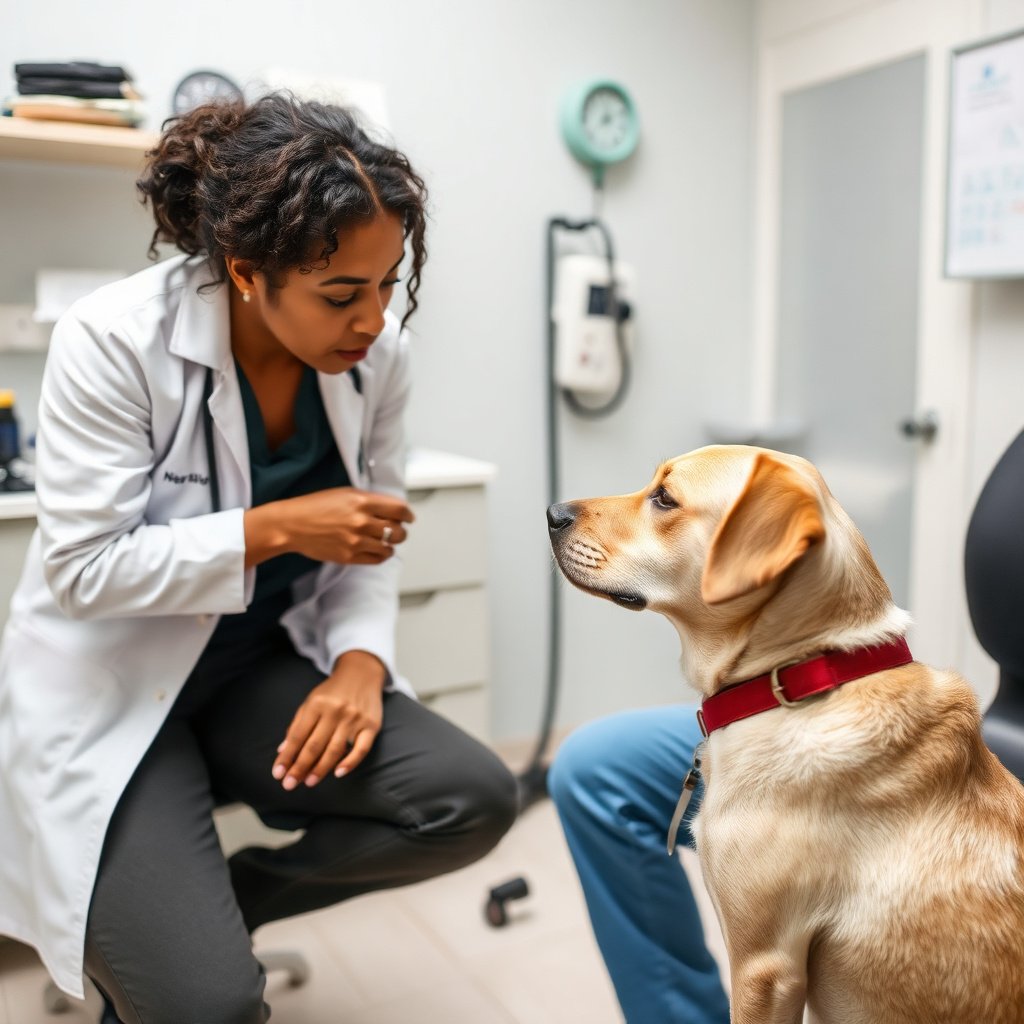
If your dog shows signs of anemia, excessive scratching, or develops skin infections from flea bites, professional veterinary care is essential. Severe flea infestations may require medically approved treatments beyond natural remedies.
A vet can also check for flea-borne diseases such as tapeworms or Bartonella and recommend the safest treatment protocol tailored to your dog’s health.
For more on this, see our related guide: What Is the Best Flea Treatment for Dogs: Complete Guide to Fast & Lasting Control.
Balancing Natural and Medical Treatments
In some cases, combining natural flea treatments with veterinarian-recommended products provides the best results. A vet can guide you on safe integration, avoiding harmful interactions and ensuring effective flea control without compromising safety.
Always inform your vet about any natural remedies you are using so they can advise on correct usage and monitor your dog’s progress.
Safe Application and Precautions for Natural Treatments

Avoiding Toxic Ingredients and Overuse
Not all natural substances are safe for dogs; some essential oils like tea tree oil can be toxic when applied undiluted or excessively. Always use diluted products and consult reliable sources or vets before trying new treatments.
Moderation is key—overuse of any topical treatment can irritate your dog’s skin or cause allergic reactions.
- Use carrier oils with essential oils
- Follow recommended dilution ratios
- Avoid toxic oils like tea tree or citrus
For more detailed information on flea biology and control methods, consult this comprehensive resource on flea biology and control. flea biology and control.
Monitoring Your Dog’s Reaction
After applying natural flea treatments, watch for signs of discomfort such as redness, itching, or respiratory distress. If any adverse effects arise, stop treatment and seek veterinary advice immediately.
Patch testing a small area before full application prevents unexpected reactions and keeps your dog safe.
- Perform patch tests
- Observe skin and behavior closely
- Discontinue use if irritation occurs
Natural Flea Treatments for Dogs Category Comparison
Here is a comparison of popular natural flea treatments highlighting their effectiveness, application ease, and safety for dogs.
| Treatment Type | Effectiveness | Ease of Application | Safety Level | Cost |
|---|---|---|---|---|
| Herbal Sprays | Moderate | Easy | High | Low |
| Essential Oils (diluted) | Moderate to High | Moderate | Medium | Low |
| Apple Cider Vinegar Rinse | Low to Moderate | Easy | High | Very Low |
| Diatomaceous Earth | High for environment | Moderate | High (food-grade only) | Low |
| Dietary Additives | Low | Easy | Medium | Low |
Frequently Asked Questions
Can I use essential oils directly on my dog to treat fleas?
No, essential oils must be diluted with a carrier oil before applying to your dog's skin to avoid irritation and toxicity. Always consult a vet for appropriate dilution ratios.
Is diatomaceous earth safe to use around my dog?
Food-grade diatomaceous earth is safe when applied carefully around your dog's environment but should not be inhaled by pets or humans.
How often should I apply natural flea treatments?
Application frequency varies; herbal sprays and rinses are typically applied once a week, while powders like diatomaceous earth can be applied as needed based on infestation levels.
Can natural flea treatments alone completely eliminate fleas?
Natural flea treatments can significantly reduce flea populations, but combining them with hygiene and environmental controls yields the best results.
Are dietary supplements effective at repelling fleas?
Supplements like garlic or brewer’s yeast may help repel fleas mildly but should be used alongside other treatments for noticeable effects.
Key Takeaways
- Natural flea treatments reduce fleas using safe, chemical-free methods like herbal sprays and diatomaceous earth.
- Effective flea control targets all flea life stages, combining topical treatments with home and yard cleaning.
- Essential oils must be diluted properly to avoid adverse reactions in dogs.
- Regular grooming and a strong immune system support flea resistance alongside natural remedies.
Conclusion
Finding an effective approach to how to treat fleas on a dog naturally involves understanding flea biology and the strengths of various natural remedies. Combining plant-based sprays, essential oils, and powders with diligent grooming breaks the flea life cycle without exposing your pet to harsh chemicals. Maintaining clean living spaces and applying treatments consistently can provide long-term flea control while supporting your dog’s wellbeing.
For mild to moderate infestations, herbal sprays such as rosemary or peppermint blends paired with apple cider vinegar rinses and regular combing offer a practical, gentle solution. For environmental control, food-grade diatomaceous earth and beneficial nematodes target flea larvae safely in the yard. Dogs with sensitive skin benefit most from these non-irritating natural methods, while severe infestations may call for consultation with a veterinarian.
Before starting any treatment, test your dog’s reaction with patch testing diluted essential oils and closely monitor for any irritation. Use natural flea treatments as part of a broader plan including hygiene, dietary support, and environmental care. This balanced approach not only controls fleas but also promotes your dog’s overall health and comfort.