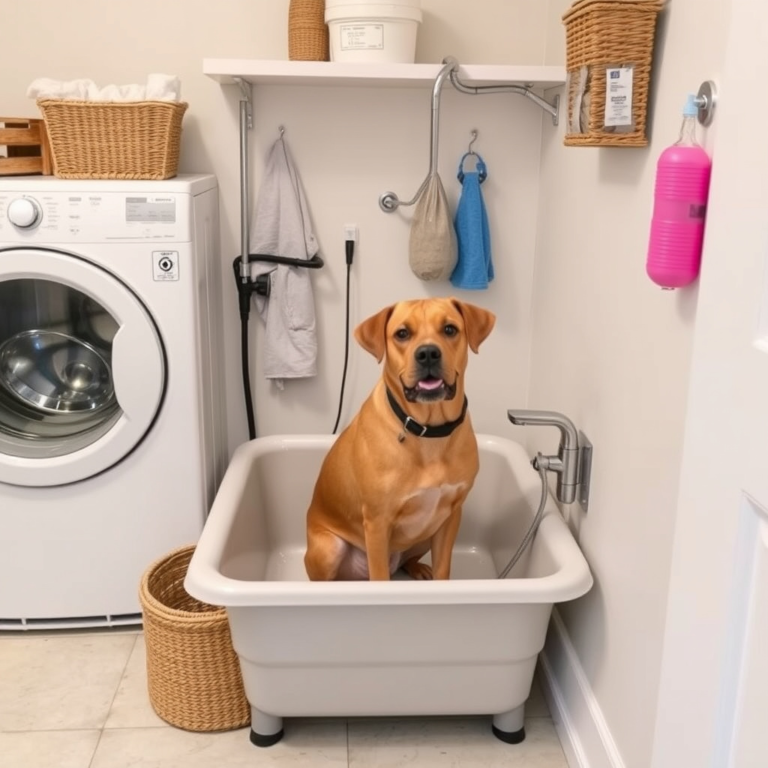
How Long Can a Dog Go Without a Bath? A Complete Guide for Healthy Dog Care
The length of time that passes before a dog needs a bath varies based on its breed, type of coat, and daily activities. Dogs with short, smooth fur usually stay clean for around 2 to 3 months without a wash. On the other hand, dogs having thick or long hair often require baths every 4 to 6 weeks to keep their skin and fur healthy.
This information helps dog owners maintain their pets’ hygiene without over- or under-bathing. You’ll learn what influences bathing frequency, signs your dog needs a bath, and how to bath safely and comfortably for your dog.
Key Takeaways
- Short-haired dogs generally require baths every 2 to 3 months, while long-haired breeds need baths more often.
- Bathing too often can strip natural oils; avoid bathing more than once a month unless necessary.
- Watch for signs like odor, greasiness, or itching to decide when your dog needs a bath.
- Active dogs or those who swim frequently usually need baths more regularly than couch dogs.
- Use dog-specific shampoos to protect skin and coat; human shampoos can cause irritation.
- Dry your dog thoroughly after bathing to prevent skin infections, especially in thick coats.
How Long Can a Dog Safely Go Without a Bath?

Most healthy dogs with short, smooth coats can safely go about two to three months without a bath. Dogs with longer or thicker coats usually require baths more frequently, around every four to six weeks. These timeframes are general averages and may change based on your dog’s breed, age, health, and lifestyle. For example, an active dog that spends a lot of time outdoors may get dirtier faster and need more regular baths.
Coat length notably affects how long you can go between baths. Short-haired breeds often stay cleaner longer because their coats trap less dirt and moisture. In contrast, dogs with long or dense fur may develop mats, absorb more debris, and accumulate odors sooner if they aren’t bathed regularly. This means bathing intervals for long-coated dogs typically should not exceed six weeks to avoid coat problems and skin irritation.
Bathing schedules vary, but you should not go more than six months without washing your dog. Allowing dirt, oils, and allergens to accumulate on your dog’s skin and fur beyond this period may lead to bad odors, skin infections, or itching. High humidity or frequent outdoor activity can shorten the ideal time between baths. Keep an eye on your dog’s skin and coat condition to pick the best bathing routine.
To determine when your dog needs a bath, watch for signs such as visible dirt, a greasy or matted coat, or an unusual odor. Spotting these signs means your dog needs a bath, no matter how recently they were last washed. Bathing your dog too often can dry out their skin, but too infrequent bathing risks hygiene and skin health, so balance is key. The best approach is to maintain a flexible schedule, bathing your dog as needed based on coat type, activity, and cleanliness rather than strict periods.
Adjust the timing between baths by keeping an eye on your dog’s behavior and appearance. When bathing, use gentle, dog-formulated shampoo to protect skin oils and avoid irritation. Regular brushing between baths can also help keep the coat clean longer by removing loose fur and dirt. This routine supports your dog’s hygiene without needing baths more often than necessary, providing comfort and skin health benefits while preventing overbathing.
How Breed and Coat Type Affect Bathing Needs

Bathing needs vary significantly by breed and coat type. Short-haired dogs typically require fewer baths, while long or thick coats often need more upkeep to stay clean and healthy. Double-coated dogs usually need less frequent bathing, as their natural oils protect their skin and fur.
Short Coats and Bathing Frequency
Breeds with short, smooth coats like Bulldogs and Pugs generally don’t need baths as often. Their coats shed dirt and oils more quickly, so one bath every 8 to 12 weeks is often enough unless they get particularly dirty or smelly. Their skin is more exposed, which can dry out if bathed too frequently.
Short coats retain less moisture and trap less debris, making regular brushing a good alternative to frequent bathing. This also helps maintain skin health by distributing natural oils evenly.
Long and Thick Coats: Special Considerations
Dogs sporting long, dense fur like Afghan Hounds and Old English Sheepdogs need baths more often to avoid mats, grime accumulation, and bad smells. Their thick fur holds onto dirt, debris, and moisture, creating conditions for skin issues and odors without regular washing.
Bathing these dogs every 4 to 6 weeks works well for most owners, combined with routine brushing to avoid tangles and mats. Long-coated breeds may require more grooming time and appropriate shampoos formulated to penetrate thick fur and rinse thoroughly.
Curly or Double Coats and Natural Oils
Curly-coated and double-coated breeds, like Poodles or Siberian Huskies, often retain natural oils that protect their skin and coat. This oil reduces the need for frequent baths, typically every 6 to 8 weeks. Overbathing can strip these oils, causing dryness and irritation.
Double coats especially shed dirt and regulate temperature, so they often need less washing unless the dog’s lifestyle involves heavy outdoor activity. Regular brushing helps maintain the coat’s health and reduces the need for baths. Here is a comparison of breeds and their general bathing needs based on coat type and typical intervals:
| Coat Type | Example Breeds | Bathing Frequency | Key Care Notes |
|---|---|---|---|
| Short, Smooth | Bulldog, Pug | Every 8, 12 weeks | Bath less often to avoid drying skin; regular brushing recommended |
| Long, Thick | Afghan Hound, Old English Sheepdog | Every 4, 6 weeks | Frequent baths and grooming prevent matting and odor buildup |
| Curly | Poodle, Portuguese Water Dog | Every 6, 8 weeks | Preserve natural oils; use shampoos for curly coats |
| Double Coat | Siberian Husky, Golden Retriever | Every 6, 8 weeks | Bathing less often preserves natural oils; brush to remove loose hair |
| Small or Senior Dogs | Various breeds | Every 4, 6 weeks | More frequent baths due to sensitive skin and infection risk |
Adjust these frequencies depending on your dog’s activity level and coat condition. Dogs that enjoy outdoor play may need baths more often, regardless of coat type.
Use grooming tools regularly and consider dry shampoos or wipes to reduce bathing frequency while keeping your dog clean and comfortable.
Signs Your Dog Needs a Bath Now
Your dog needs a bath when clear signs arise indicating discomfort or uncleanliness. The first noticeable signal is a strong odor. Dogs develop an unpleasant smell due to oils, dirt, or bacteria buildup on their skin and coat. This odor often means it’s time to clean your dog to maintain their hygiene and prevent skin issues.
Physical signs include greasy or dull fur, indicating a buildup of oils and dirt that washing can remove. Skin symptoms such as redness, flakiness, itching, or signs of irritation also demand a bath paired with proper skin care. Ignoring these symptoms may worsen skin conditions and lead to infections.
Dirt and matting play a critical role in deciding when to bathe. Matting traps moisture and debris close to the skin, increasing the risk of irritation or infection. Heavy dirt or mud from outdoor activities can also require immediate cleaning to prevent discomfort and hygiene problems.
- Noticeable foul odor from coat or skin
- Greasy, dull, or visibly dirty fur
- Redness, flaking, or itching skin
- Presence of mats or tangles that pull at the skin
- Visible mud, dirt, or debris stuck in fur
- Frequent rolling in unpleasant substances
Check your dog’s smell by bringing your nose close to their coat. If the odor is strong or sour, a bath is needed. Run your hands through the fur to feel for greasiness, dirt, or tangles that don’t brush out easily. Examine the skin closely for any redness, scabs, or patches of hair loss. These require careful bathing with suitable shampoos that won’t irritate sensitive skin.
The frequency of baths varies with lifestyle and coat type but responding to these immediate signs helps prevent discomfort. Bathing removes dirt, excess oils, and allergens that can build up over weeks without washing. It typically takes 10 to 20 minutes to give a thorough bath using lukewarm water around 90°F, which is comfortable and not drying to skin. Using a mild shampoo designed for dogs protects the natural skin barrier and avoids irritation.
Waiting too long after detecting these signs may cause worsening skin irritation or persistent odor. Immediate cleaning also helps avoid mats that can be painful and difficult to remove. Regular inspection combined with these signs guides you to bathe your dog just often enough to keep them healthy and comfortable.
Risks of Bathing Too Infrequently or Too Often
Bathing your dog too infrequently can increase the risk of skin infections and parasite infestations like fleas, ticks, and mites. Dirt, sweat, and allergens accumulate on the skin and coat, creating an environment that bacteria and parasites thrive in. Without regular cleaning, these agents embed themselves deeper, potentially causing irritation, localized infections, or more serious skin conditions that require veterinary care. To prevent this, bathing should be scheduled based on your dog’s activity level, environment, and coat type, ensuring contaminants do not build up excessively.
Conversely, over-bathing your dog can strip away the natural oils that protect their skin, disrupting the delicate balance and causing more harm than good. These oils keep the skin hydrated and help regulate the shedding cycle. Excessive washing removes these protective layers, leading to dry, flaky skin, itchiness, redness, and inflammation. Dogs with sensitive skin or allergies are particularly vulnerable to irritation from over-bathing or harsh shampoos. Maintaining a bathing routine that is not too frequent helps preserve these oils, keeping the skin healthy and resistant to damage.
One key factor in avoiding skin damage from over-bathing is selecting a shampoo formulated specifically for dogs, as human shampoos often have a pH that is too harsh. The wrong shampoo can cause allergic reactions or worsen existing skin conditions. Bathing with dog-specific products helps maintain the skin’s natural pH balance and reduces irritation risk. Experts recommend washing your dog every four to six weeks for general maintenance, but this may vary depending on your dog’s breed, skin sensitivity, and outdoor exposure.
Infrequent bathing plus poor grooming also leaves your dog vulnerable to parasite infestations, which do more than cause discomfort. Fleas and ticks can transmit diseases and worsen skin problems. Regular baths combined with grooming help spot these pests early and remove dirt that attracts them. If your dog spends time in wooded or grassy areas or has contact with other animals, more frequent checks and baths may be necessary to reduce infestation risk.
The costs and effort involved in proper bathing depend on your dog’s size, coat length, and temperament. Small dogs typically require less shampoo and less water, while long-haired dogs need more time and possibly professional grooming services to avoid matting. Bathing your dog at home every month or so can cost between $10 and $30 for quality dog shampoo and grooming tools. Professional grooming varies widely but often includes bathing at similar intervals, especially for breeds that require regular coat maintenance.
How Lifestyle and Environment Influence Bathing Frequency
Your dog’s lifestyle and environment play a major role in deciding how often to bathe them. Dogs that spend a lot of time outdoors tend to accumulate more dirt, mud, pollen, and other debris on their coats. This buildup can cause odors and might irritate their skin if not cleaned regularly. Outdoor dogs, especially those who enjoy running in fields, woods, or muddy areas, may need baths more frequently, perhaps every four to six weeks depending on the level of dirt they pick up. When your dog swims in lakes or ponds, bathing them soon after can help stop bacteria or algae from staying on their skin and coat.
Indoor-only dogs, such as those living primarily inside apartments or houses, generally need fewer baths. Because these dogs encounter less dirt and environmental debris, bathing every two to three months can be enough to keep their skin and coat healthy. However, this depends on how much time they spend outside for walks or play. Even a mostly indoor dog can get dirty after rainy walks or trips to parks, so adjust baths accordingly.
Climate and seasons also affect bathing frequency. Warm or humid weather can cause a dog’s coat to carry more sweat and oil, leading to odors or skin discomfort, which may require more frequent baths. In contrast, dry or cold seasons can make skin prone to dryness, so bathing should be less frequent and combined with moisturizing treatments recommended by your vet. During spring and fall, when dogs shed more, regular brushing alongside occasional baths helps remove loose hair and reduces allergens.
Consider the exact routine you can use to balance your dog’s bathing needs with their lifestyle. Start by observing how dirty your dog gets and how strong any odors become between baths. Your dog spending several hours a day outside in muddy or dusty areas might need a bath about every 4 weeks to avoid coat and skin issues. For dogs mostly inside or only briefly outside on clean walks, aim for baths every 8 to 12 weeks. Also, watch for skin reactions after baths and adjust soap types or frequency to avoid drying out the coat.
Along with bathing schedules, maintaining other hygiene habits can reduce the need for frequent baths. Brushing daily removes loose hair and dirt, limiting the amount that settles into the coat between washes. Wiping paws and belly after walks can prevent dirt buildup. In warm months, regular checking for ticks or insects after outdoor time helps avoid infestations that require deeper cleaning.
Give your dog a quick wipe with a damp cloth after outdoor adventures to reduce dirt buildup and extend the time between full baths.
Safe and Effective Dog Bathing Best Practices
To bath your dog safely and effectively, use warm water and a shampoo designed specifically for dogs. Proper shampooing and rinsing help maintain skin and coat health, while gentle drying prevents irritation and stress. Following a clear, step-by-step routine ensures comfort and a clean coat without causing harm.
Preparing Bath Supplies and Area
Gather all supplies before starting to make the process smoother and less stressful for your dog. Use a dog-specific shampoo suitable for your dog’s coat and skin condition to avoid dryness or allergic reactions. Pick a mild shampoo especially if your dog has sensitive skin or allergies. Prepare your bathing area to be safe, warm, and non-slip, for example, a bathtub or wash basin with a rubber mat to prevent slipping. Use lukewarm water at about 90°F to 100°F to avoid shocking your dog’s skin, which is sensitive to temperature extremes.
Ensure you have towels ready for drying, a gentle brush for afterward, and cotton balls to protect ears from water. If you’re bathing a small dog, a sink or basin works well. For larger dogs, use a bath or outdoor hose with a mist nozzle for gentle water flow.
Bathing Techniques for Comfort and Effectiveness
Follow these steps for a thorough but gentle bath:
- Wet your dog’s coat completely with warm water from neck to tail, avoiding the eyes, ears, and nose.
- Apply a small amount of dog shampoo starting at the neck and working toward the tail, gently massaging to create a lather without scrubbing harshly.
- Clean the legs, underbelly, and tail thoroughly, paying attention to areas that can trap dirt.
- Rinse the coat with warm water until no soap remains, which may take several minutes to avoid residue that causes dryness or itching.
- Use a damp cloth with a little shampoo for the face and ears, avoiding direct water flow in those sensitive areas.
Shampooing too often or with harsh products can strip natural oils, so stick to your vet’s recommended frequency and use dog-specific shampoos that protect skin integrity.
Post-Bath Drying and Brushing Tips
Dry your dog promptly to prevent chills or skin issues. Use a soft towel to pat the coat dry, absorbing excess water but avoiding vigorous rubbing that can irritate the skin. For dogs with thicker or longer coats, a blow dryer on a low, cool setting can help, keeping it at least 6 inches from the skin to prevent burning. Watch your dog’s reaction and use breaks if needed to keep them calm.
After drying, gently brush your dog’s coat to remove loose hair and keep fur smooth. Brushing prevents mats and promotes healthy skin. Avoid brushing wet fur vigorously as it can cause breakage. Proper drying and brushing reduce the risk of hotspots and skin infections by keeping the coat clean, dry, and free of irritants.
Choosing the Right Shampoo and Bath Alternatives
Choosing the right shampoo for your dog matters because canine skin has a different pH level and composition than human skin. Human shampoos tend to be more acidic and can strip natural oils from your dog’s coat, leading to dryness, irritation, or itchiness. Always pick a shampoo made specifically for dogs, as these formulas are gentler and help maintain the proper moisture balance.
Medicated shampoos are an important option when your dog has specific skin issues like infections, allergies, or parasites. These shampoos contain ingredients that target bacterial or fungal infections, relieve itching, or reduce inflammation. Use them only under your veterinarian’s guidance, and follow the instructions for frequency and duration carefully to avoid overuse or further irritation.
Dry shampoos and wipes offer alternatives for cleaning your dog between full baths. Dry shampoos usually come as powders or sprays that absorb oils and dirt without water, which can save time and avoid stress if your dog dislikes baths. Wipes provide a quick way to clean paws and coat surfaces but don’t replace a deep cleaning. These methods work best for dogs that aren’t heavily soiled or have skin conditions requiring thorough rinsing. The table below compares human shampoo, dog shampoo, and bath alternatives based on key factors:
| Product Type | PH Balance | Skin Suitability | Use Frequency | Cost Range (USD) | Best Use Case |
|---|---|---|---|---|---|
| Human Shampoo | 4.5 – 5.5 (acidic) | Not suitable; can irritate and dry skin | Not recommended | $4 – $15 per bottle | None (avoid for dogs) |
| Dog Shampoo | 6.2 – 7.4 (neutral to slightly alkaline) | Formulated for canine skin; gentle and moisturizing | Every 4 to 8 weeks, or as needed | $8 – $20 per bottle | Routine cleaning and coat maintenance |
| Medicated Shampoo | Varies by formulation | Targets infections, allergies; use as directed | As prescribed, often weekly or biweekly | $15 – $30 per bottle | Treating skin problems under vet supervision |
| Dry Shampoo | Neutral pH or slightly alkaline | Good for light cleaning; does not rinse dirt fully | As needed between baths | $10 – $25 per bottle or tub | Quick refresh, avoiding full wet bath |
| Dog Wipes | Formulated for dog skin | Surface cleaning; helps with paws and minor dirt | Frequent use okay | $8 – $20 per pack | Spot cleaning and odor control |
Using human shampoo even once can disrupt your dog’s skin barrier, causing flakiness or redness. Stick to dog shampoos formulated for specific coat types like sensitive skin or flea control when necessary. Medicated shampoo should never be mixed with regular shampoos or overused, as that can delay healing or cause resistance.
Dry shampoos often contain cornstarch or baking soda to soak up oils. Apply according to package directions, usually sprinkle or spray on the coat, rub in gently, then brush out after several minutes. Wipes work best for quick cleanups after walks or minor messes. Neither dry shampoo nor wipes replace thorough rinsing during full baths, especially if your dog has oily or heavily soiled fur.
Managing Bath Time Stress for Your Dog
Preparing your dog for bath time starts with creating a calm environment. Choose a quiet, warm area where distractions are minimal. Use warm water between 85°F and 90°F to keep your dog comfortable and avoid chills or irritations. Before the bath, brush your dog thoroughly to remove loose hair and mats, which reduces the chance of tangling during washing.
Calming techniques are key to helping reluctant dogs. Speak in a soft, reassuring voice throughout the process. Offering gentle strokes or massage before and during the bath can lower your dog’s stress. Incorporate pauses for breaks if your dog shows signs of anxiety, like trembling or whining, to prevent escalating fear.
- Use non-slip mats in the tub or sink to prevent slipping and increase your dog’s sense of security.
- Prepare all bathing supplies, shampoo, towels, brush, and treats, in advance to maintain a smooth routine.
- Offer treats during and after the bath to associate the experience with positive reinforcement.
- Consider using a calm, pet-safe diffuser with pheromones to reduce anxiety before bath time.
- For dogs extremely nervous about baths, a slow introduction to water with gradual exposure over several sessions helps build tolerance.
- Use a detachable showerhead or cup to control water flow and keep water out of ears and eyes.
Rewards and the right tools greatly improve the bathing experience. High-value treats like small pieces of chicken or commercial dog treats can motivate your dog and provide a distraction. Using gentle dog shampoo formulated for sensitive skin helps prevent discomfort during rinsing. A handheld showerhead or a large cup makes rinsing easier and more controlled.
Keep bath sessions under 10 minutes to avoid overwhelming your dog, especially when they are new to the process.
Expect some dogs to resist baths despite preparation. Consistent gentle handling and patience usually improve their response over time. Avoid forcing your dog, as it can increase stress and make future baths harder. If anxiety is severe, consulting a veterinarian or a professional dog trainer may be necessary to find behavioral or medicinal support options.
When to Consult a Veterinarian About Bathing and Skin Care
Consult with a veterinarian whenever your dog’s skin or coat shows unusual signs or if you have concerns about bathing frequency or skin care. Veterinary advice ensures proper diagnosis and treatment, especially for conditions requiring medicated baths or adjustments in grooming routines.
Signs Indicating Veterinary Consultation
Look for symptoms like excessive scratching, redness, inflammation, hair loss, or patches of dry, flaky skin. These may indicate underlying skin infections, allergies, or parasites that need professional evaluation. Your dog frequently chewing or licking certain areas suggests irritation or allergies that could worsen without proper treatment. Persistent odors or greasy coats can also signal skin problems requiring medical attention.
Dogs showing behavioral changes such as increased restlessness or discomfort during grooming also warrant a vet check. For senior dogs, difficulty holding their bladder or sudden coat changes can indicate health issues connected to skin or hygiene that need addressing.
Common Skin Conditions Affecting Bathing
Allergies and seborrhea are common conditions that affect how often you should bathe your dog. These conditions often require medicated shampoos prescribed by a veterinarian to manage symptoms and prevent worsening skin damage. Allergies can cause inflammation or increased sensitivity, making frequent bathing with the wrong products irritating rather than helpful.
Some dogs may have chronic dry skin or fungal infections requiring tailored bathing schedules or specific treatments. A vet can identify whether frequent bathing is safe or if alternative skin care strategies like topical treatments or dietary changes could improve your dog’s coat health. Proper diagnosis helps avoid the risks of over-bathing, such as stripping natural oils, which can exacerbate skin issues.
Preparing for a Vet Visit About Grooming
Before your appointment, observe and note any unusual skin symptoms, behavioral changes during bathing, or alterations in your dog’s coat texture. Take photos if possible to show progression or specific problem areas. Write down your current bathing schedule, products used, and any treatments tried, as this helps the vet tailor advice.
Ask the vet whether your dog requires medicated shampoos and how often to bathe safely without irritating the skin. Inquire about signs to watch for that might indicate worsening conditions and when to seek follow-up care. Clarify if any underlying health conditions could impact your dog’s skin and what home care adjustments will support treatment.
Cost-wise, veterinary consultations typically range from $50 to $150 depending on location and services. Additional diagnostic tests or prescribed medicated baths increase your expenses. Effective vet guidance can reduce ongoing skin problems, potentially lowering long-term grooming and health costs.
Step-by-Step Action Plan for Your Dog’s Bathing Routine
Use this plan to create a bathing schedule that fits your dog’s breed, lifestyle, and health. Adjust as you observe your dog’s skin and coat condition.
- Before You Start: Assess your dog’s breed and coat type to estimate bathing needs. Check for any skin issues or allergies.
- Week 1: Bathe your dog using a gentle, breed-appropriate shampoo. Confirm the coat becomes clean and free of odors without irritation.
- Week 2-4: Observe your dog’s skin and coat condition. Note any signs of dryness, irritation, or dirt accumulation that may require earlier or more frequent baths.
- Week 4-6: Adjust bathing frequency based on lifestyle factors like outdoor activity or swimming. Increase baths if your dog is dirtier or smells more frequently.
- Every Bath: Use lukewarm water and avoid the eyes and ears. Rinse thoroughly to prevent shampoo residue that can cause itching.
- After Bath: Dry your dog carefully to prevent chills and skin infections. Check the coat and skin for any unusual changes.
- Monthly: Use brushing between baths to remove dirt and distribute natural oils, helping prolong time between full baths.
- As Needed: Consult your veterinarian if you notice persistent itching, redness, or skin sores before the usual bath time.
Frequently Asked Questions
How Often Should I Bathe a Puppy Compared to an Adult Dog?
Puppies usually need less frequent baths than adults, about every 3 to 4 weeks, to avoid skin dryness. Adult dogs’ bathing frequency depends on coat type and lifestyle, often every 4 to 8 weeks.
Can Skipping Baths Harm My Dog’s Natural Skin Oils?
Yes, skipping baths too long can cause dirt buildup but helps preserve natural oils. Overbathing strips oils, leading to dry, itchy skin, so balance is key.
Does Bathing Affect a Dog’s Shedding?
Bathing can help remove loose hair and reduce shedding temporarily but won’t stop shedding entirely. Regular brushing is more effective for shedding control.
How Does Water Temperature Impact My Dog’s Bath?
Using lukewarm water is best; hot water can irritate skin, and cold water may stress your dog. Comfortable water temperature makes bath time easier.
Are There Alternatives to Full Baths for Dirty Dogs?
Yes, using pet-friendly wipes or dry shampoos can refresh a dog between baths. These help clean without water, especially after light dirt exposure.
Can Frequent Baths Cause Allergies or Skin Problems?
Frequent baths can lead to irritated skin and allergies by stripping protective oils. Follow vet advice to choose gentle shampoos and optimal bathing schedules.
Wrapping Up
Most dogs do well with a bath every month to three months, depending on their coat, lifestyle, and skin health. Monitor your dog’s condition regularly and adjust bathing frequency to keep their skin healthy without over-washing. Start by observing how your dog responds to their next bath, and use that as a guide to set a routine you both can stick with comfortably.