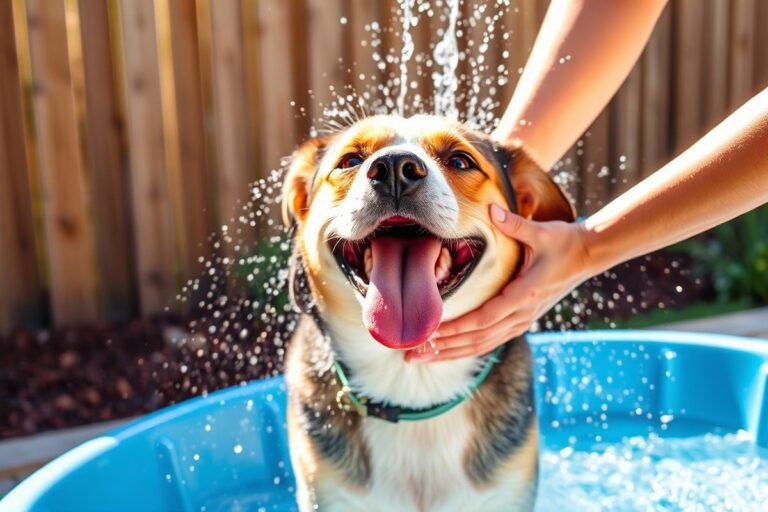
Are Oatmeal Baths Good for Dogs? A Complete Guide with Proven Benefits
Oatmeal baths are good for dogs because they soothe itchy, irritated skin and help maintain a healthy skin barrier. They offer a gentle, natural way to relieve discomfort caused by allergies, dryness, or minor skin conditions. This information is especially useful for dog owners dealing with sensitive or inflamed skin on their pets.
This article covers the benefits of oatmeal baths for dogs, how to choose the right oatmeal, and step-by-step instructions to prepare and give a safe bath. It also includes tips on using oatmeal paste for targeted treatment, how often to bathe your dog this way, common mistakes to avoid, and when it’s time to visit a veterinarian.
Key Takeaways
- Choose finely ground, plain oatmeal or colloidal oatmeal designed for pet baths.
- Mix oatmeal powder into warm water for a 10-15 minute soak to soothe your dog’s skin.
- For occasional relief, give oatmeal baths every 2-4 weeks, adjusting frequency for more severe conditions.
- Apply an oatmeal paste directly to a specific itchy spot for targeted treatment before rinsing.
- Rinse your dog thoroughly with warm water after the oatmeal bath to remove residue.
- Avoid using oatmeals with added ingredients or fragrances that can irritate your dog’s skin.
Are Oatmeal Baths Good for Dogs and Why?

Finely ground oatmeal offers soothing relief for dogs experiencing mild to moderate skin issues. Recognized by the FDA for its skin-protectant benefits, it helps calm itching, lower inflammation, and supports the skin’s natural barrier. When used in a bath, it creates a moisture-retaining layer that keeps your dog’s skin hydrated and prevents dryness. This makes oatmeal baths ideal for dogs dealing with allergies, bug bites, or flaky skin.
Using oatmeal baths regularly can help maintain your dog’s skin health and even serve as a preventative measure against skin problems. For dogs with sensitive skin or breeds prone to dryness, soaking in an oatmeal bath for 10 to 15 minutes every 4 to 6 weeks can prevent flare-ups and keep their coat conditioned. The baths also cleanse gently, making them a safe option for most dogs, including those with delicate or reactive skin.
Oatmeal is effective because it contains compounds that reduce redness and inflammation while soothing the nerves in irritated skin. This action decreases your dog’s urge to scratch, which reduces the risk of further skin damage. When your dog soaks in an oatmeal bath, these compounds also help promote healing in areas where the skin is slightly damaged or irritated. Regular baths can calm mild itching caused by environmental allergens or flea bites, though they do not replace flea control treatments prescribed by your veterinarian.
For dogs experiencing more severe itching, oats can still help when used two to three times a week. These baths provide relief that can lower your dog’s stress and discomfort until other treatments take effect. However, oatmeal baths offer temporary relief and don’t cure underlying skin diseases, so they are best combined with medical guidance for allergy management or other chronic issues.
Oatmeal baths gently cleanse while hydrating your dog’s skin, easing itchiness and calming inflammation caused by dryness or irritation. Their ability to form a protective skin barrier while soothing discomfort makes them a valuable tool in caring for many canine skin problems. Regular use helps keep skin healthy and comfortable, which can improve your dog’s overall well-being and coat appearance.
Choosing the Right Oatmeal and Products for Dog Baths

Choosing the right oatmeal product for your dog’s bath is important for safe and effective relief of itchy or irritated skin. Colloidal oatmeal, created by finely grinding plain rolled oats into a powder, works best because it forms a protective barrier on the skin and contains soothing compounds called avenanthramides. Avoid quick oats or flavored oats, as they don’t have the same benefits and may irritate your dog’s skin.
Regular ground oats can be used if finely milled into colloidal oatmeal by yourself, but the texture is usually coarser and less effective in soothing. Many dog-specific oatmeal shampoos use colloidal oatmeal and are pH-balanced for canine skin, making them a convenient choice. Avoid human oatmeal products that include additives, fragrances, or chemicals harmful to dogs. The following table compares key factors between colloidal oatmeal, regular ground oats, and commercial dog oatmeal shampoos to help you select the best option for your dog:
| Product Type | Description | Effectiveness | Safety | Preparation | Approximate Cost |
|---|---|---|---|---|---|
| Colloidal Oatmeal (fine powder) | Finely milled plain rolled oats, suspended in water | High; forms skin barrier and soothes irritation | Safe for most dogs, low risk of irritation | Easy to mix in warm water for baths | $10-$20 for 1 lb bag (varies by brand) |
| Regular Ground Oats | Coarser plain rolled oats without fine milling | Moderate; less effective in forming smooth barrier | Generally safe if plain, but possible irritation if not finely ground | Requires grinding to improve texture before use | About $3-$5 per 1 lb package |
| Commercial Oatmeal Dog Shampoo | Formulated shampoo with colloidal oatmeal, pH balanced | High; convenient, combined cleansing and soothing | Safe if vet-approved; read labels to avoid irritants | Use as directed, usually lather and rinse | $8-$25 per bottle depending on size and brand |
Test any new oatmeal product on a small patch of your dog’s skin first to rule out allergies or sensitivities before a full bath.
Colloidal oatmeal products, either store-bought or self-milled from plain rolled oats, ensure the best relief by forming a fine, suspension that coats the skin evenly. Commercial shampoos can be easier to use but watch for added ingredients that might irritate sensitive skin. Regular oats may be an option if you grind them finely yourself, but they rarely achieve the same soothing effect as proper colloidal oatmeal.
The cost range varies widely, so factor in your dog’s size and how often you plan to give baths. For small dogs, adjust oatmeal amounts to about 1/3 cup per bath, while a large dog may need around 1 cup dispersed in warm, lukewarm water (about 90°F to 100°F). Steer clear of hot water or harsh shampoos, which can worsen skin irritation.
How to Prepare and Give a Safe Oatmeal Bath to Your Dog
Preparing and giving an oatmeal bath to your dog involves grinding the oats into a fine powder, mixing them with warm water to create a soothing bath solution, allowing your dog to soak for 10 to 15 minutes, then rinsing the oatmeal off thoroughly with warm water. Keeping the water temperature between 80°F and 90°F is ideal to prevent discomfort or irritation. Following careful rinsing and drying ensures the oat residue does not cause irritation or mess afterward.
Measuring and Grinding Oats
Start by using plain, uncooked oats, ideally rolled oats or whole oats. Measure out about 1 cup of oats for a standard dog bath. Grinding the oats finely is essential to create colloidal oatmeal, which suspends in the water and provides skin-soothing benefits without leaving large particles behind.
Use a blender, food processor, or coffee grinder to pulverize the oats into a fine powder resembling talcum powder. This powder dissolves in water to form a milky, nutrient-rich bath that helps reduce itching, inflammation, and dryness on your dog’s skin.
Mixing Oatmeal into Bath Water
Use warm water heated to between 80°F and 90°F to prepare the bath. Water that is too hot can irritate your dog’s skin and cause discomfort, while cold water may not effectively release the oatmeal’s soothing properties.
Mix the ground oatmeal into about 3 to 4 gallons of warm water, stirring well until the water looks milky and smooth. This oatmeal suspension forms the base of the bath where your dog will soak and absorb moisture and calming ingredients.
Bathing and Soaking Duration
Place your dog gently into the oatmeal bath and encourage them to relax and soak. The ideal soak time is between 10 and 15 minutes, which allows the colloidal oatmeal to soothe irritated skin and moisturize the coat.
To maximize contact, you can gently pour some of the oatmeal water over exposed areas throughout the soak, especially on itchy spots. Avoid oatmeal getting in the dog’s eyes, ears, or nose to prevent irritation.
Rinsing and Drying Your Dog
After the soak, rinse your dog thoroughly with warm, clean water to remove any leftover oatmeal. This helps prevent residue buildup that could irritate the skin after drying or leave a mess in your home.
Dry your dog gently with a warm towel, making sure to remove excess moisture and oatmeal particles. Keeping your dog warm during drying helps avoid chills, especially if the environment is cool.
- Measure 1 cup of plain, uncooked oats.
- Grind the oats finely using a blender or grinder until powdery.
- Heat 3 to 4 gallons of water to 80°F, 90°F.
- Mix the ground oatmeal into the warm water until the bath water turns milky.
- Place your dog in the bath and let them soak for 10 to 15 minutes.
- Gently pour the oatmeal water over itchy or dry patches during the soak.
- Use warm water to rinse your dog completely, washing away any leftover oatmeal.
- Dry your dog completely with a warm towel.
Using Oatmeal Paste for Targeted Spot Treatment
Using an oatmeal paste allows you to treat specific itchy or inflamed spots on your dog’s skin more directly than a full bath. By applying the paste to targeted areas, you can soothe irritation efficiently and potentially speed up relief.
Preparing the Oatmeal Paste
Making an oatmeal paste requires only plain, finely ground oatmeal and water. The paste works by forming a thick, soothing barrier that stays on your dog’s skin, allowing the oatmeal’s anti-inflammatory properties to take effect where needed.
Use colloidal oatmeal or make your own by finely grinding plain oats in a blender or food processor. Combine the oatmeal powder with warm water until you get a smooth paste. Stay away from instant or flavored oatmeal, as these often have added ingredients that could bother your dog’s skin.
- Measure about 1/4 cup of finely ground oatmeal.
- Slowly add warm water, about 2 to 3 tablespoons, mixing until you form a thick paste that’s spreadable but not runny.
- Adjust the water or oatmeal amount to get a consistency that stays on your dog’s skin without dripping.
- Prepare the paste fresh just before application for best results.
Applying the Paste to Affected Areas
Focus on itchy, red, or inflamed spots rather than covering large areas. This targeted treatment helps concentrate the soothing effects and minimizes mess. Keep your dog calm and comfortable before and during the application.
Wear gloves to apply the paste gently using your fingers or a soft cloth, carefully spreading it over the irritated skin. Avoid broken skin or open wounds to prevent irritation or infection. Lightly massage the paste into the area to help it absorb.
Leave the paste on the skin for 10 to 15 minutes. This timeframe provides enough contact for relief benefits without causing excessive drying or discomfort.
Removing the Paste and Aftercare
After the paste has sat for the recommended time, gently rinse it off with lukewarm water. Use a gentle stream rather than a hard spray to avoid further irritation. Pat the area dry with a soft towel, do not rub, which could aggravate the skin.
You can repeat this targeted oatmeal paste treatment up to three times daily while your dog shows signs of irritation. Monitor the skin for any worsening or signs of allergic reaction. Persistent or worsening irritation should prompt you to seek advice from your veterinarian.
Applying a dog-safe moisturizer or as recommended by your vet can help maintain skin hydration after treatment. Always avoid using human skin products on your dog unless specifically approved.
How Often to Give Oatmeal Baths and Frequency Guidelines
Oatmeal baths can be given safely based on your dog’s skin condition and breed sensitivity. For dogs with normal skin or mild irritation, bathing once every four to eight weeks is usually enough to keep their skin healthy without causing dryness. If the skin problem is more severe or chronic, such as persistent dry or itchy skin, you can give oatmeal baths as often as every one to two weeks.
In cases of severe itch or irritation, some owners consider bathing multiple times a week. While an oatmeal bath can soothe the skin, doing it daily or too frequently may dry out the skin and damage its protective barrier. This can make itching worse over time. Veterinarians often recommend alternating oatmeal baths with medicated shampoos for dogs with stubborn or severe skin issues to avoid overbathing.
Because different breeds have varying skin sensitivities, frequency also depends on your dog’s coat type and skin condition. Breeds with sensitive skin or allergy history may need fewer baths and close monitoring for any signs of increased dryness or irritation. Follow these frequency guidelines to balance relief and skin health:
- Routine baths for clear skin: every 4 to 8 weeks
- Mild skin irritation or occasional itch: up to once weekly
- Chronic dry or itchy skin: every 1 to 2 weeks based on vet advice
- Severe irritation: alternate oatmeal baths with medicated shampoos
- Avoid daily or more frequent baths to prevent skin dryness
- Consult your vet for personalized frequency recommendations
Regularly check your dog’s skin for signs of dryness or redness after baths and adjust the frequency accordingly.
Oatmeal baths soothe and moisturize the skin by forming a protective layer that traps moisture. This softness and comfort typically appear after a few baths spaced correctly. Overuse can strip natural oils, so keeping the baths within recommended intervals is key. Consult your veterinarian if your dog’s skin shows no improvement or worsens despite oatmeal baths, as they might prescribe a targeted treatment or different bathing schedule for your dog’s specific needs.
Common Mistakes to Avoid When Giving Oatmeal Baths
Oatmeal baths can soothe your dog’s itchy skin, but mistakes during the process can reduce their benefits or cause harm. One common error is using water that’s too hot. Water above 100°F can dry out or irritate sensitive skin. The ideal temperature should feel warm to your wrist but not hot, usually around 90°F to 95°F. Use a bath thermometer if needed, especially for dogs prone to skin issues like Boxers.
Slippery tubs pose a safety risk for your dog and you. Oatmeal in the water makes surfaces slick, increasing the chance of falls. Lay down a non-slip mat or towels inside the tub before filling it. This protects your dog’s joints and keeps them calmer during the bath.
Thorough rinsing is important since leftover oatmeal residue can cause irritation or attract dirt, worsening skin problems. Rinse with clean, lukewarm water for at least 5 minutes after soaking. Focus on areas where oatmeal tends to collect, such as under the legs and belly. Avoid using harsh soaps after the bath unless recommended by your vet.
Using the wrong oatmeal type is another mistake. Only use plain, colloidal oatmeal designed for skin use, not instant or flavored oatmeal. Instant oatmeal may contain additives or sugars harmful to your dog’s skin. Colloidal oatmeal dissolves fully and gently cleanses without clogging pores or causing dryness.
Protect your dog’s eyes and ears from oatmeal getting inside. Shield the ears by placing cotton balls gently in the outer ear canals, and avoid splashing water near the eyes. Wipe the face carefully with a damp cloth rather than submerging it in the bath. This prevents discomfort and infections.
- Use warm water around 90°F, 95°F, not hot
- Place a non-slip mat to prevent slipping accidents
- Rinse your dog for at least 5 minutes to remove all oatmeal residue
- Only use plain colloidal oatmeal without any additives or flavoring
- Protect ears with cotton balls and clean face gently to avoid oatmeal in eyes and ears
- Limit bath frequency to every two weeks to maintain skin health without over-drying
Following these steps ensures your dog’s oatmeal bath is safe and effective in soothing skin. Ignoring them can increase irritation, cause accidents, or lead to infections. Setting up the right conditions, correct water temperature, safe footing, proper rinsing, and using approved oatmeal types produces the best results and comfort for your dog’s skin.
When to See a Veterinarian Instead of Relying on Oatmeal Baths
Oatmeal baths offer gentle relief for mild skin irritations in dogs, but they should not replace veterinary care when serious issues arise. You need to see a vet if your dog’s skin shows signs of severe infection, deep wounds, extensive hot spots, or chronic dermatitis. These conditions often require prescription medications, specialized shampoos, or other treatments that an oatmeal bath alone cannot provide.
Watch for warning signs such as intense redness, swelling, excessive discharge, bleeding, or when your dog is in obvious pain. Your dog scratching or licking one spot constantly, or showing bald patches with behavior changes like lethargy or loss of appetite, could mean a serious health issue. In such cases, an oatmeal bath is not enough and might delay proper treatment.
Dogs with chronic or severe skin conditions often need a complete plan developed by a veterinarian. This may include medicated shampoos, antibiotics, antifungals, or steroids, depending on the diagnosis. Oatmeal baths usually serve as a complementary step to soothe and moisturize the skin between these treatments rather than replace them. For example, a dog treated for yeast dermatitis might receive medicated shampoo baths twice a week and use oatmeal baths on the alternate weeks to maintain comfort and hydration.
Dogs from breeds prone to skin problems or allergies, or if you’re unsure how your dog will react to an oatmeal bath, should have a vet consulted before using any home remedy. Some breeds need tailored care plans, and your vet can help decide if oatmeal baths fit into your dog’s routine or pose risks.
When determining whether to rely on an oatmeal bath alone or seek veterinary help, use this decision rule: if the problem is mild, localized, and your dog is otherwise healthy and acting normal, an oatmeal bath can be your first step. Symptoms that get worse, spread, or don’t improve after a week, or severe skin issues at first, need a timely appointment with the vet. This approach avoids delay in treating infections or chronic conditions that require professional care.
The cost of veterinary care varies but expect to pay at least $50 to $200 for an initial consultation, with additional expenses for prescription medications or specialized shampoos. Although these costs are higher than oatmeal bath supplies (which can be under $20), professional diagnosis and treatment are necessary for more severe cases to avoid complications and ensure your dog’s health.
In all cases, follow your veterinarian’s guidance on how often to give oatmeal baths, some dogs may benefit from them every 3 to 4 days during flare-ups, while others only need them every 4 to 8 weeks. Avoid using oatmeal baths as a sole treatment for severe or persistent skin problems, and never delay veterinary care when warning signs suggest a serious condition.
Improving Oatmeal Baths with Safe Additives and Aftercare
Adding safe ingredients like oils or milk to oatmeal baths can boost soothing and moisturizing effects for your dog’s irritated skin. Proper drying and gentle aftercare help maintain the skin’s balance and prevent irritation after the bath.
Safe Oils and Nutrients to Add
Oatmeal baths alone provide natural relief for itchy skin, but you can improve them with safe additives that hydrate and calm. Coconut oil is a common choice as it moisturizes and has antibacterial properties. Aloe vera gel, when pure and pet-safe, adds soothing benefits without harsh chemicals. Whole milk or milk powder may increase moisturizing effects, thanks to their fats and proteins, but use unsweetened dairy only, and test for sensitivity first.
Add about 1 to 2 tablespoons of coconut oil or aloe vera gel per bath to avoid oiliness that can be hard to rinse. For milk, a cup of whole milk added to warm bathwater works well. Stir these into the water after mixing the colloidal oatmeal. Adding honey (1 to 2 teaspoons), which contains natural antibacterial agents and moisturizers, can also help but should be used sparingly and fully dissolved to prevent stickiness or residue on your dog’s coat.
Post-Bath Drying and Skin Care
After the bath, dry your dog gently by patting with a soft towel rather than rubbing. Excess moisture trapped in the coat can lead to irritation or even infections. If your dog tolerates it, use a blow dryer on a cool or low heat setting, holding it several inches away and moving constantly to avoid overheating sensitive skin.
Applying a light layer of coconut oil as a leave-in moisturizer after drying can extend the hydration benefits from the bath. Brushing your dog’s coat once it’s dry also helps distribute natural oils and keeps the skin from becoming flaky or tight.
- Pat dry with an absorbent towel to remove surface moisture
- Use a cool blow dryer on low speed, avoiding heat buildup
- Apply a small amount of coconut oil for ongoing moisture
- Brush coat gently to promote natural oil spread
- Avoid tight collars or harnesses immediately after a bath
- Keep your dog indoors until fully dry to prevent cold-related irritation
Precautions with Additives
Always test for allergic reactions before using any additive extensively. Apply a small amount of the ingredient to a patch of your dog’s skin and wait 24 hours for redness or irritation. Avoid essential oils unless specifically recommended by your veterinarian, since many are toxic to dogs. Use products labeled safe for pets and free of artificial fragrances or preservatives to lower the chance of reactions.
Overuse of oils or milk can make your dog’s coat greasy or cause skin discomfort. Stick to the quantities listed and rinse thoroughly to prevent buildup. Consult your vet if your dog has persistent itching or shows signs of infection even after oatmeal baths improve with additives.
Always introduce any new bath additive gradually and monitor your dog’s skin for signs of irritation or adverse reactions.
Step-by-Step Action Plan for Oatmeal Baths
Follow this simple plan to help soothe your dog’s itchy skin safely using oatmeal baths.
- Before you start: Choose plain, colloidal oatmeal or grind regular oatmeal finely; avoid any with additives. This ensures safe skin contact without irritation.
- Day 1: Prepare a lukewarm oatmeal bath by dissolving 1 cup of oatmeal in 4 cups of water. Check your dog’s calmness during and after the bath as a sign it’s well tolerated.
- Week 1: Give your dog an oatmeal bath every 3 to 4 days if itching continues, watching for reduced scratching or redness.
- Spot treatment as needed: Apply an oatmeal paste directly onto irritated patches 1 to 2 times daily. Notice if those areas show less inflammation or discomfort.
- After 2 weeks: Evaluate overall skin condition improvement; if no progress or worsening occurs, stop oatmeal baths and consult your veterinarian.
- Ongoing care: improve baths with a teaspoon of aloe vera gel or a few drops of veterinarian-approved chamomile extract once a week. Monitor skin response carefully.
Frequently Asked Questions
Can Oatmeal Baths Help with Flea Bites on Dogs?
Yes, oatmeal baths can soothe itchiness from flea bites but won’t eliminate fleas. Use them alongside flea treatments for relief.
Is Ground Oatmeal Better Than Oatmeal Flakes for Dog Baths?
Finely ground oatmeal disperses more evenly, offering better skin coverage and soothing action. Regular oatmeal flakes may not dissolve completely.
Can I Use Flavored or Instant Oatmeal for My Dog’s Bath?
No, avoid flavored or instant oatmeal as they contain additives that can irritate your dog’s skin. Use plain, colloidal oatmeal instead.
Are Oatmeal Baths Safe for Puppies Under Six Months?
Oatmeal baths are generally safe for puppies but use lukewarm water and brief soaking. Watch closely for any skin reactions.
Will Oatmeal Baths Dry Out My Dog’s Skin?
Oatmeal baths typically moisturize and soothe dry skin. Frequent baths or strong cleansers may cause dryness, so limit bath frequency.
How Long Should My Dog Stay in an Oatmeal Bath?
Let your dog soak in the oatmeal bath for around 10 to 15 minutes so the calming effects can work without causing skin irritation.
Before You Go
Oatmeal baths can provide gentle relief for many dogs with itchy or irritated skin when done correctly. Start by using plain colloidal oatmeal and watch your dog’s response closely during and after baths. If irritation persists or worsens, make an appointment with your vet for a full skin evaluation. Taking this measured approach helps protect your dog’s comfort and health while soothing their skin safely at home.