Why Does My Dog Need an Anal Gland Expression? Complete Guide & Easy Steps
Your dog may need an anal gland expression to relieve discomfort caused by full or impacted glands. This process empties the anal sacs that can become blocked or infected. Regular expression can prevent issues such as scooting, irritation, and infection, especially if your dog shows signs of gland trouble.
Dog owners who notice their pet scooting, licking the anal area excessively, or showing signs of pain will find useful advice here. The following sections explain why and how anal gland expression helps your dog, when to seek veterinary care, and how to perform the procedure safely at home.
Key Takeaways
- Not all dogs need routine anal gland expression; most only require it if symptoms appear or on a vet’s recommendation.
- Common signs your dog needs expression include excessive scooting, licking, and discomfort around the anal area.
- Veterinary anal gland expression usually costs between $25 and $50 but can vary with location and provider.
- Home expression is possible but should be done carefully to avoid injury or infection.
- Take your dog to the vet when its temperature exceeds 103.5°F or noticeable swelling appears around the anal glands.
- Dogs with chronic anal gland issues might need expressions every 4 to 8 weeks, often coordinated with grooming appointments.
Why Dogs Need Anal Gland Expression and How It Works
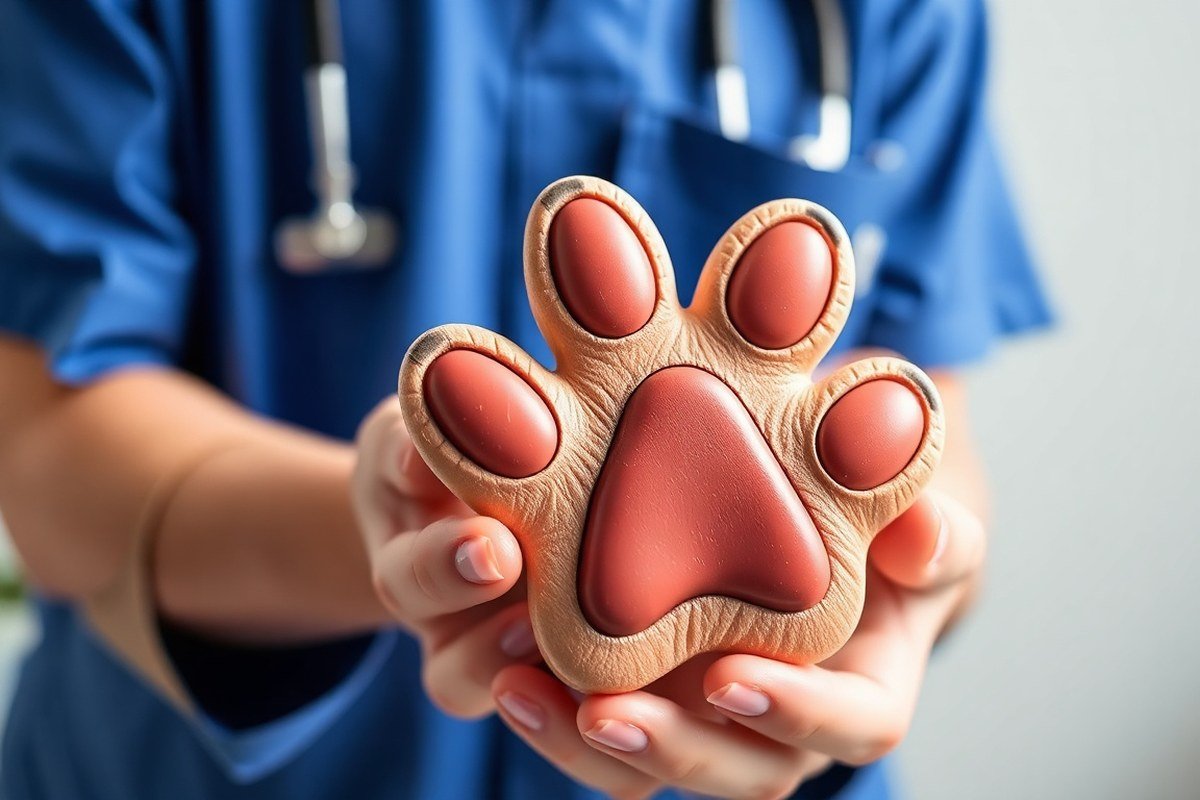
Dogs have anal glands located on either side of their anus. These small sacs produce a strong-smelling fluid used in natural communication and marking territory. Normally, the glands release this fluid during defecation when the pressure from stool passing through naturally expresses the glands. This process helps keep the glands clear and prevents fluid buildup.
Sometimes the anal glands do not empty naturally. This can happen if the stool is too soft or if the dog has allergies, obesity, or is a senior, which may decrease gland efficiency. In such cases, the fluid accumulates and the glands become swollen and painful. If you do not express the glands manually or get professional help, the buildup can lead to discomfort, infections, or even abscesses. Anal gland rupture is a more serious complication that can occur if the pressure grows too high or the glands are expressed improperly.
Manual expression is the process of gently squeezing the anal glands to release their contents. This is typically done by trained groomers or veterinarians to avoid injury. The process involves placing a gloved finger inside the dog’s rectum and applying steady pressure at the 4 and 8 o’clock positions on the anal rim to force the fluid out. This care should be done every 4 to 8 weeks for dogs prone to gland issues, often coinciding with grooming routines.
At-home expression may be tempting, but it requires proper guidance to avoid harming your dog. Consult your veterinarian before attempting it yourself, especially for dogs with chronic problems or sensitive skin. Veterinary visits for anal gland expression usually range from $30 to $80 per session, and dogs with ongoing issues might require this as often as every month, costing $200 to $500 annually. Groomers increasingly offer this service, sometimes bundled with nail trimming as part of regular care.
Caring for your dog’s anal glands by expressing them when necessary prevents painful swelling and infection. Watching for clues like scooting, licking, or a foul odor around the rear can indicate the glands need attention. Proper timing and gentle technique minimize risks and promote your dog’s comfort and health.
Common Signs Your Dog Needs Their Anal Glands Expressed

Dogs with full or impacted anal glands often show clear signs that something is wrong. Common behaviors include scooting, which is dragging their rear end along the ground to relieve discomfort or itching. You might also notice your dog licking or biting at the area around their anus excessively.
These actions are more than just annoying habits, they indicate irritation or pain. When anal gland fluid thickens or the glands become blocked, the pressure builds up, causing discomfort during movement or bowel movements. This can lead to your dog appearing reluctant to defecate or even showing pain when doing so.
Other symptoms that suggest your dog’s anal glands need attention include a strong, unpleasant odor coming from the rear end. This smell often happens if the glands become infected or the fluid inside them leaks out. The odor may sometimes be mistaken for bad breath or general doggy smell, but it’s usually stronger and more noticeable near the tail.
- Scooting or dragging the bottom along the floor
- Excessive licking or biting at the anus
- Strong, fishy odor around the rear
- Signs of pain or discomfort when sitting or defecating
- Reluctance to defecate or smaller, painful bowel movements
- Swelling or redness near the anus (visible on close inspection)
Pay attention to how often these signs appear. Occasional scooting might not be a problem, but repeated or frequent episodes generally mean the anal glands need expressing or medical evaluation. Sometimes, mild cases might resolve on their own if your dog’s diet supports proper stool consistency, allowing natural gland emptying. In other cases, manual expression by a vet or trained professional becomes necessary to relieve the pressure.
Ignoring these symptoms can lead to worsening problems such as impaction, infection, or abscess formation. These conditions cause increased pain and may require antibiotics or surgery. It’s best to address any symptoms early by consulting your veterinarian for advice on proper gland care and, if needed, expression.
Never try to express your dog’s anal glands without guidance, as improper technique can cause injury or infection.
How to Safely Express Your Dog’s Anal Glands at Home
Expressing your dog’s anal glands at home can be done safely if you follow the correct steps and use the right tools. It’s important to maintain a calm environment and be gentle to avoid injury or stress. This procedure should be done only if you have your veterinarian’s approval and after proper instruction on technique.
Tools and Supplies You Need
Gathering the right supplies before you begin helps make the process smoother and safer. You will need gloves to keep things hygienic and avoid contact with gland fluid. Paper towels or disposable wipes are essential for cleanup. A helper to hold your dog can provide extra support and reduce the chance of sudden movements.
Some people also use a lubricant like petroleum jelly to make the expression gentler on your dog. Have a mild antiseptic on hand to clean the area in case of minor irritation. Keep your dog’s harness or leash nearby to help control their positioning.
Step-By-Step Expression Process
Carefully follow these instructions to express your dog’s anal glands safely and effectively at home. Each step is designed to protect your pet and achieve the best results.
- Put on disposable gloves. This protects you from bacteria and odors.
- Find a calm, well-lit area. Choose a comfortable spot where your dog feels secure.
- Position your dog gently. Have a helper hold your dog still, either standing or lying on their side.
- Locate the glands. The anal glands sit at about the 4 and 8 o’clock positions around the anus.
- Apply gentle pressure. Using your thumb and forefinger, press inward and toward the anus to squeeze the fluid out.
- Wipe the area clean. Use paper towels or wipes to catch fluid and prevent mess.
- Observe your dog’s reaction. Stop if there is pain, swelling, or resistance.
- Dispose of gloves and clean up thoroughly. Wash your hands and sanitize any surfaces touched.
Regularly expressing anal glands is often done based on your veterinarian’s schedule. Cost-wise, veterinary expression usually ranges from $25 to $50 and can be a safer option if you’re unsure about the technique.
Preventing Pain and Distress During the Procedure
Keeping your dog calm is key to a successful and safe anal gland expression. Speak softly and use reassuring petting before and during the procedure. Your dog may feel anxious or uncomfortable, so begin with short, gentle attempts and gradually increase the time as your dog gets used to it.
Having a second person support or distract your dog can reduce struggling and sudden movements. Never force the glands if your dog resists strongly or shows signs of pain, such as yelping or growling. Stop immediately and consult your veterinarian in those cases.
Common Mistakes and How to Avoid Them
One frequent mistake is squeezing too hard or expressing too often, which can cause inflammation, infection, or damage. Never attempt expression if there is swelling, redness, or obvious pain around the glands. Manually expressing abscessed glands can worsen the condition and requires professional veterinary treatment.
Another error is assuming all scooting or licking means full glands; these behaviors can have other causes. Overexpression at every grooming visit without veterinary advice is discouraged. Following your vet’s recommended schedule helps avoid unnecessary or harmful expressions.
Failing to maintain hygiene by skipping gloves or cleaning can lead to infection for you or your dog. Always wear gloves, clean the area afterward, and keep an eye on your dog for any signs of discomfort or complications after expression.
When to Call a Veterinarian for Anal Gland Problems
Call your veterinarian promptly if your dog shows signs of pain, swelling, or discharge around the anal glands. Minor blockages can often be managed at home with care, but infection, abscess, or rupture requires professional treatment. Follow this decision rule: mild discomfort and no swelling suggest at-home care or soon scheduling a vet visit; swelling, redness, bleeding, or foul smell means you need immediate veterinary attention.
Signs of Anal Gland Infection or Abscess
Look for redness, swelling, or a tender lump near your dog’s anus, which may indicate infection or abscess formation. Your dog might lick or bite the area more than usual, scoot on the floor, or strain during bowel movements. Noticeable discharge, pus or blood, combined with discomfort signals the glands are inflamed. These signs suggest higher urgency than a simple blockage because bacteria can multiply and cause pain or rupture.
Minor fluid thickening and impaction usually cause discomfort without swelling or discharge. Hand expression often relieves this without veterinary care. However, infection requires antibiotics, cleaning, and sometimes pain relief from a vet. Don’t delay a vet visit if symptoms persist more than a day or worsen despite home care.
Symptoms Indicating Emergency Care
An abscess rupture is an emergency. If you see open wounds, leaking pus, or your dog shows fever, lethargy, or severe pain, call the vet immediately. Ruptures allow bacteria to spread under the skin, leading to serious infections that worsen quickly without treatment. Immediate veterinary care includes cleaning the wound, draining the abscess, and starting antibiotics and pain medication.
Another urgent concern is a tumor within the anal gland, though rare. Persistent swelling that does not improve or worsens over days or weeks, especially if accompanied by bleeding or discharge, requires prompt veterinary evaluation. Early vet intervention can determine the cause and plan biopsy or specialized treatment.
Vet Treatments Beyond Expression
Treatments depend on severity and cause. The veterinarian may recommend fiber supplements or dietary changes to soften stool and encourage natural gland emptying. This reduces impactions and prevents recurrence. Daily fiber and probiotic supplements can help dogs with chronic problems avoid frequent manual expressions.
Infections and abscesses need professional cleaning and antibiotics, which the vet determines based on the infection’s severity and bacteria type. Pain relief is often prescribed to keep your dog comfortable. Surgery might be necessary in rare cases of repeated infections or tumors. Costs for basic anal gland expression at a clinic range between $25 and $50, but infection treatments or surgery can be considerably higher.
Consult your vet before trying home remedies like warm compresses or natural supplements. Professional guidance ensures safe, effective care and reduces the risk of complications. The vet can also advise on scheduling regular checkups to catch problems early and maintain your dog’s anal gland health long term.
How Often Should Dogs Have Their Anal Glands Expressed?
The frequency of anal gland expression depends greatly on your dog’s unique health, breed, and daily activities. Most dogs don’t require expressing every 4 to 8 weeks; such a routine is often not needed. Pay attention to your dog’s individual needs, which can vary as they age or their condition changes. Some dogs only need gland expression occasionally, while smaller breeds may need it more often.
Expressing anal glands too frequently can cause irritation or inflammation. The glands are designed to empty naturally during bowel movements, and if they are manually expressed too often, it may interfere with this process or cause discomfort. Most dogs that need expression are somewhere between having mildly full glands and those at risk of blockage or infection. Setting a fixed schedule without signs of problems is not recommended because it can lead to unnecessary handling and stress for your dog.
You can tell when your dog may need their anal glands expressed by observing behaviors like scooting, licking, or biting at the rear, or signs of discomfort when sitting. Chronic diarrhea or soft stool can contribute to more frequent gland issues since softer stool doesn’t put enough pressure on the glands to empty naturally. In such cases, your dog may need expression more often, but that should be determined by a veterinarian.
Having a vet or a trained groomer evaluate your dog regularly is the best way to individualize the care schedule. A professional can press the glands during a check-up to see if they feel full or impacted and guide you on frequency based on that assessment. Some dogs with recurring problems benefit from supplements designed to improve anal gland health, which may reduce the need for manual expression. These options should be discussed with your vet before starting.
When performing anal gland expression at home, having a second person to gently restrain your dog can help make the process safer and less stressful. Stop expressing your dog’s anal glands immediately if they appear to be in pain, and contact your veterinarian for advice. Proper sanitation and gentle technique matter to avoid infection or injury.
Regularly watch for signs like scooting or licking as signals your dog’s anal glands might need expressing, rather than setting a fixed schedule.
Underlying Causes and Risk Factors for Anal Gland Problems
Small dog breeds like Chihuahuas, Shih Tzus, and Toy Poodles tend to have more anal gland problems due to their anatomy. Their anal glands are often narrower, making natural emptying during bowel movements more difficult. In comparison, larger breeds seldom experience these problems because their body structure and typical activity help the glands function properly. Still, dogs of any size can develop anal sac issues.
Obesity significantly raises the risk of anal gland problems, especially in small breed dogs. Excess body fat can put pressure on the anal glands, preventing them from emptying properly and increasing the chances of infection or impaction. Keeping your dog at a healthy weight through portion control and regular exercise helps reduce this risk and improves overall gland function.
Diet plays a critical role in maintaining anal gland health. A balanced diet that produces firm, well-formed stools provides the natural pressure needed to help empty the glands when your dog defecates. Loose stools or diarrhea do the opposite, depriving the glands of the necessary stimulus and potentially leading to blockages, just like an empty toothpaste tube cannot squeeze out paste. Ensuring your dog has fiber and nutrients appropriate for their needs supports healthy digestion and gland function.
Chronic anal gland issues sometimes coincide with allergies, which can cause itching, skin irritation, and ear infections. These conditions increase inflammation around the anal glands and further contribute to problems. Recurring symptoms in your dog may indicate underlying causes such as allergies. Talk to your veterinarian about allergy testing or trying an elimination diet to find and manage these triggers.
Other non-breed factors such as stress and anxiety might trigger anal gland problems by affecting your dog’s overall health. Behavioral changes and environmental stressors can influence their ability to empty glands naturally. Addressing these through training, behavior therapy, or calming techniques supports gland health and prevents frequent expression needs.
Maintaining a balanced diet, managing your dog’s weight, and providing regular exercise form the foundation for preventing anal gland problems. Knowing which breeds face higher risks allows you to monitor your dog more closely for early signs of trouble. Frequent anal gland expression or signs of discomfort in your dog should prompt a visit to the veterinarian. They can diagnose any health problems and create a care plan that fits your dog’s breed, lifestyle, and health needs.
Treatment Options Beyond Expression: Infection, Abscess, and Surgery
When manual anal gland expression does not resolve problems or the glands become infected, more advanced treatments may be necessary. Infections and abscesses require veterinary intervention because they involve bacterial invasion, pus formation, and sometimes tissue damage. Dogs with abscesses often show signs like swelling near the anus, pain, and difficulty sitting or defecating.
Antibiotics and pain medication form the basis of medical management for anal gland infections. A veterinarian may also perform an anal sac lavage under sedation, which means flushing the gland to remove debris and pus. This process usually requires two to three sessions for severe cases and costs between $150 and $350 per session. When an abscess forms, it often needs surgical drainage to evacuate the pus. This procedure helps speed healing and reduces discomfort.
Occasionally, chronic or recurrent anal gland issues may lead a veterinarian to recommend surgery to remove the anal sacs entirely. This option is typically reserved for cases where other treatments fail to provide lasting relief. Surgery can prevent recurring infections but comes with risks like damage to nearby nerves and possible incontinence. Discussing these risks in detail with a veterinary surgeon is important before proceeding. The following table outlines disease stages, prognosis, and expected outcomes to help you understand treatment options based on your dog’s condition:
| Disease Stage | Prognosis | Expected Outcome |
|---|---|---|
| Mild Impaction | Excellent | Full resolution with expression and dietary changes. Many dogs recover fully. |
| Chronic Impaction (Recurrent) | Good | Manageable with scheduled expression every 3-8 weeks. Quality of life maintained. |
| Sacculitis (Infection) | Good to Excellent | Most infections resolve with antibiotics and lavages. |
| Abscess | Good (with treatment) | Proper drainage combined with antibiotics can promote healing in 2 to 3 weeks. |
| Ruptured Abscess | Good (with treatment) | Heals after advanced veterinary care including wound management. |
Costs vary widely depending on the severity and treatment method. Routine expression outside of medical care, such as at grooming salons, ranges from $10 to $25. Veterinary exams with expression typically cost between $70 and $130. Cytology tests to check for infection cost $35 to $75. Treatment for abscesses or infected glands may be more expensive due to medications and possible sedation for lavage or surgery.
Knowing when to escalate treatment beyond manual expression helps protect your dog from painful complications. An abscess that ruptures demands immediate veterinary care to avoid risks such as ongoing infection or permanent tissue damage. Surgery to remove anal sacs is a last resort and carries potential side effects, but for dogs with frequent infections, it can improve their comfort significantly. Always follow your veterinarian’s guidance for safe and effective care.
Preventing Anal Gland Problems with Diet and Lifestyle
Diet and lifestyle significantly influence your dog’s anal gland health. A balanced, fiber-rich diet, stable body weight, and regular exercise help their anal glands empty naturally, reducing the need for manual expression and preventing complications.
Fiber-Rich Diets and Supplements
Providing your dog with a diet high in fiber supports healthy digestion and firmer stools, which naturally press and empty the anal glands during bowel movements. Look for dog foods that contain at least 4% to 6% fiber, including ingredients like pumpkin, sweet potato, or beet pulp. Introducing fiber gradually over 7 to 10 days helps avoid digestive upset.
When dietary fiber alone doesn’t fully resolve anal gland issues, fiber supplements can help. Options include psyllium husk powder, canned pumpkin (plain, no sugar or spices), and commercial fiber chews designed for dogs. Consult your vet before adding any supplements to ensure proper dosing.
- Choose dog food with 20% to 30% crude fiber on a dry matter basis for best results
- Introduce supplemental fiber slowly over a week for your dog’s comfort
- Ensure fresh water is always available alongside increased fiber
- Monitor stool consistency; ideal stool is firm but not hard
- Avoid sudden diet changes to prevent diarrhea or constipation
Consistent fiber intake supports regular, healthy bowel movements and can reduce the frequency of anal gland expression or veterinary intervention.
Maintaining Healthy Weight
Excess weight can impair your dog’s ability to naturally express their anal glands. Overweight dogs often have softer stools and may strain less during defecation, preventing natural gland emptying. Bringing your dog to a healthy Body Condition Score by reducing 10% to 15% of excess weight has been shown to improve anal gland function.
Weight management involves feeding the correct portion size of a balanced diet and increasing daily activity. Work with your vet to create a tailored weight loss plan that includes a calorically appropriate, nutrient-rich diet and a gradual increase in exercise. Maintaining an ideal weight not only supports anal gland health but also reduces the risk of other common health problems like joint stress and diabetes.
Exercise and Hydration Tips
Daily exercise stimulates bowel motility and supports overall digestive health, both of which encourage natural anal gland emptying. Activities such as walking, running, or swimming for at least 30 minutes per day help shift intestines and promote regular, firm bowel movements.
Hydration also plays a critical role. Well-hydrated dogs produce softer stools that move smoothly through the colon, reducing the risk of anal gland blockages. Provide fresh water at all times and encourage your dog to drink, especially after exercise. Regularly scheduled walks combined with plenty of water intake can help prevent painful anal gland impaction and reduce the need for intervention.
Holistic and Natural Remedies
Some owners explore natural methods to support anal gland health alongside dietary and lifestyle changes. Probiotics may help balance gut flora, improving digestion and stool quality. Look for canine-specific probiotic products with strains like Enterococcus faecium or Lactobacillus acidophilus.
Herbal supplements like slippery elm bark or chamomile are sometimes used to calm digestive upset and maintain bowel consistency, though their effectiveness for anal glands is less well-established. Always discuss any supplements with your veterinarian before use. Applying a gentle warm compress to the anal area can relieve discomfort and stimulate gland drainage, but it’s not a replacement for diet and exercise.
Always avoid forcing gland expression yourself if you notice swelling or your dog is in pain; a veterinarian’s evaluation may be necessary to prevent injury.
Step-by-Step Action Plan for Managing Your Dog’s Anal Glands
Follow this simple plan to keep your dog’s anal glands healthy and avoid discomfort or complications.
- Day 1: Observe your dog’s behavior for signs like scooting, licking, or unusual odors to identify possible anal gland issues.
- Day 2: Schedule a veterinary checkup if you notice any signs or if your dog is a breed prone to anal gland problems.
- Week 1: Learn how to safely express your dog’s anal glands at home using gentle techniques; confirm success if your dog shows relief and no distress during the process.
- Week 2: Adjust your dog’s diet to include higher fiber content, which helps natural gland emptying; monitor stool consistency for improvement.
- After 1 Month: Reassess your dog’s symptoms; if problems persist or worsen, consult your vet about further treatments like medication or surgery.
- Ongoing: Maintain regular hygiene checks and keep an eye on your dog’s anal gland health to prevent future issues.
Frequently Asked Questions
Can Anal Gland Expression Hurt My Dog?
It can be uncomfortable, especially if the glands are inflamed or infected. Gentle handling and veterinary advice help minimize pain during expression.
Is Anal Gland Expression Safe to Do at Home?
Yes, if your dog’s glands are not inflamed and you use proper technique. Always consult your veterinarian first to learn the correct method.
How Can I Tell If My Dog’s Anal Glands Are Infected?
Signs include redness, swelling, pain, and unusual discharge. A vet exam is necessary for accurate diagnosis and treatment.
Why Does My Dog Scoot Even After Anal Gland Expression?
Scooting might mean incomplete expression or other issues like allergies or parasites. Monitor your dog and consult a vet if it continues.
Is It Normal for Dogs to Need Anal Gland Expression Regularly?
Some dogs, especially small breeds, do require frequent expression. Your vet can help set a safe schedule based on your dog’s needs.
Can Diet Changes Reduce the Need for Anal Gland Expression?
Yes, high-fiber diets can firm up stools, naturally helping express glands during bowel movements. Discuss diet plans with your vet for best results.
Before You Go
Your dog’s need for anal gland expression depends on their individual health and lifestyle, but staying alert to signs and taking timely action can prevent serious problems. Start by carefully monitoring your dog’s behavior and stool, then incorporate safe home care and veterinary guidance as needed. Prioritizing these steps will help keep your dog comfortable and healthy with minimal stress.