
How to Choose the Best Dog Deodorizing Spray for Your Pet
The best dog deodorizing spray is one that effectively neutralizes odors without harming your pet’s skin or coat. It should be easy to apply, use safe ingredients, and provide lasting freshness between baths. Choosing the right spray depends on your dog's coat type, sensitivity, and the kind of odors you need to tackle.
Maintaining your dog's cleanliness is more than just hygiene; it affects their comfort and your home’s environment. With many deodorizing sprays available, some may contain harsh chemicals or be unsuitable for pets with sensitive skin. A good deodorizing spray balances odor control and skin health, helping dogs feel fresher and more comfortable between grooming sessions.
This article explores key factors to consider when selecting a dog deodorizing spray, including ingredient safety, scent types, and application methods. We'll also look at various product categories, compare options, and answer common questions to guide you toward the best choice for your furry friend.
Key Ingredients in the Best Dog Deodorizing Spray
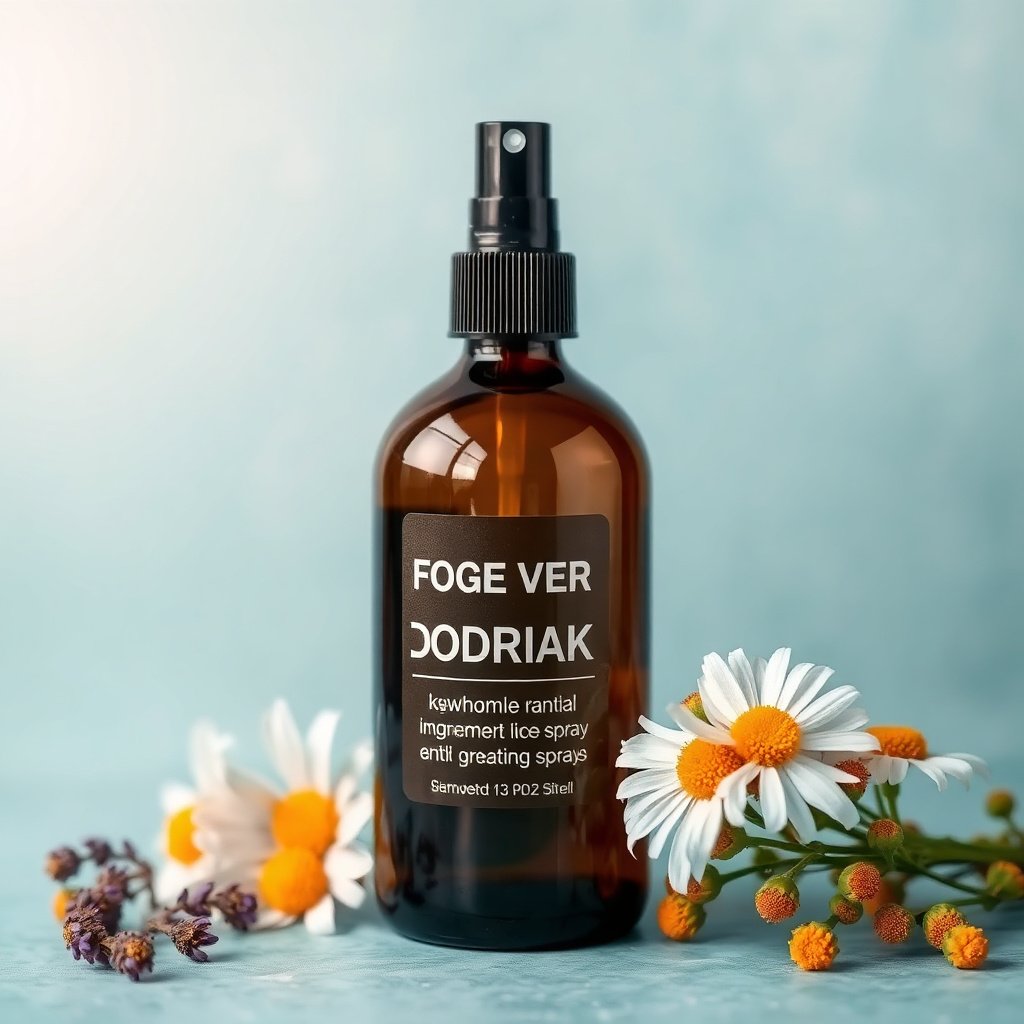
Natural vs. Synthetic Ingredients
Dog deodorizing sprays often use either natural or synthetic ingredients. Natural options, like aloe vera and essential oils, tend to be gentler on sensitive skin and may provide soothing benefits. Synthetic ingredients can be effective in masking strong odors but may irritate delicate coats or skin.
Choosing a spray with primarily natural components helps reduce the risk of allergic reactions and ensures safer use, especially for puppies or dogs with skin conditions. Some sprays combine both types for balanced performance.
- Aloe vera for skin soothing
- Essential oils such as lavender or chamomile
- Synthetic fragrances for stronger odor coverage
Ingredients to Avoid in Dog Sprays
Certain components, like alcohol, parabens, and artificial dyes, can dry out or irritate your dog’s skin. Alcohol-based sprays might cause discomfort or itchiness, especially if applied frequently.
Avoid sprays with harsh chemicals that are not specially formulated for pets. Toxic essential oils like tea tree or eucalyptus oil should be used cautiously or avoided entirely as they can be harmful to dogs.
- Avoid alcohol and parabens
- Steer clear of artificial colors
- Use caution with potentially toxic essential oils
How to Use Dog Deodorizing Spray Safely and Effectively
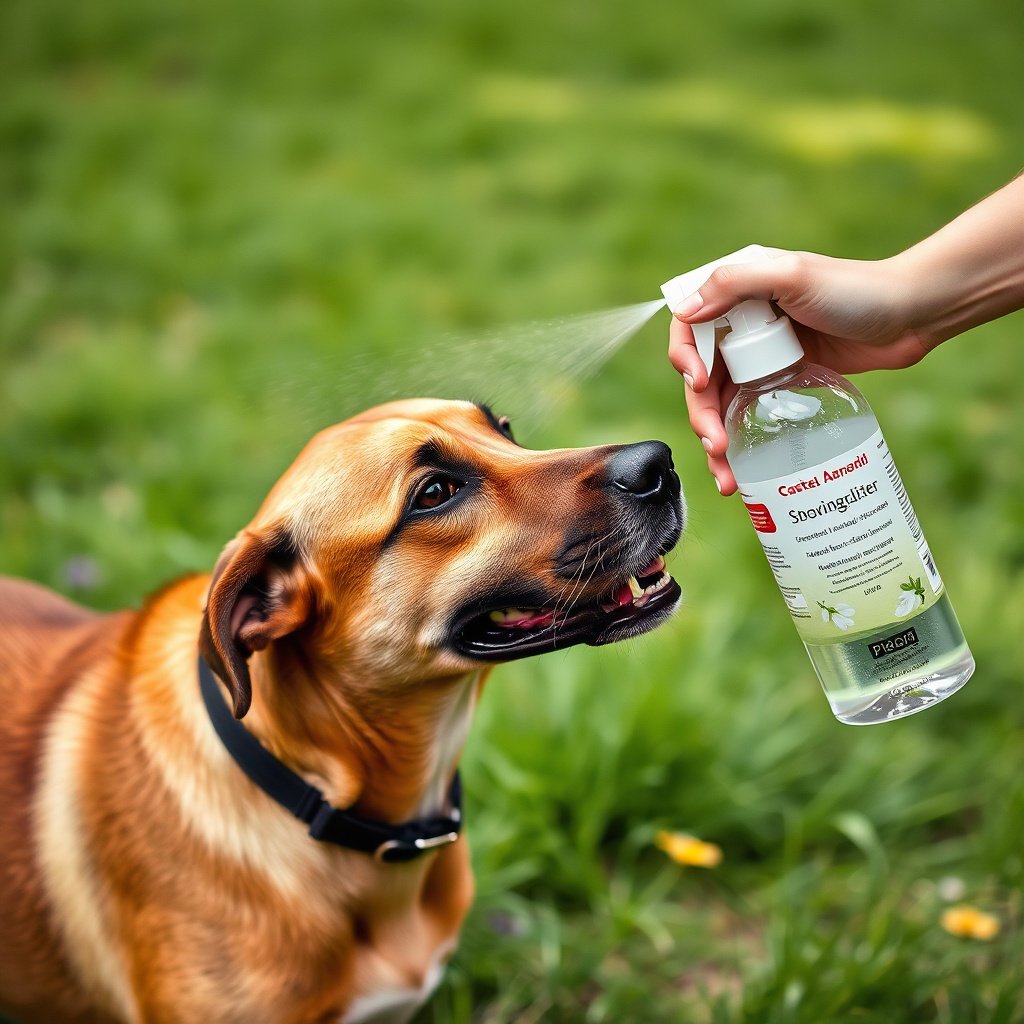
Proper Application Techniques
Apply deodorizing spray evenly on your dog’s coat, avoiding eyes, nose, and mouth. Spray from a distance of about 6–8 inches to distribute a light mist. Brushing after spraying helps spread the product and lift odors from fur.
Using the spray regularly between baths keeps your dog smelling fresh but don’t overapply as residue may build up and cause skin irritation.
- Spray 6–8 inches away from coat
- Avoid sensitive facial areas
- Brush coat after application
When and How Often to Use Deodorizing Sprays
Use deodorizing sprays whenever your dog starts to emit unwanted odors, typically between grooming sessions. Frequency depends on your dog's lifestyle, exposure to dirt, and coat type.
For some dogs, once or twice a week is enough, while active or outdoor dogs may benefit from more frequent use. Always observe for any skin reactions with prolonged use.
- Use based on odor presence
- Adjust frequency to activity level
- Monitor skin for irritation
Types of Dog Deodorizing Sprays Available
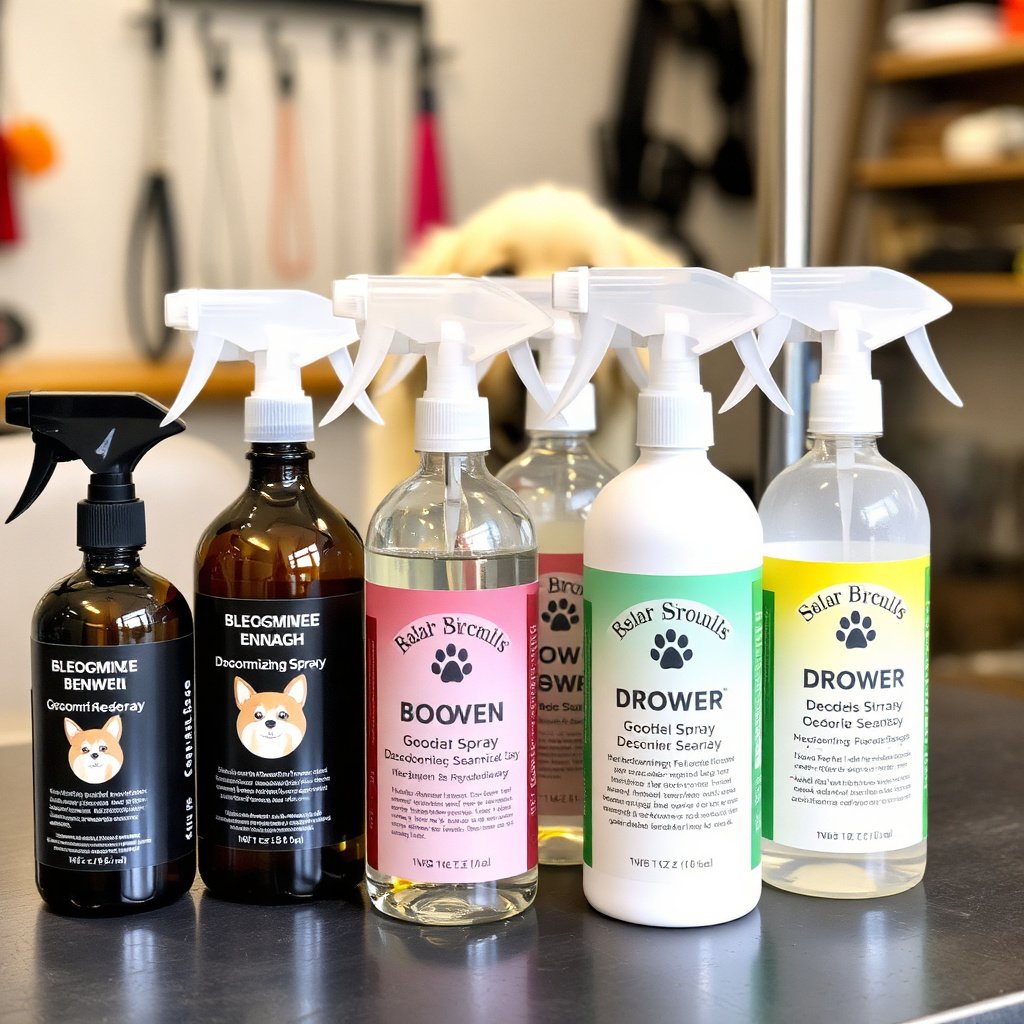
Water-Based Sprays
Water-based deodorizing sprays are lightweight and less likely to leave a residue. They often contain botanical extracts and are suitable for sensitive skin. These sprays refresh your dog’s coat gently and reduce odors effectively.
Because they have minimal chemicals, water-based spritzes can be applied daily. However, they might not provide as strong or long-lasting coverage as other types.
- Lightweight and gentle
- Safe for daily use
- May require frequent application
For more on this, see our related guide: How Many Baths Does a Dog Need? A Complete Guide to Bathing Frequency.
Oil-Based and Cream Sprays
Oil-based sprays or cream formulas combine deodorizing ingredients with moisturizing agents. These help condition the coat and control odors for longer periods, suitable for dry or coarse fur types.
While effective, they can sometimes leave a greasy feel and attract dirt more easily, so use sparingly based on your dog's coat condition.
- Long-lasting odor control
- Moisturizes coat and skin
- Use sparingly to avoid greasiness
Popular Scents and Their Effects
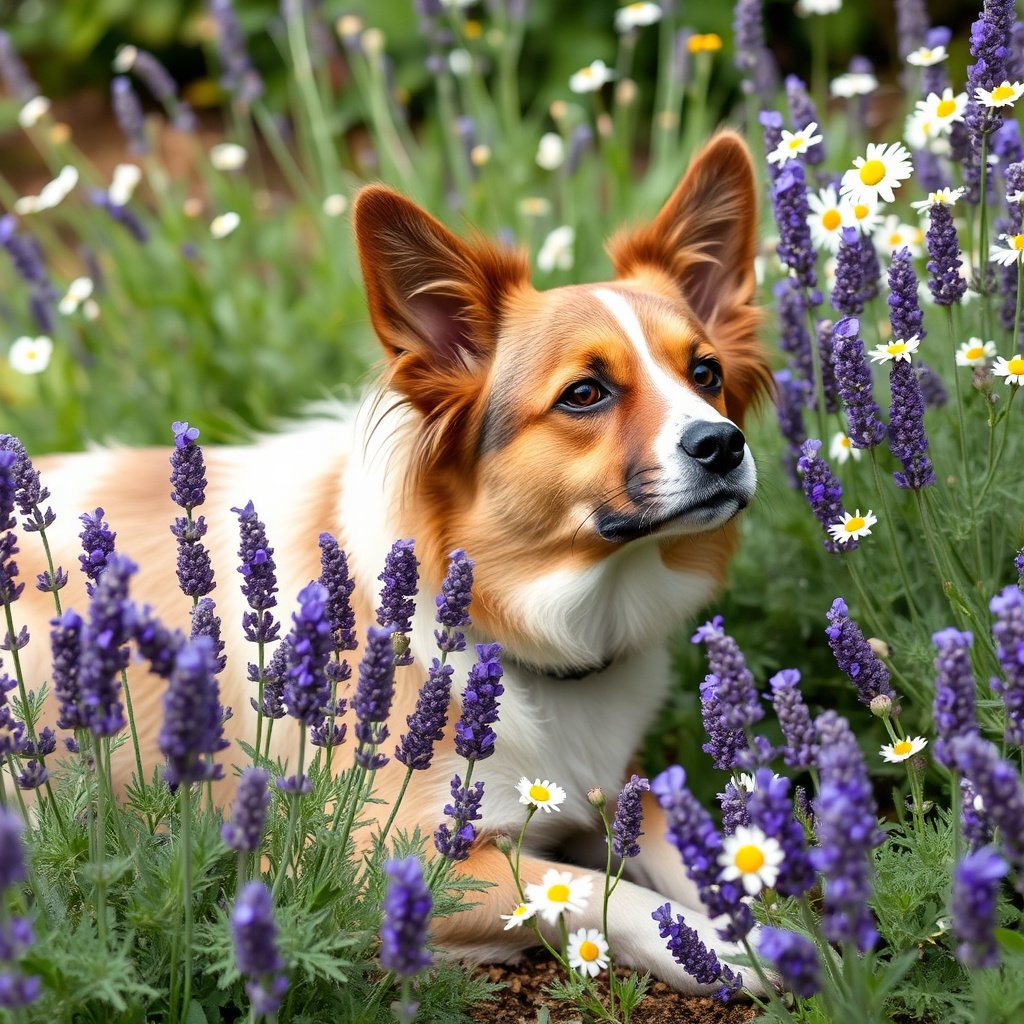
Floral and Herbal Scents
Scents like lavender, chamomile, and rosemary are commonly used for their calming and pleasant aromas. These natural fragrances freshen your dog without overwhelming the nose and often come with mild antibacterial properties.
Floral and herbal scents are typically well-tolerated, making them a favorite in natural dog deodorizer sprays.
- Lavender for calmness
- Chamomile for soothing effect
- Rosemary for freshness
Fresh and Citrus Scents
Citrus-based scents such as lemon or orange give a bright, clean smell that effectively masks muskier odors. These scents energize the atmosphere but should be used with caution, as some dogs may find citrus oils irritating.
Fresh scents mimicking ocean or green grass are also popular for their invigorating effects without being overpowering.
- Lemon and orange for crisp freshness
- Energizing but may irritate sensitive dogs
- Synthetic fresh scents for variety
Factors to Consider When Choosing the Best Dog Deodorizing Spray

Your Dog’s Coat Type and Skin Sensitivity
Coats that are thick, curly, or oily require sprays formulated specifically for those textures to avoid buildup. Sensitive or allergic dogs benefit from hypoallergenic formulas with natural ingredients.
Knowing your dog’s coat and skin condition helps narrow down the large selection to a product that won’t cause irritation or damage the fur.
- Match spray to coat characteristics
- Choose gentle formulas for sensitive skin
- Test new sprays on small skin area
For more on this, see our related guide: How to Dry a Wet Dog Smell: Complete Guide for Fast, Lasting Odor Removal.
Purpose and Odor Severity
Consider whether you need a mild daily deodorizer or a stronger product for stubborn odors caused by outdoor activity or medical issues. Some sprays specialize in neutralizing specific smells like urine or mildew.
Selecting a spray aligned with your dog's lifestyle and the odor problem ensures effective use and satisfaction.
- Light sprays for routine freshness
- Stronger formulas for persistent odors
- Odor-specific sprays for targeted control
Where to Buy and Price Expectations
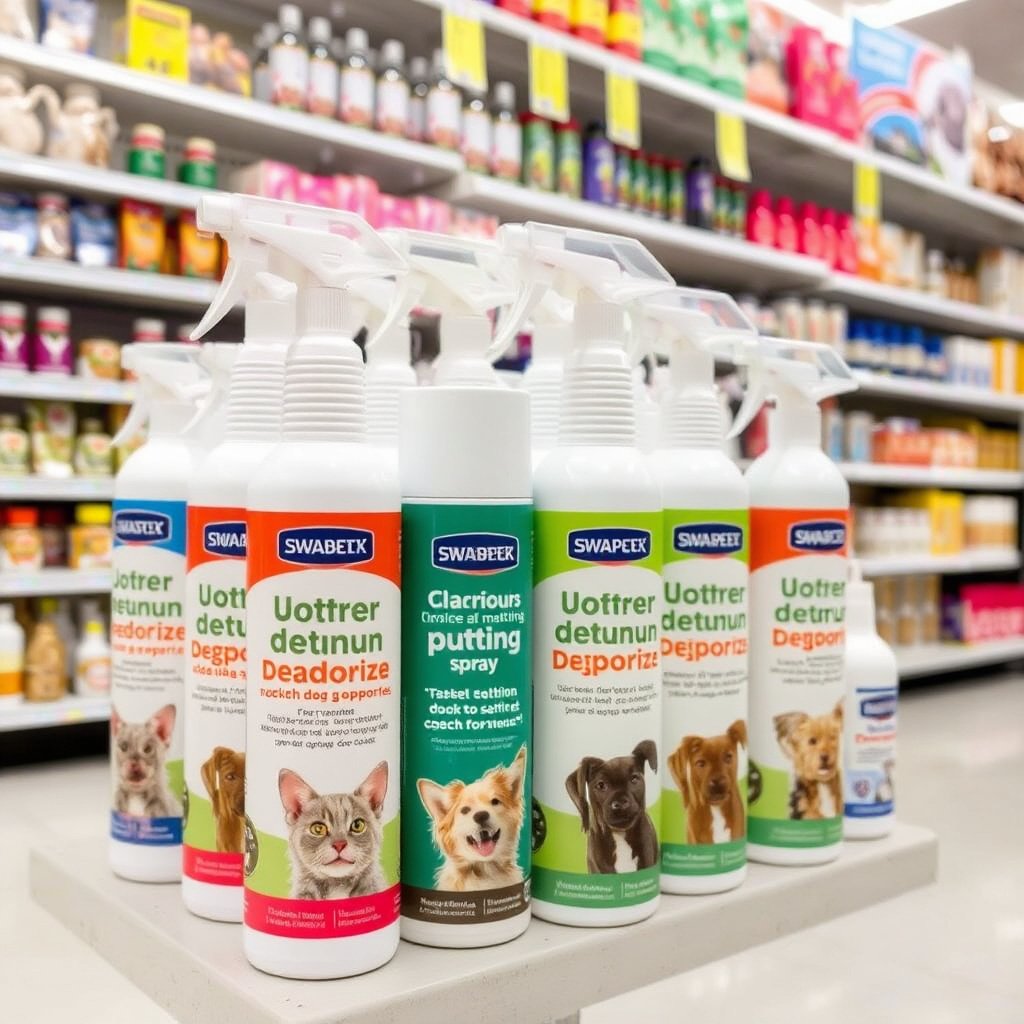
Retail and Online Options
Dog deodorizing sprays are widely available in pet stores, large retailers, and online platforms. Online shopping offers a broader selection with customer reviews to help decision-making.
Buying from reputable sources ensures product authenticity and quality, with many brands offering ingredient transparency and certifications.
- Pet specialty stores
- Major retailers like Amazon or Chewy
- Check customer feedback
For more on maintaining your dog’s coat and hygiene, see Dog grooming basics at Wikipedia. Dog grooming basics at Wikipedia.
Price Ranges and Value
Prices for dog deodorizing sprays vary from budget-friendly under $10 options to premium lines costing $20 or more per bottle. Cost often reflects ingredient quality and product concentration.
Investing in a slightly higher-priced natural dog deodorizer may provide safer and longer-lasting results, ultimately saving money on grooming or veterinary visits.
- Budget options under $10
- Premium sprays $15-$25
- Consider ingredient quality and longevity
Dog Deodorizing Spray Types Comparison
This table compares popular categories of dog deodorizing sprays by effectiveness, skin safety, scent options, and typical price range.
| Category | Effectiveness | Skin Safety | Scent Options | Price Range |
|---|---|---|---|---|
| Water-Based | Moderate | High | Natural floral and herbal | $8-$15 |
| Oil-Based | High | Moderate | Herbal and mild citrus | $15-$25 |
| Synthetic Fragrance Sprays | High | Low to moderate | Wide variety, strong scents | $5-$12 |
| Natural Essential Oil Sprays | Moderate to high | High (if safe oils used) | Lavender, chamomile | $12-$20 |
Frequently Asked Questions
Is dog deodorizing spray safe for puppies?
Many dog deodorizing sprays are formulated safely for puppies, but it’s important to choose products without harsh chemicals or toxic essential oils. Always check the label and do a patch test before regular use.
Can I use human deodorizing sprays on my dog?
Human deodorizing sprays are not recommended for dogs as they can contain harmful ingredients and fragrances that may irritate your pet’s skin or be toxic if ingested.
How long does the smell of dog deodorizing spray usually last?
The scent duration varies from a few hours to a couple of days depending on the spray’s formula, your dog’s activity level, and coat type. Reapplication might be needed for longer-lasting freshness.
Can deodorizing sprays replace regular dog baths?
Deodorizing sprays help keep your dog smelling fresh between baths but do not replace the need for regular grooming and washing, which are essential for coat health and hygiene.
Are there any health risks with dog deodorizing sprays?
When used as directed, deodorizing sprays are generally safe. However, products with strong chemicals or toxic ingredients may cause allergic reactions or skin irritation, so choose sprays with safe formulations.
Key Takeaways
- Choose sprays with safe and natural ingredients for sensitive skin
- Water-based sprays suit daily use, while oil-based offer longer odor control
- Select scents that soothe your dog and avoid irritating oils
- Test new sprays on a small area to avoid adverse reactions
Conclusion
Selecting the best dog deodorizing spray involves balancing effective odor control with your pet’s skin health. By focusing on ingredient safety and matching the product to your dog’s coat type and sensitivity, you can keep your furry friend fresh without unwanted side effects. Understanding your dog’s lifestyle, typical odors, and personal preferences helps narrow the options to sprays that truly fit your needs.
If your dog has sensitive or allergy-prone skin, a natural dog deodorizer with aloe vera and mild essential oils like chamomile or lavender is an excellent choice. For active dogs exposed to stronger odors, water-based sprays offer gentle daily freshness, while oil-based formulas provide more lasting results. Avoid synthetic sprays with harsh chemicals if your dog tends to irritations or has frequent skin issues. Always start with small applications to test tolerance.
In practical terms, begin by identifying your dog’s odor severity and coat type, then select sprays aligned to those needs while prioritizing ingredient safety. Purchase from trusted retailers and read customer reviews to verify quality. Regular, appropriate use of the best dog deodorizing spray will keep your pet comfortable and your home smelling pleasant, supporting your dog’s overall well-being.
