
How to Color a Dog’s Fur Safely: A Step-by-Step Guide
Coloring a dog's fur safely involves using pet-safe products specifically designed for animals, avoiding harsh human hair dyes, and applying color carefully to minimize stress or skin irritation. The key is to prioritize your dog's health by choosing non-toxic dyes and testing for allergic reactions beforehand.
Dog owners might want to color their pet’s fur for special occasions, creative expression, or to cover gray hairs. However, because dogs have sensitive skin and unique fur types, it’s critical to use safe materials and methods to prevent discomfort or adverse reactions.
This article will explore different safe coloring options, preparation steps, application tips, aftercare advice, and precautions every pet owner should know to achieve a successful and safe dog fur dyeing experience.
Choosing Safe Products for Dog Fur Coloring
Pet-Safe Dog Hair Dye Options
Use hair dyes formulated specifically for dogs or pets, as these are designed to be non-toxic and hypoallergenic. Avoid human hair dyes, bleach, and any products containing ammonia, peroxide, or heavy chemicals. Common formulations include water-based dyes with natural ingredients like vegetable extracts.
Natural dyes such as beet juice, turmeric, or cocoa powder can be alternatives but often produce subtler effects and may require multiple applications. Always check the ingredient labels to ensure no harmful additives are present.
- Water-based pet-safe dyes
- Vegetable and fruit extract-based dyes
- Avoid ammonia, peroxide, and bleach
- Check for hypoallergenic labels
Testing for Allergic Reactions
Before applying any dye to your dog's full coat, perform a patch test by applying a small amount on a limited, less visible area of skin and fur. Monitor for 24 to 48 hours to see if there are any signs of redness, swelling, itching, or discomfort.
If any irritation appears, discontinue use immediately and rinse the area thoroughly with water. This step helps ensure your dog’s safety and comfort during the coloring process.
Preparing Your Dog and Fur for Coloring
Bathing and Grooming Before Dyeing
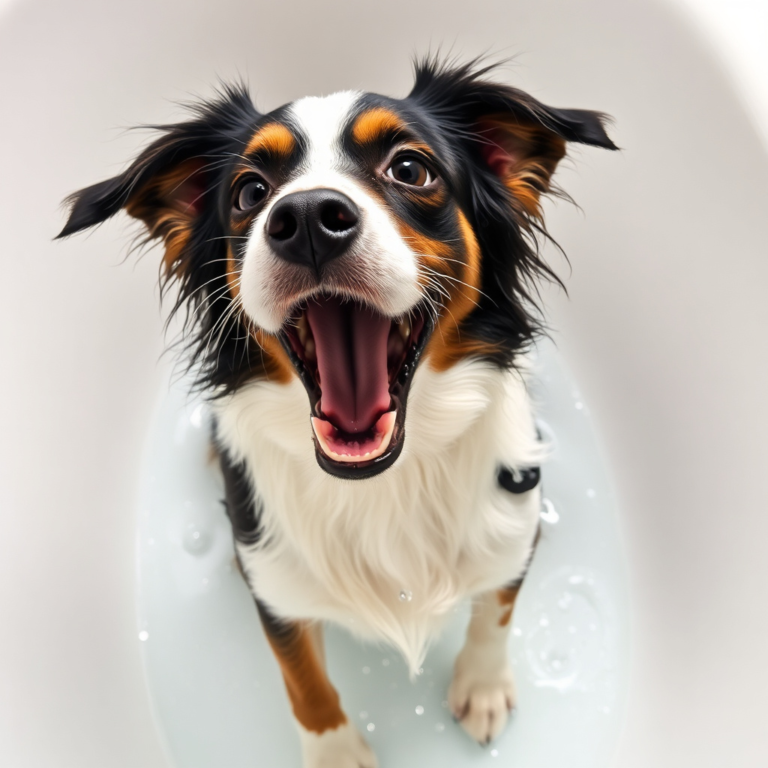
Clean your dog’s fur with a gentle, pet-friendly shampoo before applying any color. Removing dirt, oils, and loose hair helps the dye adhere more evenly and reduces the risk of irritation from trapped particles.
Once washed, brush the coat thoroughly to detangle knots and smooth the fur. This preparation ensures an even application of the dye and improves the final appearance.
- Use pet-safe shampoo
- Dry dog completely before dye
- Brush out tangles carefully
Choosing the Right Environment
Select a well-ventilated area with good lighting to color your dog’s fur. Avoid areas with drafts or extreme temperatures to keep your pet comfortable. Set up all your supplies within easy reach to prevent leaving your dog unattended.
Keep your dog calm with a familiar blanket or toy nearby, and use treats to reward cooperative behavior throughout the process.
Applying Color to Your Dog's Fur
Techniques for Safe Application
Wear gloves and use a dye brush or sponge to apply the color gently. Avoid the dog’s eyes, nose, mouth, and inner ears. Work in small sections, applying dye evenly while massaging lightly to enhance absorption without forcing the product into the skin.
For dogs with thick or long fur, apply the dye closer to the tips to minimize contact with sensitive skin areas.
- Use gloves to protect skin
- Avoid face and sensitive areas
- Apply dye in thin, even layers
For more on this, see our related guide: How to Use a Dog Nail Grinder Safely and Effectively.
Timing and Setting the Color
Follow the manufacturer’s instructions for how long to leave the dye on the fur. Typically, this ranges between 10 to 30 minutes. Excessive timing does not improve color and may risk skin irritation.
After the waiting period, rinse the fur thoroughly with lukewarm water until the water runs clear to remove all excess dye and prevent residue build-up or irritation.
Aftercare for Dyed Dog Fur
Post-Dye Rinsing and Drying
Immediately after the coloring process, rinse your dog’s fur gently yet thoroughly to wash out residual dye. Use lukewarm water and avoid harsh rubbing that might irritate the skin.
Dry the dog either by towel or a low-heat setting on a pet-safe dryer to avoid chilling or overheating your pet.
- Rinse until water is clear
- Pat dry with soft towels
- Avoid high heat drying
Monitoring Your Dog’s Comfort
Watch your dog carefully for any signs of skin irritation or behavioral changes, such as excessive scratching or licking. If you notice discomfort, consult your veterinarian promptly.
Regularly brush the fur to prevent matting and maintain an attractive appearance while the dye holds.
Precautions and Common Mistakes to Avoid
Avoiding Harmful Ingredients
Never use human hair dyes or household products like markers or paints, since these contain toxic chemicals unsafe for animals. Some dyes also have fragrances or alcohol that can irritate skin or mucous membranes.
Always read labels carefully and opt for products explicitly marketed as safe for dogs or pets.
- No human hair dye
- Avoid alcohol and fragrances
- Check ingredient lists thoroughly
For more on this, see our related guide: How to Make a Dog Coat Shiny: 8 Steps to Healthy, Glossy Fur.
Preventing Stress and Behavioral Issues
Coloring a dog’s fur can be stressful, especially if the dog is not accustomed to grooming sessions. Take breaks, speak soothingly, and offer treats to keep the experience positive.
If your dog resists or shows anxiety, postpone coloring and try again later or consult a professional groomer experienced with pet-safe coloring.
Using Professional Grooming Services for Safe Fur Coloring
Benefits of Choosing a Professional
A professional groomer trained in pet-safe coloring techniques can deliver consistent, safe results while minimizing risks. They have access to professional-grade dyes and understand how to handle different fur types and skin sensitivities.
They can also perform allergy patch tests and monitor your pet’s reactions during the process to improve safety.
- Experienced application
- Access to quality products
- Better safety monitoring
For more scientific insights on canine coat types and care, you can visit the canine coat coloration information page. canine coat coloration information.
What to Ask Beforehand
When choosing a salon, inquire about the types of dyes they use and confirm they are pet-safe. Ask about their experience with your dog’s breed and temperament.
Ensure the groomer follows strict hygiene and comfort standards to make the coloring process as pleasant as possible for your dog.
Comparison of Dog Fur Coloring Methods
Here’s a quick overview comparing popular dog fur coloring options based on safety, ease of use, color intensity, and duration.
| Method | Safety Level | Application Ease | Color Vibrancy | Color Longevity |
|---|---|---|---|---|
| Pet-safe water-based dyes | High | Moderate | Bright | 4-6 weeks |
| Natural dyes (turmeric, beet juice) | High | Low | Subtle | 1-2 weeks |
| Chalk or temporary sprays | Moderate | Easy | Bright | 1-3 days |
| Human hair dye (not recommended) | Low | Moderate | Varies | 6+ weeks |
| Professional groomer application | High | Easy for owner | Consistent | 4-6 weeks |
Frequently Asked Questions
Is it safe to use human hair dye on dogs?
No, human hair dyes contain chemicals that can be toxic and irritating to dogs. Always use products specifically designed as pet-safe dog hair dye.
How often can I safely color my dog’s fur?
It’s best to limit coloring to once every 4-6 weeks to allow the skin and coat to recover and prevent irritation.
Can I color my dog’s fur at home?
Yes, using pet-safe dyes and following safety steps helps make home coloring safe. However, professional groomers offer additional safety and expertise.
What should I do if my dog has a reaction to the dye?
Rinse the area immediately with water and contact your veterinarian if redness, swelling, or itching persists.
Are natural coloring alternatives effective for dogs?
Natural dyes like beet juice or turmeric are generally safe but provide subtle colors that fade quickly compared to pet-safe synthetic dyes.
Key Takeaways
- Always use pet-safe dog hair dye or natural alternatives to avoid harmful chemicals.
- Perform a patch test before full application to check for allergic reactions.
- Prepare and groom your dog’s coat thoroughly for even color application.
- Consider professional grooming services for expert, safe coloring results.
Conclusion
Deciding to color a dog’s fur requires careful consideration of product safety, the dog’s comfort, and the application process. Using pet-safe dyes specifically formulated for animals helps prevent chemical burns or allergic responses. Testing for skin sensitivity and preparing the coat properly ensures color adheres well without damaging the fur or skin. Monitoring your dog’s behavior throughout avoids unnecessary stress, making the experience pleasant for both of you.
For those looking for longer-lasting, vibrant results with minimal stress, seeking help from a professional groomer experienced in safe dog fur coloring is a reliable option. Alternatively, pet owners wanting a subtle change can try natural dyes like turmeric or beet juice at home, accepting their more muted, short-lived hues. Temporary chalk or sprays are useful for brief occasions but usually come with reduced safety and color longevity.
If you opt to color your dog’s fur at home, start with a small patch test, choose high-quality pet-safe dyes, and apply the color in a calm, controlled environment. Always prioritize the dog’s well-being and avoid products containing human hair dye ingredients. Taking these steps will keep your furry friend safe and happy while sporting a fresh new look.


One Comment