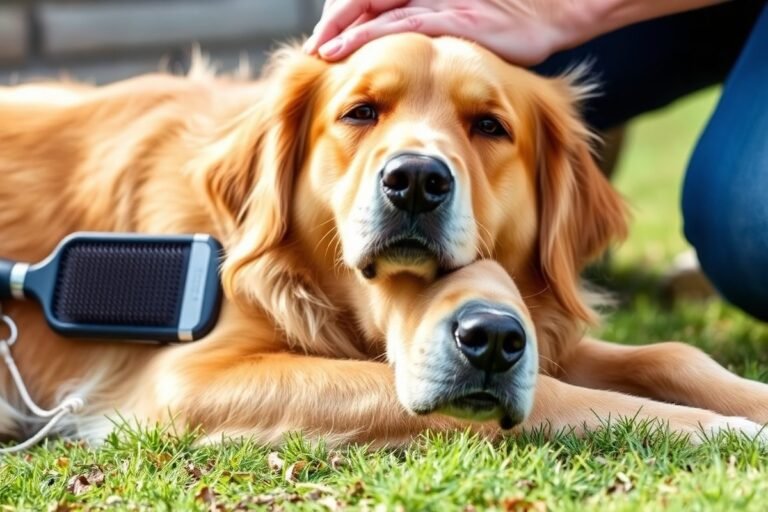
How to Keep a Dog Still While Bathing: Proven Techniques for a Calm Grooming Session
Keeping a dog still while bathing is essential to make the process safe and manageable. To achieve this, use gentle restraint methods like a non-slip mat, verbal cues, and treats to calm your dog and reduce movement without causing distress. Consistency and creating a positive environment play key roles.
Bath time can be a challenge because many dogs naturally resist water or feel uneasy in unfamiliar settings. Remaining patient and using calm body language, alongside preparing the bathing area ahead of time, helps minimize your dog's anxiety and keeps them from wriggling or fleeing.
This article explores practical ways to keep your dog steady during baths. From setting up the ideal bath space and utilizing calming techniques to recommended tools and step-by-step instructions, you'll learn actionable tips to turn bath time into a more peaceful routine for both you and your pet.
Preparing the Bath Area for a Stable Dog Bathing Experience
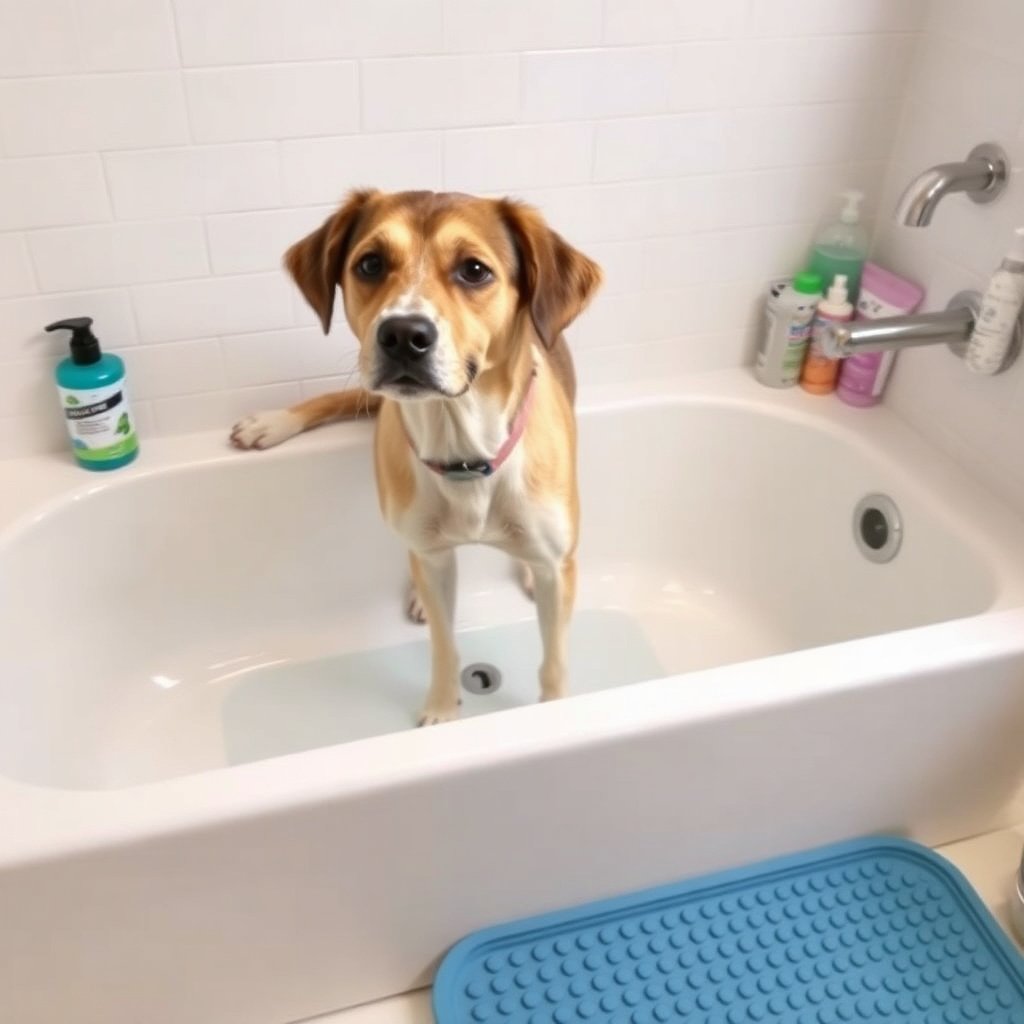
Using Non-Slip Surfaces to Prevent Slipping
A non-slip mat in the bathing area is fundamental to keeping your dog steady. Without secure footing, pets may panic or try to jump out, making it difficult to maintain control. Placing rubberized mats or textured liners provides traction and comfort, reducing stress during the bath.
Select mats that fit your tub size and clean easily. The stability these surfaces offer not only helps keep the dog physically still but also improves their confidence in the environment, reducing frantic movements.
- Choose durable rubber mats
- Check regularly for wear and tear
- Place mat securely to cover the entire tub floor
Organizing Supplies for Quick, Efficient Bathing
Having all bathing essentials—shampoo, towels, brushes, and treats—within arm’s reach minimizes the need to leave your dog unattended. This preparation helps maintain control and prevents moments where the dog might become restless from waiting.
Prepare lukewarm water and test it beforehand to avoid startling your dog with unexpected temperatures. A well-planned setup creates a smoother process, which naturally encourages the dog to stay calm and still.
Techniques to Calm Your Dog and Encourage Stillness During Bathing
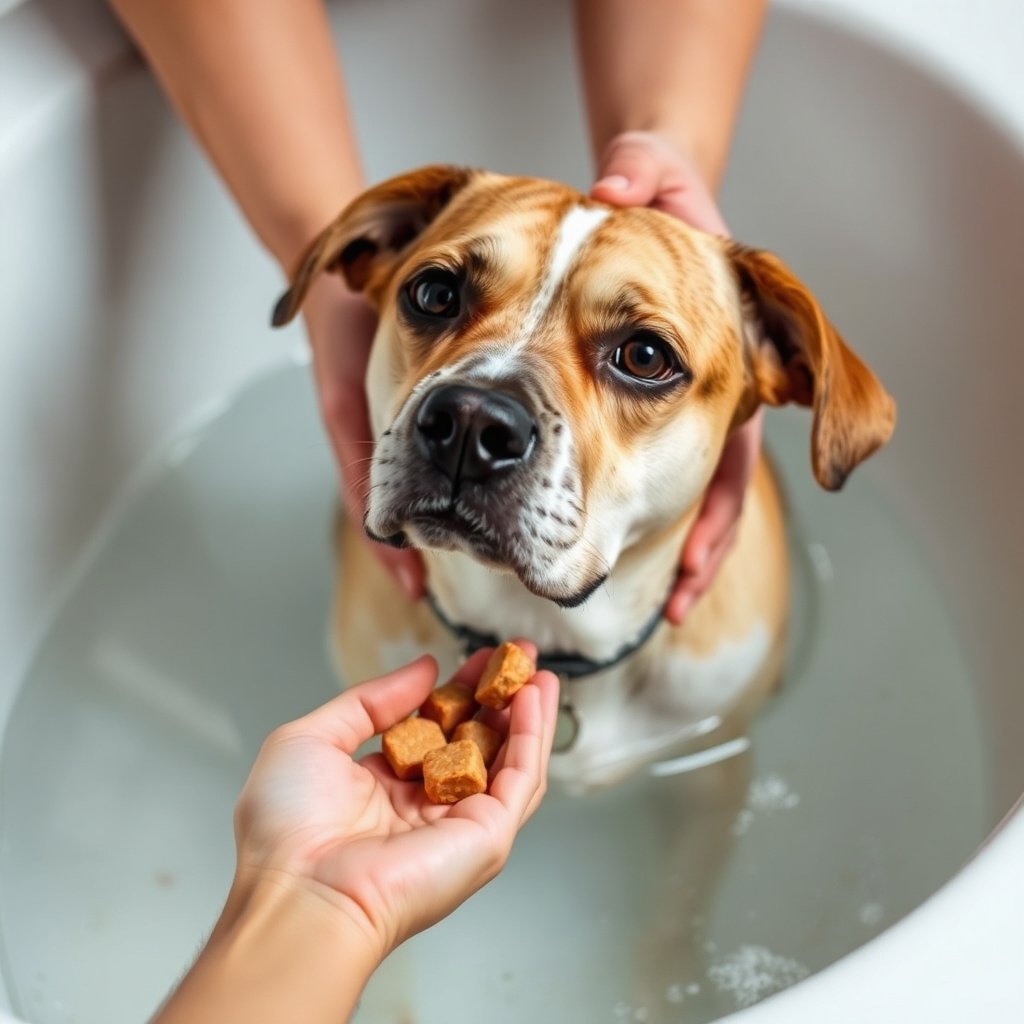
Using Positive Reinforcement and Treats
Rewarding calm behavior with treats or gentle petting helps form a positive association with bath time. Start by offering treats for standing still before and during the bath to reinforce compliance.
This method gradually teaches your dog that remaining still leads to rewards, reducing anxiety and resistance in future baths. Timing is key—give the treat immediately when the desired calmness occurs.
- Use small, soft treats
- Pair verbal praise with treats
- Stay consistent with rewards
For more on this, see our related guide: Why Does My Dog Shake After a Bath? 8 Key Reasons and Solutions.
Applying Gentle Verbal Cues and Calm Body Language
Speaking softly and maintaining relaxed posture signals safety to your dog. Harsh tones or sudden movements may increase tension and promote restlessness.
Use simple verbal commands like “stay” or “easy” paired with soothing inflections. Your calm demeanor plays a major role in helping your dog remain still and easing bath-related anxiety.
Restraint Tools and Devices to Keep Dogs Still Safely
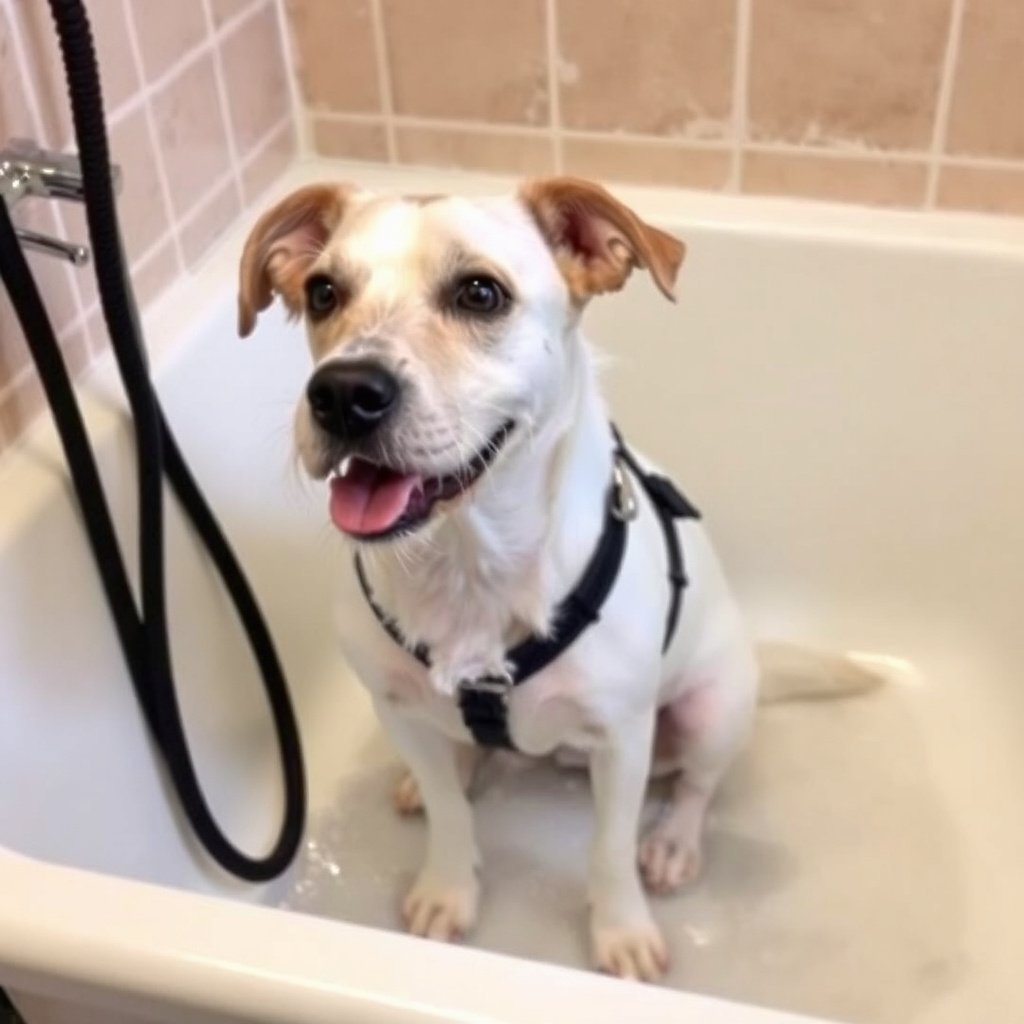
Choosing the Right Bathing Tether or Harness
Bathing tethers attach to tub fixtures and gently restrict movement to prevent your dog from jumping out or pulling away. Selecting adjustable tethers made of soft, durable materials ensures comfort while maintaining control.
Avoid devices that apply excessive pressure or cause discomfort. Proper use of restraints supports your ability to safely bathe more active or anxious dogs without struggle.
- Check tether compatibility with your tub
- Ensure easy release mechanisms for safety
- Use padded harness attachments
Employing Towels and Hands-On Support
Wrapping smaller dogs in towels or using your hands to gently hold certain body parts such as the chest or hindquarters can discourage sudden movements. This hands-on approach also provides warmth and reassurance.
For larger dogs, having an assistant hold the dog securely while you wash can significantly reduce squirming. Always be gentle to avoid causing stress or discomfort.
Step-by-Step Process to Bathe Your Dog While Keeping Them Still
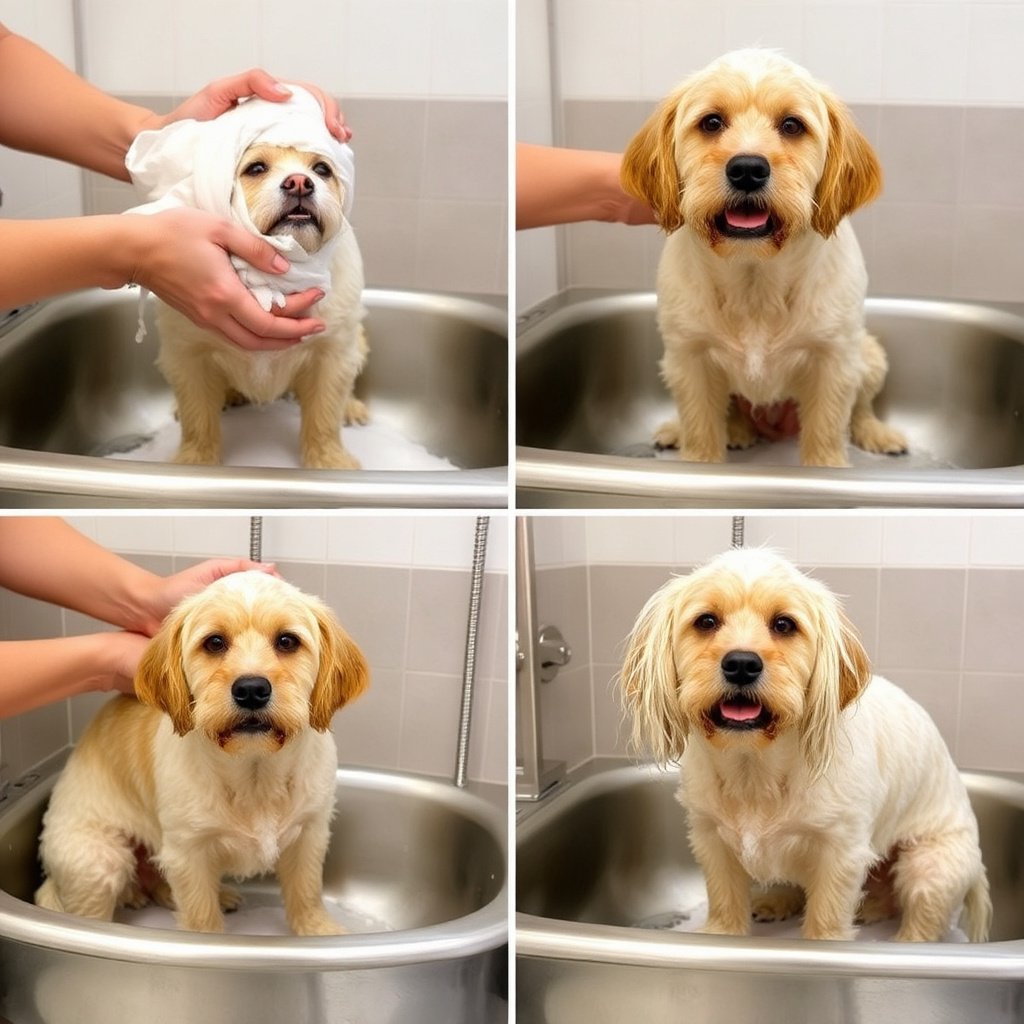
Initial Wetting and Shampooing Without Causing Panic
Begin by slowly wetting the dog with lukewarm water, avoiding the head initially to prevent startling. Use steady, gentle streams rather than forceful sprays.
Apply dog-specific shampoo evenly, starting from the neck and working down. Massaging softly helps relax muscles and keeps the dog more settled during the wash.
- Avoid eyes and ears
- Use gentle massaging motions
- Speak calmly throughout
For more on this, see our related guide: How to Clean a Dogs Wrinkles: A Complete Guide with Proven Steps.
Rinsing and Drying While Maintaining Control
Rinse shampoo out slowly with warm water, ensuring no residue remains that might irritate the skin. Keep your hands on the dog to steady them and prevent sudden jerks.
Dry with soft towels, gently blotting rather than vigorous rubbing. Using a low-heat blow dryer sparingly can assist drying, but introduce it gradually to avoid distress.
- Use hands-on support during rinse
- Blot dry instead of rubbing
- Use quiet, low-heat blow dryer setting
Post-Bath Care to Promote Comfort and Future Cooperation
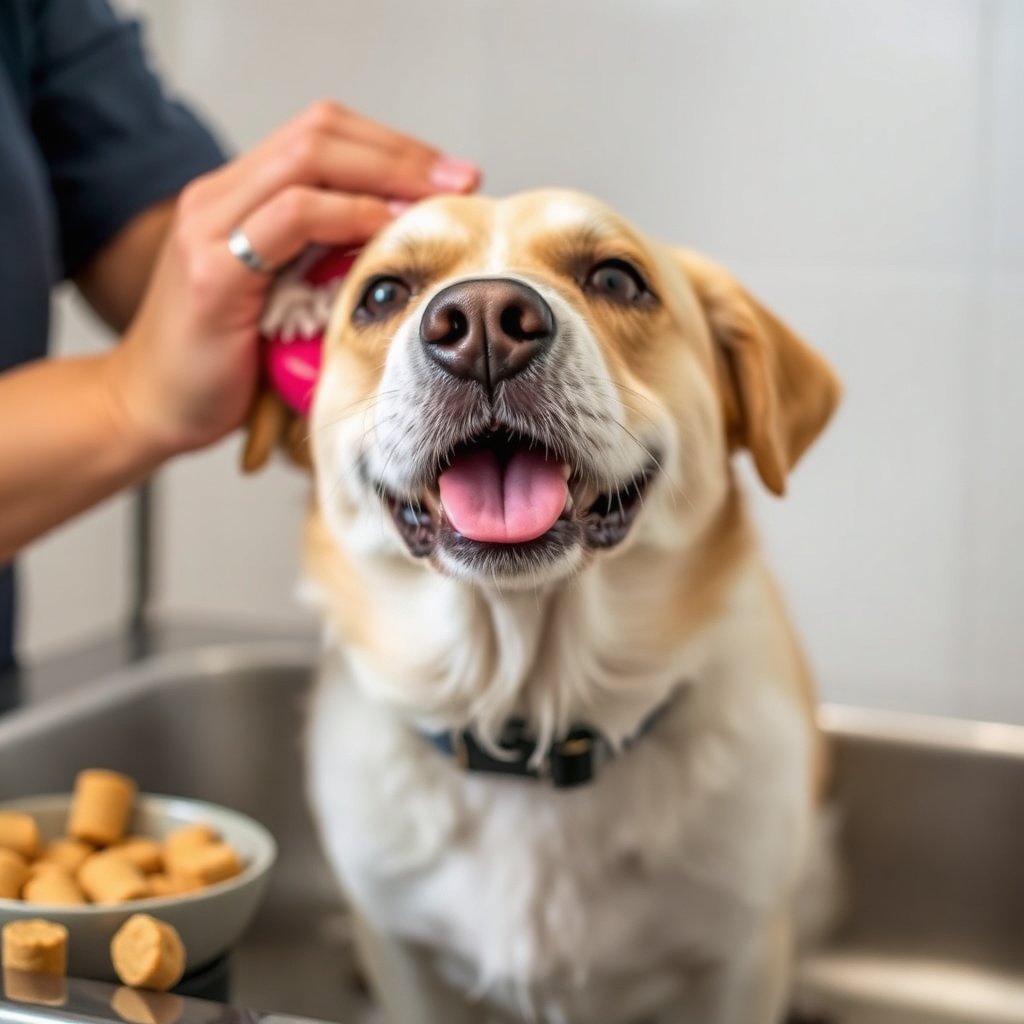
Brushing and Checking for Skin Issues After Bathing
Once mostly dry, brush your dog to remove loose hair and tangles. This helps prevent mat formation, keeping the coat healthy while rewarding calm behavior during grooming.
You can also inspect for any skin redness, inflammation, or unusual bumps that might need veterinary attention. Keeping this routine consistent boosts your dog's tolerance over time.
For more detailed information on grooming practices, you can review the dog grooming basics on Wikipedia. dog grooming basics on Wikipedia.
Using Praise and Rewards to End the Session Positively
End each bath experience with enthusiastic praise and treats to reinforce good behavior. The positive ending improves the likelihood your dog will stay still in future baths.
Offering playtime or a favorite toy afterward can further associate bath time with enjoyable experiences, reducing resistance over weeks and months.
- Use high-value treats
- Keep tone upbeat and encouraging
- Gradually reduce treat frequency as behavior improves
Comparison of Common Dog Bathing Restraint Methods
This table compares popular restraint options for keeping dogs still during bathing, highlighting their advantages and limitations to help you choose the best fit.
| Restraint Type | Comfort Level | Ease of Use | Best For | Cost |
|---|---|---|---|---|
| Non-slip mats | High | Very Easy | All dogs | Low |
| Bathing tether/harness | Medium-High | Moderate | Active or anxious dogs | Moderate |
| Towel wraps | Medium | Easy | Small dogs | Low |
| Assistant hand-holding | High | Requires help | Large dogs | No cost |
| Specialized grooming cages | Medium | Difficult | Professional groomers | High |
Frequently Asked Questions
How can I make my dog less afraid of bath time?
Introduce water gradually, use calm reassurance, and reward your dog with treats and praise to build positive associations with baths over time.
Is it safe to use a bathing tether on all dogs?
Most dogs tolerate bathing tethers well if properly fitted and monitored, but avoid use on dogs prone to panic or with neck injuries.
What if my dog tries to escape during the bath?
Use non-slip mats and a bathing tether for safety. Remain calm and speak soothingly while gently restraining your pet to prevent injuries.
Are there special shampoos that help calm dogs during baths?
Some shampoos contain calming ingredients like oatmeal or aloe vera that may soothe skin and help relax your dog during bathing.
How often should I bathe my dog?
Frequency depends on breed and lifestyle, but usually once a month is sufficient unless your dog gets dirty or has skin conditions requiring more frequent bathing.
Key Takeaways
- Use non-slip mats and prepared supplies to create a stable bath environment.
- Employ positive reinforcement and calm cues to encourage stillness.
- Bathing tethers and towels help safely restrain dogs prone to movement.
- Ending baths with praise strengthens cooperation for future sessions.
Conclusion
Deciding how to keep a dog still while bathing mostly involves combining environmental preparation with gentle behavioral techniques. Setting up a safe, comfortable bath area paired with positive reinforcement teaches your dog that calmness earns rewards and comfort. This approach turns a traditionally stressful interaction into one that's manageable and less tense for both pet and owner. Recognizing your dog's individual sensitivities and responding with appropriate tools is key to a successful routine.
For dogs who are naturally calm, non-slip mats and having supplies ready can suffice to maintain stillness. Active or anxious dogs often benefit from additional restraint like bathing tethers or towel wraps, especially when combined with verbal soothing and treat rewards. Larger breeds might require assistance from another person to keep safe control. Incorporating post-bath praise and gentle brushing also encourages cooperation in the long run by linking bath time with positive outcomes.
If you want to improve your dog’s bath behavior, start by organizing a secure, slip-free bathing station. Use clear verbal cues and give small treats for good conduct. For more challenging dogs, invest in a quality bathing harness or ask a helper for support. Consistency is essential; with patience and the right techniques, bath time can become a calm, even enjoyable ritual rather than a struggle.