How to Cut a Dog’s Overgrown Nails Safely and Effectively
The best way to cut a dog's overgrown nails is to use proper tools such as sharp nail clippers designed for dogs and to proceed gently, trimming small sections to avoid cutting into the quick. If nails are excessively long, it can help to file them down gradually over a few days rather than trimming them all at once to minimize discomfort and bleeding risk.
Overgrown nails can cause pain, discomfort, and even affect a dog’s mobility, so keeping them trimmed is important for your pet’s health and well-being. Many pet owners feel nervous about clipping nails due to fear of hurting the quick, which is the living tissue inside the nail. Taking time and using the right approach can make nail care a calm, painless process and prevent complications like splitting or infection.
This article will cover the essential tools you need, step-by-step techniques to safely trim overgrown nails, alternative options like filing or professional grooming, how to handle anxious dogs, and signs to watch for after cutting. By understanding these tips, you will confidently manage your dog’s nail care routine at home.
Essential Tools for Cutting Overgrown Dog Nails
Choosing the Right Nail Clippers
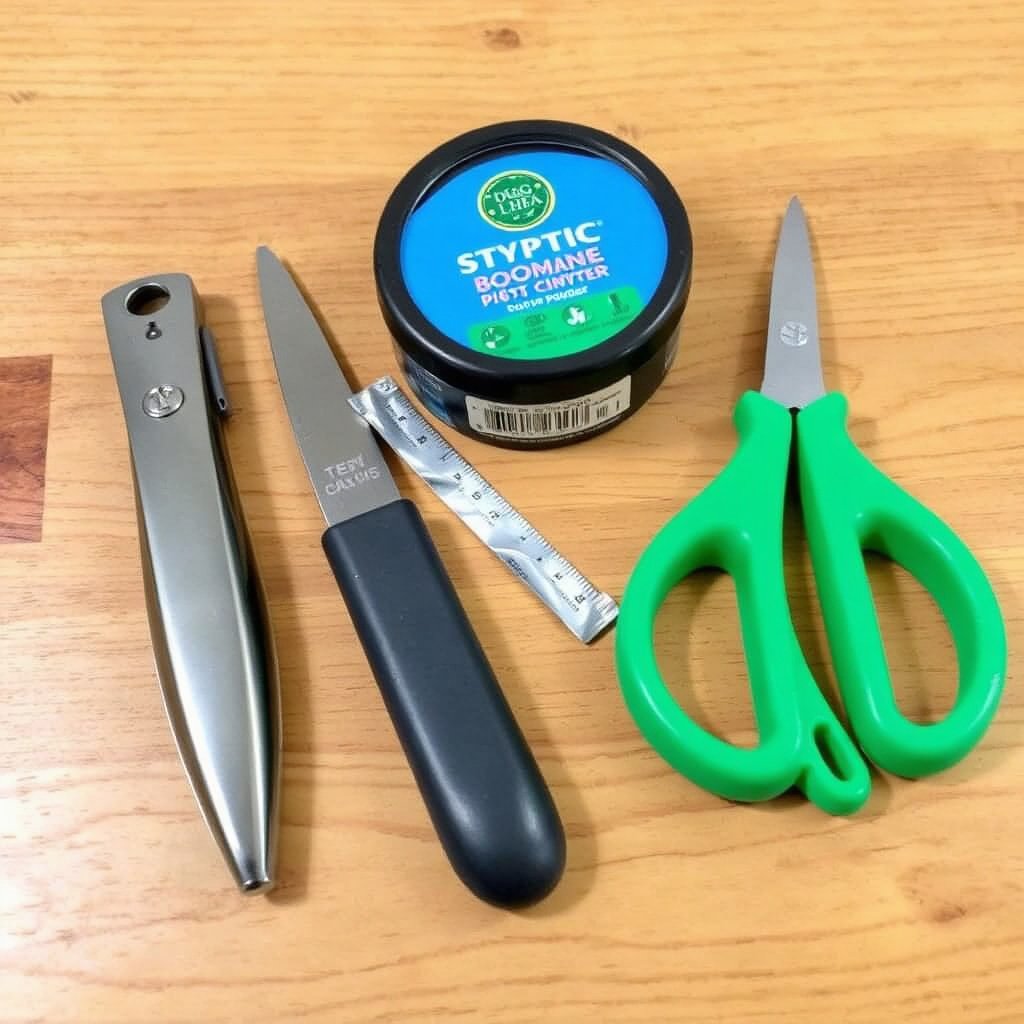
Selecting appropriate nail clippers is key for safe trimming. Guillotine-style clippers are popular for small to medium dogs, as their blade slides across the nail calmly. Scissor-style clippers work better for larger dogs or very thick nails because they provide more cutting power and control. Avoid using dull or human nail clippers as they can crush or split the dog’s nails.
The size and sharpness of the clippers should match your dog's nail thickness and shape. Some clippers come with safety guards that help prevent cutting too deeply. Investing in quality clippers designed specifically for dogs can reduce nail splitting and stress for your pet.
Additional Nail Care Supplies
Aside from clippers, having a nail file or grinder helps smooth rough edges after cutting. Nail grinders gradually reduce nail length, making them a gentle option for dogs with sensitive paws or overgrown nails that require slow filing down.
Styptic powder or pencils are essential to stop bleeding if the quick is accidentally cut. Other helpful supplies include treats for rewarding your dog and a well-lit, calm space to work in.
- Sharp guillotine or scissor-style clippers
- Nail file or grinder
- Styptic powder or pencil
- Treats for positive reinforcement
Step-by-Step Technique for Trimming Overgrown Dog Nails
Preparing Your Dog and Nails
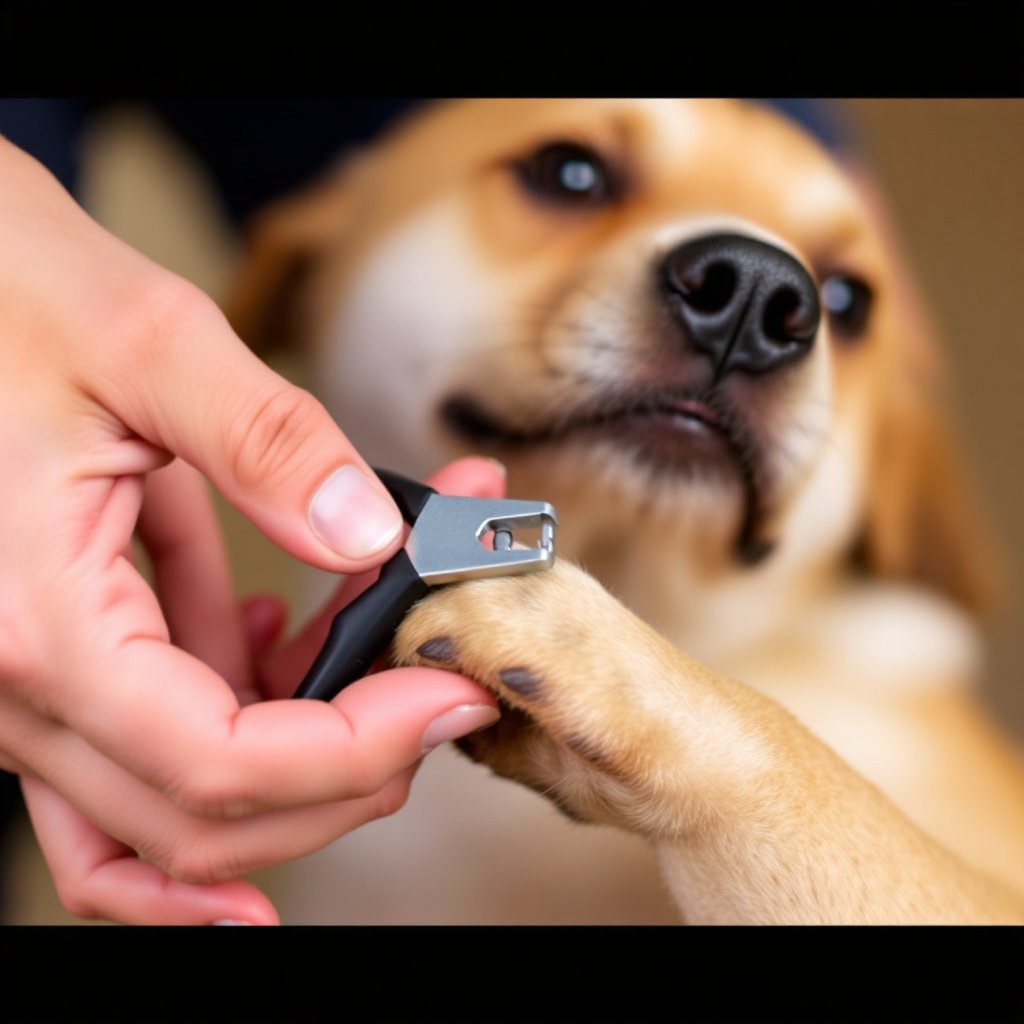
Before trimming, let your dog relax and get comfortable. Gently handle their paws regularly so they get used to the sensation. Examine the nails carefully and identify the quick, which usually appears as a pinkish section within lighter nails; darker nails require extra caution.
Clean the paws if needed to remove dirt or debris. Clip nails in a calm environment to reduce stress. If nails are very long, consider filing down the tips slightly a day or two before cutting to thin them out.
Performing the Cut Safely
Hold the paw firmly but gently. Position the clippers perpendicular to the nail, cutting small sections to avoid hitting the quick. Clip at a slight angle to mimic the natural nail shape. If the nail is curved, trim small bits gradually rather than trying to cut all at once.
If you see a darker center or feel resistance, stop cutting immediately. After trimming each nail, check for any sharp edges and file them down if necessary. Praise your dog frequently and use treats so they associate nail care with positive experiences.
- Cut a little nail at a time
- Avoid the quick by trimming slowly
- File sharp edges after clipping
- Reward your dog with treats
Using Alternative Tools and Methods
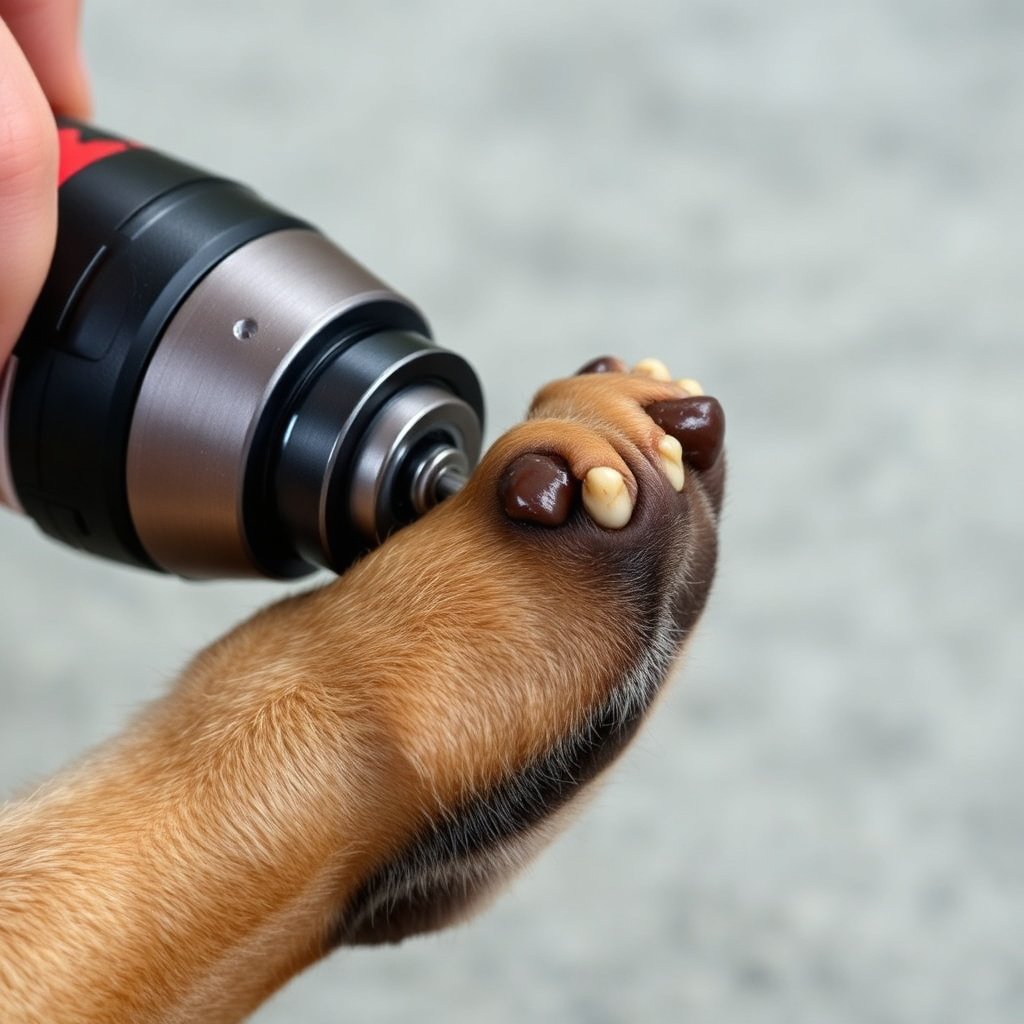
Benefits and Use of Nail Grinders
Nail grinders offer a smoother, quieter way to reduce nail length, especially suitable for dogs with sensitive or anxious behavior. They avoid the chopping sound and pressure of clippers, reducing the chance of splitting. Grinders gradually wear down the nail and can be used daily until the nail reaches the desired length.
However, grinders take longer and require patience. It’s important to introduce the grinder slowly so your dog gets used to the vibration and sound. Use gentle pressure, and avoid staying too long in one spot to prevent heat buildup on the nail.
For more on this, see our related guide: How Do Dog Groomers Trim Nails? A Complete Guide with Expert Tips.
Professional Grooming and Veterinary Help
When dog nails are extremely overgrown or if your pet shows extreme anxiety, professional groomers and veterinarians can provide safe nail trimming. They have experience managing challenging cases and access to sedation if necessary for proper care.
Professional trims can also treat nails with fungal infections or injuries where home trimming isn’t recommended. Regular visits to a groomer may help maintain nail health without causing stress at home.
Managing Dog Anxiety During Nail Trimming
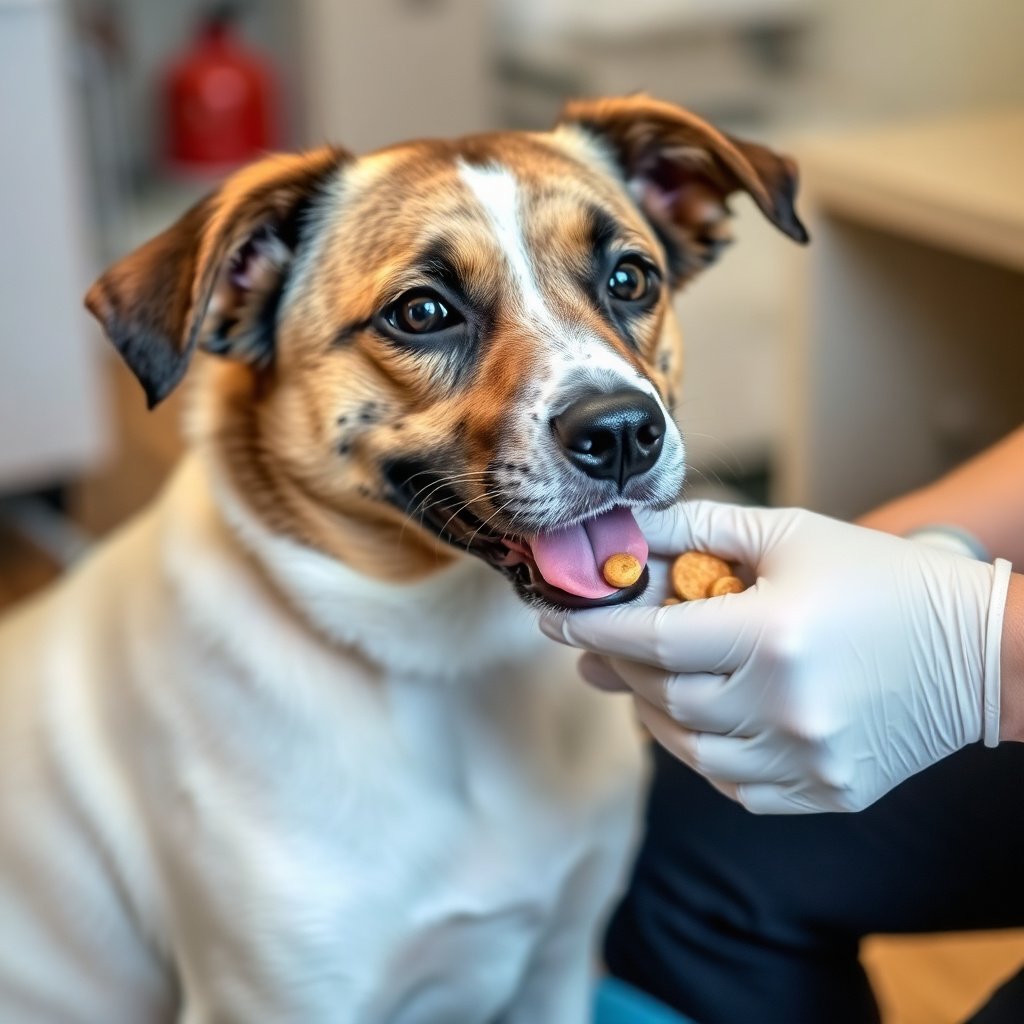
Calming Techniques Before and During Trimming
Dogs often resist nail trimming due to fear or discomfort. Preparing your dog through desensitization involves gently touching paws daily, pairing touch with treats, and introducing nail tools slowly without cutting initially. Playing soft, soothing music or practicing short sessions helps build tolerance.
Distraction techniques like giving chew toys or performing trimming in a comforting environment contribute to calmer behavior. Maintaining a calm demeanor yourself reassures the dog.
When to Seek Behavioral Help
If your dog shows persistent anxiety or aggressive behavior during nail care, consulting a professional trainer or animal behaviorist is wise. They can provide personalized training plans or recommend mild sedatives prescribed by a vet to enable safe trimming.
This approach improves nail care success in the long term and reduces stress for both owner and dog.
Aftercare and Monitoring Post Nail Cutting
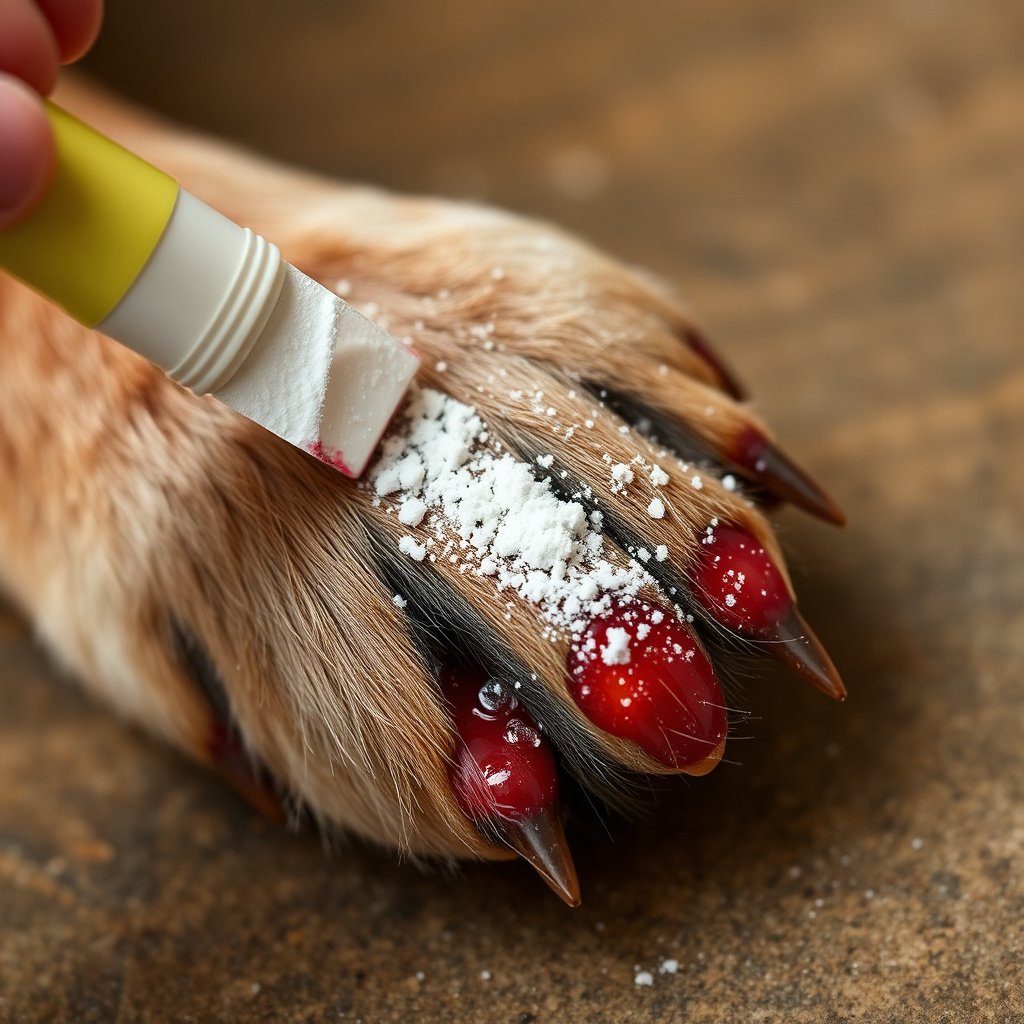
Treating Bleeding and Nail Injuries
Accidental cuts into the quick can cause bleeding. Applying styptic powder or a styptic pencil immediately controls bleeding by coagulating blood vessels. If these aren’t available, cornstarch or flour can help. Keep your dog calm and prevent licking the area to allow healing.
If bleeding doesn’t stop within several minutes, or the nail looks infected, seek veterinary care promptly.
For more on this, see our related guide: How Often Should You Groom a Poodle? Complete Guide for Best Results.
Signs of Problems to Watch For
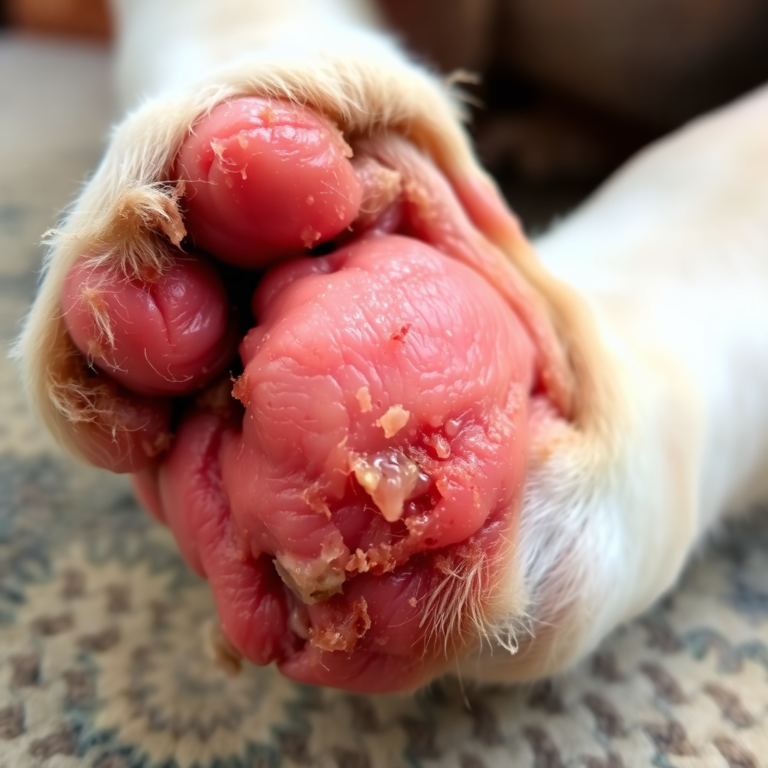
After trimming, watch for limping, swelling, or redness around the nails, which could indicate pain or infection. Excessive licking, odor, or persistent bleeding warrants a vet visit.
Regular nail inspections between trimming sessions help you spot issues early and maintain foot health.
Preventing Overgrowth with Regular Nail Maintenance

How Often to Trim or File Nails
Generally, dogs need nail trims every three to four weeks, though active dogs that walk frequently on hard surfaces may need less frequent trims since they wear nails down naturally. Regular checks help prevent nails from becoming overgrown, which can cause pain and deformities.
Filing rough edges or trimming small amounts regularly is easier on your dog than waiting for nails to get excessively long.
For more detailed insights and expert advice, refer to the dog nail care guidelines on American Kennel Club’s website. dog nail care on American Kennel Club.
Encouraging Natural Nail Wear
Encouraging outdoor walks on rough surfaces like concrete can help naturally wear nails. This reduces the frequency you need to trim. However, nails will still require periodic attention to keep them healthy and prevent sharp edges.
Using playtime or training outdoors also promotes paw health and keeps nails at a good length.
Dog Nail Trimming Methods Comparison
The table below compares popular dog nail trimming options highlighting their ideal uses, pros, cons, and cost considerations.
| Method | Best For | Advantages | Disadvantages | Typical Cost |
|---|---|---|---|---|
| Guillotine Clippers | Small to medium dogs | Easy to use, clean cuts | Not ideal for very thick nails | $10-$20 |
| Scissor Clippers | Large dogs and thick nails | Powerful, precise cutting | Requires stronger grip, can crush nails if dull | $15-$30 |
| Nail Grinder | Sensitive dogs or gradual filing | Smooth finish, quiet operation | Longer sessions, needs training | $20-$60 |
| Professional Groomer | Anxious or severely overgrown nails | Safe with experience, includes sedation if needed | Costly, scheduling required | $30-$70 per session |
| Veterinarian Trimming | Medical nail issues or sedation | Professional care for complex cases | Most expensive, vet visit needed | Varies widely |
Frequently Asked Questions
Can I cut my dog’s nails too short?
Yes, cutting dog nails too short can hurt the quick, causing pain and bleeding. Trim gradually in small amounts to avoid reaching the quick, especially with dark-colored nails where the quick is less visible.
How do I know if my dog’s nails are overgrown?
Overgrown nails often touch the ground or curl under the paw. Dogs may limp or have difficulty walking. Regular checks and trims prevent nails from reaching this painful length.
What should I do if my dog’s nail starts bleeding?
Apply styptic powder or pencil immediately to stop bleeding. If not at hand, cornstarch can help. Keep your dog calm and seek veterinary care if bleeding does not stop quickly.
Is it better to file or clip dog nails?
Both methods work well. Clippers quickly shorten nails, while filing smooths edges and is less likely to cause splitting. Grinders offer gradual filing and are gentler for nervous dogs.
How can I reduce my dog’s anxiety about nail trims?
Regularly handle paws gently, use treats during sessions, introduce tools slowly without cutting at first, and keep the environment calm. For severe anxiety, consult a trainer or vet.
Key Takeaways
- Use sharp, dog-specific clippers or grinders to safely trim overgrown nails.
- Trim nails gradually in small sections to avoid cutting into the quick.
- Calm your dog with treats and gentle handling before and during trims.
- Consider professional help if nails are very overgrown or your dog is highly anxious.
Conclusion
When it comes to cutting a dog's overgrown nails, a careful, informed approach is essential. Understanding your dog’s comfort, choosing the right tools, and trimming gradually helps prevent pain and injury. Patience during the process ensures a positive experience for both dog and owner, which encourages regular nail maintenance that supports your pet’s mobility and health over time.
For dog owners, opting for guillotine or scissor-style clippers works well depending on your dog’s size and nail thickness, while grinders provide a gentler alternative. Those facing very challenging nails or fearful pets might find professional groomers or veterinarians invaluable. Every method has its place and can be selected based on your dog's temperament, nail condition, and what suits your confidence and skill level in pet grooming.
Starting with gentle, frequent nail check-ups and small trims builds your dog’s tolerance. If overgrown nails are causing discomfort, begin cutting carefully or seek expert help promptly to avoid complications. With consistent care and the right techniques, nail trimming can become a stress-free task that supports your dog's comfort and mobility, maintaining their quality of life.