
How to Clean a Cat’s Fur Without a Bath: Effective Grooming Tips
Cleaning a cat's fur without giving them a full bath is entirely possible by using dry grooming methods like brushing, using pet wipes, or applying waterless shampoos. These techniques help remove dirt, debris, and loose hair while keeping your cat calm and comfortable.
Many cats dislike water, making traditional baths stressful for both pet and owner. Regular dry cleaning prevents matting, eliminates odors, and maintains a healthy coat without the hassle of wet fur or drying time.
This article will explore several practical approaches to cleaning your cat’s fur without a bath, including choosing the right tools, techniques for different fur types, and how to make grooming an enjoyable experience for your feline friend.
Essential Tools for Cleaning a Cat's Fur Without a Bath
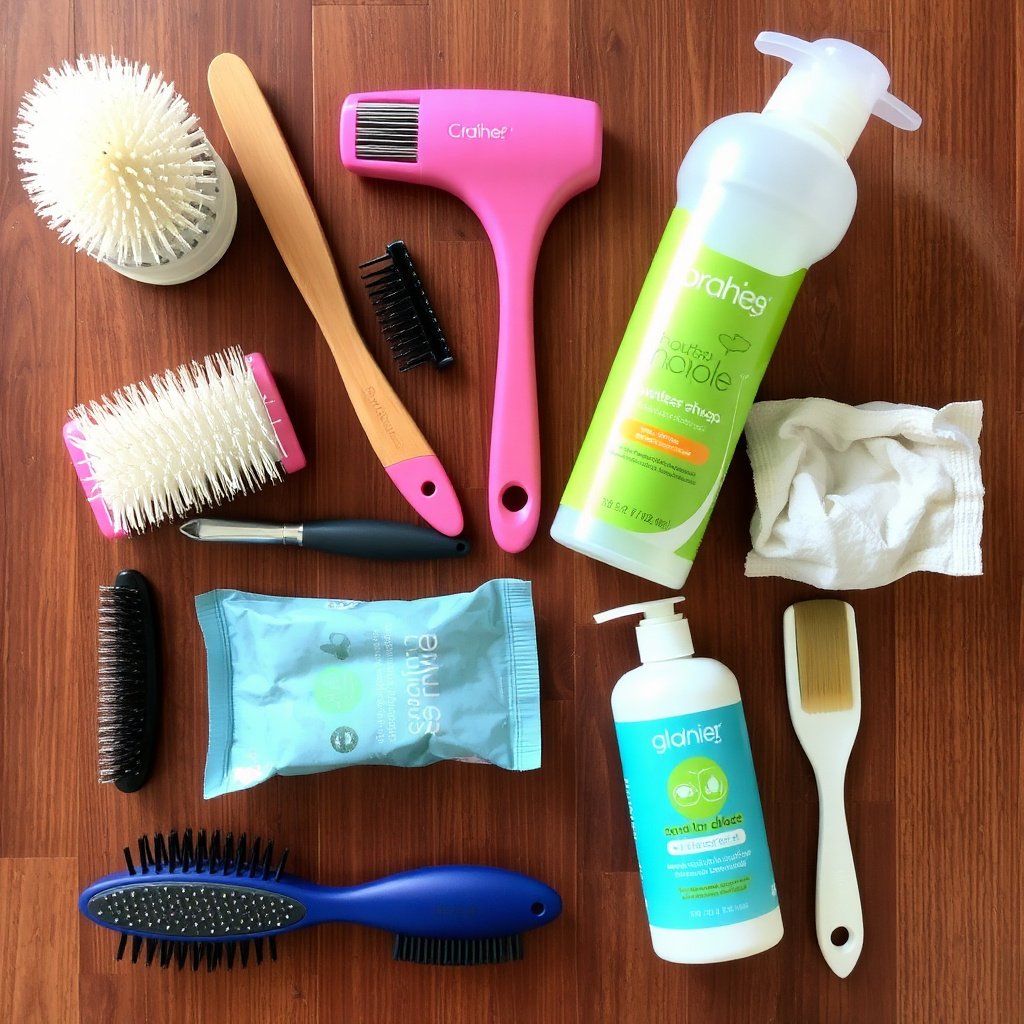
Types of Brushes and Their Uses
Selecting the right brush depends on your cat's fur length and texture. Slicker brushes are excellent for long-haired cats, helping remove tangles and loose hair, while rubber brushes work well for short-haired cats to eliminate surface dirt gently.
Regular brushing also stimulates natural oil production in your cat's skin, contributing to a shinier, healthier coat without using water.
- Slicker brush for long or thick fur
- Rubber brush for short-haired cats
- Bristle brush for sensitive skin
- Deshedding tools for heavy sheds
Using Pet Wipes and Waterless Shampoos
Pet wipes are designed to clean dirt and odors from your cat’s fur quickly and safely. Look for hypoallergenic, fragrance-free options to avoid skin irritation.
Waterless shampoos are foam or spray products applied and worked through the fur, then wiped or brushed out. They freshen and clean without the stress of water exposure.
- Choose unscented, cat-safe wipes
- Test waterless shampoo on a small area first
- Avoid products with harsh chemicals
Brushing Techniques to Effectively Clean Fur
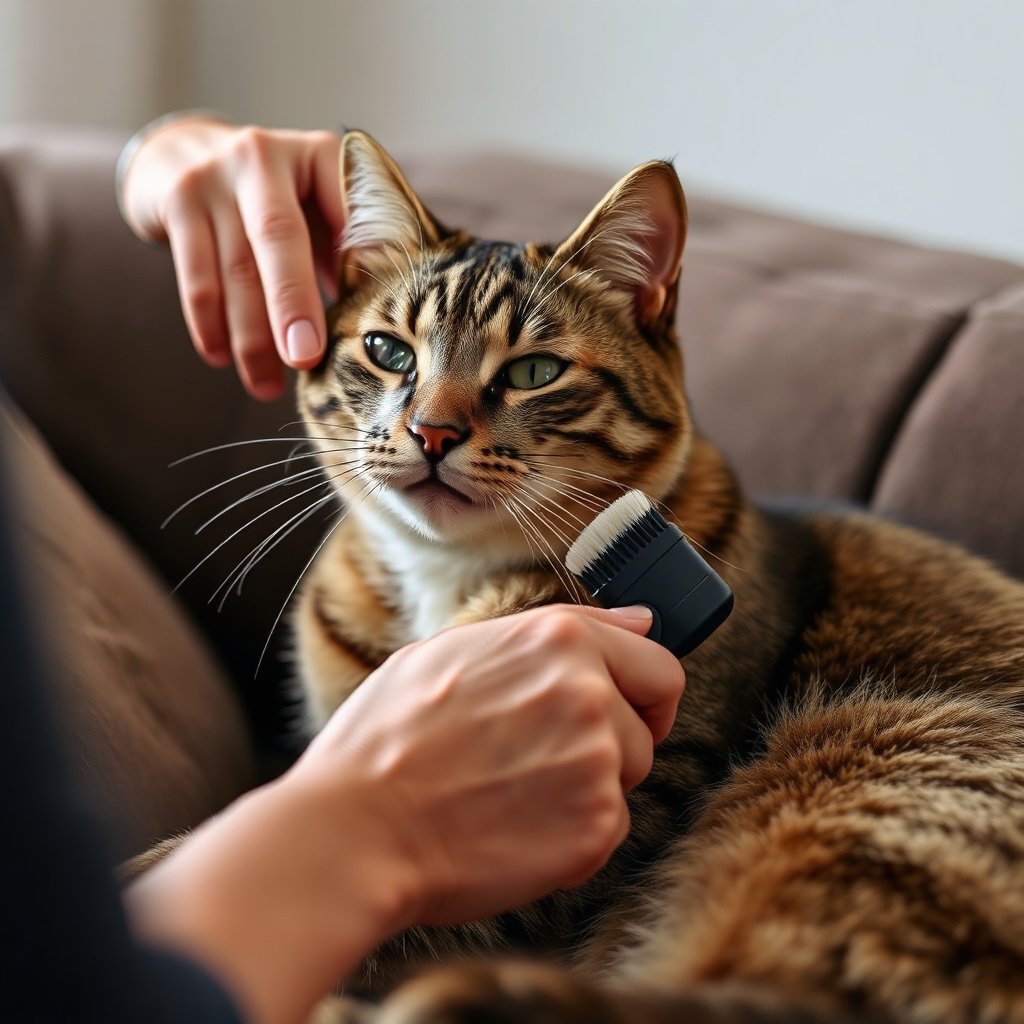
Step-by-Step Brushing Routine
Start by gently detangling with wide-toothed combs if the cat has long hair. Move down to finer brushes to remove loose fur and dirt. Use slow, soft strokes following the fur's direction to avoid discomfort.
Focus on areas prone to matting and oil buildup like under the legs, around the neck, and the tail base. Regular sessions prevent mats before they form and remove shedding fur effectively.
- Brush in the direction of hair growth
- Work from head to tail systematically
- Pay attention to sensitive spots
- Brush for 10-15 minutes per session
How to Calm Your Cat During Grooming
Many cats react better if grooming happens in a familiar, quiet space without distractions. Start slowly, praising and offering treats during and after sessions to build positive associations.
If your cat is anxious, try massaging them gently before brushing to promote relaxation. Use soft brushes and avoid repetitive grooming in one area to prevent irritation.
- Choose a calm, quiet environment
- Use treats to reward cooperation
- Keep sessions short and frequent
- Speak softly and pet gently before brushing
Cleaning Specific Areas Without a Bath
Cleaning the Face and Ears
Use dampened pet wipes or a soft cloth moistened with water to clean the face and ear areas carefully. Avoid inserting anything inside the ears and never use harsh chemicals that can cause irritation.
Wipe gently around the eyes to remove discharge and around the ears to clear any dirt buildup, helping prevent infections without water exposure.
- Use hypoallergenic wipes
- Clean only the outer ear area
- Avoid harsh rubbing near eyes
- Perform regular checks for signs of irritation
For more on this, see our related guide: How to Clean a Dogs Paws: 8 Practical Ways for Healthy, Happy Feet.
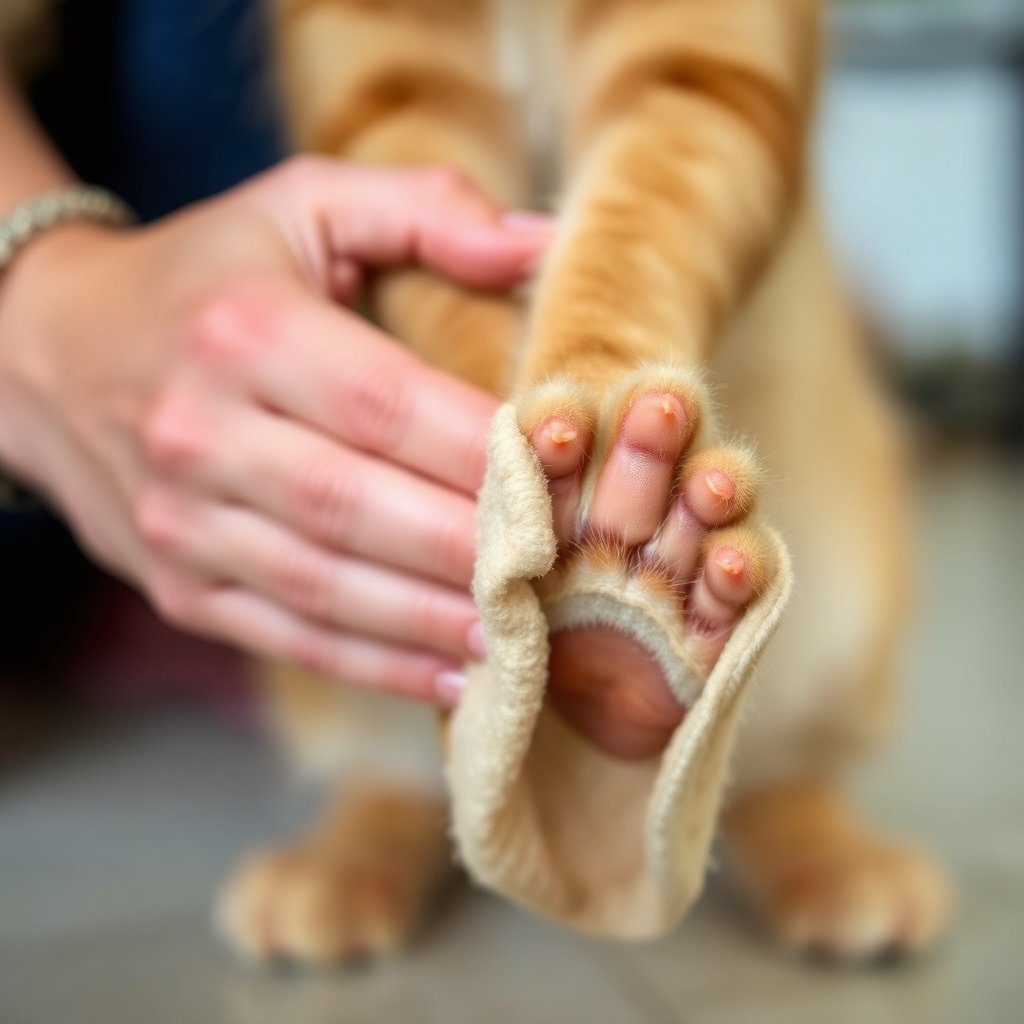
Wiping Paws and Underbelly
Cats often get dirt and litter stuck on their paws and underbelly. Use a damp cloth or pet wipes to clean these areas regularly after outdoor excursions or litter box use.
Make sure the wiping motion is gentle to avoid stressing your cat while effectively removing debris and preventing bacteria buildup.
- Wipe paws after outdoor play
- Use gentle motions on sensitive skin
- Inspect for cuts or irritation frequently
- Dry damp areas thoroughly afterward
Dealing with Mats and Tangles Without a Bath
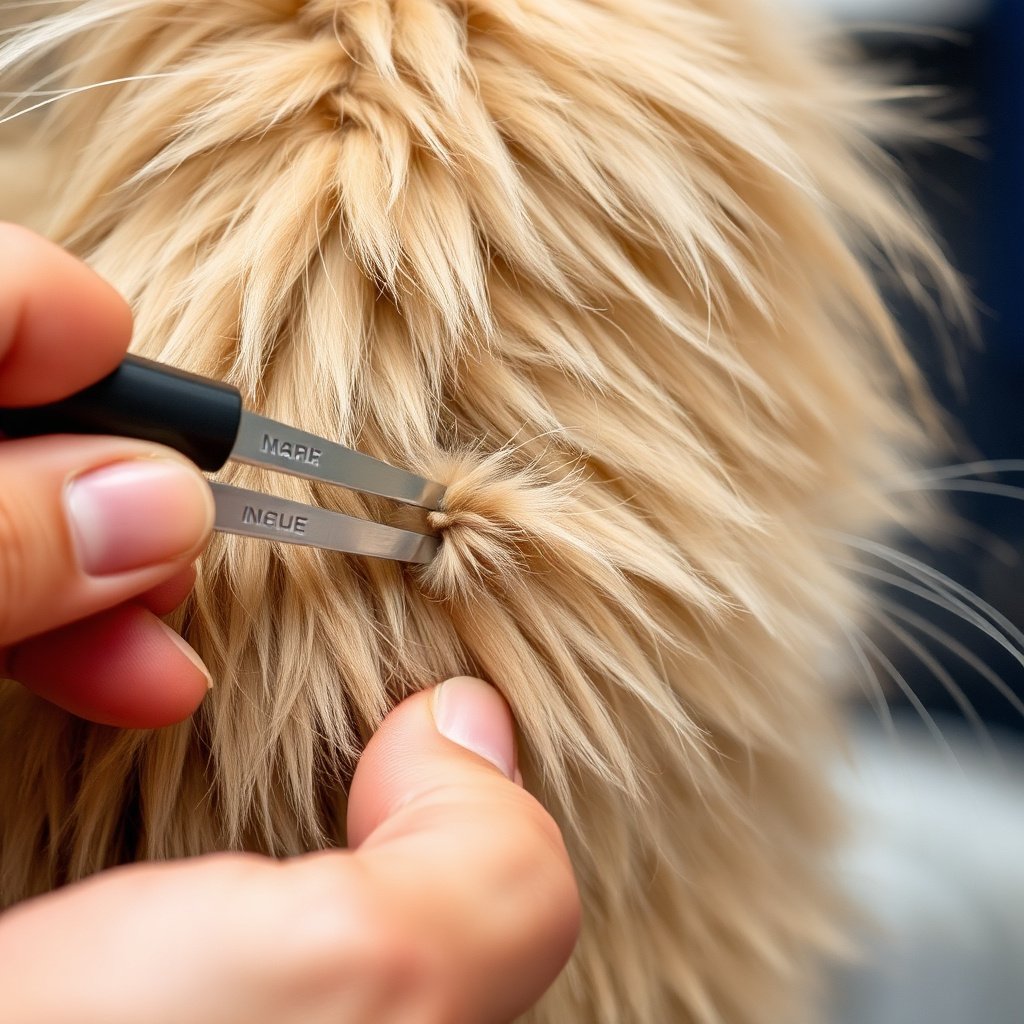
Tools for Tackling Mats
Special mat combs and detangling sprays help break down mats gently. Start by softening mats with a cat-friendly detangler spray before carefully combing to prevent pulling on the skin.
Avoid cutting mats out unless absolutely necessary and only use rounded-edge scissors for safety if matting is severe.
- Detangling sprays for softness
- Mat combs with wide, rounded teeth
- Avoid manual pulling to prevent pain
- Use scissors cautiously as last resort
Preventing Future Mats Through Grooming
Daily brushing is the best preventive measure against mats and tangles, especially in long-haired cats. Check common trouble spots and remove loose fur promptly.
Regular grooming sessions encourage circulation and coat health, reducing fur clumping and improving your cat’s comfort.
- Set a consistent grooming schedule
- Focus on undercoat and high-friction areas
- Reward your cat to encourage cooperation
- Use appropriate brushes for hair type
When to Consult a Veterinarian or Professional Groomer
Signs You Need Expert Help
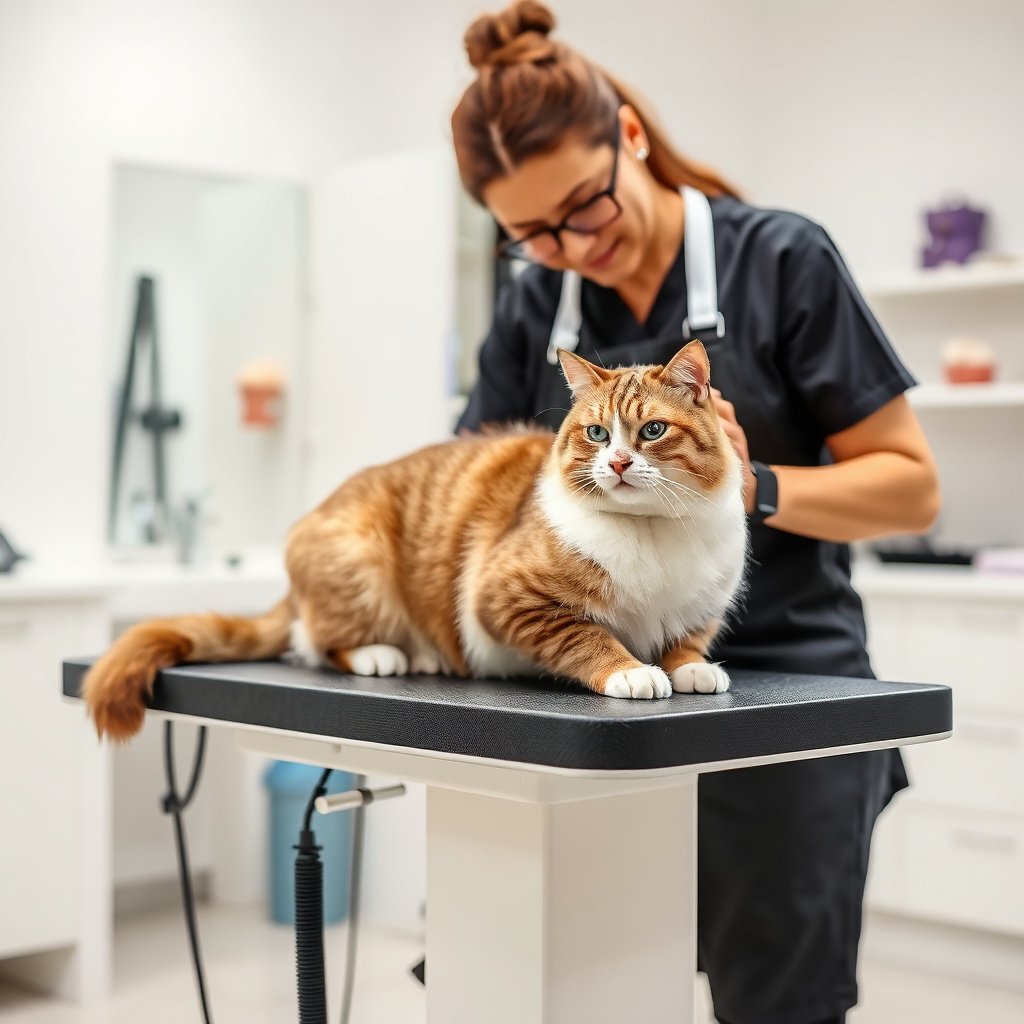
If your cat has severe matting, skin infections, or wounds hidden beneath the fur, professional help is the safest option. Signs such as persistent scratching, redness, or unusual odor warrant veterinary attention.
Professionals can perform careful fur cutting, medicated baths, or treatments beyond typical home grooming capabilities.
- Severe mats close to skin
- Visible skin irritation or lesions
- Excessive scratching or licking
- Foul odor from the coat
For more on this, see our related guide: Are Baths Good for Shedding? What Actually Works to Reduce Fur Loss.
Choosing the Right Grooming Service
Look for groomers experienced with cats, as feline anxiety requires patience and gentle handling. Verify that the facility uses cat-safe products and follows hygienic practices.
Some groomers offer mobile services to minimize stress by grooming your cat at home, which might be preferable if your cat is nervous outside familiar surroundings.
- Check reviews and credentials
- Ask about cat safety protocols
- Consider mobile grooming for anxious cats
- Confirm use of pet-safe grooming products
Maintaining Your Cat’s Coat Health Between Groomings
Nutrition’s Role in Fur Quality
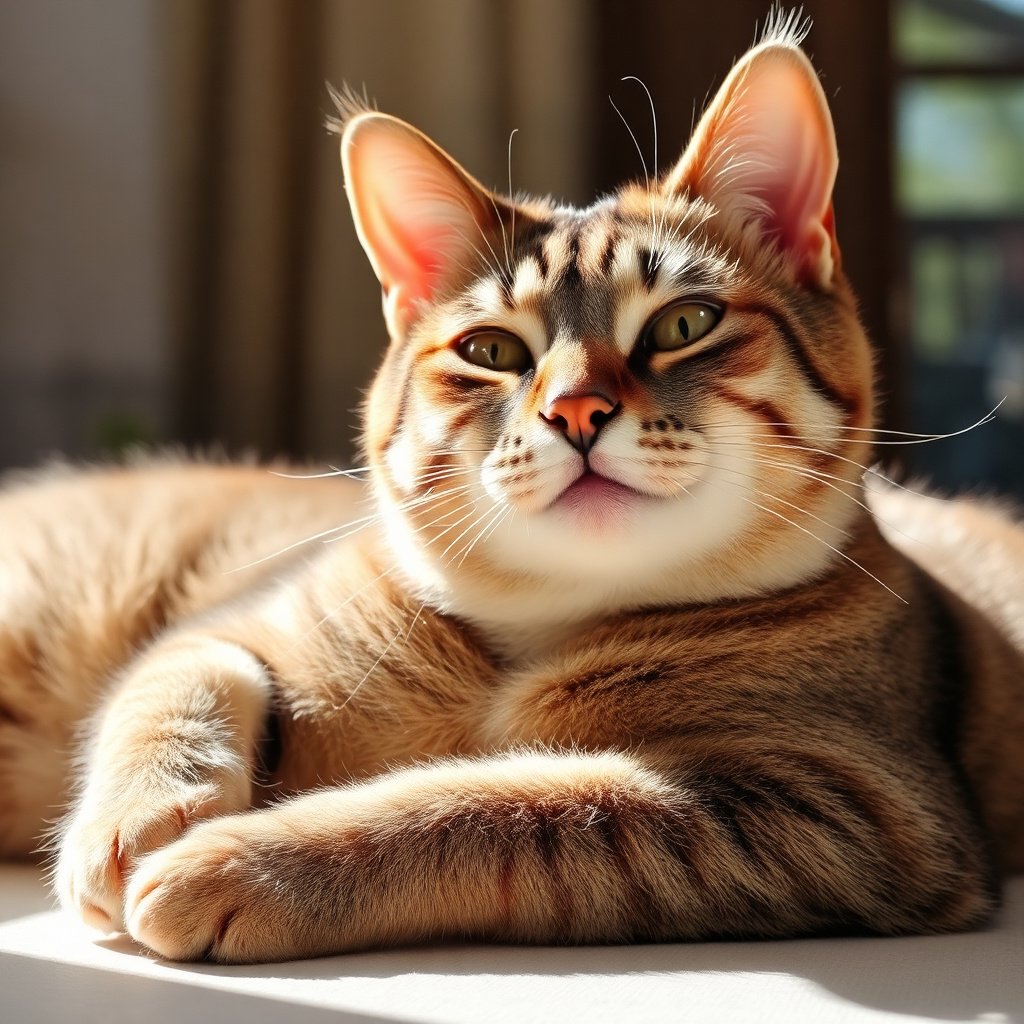
A diet rich in omega-3 and omega-6 fatty acids supports a shiny and resilient coat. Many cat foods are fortified with nutrients to maintain fur health and reduce shedding.
Supplementing with fish oil or specialized cat vitamins can further enhance fur condition but consult your vet before adding supplements.
- Choose balanced, high-quality cat food
- Consider supplements if recommended
- Ensure fresh water supply daily
- Monitor coat changes linked to diet
For further insights into feline grooming practices, you can visit the Cat grooming page on Wikipedia. Cat grooming on Wikipedia.
Regular Health Checks for Skin Issues
Frequent inspection of your cat’s skin allows early detection of allergies, infections, or parasites affecting coat health. Prompt treatment prevents worsening conditions and promotes comfortable grooming sessions.
Pay attention to flakiness, redness, or unusual bumps while grooming.
- Inspect skin during grooming
- Watch for signs of parasites
- Report abnormalities to your vet
- Maintain flea and tick prevention
Comparison of Popular Cat Grooming Methods Without a Bath
Here's a comparison to help you understand the benefits and drawbacks of various grooming options that clean your cat’s fur without water.
| Method | Effectiveness | Stress Level for Cat | Required Tools | Frequency |
|---|---|---|---|---|
| Brushing | High | Low to Moderate | Brushes, combs | Daily to twice weekly |
| Pet Wipes | Moderate | Very Low | Pet-safe wipes | As needed |
| Waterless Shampoo | Moderate to High | Low | Waterless shampoo | Weekly or Biweekly |
| Professional Grooming | Very High | Low with experts | Specialized tools | Monthly or as needed |
| Detangling Sprays | Moderate | Low | Detangling spray, comb | As needed for mats |
Frequently Asked Questions
Can I use human wipes to clean my cat's fur?
Human wipes often contain scents or chemicals harmful to cats. It’s safer to use pet-specific wipes formulated for feline skin to avoid irritation or allergic reactions.
How often should I groom my cat without giving a bath?
Grooming frequency depends on your cat’s fur type. Long-haired cats may need daily brushing, while short-haired cats benefit from brushing once or twice a week to keep their coat clean.
Is waterless shampoo safe for kittens?
Many waterless shampoos are safe for kittens over a few weeks old, but always check the product label and consult your veterinarian to ensure it is age-appropriate and non-toxic.
What should I do if my cat has mats that won’t come out with brushing?
For stubborn mats, use detangling sprays and gentle combing. If mats persist or cause discomfort, seek professional grooming assistance to avoid hurting your cat.
Can dry grooming remove fleas from my cat?
While brushing can help remove some fleas and flea dirt, it is not a full treatment. Use veterinarian-approved flea control products combined with grooming for effective pest management.
Key Takeaways
- Dry grooming methods clean cats effectively without stress from water baths.
- Choosing appropriate tools based on fur type ensures gentle, thorough cleaning.
- Regular brushing and wipes maintain coat health and reduce matting.
- Professional grooming is recommended for severe mats or skin issues.
Conclusion
Deciding how to clean a cat’s fur without a bath hinges on understanding your pet’s fur type, temperament, and specific needs. Using the right brushing tools, pet wipes, and gentle waterless shampoos can keep your cat clean and comfortable without the anxiety many felines associate with water baths. Prudent grooming routines prevent mat formation, reduce shedding, and maintain skin health, providing a pleasant grooming experience for both cat and owner.
For cats with short or medium fur, regular brushing combined with occasional pet wipes offers an effective cleaning routine. Long-haired cats benefit from daily brushing and detangling sprays to manage mats. If you face severe matting or your cat shows signs of skin infections, professional groomers or veterinarians should be consulted to address these safely and effectively. Employing these methods keeps your cat looking fresh and feeling comfortable while minimizing stress.
Next, gather the right grooming supplies tailored to your cat’s coat and begin establishing a calm, consistent routine that works for both of you. Start slowly, reward your cat generously, and remember that patience is key to successful grooming sessions without baths. This approach supports your cat’s hygiene in a way that respects their comfort and wellbeing.

