How to Keep a Dog Warm in the Winter: Practical Tips for Cold Weather Care
Keeping a dog warm in the winter is essential for their health and comfort. Dogs can suffer from hypothermia and frostbite just like humans, so providing adequate insulation from cold temperatures is necessary. This means using layers such as dog sweaters or coats, ensuring shelter from wind and moisture, and monitoring time spent outdoors during freezing weather.
Cold weather affects dogs differently depending on their breed, age, and health. Short-haired or small breeds may need extra protection, while older dogs or puppies are more vulnerable to chilly conditions. A warm environment supports their immune system and prevents discomfort or illness during winter months.
This article covers the best ways to keep your dog warm during winter. We’ll explore clothing options, shelter solutions, nutritional adjustments, indoor heating tips, and safety precautions to maintain warmth without overheating. Whether you walk your dog daily or leave them outside for brief periods, these guidelines will help safeguard your furry friend throughout the cold season.
Choosing the Right Winter Clothing for Your Dog
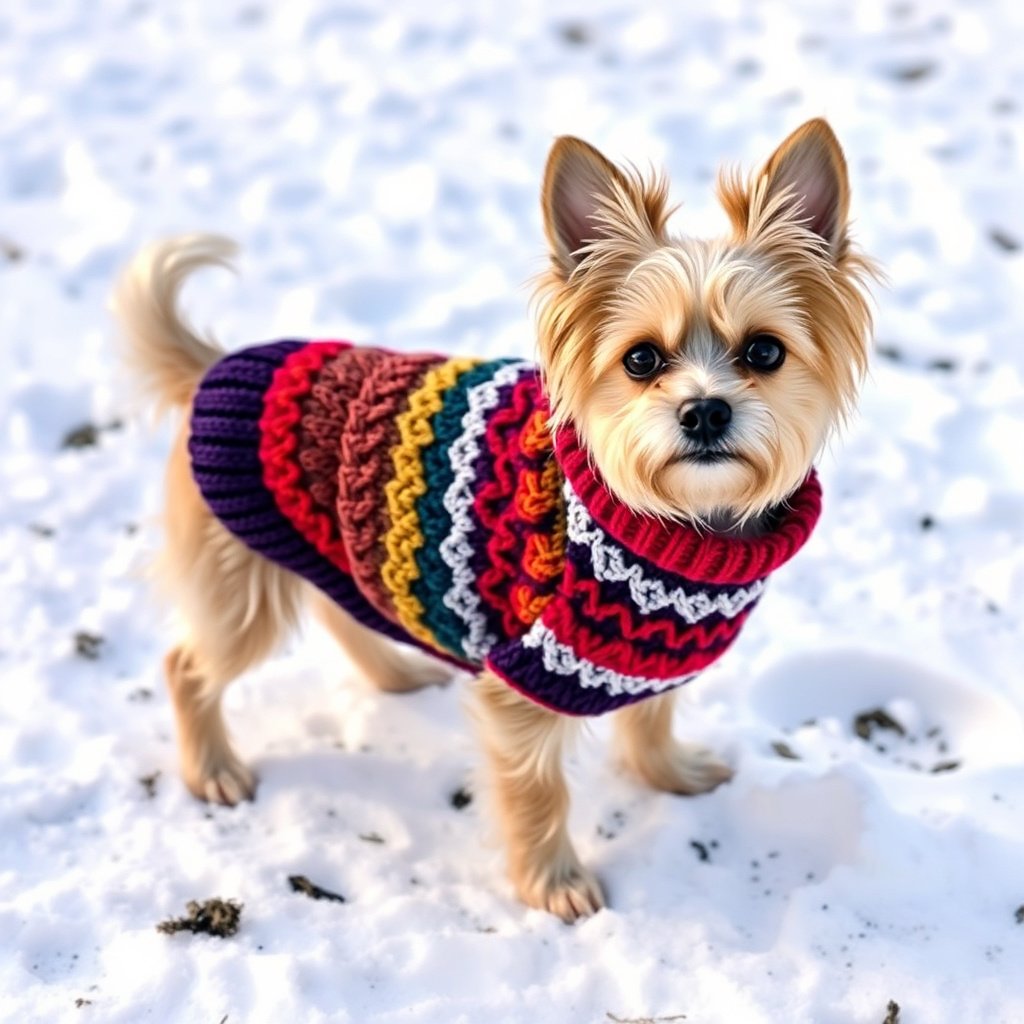
Dog Sweaters and Coats
Dog sweaters and coats create an insulating barrier against cold air and moisture. Look for materials like fleece or wool blends that retain heat but also breathe to avoid overheating during activity. Waterproof coatings benefit dogs who spend time walking or playing outside in snow or rain.
Measure your dog’s girth and length accurately for a snug fit that does not restrict movement. Some coats come with adjustable straps or elastic edges to secure warmth around the neck and belly areas, which are particularly sensitive to cold.
- Fleece lining for warmth
- Water-resistant outer layer
- Adjustable closures for fit
- Reflective strips for visibility
Booties and Paw Protection
Booties shield paws from ice, snow, and harmful chemicals like salt and de-icers. Dogs’ paw pads can crack or become irritated in freezing conditions, making booties a crucial accessory, especially for sensitive breeds.
Choose boots with good traction and materials that resist moisture. Introduce booties gradually to help your dog get used to the sensation, rewarding them for positive associations to avoid resistance.
- Non-slip soles
- Waterproof material
- Easy to put on and take off
- Secure fasteners
Creating a Warm Shelter for Your Dog
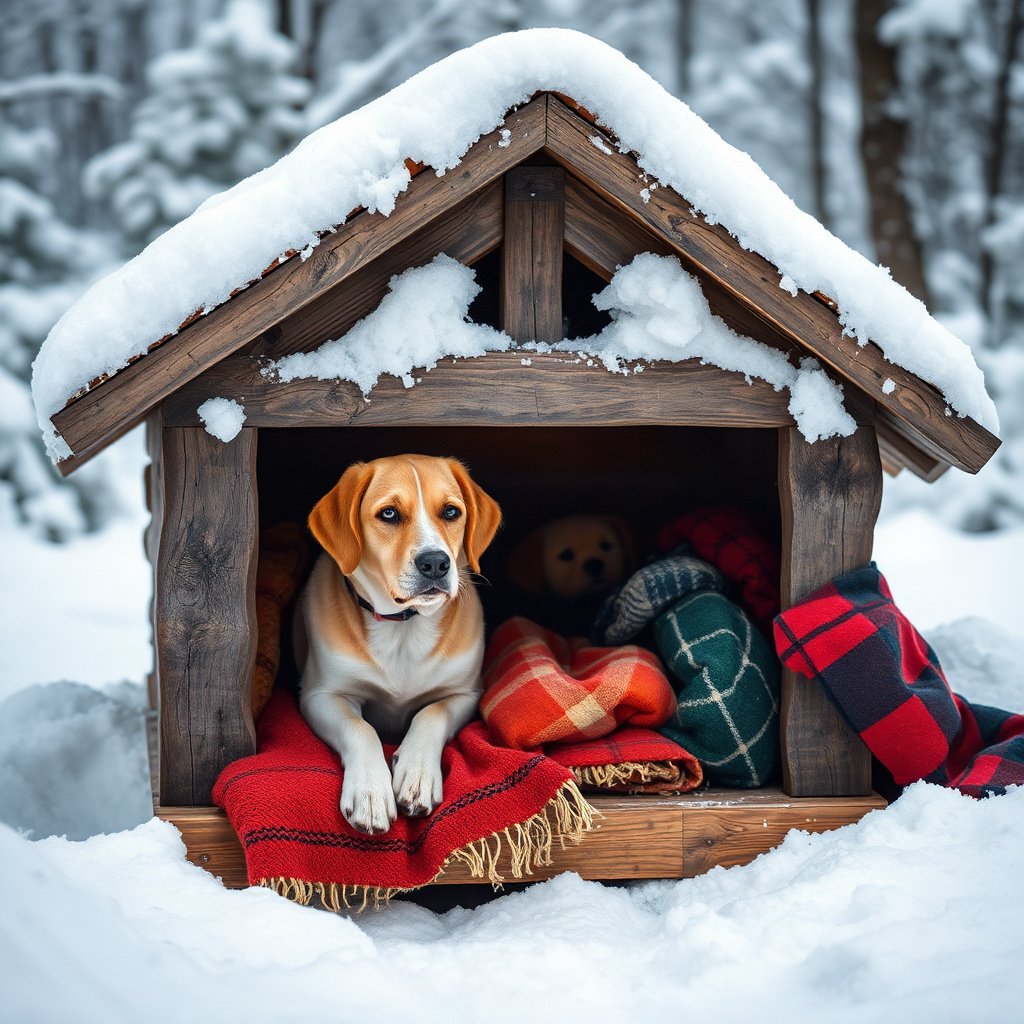
Insulated Dog Houses
An insulated dog house blocks cold winds and traps body heat, maintaining a warmer temperature inside than the outdoors. Materials like foam panels, double walls, and weatherproof exteriors improve warmth retention.
Position the shelter off the ground with a raised floor to prevent cold seeping up. Keep the entrance shielded with flaps or curtains that minimize drafts but allow easy access.
- Foam or fiberglass insulation
- Raised flooring
- Wind-blocking door flaps
- Water-resistant roof
Indoor Warmth for Dogs Staying Inside
Dogs that live primarily indoors benefit from heating sources such as heated mats or warm bedding that add extra comfort. Choose pet-safe heaters and place bedding in draft-free corners.
Avoid heaters near where your dog sleeps to prevent burns or overheating. Layering blankets and providing a snug area helps conserve your dog’s natural body heat.
- Heated pet mats with low voltage
- Warm, soft blankets
- Draft-free resting spots
- Safe distance from heat sources
Adjusting Diet and Exercise for Winter Dog Care
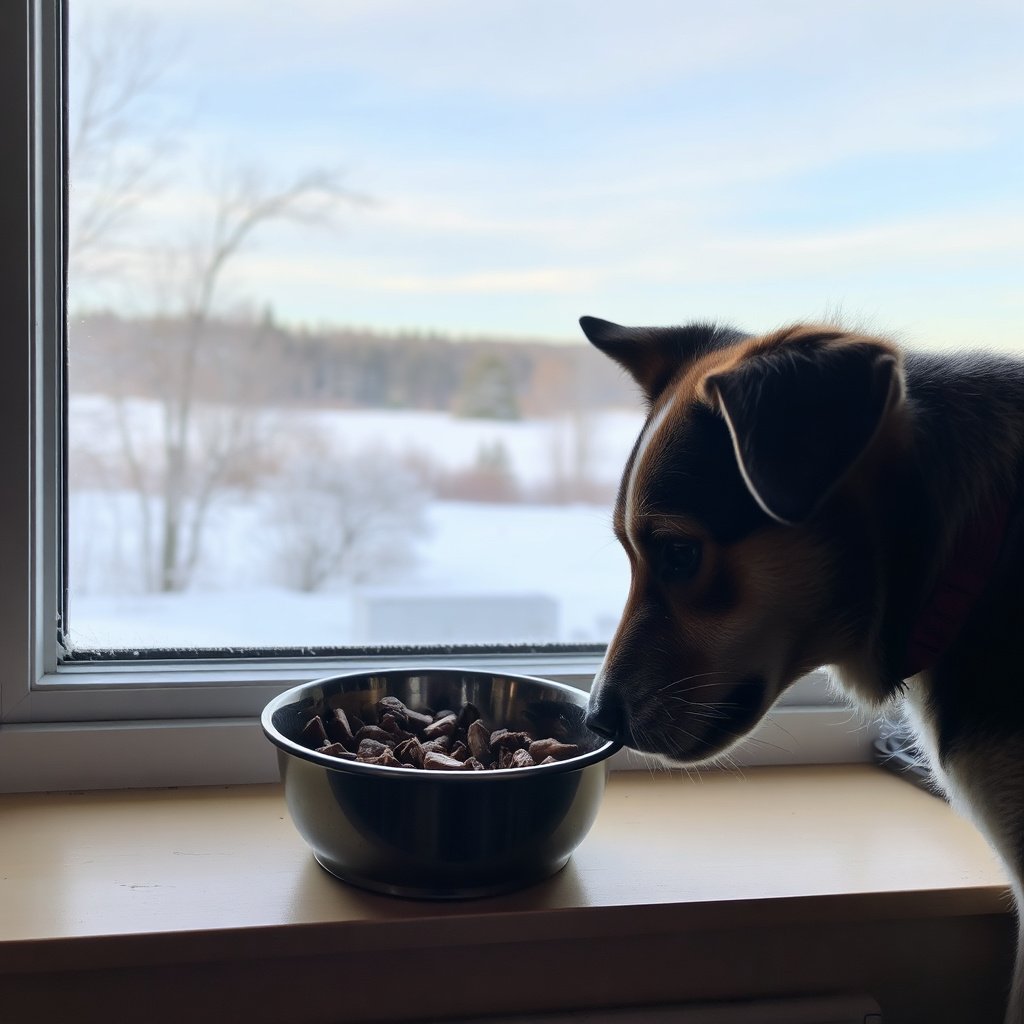
Nutrition for Cold Weather
Dogs often expend more energy to maintain body heat during winter. Increasing caloric intake slightly can help compensate for this additional energy burn, especially for active dogs who spend time outdoors.
Consult your veterinarian about boosting fats and proteins in your dog’s diet during colder months. Proper hydration remains important since cold weather can reduce thirst.
- Higher fat content for energy
- Increased protein for muscle maintenance
- Monitor hydration levels
- Seasonal supplements if recommended
For more on this, see our related guide: Why Does My Dog Have Brown Paws? A Complete Guide with Proven Solutions.
Safe Exercise in Winter
Regular exercise helps maintain circulation and warmth but must be adapted for winter conditions. Shorter walks with appropriate clothing reduce exposure risks.
Avoid icy or salted surfaces to protect paws, and always dry your dog thoroughly after outdoor activity to prevent chills.
- Shorter, frequent walks
- Avoid frozen or salted areas
- Use protective clothing
- Towel dry after walks
Monitoring and Preventing Cold-Related Health Risks
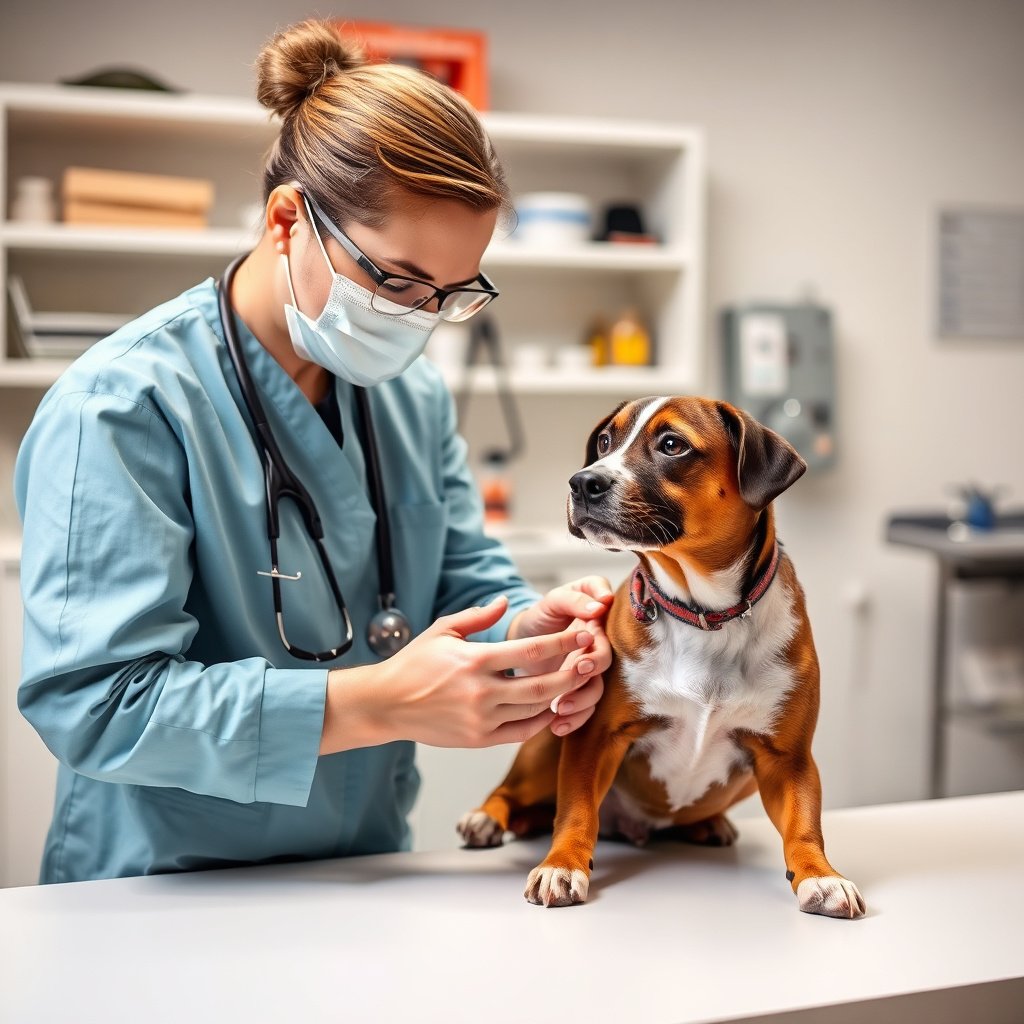
Recognizing Signs of Hypothermia and Frostbite
Hypothermia symptoms include shivering, lethargy, weak pulse, and pale or blue gums. Frostbite commonly affects extremities like ears, tail, and paws, presenting as pale, hard, or swollen skin.
Early recognition is critical for treatment. At the first sign of discomfort or abnormal behavior during cold exposure, bring your dog indoors and consult a veterinarian.
- Shivering and weakness
- Pale or blue extremities
- Swollen or hard skin areas
- Lethargy or confusion
Emergency Care and Prevention
To prevent cold-related illness, limit outdoor time especially during extreme weather and never leave dogs unattended outside in freezing temperatures. Providing accessible shelter, warm bedding, and protective clothing reduces risk.
In emergencies, warm your dog gradually using blankets or warm water bottles wrapped in towels and seek immediate veterinary care for severe cases.
- Limit outdoor exposure
- Use warm blankets and coats
- Never apply direct heat sources
- Seek veterinary care promptly
Special Considerations for Different Dog Breeds
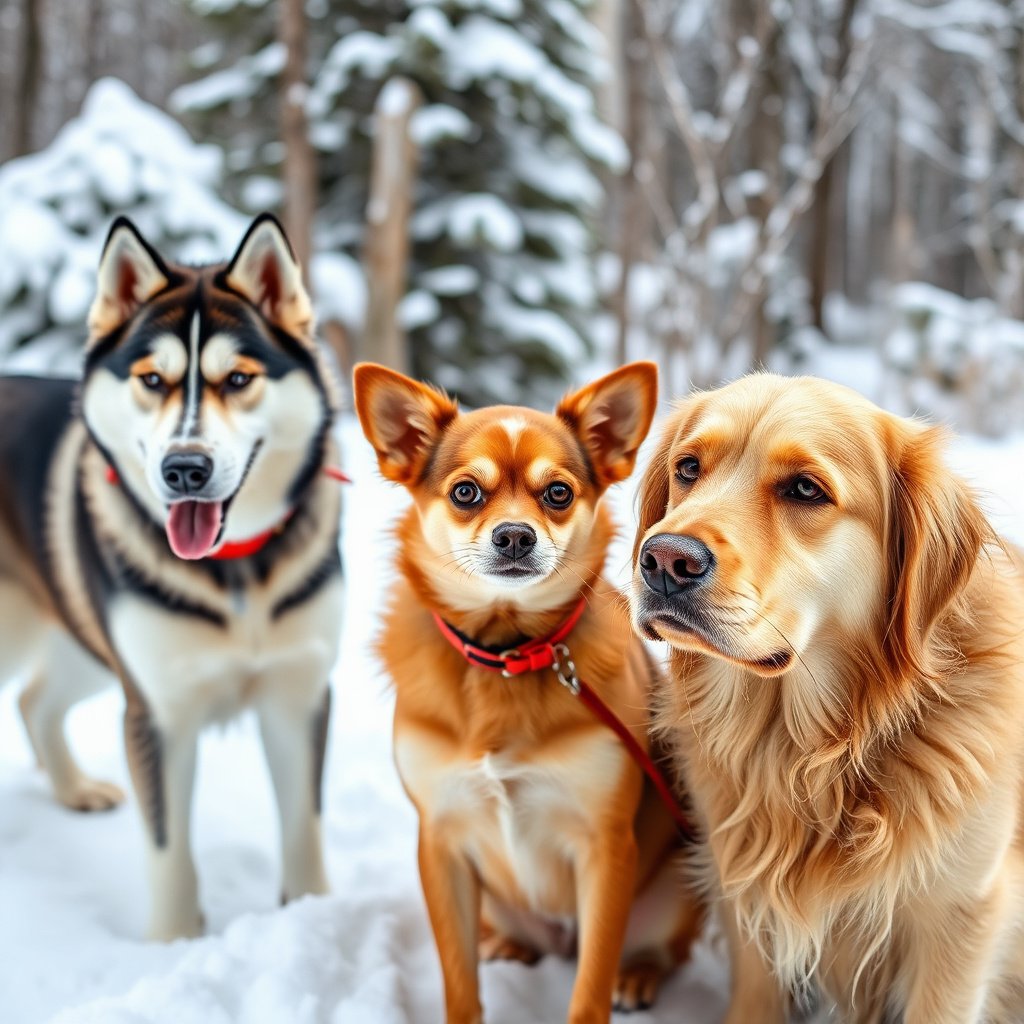
Cold-Resistant vs. Sensitive Breeds
Breeds like Siberian Huskies and Malamutes have thick double coats and high cold tolerance, often needing less extra protection. Conversely, small breeds or those with thin fur, such as Chihuahuas, require more insulation.
Understanding your dog’s breed-specific needs helps tailor winter preparation—from clothing choices to exercise duration and shelter type.
- Double-coated breeds tolerate cold better
- Short-haired breeds need more layers
- Older and young dogs are more vulnerable
- Adjust care by breed traits
For more on this, see our related guide: How Many Baths Does a Dog Need? A Complete Guide to Bathing Frequency.
Addressing Age and Health Factors
Puppies, senior dogs, and those with health conditions like arthritis or heart problems often have reduced ability to regulate body temperature. Extra warmth and cautious outdoor exposure help reduce stress and ailments.
Providing orthopedic heated beds and avoiding cold stress can improve quality of life during winter months for these sensitive dogs.
- Use heated bedding for seniors
- Limit exposure for puppies
- Monitor health conditions carefully
- Consult vet for specific recommendations
Using Technology to Maintain Warmth
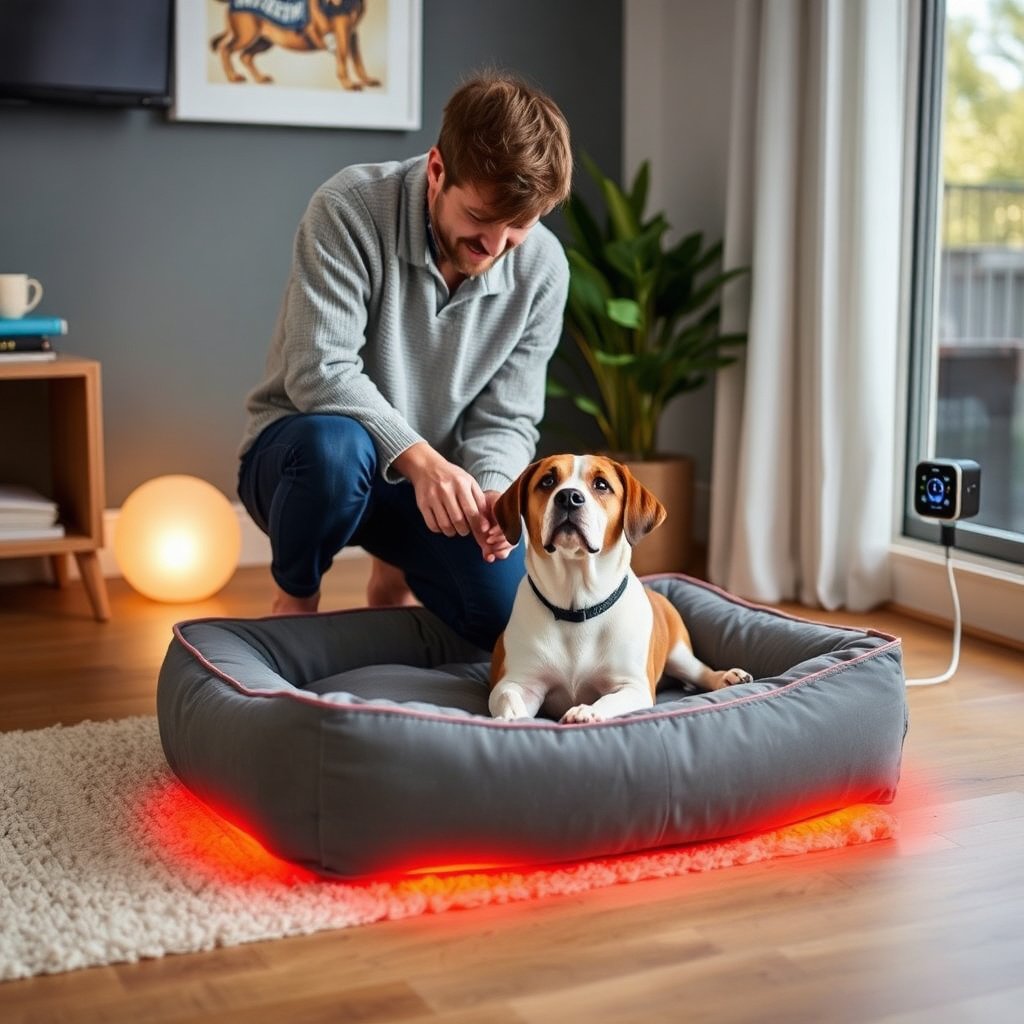
Heated Pet Beds and Pads
Heated beds provide consistent warmth using low-voltage heating elements. They are especially useful indoors where ambient temperatures drop below comfort levels. Look for models with automatic shutoff and waterproof covers.
These beds come in various sizes and temperature settings, catering to individual dog preferences and health needs, such as joint support for aging pets.
- Low voltage for safety
- Temperature control settings
- Durable, easy-to-clean covers
- Portable options available
For more detailed information on cold weather care for dogs, the American Veterinary Medical Association offers excellent guidelines. cold weather care for dogs.
Smart Home Integration
Smart thermostats and pet monitoring devices can maintain optimal indoor temperatures and alert owners if conditions become too cold. Some systems integrate with heated beds or heating pads for tailored warmth schedules.
Remote monitoring enables peace of mind when away, ensuring your dog remains comfortable around the clock.
- Temperature alerts
- Automated heating schedules
- Remote access via smartphone
- Integration with pet devices
Winter Dog Clothing Category Comparison
Here’s a comparison of common winter dog clothing types, highlighting their materials, protection features, and best use cases.
| Category | Material | Water Resistance | Warmth Level | Best For |
|---|---|---|---|---|
| Fleece Sweaters | Fleece | Low | Moderate | Indoor use, mild cold |
| Insulated Coats | Polyester with insulation | High | High | Outdoor, cold and wet conditions |
| Rain Jackets | Waterproof Nylon | Very High | Low | Wet weather, light protection |
| Quilted Overcoats | Polyester blend | Medium | High | Very cold climates |
| Knitted Sweaters | Wool/Cotton blend | Low | Moderate | Indoor/outdoor, light winter |
Frequently Asked Questions
Can all dogs wear sweaters or coats?
Not all dogs need sweaters or coats. Breeds with thick double coats may be comfortable without extra layers, but small, short-haired, or elderly dogs often benefit from added insulation in cold weather.
How often should I check my dog’s paws during winter walks?
Inspect your dog’s paws after every winter walk to check for ice buildup, cracks, or irritation caused by salt or cold. Clean and moisturize the paws regularly to prevent damage.
Is it safe to use heated beds for dogs?
Yes, heated beds designed specifically for pets are safe when used according to manufacturer instructions. Look for low-voltage options with automatic shutoff to prevent overheating and electrical hazards.
How can I tell if my dog is too cold outdoors?
Signs your dog is too cold include shivering, whining, slowing down, lifting paws off the ground, and seeking shelter. If you notice these signs, bring your dog inside immediately.
Should I adjust my dog’s diet in winter?
Some dogs may need more calories in winter to maintain body heat, especially if they spend time outdoors. Consult your veterinarian to adjust food quantity and composition safely.
Key Takeaways
- Use appropriate winter clothing tailored to your dog’s breed and activity
- Provide insulated, draft-free shelter and warm bedding indoors
- Adjust diet and exercise routines to support winter energy needs
- Monitor for signs of cold-related health issues and act promptly
Conclusion
Choosing how to keep a dog warm in the winter involves weighing breed traits, health status, and lifestyle. The goal is to protect your dog from cold exposure without causing discomfort through overheating or restrictive clothing. Combining physical insulation with proper shelter and attentive care offers the best defense against harsh conditions. Regular monitoring of your dog’s response to winter environments helps refine warmth strategies based on individual needs over time.
If your dog is active outdoors or has a short coat, insulated coats and paw protection become vital components of winter dog care. Conversely, breeds with dense fur might only need shelter enhancements and occasional clothing. Older or ill dogs benefit from heated beds and indoor warmth to support circulation and joint health. Adjusting feeding patterns with extra nutritional support also plays a significant role in maintaining energy for natural heat generation during cold months.
Start preparing early as temperatures drop by equipping your dog with appropriate winter gear and setting up a cozy indoor space. Regularly check their comfort and health when outside. Consulting your veterinarian for personalized advice completes an effective cold weather care plan. Taking these manageable steps ensures your dog stays warm, healthy, and happy throughout the winter season.