How to Choose the Best Dog Paw Wax for Protecting Your Pet’s Paws
The best dog paw wax is one that provides effective protection and moisturization while being safe and natural for your pet to use daily. Products containing a blend of natural waxes, oils, and butters—such as beeswax, coconut oil, and shea butter—offer a strong barrier against rough surfaces, salt, ice, and hot pavement. Applying the right paw wax regularly will soothe cracked pads and prevent further damage.
Dog paws are constantly exposed to environmental stressors, including extreme temperatures, abrasive surfaces, and chemicals like road salt. Without protection, these factors can cause discomfort, dryness, and injury. Choosing a dog paw wax with nourishing ingredients not only shields paws but also speeds healing and maintains soft, healthy pads.
This guide explores the essentials of what makes the best dog paw wax, including key ingredients, types of wax, application tips, and a comparison of popular products. By the end, you’ll have clear insights to pick the ideal wax that suits your dog’s needs and lifestyle.
Understanding the Key Ingredients in Dog Paw Wax
Natural Wax Components and Their Benefits
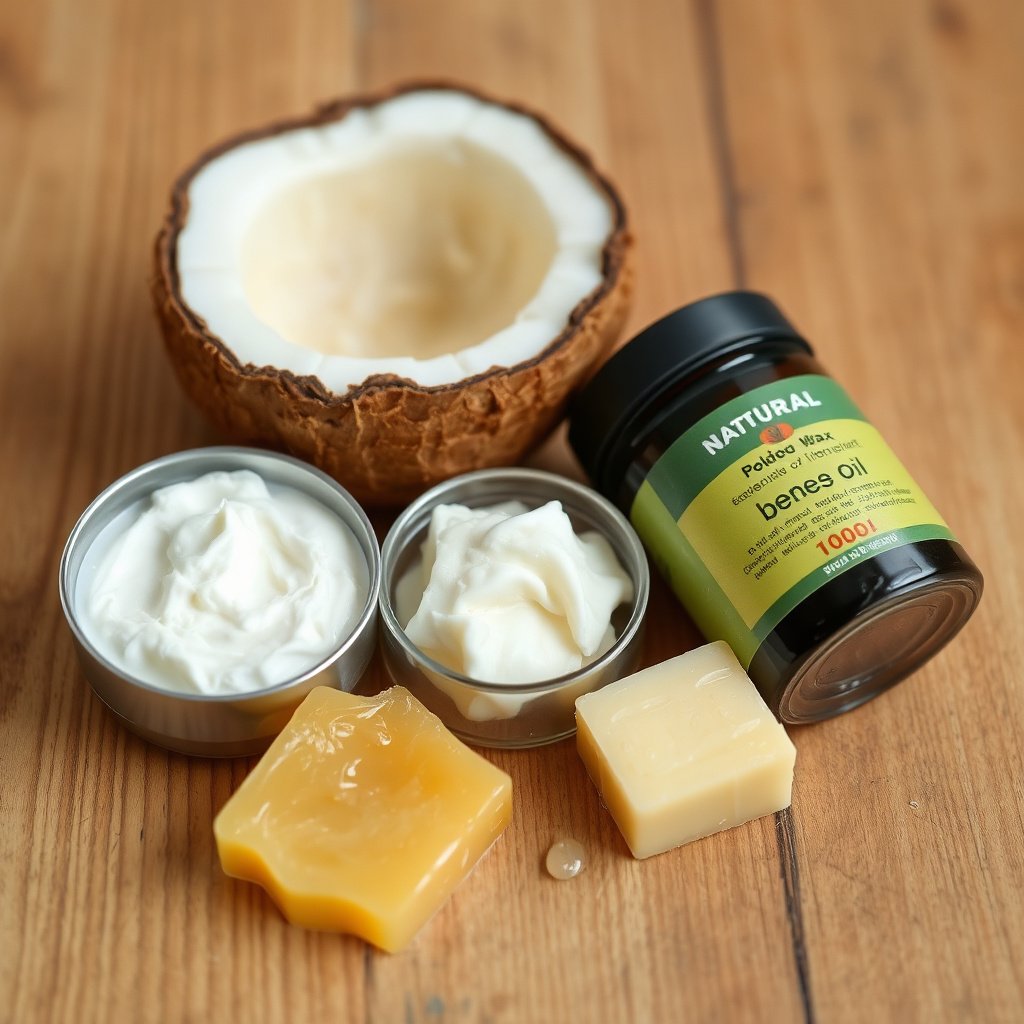
Natural waxes like beeswax form a breathable yet durable barrier on the paw pads, protecting against moisture loss and minor injuries. Beeswax is non-toxic and helps lock in hydration, creating a flexible shield that moves with the dog’s paw.
Coconut oil and shea butter are often added for their moisturizing and anti-inflammatory properties. Coconut oil fights bacteria and fungus, reducing infection risks, while shea butter deeply nourishes cracked skin, promoting faster healing.
Avoiding Harmful Additives in Paw Waxes
Many commercial paw waxes may contain synthetic fragrances, petroleum-based ingredients, or chemicals that can irritate sensitive paws or be harmful if ingested. It’s important to check the label for toxins like parabens, phthalates, or artificial dyes.
Choosing paw balm for dogs with simple, natural ingredient lists reduces the risk of adverse reactions and ensures safe licking or biting of their paws after application.
Types of Dog Paw Wax and How They Work
Traditional Brush-On and Tub Wax
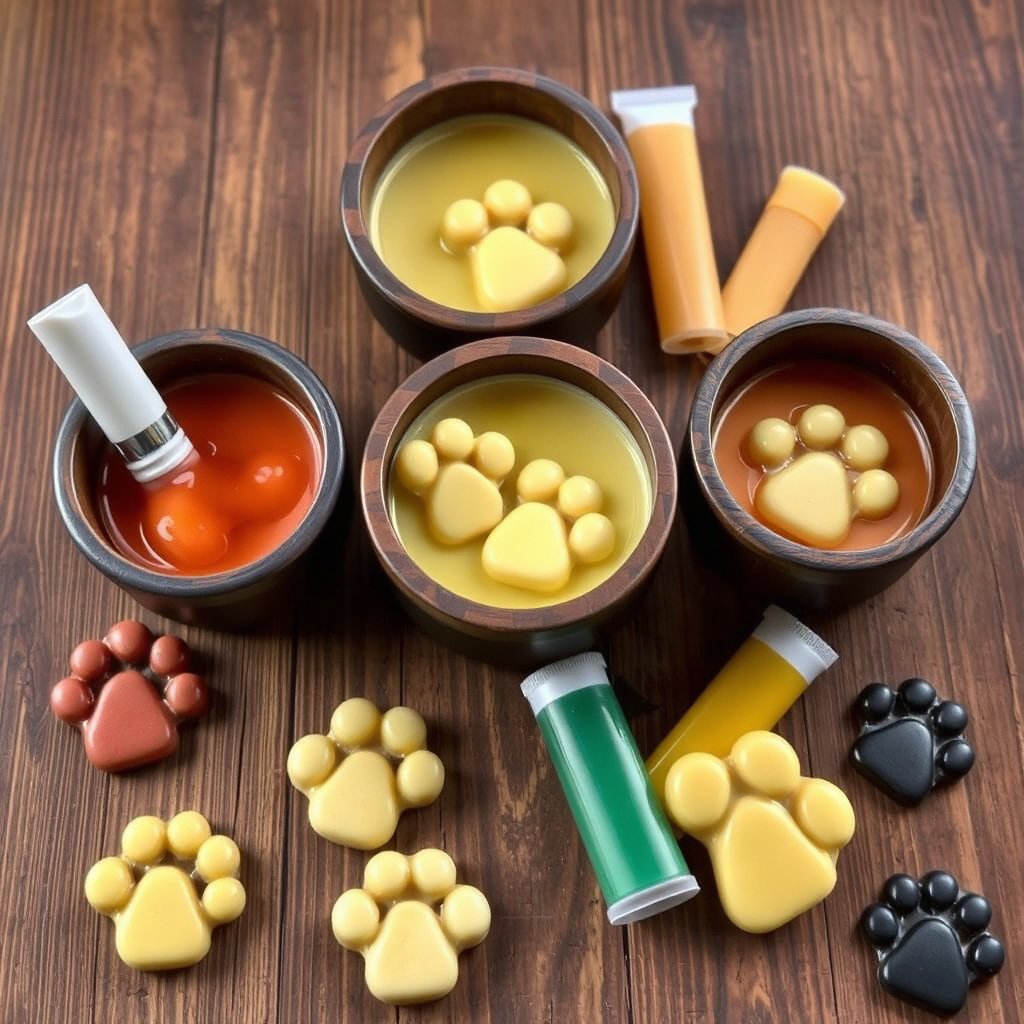
Wax products in tubs usually have a thicker consistency and can be applied by hand or with a brush. This form offers excellent coverage and is ideal for dogs exposed to harsh terrain like snow, salt, or hot asphalt.
Because tub waxes are more concentrated, they often last longer between applications but may require more effort to apply evenly on smaller dogs or those with sensitive areas.
Convenient Stick and Spray Formats
Wax sticks offer an easy, mess-free application by simply rubbing the product directly onto the paw pads. They are portable for on-the-go protection during walks or hikes, especially convenient for active dogs.
Spray-on paw waxes are lighter and provide a breathable protective layer. However, they may need more frequent use and might not be suitable for severe weather protection compared to thicker waxes or balms.
Applying Dog Paw Wax Correctly for Maximum Effectiveness
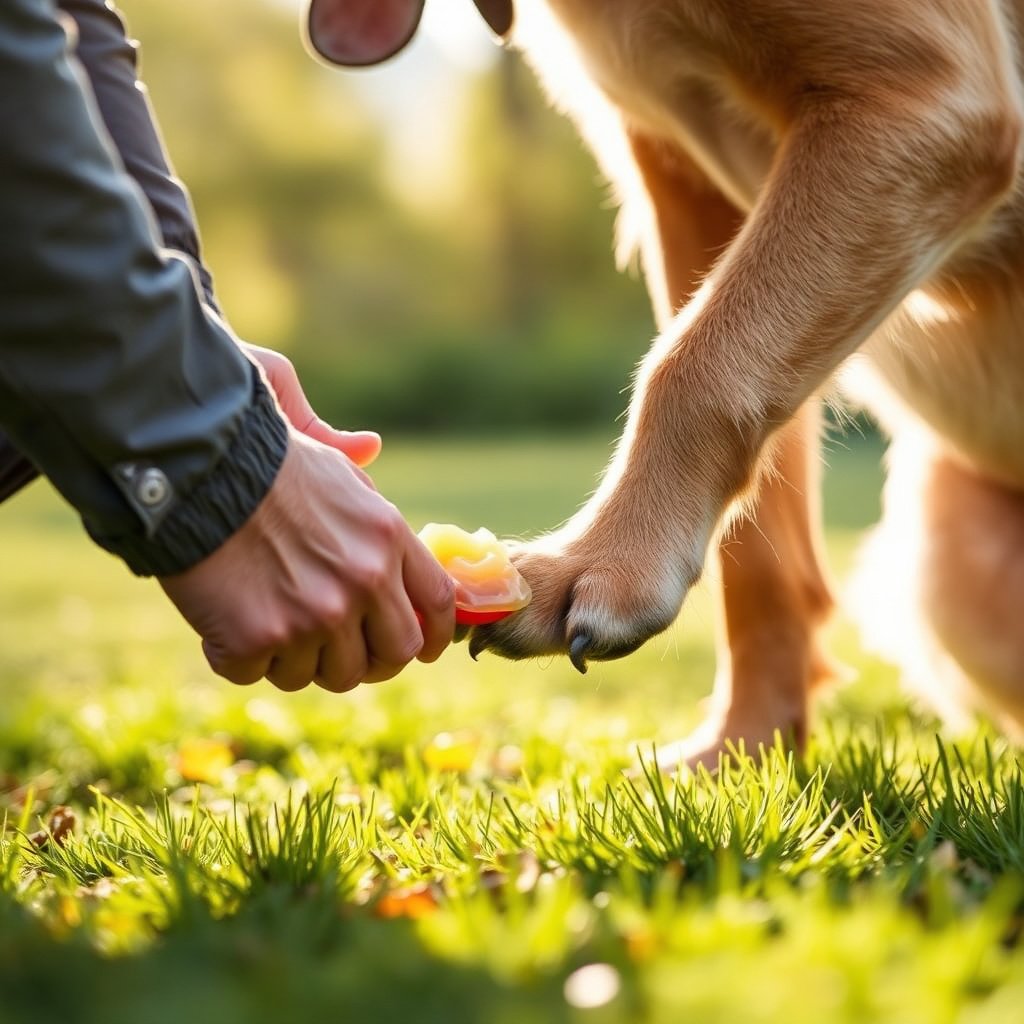
Step-by-Step Paw Wax Application
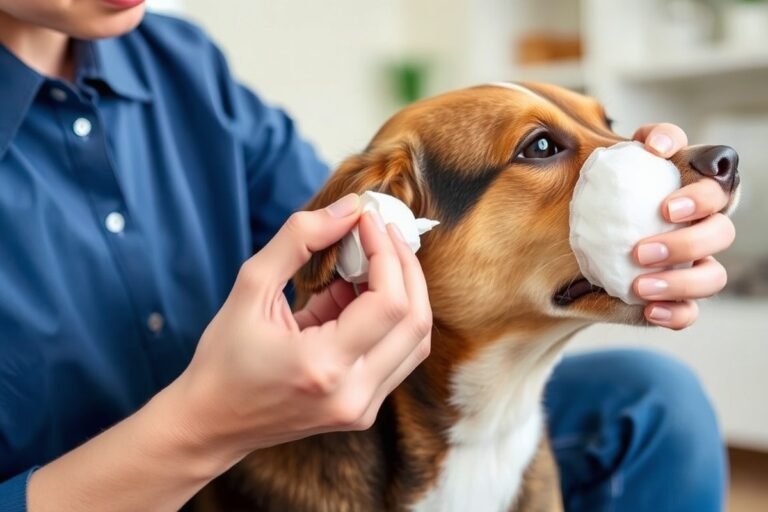
Begin by cleaning the dog's paws gently to remove dirt and debris. Dry thoroughly to prevent trapping moisture under the wax, which can invite infections.
Using clean hands or a wax applicator, spread a thin, even layer of wax over the paw pads and in between the toes. Massage lightly to ensure full absorption without causing discomfort.
- Clean paws before application
- Apply wax evenly on all paw pads
- Massage gently for absorption
- Reapply after prolonged outdoor exposure
For more on this, see our related guide: Why Does My Dog Scratch Its Ears? Causes, Care & When to Act.
When and How Often to Use Paw Wax
For dogs regularly walking on rough or extreme surfaces, apply paw wax daily or before every outdoor session. In mild conditions, using it two to three times a week helps maintain paw health.
Monitor your dog's paws for signs of dryness or irritation. If you notice cracked pads or redness, increase application frequency and consult a veterinarian if the condition worsens.
Choosing the Best Dog Paw Wax for Your Environment
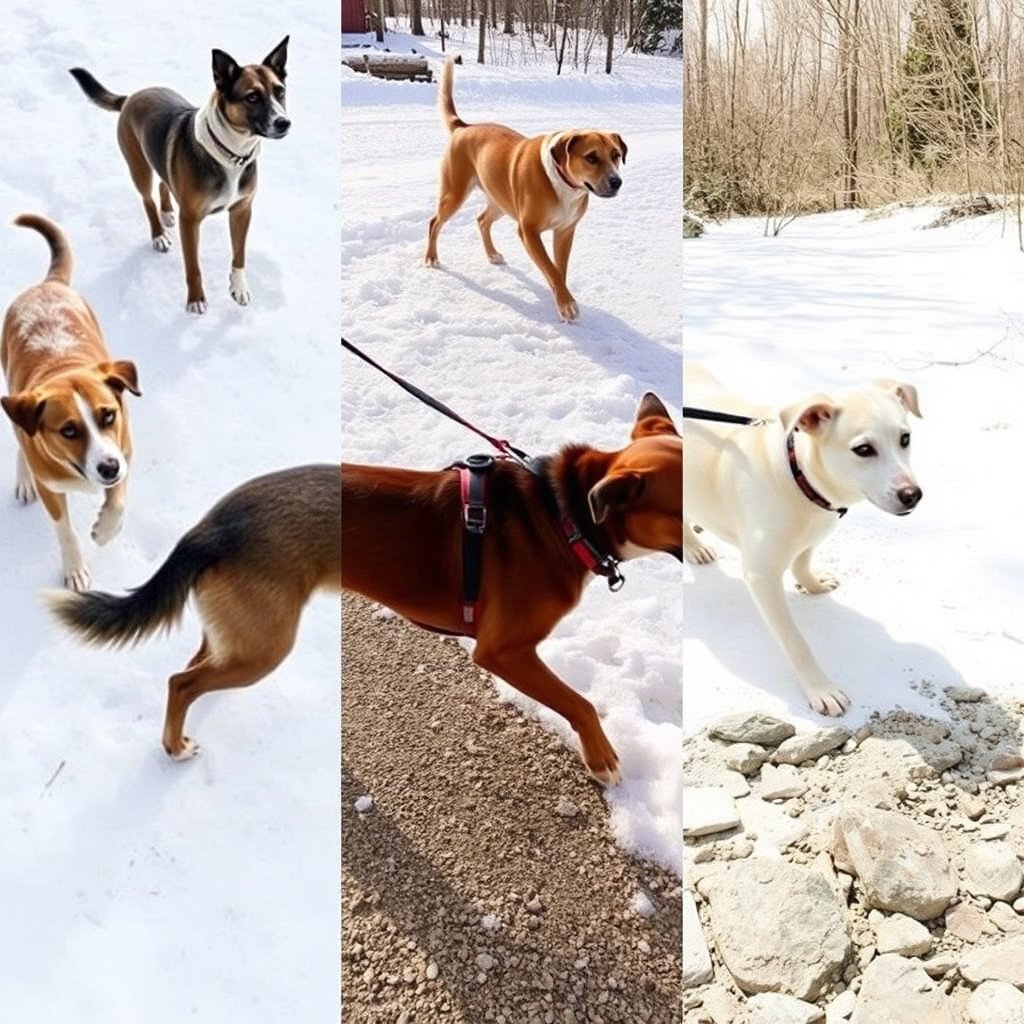
Protecting Paws in Cold and Snowy Climates
In winter, road salt and ice can cause severe paw pad damage and chemical burns. Thick waxes rich in beeswax and oils create an insulating barrier that blocks salt crystals and freezing moisture from penetrating.
Look for paw balms with antibacterial properties to prevent infections that cold cracked skin is prone to develop.
Guarding Against Hot Pavement and Rough Terrain
Hot asphalt and rocky trails can burn or wear down paw pads quickly. A durable, heat-resistant wax with natural butters cushions impact and adds moisture to prevent dry, brittle pads.
Applying paw balm for dogs before walks in summer or hiking trips reduces overheating and abrasions, making the dog's steps more comfortable.
Top-Rated Dog Paw Wax Brands to Consider
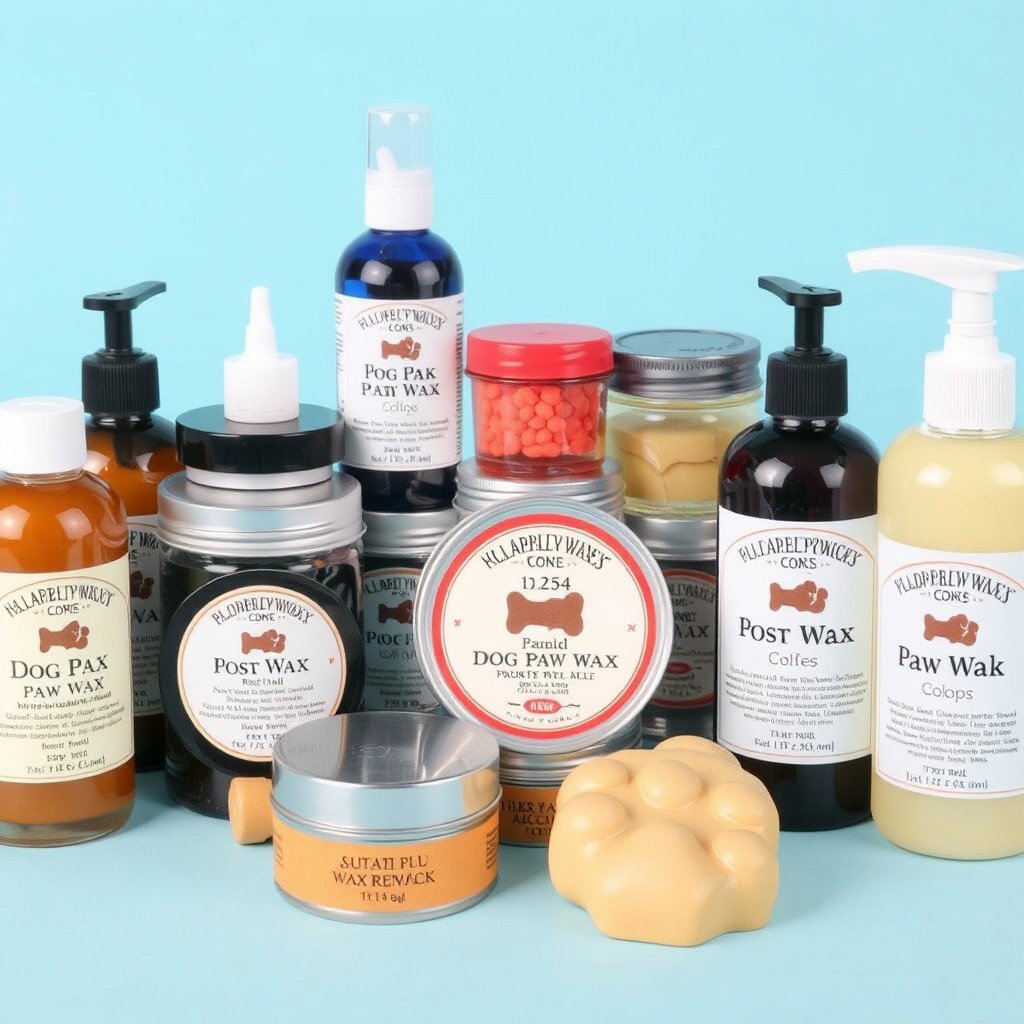
Popular All-Natural Dog Paw Waxes
Brands like Musher’s Secret and Natural Dog Company offer highly rated all-natural formulas trusted by pet owners. They use beeswax and plant-based oils to balance protection with skin conditioning.
These products are widely praised for their effectiveness in diverse weather conditions and gentle ingredients safe for everyday use.
For more on this, see our related guide: Why Does My Dog Have Smelly Ears? 8 Causes and Simple Treatments.
Specialty Products for Sensitive Dogs
For dogs with extra sensitive or allergy-prone paws, options like Vet’s Best Paw Care and 4-Legger Organic Paw Balm provide hypoallergenic blends free from artificial additives.
These waxes often include calendula or aloe vera to soothe irritated paws while maintaining a protective barrier.
Additional Paw Care Tips Beyond Wax Protection

Regular Paw Inspection and Hygiene
Daily paw checks for cuts, foreign objects, or infections can prevent complications later. Clean paws after walks to remove allergens and debris that irritate skin.
Washing with gentle pet-safe wipes helps maintain paw health and complements the protective effects of wax.
For more detailed information on dog paw care and overall pet health, you can consult reliable resources such as this dog paw care overview. dog paw care.
Nail Trimming and Pad Moisturization
Keeping nails trimmed reduces abnormal walking patterns that stress paw pads. Use a quality moisturizer suited for dogs to keep skin supple alongside wax use.
Combining nail care with protective wax application supports overall paw comfort and durability.
Dog Paw Wax Types Comparison
Here’s a comparison of common dog paw wax categories regarding application, protection level, and best use cases.
| Category | Application Method | Protection Level | Best For | Typical Ingredients |
|---|---|---|---|---|
| Traditional Tub Wax | Applied by hand or brush | High | Harsh weather, long walks | Beeswax, coconut oil, shea butter |
| Stick Wax | Direct rub on paws | Medium | Active dogs, quick use | Natural waxes, oils, vitamin E |
| Spray Wax | Sprayed on paws | Low to Medium | Light protection, mild weather | Plant oils, diluted waxes |
| Hypoallergenic Balm | Applied by hand | Medium | Sensitive skin dogs | Aloe vera, calendula, beeswax |
Frequently Asked Questions
Can I use human lip balm on my dog's paws?
Human lip balms may contain ingredients harmful to dogs if ingested, such as fragrances or artificial chemicals. It's safer to use products specially formulated for dog paws to avoid irritation or toxicity.
How often should I apply dog paw wax?
Apply paw wax before every long walk or exposure to rough surfaces. In milder conditions, two to three times per week helps maintain paw hydration and protection.
Will dog paw wax prevent salt burns in winter?
Yes, a quality wax forms a barrier that blocks road salt and snow chemicals from irritating and drying out the paw pads.
Is it safe if my dog licks off the paw wax?
Most natural dog paw waxes use pet-safe, non-toxic ingredients designed to be safe if licked in small amounts. However, discourage excessive licking.
Can dog paw wax help heal cracked paws?
Yes, waxes with moisturizing oils and healing butters soothe and accelerate repair of cracked, dry paw pads.
Key Takeaways
- Choose dog paw wax with natural, non-toxic ingredients like beeswax and coconut oil.
- Proper application cleans and protects paws from environmental hazards.
- Different wax types suit varied weather conditions and dog activity levels.
- Regular paw care includes inspection, moisturizing, and nail trimming alongside wax use.
Conclusion
Selecting the best dog paw wax involves identifying a product that balances protection, moisturizing, and safety specific to your dog’s needs and environment. Consider ingredients, wax type, and your dog’s activity level to ensure their paws remain healthy and comfortable during daily adventures. Applying wax consistently forms a protective layer that prevents damage from rough terrain, hot pavement, snow, and harmful chemicals.
If your dog frequently faces snowy or icy conditions, thick tub waxes high in beeswax and natural oils offer the best defense against salt burns and cold damage. For active dogs who spend time hiking or running outdoors, stick waxes provide a convenient and reliable way to guard their paws quickly. Dogs with sensitive skin benefit most from hypoallergenic balms enriched with soothing botanicals like calendula or aloe vera. Pairing paw wax application with a routine of paw washing and nail trimming enhances overall paw health.
After choosing an appropriate paw wax, test it on a small area first to check for reactions and monitor your dog's comfort. Regularly check paws for dryness or injury and adapt care accordingly. With the right product and consistent care, your dog’s paws will stay protected and healthy, letting them enjoy the outdoors happily and pain-free.