What Is a Dog Tick? Understanding These Common Parasites
A dog tick is a small, parasitic arachnid that attaches to dogs and feeds on their blood. These ticks are commonly found in areas with tall grass or wooded environments and can transmit diseases to pets, making prompt identification and removal vital.
Ticks can cause irritation, allergic reactions, and serious illnesses like Lyme disease or Rocky Mountain spotted fever in dogs. Understanding what a dog tick looks like and how it behaves helps pet owners protect their animals from potential health risks.
This article will explain the types of dog ticks, signs of infestation, effective prevention strategies, tick removal techniques, and how to keep your dog safe from tick-borne diseases throughout the year.
Identifying Dog Ticks and Their Life Cycle
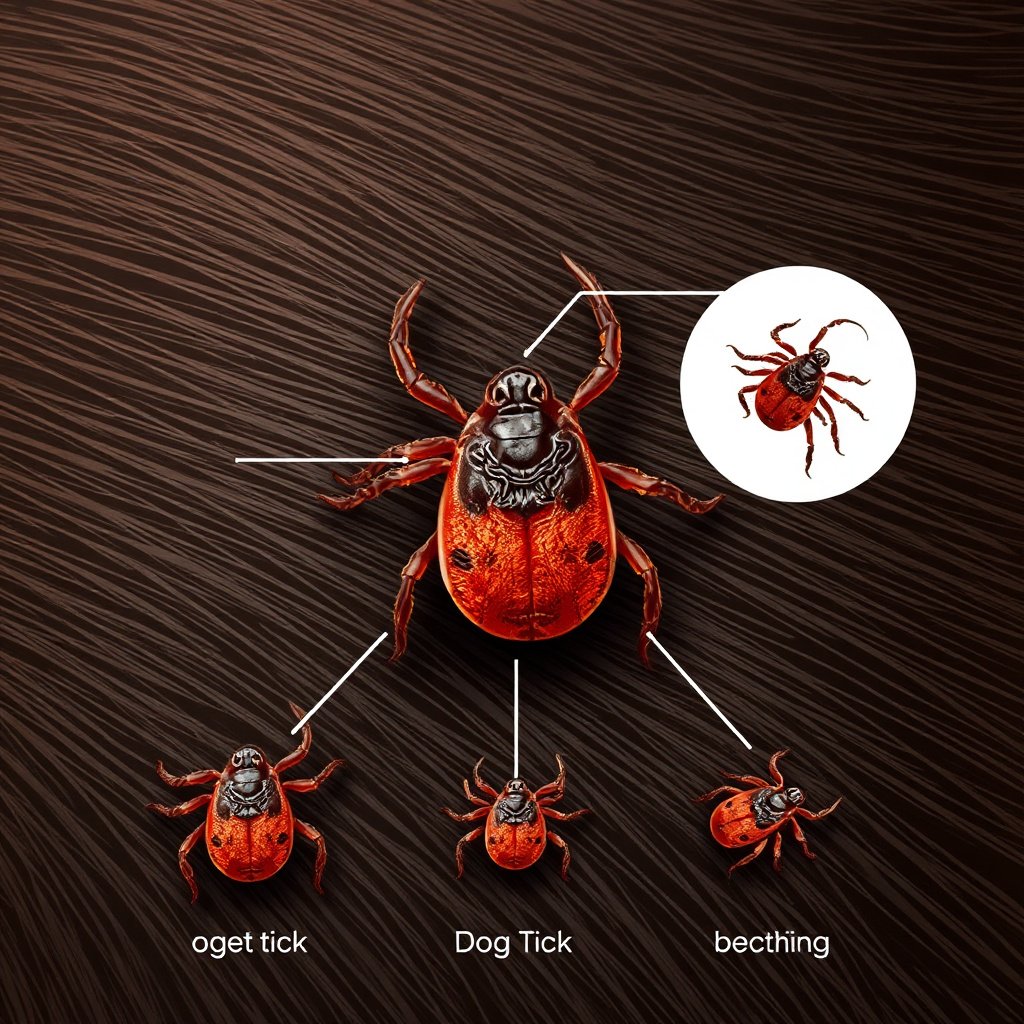
Common Species of Dog Ticks
Several species of ticks commonly infest dogs, including the American dog tick, deer tick (black-legged tick), and brown dog tick. Each species varies in appearance, habitat, and potential disease transmission.
American dog ticks are reddish-brown with white markings and prefer grassy environments. Deer ticks are smaller and darker, often found in wooded areas. Brown dog ticks thrive indoors and outdoors and can reproduce quickly.
- American dog tick (Dermacentor variabilis)
- Deer tick or black-legged tick (Ixodes scapularis)
- Brown dog tick (Rhipicephalus sanguineus)
Tick Life Cycle and Feeding Habits
Dog ticks undergo four life stages: egg, larva, nymph, and adult. At each stage, except the egg, they feed on blood from hosts, including dogs, to survive and progress to the next phase.
Adult ticks latch onto their host for several days to feed fully. Their ability to remain attached for long periods increases the risk of disease transmission and irritation, which is why regular tick checks are essential.
- Life stages: egg, larva, nymph, adult
- Blood meals critical for development
- Attach firmly to hosts for several days
Health Risks Dog Ticks Pose to Pets
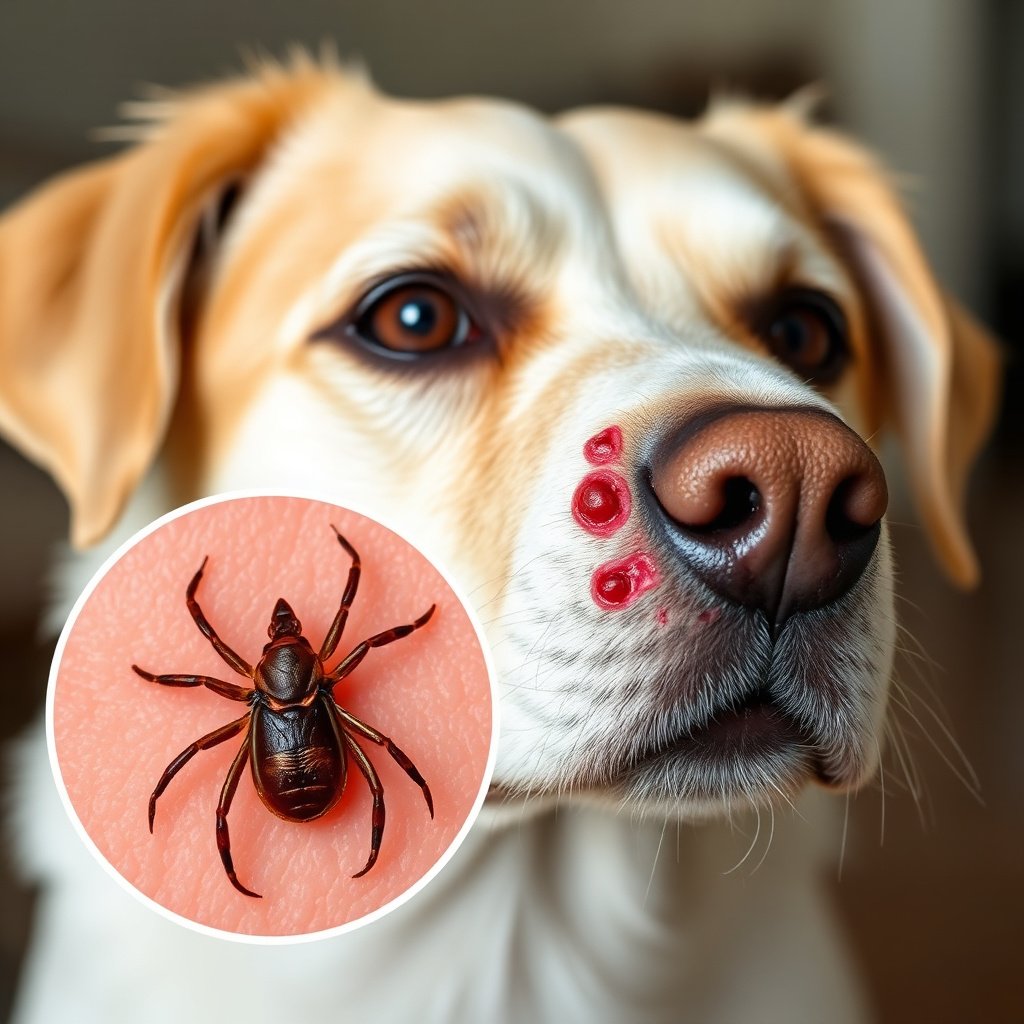
Diseases Transmitted by Dog Ticks
Dog ticks can carry and transmit harmful pathogens that cause diseases such as Lyme disease, ehrlichiosis, and anaplasmosis. These illnesses may lead to fever, lethargy, joint pain, and more severe complications if untreated.
Early detection of symptoms and veterinary evaluation are essential for managing tick-borne diseases. Some dog ticks are more likely to transmit specific illnesses, so understanding the local tick species is helpful.
Physical and Allergic Reactions to Tick Bites
Apart from diseases, tick bites can cause localized redness, swelling, and itching. Dogs may scratch or bite affected areas, potentially causing secondary infections or skin irritation.
In some cases, dogs develop tick allergy, leading to more intense reactions. Monitoring your pet’s behavior and skin condition after outdoor activities helps catch these issues early.
Preventing Dog Tick Infestations
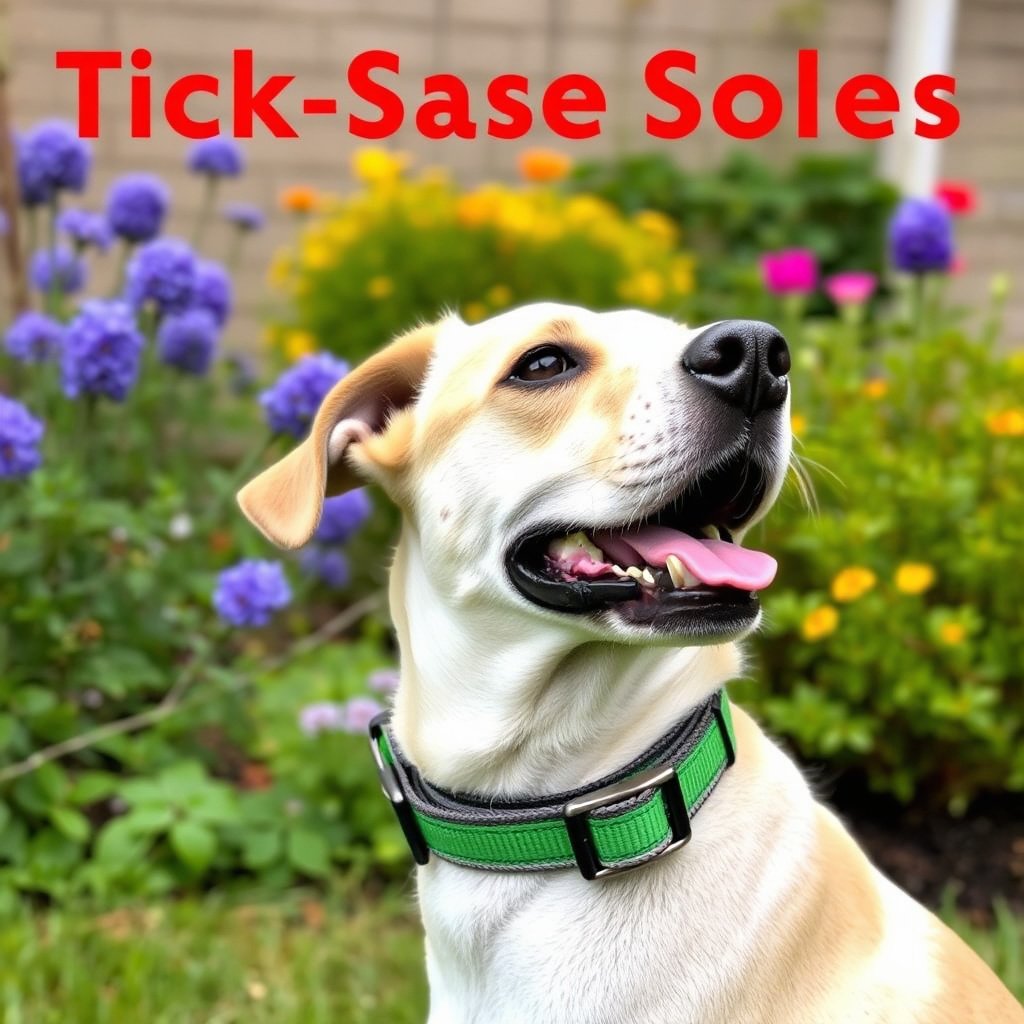
Tick Prevention for Dogs: Chemical Treatments
Using chemical tick preventatives like topical treatments, oral medications, and tick collars can be highly effective. They kill or repel ticks before attachment and reduce the risk of disease transmission.
Consulting a veterinarian helps choose the safest and most effective product for your dog’s age, size, and health status. Regular application as directed maintains continuous protection.
- Topical spot-on treatments
- Oral tick medications
- Tick-repellent collars
For more on this, see our related guide: How to Remove Ticks from a Dog: Safe Steps and Best Tools Explained.
Environmental Control Methods
Maintaining your yard by regularly mowing the lawn, removing leaf litter, and keeping bushes trimmed reduces tick habitats. Creating a tick-safe zone with gravel or wood chips along walking paths can limit tick exposure.
Restricting your dog’s access to high-risk areas, such as dense woods or tall grass, especially during peak tick seasons, further lowers infestation chances.
- Regular lawn mowing
- Removing leaf litter
- Using gravel or wood chips as barriers
Safe Removal of Dog Ticks
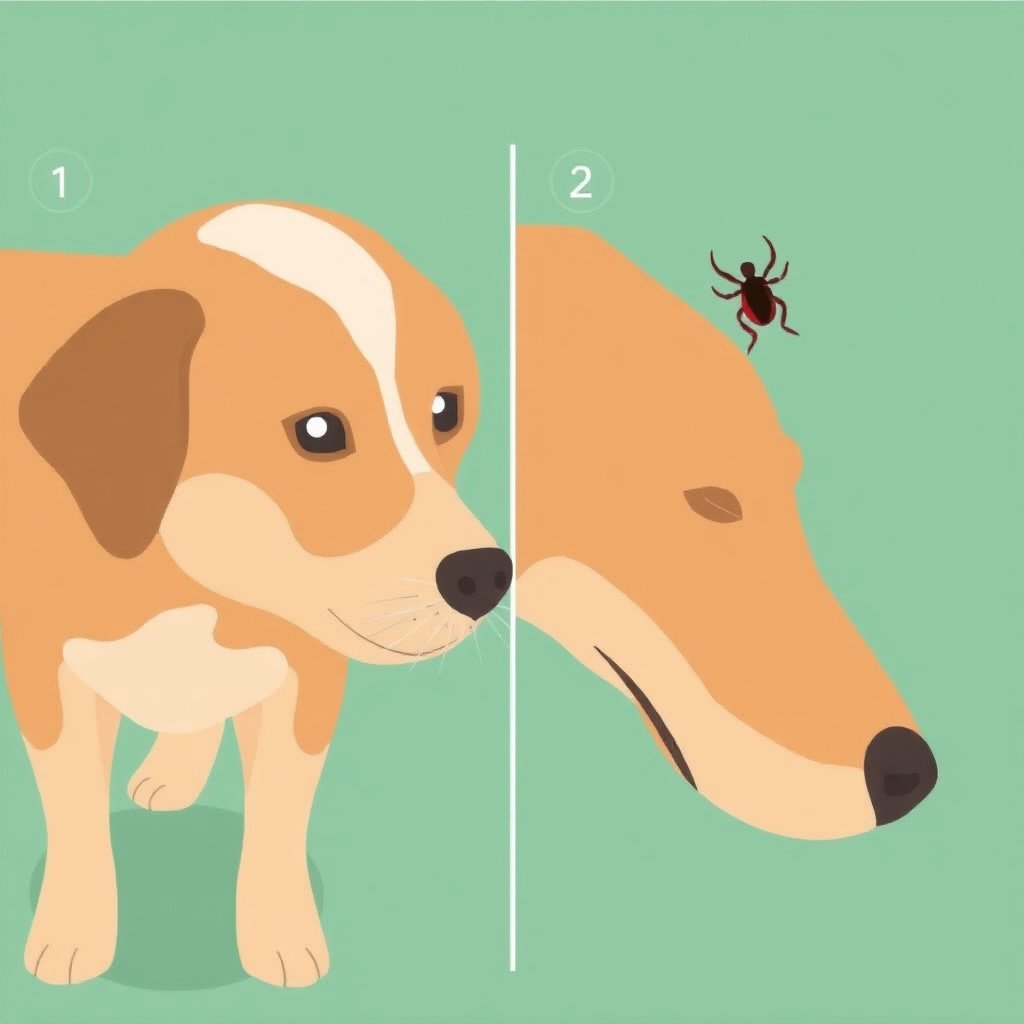
Proper Technique to Remove Ticks
To remove a tick safely, use fine-tipped tweezers to grasp the tick as close to the dog’s skin as possible. Pull upward steadily without twisting to avoid leaving mouthparts embedded.
Once removed, clean the bite area and your hands with antiseptic. Proper removal limits irritation and reduces disease transmission risk.
- Use fine-tipped tweezers
- Pull upward evenly without twisting
- Clean area after removal
What to Avoid During Tick Removal
Avoid squeezing or crushing the tick’s body, which can release harmful bacteria or viruses. Do not use substances like petroleum jelly, alcohol, or heat to detach the tick, as these methods are ineffective and dangerous.
After removal, monitor your dog for symptoms of tick-borne illnesses and consult a vet if you notice changes.
- Do not crush the tick
- Avoid using home remedies like alcohol or heat
- Watch for signs of illness after removal
Recognizing Tick Habitats and Seasonal Activity

Where Dog Ticks Commonly Live
Dog ticks favor environments with tall grasses, leaf litter, and wooded regions. These areas provide humidity and hosts needed for their survival. They often wait on vegetation for passing animals to latch onto.
Knowing common tick habitats helps owners avoid high-risk zones or focus tick checks after visits. Urban parks with overgrown areas also can harbor ticks.
For more on this, see our related guide: What Is the Best Tick Treatment for Dogs? Complete Guide with Proven Options.
Seasonal Patterns of Tick Activity
Ticks are most active during warmer months, typically from spring through fall. In mild climates, some species remain active year-round. Peak activity often coincides with the wettest seasons when humidity supports tick survival.
Planning dog walks and preventive measures during high-risk periods is practical to reduce tick encounters.
Monitoring Your Dog for Ticks and Symptoms
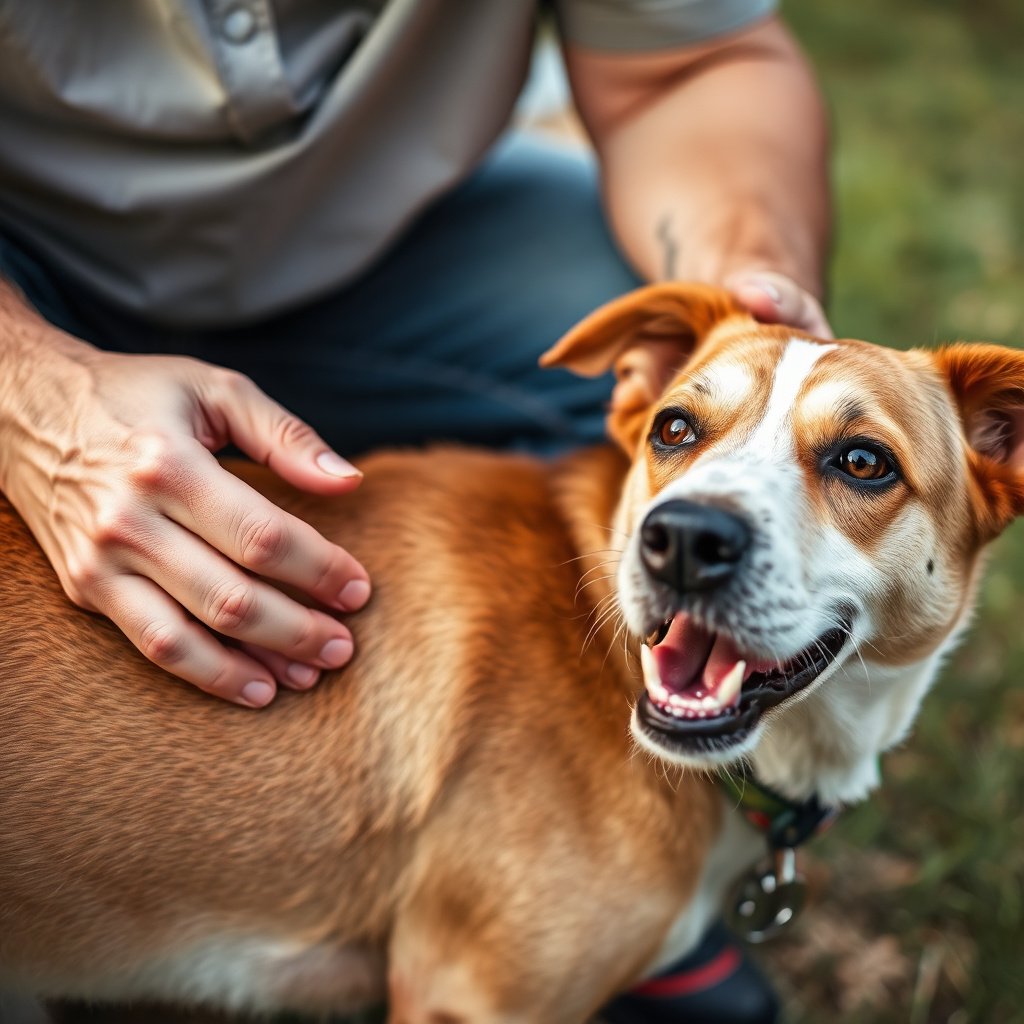
How to Check Your Dog for Ticks
After outdoor time, regularly examine your dog’s fur, especially around ears, neck, armpits, and between toes. Use your fingers to feel for small lumps or bumps that might indicate attached ticks.
Early detection means easier removal and decreases chances of disease. Grooming tools and good lighting aid thorough checks.
You can explore more details on tick biology and behavior through reliable sources like Wikipedia. more details on tick biology.
Recognizing Symptoms of Tick-Borne Illnesses
Watch for signs such as lethargy, decreased appetite, lameness, fever, and swollen lymph nodes. Some symptoms appear weeks after the tick bite, requiring veterinary attention for diagnosis.
Prompt treatment improves outcomes and relieves your dog’s discomfort.
Types of Dog Tick Prevention Methods Compared
This comparison chart highlights key features, benefits, and considerations of common dog tick prevention options.
| Prevention Method | Effectiveness | Duration of Protection | Application Frequency | Ease of Use | Cost |
|---|---|---|---|---|---|
| Topical Spot-On Treatments | High | 1 Month | Monthly | Easy | Moderate |
| Oral Medications | Very High | 1 Month | Monthly | Very Easy | Moderate to High |
| Tick-Repellent Collars | Moderate | 6-8 Months | Every 6-8 Months | Easy | Low to Moderate |
| Environmental Yard Control | Moderate | Continuous (with maintenance) | Regular upkeep | Time-Consuming | Varies |
| Natural or Home Remedies | Low | Varies | Frequent | Variable | Low |
Frequently Asked Questions
Can dog ticks transmit diseases to humans?
Yes, some dog ticks can bite humans and transmit diseases such as Lyme disease. Protecting yourself and your pets by avoiding tick habitats and performing regular checks helps reduce risks.
How quickly should I remove a tick from my dog?
Ticks should be removed as soon as noticed because the longer they are attached, the higher the risk of disease transmission. Timely removal helps prevent health complications.
Are there any natural ways to prevent dog ticks?
Some natural repellents like essential oils are used but often lack consistent efficacy compared to veterinary-approved treatments. Always consult your vet before using natural products.
Can dogs develop immunity to tick bites?
Dogs do not develop immunity to ticks, and repeated bites can lead to allergic reactions or infections. Preventive treatments and inspections remain necessary for protection.
What symptoms should make me visit a vet after removing a tick?
If your dog shows signs like fever, lethargy, swollen joints, or loss of appetite following a tick bite, visit your veterinarian promptly for evaluation and treatment.
Key Takeaways
- Dog ticks are blood-feeding parasites that can transmit serious diseases to pets.
- Preventative measures include chemical treatments and environmental management.
- Regular inspections and proper tick removal reduce health risks.
- Understanding tick habitats and seasonal activity helps protect your dog.
Conclusion
Understanding what a dog tick is and the risks it poses is foundational to protecting your pet's health. By identifying common tick species and knowing how ticks feed and reproduce, you can make informed choices about prevention. Since dog ticks can transmit various diseases, early detection and response remain key elements of safeguarding your dog against tick-related health issues. Prevention and vigilance go hand in hand to reduce both infestations and complications.
For effective tick prevention for dogs, veterinary-approved topical treatments and oral medications offer reliable protection and convenience. Tick collars provide longer-duration repellency but might vary in effectiveness. Complement these with environmental controls like maintaining your yard and avoiding high-risk areas during peak seasons. Regular checking of your dog after outdoor activity enhances early tick detection and removal. Each method has benefits depending on your dog’s lifestyle, so combining approaches often provides the best defense.
Start by discussing tick prevention options with your vet to choose the most suitable products for your dog. Establish a routine of checking for ticks, especially after walks in grassy or wooded areas. Keep your yard tidy and be cautious in known tick habitats. Staying proactive with prevention and monitoring helps ensure your dog remains comfortable and healthy, free from the dangers posed by dog ticks.