How to Choose the Best Dog Shampoo for Thick Coat: A Detailed Guide
The best dog shampoo for thick coat is one that effectively cleanses dense fur without stripping natural oils or causing dryness, while also helping detangle and maintain softness. Look for shampoos enriched with moisturizing ingredients like oatmeal, aloe vera, or coconut oil, which soothe skin and reduce matting. Products designed specifically for thick fur often include conditioners to aid in combing through dense coats.
Dogs with thick coats shed and trap dirt more easily, requiring shampoos that deeply clean without harsh chemicals that can irritate sensitive skin. Thick fur also tends to tangle and matt if not properly cared for, so the right shampoo plays a key role in keeping the coat healthy, shiny, and manageable. Selecting the correct formulation tailored to thick coats maintains moisture balance and protects natural oils essential for skin health.
This article covers what makes a shampoo suitable for thick-coated dogs, ingredient considerations, how to use these shampoos effectively, and reviews of popular options available. You'll also find comparisons of different shampoo types and answers to common questions, helping you choose the best solution to keep your dog's coat in excellent condition.
Understanding the Needs of Thick Coats in Dogs
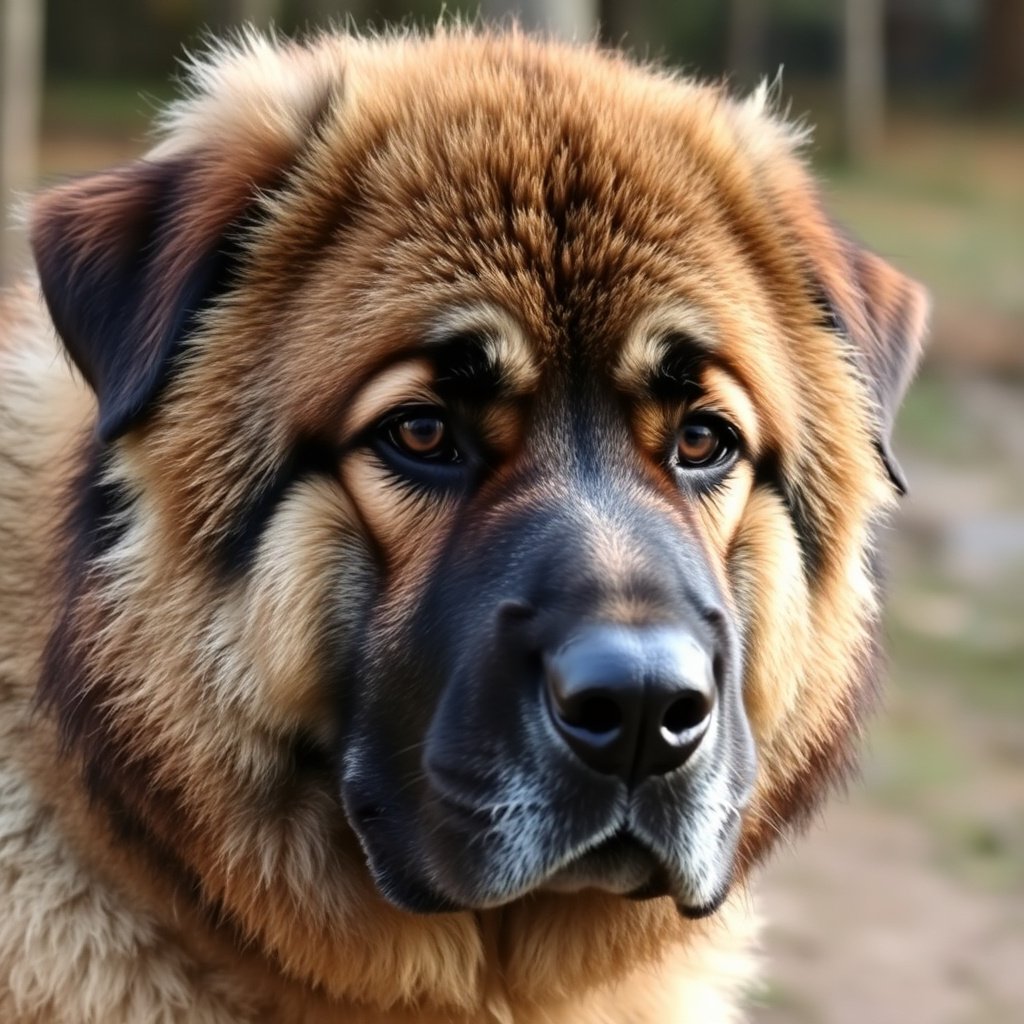
Why Thick Coats Require Special Shampoo
Thick coats have multiple layers of fur, including a dense undercoat that traps dirt and moisture. Regular shampoos may not penetrate deeply enough or might strip essential oils, causing dryness and skin irritation. A shampoo designed for thick coats ensures thorough cleaning while preserving the natural oils that keep skin healthy and fur shiny.
Additionally, thick fur is prone to tangling and matting, which can be uncomfortable for dogs. Shampoos with conditioning agents help loosen these tangles during washing, making grooming sessions easier and less stressful for both pet and owner.
Common Skin Challenges in Thick-Coated Breeds
Many thick-coated breeds experience oily buildup, dry patches, or hot spots underneath their dense fur due to poor air circulation. These skin issues require balanced shampoos with soothing ingredients like oatmeal or tea tree oil that combat inflammation without irritating the skin further.
Also, thick fur can hide parasites or fungal infections longer, so shampoos with mild antifungal or antiparasitic additives can provide preventative benefits, helping maintain the dog's overall skin health.
Key Ingredients to Look for in the Best Dog Shampoo for Thick Coat
Moisturizing Agents for Soft, Manageable Fur
A quality shampoo for dogs with thick fur should include ingredients like coconut oil, shea butter, and glycerin. These keep the coat hydrated, reduce static electricity, and prevent the coat from becoming brittle or rough after washing.
Oatmeal is frequently added for its soothing properties, especially beneficial for dogs with sensitive skin prone to dryness under a dense coat.
- Coconut oil for moisture retention
- Oatmeal to soothe irritated skin
- Glycerin to attract and retain moisture
Cleansing Components That Are Gentle Yet Effective
Look for shampoos with plant-based or mild surfactants like coco-glucoside or decyl glucoside rather than harsh detergents. These clean dirt and oils without stripping the dog's natural protective barrier.
Avoid strong fragrances and sulfates, which can cause allergic reactions or dry out thick coats, making them harder to groom.
- Sulfate-free surfactants
- Natural extracts like aloe vera
- Absence of synthetic fragrances
Different Types of Dog Shampoos Suitable for Thick Coats
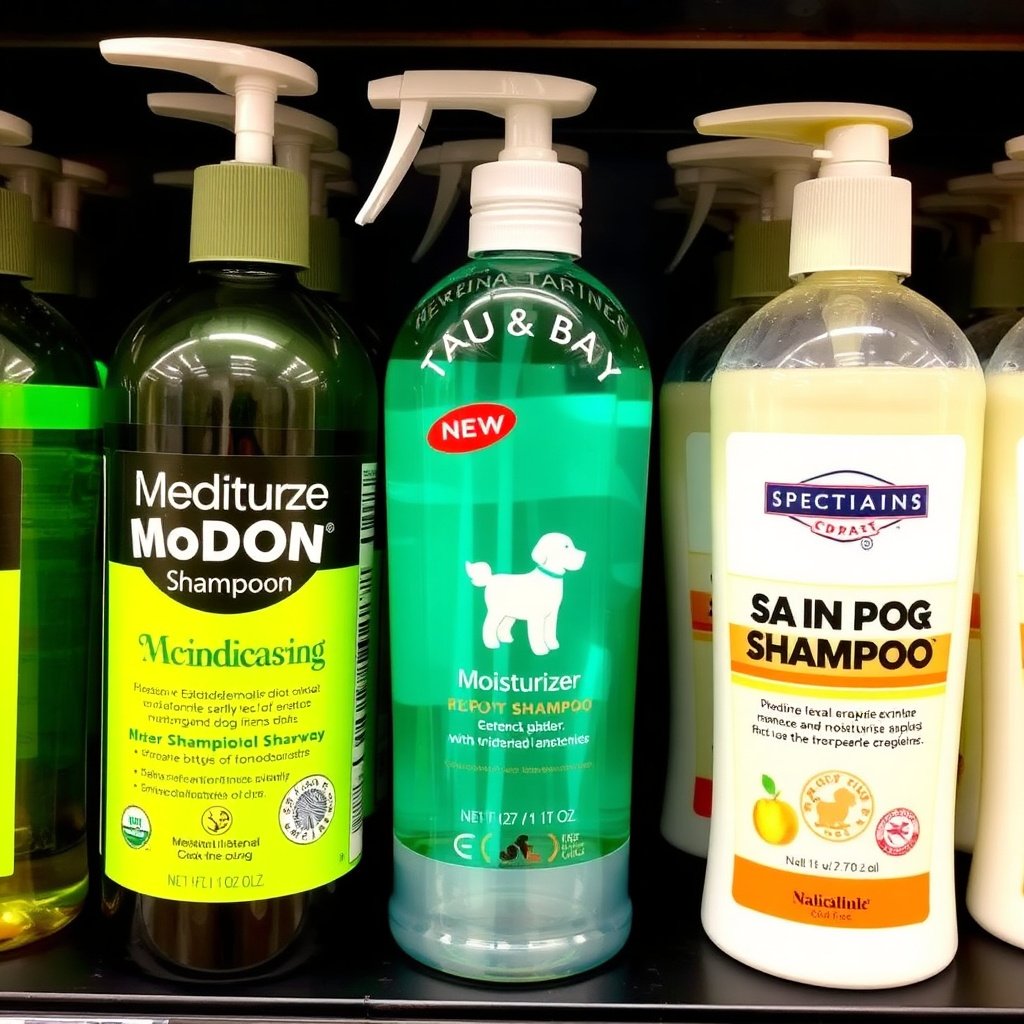
Moisturizing Shampoos
Moisturizing shampoos replenish oils and soften the fur, ideal for thick-coated breeds prone to dryness and frizz. They help maintain a healthy sheen and reduce coat tangling, making brushing afterward smoother and less painful for the dog.
Formulations may include natural oils and conditioners that deeply penetrate dense fur layers to hydrate skin and hair follicles.
For more on this, see our related guide: How to Clean a Dogs Wrinkles: A Complete Guide with Proven Steps.
Medicated Shampoos
Recommended when your dog’s skin exhibits irritation, infections, or parasites hidden beneath thick fur. Medicated shampoos contain ingredients like chlorhexidine or ketoconazole to treat bacterial or fungal issues.
Use these under veterinarian guidance, as they have stronger formulas and may not be suitable for regular use.
How to Use the Best Dog Shampoo for Thick Coat Effectively
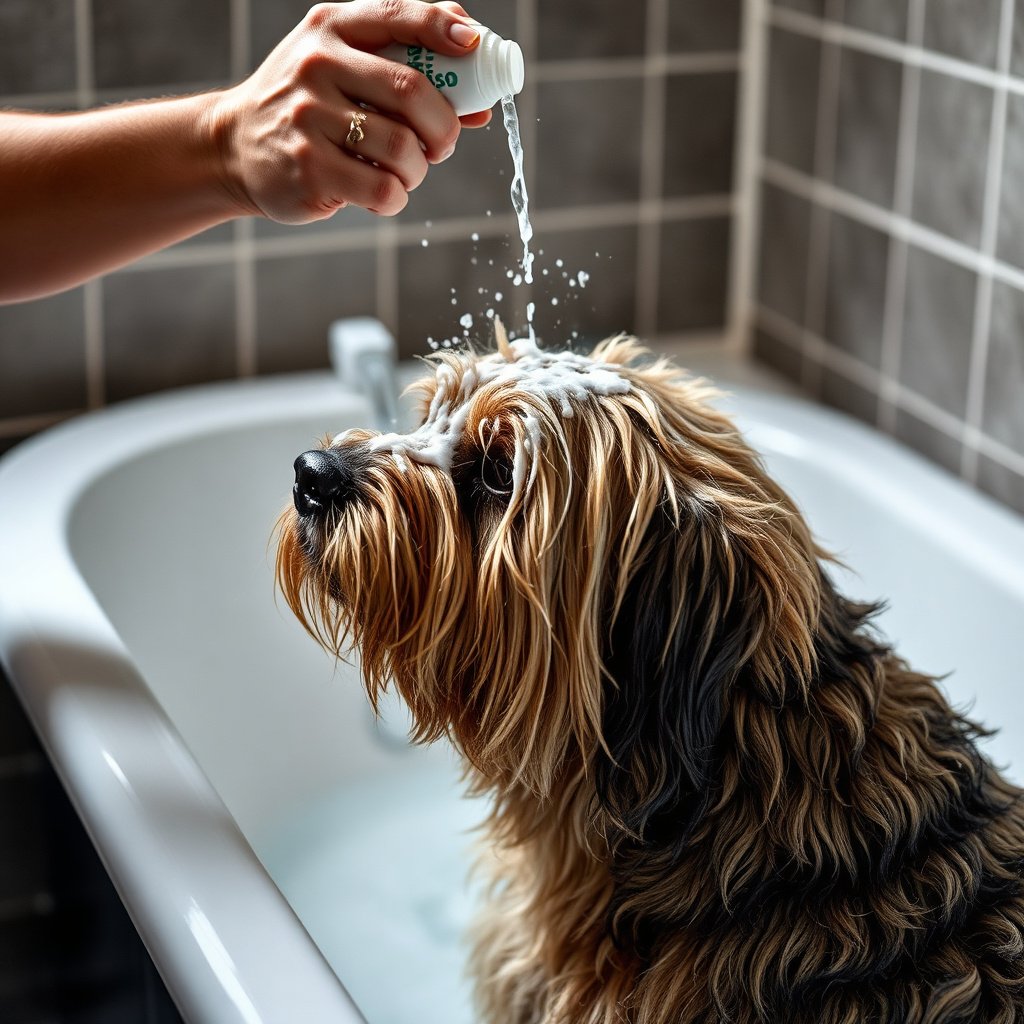
Pre-Washing Grooming Tips
Before bathing, brush your dog thoroughly to remove loose hair and detangle mats. This allows the shampoo to reach the skin and reduces discomfort during washing.
Use a detangling spray or conditioner if the coat is heavily matted to prepare fur for cleansing.
Proper Washing and Rinsing Technique
Apply shampoo generously, focusing on areas with more dirt or oil buildup. Work it gently into the thick fur to reach the skin beneath, then rinse thoroughly to remove all residue.
Incomplete rinsing can cause itching or residue buildup, so take your time rinsing until the water runs clear.
Top Dog Shampoo Brands Preferred for Thick Coats
Natural and Organic Options
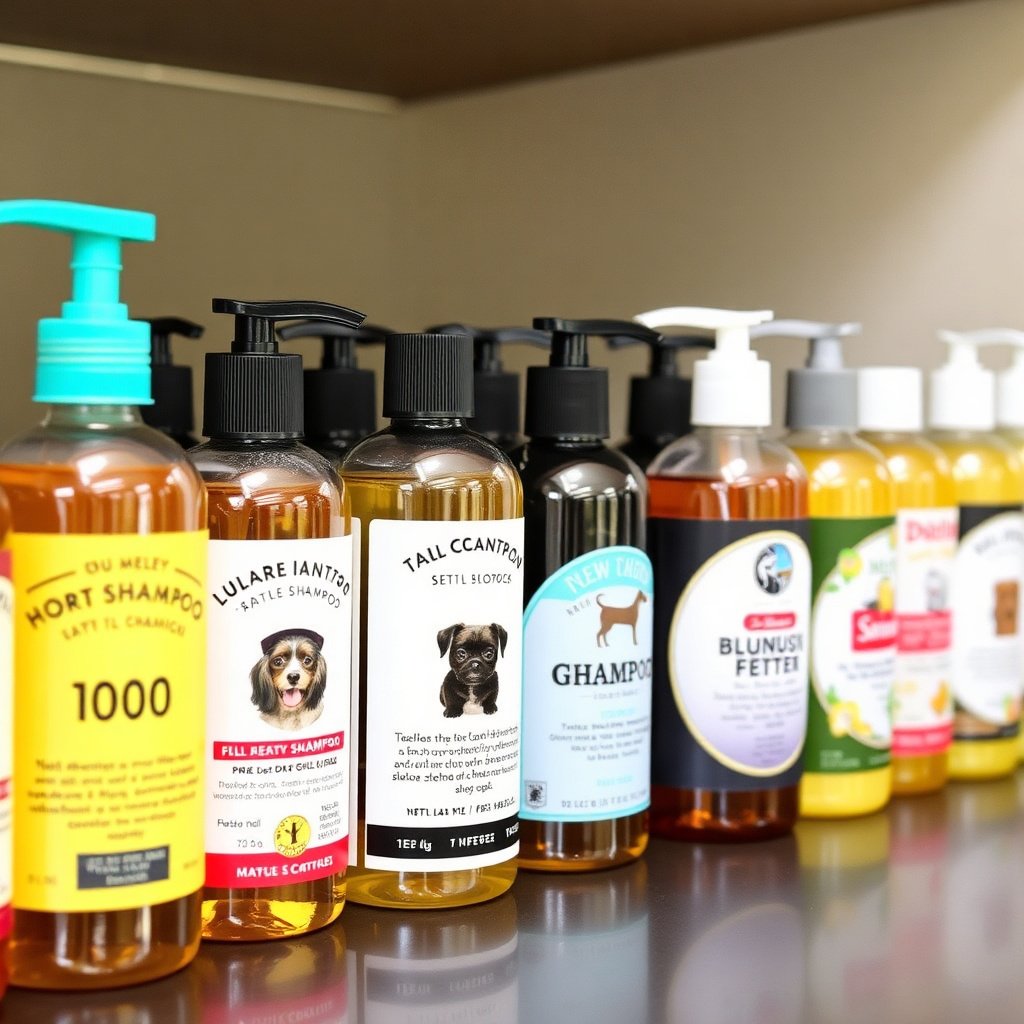
Brands focusing on natural ingredients, like Earthbath and Burt’s Bees, offer formulas rich in botanical extracts and free from harsh chemicals. These shampoos help maintain coat luster while minimizing skin irritation for dogs with thick fur.
They tend to include soothing agents such as aloe vera and oatmeal, making bath time gentler and more beneficial.
For more on this, see our related guide: How Do You Know If a Dog Has Mites? Clear Signs and Treatment Tips.
Veterinary Recommended Shampoos
Shampoos like Virbac and Douxo are often recommended by vets for thick-coated breeds needing specialized care. Their products address skin conditions with medicated or antifungal ingredients, beneficial for dogs prone to allergic reactions or skin infections.
These brands balance therapeutic efficacy and coat conditioning for healthier skin and fur.
Additional Care Tips for Maintaining Thick Dog Coats
Regular Brushing and Maintenance
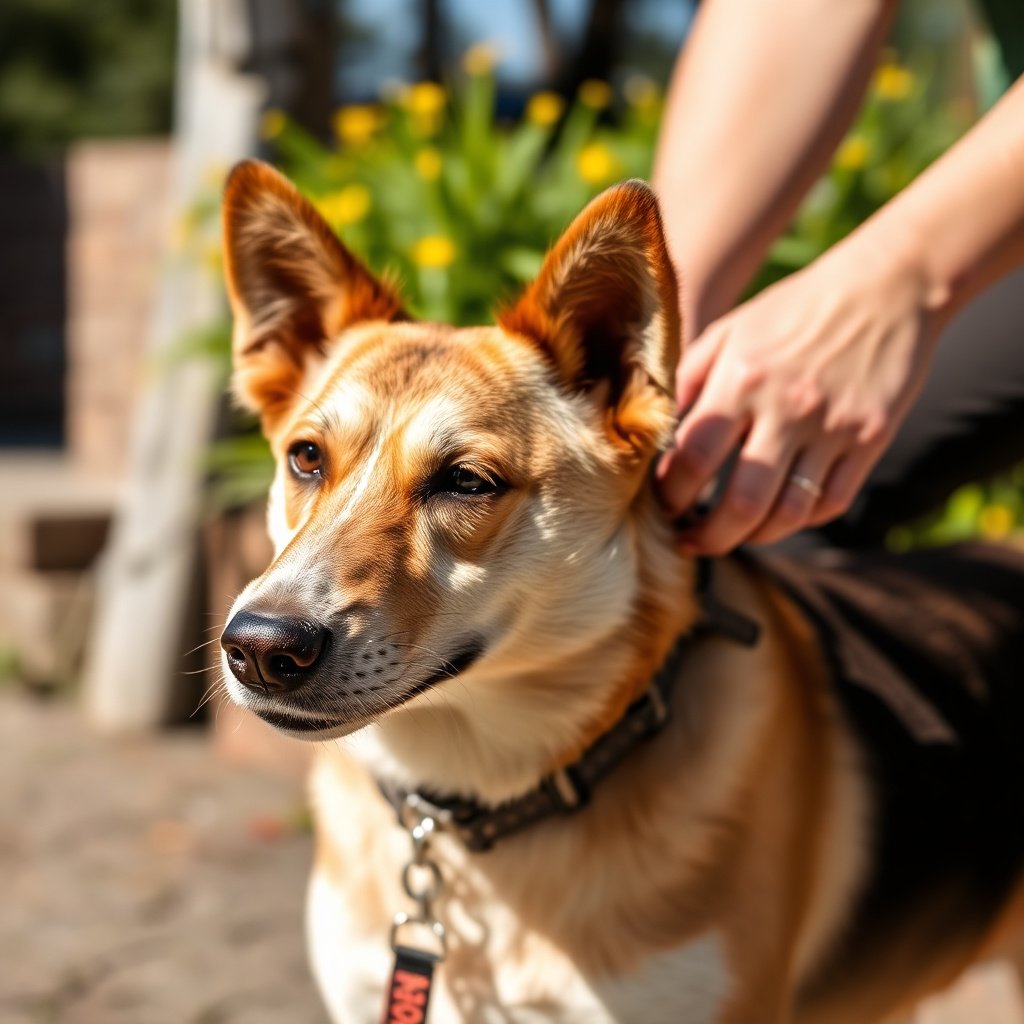
Daily brushing prevents mats and distributes natural oils throughout the coat, enhancing softness and sheen. Use slicker brushes or undercoat rakes designed for thick fur to remove loose hair efficiently.
Pay special attention to areas prone to tangling, like behind the ears and under the legs.
For more detailed insights into dog coat types and grooming practices, visit this comprehensive resource on dog coat and grooming care. dog coat and grooming care.
Climate and Seasonal Considerations
Thick coats shed seasonally, shedding heavy undercoats in warmer months. Use shampoos and grooming schedules adapted to these periods to manage hair loss and skin comfort.
During winter, moisturizing shampoos help prevent dryness caused by indoor heating and cold air.
Comparison of Dog Shampoo Types for Thick Coats
Here’s a side-by-side look at common dog shampoo categories suited for thick-coated breeds to help you weigh their benefits and drawbacks.
| Shampoo Type | Primary Benefit | Ideal For | Common Ingredients | Usage Frequency |
|---|---|---|---|---|
| Moisturizing Shampoo | Hydrates and softens coat | Dry or frizzy thick fur | Coconut oil, oatmeal, glycerin | Regular use (every 4-6 weeks) |
| Medicated Shampoo | Treats skin infections | Dogs with skin conditions | Chlorhexidine, ketoconazole | As prescribed by vet |
| Hypoallergenic Shampoo | Reduces irritation | Sensitive skin dogs | Aloe vera, calendula | As needed |
| Deodorizing Shampoo | Neutralizes odor | Smelly coats or outdoor dogs | Essential oils, baking soda | Periodic use |
| Detangling Shampoo | Eases mat removal | Matted or tangled fur | Conditioning agents | Regular as needed |
Frequently Asked Questions
Can I use human shampoo on my dog with a thick coat?
Human shampoos often have different pH levels and harsh detergents unsuitable for dogs. They can dry out your dog's skin and coat, especially thick fur. It's best to use a shampoo formulated specifically for dogs.
How often should I bathe my thick-coated dog?
Bathing frequency depends on activity and skin condition but generally every 4 to 6 weeks is sufficient. Overbathing can strip natural oils, making thick coats dry and brittle.
Does conditioner help after using dog shampoo for thick coats?
Yes, conditioners can help smoothen and detangle thick fur, making brushes glide through more easily. Look for formulas designed for dogs and avoid human conditioners.
Are natural shampoo ingredients better for thick-coated dogs?
Natural ingredients like oatmeal and aloe soothe skin and avoid harsh chemicals, which can be gentler for thick coats. However, effectiveness depends on the individual dog's skin needs.
Can shampoo prevent matting in thick coats?
While shampoo helps clean and condition the fur to reduce tangles, regular brushing is key to preventing matting. Using detangling shampoos can support grooming efforts but won’t replace brushing.
Key Takeaways
- Choose shampoos with moisturizing, gentle ingredients to protect thick fur.
- Regular grooming combined with proper shampoo reduces mats and tangles.
- Medicated shampoos address skin issues but use them under vet advice.
- Natural formulas offer gentle cleansing ideal for sensitive thick coats.
Conclusion
Selecting the best dog shampoo for thick coat revolves around understanding your pet’s skin type, coat texture, and grooming needs. A shampoo that combines gentle cleaning agents with conditioning ingredients will maintain the natural oils and softness necessary for dense coats. Avoid harsh detergents or overly perfumed products to keep the skin calm and prevent dryness that complicates grooming. Regular brushing complements the shampoo’s effects, ensuring your dog’s thick fur remains healthy and comfortable.
For dogs with dry or easily matted thick fur, moisturizing shampoos enriched with coconut oil and oatmeal provide hydration and reduce tangling. If skin problems like fungal infections or irritation occur beneath dense fur, medicated shampoos designed for those conditions can provide relief but should be used as directed by your vet. Hypoallergenic shampoos benefit dogs with sensitive skin, while deodorizing formulas can help manage odor issues typical in outdoor or active dogs. The choice depends on your dog’s coat condition and lifestyle.
Begin by trying a gentle, moisturizing shampoo suited for thick coats to see how your dog’s skin and fur respond. Combine this with routine grooming habits such as daily brushing and seasonal baths adjusted to shedding cycles. When in doubt, consulting a veterinarian or professional groomer can offer tailored advice optimizing your dog’s coat care. With the right shampoo and care routine, your thick-coated dog can enjoy a clean, soft, and well-maintained coat.