
How to Trim Cat Nails That Hate It: Gentle Tips for Stressed Cats
Trimming a cat’s nails that hate it requires a calm approach, patience, and the right technique. The key is to make the experience as stress-free as possible while protecting both you and your cat from scratches. Using gentle restraint, choosing the right tools, and creating a quiet environment can dramatically improve results.
Cats dislike nail trimming mainly because it feels unnatural and can be uncomfortable if done incorrectly. If your cat resists, forcing the session can worsen the fear and make future trimming harder. Instead, gradual desensitization and rewards help your cat accept nail care over time.
In this article, you’ll discover step-by-step methods to trim cat nails that hate the process, including preparing your cat, choosing appropriate tools, calming techniques, trimming tips, and alternatives if clipping remains a battle.
Understanding Why Cats Resist Nail Trimming
Cat Behavior During Nail Trimming
Many cats see nail trimming as a stressful event because it involves handling sensitive paws and restricting their movement. Their natural instinct is to protect themselves, which can cause biting or scratching.
Recognizing your cat’s body language—such as twitching tails, flattened ears, or growling—helps you know when to pause or try a gentler approach.
Physical Sensitivity of Cat Paws
Cat paws are loaded with nerve endings, making them sensitive to touch. If you cut the nails too short or accidentally trim the quick (the pink area containing blood vessels), it causes pain and bleeding.
Sensitivity explains why cats often pull back quickly during trimming attempts and why slow, careful handling is vital.
Preparing Your Cat for Nail Trimming
Creating a Calm Environment
Choose a quiet, familiar space free from distractions and loud noises. Soft lighting and a calming voice help your cat feel secure.
Avoid trimming immediately after energetic play or meals; instead, pick a time when your cat naturally feels sleepy or relaxed.
Getting Your Cat Comfortable with Handling
Spend several days before nails need trimming just touching and massaging your cat’s paws gently, rewarding them with treats after each session.
This gradual conditioning reduces stress and teaches your cat to associate paw handling with positive experiences.
Choosing the Best Cat Nail Trimmers
Types of Nail Trimmers
There are guillotine-style, scissors-style, and electric nail grinders tailored for cats. Guillotine trimmers have a hole where you insert the nail, scissors-style clip like tiny scissors, and grinders file the nail down.
Electric grinders can be less intimidating for some cats but take longer and need practice for safe use.
- Guillotine trimmers: clean cuts but require steady hands
- Scissors-style: good for thicker nails
- Electric grinders: smooth finish, less risk of cutting quick
For more on this, see our related guide: How to Remove Mats from Cat Fur: Effective Techniques and Tips.
Features to Look For
Choose ergonomic handles with non-slip grips for comfortable, controlled trimming. Sharp blades minimize crushing and foster cleaner cuts.
A safety guard to prevent cutting the quick too short is beneficial, especially for beginners.
- Ergonomic, cushioned grips
- Sharp, corrosion-resistant blades
- Safety guard included
Techniques for Trimming Cat Nails That Hate It
Step-by-Step Trimming Approach
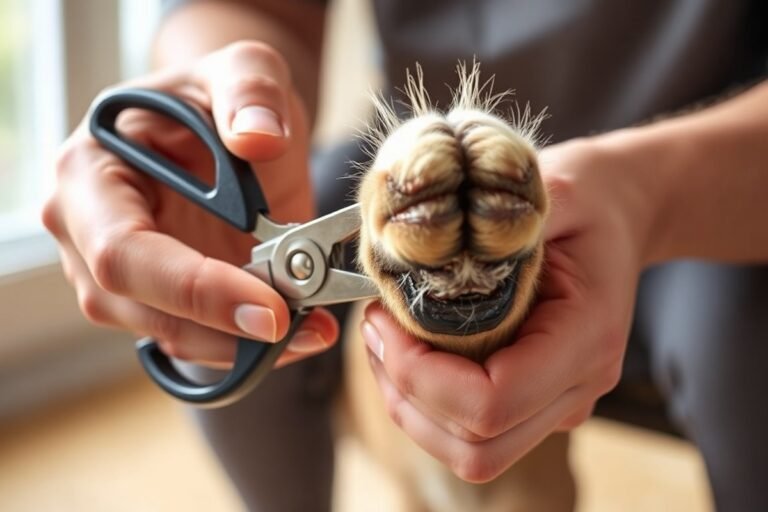
Hold your cat firmly but gently, supporting their paw. Press the pad lightly to extend the nail. Only clip the sharp, curved tip, avoiding the quick.
Work on a few nails at a time if needed, stopping frequently to calm your cat and reward them.
- Use treats between each nail
- Trim nails slowly and deliberately
- Stop if your cat becomes agitated
Managing Resistance During Trimming
If your cat struggles, break sessions into short intervals and wrap them gently in a towel to limit movement without stress.
Do not force nails to be trimmed in one session; consistent brief attempts work better than long sessions that cause anxiety.
- Towel wrapping for restraint
- Multiple short sessions
- Calm verbal reassurance
Alternatives to Nail Clipping
Using Nail Caps as a Solution
Soft nail caps fit over the cat’s nails, preventing damage to furniture and skin from scratching. They are painless and can be a good option for cats that strongly resist trimming.
Application requires a calm cat and adhesive but lasts for several weeks before replacement.
For more on this, see our related guide: How to File Dog Nails Safely and Effectively at Home.
Professional Groomer or Vet Assistance
If home trimming is too challenging, professional groomers or veterinarians can trim your cat’s nails safely.
Some vets offer sedation or mild restraint to avoid stress during trimming, suitable for highly anxious cats.
Post-Trimming Care and Monitoring
Treating Accidental Cuts
If you accidentally cut the quick causing bleeding, apply styptic powder or cornstarch to stop the bleeding quickly. Keep calm to avoid alarming your cat further.
Avoid trying to trim more nails until the paw is fully healed to prevent discomfort.
- Keep styptic powder handy
- Apply gentle pressure to stop bleeding
- Allow healing time before next trim
For detailed safety tips and behavior insights, refer to the ASPCA’s cat nail trimming safety guidelines. cat nail trimming safety guidelines.
Encouraging Positive Associations
After trimming, praise your cat and offer a favorite treat or playtime. This positive reinforcement helps reduce anxiety during future sessions.
Regular, gentle handling between trims also keeps your cat comfortable with paw touch.
- Treats and playtime
- Calm, gentle petting
- Routine paw checks
Comparison of Cat Nail Trimmer Types
Here’s a quick look at different cat nail trimmer types and their pros and cons to help you choose the best one.
| Type | Ease of Use | Effectiveness | Best For | Price Range |
|---|---|---|---|---|
| Guillotine | Moderate | High precision cutting | Experienced owners | $10-$20 |
| Scissors-style | Easy | Good for thick nails | Beginners | $8-$18 |
| Electric Grinder | Requires practice | Smooth finish, less quick risk | Calm cats and owners willing to invest time | $25-$50 |
| Nail Caps | Easy application | Does not trim but protects surfaces | Cats resistant to trimming | $20-$30 per set |
Frequently Asked Questions
How often should I trim my cat’s nails?
Trim your cat’s nails every 2 to 4 weeks depending on how quickly they grow and your cat’s activity level. Indoor cats may need trims more often than outdoor cats.
What if my cat bites or scratches during nail trimming?
Use gentle restraint like towel wrapping and take breaks to calm your cat. Avoid forceful trimming and reward calm behavior to gradually get your cat used to it.
Can I use human nail clippers on my cat?
Human nail clippers are not recommended as they can crush or split your cat’s nails. Use clippers designed for pets that have sharp, strong blades.
Is it safe to trim the quick of the nail?
No, cutting the quick causes pain and bleeding. Learn to identify the quick, which is the pink area inside the nail, and only trim the clear nail tip.
How can I calm a cat that hates nail trimming?
Gradually introduce paw handling with treats, create a calm environment, and use gentle, slow movements. Short trimming sessions and rewards improve your cat’s comfort.
Key Takeaways
- Use gentle, patient techniques to trim cats that dislike nail trimming
- Choose appropriate nail trimmers or alternatives like nail caps
- Create a calm environment and reward your cat throughout the process
- Avoid cutting the quick to prevent pain and bleeding
Conclusion
Trimming nail of a cat that hates it can be challenging, but patience and consistency make a huge difference. Recognizing your cat’s natural sensitivities and behaviors around paw handling lets you work with their comfort level. By slowly conditioning your cat to tolerate paw touching and trimming in short sessions, the process becomes less stressful, safer, and more manageable for both of you.
Some cats may respond better to specific nail trimming options. For example, those that struggle with traditional clippers might do well with electric grinders or alternative solutions like nail caps that protect their claws without the discomfort. Professional groomers and veterinarians also offer services for difficult cats to keep nails in check when home trimming isn’t possible. Choosing the right tool and approach depends on your cat’s temperament and your comfort leveling with the process.
Starting a gentle paw handling routine early, investing in quality cat nail trimmers, and gradually acclimating your cat are the best ways forward. Avoid rushing and always prioritize your cat’s comfort to build trust. Eventually, trimming nails that once triggered resistance can become a routine part of your cat care, promoting healthy paws and less damage from scratching.

One Comment