Why Does My Dog Smell Musty? 8 Key Causes and Simple Fixes
Your dog smells musty because of factors like ear infections, anal gland problems, skin conditions, or poor grooming habits. These issues cause bacteria and yeast buildup, leading to unpleasant odors. Addressing these causes can improve your dog’s smell and comfort. This article helps dog owners identify the main reasons behind musty dog odor and offers simple, vet-approved fixes to reduce or eliminate the smell.
This information is for dog owners dealing with persistent musty smells despite regular baths. You’ll learn what triggers these odors, how to prevent them through grooming and diet, and when a veterinary visit is necessary to protect your dog’s health.
Key Takeaways
- Musty odor often comes from ear infections or wax buildup in your dog’s ears.
- Anal gland issues can produce strong, foul smells requiring veterinary care.
- Skin infections and allergies can cause bacteria overgrowth, resulting in a musty scent.
- Bathing too frequently may worsen odor by disrupting your dog’s natural skin oils.
- Regular grooming every 3 to 4 weeks helps control odor and maintain healthy skin.
- A balanced diet low in allergenic proteins supports skin health and reduces smells.
1. What Causes a Musty Smell in Dogs?
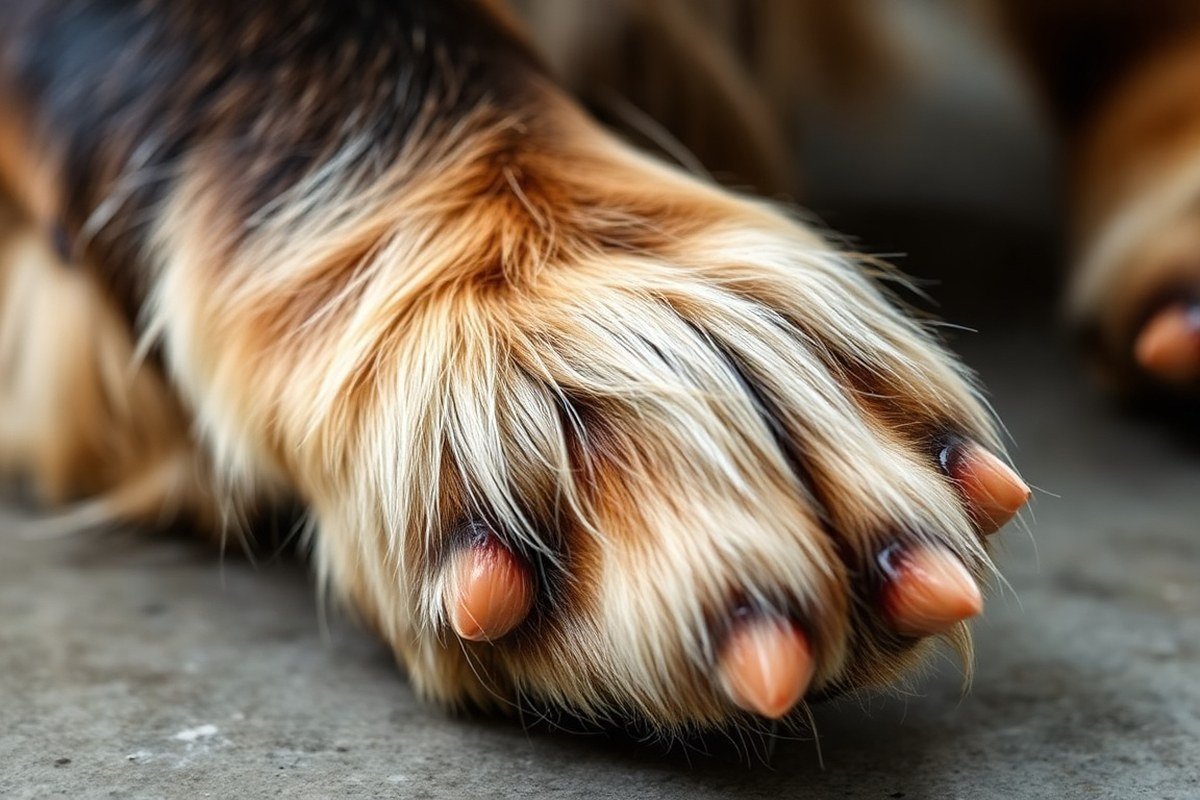
Musty smells in dogs mainly come from microbes like bacteria and yeast feeding on oils, dead skin cells, and moisture trapped on the skin and fur. These microbes break down the natural oils called sebum and release volatile compounds, which create that damp, old-towel scent you notice. Moisture plays a big role in this process because it creates the warm, humid environment microbes need to thrive, especially in thick-coated or double-coated breeds. Your dog’s fur can develop a stronger odor when it stays wet or damp for hours without enough airflow or drying, allowing microbes to multiply.
Dirt and oils also contribute to musty smells. Dirt that builds up on your dog’s coat without regular washing combines with skin oils and moisture, creating a food source for microbes. These trapped oils break down over time, worsening the smell. Dogs with heavy fur, like Golden Retrievers or Newfoundlands, are more prone to this because their dense coats hold onto moisture and dirt longer. Proper grooming is key to removing this buildup. Regular brushing and bathing every 4 to 6 weeks help wash away dirt, excess sebum, and dead skin cells. Bathing too frequently, however, can harm the skin’s natural defenses, so balance is important.
Environmental factors also affect the smell. High heat and humidity speed up bacterial growth and increase skin oil production, making the musty odor worse during summer months or in moist climates. Dogs with skin allergies often produce extra oils and sweat, encouraging yeast overgrowth that adds to the smell. Yeast thrives in skin folds, ears, and paws, where moisture collects. When these areas stay damp, yeast can multiply quickly and release a characteristic musty, sometimes corn-chip-like scent.
Drying your dog thoroughly after baths or outdoor activities directly impacts odor control. Use a towel to remove excess water, paying extra attention to thick fur and under the legs, and consider a blow dryer on a low, cool setting if your dog tolerates it. This reduces moisture that microbes need for growth. Failing to dry your dog properly leaves water trapped next to the skin, which produces that wet-dog smell that can turn into musty odor within hours.
The musty smell signals microbial activity driven by moisture, trapped oils, and dirt on your dog’s skin and fur. Regular grooming, proper drying, and managing environmental factors help minimize this odor. A smell that stays strong even after cleaning may indicate a deeper health issue that disrupts skin balance and encourages microbial growth.
2. How Ear Conditions Lead to Musty Dog Odor

Musty odors in dogs can originate from ear infections, which often occur when moisture and warmth allow bacteria or yeast to grow unchecked. Yeast infections produce a characteristic musty, waxy smell, while bacterial infections tend to smell more pungent or fishy. Detecting these infections early relies on recognizing specific signs and routinely cleaning your dog’s ears to prevent worsening odors.
Types of Ear Infections
Two main types of ear infections cause musty smells in dogs: yeast and bacterial infections. Yeast infections often generate a musty, slightly sweet scent, commonly compared to corn chips, damp bread, or old socks. Bacterial infections, on the other hand, are marked by a stronger, unpleasant fishy or rotten odor. Dogs with floppy ears or those that swim frequently are at higher risk since their ears tend to trap moisture, creating an ideal environment for these infections to flourish.
Both bacterial and yeast infections disrupt the ear’s normal balance of microorganisms, leading to inflammation and excessive wax buildup. This trapped wax and moisture encourage the growth of odor-causing microbes. Because yeast and bacteria produce different smells, detecting the specific odor helps indicate which infection might be present, guiding the appropriate care steps.
Signs Your Dog’s Ears Need Care
Early detection of ear infections can prevent a worsening musty smell and discomfort for your dog. A light, yeasty smell often means your dog’s ears require cleaning but does not necessarily indicate an infection yet. A strong, foul odor signals bacterial or severe yeast infection, which needs urgent attention. Other signs to watch for include frequent head shaking, scratching at the ears, redness or swelling of the ear canal, and visible wax buildup or discharge.
Your dog might also show behavioral changes such as irritability or sensitivity when you touch their ears. Regularly checking your dog’s ears, especially after swimming or bathing, can catch infections before they cause strong odors. Paying attention to the smell after a bath is important, as a bad smell soon after washing often points to an active infection rather than just dirt or sweat.
Proper Ear Cleaning Techniques
Routine ear cleaning helps prevent infections and the musty odors that come with them. The frequency depends on your dog’s breed, lifestyle, and ear shape but generally ranges from once a week to once a month. Dogs prone to ear infections or who swim regularly might need weekly cleanings. Use a veterinarian-recommended ear cleaner, not water or alcohol, which can irritate the skin inside the ear. Follow these steps for safe and effective ear cleaning:
- Gather materials: an approved ear cleaning solution, cotton balls or gauze, and towels.
- Hold your dog calmly and gently lift the ear flap to expose the canal.
- Apply a few drops of ear cleaner deep into the ear canal without inserting the tip of the bottle too far.
- Massage the base of the ear for 20 to 30 seconds to loosen debris and wax.
- Allow your dog to shake its head to expel loosened material.
- Wipe away any visible debris from the ear flap and canal entrance with a cotton ball or gauze.
- Repeat on the other ear if necessary.
Never insert cotton swabs deep into your dog’s ear canal, as this can damage the ear drum or push debris further inside.
Expect cleaning sessions to take about 5 to 10 minutes per ear, depending on the level of wax buildup. If your dog shows signs of pain or the odor persists or worsens despite regular cleaning, consult your vet for examination and possible medication.
3. Why Anal Gland Issues Produce Strong Odors
Anal glands are small sacs located on each side of your dog’s rectum. They naturally produce a secretion with a strong scent dogs use to mark territory. This secretion normally smells fishy and can be normal in small amounts. Problems arise when these glands become impacted, infected, or do not empty properly. This results in a very sharp, persistent fishy odor that does not improve with bathing.
The odor from anal gland issues differs from a general musty smell because it is often described as sharply fishy or even like rotting fish. This smell tends to linger and is quite pungent. You may notice your dog scooting on the ground or frequently licking or biting at the rear end. These behaviors, combined with the odor, often indicate discomfort or inflammation from anal gland problems.
| Smell | Possible Cause |
|---|---|
| Fishy | Anal gland problems |
| Sweet or fruity | Diabetes or ketoacidosis |
| Urine-like | Kidney issues |
Regular vet checks provide an opportunity to have your dog’s anal glands examined and expressed if needed. Dogs prone to anal gland issues, such as small breeds or overweight dogs, benefit from routine monitoring. If your dog has a lasting fishy smell after grooming or shows signs like scooting, excessive licking of the anal area, or signs of pain, schedule a vet visit promptly.
At the vet, a professional will manually examine and express your dog’s anal glands if they are full or impacted. This procedure is generally quick and helps relieve discomfort and reduce odor. The cost varies by location and clinic but generally ranges from $20 to $75 when performed as part of a routine checkup. Cases of infection require additional treatment, which may include antibiotics or anti-inflammatory medications.
Watch for musty or fishy odors that persist despite bathing, along with signs like redness, swelling, or bleeding around the anus. These indicate possible infection or severe impaction requiring veterinary care. Ignoring these symptoms can lead to abscess formation, increased pain, and potentially surgery. Prompt vet care ensures your dog stays comfortable and the odor is controlled effectively.
4. How Skin Infections and Allergies Cause Musty Odors
Skin infections like bacterial and yeast infections often cause a musty odor that stands out from the typical wet dog smell. These infections result from bacteria and yeast multiplying on the skin surface, especially where there’s broken skin or inflammation. The smell tends to be sharper and fouler due to this growth, sometimes described as sour or musty. Common spots for these infections include the paws and nail folds, which can become warm, moist areas where microbes thrive.
Environmental and food allergies contribute to this problem by triggering inflammation on the skin. Allergic reactions cause the glands in the skin to release excessive oils, which leads to a greasy coat and releases a distinct musty odor. You may notice redness, flaking, or irritation alongside the smell. Excessive scratching and rubbing also damage the skin, allowing bacterial and yeast infections to take hold more easily. This combination of allergy and infection makes the odor stronger and more persistent.
Signs that suggest your dog has a skin infection include not just the musty smell but also visible skin changes like redness, swelling, scabs, or flaking. If the dog is constantly scratching, biting, or licking certain areas, that often indicates discomfort and possible infection. The smell might worsen over time if untreated, and the infection can spread, causing more damage and a stronger odor. Detecting these symptoms early and consulting a veterinarian is important to avoid complications.
Treatment usually involves addressing both the infection and the underlying allergy. Your vet may prescribe antifungal or antibacterial shampoos and medications to reduce the microbial load on the skin. Allergy management might include dietary changes, hypoallergenic foods costing around $30 to $60 per bag depending on brand and formula. Routine medicated baths, done once or twice a week for 3 to 4 weeks, help control infection and restore skin health. Avoid using perfumed sprays or essential oils before vet visits, since those can mask the natural odor and irritate sensitive skin.
Because multiple factors often cause skin issues simultaneously, your dog’s musty smell can come from a mixed infection combined with allergy problems. Poor diet or certain ingredients can worsen allergies and set the stage for yeast infections, further complicating the odor. Dogs with ongoing musty odors require careful attention to skin care and nutritional balance, along with regular vet check-ups to catch infections early and adjust treatment. Failure to manage these conditions properly can lead to chronic discomfort and persistent foul odors.
5. Why My Dog Still Smells Musty After a Bath
Bathing alone often doesn’t remove a musty smell because the source may lie beneath the surface or in hard-to-reach areas. A bath can rinse away surface dirt but won’t fully address trapped oils, yeast, or bacteria that develop odors. Also, improper drying leaves moisture on or under the coat, which feeds odor-causing microbes and makes the smell worse.
Dogs with thick, dense fur or skin folds are especially prone to retaining dampness after a bath. When water remains trapped, it creates an environment where yeast and bacteria thrive, resulting in a musty smell that can seem stronger immediately after washing. Using a towel alone isn’t enough; you need to dry your dog thoroughly with a blow dryer set on low or cool heat, taking 10 to 20 minutes depending on coat length.
The type of shampoo and grooming products you use also matter. Some human shampoos or harsh detergents strip natural oils, causing the skin to overproduce oils and worsen odors later. On the other hand, products designed specifically for dogs with antibacterial or antifungal properties can help reduce the odor, but they must fit the condition causing the smell. Overuse of medicated shampoos may irritate skin and worsen the smell if a bacterial infection goes untreated.
- Use a dog-specific shampoo with mild, balanced ingredients.
- Massage shampoo well into coat and skin, targeting odor hotspots like paws, ears, and skin folds.
- Rinse thoroughly to remove all shampoo residue.
- Dry your dog’s coat completely with a towel and a blow dryer on a low setting.
- Brush coat after drying to remove loose fur and debris that trap odor.
- Avoid bathing more than once a week to prevent skin irritation and oil imbalance.
- Between baths, use pet-safe wipe-downs or grooming sprays to reduce buildup.
Trapped moisture is one of the main causes of persistent dog odor after bathing, so always prioritize thorough drying.
Persistent musty smells after a bath often mean the problem isn’t fully cleaned or dried away. Taking note of where the smell is strongest and how fast it returns can help you identify if skin infections or other health issues are involved. Frequent wipe-downs and regular brushing help maintain a fresher coat and reduce buildup between baths. If your dog still smells musty after you follow these steps, professional evaluation is necessary to rule out underlying conditions.
6. Practical Grooming Habits to Prevent Musty Dog Smell
Grooming your dog regularly is the best way to prevent that musty odor. Establish a routine that combines frequent brushing, scheduled baths with dog-safe shampoo, and thorough drying afterward. This keeps the coat clean, controls microbial growth, and stops odor from developing.
Brushing and Coat Care
Brushing your dog’s coat three to five times a week helps spread natural oils, which balance the skin and keep the fur healthy and less prone to smell. It also removes dirt, loose hair, and dander that trap odors. Use a brush suitable for your dog’s coat type, whether it’s short, long, or double-coated.
Regularly wiping your dog with grooming wipes, especially on the paws and rear area, adds an extra layer of cleanliness between brushings and can reduce odor buildup. Pay special attention to skin folds, wrinkles, and other areas where moisture tends to collect. Keep those areas dry and clean to avoid a sour or cheesy smell.
Bathing Frequency and Technique
Bathe your dog often enough to keep the skin and coat smelling fresh but not so much that it strips natural oils and causes irritation. For most dogs, a bath every three to six weeks works well, but dogs with strong musty odors from microbial sources might need more frequent attention. Use shampoos formulated for dogs since human products can upset their skin balance. Follow these steps for a proper bath:
- Brush the coat before bathing to untangle mats and remove debris
- Use lukewarm water between 85°F and 95°F for comfort and thorough cleaning
- Apply a mild dog shampoo, working it into a light lather across the entire body
- Rinse thoroughly to remove all shampoo residue, which can cause skin irritation and odor
- Pat the coat dry with a towel to remove excess water before drying completely
Always keep your dog’s ears dry and avoid getting water deep into the ear canals during baths to prevent infection and a yeasty smell.
Drying and Special Care Areas
After bathing or swimming, thoroughly dry your dog as damp fur encourages bacteria and fungi growth, leading to musty odors or infections. Use a high-absorbency towel to blot most moisture, then a blow dryer on a low or cool setting if your dog tolerates it. Focus on thick, dense, or double coats that hold water close to the skin for hours.
Special care should go to drying the ears and skin folds carefully yet gently. Check these areas for trapped moisture and wipe them with a clean, dry cloth. Maintaining dryness here reduces the risk of smell-causing infections and irritation. Consider wiping your dog down with grooming wipes after walks in wet weather and keeping their bedding fresh and clean, which all support odor control between grooming sessions.
7. Diet, Environment, and Lifestyle Impact on Dog Odor
Diet plays a significant role in your dog’s overall odor. A poor-quality diet filled with fillers, artificial additives, or low-grade proteins can disrupt digestion. This may lead to foul-smelling gas, bad stool odor, and a coat that emits an unpleasant scent. Feeding your dog a balanced, high-quality diet with adequate hydration and essential nutrients helps support skin health and reduces body odor. If you suspect a food allergy, consider an elimination diet supervised by your veterinarian to identify problematic ingredients and improve your dog’s smell and health.
Environment and lifestyle also affect your dog’s scent. Moisture on the coat enables yeast and bacteria naturally living on your dog’s skin to release volatile organic compounds (VOCs), which can produce the familiar “wet dog” smell. This usually happens when your dog is wet or lives in humid conditions. Regularly drying your dog’s coat after baths or outdoor activities can reduce microbial buildup and associated odors. Also, dogs in damp or poorly ventilated living spaces may experience more musty smells due to constant moisture exposure. Maintaining dry bedding and ensuring good air circulation where your dog rests can help.
Supplements designed to improve skin and coat health might also reduce unpleasant odors. Market research in 2026 shows various dog formulas that support skin barrier function, fatty acid balance, collagen support, and coat quality. These supplements often contain omega fatty acids, vitamins, and minerals that improve skin health and reduce shedding, contributing to a fresher smell. Costs vary but expect to spend between $15 and $40 monthly depending on the product and your dog’s size. Results typically appear after several weeks of consistent use and can be judged by improved coat shine and less noticeable odor.
Tracking your dog’s odor type, intensity from 0 to 5, location, itchiness, licking, moisture level, and any discharge can help determine the influence of diet, environment, or lifestyle. Alternative diets, like raw or homemade plans, may impact coat quality due to varying nutrient profiles. Adjusting these diets thoughtfully can avoid worsening odors over time. Remember, environmental factors like frequent moisture exposure and poor drying habits contribute heavily to musty smells, so combining quality nutrition with proper post-activity care offers the best chance to manage your dog’s scent effectively.
8. When to See a Vet About Your Dog’s Musty Smell
Your dog should see a vet if its musty odor is unusually strong, persistent, or shows up with other symptoms. Certain odors and health changes could indicate problems that need professional treatment. Acting early helps protect your dog’s health and comfort.
Signs Your Dog Needs Professional Care
Watch for signs beyond just odor. Red or bleeding gums, swollen or tender areas, persistent scratching, or visible skin irritation are clear signals that your dog needs veterinary care. A rapid onset of a strong localized smell, such as around the ears or mouth, often points to infections or dental issues that won’t get better without medical treatment.
Older dogs that develop a sudden bad smell which doesn’t get better after cleaning need a vet’s attention. Older dogs are more prone to underlying health conditions, including kidney disease or diabetes, which can cause distinctive odors along with other symptoms like lethargy or changes in appetite.
Odor Patterns That Indicate Illness
Different odors can hint at specific health issues. Bad breath with a sweet fruity scent may signal diabetic ketoacidosis, a serious condition requiring immediate care. A smell resembling urine can suggest kidney problems, while a foul or dead-animal-like odour may point to advanced dental disease or infection.
Yeast infections usually produce a musty or bread-like odor, commonly around the skin folds or ears. A bacterial infection might cause a stronger, sour smell. These infections do not respond well to shampoos alone and need veterinary diagnosis and prescribed medications to clear up. Prompt treatment not only stops the odor but prevents further complications.
Preparing for a Vet Visit
Before the appointment, try to pinpoint where the smell is strongest and note any other symptoms such as redness, discharge, or behavioral changes. This information can help the vet make an accurate diagnosis quickly. Avoid using scented shampoos or sprays that might mask the odor and confuse the vet during examination. Explain your concerns clearly, using phrases like, “I noticed a strong musty odor coming from my dog’s ears that hasn’t improved with baths,” or, “My dog’s breath smells sweet and unusual, and I see some gum redness.” This precise information guides the vet toward the right tests and treatments.
Vet visits for these issues typically range from $50 to $150 for an initial exam, with additional costs for lab tests or medications. Early intervention often reduces the total cost and prevents more complex, expensive treatments later.
Never delay a vet visit if the musty odor is combined with other symptoms like lethargy, vomiting, or visible pain, as these could signal serious health problems.
Step-by-Step Action Plan to Reduce Your Dog’s Musty Smell
Follow these steps carefully to identify and tackle the source of your dog’s musty odor effectively. Track your dog’s scent as you progress to see clear improvements.
- Day 1: Check your dog’s ears and anal glands for signs of infection or impaction. Clean ears gently if dirty and monitor for odor reduction.
- Week 1: Schedule a vet visit if you notice swelling, redness, persistent odor, or your dog is scratching excessively. Treatment may include medication or gland expression.
- Week 2: Begin a consistent grooming routine with regular baths using dog-specific shampoo designed for sensitive skin. Look for a fresher scent within a few days.
- Week 3: Assess your dog’s diet and environment for allergens or irritants. Introduce gradual changes like hypoallergenic food or more frequent bedding cleaning to reduce skin issues.
- Month 1: Maintain grooming habits and monitor the dog’s coat and skin condition. A healthier coat usually means less odor.
- After 6 weeks: Reevaluate odor if it persists despite home care. Persistent musty smell often signals a deeper issue needing professional intervention.
Frequently Asked Questions
How to Get Musty Smell Out of Dog?
Use a vet-approved shampoo and thoroughly dry your dog to prevent moisture buildup. Regular grooming and cleaning ears help eliminate odor sources.
Why Does My Dog Smell so Musky?
Musky smell comes from natural oils, sweat, and sometimes mild skin infections. This odor can intensify if your dog has allergies or is not properly groomed.
Why Does My Dog Smell Really Stinky and Seems Lethargic?
A strong stinky smell combined with lethargy might indicate an infection or health issue. See a vet promptly to rule out serious conditions.
What Do Groomers Use to Make My Dog Smell so Good?
Groomers use specialized shampoos and conditioners that remove odors and leave a fresh scent. They also dry dogs fully to prevent musty smells.
Can My Dog’s Diet Affect Their Body Odor?
Yes, diet changes can influence your dog’s skin health and odor. Foods high in fatty acids may improve coat condition and reduce musty smells.
Could Environmental Factors Cause My Dog to Smell Musty?
Yes, humid or damp environments promote microbial growth on your dog’s skin, leading to a musty odor. Keeping them dry helps control this.
The Bottom Line
A musty smell in your dog often points to underlying skin, ear, or gland issues that need attention beyond routine bathing. Early action through grooming and vet consultation can prevent discomfort and ongoing odor. Start by closely inspecting your dog and seeking veterinary advice to ensure proper care and relief for your pet.