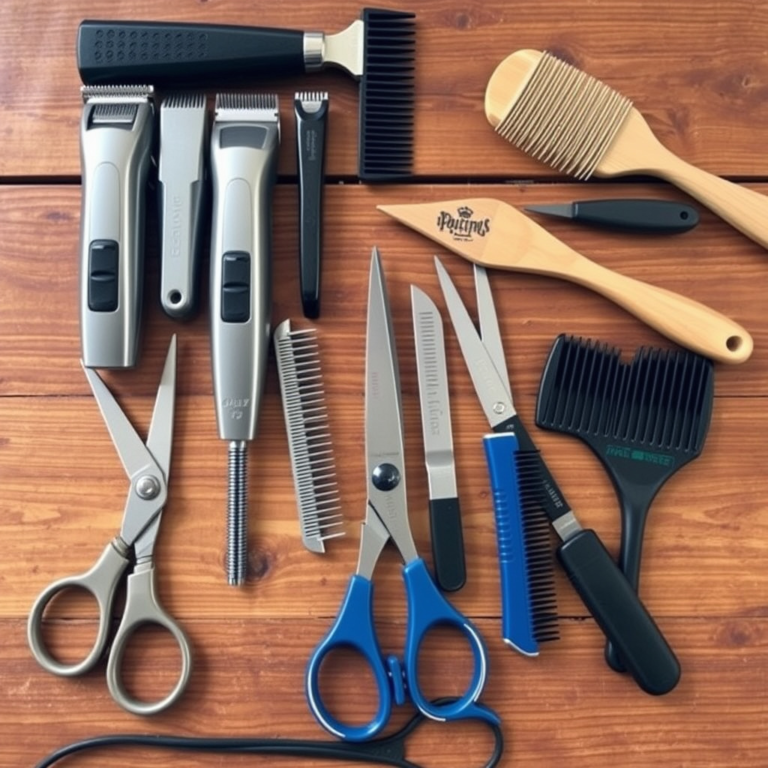
Why Does My Dog Have Plaque? Understanding Canine Dental Health
Your dog has plaque because bacteria naturally accumulate on their teeth, mixing with saliva and food particles to form a sticky film. Without regular cleaning, this plaque hardens into tartar, leading to dental problems. Recognizing this buildup early can prevent pain and serious health issues for your pet.
Plaque formation in dogs is common, especially if their teeth are not cleaned regularly. This matter affects their eating comfort, breath, and can even lead to infections spreading beyond the mouth. Since dogs can't tell us when they feel discomfort, spotting signs of plaque is essential for timely care.
This article explores why plaque forms on your dog’s teeth, what factors contribute to it, and the best ways to manage and prevent plaque buildup, including home care and professional treatments, so your furry friend enjoys a healthy smile.
Understanding Plaque Formation in Dogs
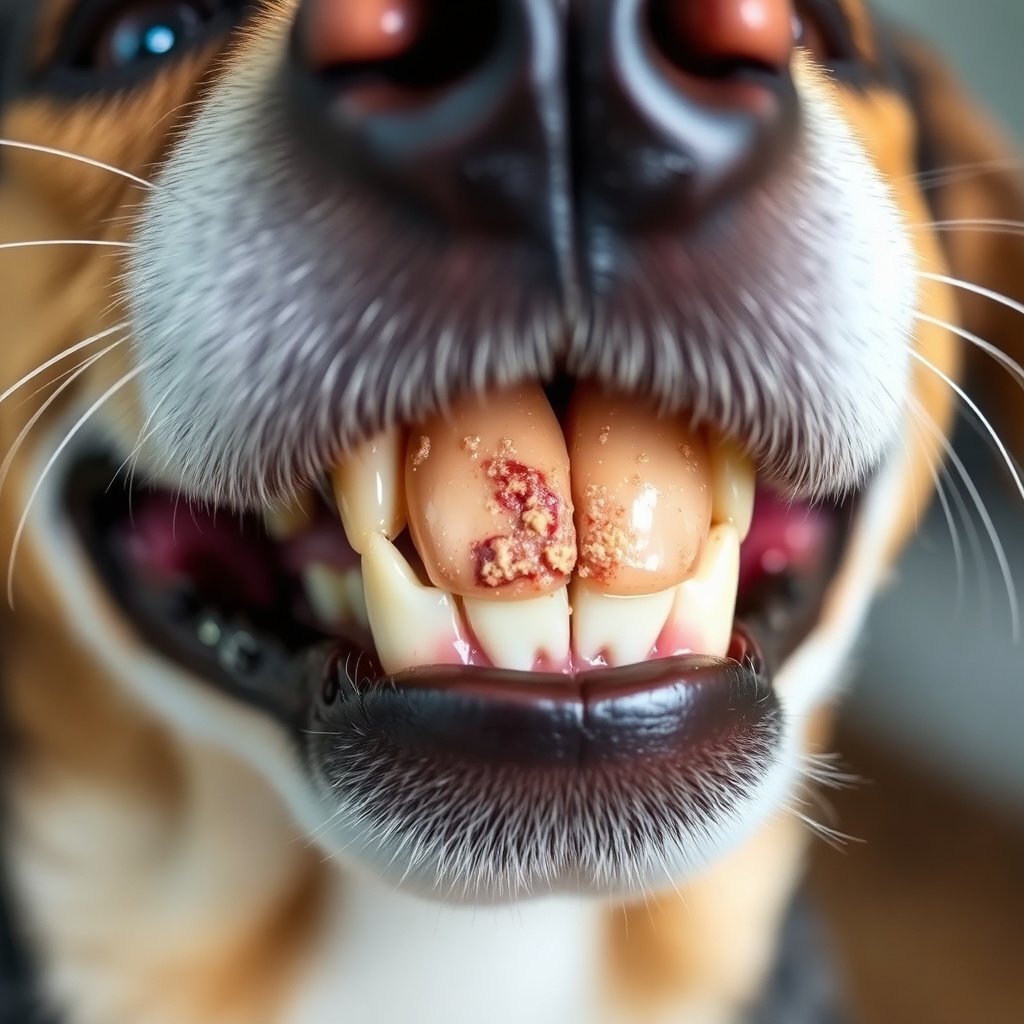
What is Plaque and How Does it Form?
Plaque is a soft, sticky film composed of bacteria, saliva, and leftover food that clings to a dog's teeth. It starts forming within hours after eating. If not removed, it mineralizes and hardens into tartar, which is much harder to remove without professional cleaning.
These bacteria produce acids that can damage tooth enamel and gum tissue, creating the ideal environment for the development of gingivitis and periodontal disease. This bacterial activity directly impacts your dog's dental health and overall wellbeing.
Factors Influencing Plaque Buildup
Certain factors increase the risk of plaque buildup in dogs including breed, age, diet, and oral hygiene habits. Smaller breeds, for example, often have crowded teeth that trap more food debris, accelerating plaque accumulation.
Diet also matters; wet food tends to stick more to teeth compared to dry kibble, and dogs lacking routine dental care are more susceptible. Understanding these factors helps tailor preventive efforts appropriately.
- Breed predispositions (small breeds)
- Age-related oral changes
- Type of food consumed
- Lack of tooth brushing or cleaning
Signs and Consequences of Plaque in Dogs
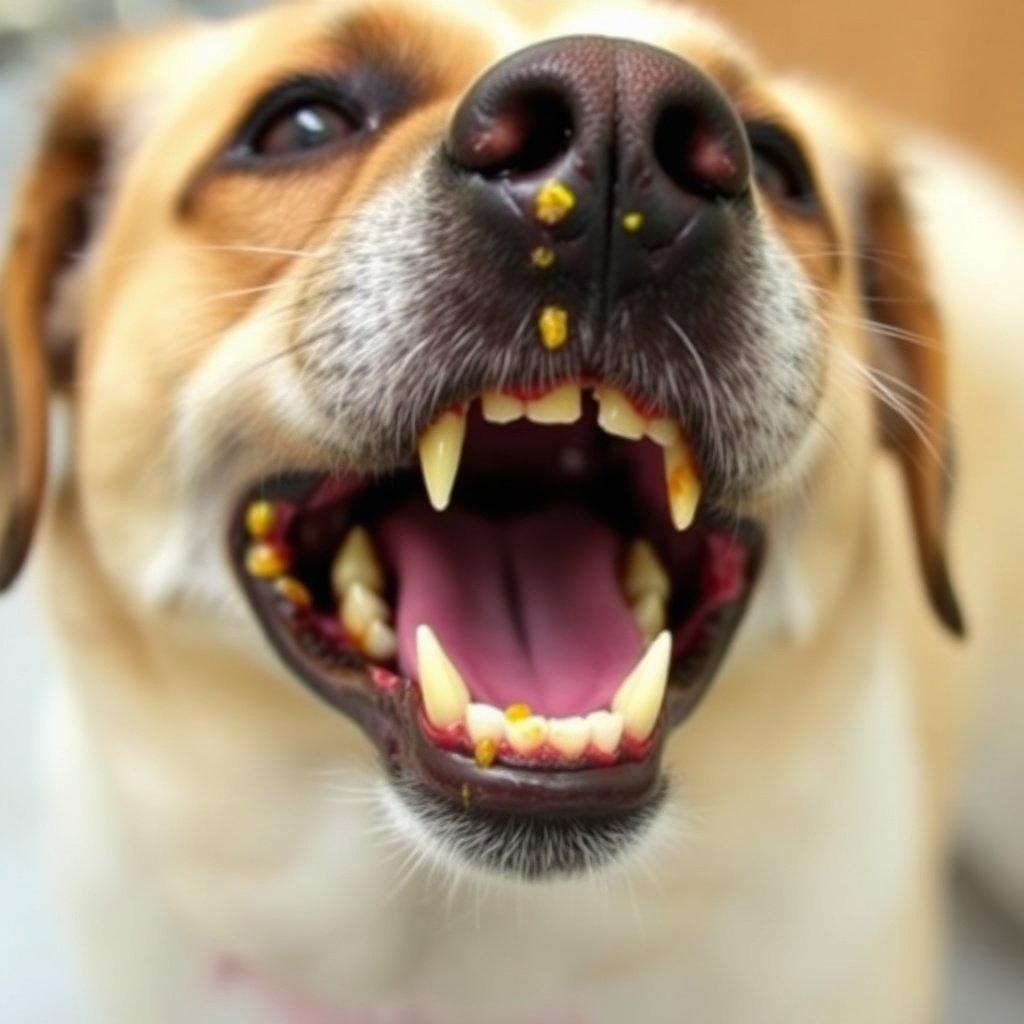
Recognizing Plaque and Tartar Buildup
Yellow or brown staining on teeth is often the first visible sign of plaque turning into tartar. Bad breath, difficulty eating, or excessive drooling can also indicate dental issues caused by plaque buildup.
Routine visual inspection and regular veterinary check-ups can detect these signs early. Left unchecked, the plaque progresses into deeper oral health problems requiring intervention.
Health Impact Beyond the Mouth
Untreated plaque and tartar cause periodontal disease, leading to gum inflammation, infection, and tooth loss. Bacteria from oral infections can enter the bloodstream, potentially affecting organs like the heart and kidneys.
This connection between oral and systemic health highlights why managing plaque isn’t just about fresh breath but supporting your dog's whole-body health.
Effective Home Care to Control Dog Plaque
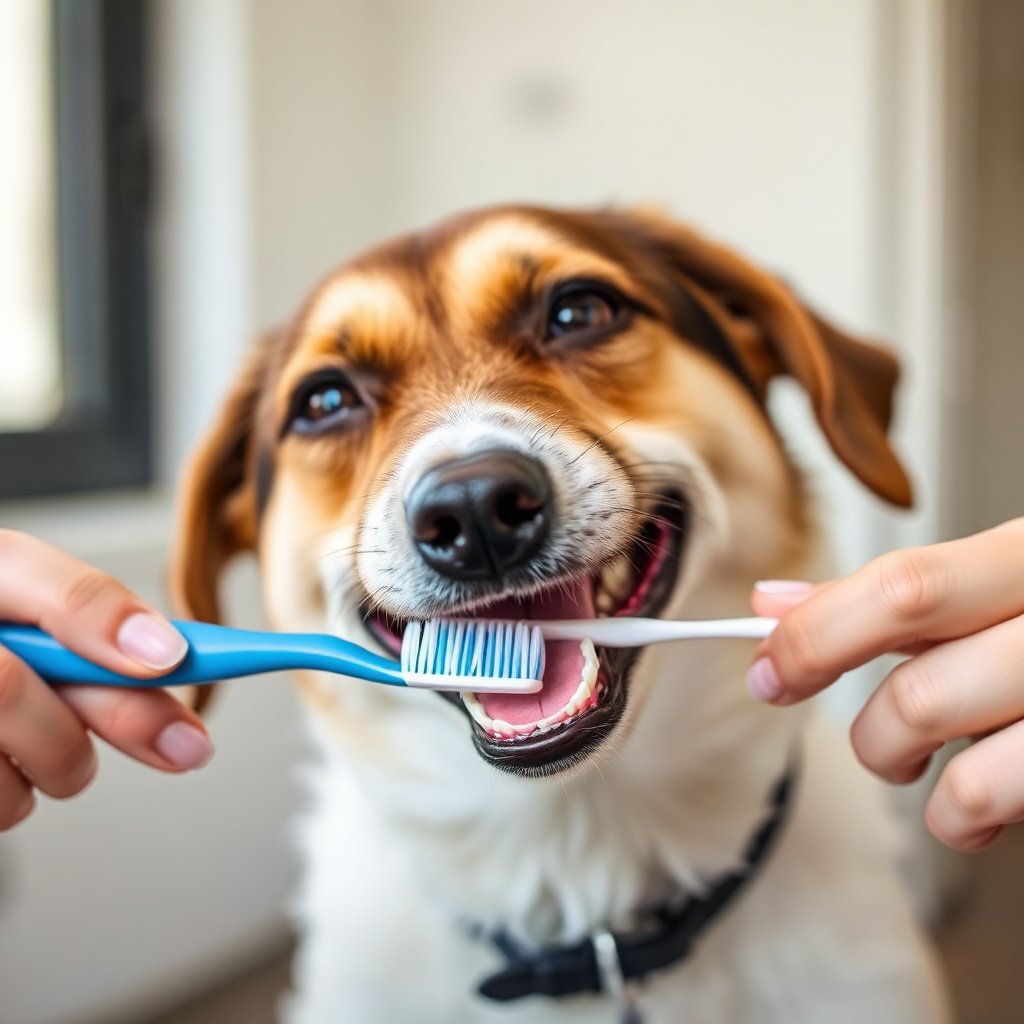
Tooth Brushing Techniques for Dogs
Brushing your dog's teeth regularly is the most reliable way to remove plaque before it hardens. Use a toothbrush designed for dogs and canine toothpaste; human toothpaste can be harmful to pets.
Start slowly to get your dog comfortable, brushing in small, gentle circles along the gum line where plaque accumulates most. Consistency is key to effectiveness.
- Use dog-specific toothbrush and toothpaste
- Brush 2-3 times per week at a minimum
- Focus on gum line and back teeth
For more on this, see our related guide: Why Does My Dog Smell Like Fish? 8 Key Causes and Solutions Explained.
Dental Chews and Diet Adjustments
Dental chews can help reduce plaque mechanically by scrubbing teeth as your dog chews, while some diets are formulated to minimize plaque buildup. Incorporating these into your dog’s routine supports the brushing efforts.
Remember to choose chews approved by veterinarians and avoid those high in calories or artificial ingredients to keep your dog’s overall health balanced.
- Vet-approved dental chews
- Plaque-reducing dry food formulas
Professional Dental Cleanings and Treatments
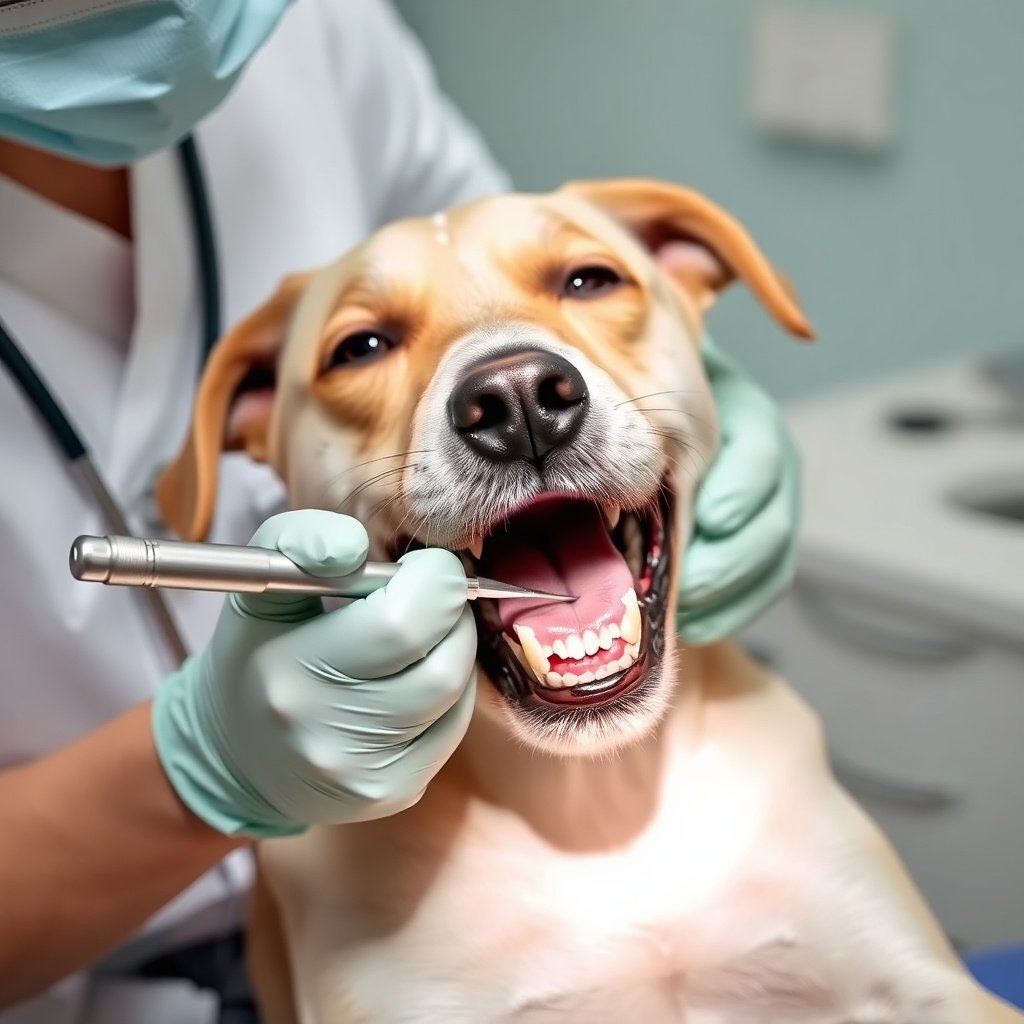
When to Schedule a Dental Cleaning
Professional dental cleanings are necessary when plaque has hardened into tartar or if gum inflammation is severe. Veterinarians recommend dental exams at least once a year to consider cleaning needs based on your dog’s oral health status.
These cleanings involve scaling under anesthesia to safely remove tartar and check for oral diseases not evident from a visual inspection alone.
- Annual or biannual vet dental exams
- Professional scaling and polishing
- Preemptive treatment to avoid tooth loss
Advanced Treatments for Dental Disease
In cases where plaque and tartar have caused infection or periodontal disease, treatments like tooth extractions, antibiotic therapies, or specialized dental procedures may be required.
Timely intervention prevents further complications, improves your dog’s comfort, and helps maintain good quality of life.
Tools and Products to Support Dog Dental Health
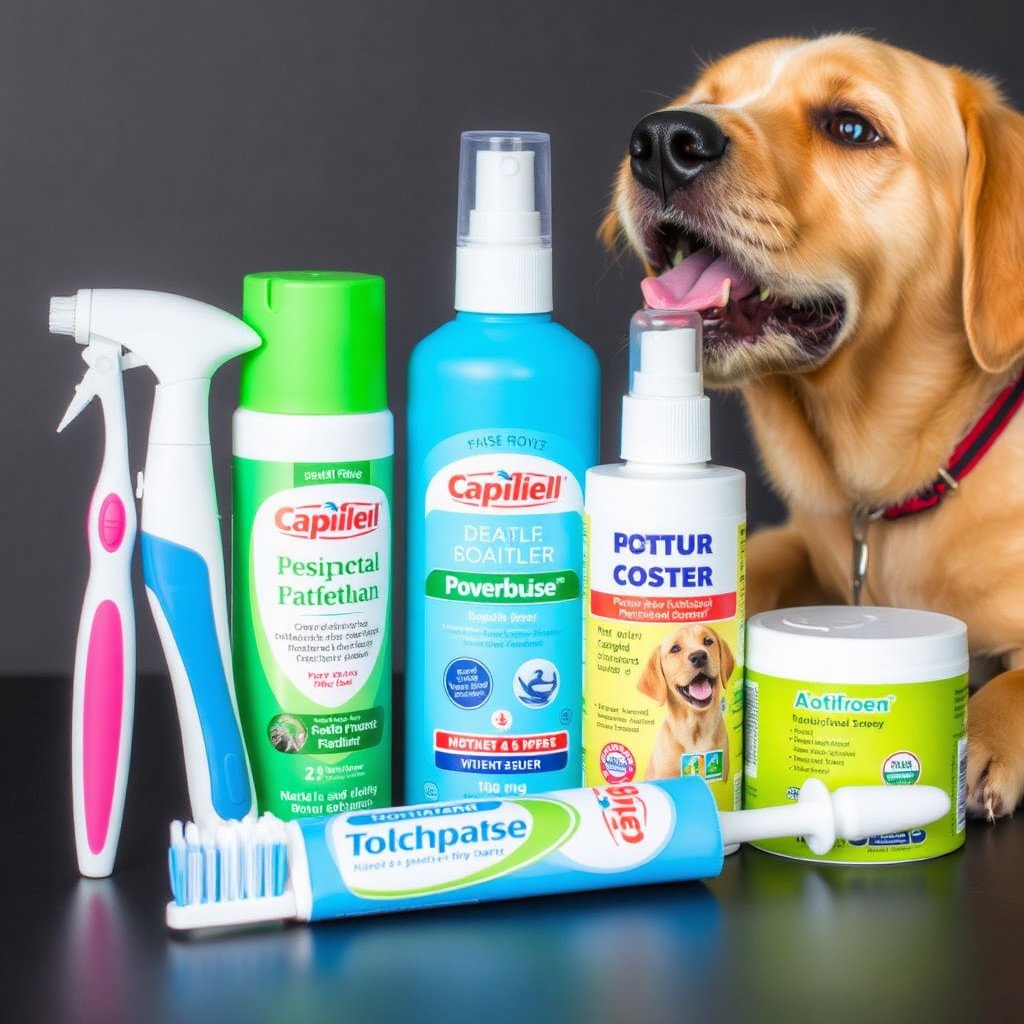
Choosing the Right Dental Tools
Selecting dog-specific dental tools such as finger brushes, angled toothbrushes, and enzymatic toothpaste enhances plaque removal compared to generic products. Ingredients safe for dogs reduce risks of adverse reactions.
Regular use of these tools combined with proper technique maximizes plaque control at home.
- Dog-safe enzymatic toothpaste
- Finger and angled brushes
- Dental water additives
For more on this, see our related guide: How Long Can a Dog Go Without Grooming? A Complete Guide with Tips.
Supplements and Oral Hygiene Aids
Supplements like dental rinses or sprays that contain antibacterial agents can slow plaque formation between brushings. Oral hygiene aids complement mechanical cleaning and support fresh breath.
Discuss with your vet to select supplements suitable for your dog’s specific needs and health conditions.
Preventing Plaque Through Lifestyle Habits

Encouraging Chewing and Play
Chewing on appropriate toys stimulates saliva production and mechanically cleans teeth surfaces, helping to reduce plaque accumulation naturally. Regular play also strengthens your dog's jaw and teeth.
Choose durable, non-toxic chew toys designed for dental health to avoid unintended harm while promoting oral hygiene.
- Rubber or nylon chew toys
- Avoid hard bones or antlers
- Supervised chew time
For detailed information on dental diseases in dogs, visit this comprehensive canine dental health overview. Canine dental health overview.
Routine Health Check-Ups and Monitoring
Frequent oral inspections at home combined with veterinary health checks catch plaque or disease early. Observing changes in eating habits, breath odor, or gum color provides clues about oral health status.
Maintaining a consistent schedule for dental monitoring forms a vital component of plaque prevention.
Comparison of Common Dog Plaque Management Categories
Here's a side-by-side look at different methods used to manage plaque buildup in dogs, weighing effectiveness, convenience, and cost.
| Method | Effectiveness in Plaque Reduction | Ease of Use | Typical Cost |
|---|---|---|---|
| Regular Brushing | High | Moderate; requires training dog | Low to Moderate |
| Dental Chews | Moderate | Very Easy | Low to Moderate |
| Professional Cleanings | Very High | Not applicable | High |
| Dietary Changes | Low to Moderate | Easy | Varies |
| Dental Sprays and Rinses | Low to Moderate | Easy | Low |
Frequently Asked Questions
Can dog plaque cause serious health problems?
Yes, untreated plaque leads to tartar buildup, gum disease, and potentially causes bacteria to affect internal organs through the bloodstream.
How often should I brush my dog’s teeth?
Ideally, brushing 2-3 times per week removes plaque effectively, though daily brushing offers the best protection.
Are dental chews enough to prevent plaque?
Dental chews help reduce plaque but should be combined with brushing and veterinary care for full protection.
Is professional dental cleaning safe for my dog?
Yes, when performed by a qualified vet under anesthesia, it is safe and necessary to remove hardened tartar.
What signs indicate my dog has dental plaque problems?
Yellow teeth stains, bad breath, gum redness, and difficulty chewing suggest plaque and dental issues.
Key Takeaways
- Plaque forms from bacteria mixing with saliva and food on your dog's teeth.
- Regular brushing is the most effective way to control plaque.
- Professional cleanings are crucial once plaque hardens into tartar.
- Dental chews and proper diet support plaque prevention.
Conclusion
Understanding why your dog has plaque centers on recognizing how bacteria and debris accumulate rapidly without proper removal. Addressing this requires regular dental care at home combined with professional oversight. Prioritizing your dog's oral health safeguards their comfort and prevents escalated issues that can affect other organs. Assessing your dog’s individual risk, breed tendencies, and lifestyle helps tailor the best plaque management strategy.
For dogs prone to plaque buildup, brushing teeth multiple times weekly using dog-specific toothpaste offers the most direct benefit. Supplementing with dental chews and incorporating dental-friendly diets further reduces problems. If plaque has hardened, scheduling professional veterinary cleanings becomes essential to restore oral health. Monitoring for signs like bad breath or gum inflammation informs timely action before complications arise.
Start with establishing a dental care routine your dog tolerates well, gradually increasing brushing frequency. Consult your veterinarian about appropriate products and cleaning schedules customized to your pet. Taking these steps fosters a healthier mouth and overall quality of life, keeping your dog happy and pain-free.