Why Does My Dog Have Oily Skin? Understanding and Managing Canine Seborrhea
If your dog has oily skin, it's often due to excessive sebum production, which can be triggered by factors like breed predisposition, allergies, poor diet, or underlying health issues. This overproduction leads to greasy fur and may cause itchiness or odor.
Oily skin matters because it can affect your dog's comfort and overall health. Without proper attention, it may result in infections or dermatitis. Identifying the root cause early helps prevent complications and keeps your dog happy.
This article explores the common reasons why dogs develop oily skin, how to spot associated symptoms, and the best ways to manage and treat this condition with practical dog skin care tips.
Understanding the Causes of Oily Skin in Dogs
Excess Sebum Production and Breed Factors
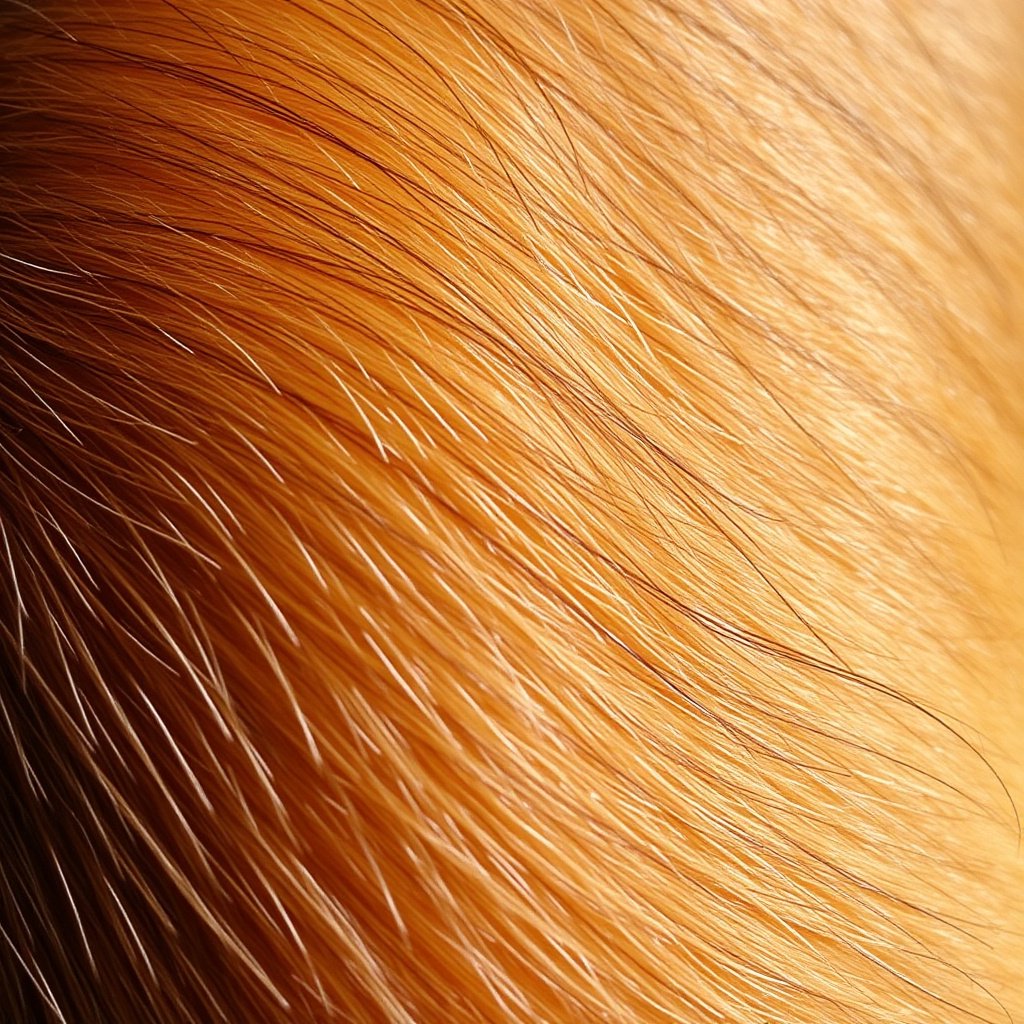
Sebum is a natural oil produced by sebaceous glands to keep the skin moisturized. However, some dogs have overactive glands causing oily buildup. Breeds like Basset Hounds, Cocker Spaniels, and Bulldogs are more prone to oily skin due to genetic factors.
This breed predisposition means that hereditary traits influence how much oil the skin produces, leading to a glossy or greasy coat. Understanding these factors helps tailor care to breed-specific needs.
Environmental and Dietary Influences
Environmental factors like humidity and improper grooming can worsen oiliness. Additionally, a diet lacking essential fatty acids may lead to skin imbalances, prompting the glands to overproduce oil to compensate.
Ensuring your dog receives balanced nutrition and proper grooming routines helps regulate skin oil and reduces the chance of developing greasy fur.
- High humidity can increase oil accumulation
- Poor grooming allows oil and debris to build up
- Nutritional deficiencies affect skin health
Symptoms and Signs of Skin Problems Linked to Oiliness
Common Symptoms Associated with Oily Skin
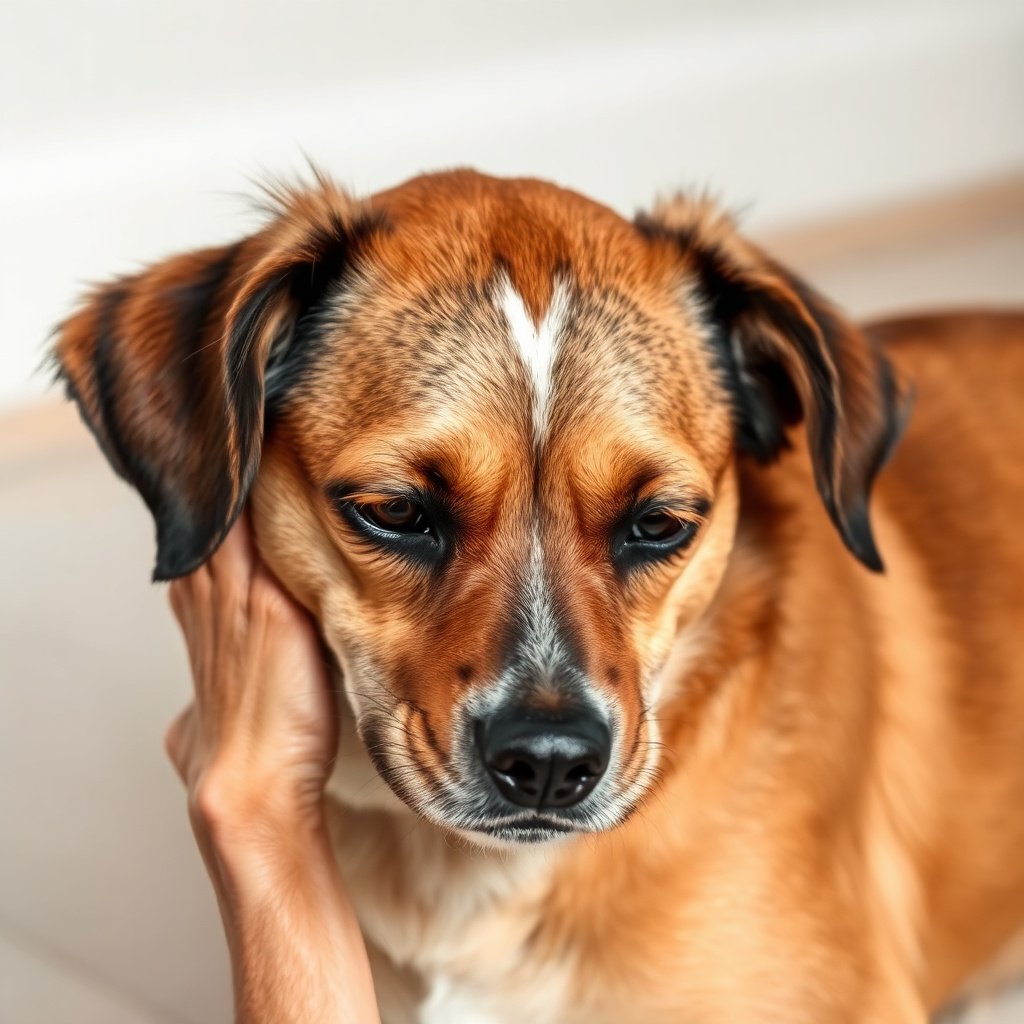
Dogs with oily skin often have a greasy, shiny coat, noticeable dandruff, and an unpleasant odor. They may also scratch or lick excessively due to discomfort or itching caused by the oily environment on their skin.
Recognizing these symptoms early can help prevent secondary infections like bacterial or yeast overgrowth, which often thrive in oily conditions.
- Greasy, shiny fur
- Flaky skin or dandruff
- Persistent itching or scratching
- Unusual skin odor
When Oily Skin Indicates an Underlying Health Issue
Sometimes oily skin signals deeper health problems such as hormonal imbalances (e.g., hypothyroidism), allergies, or parasitic infestations like mites. These conditions alter normal skin function leading to excessive oiliness.
Veterinary diagnosis is necessary if oily skin is accompanied by hair loss, redness, or swelling to rule out such systemic illnesses.
Diagnosis and Veterinary Evaluation
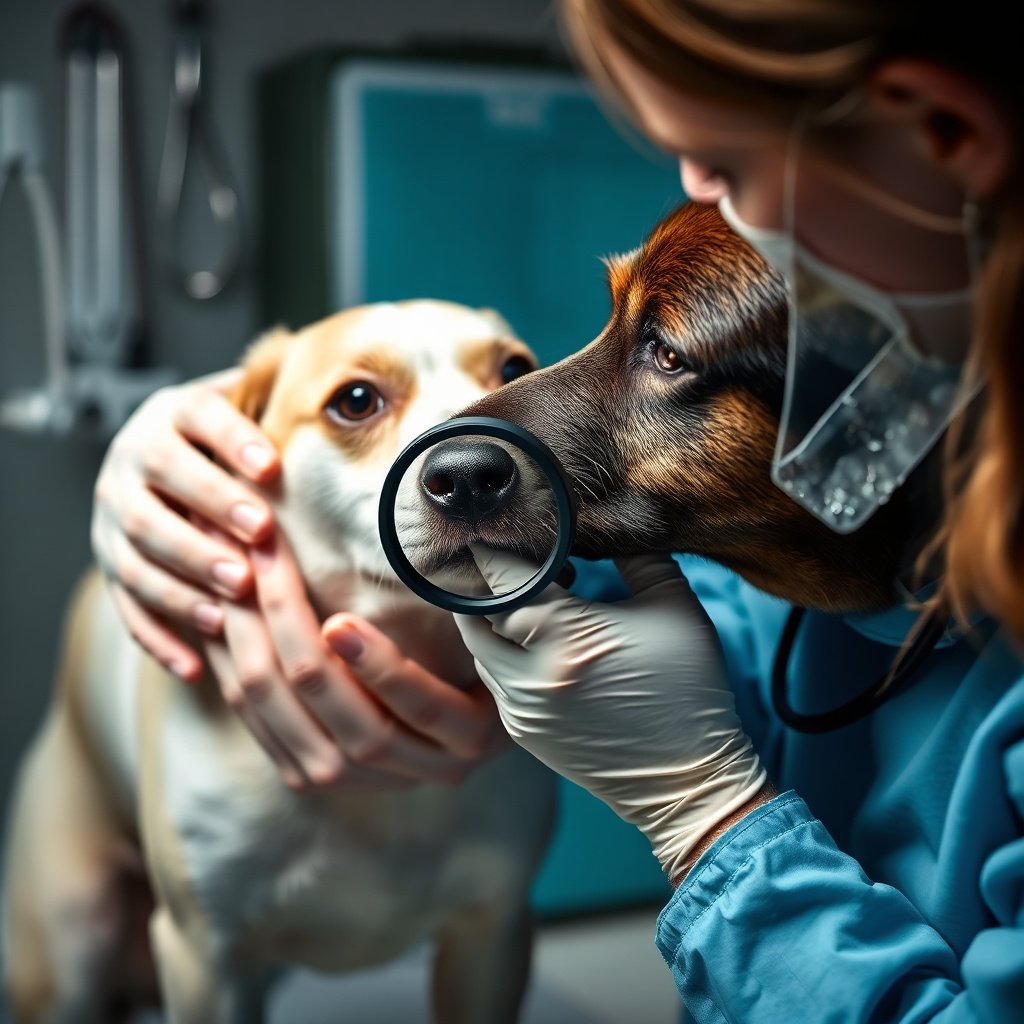
Diagnostic Tests for Oily Skin Conditions
A vet may perform skin scrapings, cytology, or blood tests to determine if infections, parasites, or hormonal diseases contribute to oily skin. These investigations help pinpoint the cause and guide targeted treatment.
In some cases, allergy testing or biopsy might be recommended when the cause remains unclear after initial exams.
- Skin scrapings for parasites
- Cytology for bacterial or yeast infections
- Blood tests for hormonal imbalances
- Allergy testing if suspected
For more on this, see our related guide: Why Does My Dog Shake After a Bath? 8 Key Reasons and Solutions.
Importance of Professional Assessment
Diagnosing oily skin accurately prevents mismanagement and worsening of symptoms. Professional evaluation ensures that underlying conditions are treated appropriately instead of just masking symptoms with topical products.
Regular check-ups allow vets to monitor progress and make adjustments to treatment plans as needed, ensuring long-term skin health.
Effective Treatments for Oily Skin in Dogs
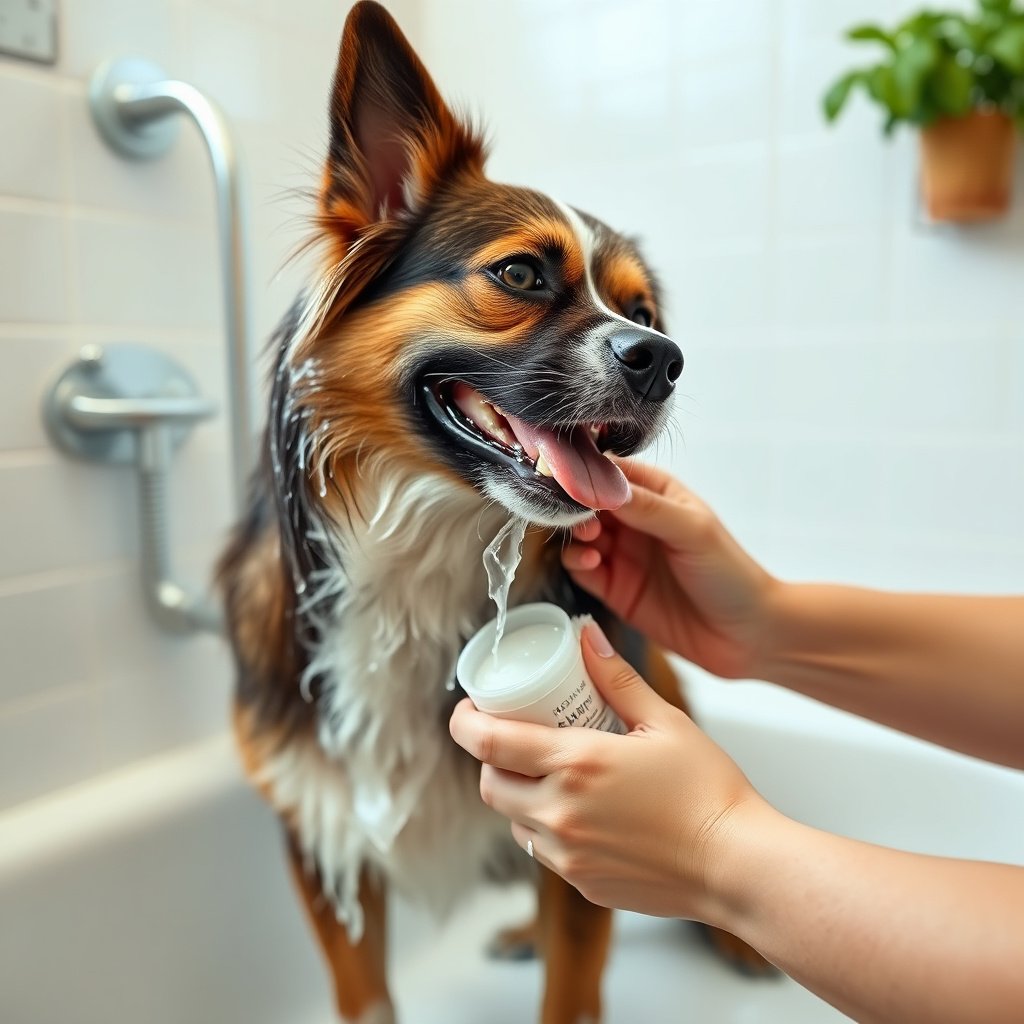
Medicated Shampoos and Topical Treatments
Medicated shampoos containing ingredients like benzoyl peroxide, sulfur, or salicylic acid reduce oiliness and combat secondary infections. These should be used according to vet instructions to avoid drying out the skin or causing irritation.
Topical treatments may include antifungal or antibacterial sprays if infections are present. Using dog skin care tips aligned with medical advice optimizes outcomes.
- Use medicated shampoos regularly
- Follow shampoo frequency guidelines
- Apply topical antimicrobials if needed
Dietary Changes and Supplements
Improving your dog's diet by adding omega-3 and omega-6 fatty acids supports healthy skin and regulates oil production. Supplements such as fish oil capsules often show benefits over time.
Always consult your vet before changing your dog's diet or starting supplements to avoid imbalances or adverse reactions.
- Add omega fatty acids to diet
- Consider nutritional supplements
- Maintain consistent feeding routine
Daily Care and Prevention of Oily Skin
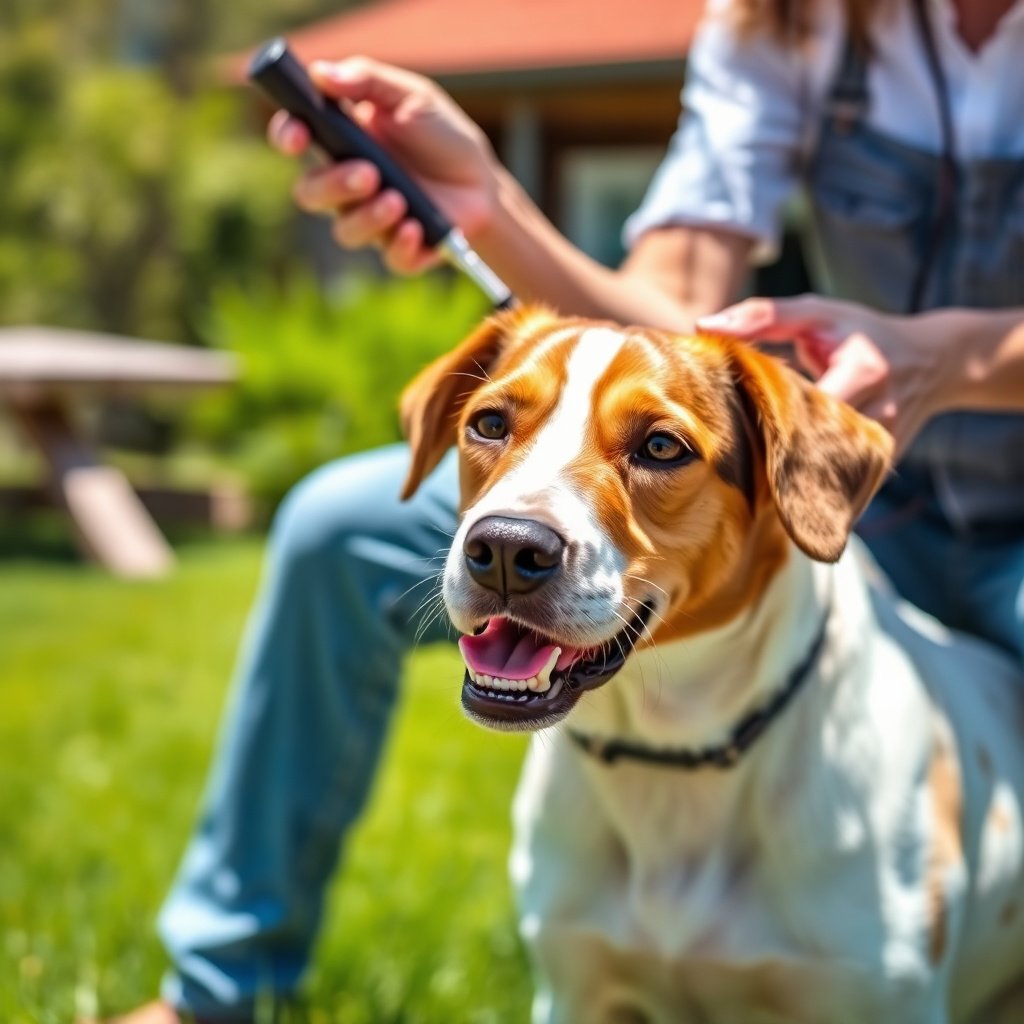
Regular Grooming Practices for Oily Skin
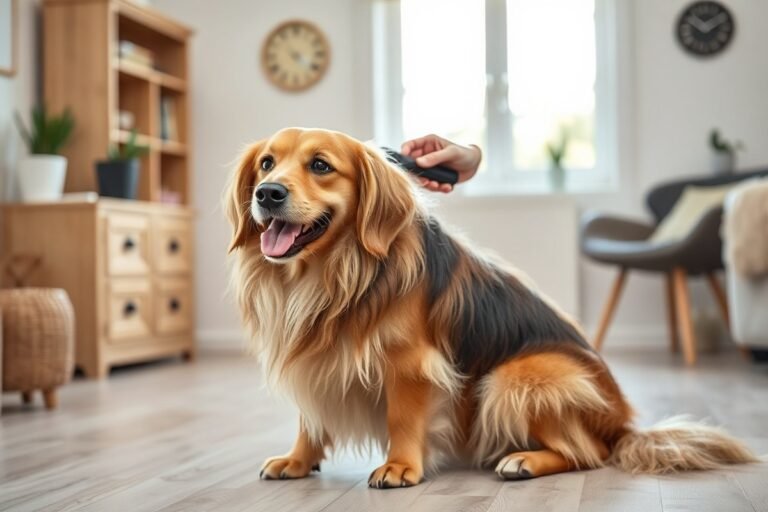
Brushing your dog daily removes excess oils, dirt, and dead skin cells, preventing greasy buildup. Using brushes suited to your dog's coat type enhances effectiveness without irritating the skin.
Bathing frequency should match your dog's skin condition; too frequent baths may strip natural oils, while too infrequent bathing worsens oiliness.
- Brush coat daily
- Use appropriate slicker or bristle brush
- Bathe based on skin needs (usually biweekly)
For more on this, see our related guide: How Many Baths Does a Dog Need? A Complete Guide to Bathing Frequency.
Environmental Adjustments to Minimize Oiliness
Keeping your dog's bedding clean and avoiding humid environments reduces the chance of oily skin problems. Use hypoallergenic detergents and ensure proper ventilation in frequently used spaces.
Avoid exposure to irritants such as certain cleaning products or allergens that may trigger skin oil imbalances.
When to Seek Veterinary Help for Your Dog’s Oily Skin
Warning Signs Warranting Immediate Attention
If your dog's oily skin is accompanied by worsening symptoms such as severe itching, hair loss, redness, swelling, or sores, it’s time to consult a vet. These could indicate infection or serious skin disease.
Prompt treatment prevents complications and improves your dog’s comfort and health.
- Persistent or worsening itching
- Visible skin injury or lesions
- Signs of pain or distress
For more detailed information about common dog skin issues, check dog skin conditions on Wikipedia. dog skin conditions on Wikipedia.
Monitoring and Follow-Up Care
Keep track of your dog's skin condition and note any changes. Follow up with your vet regularly if your dog has a known oily skin problem to adjust treatments and prevent recurrence.
Consistency in care and communication with your vet leads to better long-term skin management.
Comparison of Common Causes for Oily Skin in Dogs
This table highlights key differences between frequent causes of oily skin to help you identify which may apply to your dog.
| Cause | Common Breeds Affected | Key Symptoms | Recommended Treatment |
|---|---|---|---|
| Breed Predisposition | Basset Hound, Cocker Spaniel | Oily coat, mild itch | Regular grooming, medicated baths |
| Allergies | Various breeds | Itching, redness, oily patches | Allergy testing, hypoallergenic diet |
| Hormonal Imbalances | Middle-aged dogs | Hair loss, greasy skin | Hormone therapy, vet supervision |
| Parasites (Mites) | Young and stray dogs | Itchy, inflamed, oily skin | Antiparasitic meds, vet care |
| Nutritional Deficiencies | All breeds | Dull coat, oily skin | Diet improvement, supplements |
Frequently Asked Questions
Can oily skin in dogs be cured completely?
Oily skin may be managed effectively, but in some cases, especially hereditary or hormonal causes, it may require ongoing treatment rather than a permanent cure.
How often should I bathe my dog with oily skin?
Bathing every one to two weeks with medicated shampoo is usually beneficial; however, frequency depends on your dog's skin condition and veterinarian recommendations.
Are natural remedies effective for oily skin in dogs?
Some natural remedies like oatmeal baths or coconut oil may soothe skin but should complement, not replace, veterinary treatments, especially for severe cases.
Can poor diet alone cause oily skin in dogs?
Yes, diets lacking essential fats and nutrients can disrupt skin balance, leading to oily skin as the body tries to compensate for dryness or irritation.
Is oily skin contagious to other pets?
Oily skin itself is not contagious, but if caused by infections or parasites, those underlying agents may spread among pets.
Key Takeaways
- Oily skin in dogs is often due to excess sebum production influenced by breed or health factors.
- Medicated shampoos and dietary improvements are effective ways to manage oily skin.
- Regular grooming and environmental care reduce oil buildup and skin irritation.
- Prompt veterinary evaluation is important when oily skin shows signs of infection or discomfort.
Conclusion
Deciding how to manage your dog’s oily skin involves understanding its root cause, whether it’s genetics, diet, environmental factors, or health conditions. Addressing only the symptoms can prolong discomfort, so a thorough evaluation ensures treatment tackles the problem effectively and supports your dog’s long-term skin health. Paying attention to changes and symptoms leads to better care decisions for your pet.
For mild, breed-related oily skin, regular grooming and medicated baths often provide relief. In cases with underlying issues like allergies or hormonal imbalances, veterinary diagnosis and specialized care are essential. Supplementing with omega fatty acids can enhance results. Each dog's needs differ, so tailoring care using dog skin care tips shared here aids in maintaining a healthy coat and skin.
Start with a veterinary visit to identify the cause of your dog’s oily skin. Implement consistent grooming routines and consider dietary adjustments with professional guidance. Monitoring progress and adjusting treatments based on your vet’s advice help keep your dog comfortable, fresh, and happy over time.