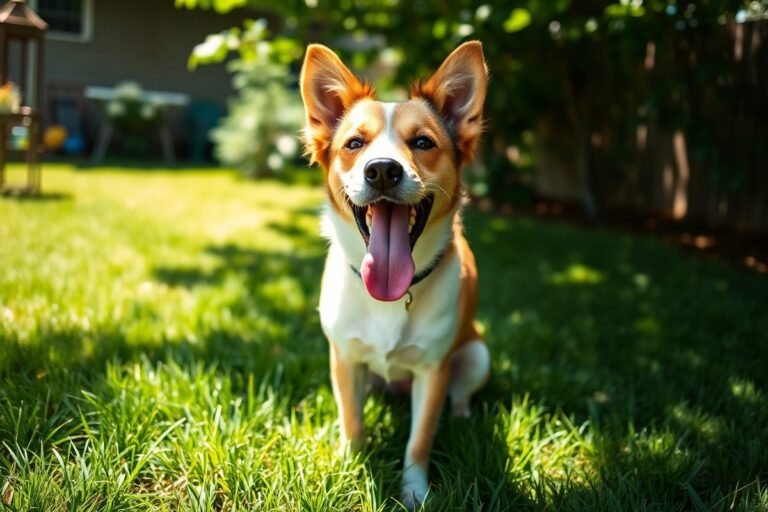
Why Does My Dog Have a Dry Nose? Understanding Causes and Solutions
A dry nose in dogs is often a sign people notice first, but it doesn't always mean your dog is sick. Dogs’ noses can dry out from environmental factors like heat or sun exposure, dehydration, or simply from sleeping. It’s important to recognize when a dry nose is harmless and when it requires veterinary attention.
While a wet nose is commonly associated with a healthy dog, a dry nose is not automatically a cause for worry. Dogs’ noses naturally go through wet and dry phases depending on their activity, hydration, and surroundings. Understanding the reasons behind dryness can help you respond appropriately and ensure your dog's comfort.
This article covers typical causes of dry noses in dogs including environmental and health factors. It also explores when a dry nose warrants concern, how to soothe your dog’s nose safely, and which behaviors or symptoms require a vet’s evaluation.
Common Reasons a Dog’s Nose May Be Dry
Environmental Factors Affecting Nose Moisture
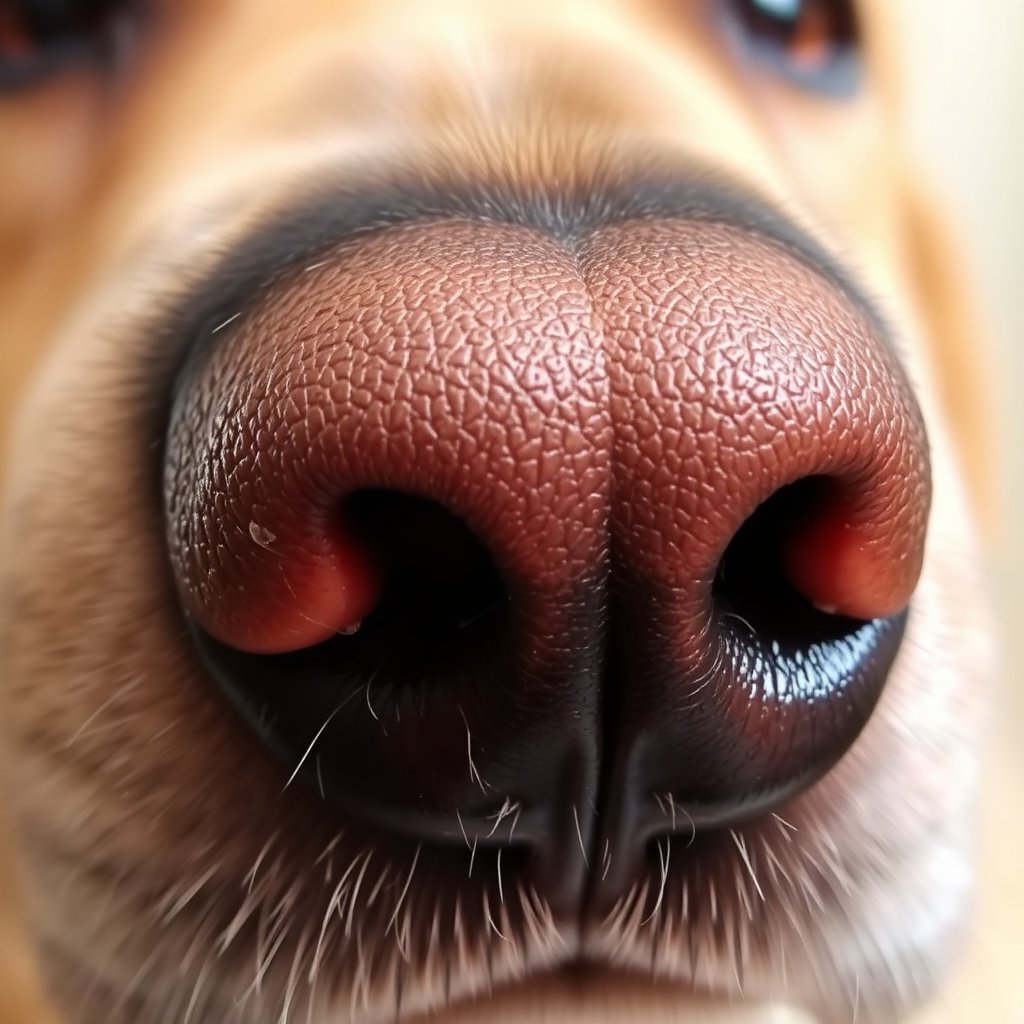
One of the primary reasons a dog’s nose becomes dry is exposure to heat or direct sunlight. When resting outside on a warm day, the nose can dry out just like human skin. Additionally, indoor heating, air conditioning, and low humidity environments often lead to reduced moisture on the nose surface.
Sleeping also plays a role; during rest, dogs' noses may dry as they’re not licking them or moving much, which normally keeps the nose moist. These factors usually cause temporary dryness without underlying illness.
Health-Related Causes of Nose Dryness
Medical conditions like fever, dehydration, or allergies can dry out a dog’s nose. If your dog is sick or not drinking enough water, the nose may lose moisture due to systemic dehydration. Skin infections or autoimmune diseases sometimes produce persistent dryness and cracking.
Another less common cause is nasal hyperkeratosis, where excess keratin buildup makes the nose dry and crusty. If a dry nose is accompanied by lethargy, unusual behavior, or other symptoms, a vet checkup is recommended to rule out underlying diseases.
Distinguishing Between Normal and Concerning Dryness
Recognizing Harmless Dry Nose Conditions
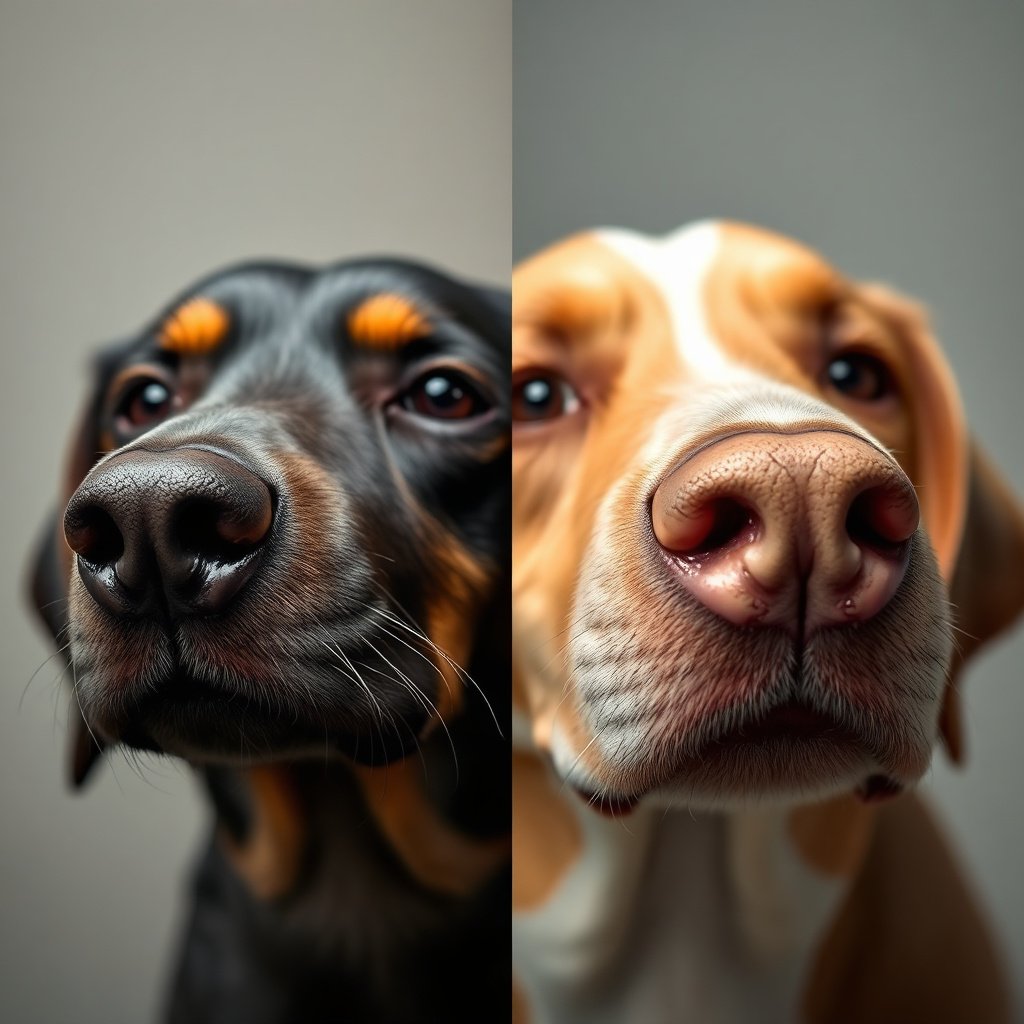
Mild dryness that comes and goes during the day is generally normal. These changes may occur after sleeping or exposure to dry climates and usually resolve on their own. If your dog is active, eating well, and not showing other symptoms, occasional dryness is likely not a problem.
Regular nose licking by your dog can naturally keep the nose moist. If you observe no cracks, bleeding, or behavioral changes, the nose being dry temporarily is typical for many dogs.
Signs Your Dog’s Dry Nose Needs Veterinary Attention
Persistent dryness combined with swelling, cracking, bleeding, or discharge can indicate illness. Redness around the nostrils, pain, or your dog rubbing its nose frequently may be signs of an infection or allergy.
When dryness accompanies other symptoms like loss of appetite, fever, lethargy, or breathing problems, it’s imperative to have a professional evaluate your dog promptly for appropriate treatment.
- Persistent cracking or bleeding
- Visible sores or crusting
- Other signs of illness or discomfort
How to Safely Care for a Dog’s Dry Nose
Home Remedies and Preventive Measures
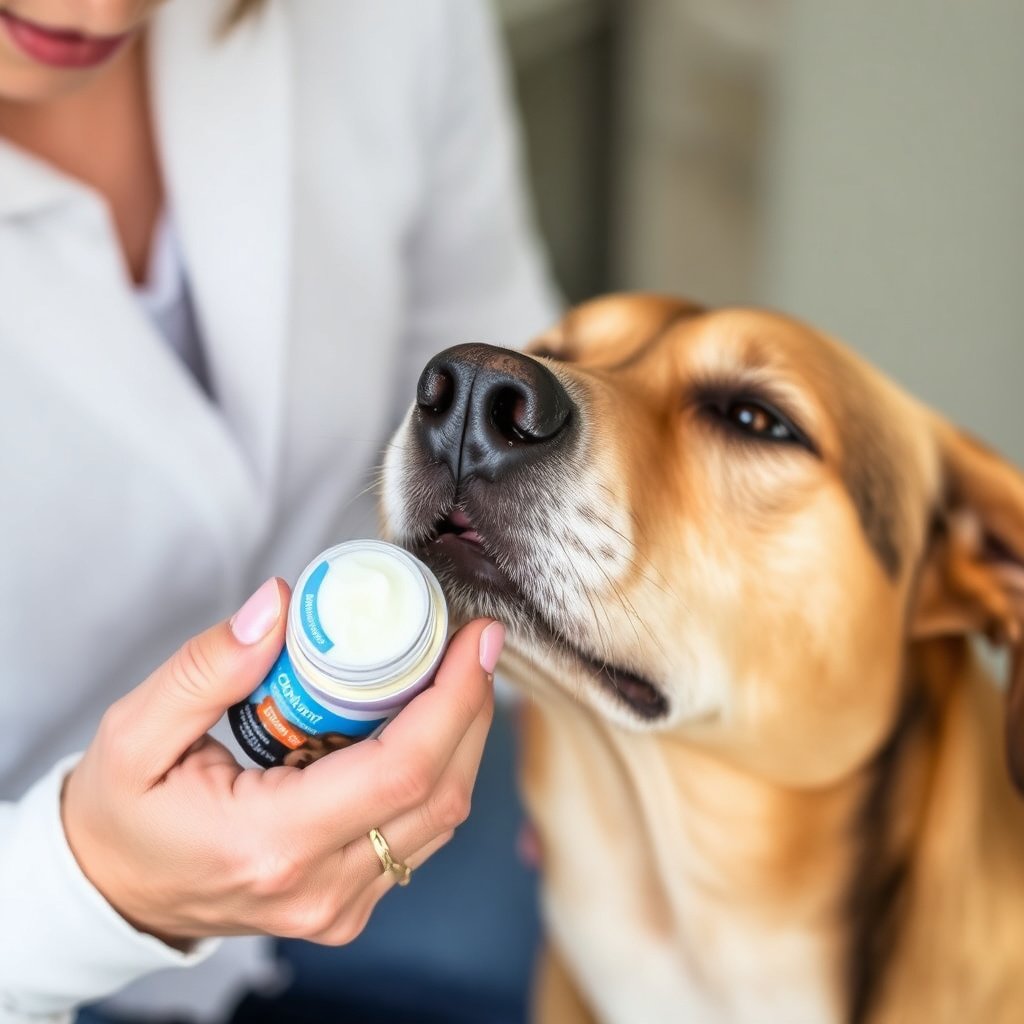
You can soothe a dry nose by applying pet-safe nose balms formulated with natural ingredients like shea butter or coconut oil. Avoid human lotions or petroleum products as they may be toxic if ingested.
Ensuring your dog stays hydrated and avoiding excessive sun exposure helps maintain nose moisture. Using a humidifier in dry indoor environments also supports skin and nose hydration.
- Use only products designed for pets
- Limit time in direct sunlight
- Provide fresh water regularly
- Consider a humidifier in dry climates
For more on this, see our related guide: Why Does My Dog Shake After a Bath? 8 Key Reasons and Solutions.
When to Avoid Self-Treatment
If you notice severe dryness combined with other symptoms or if the nose develops open wounds, do not attempt home treatment without veterinary advice. Certain skin conditions need prescribed medications or specialized care to heal properly without causing further irritation.
Persistent dryness after home care attempts also warrants a professional evaluation to exclude serious health issues.
Understanding the Role of Dog Nose Dryness in Behavior and Health
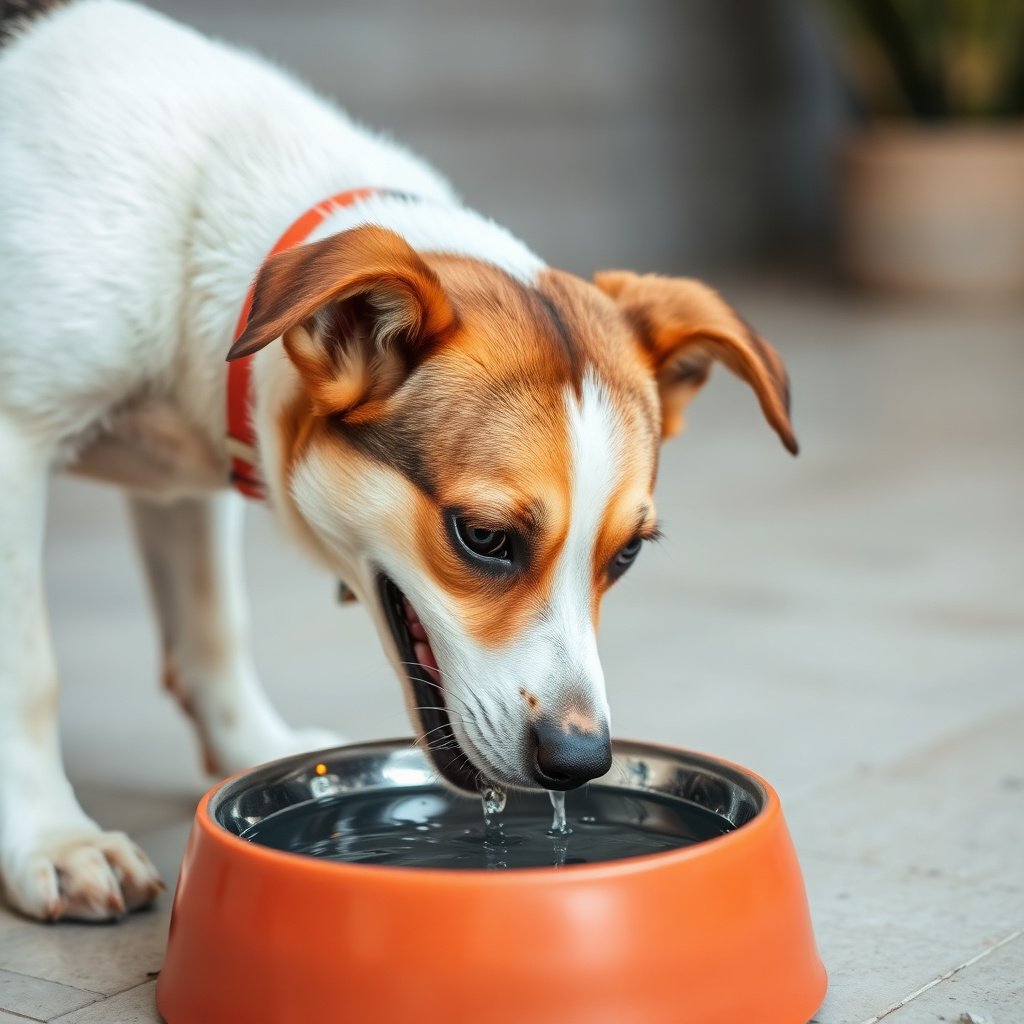
Nose Temperature and Moisture in Health Assessment
Contrary to popular belief, the moistness of a dog’s nose is not the most reliable health indicator. Some healthy dogs naturally have dry noses at times. Temperature changes in the nose do not always correlate with fever or illness, so they should not be the only measure of wellness.
Regular monitoring of appetite, energy, stool, and overall behavior provides a more complete picture of your dog's health than nose moisture alone.
Behavioral Changes Linked to Nose Dryness
If your dog’s dry nose results from discomfort or itchiness, you may notice more frequent nose rubbing, pawing at the face, or increased licking. These behaviors might escalate if irritation continues without intervention.
Identifying and addressing the cause of dryness early can prevent stress or secondary infections related to excessive scratching or licking.
Environmental Adjustments to Help Maintain a Dog’s Nose Health
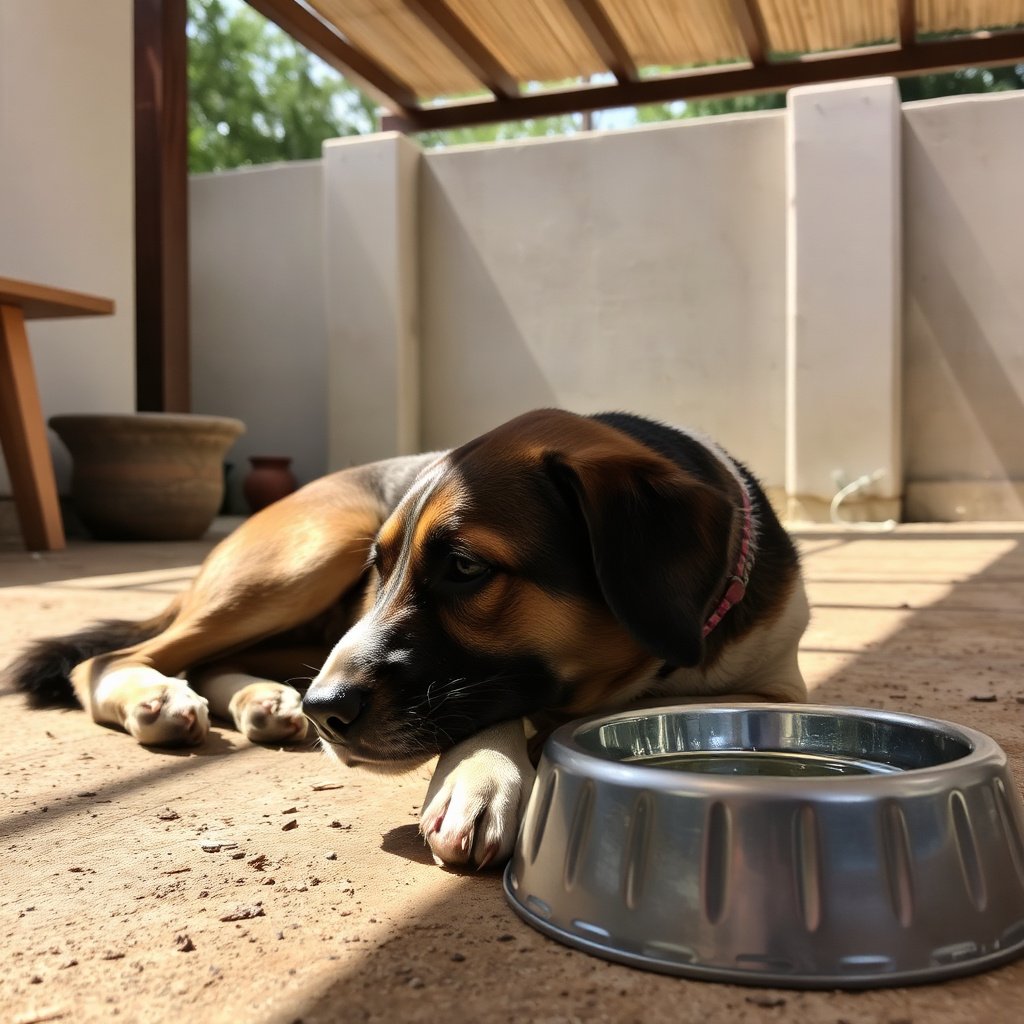
Optimizing Home Environment for Nose Moisture
Keeping indoor humidity at a comfortable level benefits dogs prone to dry noses. Using a humidifier during winter months when heating systems dry out the air can reduce nose dryness.
Providing shaded outdoor spaces on sunny days prevents excessive sun exposure, protecting the sensitive skin of the nose from drying and sunburn.
- Use humidifiers indoors during dry seasons
- Create shaded areas in your yard
- Limit long beach or sunbathing sessions
For more on this, see our related guide: How to Clean a Dogs Wrinkles: A Complete Guide with Proven Steps.
Hydration and Nutrition for Nose and Skin Health
Maintaining proper hydration by always having fresh water available encourages natural nose moisture maintenance. A balanced diet with omega fatty acids supports skin and nose health, reducing chances of dryness or irritation.
Supplements recommended by your vet can be considered if dryness is related to nutritional deficiencies or skin conditions.
- Provide unlimited access to clean water
- Incorporate omega-3 fatty acids in diet
- Consult vet before giving supplements
When to Seek Professional Help for Your Dog’s Dry Nose
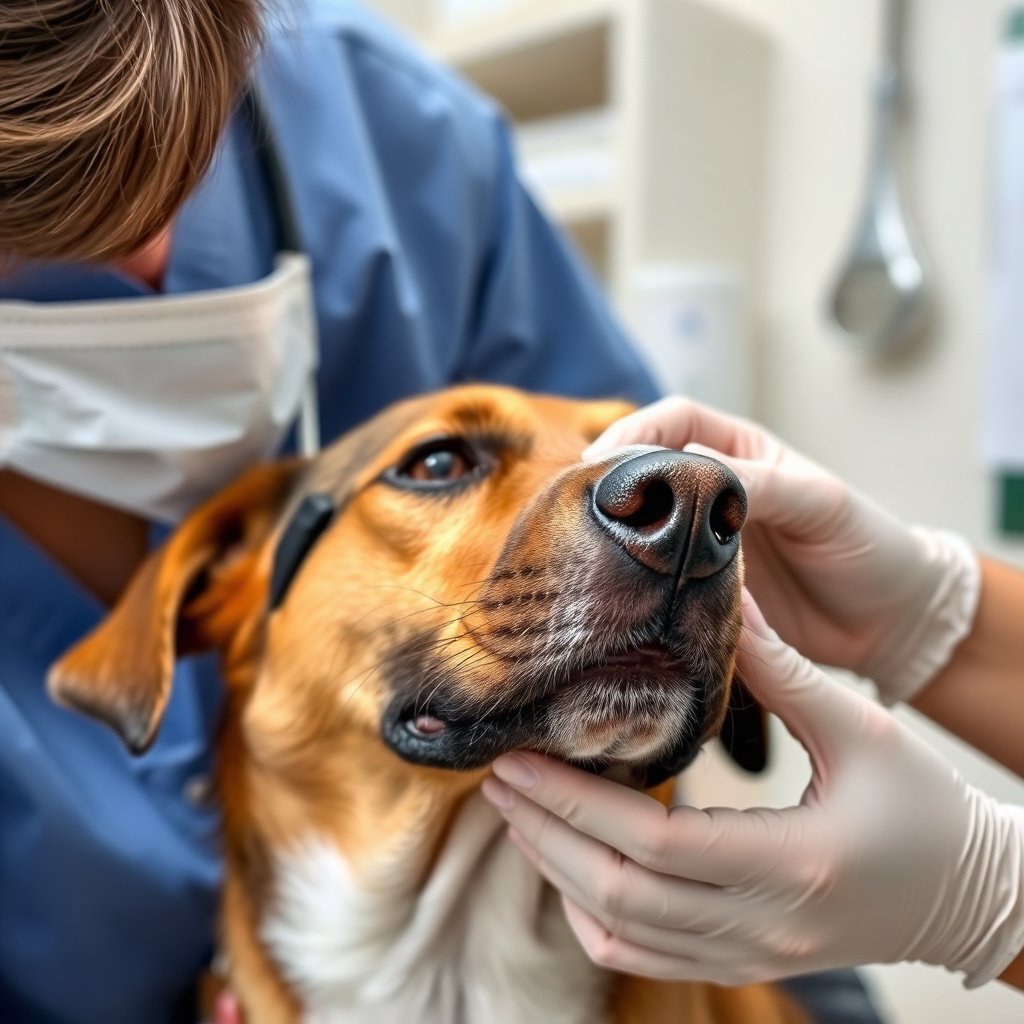
Veterinary Diagnosis and Treatment Options
A vet will perform a physical exam and may conduct tests to identify infections, allergies, or autoimmune causes of persistent nose dryness. Treatment can range from topical ointments and medications to dietary adjustments depending on diagnosis.
Early consultation avoids complications from untreated conditions that might cause long-term discomfort or damage to the nose.
For more detailed insights on dog health and symptoms, including nose conditions, the Wikipedia page on dog health is a useful resource. dog nose health information.
Emergency Signs Requiring Immediate Care
If your dog shows signs like severe nasal bleeding, extreme swelling, sudden behavioral changes, or breathing difficulties along with a dry nose, seek emergency veterinary help. These symptoms can indicate serious conditions that require prompt intervention.
Having a veterinary contact and knowing nearby emergency clinics ensures rapid response if urgent care is needed.
- Persistent nose bleeding
- Swelling or pain around the nose
- Difficulty breathing or severe lethargy
Comparison of Common Causes of Dog Nose Dryness
Here’s a helpful comparison of typical reasons for a dry dog nose, their symptoms, and treatment approaches.
| Cause | Typical Symptoms | Duration | Treatment |
|---|---|---|---|
| Environmental (heat, sun, sleep) | Temporary dryness, no other symptoms | Hours to a day | Hydration, shade, pet-safe balms |
| Dehydration | Dry nose, lethargy, dry gums | Varies, depends on hydration | Increase water intake, vet if severe |
| Allergies | Itchy nose, redness, swelling | Weeks if untreated | Antihistamines, vet diagnosis |
| Nasal Hyperkeratosis | Crusty, thickened nose, cracking | Persistent | Topical treatments from vet |
| Skin Infection | Redness, discharge, pain | Progressive | Antibiotics or antifungal meds |
| Autoimmune Disease | Chronic dryness, sores, systemic signs | Chronic | Immunosuppressive drugs prescribed |
Frequently Asked Questions
Is a dry nose always a sign of illness in dogs?
No, dogs’ noses can be dry for many harmless reasons like sleeping or being in dry environments. A dry nose alone does not necessarily indicate illness.
Can I use human lotion to moisturize my dog’s dry nose?
No, human lotions may contain harmful ingredients for dogs. Only use products specifically made for pet noses to avoid toxicity.
When should I worry about my dog’s dry nose?
If the dryness lasts several days, worsens, or is accompanied by cracking, discharge, lethargy, or other symptoms, consult a veterinarian promptly.
Do all dogs have moist noses all the time?
No, nose moisture fluctuates naturally throughout the day. Some dogs have naturally drier noses without health issues.
What home steps can I take to help a dry nose?
Provide fresh water, use pet-safe nose balms, limit sun exposure, and keep indoor humidity comfortable to help maintain moisture.
Key Takeaways
- Dry dog noses can result from harmless environmental changes or sleeping.
- Persistent dryness with cracking or other symptoms should prompt a vet visit.
- Use only pet-safe balms and avoid human products on your dog’s nose.
- Hydration, shade, and proper nutrition support healthy nose moisture.
Conclusion
Determining why your dog has a dry nose involves observing both environmental and health factors. While many cases of dryness are harmless and temporary, caused by things like heat, sun, or rest, some require more vigilance, especially when accompanied by other symptoms. Understanding the nuances helps you avoid unnecessary worry but also prepares you to recognize when a veterinarian’s input is needed, blending everyday care with attentive observation for your dog’s wellbeing.
For mild, occasional dry noses, home care with hydration, guarded sun exposure, and use of pet-safe moisturizers usually suffices. If dryness is chronic, with signs of cracking, inflammation, or behavioral changes, categories such as allergies, infections, or nasal hyperkeratosis become likely culprits. A veterinarian can diagnose these and provide targeted treatments. Different causes demand distinct interventions, emphasizing that not every dry nose shares the same origin or prognosis.
As a practical next step, monitor your dog’s nose closely along with their general behavior and health status. Start with simple home remedies and environmental adjustments, and seek professional advice early if symptoms persist or worsen. This approach ensures your dog’s comfort and health, turning seemingly simple signs like a dry nose into information that enhances your pet care routine.