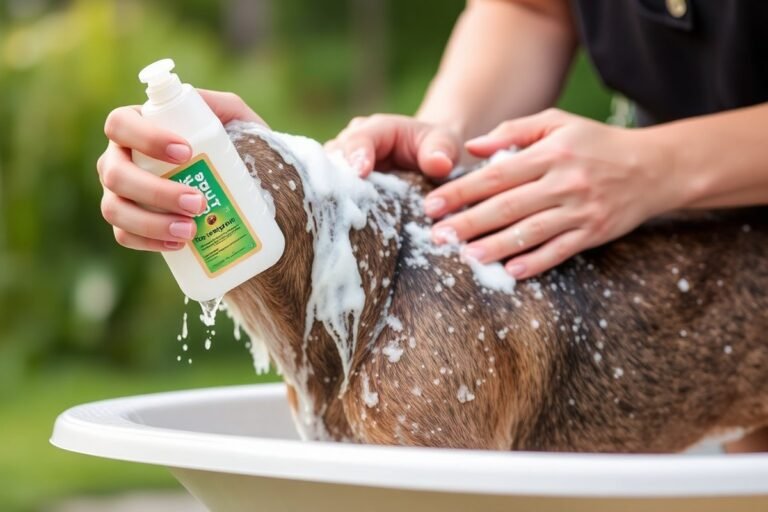
The Best Way to Trim a Dog’s Face: A Step-by-Step Guide
The best way to trim a dog's face is to approach the task gently and systematically using the right tools, like blunt-tipped scissors and clippers designed for delicate areas. Start by calming your dog and securing them in a comfortable position to prevent sudden movements. Focus on trimming around the eyes, muzzle, and ears carefully to avoid any injuries and create a tidy appearance.
Trimming a dog's face can improve their hygiene and comfort, especially for breeds with long or thick facial hair that might obstruct vision or cause irritation. Regular grooming also helps reduce tear stains and matting around sensitive areas, enhancing your dog's overall well-being. Since the face is a sensitive region, proper technique matters to keep your pet relaxed and safe.
This article will cover the essential tools for trimming a dog's face, step-by-step grooming techniques, tips on managing your dog's behavior during the process, and how to maintain the trimmed look with regular care. You’ll also find guidance on common mistakes to avoid and how to adapt the process for various dog breeds.
Essential Tools for Trimming a Dog's Face
Choosing the Right Scissors and Clippers
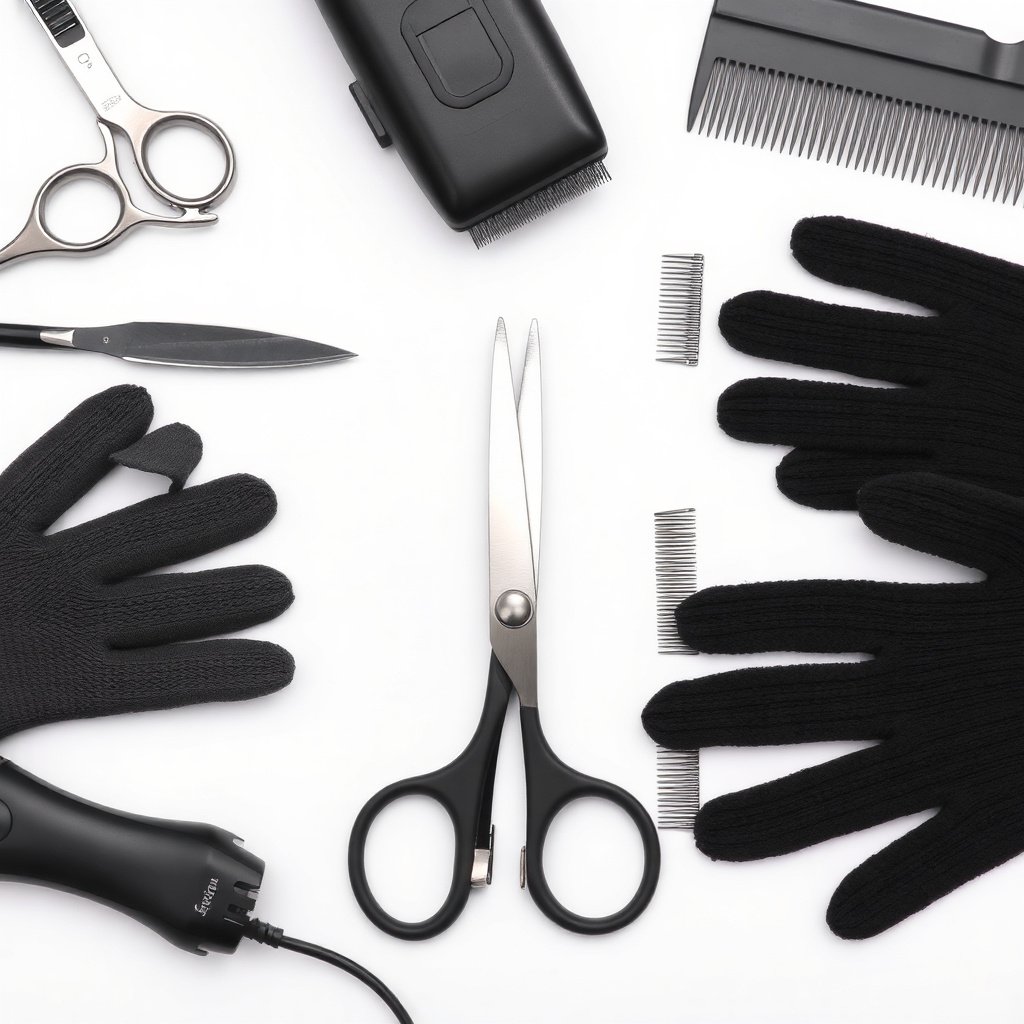
Using blunt-tipped scissors is essential for facial trimming to reduce the risk of poking or injuring your dog’s eyes and sensitive skin. Small grooming clippers with adjustable blades allow precise trimming of areas like under the eyes and around the muzzle. Quality tools ensure clean cuts with less pulling or discomfort.
Stay away from large, sharp scissors or clippers not made for pet grooming, as these can cause accidents. Some electric trimmers also come with noise reduction features to help keep anxious dogs calm. Keeping tools clean and sharp improves performance and reduces the chance of uneven cuts.
- Blunt-tipped rounded scissors
- Small electric clippers with adjustable blades
- Fine-toothed comb for detangling
- Grooming gloves to prevent scratches
Additional Supplies for Comfort and Safety
Having grooming spray or detangling conditioner can soften facial hair and make trimming easier. Treating trimmed areas with pet-safe antiseptic wipes afterwards helps prevent irritation or infection. Using treats and calming sprays can also aid in keeping your dog relaxed during the process.
A non-slip grooming mat or towel keeps your dog stable and comfortable, preventing slips that could lead to injury. Keeping everything within reach before starting makes the session smooth without stressful interruptions.
- Detangling spray or grooming conditioner
- Pet-safe antiseptic wipes
- Calming spray or treats
- Non-slip grooming mat or towel
Preparing Your Dog for Facial Grooming
Getting Your Dog Comfortable and Cooperative
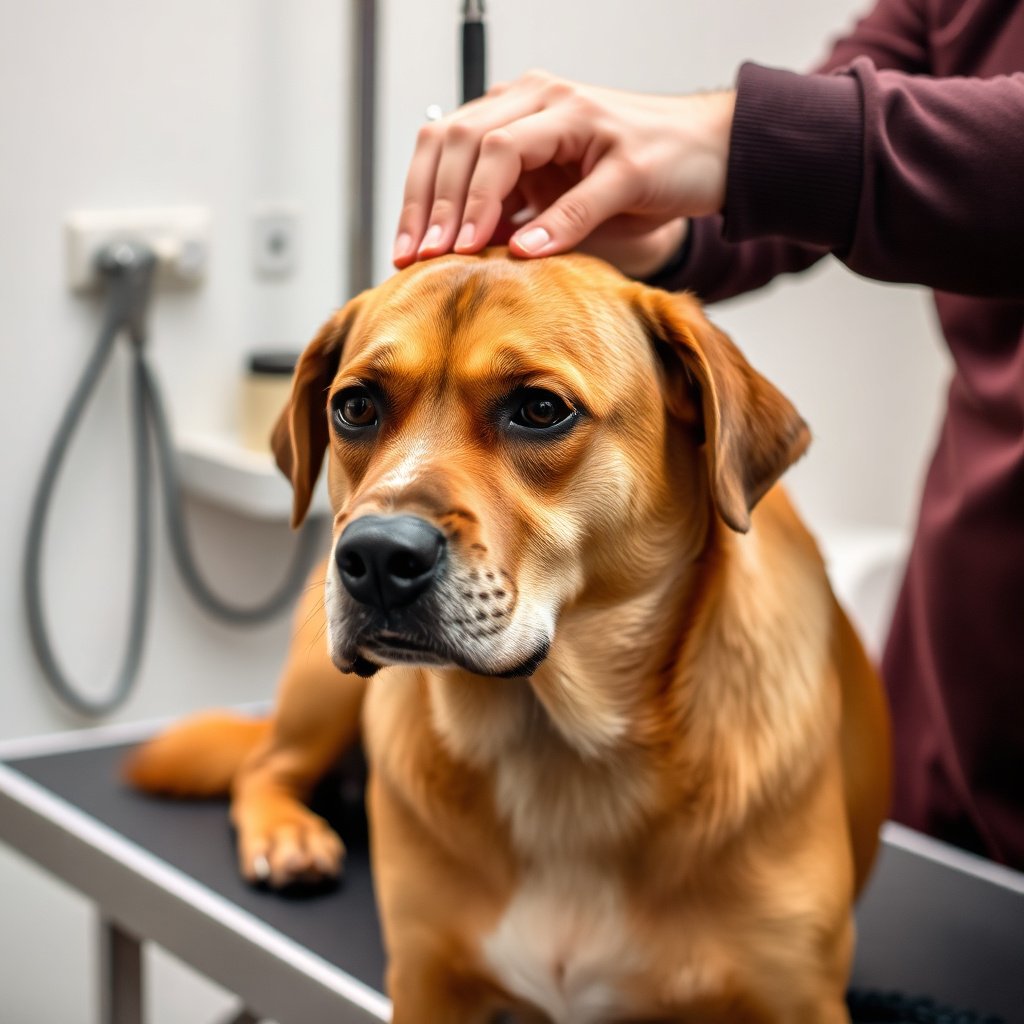
Start by introducing your dog to grooming tools slowly, letting them sniff and explore each item while offering praise. Use soft voice tones and gentle touch to build trust. Short practice sessions focusing on touching the face without trimming can help your dog adjust.
Comfortable positioning is key—either sitting your dog on a non-slip surface or holding their head securely but gently. Keeping sessions brief and rewarding good behavior prevents stress from building up.
- Introduce tools calmly with treats
- Use gentle touch around the face
- Keep grooming sessions short
- Position dog on non-slip surface
Handling Nervous or Difficult Dogs
For dogs nervous about grooming, using calming aids such as pheromone sprays or natural calming treats before starting may help. If anxiety is severe, seek a professional groomer or vet's advice. Patience and gradual desensitization over multiple sessions support better results.
Avoid forcing your dog into uncomfortable positions. Giving breaks for petting and reassurance during grooming helps decrease resistance and creates a positive grooming experience.
- Use calming products if needed
- Consider professional help for anxiety
- Offer breaks and reassurance
- Avoid forcing the dog into position
Step-by-Step Facial Trimming Techniques
Trimming Around the Eyes and Ears
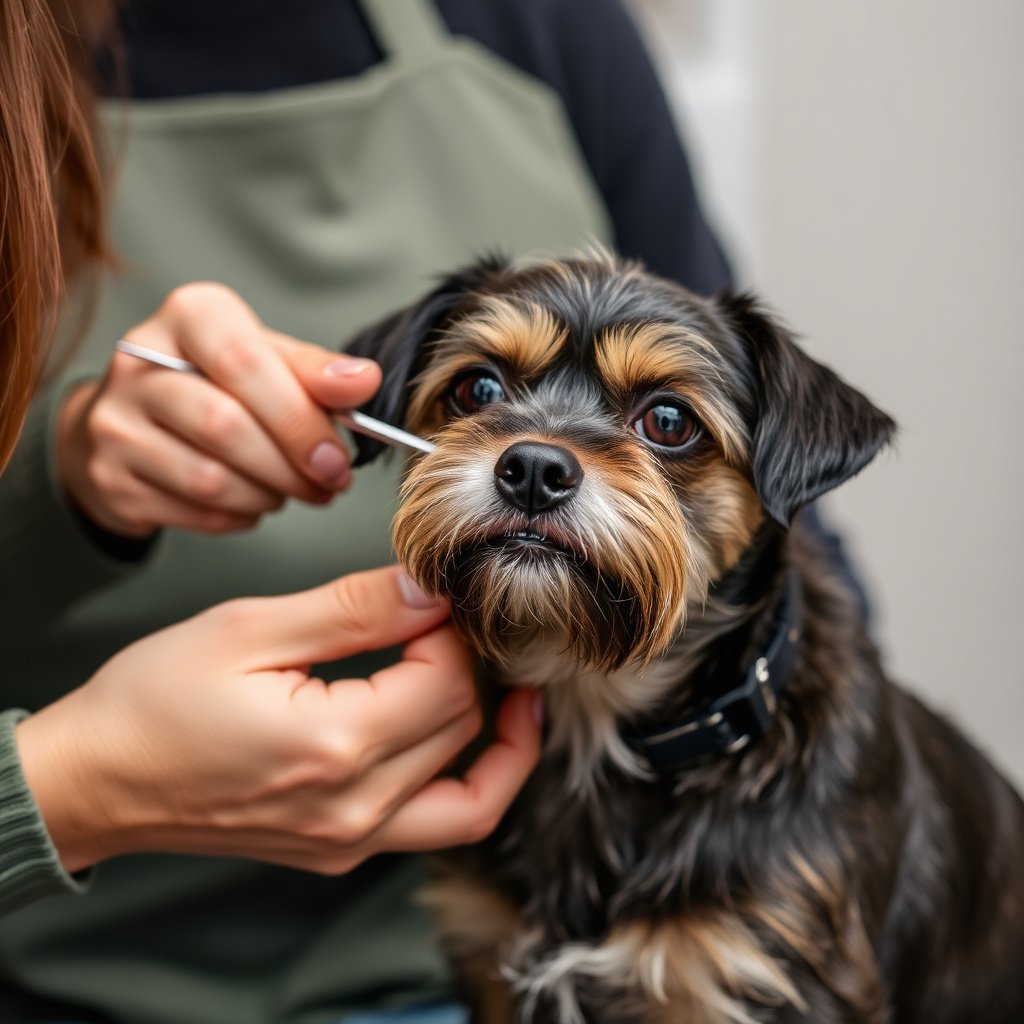
Begin by combing the hair around the eyes and ears to remove tangles and identify stray hairs. Trim small amounts at a time with blunt-tipped scissors, cutting away hair that obstructs vision but avoiding too close cuts to protect sensitive skin.
Use gentle movements and keep the dog’s head steady, trimming ear hair only as needed to maintain hygiene without removing protective hair entirely. Regular trimming here prevents ear infections and irritation from matted hair.
- Comb and detangle before cutting
- Trim small sections cautiously
- Avoid cutting too close to eyes
- Trim ear hair for hygiene, not bare
For more on this, see our related guide: How to Clean a Dogs Wrinkles: A Complete Guide with Proven Steps.
Shaping the Muzzle and Beard
Carefully trim the muzzle by combing forward growth and clipping evenly to maintain a natural look. The beard and whiskers add character but can trap dirt; trim these gently to keep them neat without shaving completely.
Use clippers with a fine blade for close cuts if necessary, taking care not to scare the dog with sudden noises. Maintain symmetry by trimming both sides evenly and step back frequently to check your work.
- Comb forward before trimming
- Clip evenly around the muzzle
- Trim beard gently for neatness
- Check symmetry regularly
Maintaining Your Dog’s Facial Hair Between Trims
Daily and Weekly Face Care Routines
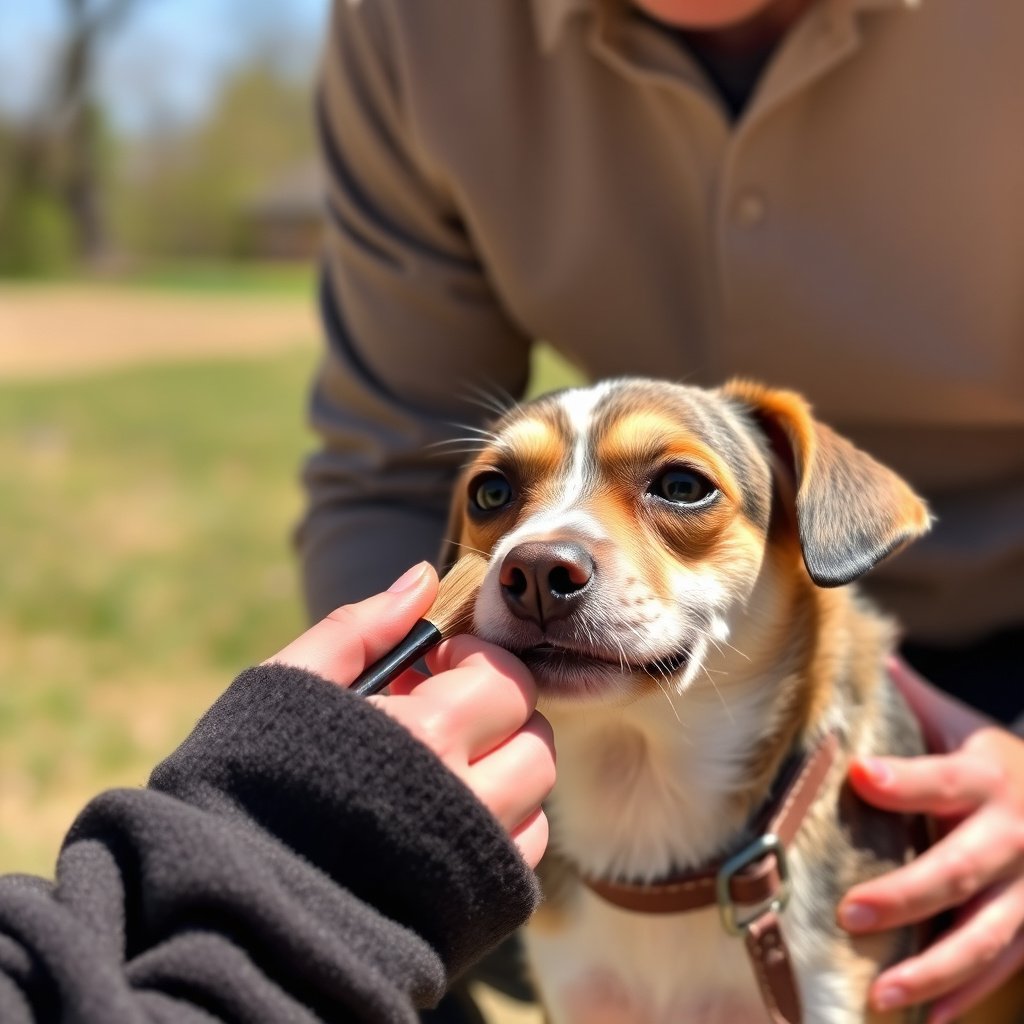
Regular brushing with a soft brush or comb prevents tangles and matting, especially for long-haired breeds. Wiping the face daily with a damp cloth removes dirt and tear stains, improving cleanliness between trims.
Check for signs of irritation, redness, or infection near the eyes and ears often, as these areas require more frequent attention to prevent discomfort.
- Brush facial hair daily or weekly
- Wipe clean with damp cloth
- Monitor for irritation or infection
- Keep tear stains under control
When to Schedule Professional Grooming
If trimming your dog’s face becomes challenging or you want a more polished look, professional groomers use advanced tools and techniques suited for delicate facial features. Schedule grooming every 6 to 8 weeks depending on your dog’s hair growth and breed.
Professional appointments also help manage styles for show dogs or specific breeds, while providing expert care that protects your dog’s skin and coat health.
- Consider professional grooming every 6-8 weeks
- Bring your dog’s grooming history for reference
- Professional stylists handle tricky areas safely
- Ideal for show dogs and breed-specific cuts
Common Mistakes to Avoid When Trimming a Dog's Face
Avoiding Injury and Over-Trimming
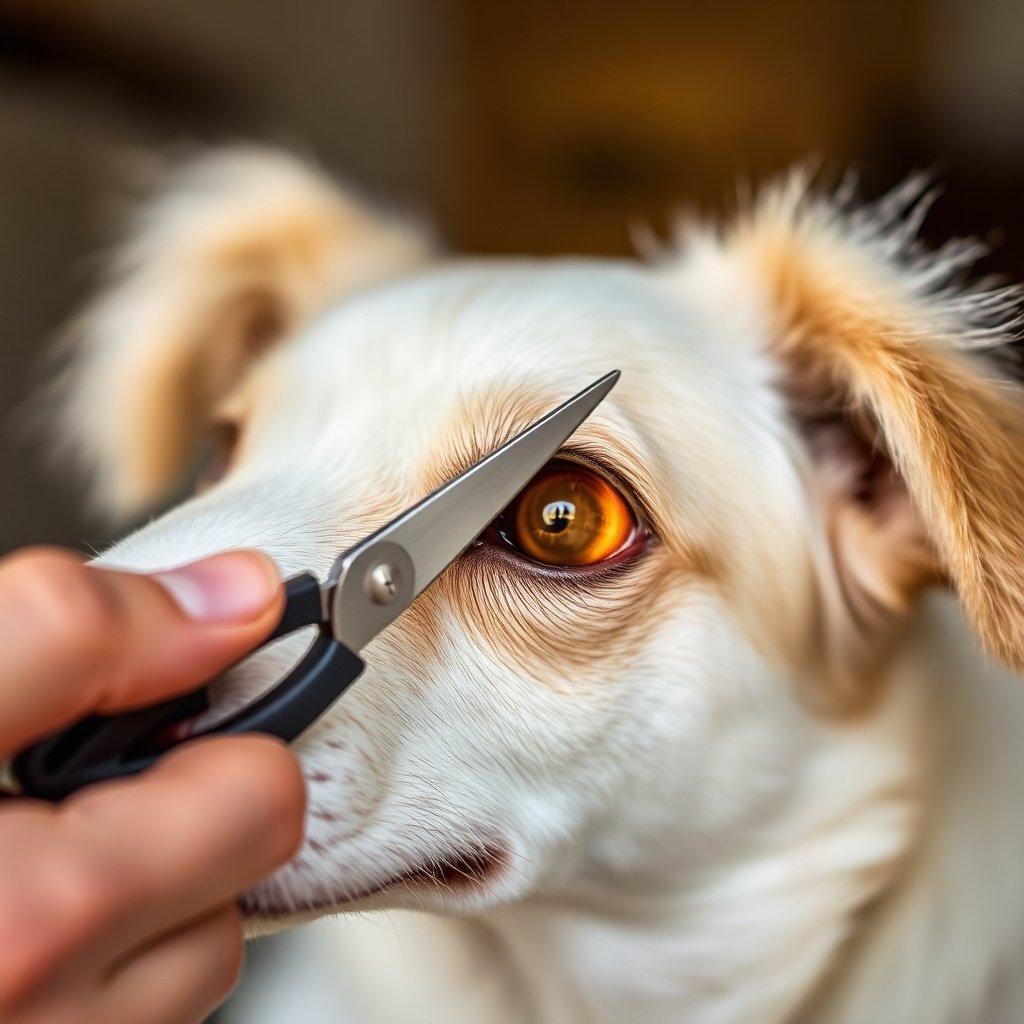
One common mistake is trimming too close to sensitive areas like the eyes, nose, or ears, risking injury or irritation. Always leave a slight buffer and use blunt-tipped scissors to reduce dangers. Over-trimming can also alter your dog’s natural look.
Take breaks often to reassure your dog and check your progress. Working calmly and methodically prevents rushed cuts and keeps the grooming stress level low.
- Keep scissors away from eyes and nose
- Use blunt-tipped scissors
- Trim small amounts gradually
- Give your dog breaks during grooming
For more on this, see our related guide: How Do Dog Groomers Trim Nails? A Complete Guide with Expert Tips.
Ignoring Your Dog’s Comfort Signals
Ignoring signs of discomfort, such as pulling away, whining, or excessive movement, can escalate anxiety and make future grooming harder. Listen to your dog and pause if they seem stressed. Protecting your dog’s emotional well-being is part of responsible grooming.
Adjust your approach based on reactions; switch to gentler tools, shorten sessions, or try calming aids to foster a positive grooming experience.
- Watch for signs of stress
- Pause if the dog is uncomfortable
- Use calming tools and treats
- Adapt the session as needed
Adapting Facial Trimming for Different Dog Breeds
Grooming Long-Haired Breeds’ Faces
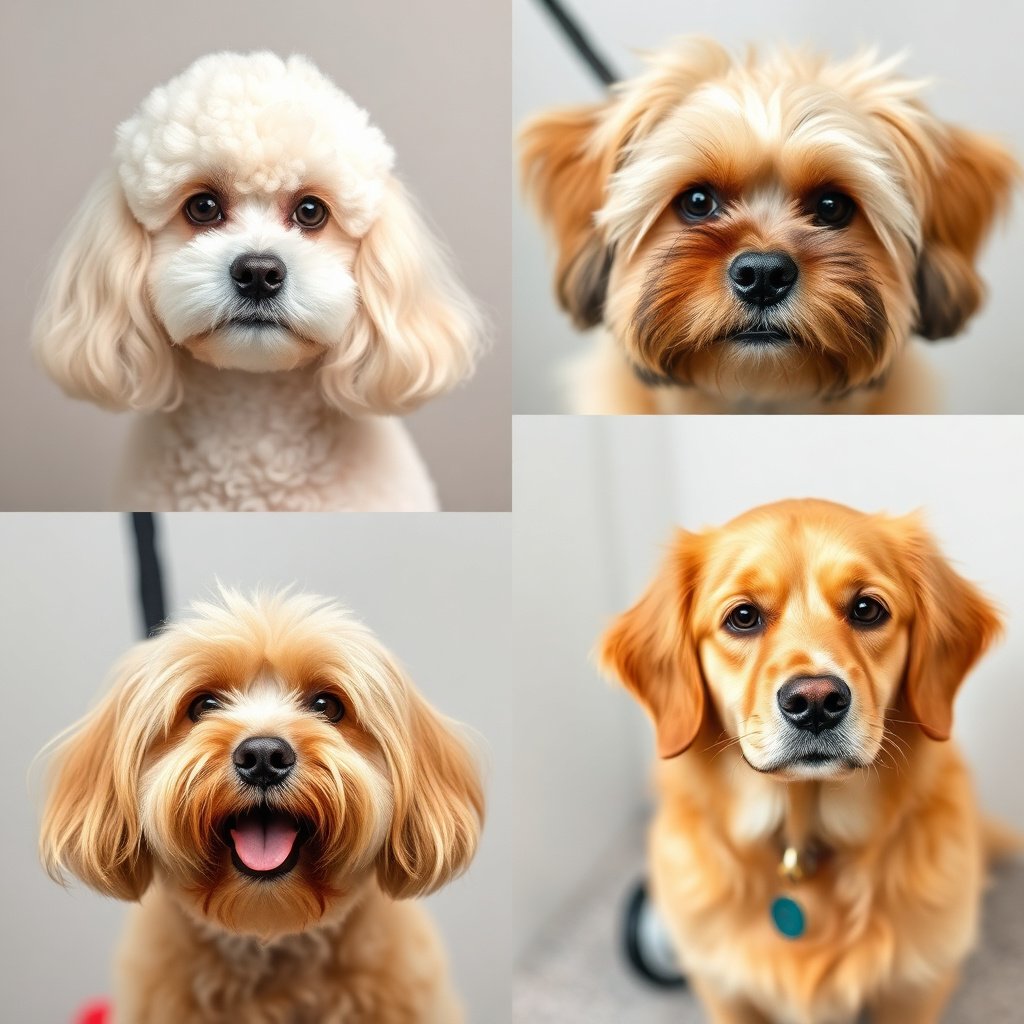
Breeds like Shih Tzus and Maltese have thick, long facial hair that easily mats and obstructs eyes. Frequent trimming and gentle detangling are essential to keep their faces clear and clean. Consider trimming styles that keep hair out of the eyes without shaving the entire face.
Use detangling sprays and soft brushes specially designed for fine hair to reduce breakage while grooming. Frequent maintenance prevents painful matting around sensitive areas.
- Trim to prevent mats and eye obstruction
- Use detangling spray regularly
- Choose styles keeping protective hair
- Brush gently to avoid breakage
For a broader overview of grooming practices including face trimming, you can visit the Dog grooming Wikipedia article. Dog grooming Wikipedia article.
Facial Grooming for Short-Haired Breeds
Short-haired breeds like Boxers or Beagles need less intensive facial trimming but may benefit from occasional clipping around the muzzle to remove stray hairs and maintain neatness. Regular cleaning to remove dirt and tear stains remains important.
Because there’s less hair, trimming sessions tend to be shorter and less frequent, but patience remains key to address sensitive spots like whisker pads.
- Minimal trimming needed with short hair
- Focus on cleaning and stray hairs
- Trim whisker pads carefully if needed
- Keep the face clean to avoid stains
Comparison of Dog Face Trimming Methods
Here’s a side-by-side look at popular dog face trimming methods to help you decide which suits your grooming style and dog’s needs.
| Method | Best For | Tools Needed | Pros | Cons |
|---|---|---|---|---|
| Scissors Only | Sensitive dogs or detailed styling | Blunt-tipped scissors, comb | Precise control, safe if careful | Takes longer, skill required |
| Electric Clippers | Thick or dense facial hair | Adjustable clippers, guards | Fast trimming, even cuts | Can scare nervous dogs, risk of cuts |
| Combination Method | Versatile for most breeds | Scissors and clippers | Balanced precision and speed | Requires multiple tools |
| Professional Groomer | Anxious dogs, breed-specific cuts | Professional tools | Expertise and style | Cost and scheduling needed |
Frequently Asked Questions
How often should I trim my dog's face?
Frequency depends on breed and hair type; long-haired dogs may need trimming every 4 to 6 weeks, while short-haired breeds require less frequent attention, about every 8 weeks.
Can I use human scissors to trim my dog’s face?
It’s not advisable because human scissors are usually too sharp and pointed, increasing the risk of injury. Always use grooming scissors with blunt tips designed for pets.
What if my dog hates having their face trimmed?
Start with very short sessions focusing on positive reinforcement. Use calming treats and gentle handling. If your dog remains fearful, consult a professional groomer or trainer for support.
Is it safe to trim a dog’s whiskers?
Whiskers are sensitive tactile hairs important for spatial awareness, so trimming them completely is not recommended. Trimming just a little for cleanliness is okay, but avoid cutting them entirely.
Can trimming a dog’s face improve their health?
Yes, regular facial trimming prevents hair from irritating eyes, reduces infections around ears, and keeps skin clean, which supports your dog’s comfort and overall health.
Key Takeaways
- Use blunt-tipped scissors and appropriate clippers for safe facial trimming.
- Prepare and calm your dog before grooming to create a stress-free experience.
- Trim small amounts carefully around eyes, ears, and muzzle to maintain comfort and appearance.
- Adapt grooming frequency and style according to your dog's breed and hair type.
Conclusion
Finding the best way to trim a dog's face involves balancing safety, precision, and your dog's comfort. Using the right tools, like blunt-tipped scissors and small clippers, allows you to carefully shape the hair around sensitive areas without causing harm. Preparation and positive reinforcement reduce stress and help your dog accept face trimming as part of regular grooming. Recognize individual breed needs and adjust your technique accordingly to maintain their natural look and ensure their eyes, ears, and muzzle remain healthy and clean.
For dogs with long, dense facial hair such as Shih Tzus or Poodles, more frequent trims combined with regular brushing are necessary to avoid mats and eye obstruction. Short-haired breeds may only require occasional tidying around the muzzle and thorough cleaning to keep their face looking neat. If you struggle to manage face trimming at home or want a refined style, scheduling professional grooming every six to eight weeks offers expert care and peace of mind. Choosing a method—scissors only, electric clippers, or a combination—depends on your comfort level and your dog’s temperament.
Start by gathering the right tools and practicing gentle handling techniques at home. Build your dog's tolerance with short, calm sessions, rewarding patience and cooperation. When in doubt or if your dog is particularly anxious, don't hesitate to seek professional guidance. With patience and attention to detail, trimming your dog's face can become a routine that enhances both their hygiene and appearance while strengthening your bond.