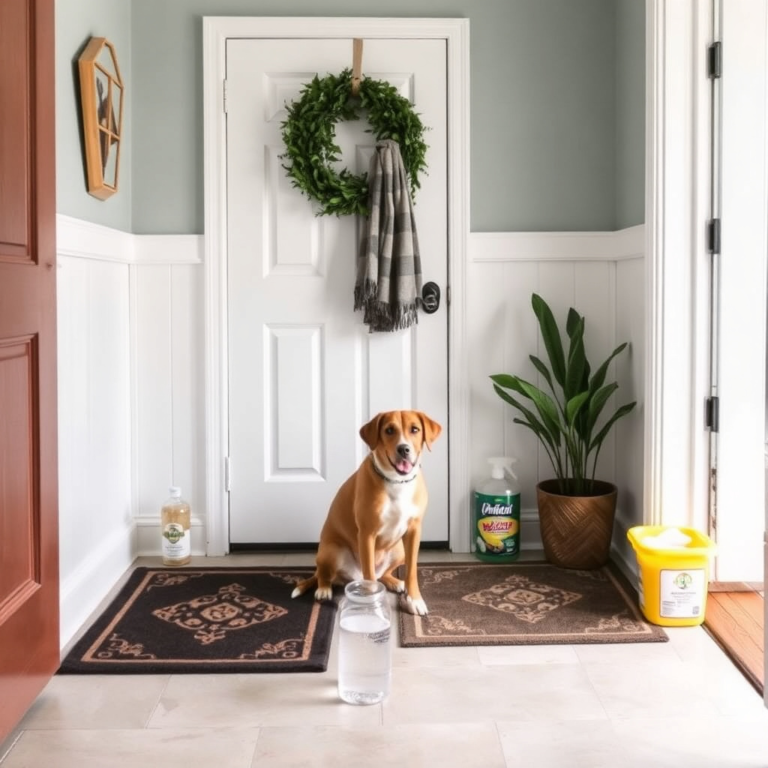
The Best Natural Flea Repellent for Dogs: Safe and Effective Solutions
The best natural flea repellent for dogs is often a combination of essential oils like neem, lavender, and cedarwood, used in a spray or shampoo form that safely deters fleas without irritating your dog's skin. These ingredients offer a gentle yet effective alternative to synthetic chemicals, making them suitable for sensitive pets and concerned owners.
Fleas can cause serious discomfort and health issues for dogs, so controlling them naturally provides a chemical-free approach that minimizes risks to your pet and family. Using natural repellents also helps avoid flea resistance and environmental harm, especially if applied regularly as part of a comprehensive flea prevention routine.
This article will explore various natural flea repellent options, how they work, their application methods, safety considerations, and practical tips for integrating them into your dog's grooming routine, helping you choose the best solution that fits your dog's needs and lifestyle.
Understanding Natural Flea Repellents for Dogs

How Natural Ingredients Repel Fleas
Natural flea repellents exploit the scent and chemical properties of certain plants that fleas find unpleasant. Essential oils such as neem, eucalyptus, cedarwood, and lavender affect flea behavior by masking the odors dogs naturally emit, reducing the likelihood of flea attachment.
Additionally, some plant compounds possess insecticidal properties that can disrupt flea breeding and feeding cycles without harming your dog. This mechanism offers ongoing protection when applied consistently, without the harsh side effects linked to traditional pesticides.
Benefits of Choosing Natural Flea Control for Pets
Natural flea repellents reduce chemical exposure for pets and owners, lowering the risk of allergic reactions, skin irritation, and toxic side effects that synthetic chemicals might cause. They’re often biodegradable, meaning they have less environmental impact.
In contrast to harsh chemical treatments, natural options can be integrated into everyday grooming routines safely. Many provide additional benefits, such as soothing skin and a pleasant scent, appealing to owners looking for holistic pet care solutions.
Popular Natural Flea Repellent Ingredients

Essential Oils with Flea-Repelling Properties
Neem oil contains azadirachtin, a compound that repels and disrupts the lifecycle of fleas effectively. Lavender oil’s strong aroma confuses fleas and keeps them away while also calming your dog’s skin.
Cedarwood oil is toxic to fleas in sufficient concentration and can act as a residual repellent. Eucalyptus and peppermint oils have also been found effective but require careful dilution due to their potency.
- Neem oil
- Lavender oil
- Cedarwood oil
- Eucalyptus oil
- Peppermint oil
Other Natural Ingredients with Flea Control Benefits
Diatomaceous earth is a powder composed of fossilized algae shells that physically damage and dehydrate fleas upon contact, making it a common additive for natural flea control. Apple cider vinegar is often diluted and sprayed to alter skin pH and discourage fleas from settling.
Herbs like rosemary and chamomile also contribute mild flea-repelling effects when used in shampoos or sprays, combined with soothing and anti-inflammatory properties for irritated skin.
- Diatomaceous earth
- Apple cider vinegar
- Rosemary
- Chamomile
How to Use Natural Flea Repellents Safely
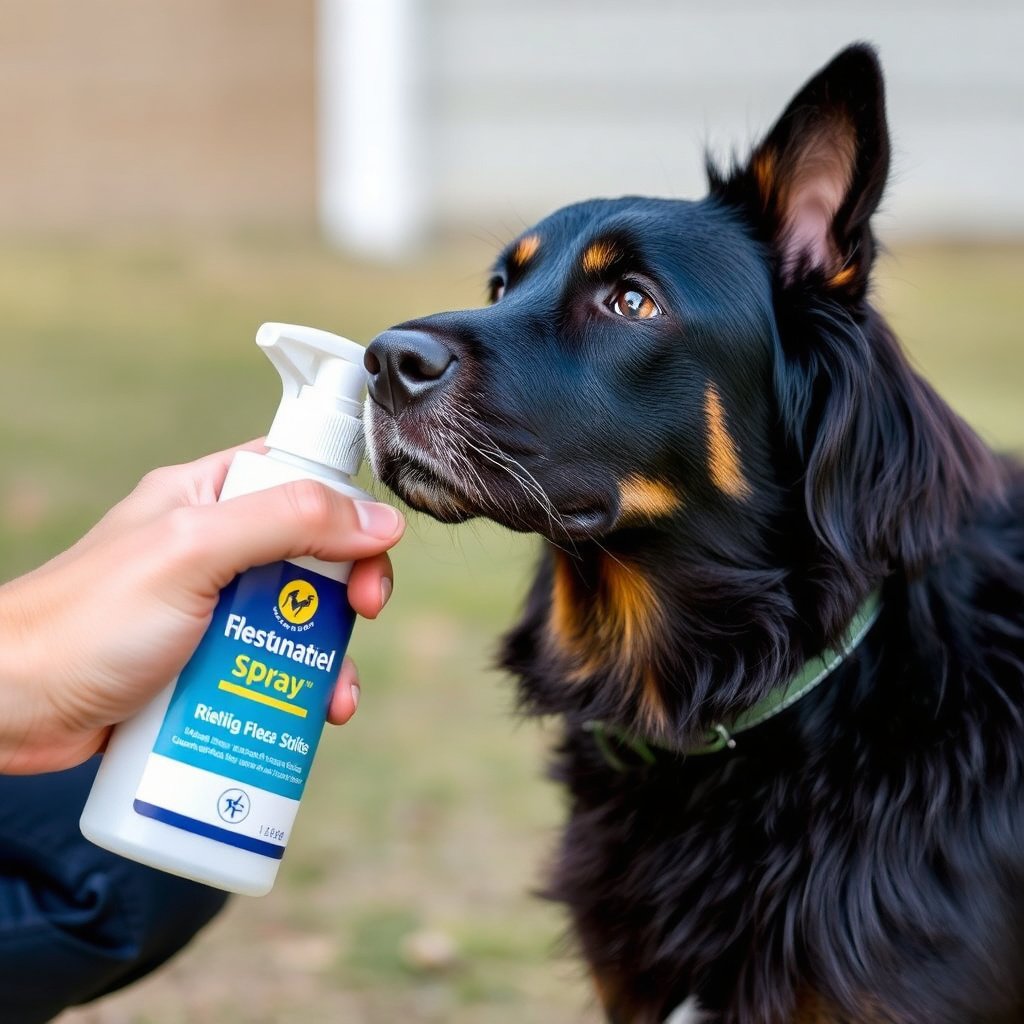
Proper Dilution and Application Techniques
Essential oils are highly concentrated and must be diluted with carrier oils like coconut or olive oil before applying to dogs. Spray formulations are preferred for ease of use and even distribution. Always apply repellents to the dog’s fur, avoiding eyes, nose, and mucous membranes.
Regular reapplication is needed, especially after swimming or bathing, as natural repellents tend to dissipate faster than chemical options. Testing a small patch can help detect any sensitivity before full application.
- Use carrier oils for dilution
- Avoid sensitive areas
- Reapply regularly
- Patch test first
For more on this, see our related guide: How to Get Rid of Dog Fleas: 8 Proven Steps for Complete Control.
Combining Natural Repellents with Other Flea Prevention Steps
Natural repellents should be part of a multipronged approach including regular grooming, washing dog bedding, vacuuming living spaces, and yard maintenance to reduce flea eggs and larvae. This integrated strategy maximizes flea control effectiveness without toxic chemicals.
Some owners supplement natural treatments with flea combs and diatomaceous earth applications where pets frequent. Avoiding contact with wild animals and inspecting dogs after outdoor activities also helps reduce infestation risk.
Choosing the Right Natural Flea Repellent for Your Dog

Factors to Consider Before Purchasing
Consider your dog’s size, breed, skin sensitivity, and lifestyle before selecting a natural flea repellent. Smaller breeds may need milder dilutions, while active dogs benefit from longer-lasting sprays or shampoos. Also, verify ingredients to avoid allergens your dog reacts to.
Some products are formulated specifically for puppies or seniors, with gentler components and fragrances. Reading reviews and seeking veterinarian advice can help narrow down the best repellent for your particular dog’s needs and health considerations.
- Dog size and breed
- Skin sensitivity
- Daily activities
- Age and health
- Product reviews and vet opinion
DIY Natural Flea Repellent Recipes
Home-made flea sprays typically blend diluted essential oils like lavender or neem with water and a small amount of witch hazel or apple cider vinegar. These DIY options allow control over ingredient quality and concentration, reducing additive exposure.
Creating your own repellent demands careful measurement and storage to preserve efficacy and safety. While homemade products save money, commercially prepared natural repellents benefit from standardized formulations and stability testing.
Monitoring Effectiveness and Signs Your Dog Needs Additional Care
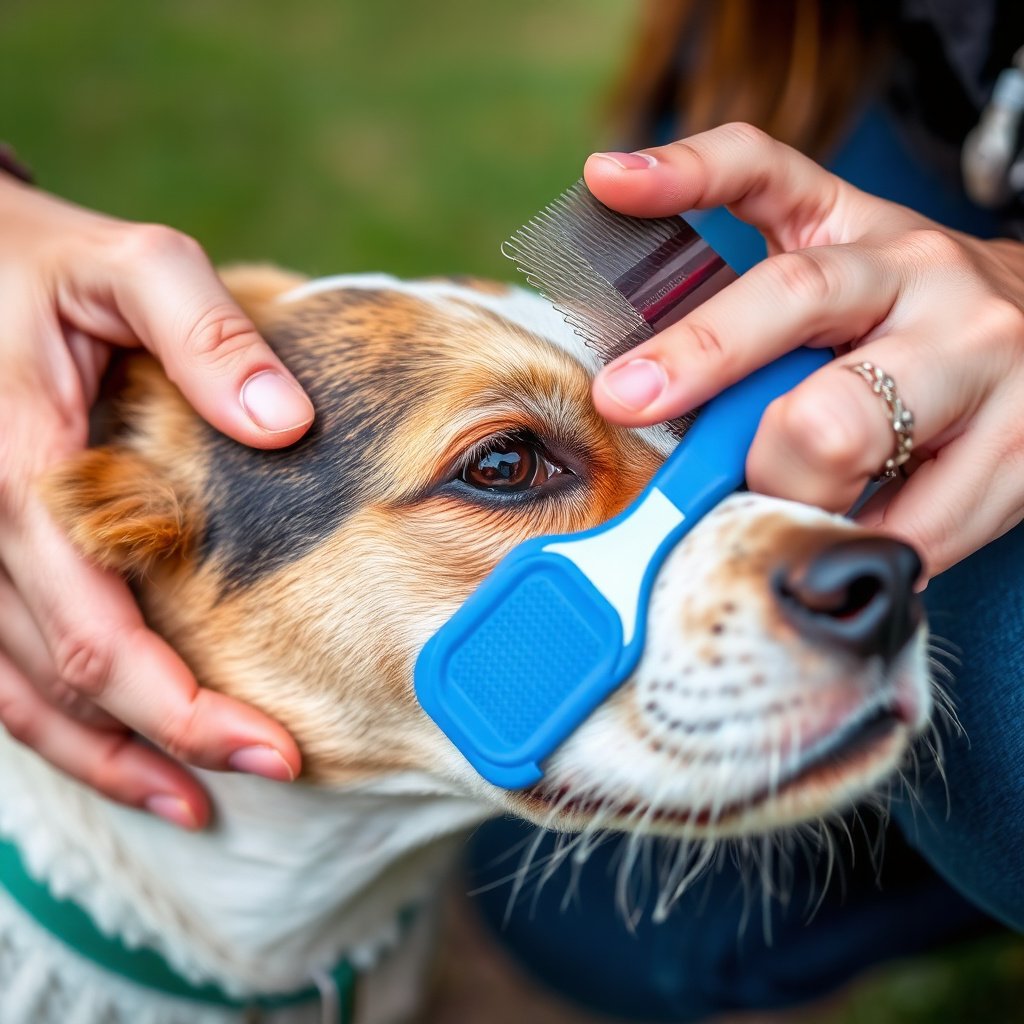
How to Tell if a Natural Flea Repellent Is Working
Reduced scratching, biting, and restlessness are positive signs your flea repellent is effective. Checking your dog's fur regularly with a flea comb can reveal fewer live fleas or flea dirt, confirming successful control.
Effectiveness varies depending on infestation severity and product type. If fleas persist after consistent use for several weeks, consider changing the repellent or combining with other prevention methods.
For more on this, see our related guide: How to Remove Fleas from a Dog: 8 Proven Methods for Fast, Safe Results.
When to Seek Veterinary Help
Persistent flea infestations, allergic reactions, or skin infections from scratching require veterinary attention. Dogs with flea allergy dermatitis often need medication beyond repellents for comfort and healing.
If your dog shows signs of anemia, lethargy, or unusual symptoms after flea treatments, consult your vet promptly. They can recommend treatments safer or stronger than natural repellents when necessary.
Additional Tips for a Flea-Free Environment

Home Cleaning and Yard Maintenance Practices
Regular vacuuming and washing of dog bedding remove flea eggs and larvae from indoor spaces. Outdoor areas should be kept free of tall grass and leaf litter where fleas thrive. Beneficial nematodes can be introduced to lawns to biologically reduce flea populations.
Use natural yard sprays based on beneficial essential oils or diatomaceous earth to deter fleas outside. Persistence in home and yard care helps prevent reinfestation after natural repellent application on pets.
- Vacuum frequently
- Wash bedding weekly
- Maintain yard cleanliness
- Use beneficial nematodes
The American Veterinary Medical Association offers guidance on natural flea control for pets, useful for readers exploring chemical-free options. natural flea control for pets.
Diet and Supplements Supporting Flea Resistance
Some pet owners report that diets rich in omega-3 fatty acids and certain supplements may improve skin health and make pets less attractive to fleas. Although scientific evidence is limited, adding fish oil or flaxseed oil might support overall coat condition.
Always consult your veterinarian before starting supplements to avoid adverse interactions. Balanced nutrition combined with external flea control strengthens your dog’s ability to resist infestations naturally.
Natural Flea Repellent Options for Dogs: Category Comparison
This table compares common natural flea repellent categories based on application, effectiveness, and safety to help identify what suits your dog best.
| Category | Main Active Ingredients | Application Method | Effectiveness Duration | Safety Notes |
|---|---|---|---|---|
| Essential Oil Sprays | Neem, Lavender, Cedarwood oils | Spray on fur | 4-6 hours | Must dilute; avoid eyes and nose |
| Shampoos with Herbal Extracts | Rosemary, Chamomile, Neem | Bathing | Up to 1 week | Gentle, but rinse thoroughly to avoid residue |
| Diatomaceous Earth | Fossilized algae shells | Dust on fur and environment | Several days | Food grade only; avoid inhalation |
| Apple Cider Vinegar Solutions | Diluted ACV | Spray or wipe | Few hours | Avoid open wounds and eyes |
| DIY Essential Oil Mixes | Various diluted oils | Spray or topical | Varies by formula | Variable safety; test patch recommended |
Frequently Asked Questions
Can all essential oils be used safely on dogs?
No, some essential oils like tea tree or peppermint can be toxic to dogs. Always use oils specifically proven safe for canine use and properly dilute them before application.
How often should I apply natural flea repellents to my dog?
Most natural repellents need reapplication every 4 to 7 hours or after swimming and bathing, since their effectiveness decreases faster compared to chemical treatments.
Are natural flea repellents effective for severe infestations?
Natural repellents work best for mild to moderate flea problems. In severe infestations, combining with vet-recommended treatments may be necessary for full relief.
Is diatomaceous earth safe to use indoors around pets?
Food grade diatomaceous earth is generally safe but should be applied carefully to avoid dust inhalation by pets or humans, and kept out of the dog’s eyes and nose.
Can I use natural flea repellents on puppies or senior dogs?
Some natural repellents are formulated for sensitive groups like puppies or elderly dogs, but always check product guidelines and consult your veterinarian before use.
Key Takeaways
- Natural flea repellents often use essential oils like neem and lavender that don't harm dogs when properly diluted.
- Combining natural repellents with environmental cleaning enhances flea control success.
- Choose natural products suited to your dog's size, health, and lifestyle for best results.
- Watch your dog for flea signs and consult a vet if infestations persist or reactions occur.
Conclusion
Choosing the best natural flea repellent for dogs involves evaluating your pet’s unique needs, skin sensitivity, and lifestyle along with the potency and safety of various plant-based ingredients. Natural options like neem and lavender oils offer effective flea deterrence when used correctly. Integrating these repellents within a broader flea management routine—including thorough home and yard care—delivers reliable protection without relying on synthetic chemicals. This balanced approach promotes your dog’s comfort and health while safeguarding your household environment.
For mild to moderate flea issues, essential oil sprays diluted with carrier oils or herbal shampoos provide daily maintenance with minimal risk. Tools such as diatomaceous earth and apple cider vinegar can supplement repellent use, especially in flea-prone outdoor areas. Puppies and senior dogs require gentler formulations, so select products labeled safe for sensitive pets or seek veterinary guidance. By combining these natural repellents with consistent grooming and environmental hygiene, owners create a safer, more pleasant experience for their dogs, often preferable to harsher chemical treatments.
Ultimately, if you prefer a chemical-free flea prevention method or have a dog with sensitive skin, starting with natural repellents is a practical first step. Observe your dog’s response and flea levels regularly, adjusting or combining treatments if needed. Consulting your veterinarian about integrating natural flea control into your dog’s health regimen ensures the chosen approach is safest and most effective. Trying tested natural repellents paired with environmental flea management will help keep your dog comfortable and protected all year round.